Gekühlte Sahne ist ein Milchprodukt mit hohem Feuchtigkeitsgehalt und einem kurzen Qualitätsfenster. Eine gute Verpackung muss das Produkt kalt halten, Schützen Sie die Kappe oder das Kartonsiegel, und halten Sie die Verkaufsfläche trocken genug für den Lebensmitteleinkauf, Essensset, Bäckerei, und Gastronomie-Empfangsteams. Das Ziel besteht nicht einfach darin, mehr Kühlmittel hinzuzufügen. Die Verpackung sollte die Wärmeentwicklung reduzieren, ohne dass die Produktwand einfriert, den Behälter zerdrücken, oder es entsteht Kondenswasser, das Etiketten und Kartons schwächt.
Cream Kühlkette planning data
| Typischer Zielbereich | 0-4 C für gekühlte Sahnerouten; Verwenden Sie den eigenen Freigabebereich des Herstellers, wenn dieser strenger ist. |
|---|---|
| Feuchtigkeit und Kondensation | Halten Sie Flaschen und Kartons trocken; Cremekartons können weich werden, wenn sich unter einer Gelpackung oder auf der Oberseite Kondenswasser bildet. |
| Vorkühlung | Kühlen Sie die Creme und die isolierte Verpackung vor dem Verpacken vor. Verlassen Sie sich nicht darauf, dass der Versender das warme Produkt nach dem Verladen herunterholt. |
| Verpackungsdruck | Verwenden Sie Trennwände oder Hüllen, um die Flaschenschultern zu schützen, Kappen, Kartons, und Originalitätsverschlüsse werden nicht durch die Kühlmittelmasse komprimiert. |
| Kühlmittelposition | Verwenden Sie eine seitliche und obere Platzierung mit einer Trockenbarriere. Vermeiden Sie den direkten Kontakt der gefrorenen Verpackung mit dünnen Plastikflaschen oder Giebelkartons. |
| Transitdauer | Am besten für validiert 24-48 h Paket- und Lebensmittelrouten; Längere Strecken erfordern einen größeren Versender, Kühlmittel hinzugefügt, oder gekühlter Linientransport. |
| Häufige Verluste | Saurer Geruch, Trennung, Karton schwitzt, Deckelleckage, Flaschenverformung, und herzliche Ankunft nach dem Aufenthalt vor der Haustür. |
| Tempk-Verpackung passt | Isolierte Box oder EPS-Versand, konditionierte Gelpackungen, Saugfähige Einlage, aufrechte Trennwände, und ein Routenlogger zur saisonalen Validierung. |
Warum Sahne eine eigene Verpackung braucht
Sahne erwärmt sich schneller als dichte Tiefkühlkost und weist bei schwacher Temperaturkontrolle einen sichtbaren Qualitätsverlust auf. Temperaturmissbrauch kann die Haltbarkeit verkürzen, Bei grober Handhabung können sich die Kappen lösen, offene Giebelnähte, oder es entstehen kleine Lecks, die den Rest der Lieferung beschädigen. Im Gegensatz zu Käse, Creme wird normalerweise als Flüssigkeit in Flaschen oder Kartons transportiert, also aufrechtes Laden, Hohlraumfüllung, und Kappenschutz sind ebenso wichtig wie die Temperatur.
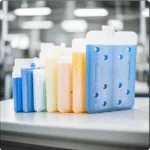
Für gekühlte Paketrouten, Beginnen Sie mit dem bereits vorgekühlten Produkt Kühlspeicher. Geben Sie die Sahne in einen gekühlten Behälter Isolierter Versender mit Gelpackungen auf den gewählten Zielbereich konditioniert. Kühlmittel um die Nutzlast verteilen, nicht direkt an dünnen Behälterwänden. Fügen Sie eine trockene Barriere zwischen Kühlmittel und Einzelhandelsverpackungen hinzu, Verwenden Sie dann Trennwände oder ein geeignetes Tablett, um beim Sortieren und Ausliefern zu verhindern, dass der Deckel an der Wand anschlägt.
Hilfreiche Entscheidungshilfen
Überprüfen Sie die Details, bevor Sie sich für die Verpackung entscheiden
Mit diesen schnellen Tools können Sie das Routenrisiko vergleichen, Größenanforderungen, Kühlmittelauswahl, und Verpackungsdetails, bevor Sie ein Angebot anfordern.
Kühlmittel & PCM-Referenz
Vergleichen Sie Kühlmittel- und PCM-Optionen, wenn eine Route zusätzliche Temperaturunterstützung benötigt.
Vergleichen Sie OptionenRoutenrisiko-Checker
Überprüfen Sie die Fahrspurbedingungen, bevor Sie die Verpackung entsprechend den tatsächlichen Betriebsanforderungen auswählen.
Streckenrisiko prüfenReferenz zu Isoliermaterialien
Vergleichen Sie die Auswahl an Isoliermaterialien für unterschiedliche Kühlkettenverpackungsanforderungen.
Vergleichen Sie MaterialienEmpfohlener Tempk-Packout-Ansatz
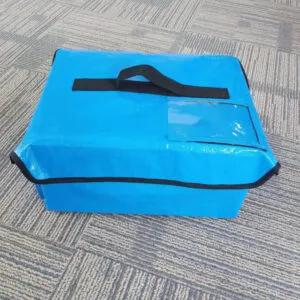
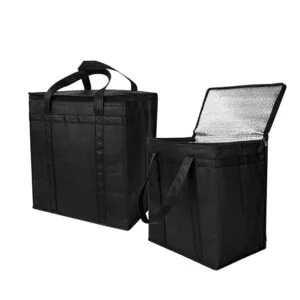
Tempk würde normalerweise mit einem beginnen isolierte Box oder EPS-Versender, der auf die Produktanzahl abgestimmt ist, ein auf die Streckendauer abgestimmtes Gelpack-Layout, und eine absorbierende Einlage oder feuchtigkeitsregulierende Schicht. Für kleine DTC-Sendungen, Ein kompakter Laderaum hält die Creme aufrecht und begrenzt die Bewegung. Für Lebensmittelabonnementsendungen, Die Verpackung sollte Sahne von Obst- und Gemüseprodukten oder Trockenwaren trennen und den Deckel vor dem Druck von oben schützen.
Die Validierung sollte einen Produktsimulator oder eine Live-Produktladung umfassen, ein kalibrierter Temperaturlogger innerhalb der Nutzlastzone, und Erhalt von Temperaturschecks, Kartontrockenheit, Leckage, Geruch, und sichtbare Trennung. Testen Sie Sommerrouten und Aufenthalte vor der Haustür, bevor Sie die Strecke erklimmen. FoodSafety.gov listet die Lagerung von Kühlschränken unter auf 40 F (4 C) oder unten, und die Referenzen zum FDA-Lebensmittelkodex unterstützen die Verwendung der Temperaturkontrolle für Sicherheitslebensmittel als zentrales Handhabungsprinzip. Kommerzielle Freigabeentscheidungen sollten sich weiterhin an den Spezifikationen des Produktinhabers orientieren, lokale Regeln, und das tatsächliche Routentestergebnis.