Kryotherapie-Gelpackungen in Deutschland: So wählen Sie das richtige Angebot aus
Beginnen Sie mit der echten Entscheidung
Der stärkste Weg, therapieorientiert einzukaufen Gelpackungen ist es, mit der beabsichtigten Verwendung und der Kanalpassung zu beginnen. Sobald das klar ist, Materialien, Anweisungen, und Dokumentation lassen sich einfacher vergleichen, ohne Einzelhandels-Wellnessprodukte mit medizinisch positionierten Produkten zu vermischen.
Der zuverlässigste Entscheidungsrahmen beginnt bei der beabsichtigten Verwendung. Notieren Sie das zu schützende Produkt, das Zieltemperaturband, die Streckenlänge oder Nutzungsdauer, und die betrieblichen Einschränkungen. Vergleichen Sie dann die Paketformate mit diesen Anforderungen. Das klingt einfach, aber es verhindert den häufigsten Beschaffungsfehler: Kauf eines vertraut aussehenden Produkts, bevor die eigentliche Aufgabe definiert wird.
Danach, Gehen Sie die Entscheidung schichtweise durch. Schicht eins ist thermisch passend. Schicht zwei ist die betriebliche Eignung, inklusive Lagerung, Konditionierung, Verpackungsgeschwindigkeit, und Erfahrungen sammeln. Schicht drei ist die Lieferantenkontrolle: Partiekonsistenz, Änderungsmanagement, und die Fähigkeit, Wachstum zu unterstützen. Wenn Käufer Entscheidungen in dieser Reihenfolge treffen, Sie erzielen in der Regel ein besseres Ergebnis, als wenn sie mit Preis- oder generischen Kaltaussagen beginnen.
Selbst ein guter Rucksack kann im falschen System versagen. Dämmstärke, Kastengröße, Nutzlastdichte, leerer Raum, und die Packungsplatzierung verändern das Ergebnis. Auf regulierten oder hochsensiblen Strecken, Das Kältemittel ist nur eine Komponente eines größeren kontrollierten Pakets. In Verbraucher- oder Einzelhandelsprogrammen, Das Benutzererlebnis nach der Lieferung kann genauso wichtig sein wie der interne Temperaturtrend.
Deshalb sollte das Pack immer zusammen mit dem Rest des Builds besprochen werden. Wenn Sie den Karton wechseln, der Liner, die Anzahl der Einheiten, oder die Art und Weise, wie das Produkt vorkonditioniert wird, Möglicherweise haben Sie die Leistung geändert. Käufer, die sich frühzeitig mit der Systemtauglichkeit vertraut machen, geben später weniger Geld für vermeidbare erneute Tests aus.
Eine Route, die auf dem Papier einfach aussieht, kann dennoch eine Herausforderung darstellen Kryotherapie-Gelpackung sobald es in die reale Welt gelangt. Inszenierung auf der ersten Meile, Exposition auf der letzten Meile, Verspätung am Wochenende, Verfügbarkeit des Empfängers, und Umgebungsspitzen sind alle wichtig. Ein Abgang aus einem Kühlhaus ist nicht dasselbe wie eine geschützte Hauszustellungsspur, Und eine Klinikübergabe ist nicht dasselbe wie eine Krankenhausannahmestelle oder ein Sporttrainingsraum.
Deshalb ist die operative Kartierung wichtig. Käufer sollten sich erkundigen, wo sich das Paket außerhalb kontrollierter Bedingungen aufhält, wie lange das Produkt nach dem Verpacken ruht, ob Kartons sofort nach Erhalt geöffnet werden, und was passiert, wenn etwas schief geht. Je mehr Routenvariablen Sie definieren können, desto geringer ist die Wahrscheinlichkeit, dass Sie zu viel Masse kaufen, Unterkaufschutz, oder wählen Sie ein Format, das in der Theorie effizient aussieht, in der Praxis jedoch zu Beschwerden führt.
Wenn Käufer diesen Rahmen mit einer disziplinierten Auswahlliste und einem Pilotprojekt kombinieren, Am Ende haben sie in der Regel eine bessere Endauswahl als jeder einzelne Artikel, Katalogseite, oder eine Beispielüberprüfung könnte von selbst bereitgestellt werden.
Ein klarer Rahmen für die Auswahl des richtigen Pakets
Der Vergleich von Formaten ist sinnvoller als der Vergleich von Slogans. Ein Sortiment an Kryotherapie-Gelpackungen kann wiederverwendbare Therapiepackungen umfassen, wickelkompatible Geleinlagen, Anatomische Packungen, und kliniktaugliche Multipack-Sortimente, und jedes Format verändert das Packverhalten. Flache oder blattförmige Verpackungen verbessern oft die Packgeschwindigkeit und liegen sauber auf Kartons oder Linern auf. Kissenartige Verpackungen können Produkte umhüllen und Hohlräume auf natürlichere Weise füllen. Starre Blöcke behalten ihre Form und lassen sich leichter vorhersehbar positionieren, Sie beanspruchen jedoch mehr Platz im Gefrierschrank und verzeihen möglicherweise unregelmäßige Ladungen weniger.
Die richtige Vergleichsmethode ist daher berufsspezifisch. Fragen Sie, welches Format für Ihren aktuellen Karton-Fußabdruck geeignet ist, die man effizient in Ihrem Gefrierschrank aufbewahren kann, was die Verwirrung der Packer verringert, und welches das Schadens- oder Leckagerisiko begrenzt. Die beste Antwort ist möglicherweise nicht die mit dem aggressivsten Kälteprofil. Möglicherweise ist es diejenige, die Ihr Team konditionieren kann, identifizieren, und jeden Tag richtig anwenden.
Wie das Produkt in einem vollständigen System funktioniert
Das Funktionsprinzip ist einfach, aber die Kaufentscheidung ist es nicht. Eine Kryotherapie-Gelpackung absorbiert im gefrorenen oder konditionierten Zustand Wärme und gibt die gespeicherte Energie dann nach und nach ab. Wie schnell das geschieht, hängt von der Packungsmasse ab, die Form und Fläche der Packung, die umgebende Isolierung, und wie lange die Nutzlast der Umgebungswärme ausgesetzt bleibt.
Herkömmliche Gelpackungen auf Wasserbasis gefrieren normalerweise an der Stelle, an der das Wasser gefriert, was sie für viele allgemeine Kühlkettenaufgaben praktisch und wirtschaftlich macht. Superabsorbierendes Polymer, oft als SAP abgekürzt, wird üblicherweise verwendet, um die Wasserphase in eine Gelmatrix umzuwandeln. Dadurch kann die Füllung der Bewegung freier Flüssigkeit widerstehen, wenn der Beutel beansprucht wird. In anspruchsvolleren Programmen, oder wenn frostempfindliche Produkte geschützt werden müssen, Käufer können auch Phasenwechselmaterialien in Betracht ziehen. PCM-basierte Packungen können so konzipiert werden, dass sie näher an einem Zielband schmelzen und erstarren, sodass sie die Kälte sanfter abgeben als standardmäßige gefrorene Kältemittel auf Wasserbasis.
Deshalb ist Konditionierung genauso wichtig wie Chemie. Ein Käufer braucht keine Packung, die sich im Gefrierschrank kalt anfühlt. Der Käufer benötigt eine Packung, die im richtigen thermischen Zustand in den Versand- oder Nutzungsschritt gelangt. Wenn das Produkt gekühlt statt gefroren bleiben soll, Eine vollständig gefrorene wasserbasierte Packung kann zu einer lokalen Unterkühlung führen. Wenn die Route kurze gekühlte Stufen, aber eine lange Belastung auf der letzten Meile umfasst, Möglicherweise ist ein schwererer Rucksack oder eine höhere Packungsanzahl erforderlich. Mit anderen Worten, Das Rudel kann niemals allein beurteilt werden; Es muss innerhalb der Route und des Handhabungsprozesses beurteilt werden, auf die es tatsächlich ankommt.
Material, Qualität, und Compliance-Punkte, die nicht übersprungen werden sollten
Therapieorientierte Produkte legen mehr Wert auf die Flexibilität nach dem Einfrieren, Benutzerkomfort, und Materialien mit Hautkontakt. Das verändert die materielle Konversation. Außenfolien oder Laminate müssen wiederholtem Biegen standhalten, ohne zu reißen, während die Füllformel für den praktischen Gebrauch ausreichend anpassungsfähig bleiben muss. Eine Therapiepackung, die nach dem Einfrieren fest wird, kann noch kalt sein, Aber in den Händen des Benutzers ist es oft ein schlechtes Produkt.
In Deutschland und dem weiteren EU-Markt, Der beabsichtigte Gebrauch verändert das Dokumentationsgespräch. Wenn eine Kryotherapiepackung als Medizinprodukt vermarktet wird, Möglicherweise gelten die MDR-Anforderungen zur CE-bezogenen Dokumentation und Kennzeichnung. Wenn es als Wellness- oder Sportaccessoire verkauft wird, Der Dokumentationspfad kann kürzer sein. Käufer sollten nicht raten. Sie sollten die Produktaussage überprüfen, Anweisungen, und kommerzielles Senderangebot.
Über alle diese Kategorien hinweg, Eine ausführlichere technische Diskussion befasst sich mit dem Verhalten des Pakets unter realen Betriebsbedingungen: wie schnell es gefriert, ob es temperiert werden muss, wie es unter Druck reagiert, und wie genau die fertige Charge mit der genehmigten Probe übereinstimmt. Diese Tiefe ist nützlicher als eine lange Liste unbegründeter Behauptungen.
Qualitätskontrolle beginnt mit der Integrität des Siegels. Ein Beutel, der undicht ist, versagt, egal wie gut sein thermisches Design auf dem Papier aussieht. Käufer sollten sich erkundigen, wie Siegel entstehen, welche Dichtheits- oder Bersttests verwendet werden, wie die Durchstoßfestigkeit geprüft wird, und wie hoch die akzeptable Fülltoleranz von Charge zu Charge ist. In Wiederholungsprogrammen, Kleine Verpackungsänderungen können große betriebliche Auswirkungen haben, vor allem, wenn es auf den Fall ankommt, Würfel, Gefrierschrank, oder automatisiertes Verpacken beteiligt sind.
Der andere Teil der Qualitätskontrolle ist das Änderungsmanagement. Große Käufer gehen häufig davon aus, dass die angegebene Spezifikation unverändert bleibt, aber das trifft in der Praxis nicht immer zu. Filmversorgung, Nahtbreite, Füllverhältnis, Druckbereich, und sogar die Anzahl der Kartons kann sich ändern, wenn es keinen definierten Änderungskontrollprozess gibt. Zu einer stärkeren Lieferantenbeziehung gehört eine Vorankündigung, beibehaltene Masterspezifikationen, und eine Möglichkeit, Pilotmaterial mit der vollständigen Produktion zu vergleichen.
Eine praktische Lieferanten-Checkliste
Großabnehmer sollten Lieferantengespräche in eine strukturierte Bewertung verwandeln und nicht in ein ergebnisoffenes Verkaufsgespräch. Die nützlichsten Fragen sind diejenigen, die die Eignung definieren, bevor der Preis zum einzigen Thema wird.
Ob der Verwendungszweck Wellness ist, Sportliche Erholung, oder medizinische Therapie, und ob die Dokumentation dieser Behauptung entspricht.
Hilfreiche Entscheidungshilfen
Überprüfen Sie die Details, bevor Sie sich für die Verpackung entscheiden
Mit diesen schnellen Tools können Sie das Routenrisiko vergleichen, Größenanforderungen, Kühlmittelauswahl, und Verpackungsdetails, bevor Sie ein Angebot anfordern.
Trockeneisrechner
Schätzen Sie vor dem Verpacken den Bedarf an Trockeneis für gefrorene oder ultrakalte Sendungen.
Schätzen Sie TrockeneisCompliance-Checklisten-Generator
Erstellen Sie eine praktische Checkliste für die Verpackungsüberprüfung, Versand, und Dokumentation.
Checkliste erstellenKühlmittel & PCM-Referenz
Vergleichen Sie Kühlmittel- und PCM-Optionen, wenn eine Route zusätzliche Temperaturunterstützung benötigt.
Vergleichen Sie OptionenVerfügbarkeit von CE-Kennzeichnungsinformationen, wenn das Produkt als Medizinprodukt in Deutschland oder der weiteren EU vermarktet wird.
Deutschsprachige oder EU-Marktkennzeichnung, Gebrauchsanweisung, und Vertriebsunterstützung für Apotheken- oder Klinikkanäle.
Flexibilität im Gefrierschrank, Ärmelkompatibilität, und Benutzerkomfort bei wiederholter Verwendung durch Patienten oder Verbraucher.
Verpackungsqualität für den Einzelhandel, Rehabilitation, Sport, oder klinische Weiterverkaufskanäle.
Stabile Versorgung, Rückverfolgbarkeit, und Benachrichtigungsverfahren, wenn Materialien oder Kennzeichnung geändert werden.
Ob der Lieferant die Klarheit der beabsichtigten Verwendung unterstützen kann.
Ob der Lieferant die EU-/deutsche Händlerdokumentation unterstützen kann.
Ob der Lieferant die Flexibilität des Gefrierschranks unterstützen kann.
Ob der Lieferant Abdeckungen oder Hüllen für den Patientengebrauch unterstützen kann.
Ob der Lieferant eine kanalgerechte Etikettierung und Verpackung unterstützen kann.
So nehmen Sie Lieferanten in die engere Wahl, bevor Sie sich verpflichten
Eine aussagekräftige Auswahlliste besteht normalerweise aus drei Fragen. Erste, Kann der Lieferant die beabsichtigte Anwendung ehrlich unterstützen, anstatt jede Anfrage in die gleiche Standardlösung zu zwingen?? Zweite, Kann der Lieferant die Konditionierung erklären?, fit, und Verpackungsverhalten in praktischer Sprache? Dritte, Kann der Lieferant die Spezifikation stabil halten, wenn das Programm wächst??
Käufer sollten auch nach Nachweisen für die betriebliche Unterstützung suchen. Dazu gehört auch eine sinnvolle Probenahme, Klare Karton- und Paletteninformationen, Rückverfolgbarkeit, und die Bereitschaft zu definieren, was kontrolliert wird und was variieren kann. Ein schwächerer Lieferant verlässt sich häufig auf eine generische Haltezeitsprache, vage Größenempfehlung, oder eine Probe, die nur deshalb gut aussieht, weil sie unter idealen Bedingungen hergestellt wurde.
Implementierungsplan vor dem vollständigen Scale-Up
Sobald Sie einen Lieferanten in die engere Wahl gezogen haben, Die Umsetzung sollte einer disziplinierten Reihenfolge folgen. Genehmigen Sie die Spezifikation schriftlich. Validieren Sie die Konditionierungsmethode, die Ihr Team tatsächlich verwenden wird. Führen Sie einen Pilotversuch mit dem vorgesehenen Karton durch, Isolierung, Nutzlast, und Routenannahmen. Überprüfen Sie das Empfangsergebnis auf die gleiche Weise, wie es das interne Team oder der Endbenutzer erleben wird. Sperren Sie dann die Nachbestellungskontrollen, damit zukünftige Chargen innerhalb des genehmigten Bereichs bleiben.
Wenn das Programm wächst, Aktualisieren Sie das System, bevor Probleme Sie dazu zwingen. Neue Kartongrößen, heißere Gassen, längere Verweildauer, oder ein Wechsel vom Lagerbestand zum individuellen Druck kann das Ergebnis verändern. Teams, die den Packout proaktiv erneut prüfen, vermeiden in der Regel den teuren Reklamationszyklus, Notfall-Ersatz, und überstürzte Requalifikation.
Häufig gestellte Fragen
Benötigt jede Kryotherapie-Gelpackung in Deutschland die gleiche Dokumentation??
NEIN. Die Dokumentation ist abhängig vom Verwendungszweck und Kanal. Wellness-Produkte und als Medizinprodukte positionierte Produkte werden nicht immer gleich behandelt.
Warum sollten Händler den Verwendungszweck frühzeitig besprechen??
Wegen der Kennzeichnung, Anweisungen, und alle CE-bezogenen Dokumentationen müssen mit der Art und Weise übereinstimmen, wie das Produkt vermarktet und verkauft wird.
Welche Funktion ist bei wiederholter Verwendung am wichtigsten??
Flexibilität nach dem Einfrieren kombiniert mit Haltbarkeit der Nähte. Eine Packung, die undicht wird oder zu schnell steif wird, lässt sich nur schwer in den Therapiekanälen halten.
Abschließende Empfehlung
Der sinnvollste Weg, Kryotherapie-Gelpackungsprodukte zu kaufen, besteht darin, mit der eigentlichen Arbeit zu beginnen: Sportliche Erholung, Abkühlung nach dem Eingriff, sowie klinische und Wellness-Kanäle. Sobald dieser Job klar definiert ist, Die richtige Wahl wird leichter erkennbar. Sie vergleichen das Format, Konditionierung, Stabilität, Handhabung, und Lieferantenkontrolle, anstatt sich von weitreichenden Behauptungen ablenken zu lassen. So reduzieren Großabnehmer den Abfall, Produktintegrität schützen, und vermeiden Sie einen Neuaufbau des Programms nach der ersten Skalierung.
Über Tempk
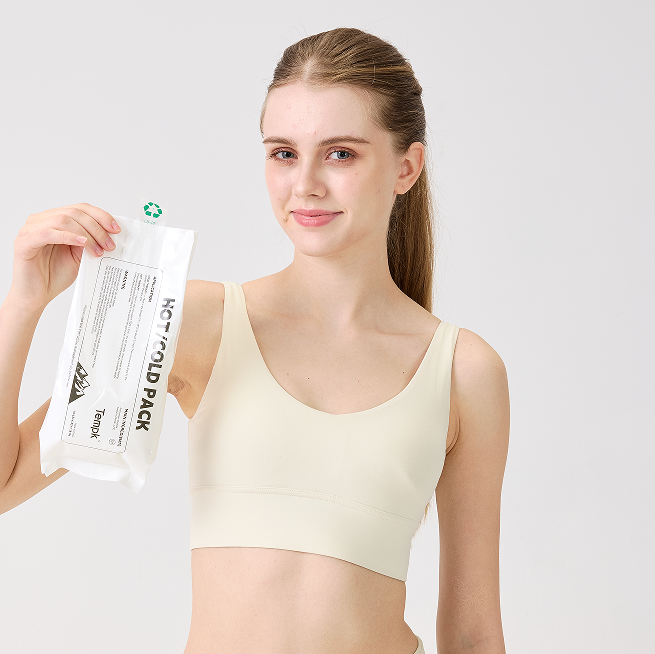
Und Tempk, Wir entwickeln Kühlkettenmaterialien und bieten in unserem öffentlichen Produktsortiment auch wiederverwendbare Wärme- und Kältetherapiepackungen an. Wir arbeiten mit Gelpackungen, Eisziegel, Isoliertaschen, Isolierte Kisten, und damit verbundene temperaturempfindliche Anwendungen. Unser Ansatz ist praxisorientiert: Wir achten darauf, die Formel auszufüllen, Außenmaterial, Packformat, und reale Handhabungsbedingungen, sodass Händler und Käufer Produkte auswählen können, die zum beabsichtigten Kanal passen, anstatt sich nur auf breite Behauptungen zur Kältetherapie zu verlassen.
Nächster Schritt: Wenn Sie die Lagerbestände der Händler vergleichen, Private-Label-Optionen, oder benutzerdefinierte Packformate, Teile deinen Kanal, Zielbenutzer, und Leistungserwartungen und wir können eine passendere Richtung vorschlagen.