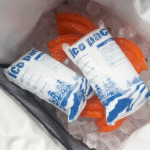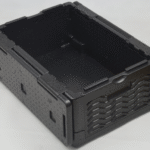
A custom insulated box for biotech keeps your payload inside a safe temperature band by controlling heat flow, Luftstrom, and coolant placement. That stability protects potency, Datenintegrität, and compliance readiness.
Dieser Artikel wird für Sie antworten:
How a custom insulated box for biotech protects real shipments (not lab fantasies)
How to spec a 2–8°C custom insulated box for biotech without overpaying
How to validate a custom insulated box for biotech for GDP-style audits
How to reduce total cost with a reusable custom insulated box for biotech
A 5-minute decision tool to match insulation, Kühlmittel, und Dauer
Why is a custom insulated box for biotech critical for shipping?
In der Biotechnologie, you are not shipping “items.” You are shipping research time, patient outcomes, and trial timelines. A generic shipper often creates empty air space, ungleichmäßige Kühlung, and unpredictable results. A custom insulated box for biotech is engineered around your payload size, lane risk, und Zeit halten, so performance is repeatable instead of lucky.
Was macht? “repeatable performance” mean in plain English?
It means two different packers can pack the same custom insulated box for biotech and get the same temperature outcome. That is what quality teams trust, and what customers remember.
| What you need | What goes wrong without it | What a custom design changes | Was es für Sie bedeutet |
|---|---|---|---|
| Stable temperature band | Hot/cold spots | Fixed thermal zones | Weniger Ausflüge |
| Delay protection | Weekend holds fail | Built-in buffer time | Less panic shipping |
| Consistent packing | “Depends who packed it” | Visual pack-out + Tabletts | Fewer mistakes |
Practical tips you can use right now
If you ship high-value samples: Design for the worst delay, not the average day.
If you ship 2–8°C: Build in freeze protection, not just “more cold.”
Wenn Sie weltweit versenden: Assume at least one missed connection or customs hold.
Real scenario: Teams commonly reduce excursions by switching from one-size EPS shippers to a right-sized custom insulated box for biotech with better insulation control and a clearer pack-out flow.
What should you define before ordering a custom insulated box for biotech?
Write down four numbers: Temperaturband, max transit time, worst-case ambient, und Nutzlastmasse. If these inputs are wrong, your custom insulated box for biotech will be wrong.
Dein “Fahrbahn” is your shipping route, including hubs and handoffs. Lane risk changes by season, Abholzeit, and weekend behavior. If you skip lane definition, you will either overpay for insulation you don’t need, or under-protect the payload and lose shipments.
How do stability limits and buffers protect your custom insulated box for biotech outcome?
Your product may allow short excursions, but you should still design a buffer. A simple approach is a do-not-cross limit plus a safer “working zone.” Zum Beispiel, many 2–8°C shipments aim to keep the payload closer to 3–7°C to avoid flirting with the edge.
| What you ship | Typical band | Common risk | Ihr praktischer Imbiss |
|---|---|---|---|
| Impfungen / Biologika | 2–8 ° C | Freezing or overheating | Use buffering and tight pack-out |
| Enzyme / Reagenzien | 2–8°C or -20°C | Activity loss | Match coolant type to lane |
| Cell therapies | -60°C oder kälter | Rapid warming | Build delay protection + Überwachung |
Praktische Tipps und Ratschläge
If the lane is uncertain: Spec for the longest realistic duration, then tighten after real data.
If you ship small vials: Avoid accidental freezing from cold spots.
If Fridays fail: Fix pickup timing and conditioning steps before buying a thicker box.
Which insulation materials work best in a custom insulated box for biotech in 2026?
In 2026, the best custom insulated box for biotech usually uses EPP, Pu, VIP, or hybrid insulation, because they reduce waste and stabilize performance across lanes.
Insulation is your “slow-down” tool. Better insulation means less coolant, fewer cold spikes, and less sensitivity to rough handling. In daily operations, “best” also means the shipper survives reality—drops, Kompression, und wiederholen Gebrauch.
EPS vs. EPP vs. VIP: what you feel in daily operations
| Isolierungsoption | Typical strength | Size efficiency | Passt am besten zu Ihnen | Was es für Sie bedeutet |
|---|---|---|---|---|
| EPS | Medium | Niedrig | Kurze Dauer, cost-sensitive | Niedrige Kosten, bulky boxes |
| EVP | Hoch | Medium | Wiederverwendung + raues Handling | Dauerhaft, lower damage rate |
| Pu | Hoch | Medium-high | Längere Haltezeiten, simpler pack-out | Strong performance without huge size |
| VIP | Medium-high | Sehr hoch | Lange hält, high dim-weight cost | Kleinere Kartons, high stability |
| Hybrid | Variiert | Hoch | Gemischte Bahnen, tight targets | Balanced cost vs performance |
Practical tips you can use immediately
If dimensional weight hurts: Consider VIP or hybrid early.
If boxes break often: EPP-based designs usually survive better.
If you ship worldwide: Pick materials that stay stable across climate swings.
How do you pick the right coolant for a custom insulated box for biotech?
Match coolant type to your temperature band, Spurdauer, and freeze risk. The wrong coolant is the #1 cause of edge freezing or early warm-up.
Coolant comparison for a custom insulated box for biotech
| Kühlmitteltyp | Typische Verwendung | Häufiger Fehler | So vermeiden Sie es |
|---|---|---|---|
| Water-based gel | Short 2–8°C | Freezing at start | Condition packs, add buffers |
| 5° C PCM | Pharma 2–8°C | Under-cooling in heat | Add mass, Fahrspuren validieren |
| 22° C PCM | CRT 15–25°C | Overheating in hot lanes | Use more PCM, Isolierung hinzufügen |
| Trockeneis | Tiefgefroren | CO₂ handling rules | Personal schulen, Stellen Sie die Entlüftung sicher |
How do you validate a custom insulated box for biotech for audits?
Use a DQ/OQ/PQ approach: document the design, test under worst-case conditions, and confirm performance in real shipments. This is what auditors expect, and what protects you when things go wrong.
| Validation step | Was Sie tun | What you collect | Was es für Sie bedeutet |
|---|---|---|---|
| DQ (Design) | Document specs, Materialien, target band | Datenblatt, drawings | Proves you planned it |
| OQ (Operational) | Lab test under worst-case conditions | Temperaturprotokolle, pass/fail | Proves it works in stress |
| PQ (Leistung) | Field shipments with data loggers | Real-lane data, deviation reports | Proves it works in real life |
How do you reduce total cost with a reusable custom insulated box for biotech?
Reusable shippers cost more upfront but often cut total cost per shipment by 30–50% over time. The key is designing for return logistics and cleaning from the start.
Häufig gestellte Fragen
Q1: How long can a custom insulated box for biotech maintain temperature? Many designs hold 48–120 hours depending on insulation and coolant.
Q2: Are custom insulated boxes for biotech reusable? Yes—many support dozens of cycles with proper cleaning and inspection.
Q3: Do custom insulated boxes for biotech meet pharma standards? Many are designed for GDP compliance. You still need to verify documentation and material safety.
Q4: Can a custom insulated box for biotech freeze my product? Ja, if coolant touches the payload or starts too cold. Use separators and conditioning.
Zusammenfassung und Empfehlungen
A custom insulated box for biotech works best when you treat it as a repeatable system. Start with lane stress, not materials. Size for the worst credible day, then choose insulation and coolants that match your temperature band.
Über Tempk
Und Tempk, we focus on practical cold chain packaging designed for real logistics conditions. We develop custom insulated boxes for biotech that balance insulation performance, Haltbarkeit, and ease of use—and we design with repeatable pack-out and long-distance transport in mind.
Nächster Schritt: Share your temperature band, max delay, und Nutzlastgröße. We’ll help you shortlist a custom insulated box setup and outline a simple validation plan.