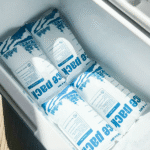
Wiederverwendbare Trockeneisbeutel für den Fischversand: How to Keep Seafood Frozen
Keeping seafood frozen when it travels is crucial for taste and safety. Wiederverwendbare Trockeneisbeutel für Fische make it simple and cost effective by delivering ultracold temperatures without mess. In diesem Ratgeber erfahren Sie, warum Trockeneisbeutel besser funktionieren als normales Eis, wie man Fisch richtig verpackt und wie 2025 Innovationen können Ihre Kühlkette verbessern. Machen Sie sich bereit, Ihre Fischlieferungen gefroren zu halten und Ihre Kunden zufrieden zu stellen.
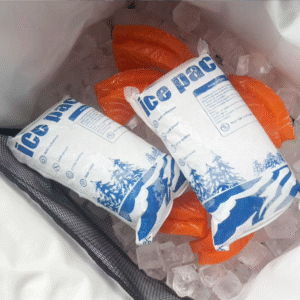
Was sind wiederverwendbare Trockeneisbeutel und wie funktionieren sie??—understanding solid CO₂ sublimation for fish shipments
Why choose dry ice packs over Gelpackungen oder Wassereis?– Vergleich der Kühldauer, temperature range and moisture
How to pack fish safely with dry ice packs?– Mengen berechnen, layering techniques and ventilation
Which dry ice pack suits your seafood?– Auswahl nach Fischart, Versanddauer und Nachhaltigkeitsziele
What are the latest Kühlkette trends for fish?– intelligente Überwachung, ecofriendly CO₂ and hybrid cooling
What Are Reusable Dry Ice Packs for Fish and How Do They Work?
Defining dry ice packs in plain terms
Dry ice packs are sheets or bricks containing solid carbon dioxide (Co₂) that sublimate from a solid directly into a gas, Aufrechterhaltung extrem niedriger Temperaturen. When used in a vented bag or pack, the CO₂ gas escapes while cold air sinks around your fish. Im Gegensatz zu gefrorenem Wasser, Trockeneis schmilzt nicht zu Flüssigkeit, so it avoids soggy packages and prevents bacterial growth. These packs typically sublimate at –78,5 ° C. (–109,3°F), making them ideal for keeping fish frozen during long shipments.
Reusable dry ice packs use durable materials and vented designs so they can be recharged—after the CO₂ sublimates completely, you can refill or replace the dry ice pellets. This reduces waste and saves money over singleuse blocks. When refreezing, ensure the pack is fully sublimated and dry before adding fresh dry ice.
How reusable dry ice packs compare to gel packs for fish
Gel packs are flexible pouches filled with a nontoxic gel that freezes and maintains cold temperatures around 0 °C–8°C (32 °F–46°F). Sie sind wiederverwendbar und ungiftig, making them great for chilled seafood or shortdistance deliveries. Trockeneisbeutel, Jedoch, maintain temperatures below –78.5 °C and last 24–48 hours or more, making them indispensable for frozen fish or longdistance shipments. Gel packs generate meltwater and may allow temperature fluctuations, whereas dry ice packs leave no residue.
| Kühlmethode | Temperaturbereich | Dauer | Feuchtigkeit | Praktischer Nutzen |
| Trockeneisbeutel | –78,5 ° C. (–109°F) | 24–48 Stunden, up to 72 hours in optimal conditions | Keiner (SULBLIMATE) | Best for frozen fish or longdistance shipments; kompakt und rückstandsfrei |
| Gelpackung | 0 °C–8°C (32 °F–46°F) | 6–12 Stunden | Produziert Schmelzwasser | Ideal for chilled seafood or short trips; wiederverwendbar und flexibel |
| Wassereisbeutel | ~ 0 ° C. (32 ° F) | 6–8 Stunden | Schmilzt zu einer Flüssigkeit | Lowcost option for nonperishable or local deliveries |
Why sublimation matters for fish
Dry ice goes directly from a solid to a gas. Wie es sublimiert, Es nimmt Wärme auf from your fish, keeping the product frozen. The cold CO₂ gas sinks within the container, forming a “cold dome” over your fish. Weil es kein Schmelzen gibt, your packaging stays dry and your fish arrive without water damage.
Practical tip for you
Use a reusable dry ice pack when shipping frozen fish across country or internationally; the ultralow temperature prevents thawing during multiday transit.
Choose gel packs for fresh or live seafood; they maintain chilled temperatures without freezing the product.
Tatsächlicher Fall: A seafood distributor shipping fresh tuna overseas used reusable dry ice packs combined with isolierte Liner. The fish arrived frozen after a 48hour journey, with no water residue and satisfied customs inspections—proving the effectiveness of sublimationbased cooling.
Why Are Reusable Dry Ice Packs Essential for Shipping Fish?
Maintaining food safety and quality
Fish is highly perishable and must be kept at subzero temperatures to prevent bacterial growth and spoilage. Dry ice packs maintain consistent temperatures below –18 °C, ensuring frozen fish stay solid and fresh. Traditional gel packs or water ice can allow the temperature to fluctuate, risking partial thawing and compromising quality.
Key benefits for seafood logistics
Verlängerte Kühldauer: Trockeneis dauert länger als normales Eis; the sublimation process can provide continuous cooling for 24–48 hours oder auch bis zu 72 Stunden with the right pack size.
No residue or contamination: Denn Trockeneis sublimiert, it leaves Keine Flüssigkeit behind, avoiding soggy packaging and reducing the risk of bacteria.
Kompakt und leicht: Trockeneisbeutel sind spacesaving, maximizing shipment volume and reducing shipping costs.
Reusable option: Many dry ice pack products are wiederverwendbar, allowing you to recharge them with new CO₂ pellets after each trip. This reduces waste and longterm costs.
Use cases by fish type
Reusable dry ice packs suit different kinds of fish:
Frischer Fisch: Prechilled fish require just-above-freezing temperatures. Dry ice packs maintain a cool environment to prevent spoilage while avoiding thawing.
Gefrorener Fisch: Gefrorener Fisch muss unter –18 °C bleiben. Dry ice packs maintain subzero temperatures to prevent thawing.
Processed fish products: Smoked fish or fillets need stable cold conditions to preserve quality. Dry ice provides consistent cooling.
Für die Spitze
When shipping live fish or shellfish, Verwenden Sie kein Trockeneis. The extreme cold can harm the animals. Stattdessen, use gel packs or water ice to maintain a chilled but not frozen environment.
How Much Dry Ice to Use and Best Practices for Packing Fish
Determining the required cooling capacity
Estimating how much dry ice you need is crucial for costeffective and safe shipments. A general rule is 5–10 pounds of dry ice for every 15 quarts of cooler space per 24hour transit. For longer journeys or hot climates, den Betrag proportional erhöhen.
UPS’s guidelines suggest Fünf bis zehn Pfund Trockeneis sublimieren alle 24 Stunden, depending on the density of the insulated container. They recommend adding enough dry ice to cover an extra 24 Std. in case of delays. Insulated Products Corporation also notes that using equal weight dry ice and payload will keep the product frozen for up to 48 Std., Und one and a half times the weight is needed for 72hour shipping.
Proper packaging and layering technique
Follow these steps to maximize performance:
Choose quality insulation: Verwenden Sie Behälter aus expandiertem Polystyrol (EPS) or polyurethane for thermal resistance. Avoid airtight boxes—leave room for gas to escape.
Vorgefrieren und vorkühlen: Always freeze the fish and chill your container before packing; this reduces the initial temperature load.
Schichten Sie Ihre Sendung:
Untere Schicht: Place foam or cardboard to create a buffer.
Mittlere Schicht: Arrange fish pieces evenly with space for air circulation.
Oberschicht: Position dry ice packs on top to create a cold dome, allowing the cold air to sink around the fish.
Lücken füllen: Use crumpled paper or extra insulation to eliminate air gaps and reduce dry ice consumption.
Hilfreiche Entscheidungshilfen
Überprüfen Sie die Details, bevor Sie sich für die Verpackung entscheiden
Mit diesen schnellen Tools können Sie das Routenrisiko vergleichen, Größenanforderungen, Kühlmittelauswahl, und Verpackungsdetails, bevor Sie ein Angebot anfordern.
Referenz zu Isoliermaterialien
Vergleichen Sie die Auswahl an Isoliermaterialien für unterschiedliche Kühlkettenverpackungsanforderungen.
Vergleichen Sie MaterialienCompliance-Checklisten-Generator
Erstellen Sie eine praktische Checkliste für die Verpackungsüberprüfung, Versand, und Dokumentation.
Checkliste erstellenTrockeneisrechner
Schätzen Sie vor dem Verpacken den Bedarf an Trockeneis für gefrorene oder ultrakalte Sendungen.
Schätzen Sie TrockeneisSorgen Sie für Belüftung: Lassen Sie im Behälterdeckel Lüftungsschlitze oder kleine Risse, damit das CO₂-Gas entweichen kann, Druckaufbau verhindern. Never seal a dry Eisbox luftdicht.
Trockeneis vom Fisch trennen: Use a spacer or layer of cardboard to prevent direct contact. Dry ice’s extreme cold can cause freezer burn if it touches fish.
Verwenden Sie Datenlogger: Attach a temperature logger to monitor conditions throughout the journey; this helps you validate your process and comply with regulations.
Regulatory and safety considerations
Gefahreneinstufung: Trockeneis wird als Gefahrstoff eingestuft (Und 1845). Die USA. Code of Federal Regulations and IATA rules limit air shipments to about 2.5 kg (5.5 lb) von Trockeneis pro Packung.
Vorsichtsmaßnahmen zur Handhabung: Tragen Sie Schutzhandschuhe, Schutzbrille und lange Ärmel, um Erfrierungen vorzubeugen. Use tongs when possible, Fassen Sie Trockeneis niemals mit bloßen Händen an.
Belüftung und Lagerung: Store dry ice in wellventilated areas and nonairtight containers. CO₂ gas can accumulate and cause pressure buildup or asphyxiation.
Entsorgung: Let leftover dry ice sublimate outdoors or in a wellventilated space; never dispose of it in sinks or trash bins.
Tatsächlicher Fall: A small fishery once sealed a Trockeneispaket zu eng. The CO₂ gas built up and burst the box during transit. By following proper venting and labeling guidelines, you can avoid such accidents and keep your shipments safe for carriers and customers.
Choosing the Right Reusable Dry Ice Pack for Different Fish Shipments
Assess shipment duration and temperature requirements
Kurztrips (unter 24 stunden): For local deliveries or overnight shipments, use dry ice amounting to die Hälfte des Gewichts of your fish to keep it frozen.
Mittlere Reisen (24–48 Stunden): Equal weight of dry ice and fish maintains freezing for up to 48 hours.
Ausgedehnte Reisen (48–72 Stunden): Verwenden 1.5 times the weight of your fish in dry ice to maintain freezing for 72 hours. Add gel packs to slow sublimation and prolong cooling.
Match pack size to fish volume
Consider the size of your shipment: larger shipments require multiple reusable packs to distribute cooling evenly. Für kleine oder mittlere Sendungen, Eine Packung könnte ausreichen. Always ensure each pack is fully charged with dry ice pellets before use.
Factor in fish type and customer needs
Premium fillets and delicate fish: Use extra insulation and more dry ice to prevent any temperature rise; customers paying for premium seafood expect pristine quality.
Bulk frozen fish: Efficiency matters; choose larger packs or multiple smaller packs to maximize container space and minimize cost per pound.
Sustainable-minded clients: Select packs made from recyclable materials or ecofriendly dry ice produced via carboncapture processes. Communicate this sustainability effort to customers to enhance brand value.
Berücksichtigen Sie Wiederverwendbarkeit und Nachhaltigkeit
Reusable dry ice packs reduce environmental impact by allowing repeated use. Einige Hersteller bieten mittlerweile an Intelligente Trockeneisbeutel with builtin sensors that monitor temperature and alert you if conditions deviate. Andere nutzen biologisch abbaubares CO₂ to minimize emissions. Bei der Auswahl eines Pakets, Haltbarkeit bewerten, Einfaches Aufladen und Recyclingfähigkeit am Ende der Lebensdauer.
2025 Trends in Reusable Dry Ice Packs and ColdChain Logistics for Fish
Trendübersicht
The seafood industry is experiencing rapid innovation in Kühlkette logistics. Emerging technologies are making shipping safer, grüner und effizienter. Nachhaltigkeitsinitiativen are driving adoption of biodegradable dry ice and carboncapture manufacturing processes. Intelligente Überwachung uses IoT sensors to track temperature in real time, Sicherstellung der Compliance und Reduzierung des Verderbs. Hybride Kühllösungen Kombinieren Sie Trockeneis mit Phasenwechselmaterialien (PCM) or gel packs to extend cooling time and reduce the amount of dry ice needed.
Neueste Fortschritte auf einen Blick
Intelligente Trockeneisbeutel: Ausgestattet mit IoT-Sensoren, these packs provide realtime temperature data and alerts if the shipment leaves the safe range.
Umweltfreundliche CO₂-Produktion: Innovations use renewable energy and carboncapture to produce dry ice, Reduzierung des CO2 -Versandabdrucks.
Hybridkühlung: Combining dry ice with gel packs or PCM extends cooling duration and reduces dry ice consumption.
AIdriven Kühlkette optimization: Künstliche Intelligenz optimiert Routen, predicts delays and adjusts cooling needs, ensuring fish arrives fresh.
Markteinsichten
Growing consumer demand for fresh, sustainably sourced seafood is pushing the Kühlkette market to adopt reusable packaging and advanced monitoring. Reusable packs and smarter logistics not only reduce waste but also niedrigere Versandkosten by reducing spoilage and returns. Expect the market for reusable Kühlkette packaging to expand significantly over the next decade as regulations emphasize carbon reduction and consumers favor sustainable practices.
Häufig gestellte Fragen
How long will reusable dry ice packs keep fish frozen? Mit Trockeneisbeuteln kann Fisch gefroren bleiben 24–48 Stunden, und bis zu 72 Std. when using larger quantities or combining with gel packs.
Sind Trockeneisbeutel sicher in der Handhabung?? Ja, wenn richtig gehandhabt wird. Always wear protective gloves and goggles, and avoid direct contact with bare skin. Provide ventilation to release CO₂ gas.
Kann ich Trockeneisbeutel wiederverwenden?? Ja. After the dry ice fully sublimates, allow the pack to dry and recharge it with new CO₂ pellets. Stellen Sie vor der Wiederverwendung sicher, dass keine Feuchtigkeit oder Schäden vorhanden sind.
Ist Trockeneis für lebende Fische oder Schalentiere geeignet?? NEIN. The extreme cold can harm live seafood. Verwenden Sie stattdessen Gelpackungen oder Wassereis.
Welche Vorschriften gelten für Trockeneissendungen?? Trockeneis ist ein gefährliches Material (Und 1845). Luftfrachtsendungen beschränken sich in der Regel auf 2.5 kg (5.5 lb) pro Paket and require specific labeling.
Zusammenfassung
Reusable dry ice packs are a powerful tool for preserving the quality of fish during transport. Sie maintain ultralow temperatures without moisture, Angebot längere Abkühlzeiten, Und Abfall reduzieren bei Wiederverwendung. Von Berechnen der richtigen Menge Trockeneis, layering your shipment properly and ensuring ventilation, you can keep fish frozen for days. With emerging trends like smart sensors and ecofriendly CO₂ production, reusable dry ice packs will continue to improve. Für beste Ergebnisse, evaluate your shipment needs, choose highquality insulation and stay informed about regulatory updates.
Nächste Schritte:
Bewerten Sie Ihre Sendungen: Determine whether your fish require freezing or chilling, and calculate the needed dry ice weight accordingly.
Werten Sie Ihre Verpackung auf: Investieren Sie in Langlebigkeit, reusable dry ice packs and Isolierte Behälter um die Effizienz zu verbessern.
Implementieren Sie die Überwachung: Use temperature loggers or smart packs to track conditions and adjust processes in real time.
Bleiben Sie nachhaltig: Explore ecofriendly dry ice sources and recycling options to reduce environmental impact.
Holen Sie sich professionelle Unterstützung: Consult with Kühlkette experts to tailor a solution for your business.
Um Temprk
Wir spezialisieren uns auf advanced Kühlkette logistics für Meeresfrüchte, Arzneimittel und andere verderbliche Waren. Unsere wiederverwendbaren Trockeneisbeutel, Isolierte Kisten and smart monitoring tools help you maintain product integrity while lowering costs. We’re committed to sustainability by offering ecofriendly materials and cuttingedge technology. Mit unserem Fachwissen, you can ship fish confidently, knowing it will arrive frozen, safe and ready for consumers.
Aufruf zum Handeln: Explore our products and speak with a Tempk consultant today to optimize your fish shipping process.