Distributor von Trockeneisbeuteln für die Lebensmittellieferung: Ein Route-to-Receipt-Sourcing-Framework
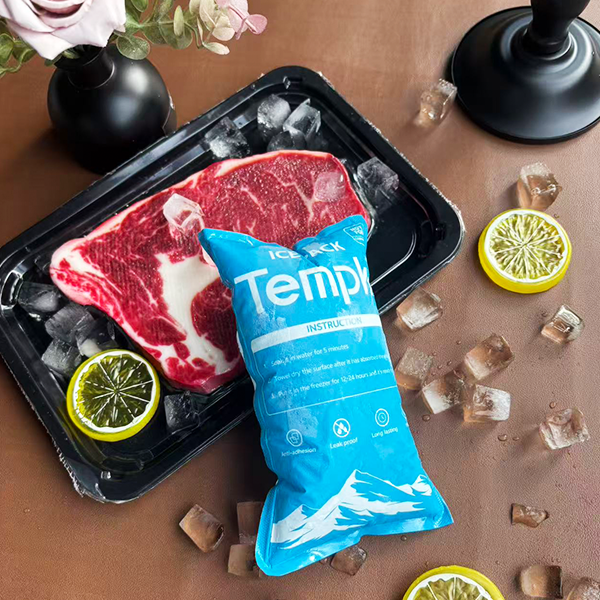
Ein Händler Trockeneisbeutel Für die Lieferung von Lebensmitteln sollte über die Route eine Genehmigung erteilt werden, nicht aus einem Kataloganspruch. Der Trinkrucksack von Tempk ist eine durch Wasser aktivierte, gefrorene Kühlschicht. Es handelt sich nicht um festes Kohlendioxid-Trockeneis, ist kein UN1845-Kältemittel, und es sollte nicht erwartet werden, dass sie eine erstellen Ultra-kalte Umfeld. Wird in einer definierten isolierten Verpackung verwendet, Das Blech kann einströmende Wärme absorbieren. Ob Lebensmittel sicher und akzeptabel bleiben, hängt immer noch von der Klassifizierung des Menüs ab, Starttemperatur, Trennung, Blattvorbereitung, Paketgeometrie, verstrichene Zeit, Hygiene, Überwachung, und Kundenbeleg.
Stellen Sie die Lebensmittelentscheidung vor die Verpackungsentscheidung
Das erste Dokument des Käufers sollte eine Essens- und Routenbeschreibung sein, keine Kühlmittelbestellung.
Listen Sie alle Produktkategorien auf, die in den Liefercontainer gelangen können. Identifizieren Sie die Kühlzeit-/Temperaturkontrolle für sichere Lebensmittel, gefrorene Gegenstände, Speisen werden heiß gehalten, haltbare Ware, und Produkte, die hauptsächlich aus Qualitätsgründen gekühlt werden. Ganze Produkte, geschnittene Produkte, Rohprotein, gekochte Mahlzeiten, Molkerei, Backwaren, Saucen, und Süßwaren können unterschiedliche Anforderungen haben, selbst wenn sie in einer Kundenbestellung erscheinen.
Das Lebensmittelsicherheitsteam sollte für jedes sicherheitsrelevante Produkt das maßgebliche Kriterium festlegen. In den Vereinigten Staaten, Der FDA Food Code ist ein Modell für die Einführung im Einzelhandel und in der Gastronomie und verwendet üblicherweise 5 °C oder 41 °F für die Kaltlagerung von TCS-Lebensmitteln. In den Verbraucherratschlägen des Bundes wird den Empfängern häufig mitgeteilt, dass gelieferte verderbliche Lebensmittel eine Temperatur von 4 °C oder 40 °F oder weniger haben sollten. Diese Werte stammen aus unterschiedlichen Kontexten. Die anwendbare Gerichtsbarkeit, Gefahrenanalyse, Produktformulierung, validierter Prozess, und Kundenanweisungen sollten die Geschäftsregel bestimmen.
Für qualitätssensible Produkte, Definieren Sie ein nützliches Fenster und Fehlerzeichen. Teilweises Einfrieren kann Salate beschädigen, Emulsionen, frische Produkte, oder einige Soßen. Kondenswasser kann Backwaren oder Pappe aufweichen. Ohne gekühlte TCS-Verpackung benötigt Schokolade möglicherweise einen Hitzeschutz. Die kälteste Konfiguration ist nicht unbedingt die beste Konfiguration.
Endlich, Dokumentieren Sie den vorgesehenen Ausgangszustand. Passives Kühlmittel dient dem Schutz entsprechend konditionierter Lebensmittel, Ersetzen Sie nicht das kontrollierte Abkühlen warmer, gekochter Mahlzeiten und korrigieren Sie nicht einen fehlerhaften Kühllagerungsprozess.
Ersetzen "Lieferzeit" mit totaler Belichtung
Der Kunde sieht eine Versandbenachrichtigung und einen Eingang. Die Auspackung erfährt eine längere Kette:
Lebensmittel verlassen die kontrollierte Lagerung;
Arbeiter kommissionieren und konsolidieren Auftragszeilen;
Die Bestellung wartet auf fehlende Artikel;
Kühlmittel und Barrieren sind montiert;
Volle Warteschlange für Bestellungen für Fahrer;
Säcke oder Kartons werden geladen;
Fahrzeuge machen einen oder mehrere Stopps;
Eine Übergabe ist erfolgreich oder schlägt fehl;
Essen wartet an einer Tür, Schreibtisch, oder Empfang;
Der Empfänger kühlt, friert ein, aufwärmt, oder serviert es.
Weisen Sie jeder Phase eine normale und glaubwürdige Verzögerungszeit zu. Markieren Sie, welche Räume kontrolliert werden und welche heiß oder kalt sein können. Beutelöffnungen beachten, Fahrzeugbodenkontakt, direkte Sonne, Transfer zwischen Kurieren, und unbeaufsichtigter Empfang. Diese Karte erzeugt eine vertretbare Testdauer und ein Umgebungsprofil.
Es trennt auch die Designmarge von betrieblicher Fahrlässigkeit. Ein Packout kann eine gerechtfertigte Verzögerungszulage beinhalten. Es sollte nicht dazu verwendet werden, eine unbegrenzte Bereitstellung oder wiederholte fehlgeschlagene Zustellversuche zu normalisieren. Definieren Sie einen Punkt, an dem die Bestellung wiederhergestellt werden muss, unter Quarantäne gestellt, ersetzt, oder entsprechend dem Lebensmittelsicherheitsprozess entsorgt werden.
Die Daten sollten diese Karte unterstützen. Packzeitstempel, Treiberscans, Standortveranstaltungen, Logger-Aufzeichnungen, und durch den Kundenkontakt kann festgestellt werden, wo die Exposition stattgefunden hat. Synchronisieren Sie Uhren und legen Sie vorab fest, wer Ausnahmen prüft. Eine Meldung ohne autorisierte Handlung ist nur eine Beobachtung.
Verstehen Sie, was Hydratationskühlmittel leisten können und was nicht
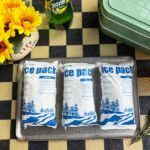
Das Blatt enthält Zellen, die Wasser absorbieren und speichern. Nach dem Einfrieren, dass Wasser sensible und latente Kühlkapazität speichert. Reines Eis absorbiert ca 333.5 Joule pro Gramm beim Schmelzen, eine verifizierte physikalische Eigenschaft, die den Energiewert von gefrorenem Wasser erklärt. Es wird nicht angegeben, wie viel Wasser ein genaues Blatt zurückhält oder wie lange eine Lieferung innerhalb der Lebensmittelgrenze bleibt.
Die Leistung eines Pakets hängt von zwei Seiten des thermischen Gleichgewichts ab.
Die verfügbare Kühlung wird durch die vorbereitete Blechmasse beeinflusst, Gefrierzustand, Anzahl und Lage der Blätter, Ausgangstemperaturen für Lebensmittel und Verpackungen, und andere kalte Masse.
Der Wärmebedarf wird durch die Umgebungseinflüsse beeinflusst, Isolierung, Nähte und Verschlüsse, Öffnungen, Nutzlasttemperatur, Luftspalte, Behältergeometrie, Fahrzeugoberflächen, Sonnenlicht, und Gesamtzeit.
Durch den direkten Kontakt kommt ein weiteres Problem hinzu. Ein Blatt kann an einem Fach eine kalte Grenze bilden, während eine entfernte Ecke erwärmt wird. Durch Falten des Blechs wird das Kühlmittel lokal verdoppelt. Ein dünner Soßenbeutel reagiert anders als ein dichtes Essenstablett. Daher ist die Kartierung heißer und kalter Standorte sinnvoller als die Messung eines Punktes im Freien.
Das Blatt hat auch klare technologische Grenzen. Es handelt sich nicht um Kohlendioxid-Trockeneis und sollte nicht über die Ultrakältefähigkeit von festem Trockeneis verfügen. Es ist nicht unbegrenzt kühlbar, kühlt warme Speisen sicher und selbstständig ab, Kreuzkontaminationen verhindern, oder nachweisen, dass ein gelieferter Artikel den geltenden Regeln entspricht.
Erstellen Sie eine vom Verteiler kontrollierte Komponentendatei
Sobald die Technologie zum Konzept passt, Erstellen Sie eine kontrollierte Artikeldatei. Es sollte identifizieren:
Name des Tempk-Herstellers und genaues Modell;
Händlercode;
Zellmuster und kontrollierte Abmessungen;
Revision und Losformat;
genaues Aktivierungs- und Abwicklungsdokument;
trockene Verpackung und Lagerbedingungen;
beabsichtigte Verwendung und Wiederverwendungsstatus für dieses Modell;
Material- oder Lebensmittelkontaktinformationen, die für die Überprüfung erforderlich sind;
sichtbare Mängel und Schadenskriterien;
Erwartungen an Änderungsbenachrichtigungen;
zugelassene Packouts, die den Artikel verwenden.
Nicht genehmigen "oder gleichwertig" ohne technische Route. Ein gleichwertiger Artikel muss in seiner Konstruktion verglichen werden, Aktivierung, Gegebenenfalls die vorbereitete Masse zurückbehalten, Abmessungen, Zellgeometrie, gefrorene Handhabung, Integrität, beabsichtigter Kontakt, und Packout-Leistung. Der Grad der Bestätigung sollte dem Lebensmittel- und Routenrisiko entsprechen.
Der Händler sollte aktuelle Herstellerdokumente durchgehen, Die Rückverfolgbarkeit der Chargen bleibt erhalten, Schützen Sie trockenes Inventar vor Feuchtigkeit und Beschädigung, und den Käufer über relevante Änderungen informieren. Der Käufer sollte die Quittungen prüfen, Kontrollieren Sie den Lagerstatus, und Beschwerden oder Lecks mit Losen verknüpfen.
Bitten Sie Ansprüche, ihre Grenzen aufzuzeigen
Marketingbegriffe werden nur dann nützlich, wenn der Umfang der Beweise explizit ist.
| Gemeinsamer Anspruch | Fragen, die die Grenze definieren | Was bleibt für das Lebensmittelgeschäft? |
|---|---|---|
| Lebensmittelqualität | Welches genaue Modell und welche Schichten? Welche Kontaktart und Bedingungen? Welches Dokument unterstützt es? | Genehmigen Sie die Verwendung von Kontakt- oder Barrieremitteln im Lebensmittelsicherheitssystem |
| Lang anhaltende | Welches isolierte Paket, Blattanzahl, Nutzlast, Startzustand, Umgebungsprofil, Sensoren, und Akzeptanzband? | Testen Sie die tatsächliche Reihenfolge und Route |
| Wiederverwendbar | Ist das Modell zur Wiederverwendung vorgesehen?? Welche Inspektions- oder Handhabungshinweise gelten?? | Hygiene schaffen, Erholung, Identifikation, und Ruhestandskontrollen |
| Auslaufsicher | Was für eine Konditionierung, Handhabung, Verfahren, und Fehlerschwelle verwendet? | Vermeiden Sie Schäden und überprüfen Sie es vor dem Verpacken |
| Maßgeschneiderte Passform | Welche Zeichnung, Toleranzen, Material, Drucken, und Überarbeitung gelten? | Genehmigen Sie Muster und bewerten Sie Änderungen |
| Für die Lieferung getestet | Wurde eine Komponente oder eine komplette Verpackung getestet?, und unter welchen Bedingungen? | Beurteilen Sie die Relevanz für das Menü und den Verteilungsprozess |
| Nachhaltig | Was für ein Funktionsvergleich, Lebenszyklusgrenze, und Daten stützen den Begriff? | Messen Sie das reale System, einschließlich Lebensmittelverlust und -rückgabe |
Diese Überprüfung erfordert nicht, dass der Händler den Betrieb des Käufers qualifiziert. Es identifiziert, welche Behauptungen Teilsachverhalte sind und welche einen Systemnachweis erfordern. Eine präzise Einschränkung ist vertrauenswürdiger als ein universelles Versprechen.
Qualifizieren Sie eine Familie von Packouts, keine durchschnittliche Bestellung
Die Lieferzuladung variiert. Eine kleine Bestellung hat mehr Luft und kann dazu führen, dass sich die Blätter bewegen. Ein großer Auftrag hat mehr thermische Masse, kann jedoch die Isolierung komprimieren oder das Schließen verhindern. Bei einer gemischten Bestellung kann ein kälteempfindliches Produkt neben dem Laken und ein TCS-Artikel in einer warmen Ecke platziert werden.
Erstellen Sie Konfigurationen, die das Personal ohne Berechnung auswählen kann. Beispiele können sein::
kleine, nur gekühlte Bestellung;
große, nur gekühlte Bestellung;
gemischte Kühl- und Umgebungsordnung mit getrennten Zonen;
gefrorene und gekühlte Ordnung in separaten Fächern;
Wiederverwendbare Multi-Drop-Tragetasche;
Speditionspaket mit Haustürzuschlag.
Jede genehmigte Konfiguration sollte das Problem beheben Isolierter Behälter, Blattmodell, Aktivierung und Konditionierung, zählen, Position, Barrieren, Lebensmittelzonen, Nutzlastreichweite, Schließung, Monitorplatzierung, wo verwendet, und maximale Betriebsdauer. Wenn eine Konfiguration den Bereich nicht abdecken kann, einen anderen verwenden; Erweitern Sie ein Testergebnis nicht durch Bequemlichkeit.
Entwerfen Sie den Versuch anhand von Fehlermodi
Verwenden Sie repräsentative Lebensmittel oder technisch begründete Simulanzien, tatsächliche Primärpakete, normales Packpersonal, und das vorgesehene Fahrzeug, Tasche, oder Transportbox. Fordern Sie wahrscheinlich warme Stellen heraus, kalter Kontakt, verzögerter Versand, Beutelöffnung, Orientierungsänderungen, und Lieferfrist. Wählen Sie kalibrierte Instrumente mit geeigneter Genauigkeit und Aufzeichnungsintervall.
Messen Sie während der Entwicklung mehrere Standorte. Ein Sensor gegen eine gefrorene Zelle, in zentraler Nahrungsmasse, in der Nähe einer Deckelbrücke, und in der oberen Luft können unterschiedliche Verhaltensweisen auftreten. Umgebungsdaten helfen, die Herausforderung zu erklären. Legen Sie das Kriterium und die Analyse im Voraus fest, anstatt nach dem Lauf einen günstigen Sensor auszuwählen.
Überprüfen Sie auch nicht-thermische Ergebnisse:
Hilfreiche Entscheidungshilfen
Überprüfen Sie die Details, bevor Sie sich für die Verpackung entscheiden
Mit diesen schnellen Tools können Sie das Routenrisiko vergleichen, Größenanforderungen, Kühlmittelauswahl, und Verpackungsdetails, bevor Sie ein Angebot anfordern.
Eisbeutel-Rechner
Schätzen Sie die Menge an Gel-Eisbeuteln für gekühlte Sendungen und nutzen Sie die praktische Routenplanung.
Schätzen Sie EisbeutelReferenz zu Isoliermaterialien
Vergleichen Sie die Auswahl an Isoliermaterialien für unterschiedliche Kühlkettenverpackungsanforderungen.
Vergleichen Sie MaterialienKühlmittel & PCM-Referenz
Vergleichen Sie Kühlmittel- und PCM-Optionen, wenn eine Route zusätzliche Temperaturunterstützung benötigt.
Vergleichen Sie OptionenRoh- und verzehrfertige Trennung;
Dichtungsintegrität und Undichtigkeit;
Kondenswasser und nasse Etiketten;
Beschädigung des Tabletts oder Bewegung der Lebensmittel;
teilweises Einfrieren und Textur;
verwelken, Trennung, oder Präsentation;
Beutel- oder Kartonverschluss;
Reinigungsfähigkeit und Handhabung.
Wiederholen Sie den endgültigen Entwurf im Produktionstempo und über gerechtfertigte Routen- oder Saisonbedingungen hinweg. Das Ergebnis ist eine begrenzte Betriebskonfiguration, kein universeller Anspruch für das Blatt.
Praxisbeispiel: eine kategorienübergreifende Lebensmittelbestellung
Stellen Sie sich vor, ein Lebensmittelhändler liefert eine Bestellung aus, die versiegelten rohen Fisch enthält, Milch, Melone schneiden, intakte Tomaten, gefrorenes Dessert, brot, und Konserven. Ein Händler schlägt vor, ein großes Trinktuch um den gesamten Korb zu wickeln.
Der Food-and-Route-Brief deckt unvereinbare Bedürfnisse auf. Roher Fisch, Milch, und geschnittene Melonen erfordern gemäß dem geltenden Plan des Unternehmens eine Kältekontrolle. Gefrorenes Dessert muss in einem gefrorenen Zustand bleiben, der von der Trinkfolie nicht unterstützt werden darf. Intakte Tomaten können durch übermäßige Kälte beschädigt werden, während Brot- und Papieretiketten unter Kondensation leiden können. Konserven benötigen kein Kühlmittel.
Das Verpackungsteam richtet drei Zonen ein: ein gekühlt, abgetrenntes Fach für sicherheitsrelevante Kaltspeisen; ein Tiefkühlfach mit einem System, das sich für diese Anforderung bewährt hat; und einen vor Feuchtigkeit geschützten Umgebungsbereich. Die Tomaten werden so platziert, dass ein direkter Kontakt mit dem Gefriergut vermieden wird, während sie gleichzeitig in einer geeigneten Lieferumgebung bleiben. Die Trinkdecken belegen kontrollierte Taschen rund um die Kühlzone.
Die Versuche umfassen Mindest- und Höchstfüllungen, pflücken wohnen, mehrere Lieferstopps, ein warmer Fahrzeugzustand, und Kundenübergabe. Sensoren kartieren die gekühlten Lebensmittel und mögliche warme und kalte Orte. Gutachter prüfen Kondensation, Rohkosteindämmung, Tomatenqualität, Brotzustand, und gefrorener Produktzustand.
Dieses hypothetische Beispiel könnte zu einer komplexeren Tasche führen als die ursprüngliche Verpackung. Außerdem ist es viel einfacher zu verteidigen, da jede Zone einen Zweck hat. Ein flexibles Blatt kann nicht alle Lebensmittelkategorien durch einfaches Berühren in Einklang bringen.
Übertragen Sie die Methode standortübergreifend
Die Vertriebsverfügbarkeit kann zentralisiert sein, während die Erfüllung lokal erfolgt. Ein in einem Lager genehmigtes Blatt kann in einer Filiale anders vorbereitet werden, Küche, oder Dark-Fulfillment-Site.
Überprüfen Sie die einzelnen Websites:
Sauberer Arbeitsbereich für die Flüssigkeitszufuhr und Wasserhandhabung;
Chargengröße und Aktivierungsmethode;
Gefriertyp, Luftstrom, Laden, und Genesung;
Identifizierung des eingefrorenen Status;
Bereitstellungszeit und Versandwarteschlange;
Ausführung der Personalauspackung;
Hygiene in wiederverwendbaren Beuteln;
Empfangs- oder fehlgeschlagener Zustellungsprozess.
Ein gemeinsam mit Lebensmitteln genutzter Gefrierschrank konditioniert eine dichte Blattladung möglicherweise nicht wie ein begehbares Regal. Ein geschäftiges Restaurant überspringt möglicherweise eine Barriere, die eine Lagerlinie immer nutzt. Bei der Standortübertragung sollte die Ausführung beobachtet und der vorbereitete Zustand verglichen werden, nicht nur ein PDF verteilen.
Trainieren Sie Entscheidungen und Schritte. Das Personal sollte wissen, warum festes Kohlendioxid-Trockeneis anders ist, Warum direkter Kontakt wichtig sein kann, Warum die Trennung von rohem und verzehrfertigem Produkt nicht verhandelbar ist, und warum zusätzliche Blätter keine zugelassene Reparatur sind. Die einfachste konforme Aktion sollte in Kits und Fächer integriert sein.
Durch den Empfang wird der Regelkreis geschlossen
Der Empfänger ist die letzte operative Kontrolle. Geben Sie klare Anweisungen für einen schnellen Empfang, Zustandsprüfungen, Kühlung oder Gefrieren, und was zu tun ist, wenn das Essen warm ankommt, beschädigt, undicht, oder spät. Für Verbraucherlieferungen, Die Anweisungen sollten einfach sein und mit maßgeblichen Ratschlägen zur Lebensmittelsicherheit übereinstimmen. Aussehen oder Geruch sind kein verlässlicher Sicherheitstest.
Geschäftsempfänger können verwenden:
Zeitstempel der Lieferung;
Siegel- und Verpackungszustand;
Messung der Lebensmitteltemperatur nach einer definierten Methode;
Überprüfung des Loggers oder Indikators;
Trennung und Leckagekontrolle;
Annahme, Quarantäne, oder Ablehnungssatz.
Verbleibendes gefrorenes Material kann notiert werden, sollte aber nicht allein über die Akzeptanz entscheiden. Ein Blatt kann auftauen, während das Essen akzeptabel bleibt, oder Eis kann zurückbleiben, während ein entferntes Produkt erwärmt wird. Nutzen Sie die verifizierten Prozess- und Produktkriterien.
Trendbeschwerden und Abweichungen. An eine Route gebundene Warmveranstaltungen können zu Austragungs- oder Trägerwechseln führen. Kälteschäden an einer Wand können zu einer Überarbeitung der Barriere oder Platzierung führen. Auf ein Los konzentrierte Lecks sollten eine Untersuchung des Händlers auslösen. Daten werden wertvoll, wenn sie die kontrollierte Konfiguration verbessern.
Berechnen Sie Kosten und Nachhaltigkeit pro angenommener Lieferung
Beim Stückpreis fehlt die Aktivierungsarbeit, Gefrierenergie, Verpackung, Ausbildung, Überwachung, Schaden, und fehlgeschlagene Lieferung. Vergleichen Sie komplette Systeme für eine angenommene Bestellung. Enthalten:
Komponenten- und Eingangsfracht;
Trocken- und Tiefkühllagerung;
Hydratationswasser, Hygiene, und Arbeit;
Gefrierkapazität und Energie;
Isolierung, Trenner, und Barrieren;
ausgehende Größe und Gewicht;
Packzeit und Fehlerkontrollen;
Rückwärtslogistik und Waschen;
Blattverlust und Ausschuss;
verdorbenes Essen, Erstattung, und Nachlieferung.
Wenden Sie dieselbe Funktionseinheit auf die Umweltbewertung an. Trocken, Ein flaches eingehendes Angebot kann die Lagerung und den Frachtraum verbessern, aber beim Einfrieren wird Energie zur Packstelle verlagert. Die Wiederverwendung kann bei einer dichten geschlossenen Route hilfreich sein, es setzt aber Modelleignung voraus, Erholung, Hygiene, Inspektion, und Ruhestand. Mehrschichtplatten dürfen nicht in die örtliche Wiederverwertung gelangen.
Vermeiden Sie eine Nachhaltigkeitsaussage, die nur darauf basiert, dass es sich bei Trockeneis um kein CO₂ handelt. Das Fehlen von sublimierendem Kohlendioxid beschreibt die Kühlmitteltechnologie, nicht der Lebenszyklus-Fußabdruck. Setzen Sie maßvolle Grenzen und beziehen Sie Lebensmittelverschwendung mit ein, Dies kann eine erhebliche Systemkonsequenz sein.
FAQ
Was ist die wichtigste Tatsache, die Sie dem Händler mitteilen sollten??
Geben Sie die Lebensmittelkategorien und ihre Sicherheits- oder Qualitätsanforderungen zusammen mit den Ausgangsbedingungen an, Bestellbereich, Isolierter Behälter, Gesamtroutenzeit, Öffnungen, saisonale Exposition, Empfangsprozess, und beabsichtigte Wiederverwendung. Anhand dieser Angaben kann der Händler einen physischen Blattkandidaten identifizieren, ohne ein allgemeines Leistungsversprechen zu erfinden.
Können Trinklaken für die Lieferung von Tiefkühlkost verwendet werden??
Gehen Sie nicht davon aus. Eine gefrorene Folie auf Wasserbasis weist ein anderes thermisches Verhalten auf als festes Kohlendioxid-Trockeneis oder ein mechanisch gefrorenes System. Der erforderliche Zustand des gefrorenen Produkts, Route, Paket, Ausgangsbedingung, und Verzögerung müssen getestet werden. Verwenden Sie ein System, das sich für das exakte Tiefkühlkostkriterium bewährt hat.
Wer ist für die Einhaltung der Lebensmittellieferungen verantwortlich??
Die Verantwortlichkeiten variieren je nach Rolle, Zuständigkeit, und Betrieb. Der Händler liefert eine kontrollierte Komponente und unterstützende Informationen. Das Lebensmittelunternehmen muss grundsätzlich Gefahren erkennen, Achten Sie auf die hygienische Handhabung, Temperatur- und Trennungskontrollen einrichten, Überprüfen Sie den Liefervorgang, Führen Sie die erforderlichen Aufzeichnungen, und die geltenden lokalen oder nationalen Vorschriften einhalten. Holen Sie qualifizierte regulatorische Beratung für den jeweiligen Vorgang ein.
Wie soll ein Ersatzblatt genehmigt werden??
Vergleichen Sie die genaue Modellidentität, Konstruktion, Aktivierung, vorbereitete Abmessungen und Masse, sofern relevant, Zellmuster, Integrität, Handhabung, Umfang des Materialdokuments, und Packout-Passform. Führen Sie dann die durch das Risiko gerechtfertigte thermische und betriebliche Bestätigung durch. Geben Sie es nicht heraus, weil der Händler es als gleichwertig bezeichnet.
Ist ein wiederverwendbares Blatt, das für die Lieferung an Verbraucher geeignet ist?
Nur wenn das genaue Modell zur Wiederverwendung vorgesehen ist und das Unternehmen über ein realistisches Wiederherstellungssystem verfügt. Verbraucherrouten weisen häufig eine geringe Renditesicherheit und eine unbekannte Kontaminationshistorie auf. Geschlossene Tragetaschenschleifen sind einfacher zu kontrollieren, sind aber dennoch ausweispflichtig, Inspektion, Hygiene, Lagerung, und Ruhestandsverfahren.
Abschluss: Genehmigen Sie ein Route-to-Receipt-System
Lebensmittelkategorie, Gesamtbelichtung, Kühlmittelaufbereitung, Isolierung, Zoneneinteilung, Verteilersteuerung, und Quittung bilden ein System. Wenn nur das Blatt genehmigt wird, bleiben die wichtigsten Risiken außerhalb der Entscheidung.
Das Hydratationskühlmittelblatt von Tempk kann eine nützliche Kältequelle sein, wenn es sich deutlich von festem Trockeneis unterscheidet und in eine getestete Konfiguration integriert wird. Verwenden Sie die genaue Komponentenidentität, eine Familie praktischer Packouts, Überprüfung am Produktionsstandort, und Maßnahmen ergreifen, um das Ergebnis im Maßstab zu bewahren. Kosten- und Nachhaltigkeitsvergleiche sollten die angenommene Lieferung berücksichtigen, keine Packungen gekauft.
Über Tempk
Tempk bietet wasseraktivierte Hydratationskühlfolien zur Integration in isolierte Lebensmittelverpackungen. Wir können Sie bei der genauen Produktidentifizierung unterstützen, Aktivierungsanleitung, Vergleich der Zellformate, und Komponentendokumentation zur Händler- und Käuferbewertung. Die Platten bestehen nicht aus festem Kohlendioxid-Trockeneis und sind kein Lebensmittel, Route, oder automatisch sicher auspacken. Tempk ermutigt Käufer, Menükategorien zu definieren, Streckenbelichtung, Zonen, und Betriebsstandorte, bevor Proben zur Überprüfung ausgewählt werden. Dadurch bleibt die Produktauswahl an die Verpackung gebunden, die der Betrieb tatsächlich verwenden wird.
Senden Sie Tempk und Ihrem Händler eine Wegbeschreibung zum Wareneingang, Fordern Sie dann die genauen Blätter und Dokumente an, die für ein repräsentatives Verfahren erforderlich sind. Genehmigen Sie das Volumen erst, wenn die vollständige Verpackung und die Funktionsweise Ihren Kriterien entsprechen.