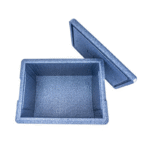
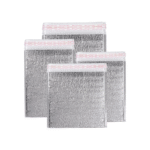
For businesses handling temperaturempfindliche Produkte, Trockeneisbeutel sheets are a vital component in ensuring goods arrive fresh and undamaged, insbesondere für den Versand am nächsten Tag. Ob Versand von Lebensmitteln, Arzneimittel, oder biologische Proben, Trockeneis-Packblätter are a reliable solution for maintaining the required temperature over extended periods. In diesem Artikel erfahren Sie, wie Trockeneisplatten den Versand am nächsten Tag verbessern, ihre Vorteile, Best Practices für eine effiziente Nutzung, und wichtige regulatorische Überlegungen.
-
Die wichtigsten Vorteile der Verwendung von Trockeneis beim Versand verderblicher Waren.
-
Best Practices für den effektiven Einsatz von Trockeneis-Packplatten.
-
Regulatorische Überlegungen zum Versand mit Trockeneis.
Warum sind Trockeneis-Packplatten ideal für den Versand am nächsten Tag??
Trockeneis, die feste Form von Kohlendioxid (Co₂), sublimiert bei einer Temperatur von -78,5°C (-109.3° F). Diese Eigenschaft macht Trockeneis ideal für den Versand verderblicher Güter, die während des Transports eine gleichmäßige Kühlung erfordern. Dry ice pack sheets offer an efficient and convenient solution for keeping products at the right temperature, especially for next-day delivery, where quick and reliable cooling is essential.
Using dry ice pack sheets helps preserve perishable goods by maintaining them frozen or refrigerated during shipping, auch über weite Strecken. With rising consumer demand for fresh, fast deliveries, dry ice is becoming an indispensable tool for businesses offering next-day shipping of temperature-sensitive goods.
How Do Dry Ice Pack Sheets Work for Next-Day Shipping?
Dry ice pack sheets work by absorbing heat as they transition from solid CO₂ to gas. This sublimation process allows the dry ice to keep items cold without the need for traditional refrigeration units. For next-day shipping, the ability of dry ice to stay cold for extended periods ensures that your products arrive on time and at the correct temperature, preventing spoilage and maintaining product integrity.
Key Benefits of Using Dry Ice for Next-Day Shipping
-
Effiziente Kühlung: Dry ice ensures that products stay at the correct temperature for longer periods, which is critical for perishable goods. Mit der richtigen Isolierung, it can last through the entire shipping duration, even with expedited services like next-day shipping.
-
Kostengünstig: Using dry ice helps avoid the need for expensive refrigerated trucks or specialized cooling devices. Businesses save on shipping costs while ensuring that temperature-sensitive goods reach their destination safely.
-
Vielseitigkeit: Dry ice pack sheets can be used for various types of shipments, ranging from food and beverages to medical supplies and biological samples. Their ability to maintain low temperatures makes them versatile across industries requiring reliable Kühlkettenlösungen.
Best Practices for Using Dry Ice Pack Sheets in Next-Day Shipping
Wie viel Trockeneis sollten Sie verwenden?
The right amount of dry ice is essential for maintaining the required temperatures during transit. Typischerweise, 5-10 pounds of dry ice are used for standard shipments. The exact quantity will depend on factors such as the shipping duration, die Art des versendeten Produkts, and the insulation used in the package. For next-day deliveries, you’ll want to ensure that the dry ice lasts long enough to maintain the product temperature throughout transit.
Für die Spitze: Always consult with your shipping carrier about dry ice weight limits, as there are regulations governing the maximum amount of dry ice allowed per package.
Packaging Tips for Dry Ice Pack Sheets
Um die Wirksamkeit von Trockeneis-Packplatten zu maximieren, follow these best practices for packaging:
-
Verwenden Isolierte Behälter: Insulated containers slow down the sublimation rate of dry ice, helping it last longer and maintain the correct temperature.
-
Doppelte Verpackung: Place dry ice inside a breathable bag to prevent direct contact with the product.
-
Behälter richtig verschließen: Ensure that containers are airtight to prevent CO₂ gas leakage but still have proper ventilation to allow for the safe release of CO₂ gas.
Belüftung ist der Schlüssel
Bei Verwendung von Trockeneis, it’s essential to ensure proper ventilation. Als Trockeneis untermauert, Es gibt Kohlendioxidgas frei, which can create pressure inside sealed containers. To prevent ruptures or delays, use containers that allow CO₂ gas to escape safely.
Regulatorische Überlegungen zum Versand mit Trockeneis
Shipping with dry ice requires compliance with various regulations, such as those set by transportation authorities. Sendungen mit mehr als 5.5 pounds of dry ice require specific packaging guidelines and labeling.
Key regulatory guidelines include:
-
Gewichtsbeschränkungen: Shipments containing dry ice may not exceed 5.5 pounds without meeting additional guidelines.
Hilfreiche Entscheidungshilfen
Überprüfen Sie die Details, bevor Sie sich für die Verpackung entscheiden
Mit diesen schnellen Tools können Sie das Routenrisiko vergleichen, Größenanforderungen, Kühlmittelauswahl, und Verpackungsdetails, bevor Sie ein Angebot anfordern.
01RoutenrisikoRoutenrisiko-Checker
Überprüfen Sie die Fahrspurbedingungen, bevor Sie die Verpackung entsprechend den tatsächlichen Betriebsanforderungen auswählen.
Streckenrisiko prüfen02Checklisten-UnterstützungCompliance-Checklisten-Generator
Erstellen Sie eine praktische Checkliste für die Verpackungsüberprüfung, Versand, und Dokumentation.
Checkliste erstellen03Schätzung des EisbeutelsEisbeutel-Rechner
Schätzen Sie die Menge an Gel-Eisbeuteln für gekühlte Sendungen und nutzen Sie die praktische Routenplanung.
Schätzen Sie Eisbeutel -
Richtige Kennzeichnung: Packages must be clearly marked with „Dry Ice“ and „UN 1845.“
-
Shipping documents: Some shipments may require a dangerous goods declaration, Abhängig von der Menge an Trockeneis.
Benefits of Dry Ice vs. Andere Kühlmethoden
When compared to other cooling methods, dry ice offers superior cooling due to its extremely low temperatures and longer duration. Während Gelpackungen Und Eisbeutel are commonly used for refrigerated shipments, dry ice is the preferred choice for next-day deliveries requiring freezing temperatures.
| Kühlmethode | Temperaturbereich | Kühldauer | Bester Anwendungsfall |
|---|---|---|---|
| Trockeneis | -78.5°C (-109.3° F) | 24-72 Std. | Gefrorenes Essen, Biologische Proben |
| Gelpackungen | -5° C bis 5 ° C. | 12-24 Std. | Kühlartikel, kurzfristiger Versand |
| Eisbeutel | 0° C bis -5 ° C. | 6-12 Std. | Kurzfristige Lieferungen, Lebensmittel |
How to Pack Food for Dry Ice Shipping
When shipping food, it’s essential to pack it properly with dry ice to ensure it stays at the required temperature. Hier erfahren Sie, wie es geht:
-
Use Sturdy, Isolierte Kisten: Ensure the boxes are robust enough to withstand handling and maintain a consistent temperature.
-
Schichten Sie das Trockeneis auf: Place dry ice on the bottom or around the product to ensure even cooling.
-
Seal the Box with Ventilation: Ensure the box has ventilation holes to avoid pressure buildup from the sublimating CO₂ gas.
Trends im Trockeneisversand für 2025
Während wir uns bewegen 2025, several trends are shaping the future of Kühlkette logistics and dry ice shipping. Notable innovations include:
-
Intelligente Verpackungslösungen: Neue Technologien, such as real-time temperature monitoring, werden immer häufiger, ensuring that shipments stay within safe temperature ranges throughout transit.
-
Nachhaltigkeit in der Verpackung: Unternehmen bewegen sich in Richtung nachhaltige Verpackung Optionen, reducing the environmental impact of shipping.
-
Integrated Kühlkette Solutions: Partnerships between logistics providers and tech companies are increasing efficiency and reducing costs.
Common FAQs about Dry Ice Pack Sheets for Next-Day Shipping
What are the best practices for shipping food with dry ice?
The best practices include using insulated packaging, properly layering dry ice around the food, and ensuring the box is ventilated to prevent gas buildup. Always check with your carrier for dry ice regulations.
Can dry ice keep my food frozen for the entire next-day shipping period?
Ja, if you use the right amount of dry ice and pack it in an insulated container, dry ice will keep your food frozen for the duration of next-day shipping, Sicherstellung der Produktqualität.
Schlussfolgerung und Empfehlungen
Dry ice pack sheets are an essential tool for businesses offering next-day shipping for perishable goods. By following best practices for dry ice usage and staying compliant with shipping regulations, you can ensure that your products reach their destination safely and in optimal condition.
Nächste Schritte für Ihr Unternehmen
-
Review your dry ice shipping strategy: Ensure you’re using the correct amount of dry ice and appropriate insulation.
-
Arbeiten Sie mit spezialisierten Logistikdienstleistern zusammen: Work with carriers who understand the requirements for dry ice shipments to ensure safe and efficient delivery.
-
Stay up-to-date with regulations: Regularly check for updates to regulations regarding dry ice shipping to avoid delays or penalties.
Über Tempk
Und Tempk, we specialize in providing innovative Kühlkette solutions for businesses in industries that require temperature-sensitive shipments. Our dry ice pack sheets and insulated boxes are designed for easy training, wiederholbare Verpackungen, und regulatorische Einhaltung. Mit unserem Fachwissen, we help ensure the safe and efficient transport of goods, including those shipped with dry ice.
Consult with us today to learn how dry ice can improve your next-day shipping logistics.