-
Wie viel Trockeneis zu verwenden (mit Taschenrechner-Faustregeln)
-
Packouts, die tatsächlich funktionieren (gefroren & gekühlt)
-
Sicherheit (CO₂-Entlüftung, Handhabung, Lebensmittelsicherheit)
Key Takeaways (2025)
-
Air shipments with real dry ice must follow Hier ist pi 954 und Operatorvariationen; packages must be entlüftet, markiert Und 1845, und zeigen Netto -Dry -Ice -Gewicht in kg. Verwenden Sie das 2025 IATA ACCEPTION CHECKLISTE.
-
UNS. ground/air rules require vented packaging under 49 CFR 173.217; Passagiere, die Trockeneis mitführen, sind auf beschränkt 2.5 kg (5.5 lb) pro Person mit Genehmigung der Fluggesellschaft.
-
Wie viel zu verwenden: planen weiter ~ 5–10 lb (2.3–4,5 kg) pro 24 Std. in einem gut isolierten Versender; Passen Sie es an die Spur/Saison an. (Universität & Die Leitlinien der Regierung orientieren sich an diesem Bereich.)
-
Die Seitenerfahrung beeinflusst die Sichtbarkeit: In 2025 INP replaced FID in Core Web Vitals; anstreben LCP ≤ 2.5 S, INP ≤ 200 ms, CLS ≤ 0.1 at the 75th percentile.
-
Google spam policies: Die Marsch 2024 core update Ziele scaled content abuse, expired domain abuse, Und site reputation abuse—quality and first‑hand expertise win.
What “dry ice pack” really means
In search results, „Trockeneisbeutel“ can refer to two different things:
-
Echtes Trockeneis (Solid Co₂, UN1845)—used to keep products gefroren. Must be vented and labeled for transport.
-
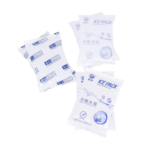
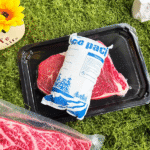
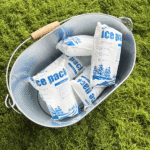
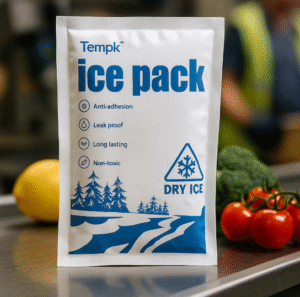
Reusable gel/PCM “ice packs”—colloquially marketed as “dry‑ice alternative,” typically freeze at –15 ° C. (5 ° F) (Z.B., Arctic Ice Tundra) and keep items very cold but not as cold as real dry ice. Great for food that only needs to stay frozen/near‑frozen for shorter durations.
This article covers both, but any air shipment with real dry ice must comply with DG (gefährliche Güter) Regeln. The packout examples below consolidate the most practical steps from your drafts.
2025 Regeln auf einen Blick (Luft & Boden)
Luft (Hier/icao):
-
Verwenden IATA DGR PI 954 für UN1845 Kohlendioxid, solide (Trockeneis). Paket muss CO₂ -Freisetzung erlauben; markieren “DRY ICE” or “CARBON DIOXIDE, SOLIDE", hinzufügen Und 1845, und die Netz kg aus Trockeneis. Überprüfen Sie die Ihres Mobilfunkanbieters Bedienervarianten und nutzen Sie die 2025 IATA ACCEPTION CHECKLISTE.
UNS. inländisch (49 CFR):
-
49 CFR 173.217 requires packaging designed to Entlüftung CO₂ Gas; general packaging rules apply.
Passagiergepäck (reference only):
-
Limit 2.5 kg (5.5 lb) pro Passagier mit Genehmigung der Fluggesellschaft; package must be vented and marked. (Helpful for staff/customer travel questions.)
Carrier -Jobhilfen:
-
FedEx/UPS provide practical Etikettenplatzierung and checklist details (Klasse 9 Diamant, UN1845, net kg on the same face as the label when space allows). Always confirm the current operator guidance.
Wie viel Trockeneis zu verwenden (und warum)
Rules of thumb from university/agency guidance and industry:
-
5–10 lb (2.3–4,5 kg) pro 24 Std. in a well‑insulated cooler/shipper. Expect faster sublimation in hot weather or at altitude.
Translate that into planning:
-
24 Std. (small food parcel): 5 lb (2.3 kg)
-
48 Std. (mittelgroßer Kühler): 10–15 lb (4.5–6,8 kg)
-
72 Std. (large payload/hot lane): 20–25+ lb (9–11+ kg)
Your drafts recommended similar amounts and stressed packout discipline; we kept that guidance and removed any conflicting suggestions.
Packouts, die tatsächlich funktionieren (gefroren & gekühlt)
Unten sind Feldgetestet patterns that balance hold time, kosten, und Compliance. (Adapt per lane and season; validate with ISta 7e profiles for your lanes.)
A) Frozen food with real dry ice (air or ground)
-
Äußere: Certified insulated shipper or rugged cooler with Entlüftung (Tun nicht luftdicht versiegeln).
-
Liner: 1–2 in (25–50 mm) rigid foam or VIP as required.
-
Payload bag: Food vacuum‑sealed, placed in a moisture barrier bag.
-
Trockeneis: Split into multiple bricks on top and sides (Kälte sinkt nach unten).
-
Lückenfüllung: Crumpled kraft/liners to minimize convection.
-
Markierung: „TROCKENEIS“ (oder „KOHLENDIOXID, SOLIDE"), Und 1845, Netz kg aus Trockeneis. Klasse 9 label on the same panel where possible.
B) “Dry‑ice‑alternative” for frozen/near‑frozen (kürzere Dauer)
-
PCM -Packungen (–15 ° C.) (Z.B., Arctic Ice Tundra) konditioniert ≥36 Std at the lowest freezer setting; Ort oben und rundherum Nutzlast.
-
Expect performance below real dry ice; Ideal für über Nacht to short‑haul frozen deliveries where DG handling is undesirable.
C) Mixed cold chain (gefroren + gekühlt)
-
Sandwich payload: Trockeneis (Spitze) + 0 °C PCMs around sensitive items to prevent over‑freezing. Keep food out of direct contact with dry ice.
-
Für multi‑temp orders, separate with corrugate baffles and distinct inner cartons.
For production rollouts, qualify against ISTA 7E heat/cold profiles for the lane and duration (72–144 h baselines).
Markierung, Beschriftung & Papierkram (zero‑ambiguity checklist)
-
Richtiger Versandname: Trockeneis (oder Kohlendioxid, Solide).
-
UN -Nummer: Und 1845.
-
Gefahrenkennzeichnung: Klasse 9 Verschiedenes (100 × 100 mm minimum per IATA).
-
Nettogewicht: zeigen kg Trockeneis auf dem Paket (and on documents when required).
-
Platzierung: When space allows, print the proper shipping name/UN1845 on the same side as the Class 9 Etikett (FedEx practice).
-
Entlüftung: Paket muss nicht luftdicht sein; lid taping must allow gas release.
-
Annahme: Verwenden Sie das 2025 IATA Dry Ice acceptance checklist for non‑DG‑accompanied, non‑hazardous contents shipments.
Sicherheit (CO₂-Entlüftung, Handhabung, Lebensmittelsicherheit)
-
Belüftung: Trockeneis sublimiert zu CO₂. Respect workplace limits (NIOSH/OSHA: Twa 5,000 ppm; SATZ 30,000 ppm). Never confine in sealed spaces; open vans and walk‑ins regularly.
-
PS: Isolierte Handschuhe; no bare‑skin contact; eye protection when breaking bricks.
-
Lebensmittelsicherheit: Essen aufbewahren out of the 40–140 °F (4–60°C) „Gefahrenzone“; use a calibrated probe at receiving; discard if time/temperature abused.
When to use gel/PCM instead of dry ice
Wählen PCM/gel “ice packs” Wann:
-
Shipment is overnight/short‑haul, and food can tolerate –15 ° C. hold rather than –78.5 °C.
-
You want to avoid DG handling/documentation.
-
You’re shipping consumer orders where simple reuse and no dry‑ice residue are preferred.
Beispiel: Arctic Ice Tundra packs freeze at –15 ° C. (5 ° F) and are marketed as dry‑ice alternatives for coolers—excellent for consumer food boxes, not for multi‑day deep‑freeze lanes.
(Note on search intent): In AU/NZ retail, searches like “dry ice packs bcf” often surface Gel/Eisziegel sold by outdoor retailers (BCF), not real dry ice. Align your content and product taxonomy accordingly to capture both intents.
Kosten & operational tips
-
Richtige Größe your shipper: empty air volume is your enemy—more air = faster dry‑ice loss.
-
Voraussetzung everything cold (Produkt, PCM, shipper walls).
-
Lane calendars: summer peaks, Wochenende hält, and holidays can add 24–48 h; buffer your dry‑ice mass accordingly.
-
Qualitätssicherung & Ansprüche: include a simple temp indicator or logger for high‑value shipments.
FAQs
Q1) Can I ship food with dry ice by air?
Yes—within Hier ist pi 954 Grenzen, Verwendung entlüftet Verpackung, Und 1845 Markierung, Klasse 9 Etikett, und Netz kg aus Trockeneis. Verwenden Sie das 2025 IATA ACCEPTION CHECKLISTE.
Q2) How much dry ice should I add for a 48‑hour frozen lane?
Beginnen Sie mit 10–15 lb (4.5–6,8 kg) and validate with a lane test; hot lanes or larger shippers may require 20 Pfund+. (Planen 5–10 lb/24 h.)
Q3) Do I need special labels for UPS/FedEx?
Ja-Klasse 9 Diamant, Und 1845, richtiger Versandname, Und Netz kg aus Trockeneis. Carriers publish job aids with placement examples.
Q4) Will Google still show FAQ/HowTo rich results if I add schema?
Google heavily restricted FAQ/How‑To rich results (2023). You can keep valid schema for machines and assistive uses, Aber don’t expect guaranteed FAQ/How‑To visuals. Konzentrieren Sie sich auf people‑first content and page experience (Kern-Web-Vitals).