Kühlkettenmanagement in der Pharmaindustrie schützt die Integrität und Sicherheit temperaturempfindlicher Arzneimittel. Da Biologika und fortschrittliche Therapien an Bedeutung gewinnen, Milliarden von Dollar hängen von der Aufrechterhaltung stabiler Bedingungen ab. In 2024 Der weltweite Markt für pharmazeutische Kühlkettenlogistik wurde mit ca. bewertet 18,6 Milliarden US-Dollar mit Projektionen zu erreichen 27,1 Milliarden US-Dollar von 2033. Der Sektor wächst weiterhin parallel zur Nachfrage nach Impfstoffen, Gentherapien und personalisierte Medikamente. In 2025, Sie müssen Produkte nicht nur innerhalb der aufbewahren 2–8 ° C nicht nur die Reichweite, sondern auch die sich ändernden Vorschriften einhalten, Einführung intelligenter Technologien und Umsetzung der Nachhaltigkeit. In diesem Artikel finden Sie alles, was Sie wissen müssen.
Was sind die Grundlagen des Kühlkettenmanagements in der Pharmaindustrie?? – inklusive Temperaturbereiche, Überwachungs- und Verpackungsanforderungen.
Wie beeinflussen regulatorische Rahmenbedingungen und Compliance die Kühlkettenstrategien?? – über gute Vertriebspraktiken (BIP), Erwartungen und Dokumentationsregeln der FDA und EMA.
Welche Technologien verändern pharmazeutische Kühlketten? 2025? – Erforschung von IoT-Sensoren, KI-Routenoptimierung, Blockchain-Rückverfolgbarkeit, Automatisierung und kryogene Lösungen.
Warum wird Nachhaltigkeit in der Kühlkettenlogistik immer wichtiger?? – Hervorhebung energieeffizienter Kühlung, Solarspeicher und umweltfreundliche Verpackung.
Welche Markttrends und Wachstumsindikatoren für Planer wichtig sind? – Zusammenfassung der Marktgrößen, CAGR, regionale Dynamik und Wachstumstreiber.
Wie können Sie häufige Herausforderungen und Temperaturschwankungen bewältigen?? – Best Practices skizzieren, Schulung und Notfallplanung.
Was sind die neuesten Entwicklungen und Trends in 2025? – Auflistung neuer Innovationen und regulatorischer Aktualisierungen.
Was sind die Grundlagen des Kühlkettenmanagements in der Pharmaindustrie??
Durch das Kühlkettenmanagement wird sichergestellt, dass Arzneimittel von der Herstellung bis zur Verabreichung innerhalb ihres zugelassenen Temperaturbereichs bleiben. Temperaturempfindliche Produkte wie Impfstoffe, Biologika, Zelltherapien und Insulin müssen gekühlt oder eingefroren werden, um ihre Wirksamkeit zu bewahren und eine Kontamination zu verhindern. Ein spezieller Logistikprozess, der eine temperaturkontrollierte Lagerung umfasst, Transport, Verpackung und kontinuierliche Überwachung sind daher unerlässlich. Kleine Abweichungen können irreversible Schäden verursachen und Medikamente unwirksam machen.
Warum ist die Temperaturkontrolle so wichtig??
Arzneimittel haben strenge Stabilitätsprofile. Viele Impfstoffe und Biologika erfordern eine Zwischenlagerung 2–8 ° C (36–46°F), als bezeichnet 2–8°C Kühlkette. Andere müssen eingefroren werden –20 ° C. oder unten gehalten –70°C für Ultratieftemperaturprodukte wie mRNA-Impfstoffe. Eine Überschreitung dieser Bereiche – eine Temperaturabweichung – kann die Wirksamkeit des Produkts beeinträchtigen, Dies gefährdet die Patientensicherheit und führt zu kostspieligen Rückrufen. Das stellt die Weltgesundheitsorganisation fest um 20% der temperaturempfindlichen Gesundheitsprodukte werden während des Vertriebs aufgrund eines schlechten Kühlkettenmanagements beschädigt.
Kernelemente eines effektiven Kühlkettenmanagements
Wahrung der Integrität in der gesamten Lieferkette, Ihr Kühlkettenprogramm sollte Folgendes umfassen::
Präzise Temperaturerhaltung: Halten Sie die Produkte innerhalb ihres validierten Sortiments. Bei Arzneimitteln bedeutet dies oft 2–8°C, bei gekühlter Ware, –20 °C für Standardgefrieren und unter –70 °C für Ultratiefkühllagerung.
24/7 Überwachung: Verwenden Sie automatisierte Datenlogger und IoT-Sensoren, um die Temperatur zu verfolgen, Luftfeuchtigkeit und Standort kontinuierlich überwachen. Echtzeitwarnungen ermöglichen ein sofortiges Eingreifen bei Abweichungen.
Validierte Infrastruktur: Setzen Sie zertifizierte Kühlgeräte ein, isolierte Fahrzeuge und temperaturkontrollierte Verpackungen, die stets den gesetzlichen Standards entsprechen.
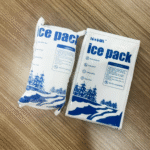
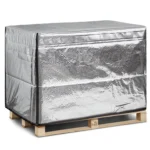
Spezialverpackung: Verwenden Sie thermische Verpackungsmaterialien wie Gelpacks, Phasenwechselmaterial (PCMs) und vakuumisolierte Paneele zur Aufrechterhaltung stabiler Transportbedingungen.
Detaillierte Aufzeichnungen: Pflegen Sie die Dokumentation für Temperaturprotokolle, Gerätekalibrierung, Personalschulung und Umgang mit Abweichungen.
Notfallpläne: Bereiten Sie Protokolle vor, um auf Geräteausfälle zu reagieren, Stromausfälle oder Verzögerungen. Dazu gehören Optionen zur Notfalllagerung und Verfahren zur Produktquarantäne.
Geschultes Personal: Jeder, der mit Kühlkettenprodukten umgeht, sollte mit dem richtigen Be- und Entladen vertraut sein, Überwachung des Gerätebetriebs und Korrekturmaßnahmen.
Temperaturbereiche und ihre Anwendungen
| Bereichskategorie | Temperatur | Beispielprodukte | Bedeutung für Sie |
| Gekühlt (Gekühlt) | 2–8 ° C | Gängige Impfstoffe, Insulin, monoklonale Antikörper | Standardbereich, der eine kontinuierliche Überwachung erfordert. Stellen Sie sicher, dass die Verpackung während des Transports und der Lagerung eine Temperatur von 2–8 °C aufrechterhalten kann. |
| Gefroren | –20 ° C. | Einige Plasmaprodukte, spezifische Impfstoffe | Erfordert spezielle Gefriergeräte und Verpackungen, um die Bildung von Eis zu verhindern. |
| Extrem niedrig / Kryogen | –70°C oder niedriger | mRNA-Impfstoffe, Gen- und Zelltherapien | Erfordert Trockeneis- oder Flüssigstickstoff-Dewargefäße; hohes Ausflugsrisiko; Die Temperaturverfolgung in Echtzeit ist von entscheidender Bedeutung. |
| Umgebungskontrolliert | 15–25 ° C. | Tabletten, Kapseln, bestimmte Biologika | In heißen Klimazonen ist immer noch eine Temperaturkontrolle erforderlich; profitiert von Wärmedämmung und Datenprotokollierung. |
Praktische Tipps für Sie
Bilden Sie Ihre Lieferkette ab: Identifizieren Sie die schwächsten Glieder – vom Hersteller bis zum Vertrieb auf der letzten Meile – und implementieren Sie in jeder Phase Überwachungsgeräte.
Investieren Sie in modulare Verpackungen: Verwenden Sie wiederverwendbare Isolierbehälter mit PCMs, die auf den Temperaturbereich Ihres Produkts abgestimmt sind. Das Testen unter realen Bedingungen verringert das Risiko von Abweichungen.
Führen Sie Stabilitätsstudien durch: Überprüfen Sie, wie lange Ihr Produkt kurzen Ausfällen standhält, und passen Sie die SOPs entsprechend an. Aufsichtsbehörden erwarten dokumentierte Studien zu den Auswirkungen von Exkursionen.
Nutzen Sie Leistungskennzahlen: Verfolgen Sie Schlüsselindikatoren wie die Häufigkeit von Temperaturschwankungen, Einhaltung der Gerätekalibrierung und Abschluss von Personalschulungen, um Ihre Kühlkette kontinuierlich zu verbessern.
Fallbeispiel: Während der Einführung des COVID-19-Impfstoffs, Pfizer nutzte GPS-fähige Thermoversandsysteme und füllte während des Transports Trockeneis auf, um die Bedingungen bei –70 °C aufrechtzuerhalten, um sicherzustellen, dass die Impfstoffe wirksam bleiben.
Wie beeinflussen regulatorische Rahmenbedingungen und Compliance pharmazeutische Kühlkettenstrategien??
Die Einhaltung gesetzlicher Vorschriften ist in der Pharmalogistik nicht verhandelbar. Behörden wie die UNS. Food and Drug Administration (FDA), Europäische Arzneimittel-Agentur (EMA) Und Weltgesundheitsorganisation (WER) Rahmenbedingungen schaffen, um sicherzustellen, dass Arzneimittel sicher und wirksam bleiben. In 2025 Diese Stellen verschärfen die Anforderungen und verstärken die Kontrollen.
Gute Vertriebspraktiken verstehen (BIP)
Gute Verteilungspraktiken sind internationale Standards für die Lagerung und den Vertrieb von Arzneimitteln. Sie umfassen das Facility Management, Streckenqualifikation, Temperaturüberwachung, Lieferantenaudits und Dokumentation. Die EU-BIP-Richtlinien (2013/C 343/01) und die Richtlinie 2001/83/EG legen fest, wie Arzneimittel und Wirkstoffe in der gesamten Lieferkette gehandhabt werden sollen. Compliance stellt sicher, dass Produkte ihre Identität bewahren, Kraft und Reinheit, bis sie den Patienten erreichen.
Zu den wichtigsten Grundsätzen gehören::
Qualitätssystem: Dokumentierte Prozesse, Qualitätsrisikomanagement und interne Audits zum Nachweis einer kontinuierlichen Kontrolle.
Verantwortliche Person: Eine qualifizierte Person, die für die Einhaltung der GDP-Konformität verantwortlich ist, einschließlich der Überwachung ausgelagerter Aktivitäten.
Temperaturkartierung und -qualifizierung: Lager und Routen müssen kartiert werden, um Hot-/Cold-Spots zu identifizieren, und mit validierten Überwachungssystemen ausgestattet sein.
Computergestützte Systeme: Datenintegrität und Rückverfolgbarkeit müssen durch validierte elektronische Systeme mit Prüfpfaden sichergestellt werden.
Management von Retouren und Rückrufen: Es müssen Verfahren zur Untersuchung von Beschwerden vorhanden sein, Abwicklung von Rückrufen und Verhinderung der Wiedereinführung nicht konformer Produkte.
Regulierungslandschaft nach Regionen
| Regulierungsbehörde | Umfang | Hauptanforderungen | Praktische Bedeutung |
| FDA (UNS.) | Gilt für Arzneimittel, die in den Vereinigten Staaten vertrieben werden | Fordert validierte Lager- und Transportsysteme, die in der Lage sind, die Temperaturintegrität aufrechtzuerhalten. Erfordert eine solide Dokumentation und Berichterstattung. | Implementieren Sie eine kontinuierliche Überwachung und stellen Sie sicher, dass Ihre Infrastruktur validiert ist. Bereiten Sie sich auf Audits vor und gewährleisten Sie die vollständige Rückverfolgbarkeit. |
| EMA (EU) | Reguliert Arzneimittel innerhalb der EU/des EWR | Die GDP-Richtlinien erfordern strukturierte Folgenabschätzungen für Temperaturabweichungen und dokumentierte Reaktionen. Regulierungsaktualisierungen können die pauschale Verlängerung von GDP-Zertifikaten beenden und den Schwerpunkt auf Inspektionen vor Ort legen. | Führen Sie regelmäßige Selbstinspektionen durch und halten Sie die Zertifizierungen auf dem neuesten Stand. Bleiben Sie über Richtlinienänderungen auf dem Laufenden. |
| WER | Bietet internationale Best Practices | Das BIP-Modell legt Wert auf eine kontinuierliche Überwachung, Korrektur- und Vorbeugungsmaßnahmen (CAPA), und Stabilitätsdaten. | Führen Sie risikobasierte Ansätze und CAPA-Programme ein, um Exkursionen zu bewältigen. |
| EU-BIP (2013/C 343/01) | Gilt für Großhändler und Logistikunternehmen | Gibt die Anforderungen der Einrichtung an, Streckenqualifikation, Temperaturüberwachung, Lieferantenprüfung und -dokumentation. | Stellen Sie sicher, dass Ihre Partner geprüft und qualifiziert sind. Dokumentieren Sie jeden Schritt vom Kauf bis zum Export. |
Folgen der Nichteinhaltung
Eine unterbrochene Kühlkette kann zur Verschlechterung des Produkts führen, Risiken für die öffentliche Gesundheit, finanzielle Verluste, Regulierungsmaßnahmen und Reputationsschäden. Aufsichtsbehörden können hohe Geldstrafen verhängen, Produktrückrufe erzwingen oder Lizenzen aussetzen. Um diese Ergebnisse zu vermeiden, Du solltest:
Implementieren Sie ein Qualitätsmanagementsystem (QMS) im Einklang mit BIP und GMP.
Schulen Sie Ihre Belegschaft regelmäßig über Handhabungsverfahren und Notfallprotokolle.
Auditieren Sie Ihre Lieferanten und externe Logistikdienstleister auf Compliance achten.
Dokumentation von Exkursionen und CAPA-Aktionen um Kontrolle und kontinuierliche Verbesserung zu demonstrieren.
Realitätsprüfung: Früh 2025, Die EMA kündigte an, dass automatische Verlängerungen von GDP-Zertifikaten nicht mehr gewährt würden, Dies signalisiert die Rückkehr zu regelmäßigen Vor-Ort-Inspektionen. In Europa tätige Unternehmen sollten daher sicherstellen, dass ihre Dokumentation und Einrichtungen prüfbereit sind.
Welche Technologien verändern die pharmazeutische Kühlkette? 2025?
Technologische Innovationen verändern die Art und Weise, wie temperaturempfindliche Medikamente gelagert werden, transportiert und überwacht. Digitale Tools ermöglichen Sichtbarkeit in Echtzeit, Prädiktive Analysen und verbesserte Sicherheit. Durch die Integration dieser Technologien in Ihre Kühlkette können Sie Abfall reduzieren, Verbessern Sie die Compliance und steigern Sie die Effizienz.
IoT-Sensoren und Echtzeitüberwachung
IoT-Geräte erfassen die Temperatur, Luftfeuchtigkeit und Standortdaten in Echtzeit, Senden von Benachrichtigungen, wenn die Bedingungen abweichen. Das betont Lascar Electronics 24/7 Überwachung ist eine zentrale Voraussetzung für Compliance. IoT-Sensoren mit GPS-Funktionalität ermöglichen eine Positionsverfolgung in Echtzeit und sofortige Benachrichtigungen. Aktive Sensoren reduzieren Betriebsrisiken und schützen Produkte während des Transports, indem sie schnelle Korrekturmaßnahmen ermöglichen.
Vorteile:
Verhindern Sie Verderb: Sofortige Warnungen helfen, Temperaturschwankungen und Produktverluste zu vermeiden.
Verbessern Sie die Compliance: Kontinuierliche Daten liefern den Nachweis der Einhaltung der GDP- und FDA-Richtlinien.
Erhöhen Sie die Transparenz: Stakeholder können auf Echtzeit-Dashboards zugreifen, um Sendungen zu verfolgen.
Künstliche Intelligenz und Predictive Analytics
KI analysiert große Datensätze von IoT-Sensoren, um Routen zu optimieren, Geräteausfälle vorhersagen und Abweichungen verhindern. Die KI-gestützte Routenoptimierung kombiniert Verkehrs- und Wetterdaten, um eine pünktliche Lieferung temperaturempfindlicher Produkte sicherzustellen. Prädiktive Analysen können bevorstehende Temperaturabweichungen erkennen und frühzeitige Warnungen auslösen. KI unterstützt auch die Wartung, indem sie Muster erkennt, die auf Geräteausfälle hinweisen.
Blockchain für Rückverfolgbarkeit
Blockchain erstellt ein unveränderliches Register mit Temperaturdaten, Gewährleistung der Transparenz und Verhinderung von Manipulationen. PharmaNow erklärt, dass Blockchain eine durchgängige Rückverfolgbarkeit ermöglicht, Jeden Schritt des Produkttransports aufzeichnen und Daten mit Stakeholdern teilen. Dies schafft Vertrauen und unterstützt die Einhaltung gesetzlicher Vorschriften durch den Nachweis der Produktintegrität und der Produktkette.
Automatisierung und Robotik
Automatisierte Lager- und Bereitstellungssysteme (AS/RS) und Roboterhandhabungssysteme optimieren den Lagerbetrieb. Die Branche ist mit Arbeitskräftemangel und steigenden Arbeitskosten konfrontiert, Förderung der Einführung von Robotik. Automatisierte Systeme arbeiten kontinuierlich, Reduzieren Sie menschliche Fehler und verbessern Sie die Konsistenz bei der Temperaturregelung.
Kryogene und tragbare Gefriergeräte
Gen- und Zelltherapien, sowie mRNA-Impfstoffe, erfordern eine kryogene Logistik. Tragbare Kryo-Gefriergeräte halten Temperaturen auf einem Tiefststand von bis zu –80°C bis –150°C und bieten Echtzeit-Temperaturverfolgung. DataM Intelligence stellt fest, dass das kryogene Segment bestehen bleibt 31.45 % des pharmazeutischen Kühlkettenmarktes in 2024. Unternehmen wie CSafe haben wiederverwendbare Dewar-Gefäße mit integrierter Echtzeitverfolgung eingeführt, um den Markt für Zell- und Gentherapie zu bedienen.
Nachhaltige und intelligente Verpackung
Nachhaltige Verpackungslösungen wie biologisch abbaubare Isolierbehälter, Recycelbare Thermowickel und wiederverwendbare Kühlakkus erfreuen sich immer größerer Beliebtheit. Solarbetriebene Kühlspeicher reduzieren den Energieverbrauch und versorgen ländliche Gebiete mit unzuverlässigem Strom. Der globale Wandel zur Nachhaltigkeit umfasst auch natürliche Kältemittel und energieeffiziente Kühlsysteme.
Vergleich von Technologien
| Technologie | Beschreibung | Schlüsselvorteile | Bedeutung für Sie |
| IoT -Sensoren | Angeschlossene Geräte messen die Temperatur, Luftfeuchtigkeit und Standort. | Echtzeitwarnungen, Kontinuierliche Daten zur Compliance, verbesserte Transparenz | Reduziert Exkursionen und unterstützt die Prüfungsbereitschaft. |
| Künstliche Intelligenz | Algorithmen analysieren Daten, um Routen zu optimieren und Risiken vorherzusagen. | Kürzere Lieferzeiten, proaktive Wartung und Risikominderung | Verbessert die Effizienz und senkt die Kosten. |
| Blockchain | Das verteilte Hauptbuch zeichnet jede Transaktion in der Lieferkette auf. | Manipulationssichere Rückverfolgbarkeit, verbesserte Sicherheit und Einhaltung gesetzlicher Vorschriften | Schafft Vertrauen und optimiert Audits. |
| Automatisierung & Robotik | Automatisierte Lager- und Bereitstellungssysteme verwalten den Lagerbestand ohne menschliches Eingreifen. | Schnellerer Durchsatz, reduzierte Arbeitskosten, konsistente Temperaturregelung | Erhöht die Kapazität und reduziert Fehler. |
| Kryo-Gefriergeräte | Tragbare oder stationäre Geräte halten –80 °C bis –150 °C aufrecht. | Ermöglicht den Transport von Gentherapien und mRNA-Impfstoffen; Echtzeitverfolgung | Erweitert das Produktportfolio und die Marktreichweite. |
| Nachhaltige Verpackung & Solarenergie | Umweltfreundliche Materialien und erneuerbare Energielösungen reduzieren den CO2-Fußabdruck. | Niedrigere Betriebskosten, Vorschriftenregulierung, weniger Abfall | Entspricht den Nachhaltigkeitszielen des Unternehmens und den Erwartungen der Verbraucher. |
Tipps zur Umsetzung
Pilotieren Sie neue Technologien: Beginnen Sie mit einem Pilotprojekt, um die Leistung vor der Skalierung zu testen.
Systeme integrieren: Kombinieren Sie IoT, KI und Blockchain für ganzheitliche Sichtbarkeit und Vorhersagefähigkeiten.
Personal schulen: Führen Sie Change-Management-Programme ein, um sicherzustellen, dass die Mitarbeiter mit neuen Tools vertraut sind.
Planen Sie Datensicherheit: Schützen Sie sensible Daten durch Verschlüsselung und Zugriffskontrollen.
Beispiel aus der realen Welt: Im Februar 2024 Sensitech stellte das TempTale GEO X-Gerät vor, eine IoT-Temperaturüberwachungslösung, die Echtzeitanalysen für temperaturempfindliche Medikamente liefert, die weltweit transportiert werden. Innovationen wie diese zeigen, wie Technologie Compliance und Effizienz verbessern kann.
Warum werden nachhaltige Praktiken und Verpackungen unverzichtbar??
Die Kühlkette ist energieintensiv und in der Vergangenheit auf Kältemittel mit hohem Treibhauspotenzial angewiesen. In 2025 Umweltverträglichkeit ist sowohl eine regulatorische Anforderung als auch ein Unterscheidungsmerkmal im Wettbewerb. Auf die globale Lebensmittelkühlkette entfallen etwa 2 % der weltweiten CO₂-Emissionen, Dies unterstreicht die Notwendigkeit einer umweltfreundlicheren Logistik.
Treiber einer nachhaltigen Kühlkette
Regulatorischer Druck: Regierungen und Behörden verschärfen die Umweltvorschriften. Zum Beispiel, Das UN-Umweltprogramm drängt auf energieeffiziente Kühlung und natürliche Kältemittel.
Verbrauchererwartungen: Kunden bevorzugen zunehmend umweltfreundliche Marken. Nachhaltige Verpackungen und geringere Emissionen können die Markentreue steigern.
Kosteneinsparungen: Solarbetriebene Kühlspeicher reduzieren die Energiekosten, mit kommerziellen Solartarifen dazwischen 3.2–15,5 Cent/kWh, bietet erhebliche Einsparungen im Vergleich zu 13.1 Cent/kWh Durchschnitt für gewerblichen Strom in 2024.
Widerstandsfähigkeit der Lieferkette: Nachhaltige Praktiken, wie wiederverwendbare Verpackungen und erneuerbare Energien, kann Störungen bei Stromausfällen oder Kraftstoffknappheit abmildern.
Grüne Lösungen in der Praxis
| Nachhaltige Innovation | Was es tut | Vorteile für Sie |
| Solarbetriebene Kühllagerung | Verwendet Sonnenkollektoren zur Stromversorgung von Kühleinheiten, insbesondere in Regionen mit unzuverlässigen Netzen. | Reduziert die Betriebskosten, Reduziert den CO2-Fußabdruck und ermöglicht den Zugang zur Kühlkette in abgelegenen Gebieten. |
| Biologisch abbaubar & Recycelbare Verpackung | Mehrwegbehälter, recycelbare Thermowickel und biologisch abbaubare Isolierung. | Minimiert Abfall, erfüllt regulatorische Anforderungen und stimmt mit den Nachhaltigkeitszielen des Unternehmens überein. |
| Natürliche Kältemittel & Energieeffiziente Ausrüstung | Ersetzt Fluorkohlenwasserstoffe durch Gase mit niedrigem GWP; setzt energieeffiziente Kompressoren und Isolierung ein. | Reduziert Treibhausgasemissionen und verbessert die Energieeffizienz. |
| Zirkuläre Programme | Fördert die Rückgabe und Wiederverwendung temperaturgeführter Verpackungen. | Reduziert Materialkosten und Abfall und verbessert gleichzeitig die Nachhaltigkeitskennzahlen. |
Praktische Tipps für Sie
Führen Sie ein Energieaudit durch: Identifizieren Sie ineffiziente Geräte und Möglichkeiten für die Solarintegration.
Binden Sie Lieferanten ein: Arbeiten Sie mit Anbietern zusammen, die Nachhaltigkeitsziele teilen und recycelbare oder wiederverwendbare Verpackungen anbieten können.
Berechnen Sie den ROI: Vergleichen Sie die Vorabkosten für Solar- oder umweltfreundliche Verpackungen mit langfristigen Einsparungen, um Investitionen zu rechtfertigen.
Informieren Sie Ihre Kunden: Kommunizieren Sie Ihre Nachhaltigkeitsbemühungen, um Vertrauen aufzubauen und Ihre Marke zu differenzieren.
Wie beeinflussen Markttrends und Wachstumsindikatoren das Kühlkettenmanagement??
Die pharmazeutische Kühlkette wächst rasant. DataM Intelligence schätzt, dass der Markt erreicht ist 18,61 Milliarden US-Dollar im Jahr 2024 und wird wachsen 27,11 Milliarden US-Dollar von 2033 bei a 4.3 % CAGR. Der gesamte Markt für Kühlkettenlogistik (über Essen, Pharma und andere Branchen) wurde mit bewertet UNS $436.30 Milliarden in 2025 und wird voraussichtlich erreicht werden UNS $1,359.78 Milliarden von 2034, expandiert bei a 13.46 % CAGR.
Wachstumstreiber
Aufstieg von Biologika und Gentherapien: Biologika machen ungefähr aus 30 % aller Medikamente und erfordern eine strenge Kühlkettenlogistik. Die wachsende Pipeline an Zell- und Gentherapien erfordert extrem niedrige und kryogene Lösungen.
Pandemie-Lektionen: Die COVID-19-Pandemie hat die Notwendigkeit robuster Kühlketten für die Impfstoffverteilung deutlich gemacht. Die Investitionen in die Kühl- und Überwachungsinfrastruktur werden fortgesetzt.
Regulatorische Änderungen: Während die Behörden die BIP-Standards verschärfen, Unternehmen müssen Einrichtungen und Überwachungssysteme modernisieren, Stimulierung des Marktwachstums.
Globalisierung und E-Commerce: Größere Vertriebsnetze und Direct-to-Consumer-Modelle erfordern eine ausgefeilte Last-Mile-Logistik, steigende Nachfrage nach temperaturgeführten Transportmitteln.
Regionale Dynamik
| Region | Erkenntnisse | Was es bedeutet |
| Nordamerika | Es wird erwartet, dass es den pharmazeutischen Kühlkettenmarkt dominieren wird 42.87 % Aktie In 2024. Fortschrittliche Gesundheitssysteme und eine hohe Nachfrage nach Biologika treiben das Wachstum voran. | Es bestehen Investitionsmöglichkeiten in automatisierten Lagern und kryogenen Lösungen; Unternehmen sollten Wert auf die Einhaltung der FDA-Richtlinien legen. |
| Asien-Pazifik | Der gesamte Kühlkettenlogistikmarkt prognostiziert die höchste CAGR von ~14.3 % von 2025–2034. Schnelles Wachstum in der Herstellung von Biologika und Gentherapien, gepaart mit dem Ausbau der Vertriebsnetze. | Unternehmen sollten Partnerschaften und Infrastrukturentwicklung in APAC erkunden, um Marktanteile zu gewinnen. |
| Europa | Starkes regulatorisches Umfeld; Die EMA verlangt eine gründliche GDP-Konformität und hat die Inspektionen vor Ort wieder aufgenommen. | Unternehmen müssen ihre Zertifizierungen auf dem neuesten Stand halten und sich an die sich ändernden regulatorischen Erwartungen anpassen. |
Marktprognosetabelle
| Metrisch | 2024/2025 Wert | 2033/2034 Vorsprung | Bedeutung für Sie |
| Marktgröße der Pharma-Kühlkette | UNS $18.61 Milliarde (2024) | UNS $27.11 Milliarde (2033) | Zeigt mäßiges Wachstum an; Unternehmen sollten in eine skalierbare Infrastruktur investieren. |
| Gesamtmarkt für Kühlkettenlogistik | UNS $436.30 Milliarde (2025) | UNS $1,359.78 Milliarde (2034) | Die schnelle Expansion spiegelt Chancen in mehreren Sektoren wider, einschließlich Pharma. |
| Anteil am kryogenen Segment | 31.45 % teilhaben 2024 | Wachsend aufgrund von mRNA und Gentherapien | Hervorhebung des Bedarfs an Ultratieftemperaturlösungen. |
| Asien-Pazifik-CAGR | ~14.3 % (2025–2034) | Höchstes regionales Wachstum | Schlägt vor, die Ressourcen auf APAC-Märkte zu konzentrieren. |
Was bedeutet dies für Sie
Planen Sie Kapazitätserweiterungen im Einklang mit den Marktwachstumsprognosen, insbesondere für kryogene Fähigkeiten.
Vertriebsnetze diversifizieren, Investitionen in aufstrebende Regionen wie Asien-Pazifik, um vom hohen Wachstum zu profitieren.
Stärken Sie die Logistik auf der letzten Meile zur Unterstützung von Direktvertriebsmodellen an Patienten und zur Wahrung der Integrität der Kühlkette.
Überwachen Sie die Regulierungslandschaften über Regionen hinweg, um Compliance-Kosten zu antizipieren und Strategien anzupassen.
Was sind häufige Herausforderungen und wie können sie bewältigt werden??
Trotz technologischer Fortschritte, Das Kühlkettenmanagement steht vor anhaltenden Hindernissen. Das Verständnis und die Bewältigung dieser Herausforderungen ist für die Aufrechterhaltung der Produktintegrität und -konformität von entscheidender Bedeutung.
Häufige Quellen für Temperaturschwankungen
Laut Euro American Worldwide Logistics, Zu den häufigsten Ursachen für Temperaturschwankungen gehören Transportverzögerungen, Verpackungsmängel, Gerätestörungen und menschliches Versagen. Unerwartete Ereignisse wie Verkehrsstaus, Zollverzögerungen oder Wetterstörungen verlängern den Aufenthalt in ungeschützten Umgebungen. Unzureichende Isolierung oder unsachgemäße Behälterqualifizierung führen zu schnellen Temperaturschwankungen. Defekte Kühlschränke oder Kühlfahrzeuge können zu Fehlfunktionen führen, während unsachgemäße Ladepraktiken oder eine falsche Gerätekonfiguration häufig vermeidbare Abweichungen auslösen.
Herausforderungen im globalen Vertrieb
Pharmazeutische Kühlketten erstrecken sich oft über mehrere Kontinente, jeweils mit unterschiedlichen Infrastrukturen und regulatorischen Anforderungen. In einigen Regionen mangelt es an fortschrittlichen Überwachungstechnologien, was die Compliance erschwert. Kulturelle und sprachliche Unterschiede können die Kommunikation und Ausbildung behindern. Verwaltung multimodaler Transporte – Luft, See und Straße – erhöht die Komplexität. Zusätzlich, Globale Lieferketten müssen geopolitische Spannungen bewältigen, Naturkatastrophen und Pandemien, erfordern eine belastbare Notfallplanung.
Minderungsstrategien
| Herausforderung | Ursache | Schadensbegrenzung | Bedeutung für Sie |
| Transportverzögerungen | Verkehr, Zollstau, Wetter | Nutzen Sie KI-gestützte Routenplanung und prädiktive Analysen; Pufferzeit in Zeitpläne einbauen | Ermöglicht es Ihnen, Verzögerungen vorherzusehen und Überschreitungen zu verhindern. |
| Verpackungsfehler | Unzureichende Isolierung, abgereicherte Phasenwechselmaterialien | Verpackungssysteme validieren; PCMs und vakuumisolierte Paneele einsetzen | Stellt sicher, dass Container die Temperatur während der erwarteten Transportdauer aufrechterhalten können. |
| Fehlfunktion der Ausrüstung | Defekte Kühleinheiten oder ungenaue Datenlogger | Implementieren Sie regelmäßige Wartungspläne und vorausschauende Diagnosen; Verwenden Sie Backup-Einheiten | Reduziert das Risiko ungeplanter Ausfälle. |
| Menschliches Versagen | Falsches Laden/Entladen oder falsche Gerätekonfiguration | Bieten Sie umfassende Schulungen an, SOPs und regelmäßige Auffrischungen | Baut eine Kultur der Verantwortung auf und reduziert Fehler. |
| Regulatorische Komplexität | Unterschiedliche regionale Regeln und Aktualisierungen | Pflegen Sie eine Compliance-Matrix; Arbeiten Sie mit lokalen Experten zusammen, um die Anforderungen zu interpretieren | Hilft Ihnen, sich in unterschiedlichen Vorschriften zurechtzufinden und Strafen zu vermeiden. |
| Globale Störungen | Naturkatastrophen, Pandemien, geopolitische Spannungen | Entwickeln Sie Notfallpläne, Diversifizierung der Lieferanten und Aufrechterhaltung von Notbeständen | Erhöht die Widerstandsfähigkeit gegenüber unvorhergesehenen Ereignissen. |
Best Practices für den Umgang mit Ausflügen
Entwickeln Sie Standardarbeitsanweisungen (Sops): Definieren Sie klar die Schritte, die bei einer Exkursion zu ergreifen sind, inklusive Quarantäne, Dokumentation, Benachrichtigung über Qualitätssicherung und Ursachenanalyse.
Nutzen Sie die Echtzeitüberwachung: IoT-Sensoren und Datenlogger bieten sofortige Warnungen und GPS-Tracking, Bereitstellung einer überprüfbaren Aufzeichnung für Audits.
Verpackung validieren: Stellen Sie mithilfe von PCMs sicher, dass Verpackungen unter realen Bedingungen funktionieren, vakuumisolierte Paneele und aktive Behälter.
Führen Sie Stabilitätsstudien durch: Bestimmen Sie, wie sich Temperaturschwankungen auf die Produktqualität auswirken, und beziehen Sie die Ergebnisse in Risikobewertungen ein.
Investieren Sie in Ausbildung: Achten Sie auf das richtige Be- und Entladen, Überwachung der Gerätenutzung und Eskalationsverfahren.
Implementieren Sie CAPA: Nach einem Ausflug, Führen Sie eine Ursachenanalyse und Korrekturmaßnahmen durch, um ein erneutes Auftreten zu verhindern.
Praktisches Beispiel: Die extrem niedrigen Temperaturanforderungen des Pfizer-BioNTech-COVID-19-Impfstoffs führten zu zahlreichen Exkursionsherausforderungen. Um Risiken zu mindern, Pfizer nutzte GPS-fähige Wärmetransportsysteme, Trockeneis während des Transports nachgefüllt und Sendungen kontinuierlich überwacht.
Was sind die neuesten Entwicklungen und Trends in 2025?
2025 entwickelt sich zu einem entscheidenden Jahr für pharmazeutische Kühlketten. Mehrere technologische, Regulierungs- und Markttrends konvergieren:
Automatisierung & Verbreitung der Robotik: Viele Lager sind nach wie vor nicht automatisiert, Doch Arbeitskräftemangel und der Bedarf an Effizienz beschleunigen die Einführung von AS/RS-Systemen und Roboterhandhabern.
End-to-End-Sichtbarkeit: Unternehmen setzen fortschrittliche IoT-Geräte und Softwarelösungen für die Standortverfolgung in Echtzeit ein, Temperatur und Luftfeuchtigkeit. Echtzeitdaten ermöglichen Routenoptimierung und proaktives Risikomanagement.
Wachstum in der Pharma-Kühlkette: Die Nachfrage nach Biologika und Gentherapien treibt den Ausbau der Ultrakühllagerkapazitäten voran. Etwa 20 % Bei den neuen Medikamenten in der Entwicklung handelt es sich um gen- und zellbasierte Therapien. Der Pharma-Kühlkettenmarkt könnte sich ausbreiten UNS $1,454 Milliarden von 2029 mit a 4.71 % CAGR.
Strategische Partnerschaften: Herstellerübergreifende Zusammenarbeit, Verpackungslieferanten und Technologieanbieter verbessern die Integration der Lieferkette. Die Standardisierung von Daten und Smart Containern ermöglicht eine nahtlose Integration, mit bis zu 74 % von Logistikdaten voraussichtlich standardisiert durch 2025.
Nachhaltige Initiativen: Unternehmen setzen auf energieeffiziente Kühlung, erneuerbare Energien und recycelbare Verpackungen. Nachhaltige Praktiken reduzieren nicht nur die Emissionen, sondern tragen auch dazu bei, den Produktverderb zu reduzieren.
Regulatorische Aktualisierungen: Die EMA hat die pauschale Verlängerung von GDP-Zertifikaten beendet, Betonung der Rückkehr zu Vor-Ort-Inspektionen. USP hat ein neues Kapitel zur mittleren kinetischen Temperatur vorgeschlagen (Mkt) zur Beurteilung von Temperaturschwankungen, Hervorhebung einer tiefergehenden wissenschaftlichen Bewertung.
Ai & Blockchain-Erweiterung: KI wird zunehmend zur Routenoptimierung eingesetzt, Anomalieerkennung und Flottenwartung. Durch die Blockchain-Einführung werden unveränderliche Datensätze bereitgestellt, die Compliance und Datenintegrität unterstützen.
Schneller Schnappschuss von 2025 Entwicklungen
Automatisierung & Robotik Verkürzen Sie die Lagerzykluszeiten und senken Sie die Arbeitskosten.
IoT-Überwachung in Echtzeit bietet kontinuierliche Sichtbarkeit und schnelleres Eingreifen.
Kryo-Lösungen expandieren, um den Bedarf an Gen- und Zelltherapien zu decken.
Standardisierung & Partnerschaften Verbesserung der Supply-Chain-Integration.
Nachhaltigkeit wird integral, mit Solarspeicher und umweltfreundlicher Verpackung.
Regulatorische Kontrolle erhöht; Unternehmen müssen über die Richtlinien auf dem Laufenden bleiben.
KI und Blockchain bieten prädiktive Analysen und manipulationssichere Rückverfolgbarkeit.
Häufig gestellte Fragen
Q1: Was ist der ideale Temperaturbereich für die Lagerung von Impfstoffen??
Die meisten Impfstoffe sollten zwischendurch gelagert werden 2–8 ° C (36–46°F) um die Potenz zu bewahren. Einige müssen bei –20 °C eingefroren werden, während mRNA-Impfstoffe extrem niedrige Temperaturen um –70 °C erfordern. Konsultieren Sie immer die Stabilitätsdaten des Produkts.
Q2: Wie verbessern IoT-Sensoren das Kühlkettenmanagement??
IoT-Sensoren messen kontinuierlich die Temperatur, Luftfeuchtigkeit und Standort, Senden von Echtzeitwarnungen, wenn die Bedingungen abweichen. Sie ermöglichen eine Rückverfolgbarkeit, Unterstützen Sie die Compliance und ermöglichen Sie schnelle Korrekturmaßnahmen, Reduzierung des Produktverderbs.
Q3: Warum ist Blockchain für pharmazeutische Lieferketten wichtig??
Blockchain erstellt eine manipulationssichere Aufzeichnung jeder Transaktion und Temperaturmessung, Gewährleistung der lückenlosen Rückverfolgbarkeit. Es schafft Vertrauen zwischen den Stakeholdern, unterstützt behördliche Prüfungen und verhindert Datenmanipulation.
Q4: Was sind Temperaturschwankungen und wie soll ich reagieren??
Eine Temperaturabweichung tritt auf, wenn ein Produkt Temperaturen außerhalb seines validierten Bereichs ausgesetzt wird. Reagieren Sie, indem Sie die betroffenen Artikel unter Quarantäne stellen, Dokumentation der Abweichung, Benachrichtigung von Qualitätsteams, Durchführen von Ursachenanalysen und Ausführen von CAPA-Aktionen.
Q5: Welche regulatorischen Richtlinien gelten für die globale Pharma-Kühlkettenlogistik??
Zu den wichtigsten Leitlinien gehört die EU Gute Vertriebspraxis (BIP), Die UNS. Das BIP der FDA, Die Die BIP-Richtlinien der EMA und die BIP-Modell der WHO. Compliance stellt sicher, dass die Qualität von Arzneimitteln erhalten bleibt, Sicherheit und Wirksamkeit.
Zusammenfassung und Empfehlungen
Das Kühlkettenmanagement in der Pharmaindustrie ist von entscheidender Bedeutung, um sicherzustellen, dass temperaturempfindliche Medikamente sicher und wirksam bleiben. Aufrechterhaltung strenger Temperaturbereiche, kontinuierliche Überwachung, validierte Infrastruktur, robuste Dokumentation Und geschultes Personal sind nicht verhandelbar. Regulatorische Rahmenbedingungen wie das BIP, Die Richtlinien der FDA und der EMA legen die Standards für die Einhaltung fest und werden immer strenger.
Technologische Innovationen– einschließlich IoT-Sensoren, Ai, Blockchain, Automatisierung und kryogene Lösungen – verändern die Kühlkettenlogistik, Ermöglicht Echtzeit-Sichtbarkeit, prädiktive Analysen und verbesserte Rückverfolgbarkeit. Nachhaltigkeit ist heute ein zentraler Wert; Unternehmen müssen energieeffiziente Geräte einführen, solarbetriebene Lagerung und umweltfreundliche Verpackung.
Marktwachstum wird durch die steigende Nachfrage nach Biologika und Gentherapien angetrieben, regulatorischer Druck und globale Vertriebsausweitung. Die regionale Dynamik zeigt Chancen in Nordamerika und im asiatisch-pazifischen Raum. Jedoch, Herausforderungen bleiben bestehen, einschließlich Transportverzögerungen, Verpackungsfehler und komplexe Regulierungslandschaften.
Empfohlene nächste Schritte
Bewerten Sie Ihre aktuelle Kühlkette: Führen Sie eine Lückenanalyse anhand der BIP- und FDA-Anforderungen durch; Bilden Sie Temperaturrisiken in Ihrer gesamten Lieferkette ab.
Investieren Sie in Echtzeitüberwachung und KI: Integrieren Sie IoT-Sensoren und prädiktive Analysen, um Transparenz zu gewinnen und Abweichungen zu antizipieren.
Übernehmen Sie nachhaltige Praktiken: Bewerten Sie Optionen für erneuerbare Energien und recycelbare Verpackungen; Berechnen Sie den langfristigen ROI.
Partnerschaften stärken: Arbeiten Sie mit spezialisierten Logistikdienstleistern zusammen, Verpackungshersteller und Technologieanbieter zur Verbesserung der Widerstandsfähigkeit.
Schulen Sie Ihre Belegschaft: Bieten Sie regelmäßige Schulungen zu SOPs an, Überwachungsausrüstung und CAPA-Prozesse zur Reduzierung menschlicher Fehler.
Über Tempk
Tempk ist ein führender Anbieter pharmazeutischer Kühlkettenlösungen. Wir sind auf IoT-fähige Temperaturüberwachung spezialisiert, KI-gesteuerte Analysen und nachhaltige Verpackungen. Unsere integrierte Plattform bietet Echtzeittransparenz über die gesamte Lieferkette, hilft Ihnen bei der Einhaltung des BIP, FDA- und EMA-Standards bei gleichzeitiger Abfallreduzierung. Mit engagiertem Support und benutzerfreundlichen Dashboards, Wir ermöglichen Ihnen, lebensrettende Medikamente sicher und effizient zu verabreichen.
Warum mit uns zusammenarbeiten?
End-to-End-Überwachung: Unsere Geräte überwachen die Temperatur, Luftfeuchtigkeit und Standort, Bereitstellung umsetzbarer Erkenntnisse über intuitive Dashboards.
Compliance-Unterstützung: Wir gestalten unsere Lösungen so, dass sie den regulatorischen Anforderungen entsprechen, einschließlich 21CFR Teil 11 Compliance- und Datenintegritätsstandards.
Nachhaltigkeit: Die wiederverwendbaren Verpackungen und solarbetriebenen Lösungen von Tempk reduzieren den CO2-Fußabdruck und die Betriebskosten.
Aktionsaufruf: Bereit, Ihre pharmazeutische Kühlkette zu stärken? Kontaktieren Sie noch heute unsere Experten, um maßgeschneiderte Lösungen für Ihre logistischen Herausforderungen zu besprechen.