EPP Kühlbox Outdoor Camping: Was Sie zuerst überprüfen sollten
Der beste Weg zur Bewertung EPP Cooler Box outdoor camping is to start with the job the box must perform. Die richtige Entscheidung für eine EPP-Box beginnt bei der Nutzlast, nicht das Katalogbild. Größe, Isolierung, Haltbarkeit, Preis, und Lieferantenunterstützung machen erst dann Sinn, wenn Sie definieren, wie die Box verpackt werden soll, bewegt, geöffnet, zurückgegeben, und inspiziert. For outdoor retailers, camping product distributors, and consumers comparing reusable cooler box materials, das bedeutet, die Containergrenze zu überprüfen, die Nutzlast, die Wärme- oder Schutzanforderung, und die Lieferantennachweise, bevor Sie sich auf den Preis konzentrieren, Aussehen, oder Katalogansprüche.
Praktische Antwort: Eine EPP-Box ist aufgrund ihres geformten Designs eine Überlegung wert, nutzbares Volumen, Deckel, Reinigungsmethode, und Betriebsnachweise passen zum Auftrag. Kaufen Sie es nicht nur, weil das Material langlebig oder nachhaltig klingt. Kaufen Sie es, denn das Muster beweist, dass es zu Ihrer Nutzlast passt, Ihre Route, Ihre Mitarbeiter, und Ihren Dokumentationsbedarf.
Beginnen Sie mit der Nutzlast und Route
A practical review of EPP cooler box outdoor camping begins with the payload. Wie groß ist das Produkt?, Gewicht, Zerbrechlichkeit, Temperaturempfindlichkeit, Verpackungsformat, und akzeptable Bewegung innerhalb der Box? Ein technisch stabiler Behälter kann trotzdem schief gehen, wenn das Produkt klappert, wenn der Deckel gegen empfindliche Oberflächen drückt, oder wenn der nutzbare Raum verschwindet, nachdem Einsätze und Kühlmittel hinzugefügt wurden.
Nächste, Definieren Sie die Route oder verwenden Sie die Umgebung. Verwendung im Freien, Essenslieferung, Labortransfer, Elektronikversand, Transport von Frischwaren, und der Pharmaversand stellen jeweils unterschiedliche Fragen. In allen Fällen kann die gleiche EPP-Wand nützlich sein, aber die Beweise ändern sich. Für ein Verbraucher-Campingprodukt sind möglicherweise Komfort- und Reinigungstests erforderlich. Für eine Pharmaverpackung ist möglicherweise ein Qualifikationsnachweis erforderlich, Überwachung, und Qualitätsfreigabe. Eine Produktroute erfordert möglicherweise eine Feuchtigkeits- und Belüftungskontrolle.
Die Kernlektion zum Kauf ist einfach: a camping cooler should be judged by real packing habits, not just advertised capacity or appearance. Wenn die Route unklar ist, Der sicherste erste Schritt ist eine Musterprüfung mit echten Verpackungsmaterialien und einer schriftlichen Liste von Annahmen.
Passen Sie die Box an das System an, Nicht der Slogan
EPP -Boxen werden oft mit Wörtern wie „isoliert“ beworben, dauerhaft, recycelbar, Thermal-, oder chemikalienbeständig. Diese Wörter können nützlich sein, aber jeder hat eine Grenze. Isoliert bedeutet, dass die Box die Wärmeübertragung verlangsamt. Das bedeutet nicht, dass es jeden Temperaturbereich einhält. Langlebig bedeutet, dass es Stößen besser standhält als ein schwächeres Material. Das bedeutet nicht, dass jedes Design jeden Sturz oder Stapel überlebt. Recycelbar bedeutet, dass das Material einem End-of-Life-Weg zugeführt werden kann, wo es eine Sammlung und lokales Recycling gibt. Das bedeutet nicht, dass das Einkaufsprogramm automatisch nachhaltig ist.
Wenn es auf die Temperaturkontrolle ankommt, Definieren Sie die Verpackung. Dazu gehört auch der Kühlmitteltyp, Vorkonditionierungsprozess, Starttemperatur der Nutzlast, Standort von Gelpackungen oder PCM-Pakete, Hohlraumfüllung, Deckelabdichtung, Position des Datenloggers, Umgebungsprofil, und Akzeptanzkriterien. Wenn Aufprallschutz wichtig ist, Definieren Sie das Rückhaltesystem. Hierzu zählen auch geformte Hohlräume, Einsätze, Deckeldruck, Separatoren, und Drop- oder Vibrationserwartungen. Wenn Hygiene wichtig ist, Definieren Sie Reinigung und Inspektion.
Lieferantenfragen, die kostspielige Nacharbeiten verhindern
Fragen Sie den Lieferanten, welches Problem die Standardbox ursprünglich lösen sollte. Einige Modelle sind für die Essenslieferung konzipiert, einige zum Tragen im Freien, einige für die medizinische Logistik, und einige für Schutzverpackungen. Ein Standardmodell kann angepasst werden, aber Anpassung sollte offen diskutiert werden. Andernfalls kann es passieren, dass der Käufer zu spät erkennt, dass ein Lagerkarton über keinen Etikettenbereich verfügt, einen sicheren Deckel, die richtigen Innenmaße, oder Kompatibilität mit der vorgesehenen Kältequelle.
Die besten Fragen sind konkret. Was sind die Innen- und Außenmaße?? Wie hoch ist das praktische Nutzvolumen nach Zubehör?? Kann der Lieferant Zeichnungen zur Verfügung stellen?? Was ändert sich zwischen Muster- und Massenproduktion?? Welche Reinigungsmittel eignen sich?? Gibt es Testnachweise für thermische oder stoßbezogene Behauptungen?? Was ist die erwartete Verpackung für den Exportversand?? Wie werden benutzerdefinierte Farben angezeigt?, Logos, Einsätze, oder Griffe wirken sich auf Kosten und Lieferzeit aus? Wenn der Lieferant nicht sofort antworten kann, Die Antwort sollte ein Plan zur Bestätigung sein, kein vages Versprechen.
Entscheidungsrahmen für die Mustergenehmigung
| Käuferfrage | Warum ist es wichtig | So überprüfen Sie es |
|---|---|---|
| Wie hoch ist die tatsächliche Nutzlast und das nutzbare Volumen?? | Das Bruttoinnenvolumen entspricht möglicherweise nicht dem praktischen Laderaum nach den Einsätzen, Gelpackungen, Proben, oder Obst- und Gemüsetabletts werden hinzugefügt. | Packen Sie eine Probe mit der echten Nutzlast oder einer realistischen Dummy-Nutzlast und überprüfen Sie den Abschluss, Bewegung, und Ladegeschwindigkeit. |
| Ist die Box schützend?, isoliert, oder Teil eines qualifizierten thermischen Systems? | Das sind unterschiedliche Behauptungen. Ein langlebiger Isolierbehälter ist nicht automatisch ein validierter Versender für regulierte Waren. | Erfragen Sie den Verwendungszweck, Testmethode, Packout-Annahmen, und Qualitätsdokumentation, die den Anspruch stützt. |
| Wie verhält sich der Deckel bei der Handhabung?? | Ein lockerer Deckel kann zu Wärmelecks führen, Produktbewegung, oder Kontaminationsgefahr, selbst wenn die Wände stark sind. | Überprüfen Sie nach dem Beladen den Sitz des Deckels, Stapelung, Fahrzeugbewegung, und wiederholtes Öffnen. |
| Kann der Lieferant die Konsistenz von Muster und Produktion unterstützen?? | Ein gutes Muster reicht nicht aus, wenn sich bei der Großbestellung die Abmessungen ändern, Wandstruktur, Oberflächenbeschaffenheit, oder Zubehör. | Zeichnungen bestätigen, Toleranzen, Materialbeschreibung, Formenbesitz, und Change-Control-Kommunikation. |
| Was für eine Reinigung, zurückkehren, oder Entsorgungsweg realistisch ist? | Angaben zur Wiederverwendbarkeit und Wiederverwertung sind nur dann von Bedeutung, wenn der Käufer einen operativen Weg hat, sie zu nutzen. | Definieren Sie das Reinigungsmittel, Inspektionspunkt, Eigentümer zurückgeben, und End-of-Life-Prozess vor der Skalierung. |
Die Tabelle ist kein Ersatz für die Lieferantenkommunikation. Es ist eine Möglichkeit, die Diskussion konkret zu halten, insbesondere wenn mehrere Anbieter ähnliche Produktnamen, aber unterschiedliche Annahmen verwenden.
Eine disziplinierte Überprüfung schützt den Käufer auch davor, zu viel Zubehör zu bestellen oder die Kosten für die Anpassung zu unterschätzen. Sobald die tatsächliche Nutzlast und das Handhabungsmuster sichtbar sind, Die Spezifikation lässt sich intern leichter verteidigen.
Evidenzgrenzen, die Käufer im Auge behalten sollten
In Branchenreferenzen wird expandiertes Polypropylen als geschlossenzelliger Perlenschaum beschrieben, der bei geringem Gewicht eingesetzt wird, Energieabsorption, Wärmedämmung, Wasserbeständigkeit, und wiederholte Handhabung sind sinnvoll. Dies unterstützt die EVP als wesentlichen Kandidaten, Dies beweist jedoch nicht, dass ein bestimmtes Boxdesign einer bestimmten Route entspricht, Nutzlast, oder Qualitätsanforderung.
Spezifikationen, die eine schriftliche Antwort verdienen
- Portable size: Fragen Sie, wie dieser Faktor in das Kartondesign oder den Bestellprozess integriert ist, und welche Beweise oder Probenprüfungen dies bestätigen können.
- Deckel passt: Fragen Sie, wie dieser Faktor in das Kartondesign oder den Bestellprozess integriert ist, und welche Beweise oder Probenprüfungen dies bestätigen können.
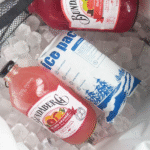
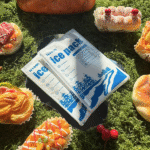
- Compatible ice packs: Fragen Sie, wie dieser Faktor in das Kartondesign oder den Bestellprozess integriert ist, und welche Beweise oder Probenprüfungen dies bestätigen können.
- Handle or strap durability: Fragen Sie, wie dieser Faktor in das Kartondesign oder den Bestellprozess integriert ist, und welche Beweise oder Probenprüfungen dies bestätigen können.
- Easy cleaning after food contact: Fragen Sie, wie dieser Faktor in das Kartondesign oder den Bestellprozess integriert ist, und welche Beweise oder Probenprüfungen dies bestätigen können.
Diese schriftlichen Antworten schützen beide Seiten. Der Käufer vermeidet die Annahme einer Leistung, die ihm nie versprochen wurde, während der Lieferant ein passenderes Modell empfehlen kann, einfügen, Kühlmittelkombination, oder Anpassungspfad. Zum Campen, Picknicks, Autofahrt, meal carrying, and short outdoor cooling with reusable insulation, Dieser Schritt ist besonders nützlich, da sich hinter demselben Produktnamen möglicherweise sehr unterschiedliche praktische Anforderungen verbergen.
Hilfreiche Entscheidungshilfen
Überprüfen Sie die Details, bevor Sie sich für die Verpackung entscheiden
Mit diesen schnellen Tools können Sie das Routenrisiko vergleichen, Größenanforderungen, Kühlmittelauswahl, und Verpackungsdetails, bevor Sie ein Angebot anfordern.
Boxliner & Dimensionierung der Palettenabdeckung
Überprüfen Sie die Größenlogik für Kartoneinlagen und Palettenabdeckungen für isolierte Verpackungsprojekte.
Schätzen Sie die GrößeReferenz zu Isoliermaterialien
Vergleichen Sie die Auswahl an Isoliermaterialien für unterschiedliche Kühlkettenverpackungsanforderungen.
Vergleichen Sie MaterialienEisbeutel-Rechner
Schätzen Sie die Menge an Gel-Eisbeuteln für gekühlte Sendungen und nutzen Sie die praktische Routenplanung.
Schätzen Sie EisbeutelPraktisches Beispiel: Testen Sie den Workflow, Nicht nur die Box
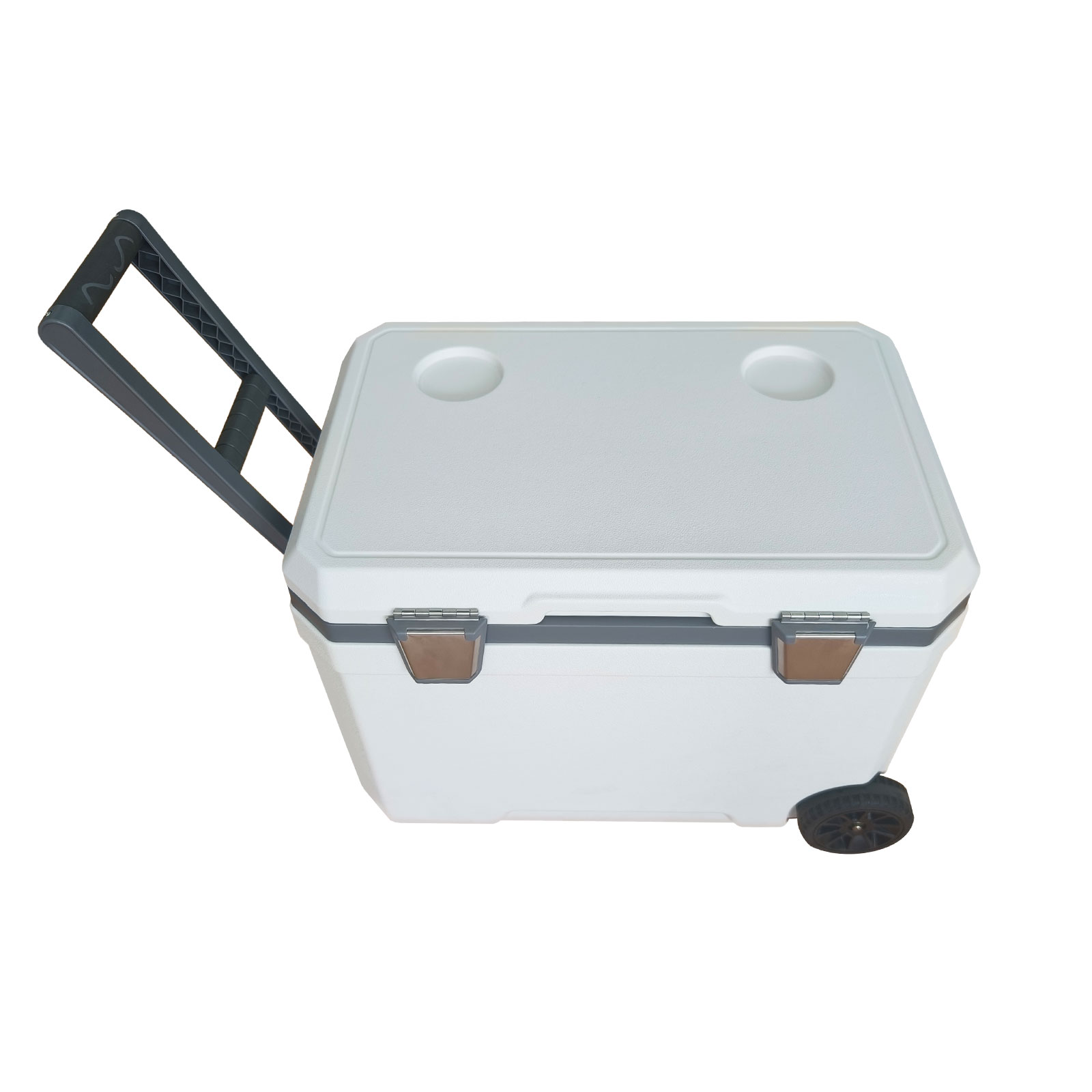
Stellen Sie sich einen Einzelhandelskäufer vor, der eine kompakte Camping-Kühlbox bewertet. Das Muster sieht attraktiv aus, aber der Käufer testet es mit echten Getränkeflaschen, Lunchbehälter, Eisersatz, und das Zubehör, das ein Camper mitnehmen würde. Im Test wird die Frage gestellt, ob sich der Deckel mit einer Hand öffnen lässt, ob die Box in den Fußraum oder die Kofferraumecke eines Autos passt, und ob sich die Oberfläche nach verschütteten Lebensmitteln leicht reinigen lässt. Ein solcher praktischer Belastungstest ist sinnvoller als der alleinige Vergleich der Katalogkapazität.
Der Wert dieses Beispiels ist nicht der genaue Produkttyp. Es zeigt die Überprüfungsmethode. Bringen Sie den realen Arbeitsablauf in die Beispielphase: Laden, Schließen, Tragen, Speicherung, Öffnung, Reinigung, zurückkehren, inspizieren, und dokumentieren. Wenn der Beispieltest diese Schritte umfasst, Der Käufer erkennt Probleme früh genug, um die Abmessungen anzupassen, Zubehör, oder Anweisungen vor einer größeren Bestellung.
Fehler, die dazu führen, dass ein gutes Material eine schlechte Leistung erbringt
Most failures around EPP cooler box outdoor camping come from mismatched assumptions rather than from one simple material flaw. Der Käufer sieht das Wort EPP und erwartet Isolierung, Schlagfestigkeit, Wiederverwendbarkeit, und Nachhaltigkeit erscheinen automatisch. In der Praxis, Jeder Vorteil erfordert ein Designdetail und einen Betriebsprozess.
- Ignoring ice-pack placement: Machen Sie daraus einen Test oder eine Lieferantenfrage, bevor Sie eine Großbestellung aufgeben.
- Buying a box too bulky for daily trips: Machen Sie daraus einen Test oder eine Lieferantenfrage, bevor Sie eine Großbestellung aufgeben.
- Not checking carry comfort: Machen Sie daraus einen Test oder eine Lieferantenfrage, bevor Sie eine Großbestellung aufgeben.
- Forgetting cleaning after food use: Machen Sie daraus einen Test oder eine Lieferantenfrage, bevor Sie eine Großbestellung aufgeben.
Ein weiterer häufiger Fehler besteht darin, Menschen zu ignorieren. Eine Box, die technisch stark aussieht, kann für den Fahrer zu umständlich sein, Lagerpersonal, Feldbenutzer, oder Kunden. Wenn das Personal den Deckel offen lässt, Überladen Sie die Box, Überspringen Sie die Vorkonditionierung, oder vergessen, es zurückzugeben, Die in einer kontrollierten Überprüfung beobachtete Leistung wird im routinemäßigen Gebrauch nicht sichtbar sein. Eine gute Verpackung ist nicht nur Materialtechnik; es ist auch Workflow-Design.
Betriebshinweise für verschiedene Einkaufsteams
Procurement teams should translate EPP cooler box outdoor camping into a specification that finance, Operationen, und Qualität kann jeder verstehen. Die Finanzabteilung wird nach dem Stückpreis und den Wiederbeschaffungskosten fragen. Der Betrieb wird fragen, ob die Box das Laden verlangsamt oder die Handhabung verbessert. Die Qualität wird fragen, ob die Reklamation dokumentiert ist, vor allem wenn es temperaturempfindlich ist, Essen, Labor, oder es handelt sich um pharmazeutische Güter. Diese Teams verwenden möglicherweise unterschiedliche Sprachen, aber sie prüfen das gleiche Risiko: ob sich der Container nach dem Kauf vorhersehbar verhält.
Verpackungsingenieure sollten den Unterschied zwischen Zeichnungsmaßen und praktischen Lademaßen genau beachten. Der tatsächliche Laderaum kann nach Einfügungen schrumpfen, Trenner, Kühlmittel, absorbierende Materialien, Primärpakete, oder Einzelhandelskartons hinzugefügt werden. Außerdem sollten Ingenieure prüfen, ob durch die Formwände Druckstellen entstehen, ob der Deckel an der Nutzlast reibt, und ob Etiketten oder Originalitätsindikatoren angebracht werden können, ohne den Verschluss zu blockieren.
Lager- und Lieferteams sollten den menschlichen Arbeitsablauf überprüfen. Eine technisch korrekte, aber schwer zu öffnende Box, schließen, Stapel, sauber, oder identifizieren wird zu einer inkonsistenten Nutzung führen. Wenn das Team einer Packout-Anweisung folgen muss, Die Anweisung sollte kurz genug sein, um sie bei Routinearbeiten verwenden zu können, und so klar sein, dass ein neuer Bediener sie befolgen kann, ohne zu raten.
FAQ
Is EPP cooler box outdoor camping suitable for all cold-chain shipments?
NEIN. Eine EPP-Box kann ein nützlicher Isolier- oder Schutzbehälter sein, Die Eignung hängt jedoch von den Anforderungen an die Produkttemperatur ab, Streckendauer, Nutzlast, Kühlmittelkonfiguration, Abwicklungsprozess, und Dokumentationsbedarf. Für Pharmazeutika, Labor, oder hochwertige Sendungen, Käufer sollten Verpackungsnachweise und Qualitätsanforderungen überprüfen, bevor sie den Karton als Versandlösung verwenden.
Was sollte ich einen Lieferanten fragen, bevor ich Muster bestelle??
Fragen Sie nach Innen- und Außenmaßen, Materialbeschreibung, Verwendungszweck, kompatibles Zubehör, Deckeldesign, Reinigungsanleitung, Kontrolle von der Probe bis zur Produktion, und alle Testnachweise, die thermische oder stoßbezogene Behauptungen stützen. Wenn die Sendung temperaturempfindlich ist, Fragen Sie auch, welches Kühlmittel, Nutzlast, Umgebungsprofil, Beim Testen wurden Überwachungsannahmen verwendet.
Macht EPP automatisch eine Verpackung umweltfreundlich??
Nicht automatisch. EPP kann wiederverwendbar und recycelbar sein, wenn es einen geeigneten Weg gibt, Aber Nachhaltigkeit hängt von den Rücklaufquoten ab, Reinigung, Schadensbegrenzung, Austauschhäufigkeit, und End-of-Life-Handling. Ein wiederverwertbares Material ohne Sammlung oder a wiederverwendbare Box Ohne Rückgabedisziplin wird möglicherweise nicht der erwartete Nutzen für die Umwelt erzielt.
Kann eine EPP-Box für Lebensmittel verwendet werden?, Pharma, Laborproben, und Outdoor-Produkte?
Die gleiche Materialfamilie kann in vielen Anwendungen vorkommen, Die Spezifikation sollte sich jedoch je nach Anwendungsfall ändern. Bei der Lieferung von Lebensmitteln sind möglicherweise Hygiene- und Kondensationskontrolle erforderlich. Pharma benötigt möglicherweise Verpackungsdokumentation. Laborproben benötigen möglicherweise eine sekundäre Eindämmung und Kennzeichnung. Outdoor-Produkte benötigen möglicherweise Tragekomfort und Verbraucherreinigung. Verwenden Sie die Anwendung, um das Feld zu definieren.
Woher weiß ich, ob ein Muster zur Großbestellung bereit ist??
Eine Probe ist erst dann fertig, wenn die tatsächliche Nutzlast gepackt wurde, gehandhabt, geschlossen, beschriftet, gereinigt, und unter Bedingungen überprüft, die dem beabsichtigten Arbeitsablauf nahekommen. Fehlen dem Käufer noch Angaben zu den Maßen?, Zubehör, Testen, oder Produktionskonsistenz, Die Musterphase sollte vor einer Großbestellung fortgesetzt werden.
Abschluss
Choosing EPP cooler box outdoor camping should not be reduced to a simple catalog comparison. Die bessere Entscheidung verbindet Material, geformtes Design, nutzbares Volumen, Deckelverhalten, Streckenbedingungen, Zubehör, Dokumentation, und Gesamtbetriebskosten.
Verwenden Sie Beispiele, um den Workflow zu testen, nicht nur das Aussehen. Stellen Sie konkrete Fragen, Vermeiden Sie unbegründete Annahmen, und beinhalten Qualität, Logistik, oder Betriebsteams frühzeitig informieren, wenn die Sendung temperaturempfindlich oder reguliert ist.