EPP-Isolierbox Großhandel für Biotech: Geben Sie das System an, Nicht nur die Box
Wenn ein Angebot Ihnen nicht sagen kann, was das ist EPP-Box wird erwartet, was die anderen Packout-Komponenten tun müssen, und welche Beweise die Kombination stützen, es ist noch nicht für eine umfassende Genehmigung bereit. Ein EPP isolierte Box Das Programm „Großhandel für Biotechnologie“ sollte eine Produkt- und Routenanforderung in ein wiederholbares Versandsystem umwandeln. Die Box bietet ein Leichtgewicht, robust, Isoliergehäuse. Kühlmittel verwaltet Wärmeenergie. Primär- und Sekundärverpackungen enthalten das Material. Die Qualifizierung zeigt, ob die definierte Baugruppe unter definierten Bedingungen funktioniert. Die Überwachung erfasst die Exposition. Die Aufgabe des Einkaufs besteht darin, diese Funktionen vom ersten Muster bis zu jeder Produktionscharge aufeinander abzustimmen.
Der Kauf beginnt mit einem Annahmeumschlag
Bevor Sie Lieferanten kontaktieren, Definieren Sie die Grenzen, innerhalb derer eine Sendung verpackt und freigegeben werden darf. Dieser „Annahmeumschlag“ ist nützlicher als eine Anfrage nach einer medizinischen Kühlbox, da darin die Variablen aufgeführt sind, die sich auf die Leistung auswirken.
Zumindest, gründen:
Produktgrenze. Identifizieren Sie die Produktpräsentation, zugelassener Transportbereich, Temperaturempfindlichkeit, minimale und maximale Versandmenge, Überlegungen zur thermischen Masse, und ob eine repräsentative Testnutzlast akzeptabel ist. Verwenden Sie autorisierte Produkt- und Stabilitätsinformationen; Weisen Sie nicht allen Biologika einen generischen Bereich zu, Reagenzien, Proben, oder Impfstoffe.
Routengrenze. Notieren Sie die Transportarten, Ursprung und Ziel, saisonale Exposition, Inszenierung, Übergaben, Wochenende oder Zollrisiko, geplante Dauer, Verspätungszulage, und kontrollierte Lagerpunkte. Die Tür-zu-Tür-Zeit ist wichtiger als die geplante Flug- oder Fahrzeit.
Packout-Grenze. Definieren Sie das Feld, Deckel, Kältemittel, Kühlmittelaufbereitung, Nutzlastanordnung, Teiler, Puffer, Dunnage, sekundäre Eindämmung, saugfähig, Datenlogger, Außenkarton, Schließung, Siegel, und Etiketten. Identifizieren Sie, welche Komponenten fest sind und welche variieren können.
Betriebsgrenze. Geben Sie an, wer packt, Welche Ausrüstung konditioniert das Kühlmittel?, wo die Sendung wartet, wie Mitarbeiter Komponenten überprüfen, welche Datensätze erstellt werden, wie Empfang Bewertungen des Monitors, und wie wiederverwendbare Einheiten zurückkehren, sauber, trocken, und Bestand erneut eingeben.
Diese Übung deckt häufig ein Missverhältnis auf, bevor Geld ausgegeben wird. Ein Käufer kann eine kleinere Box verlangen, um die Fracht zu reduzieren, Stellen Sie dann fest, dass der nutzbare Nutzlastraum verschwindet, nachdem das geeignete Kühlmittel und die Trennschicht installiert wurden. Ein anderer fordert möglicherweise ein wiederverwendbares Format für eine Route ohne zuverlässigen Rückkanal. Beides sind Systemprobleme, keine Probleme bei der Lieferantenauswahl.
EPP ist eine technische Entscheidung, keine Leistungsabkürzung
Expandiertes Polypropylen ist ein geformter geschlossenzelliger Schaumstoff. EPP-Hersteller bezeichnen es als wärmedämmend, leicht, robust, Energie absorbierend, feuchtigkeitsbeständig, beständig gegen viele Chemikalien, und recycelbar. Diese Eigenschaften können für die Verpackung auf dem wiederholten Weg wertvoll sein. Ein geformtes Design kann auch Komponenten lokalisieren und konsistente Handhabungsmerkmale schaffen.
Die jeweilige Leistung ist immer noch fertigteilspezifisch. Schaumstoffqualität, geformte Dichte, Perlenfusion, Wandgeometrie, Ecken, Deckelgelenk, Öffnungen, Oberflächenzustand, und Herstellungsvariationen beeinflussen das Verhalten einer Box. Materialdaten helfen Ingenieuren bei der Auswahl und Kontrolle des Designs; Sie legen keine universelle Haltezeit fest, Nutzlastkapazität, Stapellast, Reinigungszyklus, oder Transportqualifikation.
Käufer können Ansprüche überprüfen, indem sie fragen, welches Objekt bewertet wurde und welche Schlussfolgerung die Beweise tatsächlich stützen.
| Erklärung des Lieferanten | Beweise, die es nützlich machen würden | Fazit, das nicht angenommen werden sollte |
|---|---|---|
| „Hergestellt aus EPP“ | Mit dem gelieferten Teil verknüpfte Material- oder Gütebezeichnung | Die Box pflegt ein bestimmtes Produktsortiment |
| "Wiederverwendbar" | Prüfkriterien, Reinigungsverträglichkeit, und ein streckenspezifischer Wiederverwendungsplan | Eine garantierte Anzahl sicherer Zyklen |
| „Thermisch geprüft“ | Überarbeitung der Box, Vollgepackt, Nutzlast, Profil, Dauer, Sensoren, und Akzeptanzgrenzen | Geeignet für jede Bahn und Jahreszeit |
| „Schlagfest“ | Relevante physikalische Tests und Schadenskriterien für die fertige Verpackung | Unzerstörbar oder unbegrenzt stapelbar |
| „Funktioniert mit PCM“ | Identifiziertes PCM, Konditionierung, Menge, Standort, und Testnachweise | Kompatibilität mit jedem Phasenwechselmaterial |
| „Für medizinische Zwecke geeignet“ | Definierte Anwendung, wesentliche Informationen, und Nachweis der Kundenqualifikation | Behördliche Genehmigung für jede Arzneimittel- oder Probensendung |
Diese Tabelle verwandelt breite Sprache in Verifizierungsarbeit. Es schützt einen guten Lieferanten auch davor, vom Verlader kontrollierte Variablen garantieren zu müssen. Der Lieferant kann Konstruktion und Fertigung dokumentieren; Das funktionsübergreifende Team des Käufers muss das ausgewählte Verpackungssystem mit der Produktstabilität verbinden, Route, Sops, und regulatorische Pflichten.
Hygiene beginnt bei Schadenskriterien
Die geschlossenzellige Struktur und die geringe Feuchtigkeitsaufnahme von EPP können die Reinigung unterstützen, Die geformte Schachtel ist jedoch nicht automatisch steril oder dekontaminiert. Schnitte, Furchen, verschlissene Gelenke, Klebereste, und zurückgehaltener Boden kann die Entscheidung ändern. Genehmigen Sie Reinigungsmittel und -methoden für die fertige Box und das Zubehör, Definieren Sie Trocknung und Lagerung, und erstellen Sie visuelle Beispiele für den Ruhestand.
Wo eine Verschüttung eine biologische Gefahr darstellen kann, Wenden Sie das Biosicherheitsverfahren der Organisation an. Das Personal sollte wissen, wann es ohne Öffnung unter Quarantäne gestellt werden muss, wenn eine spezielle Dekontamination erforderlich ist, und wenn die Entsorgung das einzig akzeptable Ergebnis ist. Wiederverwendungsziele dürfen niemals die Sicherheit von Arbeitern oder Nutzlast außer Kraft setzen.
Erstellen Sie Prototypen für die Momente, in denen es am wahrscheinlichsten scheitert
Eine Beispielüberprüfung sollte die unangenehmen Teile des Prozesses nachbilden, nicht nur die ideale Verpackung. Verwenden Sie normale Operatoren, tatsächliche Arbeitsflächen, die vorgeschlagene Sekundärverpackung, konditioniertes Kältemittel, Etiketten, Logger, Außenkarton, und repräsentative Nutzlast. Beobachten Sie die Montage, anstatt sie dem Bediener zu erklären.
Suchen Sie nach Fehlermodi wie z:
- Ein Kühlmittelpaket passt nur, wenn es erzwungen wird, oder kann in zwei unbeabsichtigten Ausrichtungen platziert werden
- Das Produkt berührt gefrorenes Kältemittel, wenn sich ein Teiler verschiebt
- Der Deckel scheint geschlossen zu sein, obwohl eine Ecke angehoben ist
- Der Logger steht vor dem Kühlmittel oder kann nicht herausgeholt werden, ohne alles zu entladen
- Das Etikett knittert oder löst sich nach der Kondensation
- Auf absorbierende oder sekundäre Eindämmung wird verzichtet, da diese nicht im Kit enthalten sind
- Die verpackte EPP-Box bewegt sich in ihrem Versandkarton
- Das Personal kann Sauberkeit nicht unterscheiden, schmutzig, unter Quarantäne gestellt, und freigegebene Kisten
- Unterschiedliche Nutzlastzahlen führen zu unkontrollierten Hohlräumen oder verändern die thermische Anordnung
Stellen Sie sich einen Biotech-Händler vor, der ein Reagenzienkit für Forschungsstandorte auf den Markt bringt. Die meisten Bestellungen enthalten eine Standardmenge, aber dringende Bestellungen tragen die Hälfte dieser Last. Der Einkauf wählt eine EPP-Größe aus, um die Lagerhaltung zu vereinfachen. Während des Piloten, Die Mindestlast hinterlässt einen großen Hohlraum und ermöglicht die Bewegung des Sekundärpakets; Das Personal entschädigt mit dem in der Nähe befindlichen Stauholz. Die richtige Antwort ist keine informelle Füllgewohnheit. Das Team sollte eine kontrollierte Mindestlastkonfiguration definieren und testen, Genehmigen Sie das Stauholz und die Position, und entscheiden Sie, ob derselbe Versender beide Ladungen tragen kann.
Notieren Sie die genehmigte Probe, Zeichnungsüberarbeitung, Fotos, Komponentenliste, Verpackungsreihenfolge, und Beobachtungen. Wenn die Probe ein Usability-Problem erkennen lässt, Ändern Sie das Design vor der Qualifizierung. Die Qualifizierung sollte ein reproduzierbares System testen, kein institutionelles Wissen, das von einem einzigen Techniker gehalten wird.
Die Qualifikation beantwortet eine definierte Frage
Zeitliche Leitlinien der WHO- und temperaturempfindliche pharmazeutische Produkte behandelt ein passives Versandsystem als isolierten Behälter plus Kältemittel und Zusatzkomponenten. Sein Qualifizierungsmodell reicht von Entwurfsarbeiten unter kontrollierten Bedingungen bis hin zu Betriebs- und Leistungsnachweisen im vorgesehenen Kontext. Die Benutzeranforderung sollte die Nutzlast identifizieren, Umgebungsprofile, Dauer, zulässige Produktpalette, Komponentenkonditionierung, Lademodalitäten, und überwachen Sie die Platzierung.
Dieses Modell ermöglicht der Beschaffung einen einfachen Test für jeden Bericht: Kann das Dokument auf das gekaufte System zurückgeführt werden?? Überprüfen Sie die Revision der Box und des Deckels, Material, Kühlmittel, Teiler, Nutzlastgrenzen, Konditionierung, Auspacken, Außenkarton, Umgebungsprofil, Dauer, Sensorposition, Akzeptanzkriterien, Abweichungen, und Zustimmung. Wenn einer davon abweicht, beurteilen, ob die Beweise weiterhin anwendbar sind.
ISTA-Ressourcen können den Prozess unterstützen. ISTA 7E bietet Außentemperaturprofile für thermische Tests bei der Paketzustellung, und ISTA-Standard 20 bietet einen Gestaltungs- und Qualifikationsrahmen für Isolierte Versandbehälter. ISTA 7D kann thermische Entwicklungsarbeiten unterstützen. Ein Standardprofil verbessert die Konsistenz, Das streckenspezifische Risiko wird dadurch jedoch nicht beseitigt. Vergleichen Sie es mit tatsächlichen Fahrspuren, einschließlich Inszenierung und Verzögerungen, und fügen Sie Fahrspurarbeiten hinzu, wo dies gerechtfertigt ist.
Hilfreiche Entscheidungshilfen
Überprüfen Sie die Details, bevor Sie sich für die Verpackung entscheiden
Mit diesen schnellen Tools können Sie das Routenrisiko vergleichen, Größenanforderungen, Kühlmittelauswahl, und Verpackungsdetails, bevor Sie ein Angebot anfordern.
Boxliner & Dimensionierung der Palettenabdeckung
Überprüfen Sie die Größenlogik für Kartoneinlagen und Palettenabdeckungen für isolierte Verpackungsprojekte.
Schätzen Sie die GrößeReferenz zu Isoliermaterialien
Vergleichen Sie die Auswahl an Isoliermaterialien für unterschiedliche Kühlkettenverpackungsanforderungen.
Vergleichen Sie MaterialienEisbeutel-Rechner
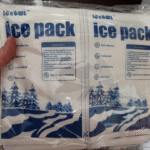
Schätzen Sie die Menge an Gel-Eisbeuteln für gekühlte Sendungen und nutzen Sie die praktische Routenplanung.
Schätzen Sie EisbeutelBehalten Sie den physischen Schutz im Auge. Thermische Ergebnisse zeigen nicht, dass Fläschchen, Röhren, Schließungen, oder Kartons überstehen einen Sturz, Vibration, Kompression, und Handling. Umgekehrt, Eine Verpackung, die einen Sturz übersteht, kann eine gefrierempfindliche Nutzlast dennoch schlecht konditioniertem Kühlmittel aussetzen. Mechanische und thermische Nachweise beantworten unterschiedliche Fragen und sollten in derselben Zulassung zusammenkommen.
Die Überwachung ist Teil der Kontrollstrategie
Ein Temperaturdatenlogger zeichnet die Exposition auf; Es kühlt weder die Nutzlast, noch entscheidet es, ob das Produkt akzeptabel bleibt. Wählen Sie es anhand des genehmigten Bereichs aus, erwartete Dauer, erforderliche Richtigkeitsnachweise, Datenintervall, Antworteigenschaften, Erinnerung, Batterie, Softwarezugriff, Berichtsformat, und Anforderungen an die Aufbewahrung von Aufzeichnungen. Positionieren Sie es entsprechend der Qualifikation oder einem begründeten Überwachungsplan.
Definieren Sie die Empfangsantwort vor dem Versand. Der Empfänger sollte wissen, wo sich der Holzfäller befindet, wie man es stoppt oder liest, ob die Sendung während der Überprüfung unter Quarantäne bleibt, wer einen Ausflug bewertet, und welche Aufzeichnungen an den Versender zurückgesendet werden. Die Produktdisposition sollte sich auf eine autorisierte Qualitäts- und Stabilitätsbewertung stützen, keine improvisierte Lesung an der Laderampe.
Die Luftverkehrsregeln hängen von der Klassifizierung ab
Nicht jedes Biotech-Produkt, biologisches Produkt, oder Laborproben sind Gefahrgüter. Die Klassifizierung berücksichtigt das tatsächliche Material, Erregerwahrscheinlichkeit, bilden, Zustand, und Transportmittel. Entsprechend geschultes Personal sollte die aktuellen Vorschriften anwenden und die nationalen Vorschriften prüfen, Fluggesellschaft, und Zielvarianten.
Wenn eine Luftfracht UN3373 zugeordnet ist, Biologische Substanz, Kategorie b, IATA -Packanweisung 650 gilt. Es erfordert einen Primärbehälter, Sekundärverpackung, und starre Außenverpackung, zusammen mit detaillierter Eindämmung, Dämpfung, Leistung, Markierung, Dokumentation, und Bestimmungen zur Paketvorbereitung. Die EPP-Box ist nicht der primäre Behälter oder die auslaufsichere sekundäre Schicht. Es darf nur dann Teil der äußeren Schutzverpackung sein, wenn die fertige Konstruktion den geltenden Anforderungen entspricht.
Trockeneis führt zu einer zusätzlichen Lufttransportpflicht, da es UN1845 ist. Die Verpackung muss die Freisetzung von Kohlendioxidgas ermöglichen, um einen gefährlichen Druckaufbau zu verhindern. Anwendbare Marken, Klasse 9 Etikett, Dokumentation, Netto-Masseninformationen, Mengenregeln, und Betreibervarianten müssen gemäß den aktuellen IATA-Anforderungen überprüft werden. Stützen müssen die Innenverpackung festhalten, während sich das Trockeneis auflöst, und die Eindämmung muss für die Kältemitteltemperatur geeignet bleiben. Modifizieren Sie einen Standarddeckel zur Entlüftung nicht ohne technische und Konformitätsprüfung.
Wenn die Nutzlast ein Impfstoff ist, Befolgen Sie die einzelnen Produktanweisungen. Bei den Impfmaßnahmen in den USA sollten außerdem die aktuellen CDC-Richtlinien zur Lagerung und Handhabung von Impfstoffen sowie die relevanten Programmanforderungen beachtet werden. Weder das Wort „Impfstoff“ noch das Vorhandensein einer Isolierbox begründen eine universelle Verpackung.
Überführen Sie die freigegebene Probe in die kontrollierte Produktion
Die Großhandelsgenehmigung ist eine Transfermaßnahme. Das Ziel besteht darin, die tausendste Schachtel einigermaßen gleichwertig mit der zugelassenen Schachtel zu machen und sicherzustellen, dass der Rest der Verpackung unter Kontrolle bleibt.
Bauen Sie die Kaufspezifikation darauf auf:
- Kontrollierte interne und externe Zeichnungen mit kritischen Abmessungen und Toleranzen
- Nutzbarer Nutzlastbereich, nachdem alle erforderlichen Zubehörteile und Kältemittel installiert sind
- EPP-Material- oder Qualitätskontrolle und Regeln für den Ersatz
- Passform vom Körper bis zum Deckel, Formen, Sauberkeit, Oberfläche, und visuelle Akzeptanzkriterien
- Teiler, einfügen, handhaben, Gurt, Beschriftungsfeld, und Umkarton-Definitionen
- Wareneingangskontrolle und Freigabe der ersten Produktionscharge
- Risikogerechte Produktionslos- oder Chargenrückverfolgbarkeit
- Packungsmenge, Abmessungen des Hauptkartons, Palettenmuster, und Transportschutz
- Untersuchung der Nichtkonformität, Korrekturmaßnahme, und Austauschprozess
- Vorabbenachrichtigung über Materialänderungen, Werkzeuge, Verfahren, Website, Geometrie, oder Zubehör
Fragen Sie, wie der Lieferant die Konsistenz von Probe und Masse überprüft und welche Messungen bei der Produktion durchgeführt werden. Ein goldenes Muster ist nur dann sinnvoll, wenn es mit einer Zeichnung und objektiven Akzeptanzkriterien kombiniert wird. Ansonsten, Meinungsverschiedenheiten werden zu visuellen Urteilen, die nach dem Eintreffen der Waren gefällt werden.
Kommerzielle Vergleiche benötigen den gleichen Umfang. Erhalten Sie die tatsächliche Mindestbestellmenge, Werkzeugbesitz, Musterkosten, Vorlaufzeit, Prognoseflexibilität, Bestell- und Abrufbedingungen, Exportverpackung, und Zubehörpreise von jedem Bieter. Vergleichen Sie ein Angebot ohne Verpackung nicht mit einem Kit, das Trennblätter enthält, Etiketten, Kartons, und Prüfbescheinigungen. Bestätigen Sie, ob sich eine benutzerdefinierte Änderung auf die Werkzeuge auswirkt, Testen, Lieferung, oder Qualifikation, bevor Sie es genehmigen.
Gestalten Sie die Flotte rund um die Rückkehr, Lagerung, und Palettenrealität
Für ein wiederverwendbares Programm, Die gekaufte Anzahl muss mehr als den täglichen Versand abdecken. Kartons können unterwegs sein, bei Empfängern, zurückkehren, schmutzig, Trocknen, unter Quarantäne gestellt, beschädigt, oder auf die Veröffentlichung warten. Modellieren Sie diese Zustände und eine Störungsreserve. Eine Flotte kann auf dem Papier groß sein und die Packstation trotzdem leer lassen.
Kartonisierung und Paletteneffizienz wirken sich auch auf den Geschäftsfall aus. Berechnen Sie mit Packmaßen, erforderliche Orientierung, schützende Außenmaterialien, und zulässiges Palettenmuster. Stellen Sie sicher, dass die Etiketten sichtbar bleiben und die Kartons nicht überstehen oder sich verziehen. Wenn leere Einheiten zurückkehren, Testen Sie, ob sie nisten, falten, oder stapeln, wie beansprucht, und ob die Rückführungskonfiguration saubere Oberflächen schützt.
Die Umweltleistung sollte pro erfolgreicher Lieferung gemessen werden. Erzielte Renditen einbeziehen, tatsächliche Wiederverwendung, Reinigungseingänge, Rückweg, Verlust, Schaden, Ersatz, Kältemittel, Einwegbeutel oder -kartons, Palettennutzung, und zugängliche End-of-Life-Routen. EPP ist auf Materialebene recycelbar, Die Wiederherstellung hängt jedoch von lokalen Systemen und einer nicht kontaminierten Sammlung ab. Eine glaubwürdige Nachhaltigkeitserklärung berichtet über die dahinter stehenden Betriebsbedingungen.
Häufig gestellte Fragen
Welche Dimension sollte ein Großhandelskäufer priorisieren??
Beginnen Sie mit dem nutzbaren Nutzlastumschlag in der genehmigten Verpackung. Innenmaße sind erforderlich, aber Kältemittel, Trenner, Puffer, Eindämmung, und Monitorplatzierung verbrauchen Platz. Die Außenmaße und die Maße des verpackten Kartons bestimmen dann die Fracht, Palette, Lagerung, und Renditeeffizienz. Überprüfen Sie alle drei, anstatt sich auf das Nennvolumen zu verlassen.
Wann erfordert eine Komponentenänderung eine Neuqualifizierung??
Das Qualitätsteam sollte alle Änderungen bewerten, die sich auf die Thermik auswirken könnten, körperlich, Eindämmung, Reinigung, oder betriebliche Leistung. Beispiele hierfür sind die EPP-Qualität, geformte Geometrie, Deckel, Kühlmittel, Teiler, Nutzlast, Konditionierung, Außenkarton, Herstellungsprozess, und Route. Die Beurteilung kann lediglich eine Dokumentation rechtfertigen, gezieltes Testen, oder eine umfassendere Umqualifizierung; Die Entscheidung sollte protokolliert werden.
Kann die gleiche EPP-Box Gel-Packs verwenden?, Eisziegel, PCM, und Trockeneis?
Die körperliche Passform ist kein Beweis für die Austauschbarkeit. Jedes Kältemittel hat ein unterschiedliches thermisches Verhalten, Konditionierung, Platzierung, Kontakt, Druck, und Handhabungsimplikationen. Trockeneis bringt auch Gefahrgutzölle für den Lufttransport mit sich. Bewerten und, wo erforderlich, Qualifizieren Sie die genaue Kombination, anstatt Kühlmitteltypen als Drop-in-Zubehör zu behandeln.
Was sollte überprüft werden, wenn die erste Großmenge eintrifft??
Identität überprüfen, Revision, Menge, Kartonzustand, Losinformationen, Sauberkeit, Formqualität, Deckel passt, kritische Dimensionen, Anzahl der Zubehörteile, Etikettenfunktionen, und Übereinstimmung mit dem genehmigten Muster und der Zeichnung. Erfassen Sie Abweichungen und verhindern Sie, dass fehlerhafte Einheiten bis zur Entsorgung in den Auslieferungsbestand gelangen.
Macht ein wiederverwendbarer Karton die Notwendigkeit eines Umkartons überflüssig??
Nicht unbedingt. Die Route kann dennoch von einem Karton zum Schutz vor Abrieb profitieren, Etiketten, Manipulationsnachweis, Schließung, Regulierungszeichen, oder Carrier-Handling. Bewerten Sie die gesamte Vertriebsumgebung. Wenn während der Qualifizierung oder physischen Prüfung ein Karton verwendet wird, als Teil des Versandsystems steuern.
Machen Sie jeden Anspruch reproduzierbar
Die richtige Großhandelsentscheidung ist nicht das Kästchen mit der ehrgeizigsten Beschreibung. Es ist das System, mit dem Ihre Bediener auf die gleiche Weise verpacken können, Ihr Qualitätsteam kann sich mit relevanten Beweisen verteidigen, Ihre Empfangsstandorte können dies überprüfen, und Ihr Lieferant kann unter Änderungskontrolle reproduzieren. EPP bietet für viele dieser Programme eine starke materielle Plattform, Aber nur ein definiertes Packout verwandelt diese Plattform in eine kontrollierte Biotech-Lieferung.
Über Tempk
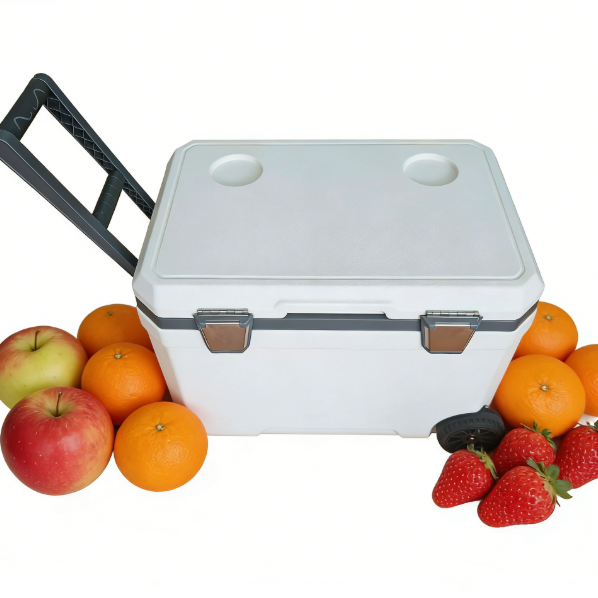
Tempk bietet an EPP Cooler Boxen und Projektunterstützung für kompatibel Gelpackungen, Eisziegel, PCM -Packungen, Trenner, Einsätze, Etiketten, äußere Verpackung, und Temperaturwächter. Unsere öffentlichen Produktleitfäden ermutigen Käufer, die Nutzlast zu definieren, Zielbereich, Streckendauer, Kühlmittelanordnung, und Wiederverwendungsbedarf, Überprüfen Sie dann die Beispiele und die Routenleistung, bevor Sie einen größeren Einsatz vornehmen. Wir können auch benutzerdefinierte Abmessungen und interne Layouts besprechen. Abschlussqualifikation, Produktzulassung, Die Einhaltung der Transportvorschriften sollte an Ihr spezifisches System und Ihren Qualitätsprozess gebunden bleiben.
Teilen Sie Ihre Produktpräsentation, Nutzlastgrenzen, Streckenprofil, Kältemittelplan, Überwachungsanforderungen, Rücklauf, und Prognose mit Tempk. Fordern Sie eine Konfigurations- und Musterprüfung für Ihre Beschaffung an, Qualität, Verpackung, und Logistikteams können gemeinsam bewerten.