EPP Transportbox Outdoor Camping: Wie wählen Sie aus??
Ein EPP-Transportbox Outdoor-Camping Setup kann den Unterschied zwischen sicher ausmachen, frische Mahlzeiten und eine Kühlbox voller warmer Überraschungen. Die Lebensmittelsicherheit wird in der Zukunft riskant 40°F–140°F „Gefahrenzone“.,” und wenn es oben ist 90° F, Ihr sicheres Fenster für verderbliche Güter kann auf etwa schrumpfen eine Stunde. Wenn Sie wiederholbare Ergebnisse wünschen, Behandeln Sie Ihre Kühlbox wie eine kleine Kühlkette: Temperatur kontrollieren, Steuerungshandhabung, und messen, worauf es ankommt.
Dieser Artikel wird Ihnen helfen:
- Wählen Sie ein EPP-Transportbox Outdoor-Camping Größe, die zu Ihrer Reise passt, ohne Platz zu verschwenden
- Erreichen Sie sicherere Temperaturziele (einschließlich meeresfruchtfreundlicher Sortimente) mit einfachen Gewohnheiten
- Entscheiden Gel-Packs vs. Eis für Outdoor-Camping-Box verwenden – ohne durchnässte Lebensmittel
- Packen Sie ein EPP-Transportbox Outdoor-Camping Kit mit einer Schichtmethode, die die Öffnungszeit des Deckels verkürzt
- Verwenden Sie Schnellwerkzeuge (Trip-Fit-Score + Selbsttest) Um eine „Mikrokühlkette“ aufzubauen, können Sie wiederholen
Warum ist eine EPP-Transportbox Outdoor-Campingbox besser als eine normale Kühlbox??
Direkte Antwort: Ein EPP-Transportbox Outdoor-Camping Box ist oft besser, wenn Sie wollen leichtes Tragen + starke Isolierung + Schlagfestigkeit in einer wiederverwendbaren Verpackung. EVP (expandiertes Polypropylen) ist ein geschlossenzelliger Perlenschaum mit Eigenschaften wie Wärmedämmung, Wasser- und Chemikalienbeständigkeit, und ein hohes Verhältnis von Festigkeit zu Gewicht.
Erweiterte Erklärung: Draußen, Kühler werden geschleift, gestapelt, klapperte in Koffern, und zu oft geöffnet. Wenn Materialien reißen oder der Deckel nicht mehr fest sitzt, Die Kühlleistung sinkt, selbst wenn Sie mehr Eis hinzufügen. Das „Rückprallverhalten“ von EPP trägt dazu bei, dass die Box ihre Form behält, Dadurch bleibt der Deckel dicht.
| Kühlertyp | Stoßfestigkeit | Gewichtsgefühl | Was es für Sie bedeutet |
|---|---|---|---|
| EPP-Transportbox Outdoor-Camping | Hoch | Licht | Weniger Risse, besserer langfristiger Deckelsitz |
| Kühler aus Hartplastik | Medium | Schwer | Stark, aber ermüdend, wenn er voll ist |
| Weiche Kühltasche | Niedrig–Mittel | Licht | Am besten kurz, Ausflüge bei mildem Wetter |
Praktische Tipps, die Sie heute verwenden können
- Wenn Sie das Lager oft wechseln: Geben Sie Griffen und einem festen Rand Vorrang vor „mehr Litern“.
- Wenn Sie Ausrüstung stapeln: Wählen Sie einen Deckel, der gut schließt und nur minimal wackelt.
- Wenn Sie viel wiederverwenden: Wählen Sie eine glatte Innenseite, die Sie schnell abwischen können.
Welcher Temperatur sollte eine EPP-Transportbox beim Outdoor-Camping ausgesetzt sein? 2025?
Direkte Antwort: Ziel ist es, Ihr zu behalten EPP-Transportbox Outdoor-Camping Temperatur bei 40° F (4°C) oder unten, und lassen Sie Lebensmittel nicht lange in der Gefahrenzone liegen – insbesondere an heißen Tagen. Ein einfaches Thermometer übertrifft jedes Mal das Raten. ()
Erweiterte Erklärung: Die meisten Lebensmittelprobleme im Freien sind kein „schlechtes Eis“. Das sind sie warme Zeit Und Kreuzkontamination. Aus diesem Grund wiederholen die offiziellen Leitlinien immer wieder dieselben Grundlagen: Kalte Speisen kalt halten, Minimieren Sie die Zeit in der Hitze, und trennen Sie Rohwaren von verzehrfertigen Lebensmitteln. ()
Ein einfacher Temperatur-Spickzettel (Camping + Meeresfrüchte + arbeiten)
| Was du trägst | Praktisches Ziel | Warum ist es wichtig | Wie sich Ihr EPP-Transportbox-Outdoor-Camping-Setup ändern sollte |
|---|---|---|---|
| Feinkost, Molkerei, gekochte Mahlzeiten | ≤ 40 °F / 4°C | Kernsicherheitskontrolllinie | Fügen Sie ein Thermometer hinzu + Halten Sie es fest gepackt |
| Frische Meeresfrüchte (gekühlt) | 32–39°F / 0–4 ° C | Bessere Textur + langsamerer Verderb | Versiegeln Sie es, halte es niedrig, Halten Sie Eröffnungen selten |
| Tiefkühlprodukte | ≤ 0 °F / −18°C | Verhindert Tau-/Wiedergefrierschäden | Stärkere Kältequelle + strenge Öffnungskontrolle |
Die oben genannten Ziele für Meeresfrüchte stehen im Einklang mit der gängigen Kühlkettenpraxis in Ihren Entwürfen und mit öffentlichen Leitlinien, die darauf abzielen, Meeresfrüchte sehr kalt zu halten (nahe 32°F) und Tiefkühlkost bei 0 °F aufbewahren (−18°C) oder unten.
Praktische Tipps, die Sie heute verwenden können
- Nutzen Sie die „Zwei-Kühler-Gewohnheit“: Getränke in einer Box, Essen in einem anderen, wenn Sie oft öffnen.
- Halten Sie Rohproteine getrennt: verschlossen und von verzehrfertigen Lebensmitteln ferngehalten werden.
- Schatten ist ein Multiplikator: Es reduziert die konstante Wärmebelastung ohne zusätzliche Kosten.
Welche Kühlkettenausrüstung sollten Sie zu einer EPP-Transportbox für Outdoor-Camping hinzufügen??
Direkte Antwort: Dein EPP-Transportbox Outdoor-Camping Box ist nur ein Teil Ihres Systems. Um Ergebnisse vorhersehbar zu machen, Kombiniere es mit einem kalte Quelle, A Thermometer, Und Trennwerkzeuge (wasserdichte Behälter und Innenbehälter). Für Lebensmittelarbeiten im Freien (Pop-ups, Probenahme, Außendienst), Betrachten Sie eine einfache Datenlogger So können Sie die Bedingungen später nachweisen.
Erweiterte Erklärung: Fachleute betrachten Kühlung als System: Isolierung + Kühlung + Überwachung + Handhabung. Die gleiche Logik lässt sich auf Camping übertragen. Wenn Sie auch nur ein Überwachungstool hinzufügen, Sie hören auf zu raten und beginnen zu kontrollieren.
| Ergänzung zu Ihrem EPP-Transportbox-Outdoor-Camping-Set | Was es bewirkt | Wenn es sich lohnt | Was es für Sie bedeutet |
|---|---|---|---|
| Geräte-/Kühlbox-Thermometer | Wird angezeigt, wenn Ihre Temperatur ≤ 40 °F bleibt | Stets | Weniger „überraschungswarme“ Ereignisse |
| Wasserdichte Lebensmittelbehälter | Blockiert den Kontakt mit Schmelzwasser | Bei Verwendung von Eis | Saubereres Essen + geringeres Kreuzkontaminationsrisiko |
| Innenbehälter / Trenner | Erstellt „Zonen“ | Gruppen, Familien, Pop-ups | Schnelleres Greifen, weniger Zeit zum Öffnen des Deckels |
| Basis-Datenlogger | Zeichnet den Temperaturverlauf auf | Einzelhandel im Freien, Ereignisse, Lieferung | Beweise für Qualitätssicherung und Streitigkeiten |
Diese Add-ons spiegeln die gleiche „Ausstattung“ wider + „Monitoring“-Ansatz, der in professionellen Kühlketten eingesetzt wird, verkleinert für Camping und Arbeiten im Freien. (US-Landwirtschaftsministerium)
Welche Größe EPP-Transportbox Outdoor-Campingbox benötigen Sie eigentlich??
Direkte Antwort: Das Recht EPP-Transportbox Outdoor-Camping Größe ist die kleinste Box, in die Ihr Essen passt + Kältequelle mit minimalen Luftspalten. Leere Luft erwärmt sich jedes Mal schnell, wenn Sie den Deckel öffnen. Eine volle, Eine dicht gepackte Kiste bleibt länger kalt als eine halb leere.
Erweiterte Erklärung: Überdimensionierung ist der häufigste Fehler. Größer schafft mehr Luftraum, und die Luft erwärmt sich schnell. Ihr Ziel ist Dichte: Kalte Gegenstände berühren kalte Gegenstände, mit Lücken, die durch versiegelte Flaschen oder zusätzliche Kühlakkus gefüllt werden.
Trip-Fit-Score (interaktives Entscheidungstool)
Punkte hinzufügen, Passen Sie dann Ihre Punktzahl an:
- Menschen: 1 Punkt pro Person und Tag
- Heißes Wetter: +2 Punkte, wenn die Tagestemperatur über 90 °F liegt
- Häufiges Öffnen: +2 Punkte, wenn Sie erwarten 10+ öffnet/Tag
- Rohproteine (Fleisch/Meeresfrüchte): +2 Punkte
- Lange Fahrt: +1 Punkt pro Stunde nach der ersten Stunde
Notenführer:
- 0–4: Kästchen (Tagesausreise, geringes Risiko)
- 5–8: Mittelkiste (Wochenende, mäßiges Risiko)
- 9+: Zwei-Boxen-Strategie (Lebensmittelbox + Getränkebox)
| Reisestil | Empfohlenes internes Volumen | Was es für Sie bedeutet |
|---|---|---|
| Solo, 1–2 Tage | 15–25 L | Die kleine Box kühlt schnell und bleibt stabil |
| 2 Menschen, Wochenende | 25–45 L | Beste Allround-Größe für die meisten Camper |
| Familie, 2–3 Tage | 45–70 L | Verwenden Sie eine Lebensmittelbox + separate Getränkebox |
| Arbeiten im Freien / Pop-up | 45–70 L | Bessere Konsistenz + weniger Beschwerden |
Die oben genannten Lautstärkebereiche und die Trip-Fit-Score-Logik stammen direkt aus Ihrem Entwurfssatz, Dabei wurde der Schwerpunkt auf dichtes Packen und verhaltensbasierte Größenbestimmung gelegt.
Wie lange hält eine EPP-Transportbox beim Outdoor-Camping das Essen kalt??
Direkte Antwort: Kalte Zeit in einem EPP-Transportbox Outdoor-Camping Das Setup hängt davon ab kalte Masse, Deckeldichtung, Sonnenaussetzung, und Öffnungsverhalten. Im wirklichen Leben, Ihre Gewohnheiten können die Erkältungszeit halbieren oder verlängern, ohne die Box zu wechseln.
Erweiterte Erklärung: Jeder warme Gegenstand, den Sie hinzufügen, ist ein „Wärmeschwamm“. Jeder lange Moment, in dem der Deckel geöffnet ist, ist ein Wärmeverlust. Wenn Sie vorhersehbare Kälte wünschen, Steuern Sie diese vier Hebel: vorkühlen, Pack fest, Verwenden Sie Schatten, und schnell öffnen.
Eine kurze „Cold Hold“-Checkliste
- Lebensmittel über Nacht vorkühlen
- Fügen Sie eine obere kalte Schicht hinzu (Gelpackungen oder gefrorene Flaschen)
- Füllen Sie Lücken mit verschlossenen Flaschen oder Ersatzpackungen
- Bewahren Sie die Box im Schatten auf oder decken Sie sie mit einem hellen Handtuch ab
- Erstellen Sie eine Tragetasche für Snacks, damit Sie den Hauptkarton nicht öffnen müssen
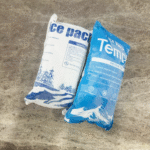
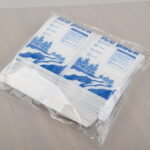
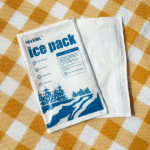
Gel-Packs vs. Eis für EPP-Transportboxen beim Outdoor-Camping: was solltest du verwenden?
Direkte Antwort: In einem EPP-Transportbox Outdoor-Camping planen, Eis Kühlt aggressiv und lässt sich leicht wieder auffüllen, während Gelpackungen Bleiben Sie sauberer und reduzieren Sie Probleme mit durchnässten Lebensmitteln. Ein Hybrid-Setup ist normalerweise der einfachste Erfolg.
Erweiterte Erklärung: Eis erzeugt Schmelzwasser. Schmelzwasser ist nicht nur lästig, es kann auch Säfte austreten lassen, wenn Rohproteine austreten. Aus diesem Grund legen die offiziellen Richtlinien zum Verpacken von Kühlboxen Wert auf wasserdichte Behälter und Trennung. (US-Landwirtschaftsministerium)
| Kühloption | Am besten für | Größter Nachteil | Was es für Sie bedeutet |
|---|---|---|---|
| Eiswürfel | Kurztrips, einfaches Nachfüllen | Schmelzwasser-Chaos | Benötigt wasserdichte Behälter |
| Eis blockieren | Längere Haltezeiten | Schwieriger zu beschaffen | Langsamer schmelzen als Würfel |
| Gelpackungen | Saubere Organisation | Benötigt Gefrierschrank | Am besten für Wiederholungsreisen geeignet |
| Gefrorene Flaschen | Einfach + später nützlich | Die Form begrenzt das Packen | Kalt + Trinkwasser |
| Hybrid | Die meisten Camper | Erfordert Planung | Ausgewogene Kälte + sauber |
So verpacken Sie eine EPP-Transportbox für den Outdoor-Camping-Aufbau, ohne dass das Essen durchweicht
Direkte Antwort: Um zu vermeiden, dass das Essen durchnässt wird EPP-Transportbox Outdoor-Camping aufstellen, verwenden Trennung + eine Barriereschicht + ein vorhersehbares Layout. Dies verkürzt die Öffnungszeit des Deckels und hält Schmelzwasser von trockenen Lebensmitteln fern.
Die 5-Lagen-Packout-Methode
- Kalte Basis: Blockieren Sie Eis oder gefrorene Flaschen
- Barriereschicht: Tablett, Gestell, oder versiegelter Liner
- Schwere kalte Speisen: Fleisch, Molkerei, dichte Mahlzeiten
- Schnell greifbare Schicht: Mittagsgerichte und Snacks
- Oberer Schild: Gelpackungen oben
Praktische Tipps, die Sie heute verwenden können
- Zonen beschriften: „Tag 1“ oben, „Tag 2“ tiefer – damit Sie aufhören zu suchen.
- Rohproteine zweimal verschließen: Undichtigkeiten verursachen sowohl Geruchs- als auch Kontaminationsrisiken.
- Wenn Sie Meeresfrüchte transportieren: Halten Sie es verschlossen und niedrig; Reinigen Sie die Box umgehend. (FoodSafety.gov)
Wie bewältigt man häufiges Öffnen bei einem EPP-Transportbox-Outdoor-Campingsystem??
Direkte Antwort: Wenn Ihr EPP-Transportbox Outdoor-Camping Die Box wird ständig für Getränke geöffnet, Trennen Sie „Verkehr“ von „Speicher“. Verwenden Sie einen Getränkekühler und einen Lebensmittelkühler. (US-Landwirtschaftsministerium)
Erweiterte Erklärung: Dies ist eine der schnellsten Leistungsverbesserungen. Ihre Lebensmittel bleiben kälter, da sie nicht jedes Mal der warmen Luft ausgesetzt sind, wenn jemand etwas trinken möchte.
Ein-Minuten-Regelsatz für Gruppen
- Getränke kommen in den Getränkekühler (oft geöffnet)
- Lebensmittel bleiben im Lebensmittelkühler (ein paar Mal geöffnet)
- Der Deckel des Lebensmittelkühlers sollte sich für Sekunden öffnen, nicht Minuten
2025 Trends prägen EPP-Transportbox für Outdoor-Camping (Warum das Kühlkettendenken gewinnt)
In 2025, Außenkühlung verlagert sich in Richtung Wiederverwendbarkeit, weniger Lebensmittelverschwendung, Und temperaturbeständiger. Auf globaler Ebene, Das International Institute of Refrigeration unterstreicht dies 12% der weltweiten Lebensmittelproduktion geht aufgrund unzureichender Kühlketten verloren, und der Ausbau der Kühlketteninfrastruktur könnte Einsparungen bringen Hunderte Millionen Tonnen jährlich – daher wird „funktionierende Kühlung“ zunehmend als Wert angesehen, kein Detail. (Internationales Institut für Kältetechnik)
Mini-Selbsttest: Betreiben Sie eine sichere „Mikrokühlkette“??
Gib dich selbst 1 Punkt für jedes „Ja“:
- Verpacken Sie Lebensmittel kalt? (aus Kühl-/Gefrierschrank), nicht Raumtemperatur?
- Halten Sie die Box mit einem Thermometer unter 40 °F?? (FoodSafety.gov)
- Trennen Sie Rohproteine von verzehrfertigen Lebensmitteln?? (US-Landwirtschaftsministerium)
- Verwenden Sie eine Sperrschicht, um den Kontakt mit Schmelzwasser zu verhindern??
- Begrenzen Sie die Öffnungszeit des Deckels mit Zonen und einer Tragetasche??
Notenführer: 0–2 hohes Risiko • 3–4 solide • 5 Pro-Level
Vorschläge für interne Links (Beschreibender Ankertext)
- Checkliste zum Packen von EPP-Kühlboxen für Ausflüge im Freien (vorgeschlagene URL: /blog/epp-cooler-box-packing-checklist)
- Gel-Packs vs. Eis: Kühlstrategie für die Lebensmittelsicherheit beim Camping (/blog/gel-packs-vs-ice-camping)
- Lebensmittelthermometer-Leitfaden zur Temperaturregelung von Kühlschränken (/Blog/Kühler-Thermometer-Anleitung)
- So wählen Sie wiederverwendbare Kühlkettenverpackungen für Verbraucher aus (/blog/wiederverwendbare-kühlkettenverpackungen)
- Grundlagen der Temperaturkontrolle auf der letzten Meile für verderbliche Lebensmittel (/Blog/Last-Mile-Temperaturkontrolle)
Häufig gestellte Fragen
Q1: Wozu dient eine EPP-Transportbox Outdoor-Campingbox??
Es hält Speisen und Getränke länger kalt und bleibt dabei leicht und robust für wiederholte Reisen.
Q2: Wie lange hält eine EPP-Transportbox beim Outdoor-Camping das Essen kalt??
Es kommt auf die kalte Masse an, Packungsdichte, Öffnungshäufigkeit, und Hitze. Vorkühlung und weniger Öffnungen sind von großer Bedeutung.
Q3: Ist Eis oder Gel besser für einen EPP-Transportbox-Outdoor-Campingplan??
Eis ist kraftvoll, aber chaotisch. Gelpackungen sind sauber und wiederverwendbar. Hybrid-Setups funktionieren oft am besten.
Q4: Wie verhindere ich, dass das Essen matschig wird??
Verwenden Sie eine Barriereschicht, Halten Sie Lebensmittel verschlossen, und legen Sie trockene Lebensmittel über Schmelzwasserzonen.
Q5: Kann ich Meeresfrüchte in einer EPP-Transportbox beim Outdoor-Camping sicher transportieren??
Ja. Bewahren Sie Meeresfrüchte versiegelt auf, niedrig, und kalt, und 0–4°C anstreben (32–39°F).
Zusammenfassung und Empfehlungen
Ein EPP-Transportbox Outdoor-Camping Die Einrichtung funktioniert am besten, wenn Sie die richtige Größe auswählen, fest packen, und Deckelöffnungen kontrollieren. Zielen nach 40° F (4°C) oder unten, Verwenden Sie je nach Reise Eis/Gel/Hybrid, und separate Getränke, wenn Ihre Gruppe ständig geöffnet hat. Wenn Sie Ihre Kühlbox wie eine Mikrokühlkette behandeln, messen Sie die Temperatur, Warmzeit verkürzen, und trennen Sie risikoreiche Gegenstände – Ihre Lebensmittel bleiben sicherer und Ihre Reisen fühlen sich einfacher an. ()
Über Tempk
Und Tempk, Wir entwerfen und liefern wiederverwendbare Isolierverpackungen, die eine vorhersehbare Temperaturleistung unter realen Handhabungsbedingungen unterstützen. Unser EPP-Transportbox Outdoor-Camping Die Lösungen konzentrieren sich auf eine stabile Struktur, stabile Isolierung, und einfache Reinigung – so können Sie einen wiederholbaren Kühlablauf für Camping aufbauen, Arbeiten im Freien, und temperaturempfindliche Lieferungen.
CTA: Teilen Sie Ihren Reisestil (Autocamping, wandern, Boot), typische Dauer, und das heißeste erwartete Wetter. Wir empfehlen Ihnen ein EPP-Transportbox Outdoor-Camping Größe, Cold-Source-Strategie, und Packlayout können Sie bei Ihrem nächsten Ausflug testen.