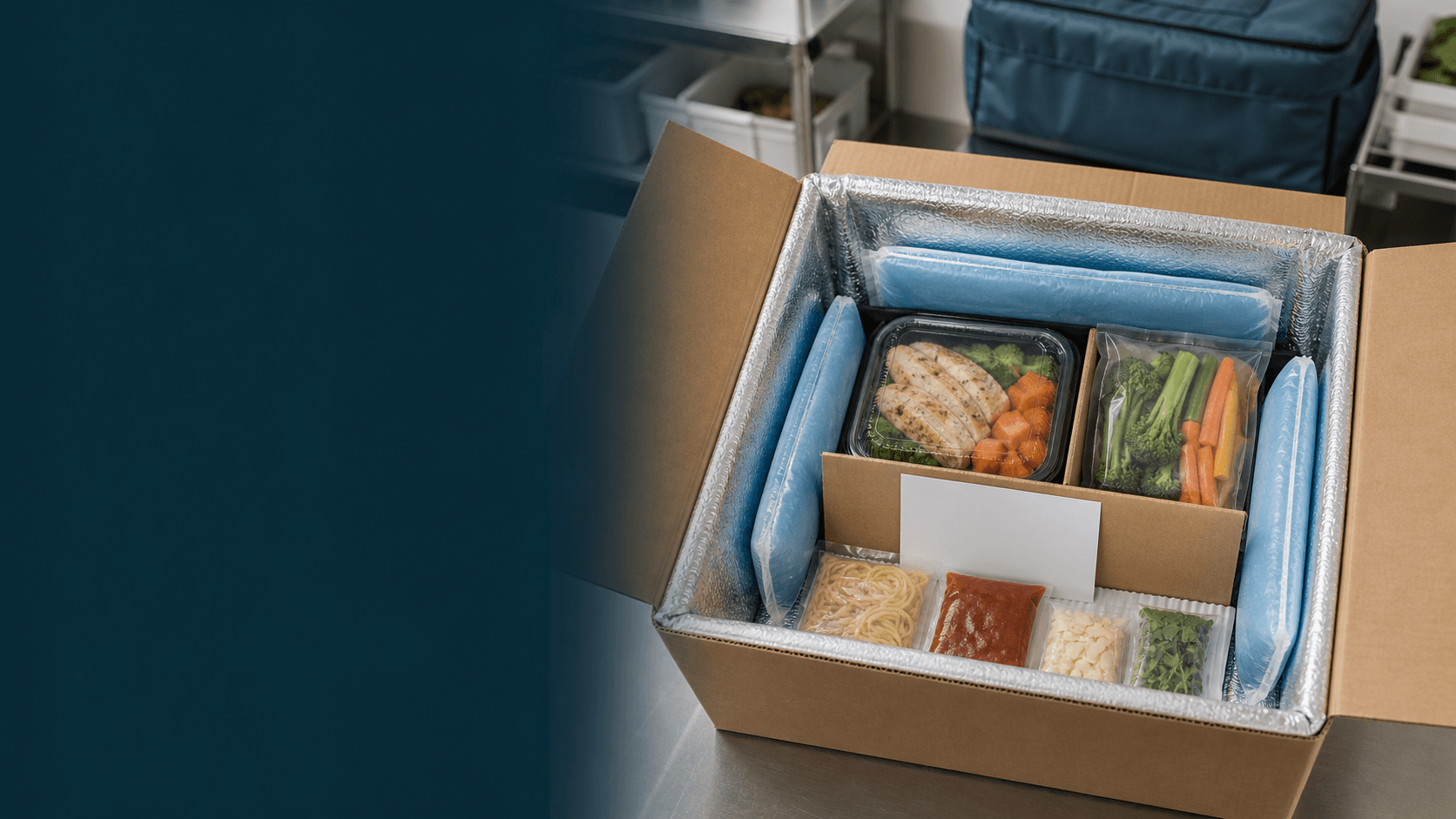
Folien-Luftpolsterfolie für E-Commerce: Ein Fünf-Entscheidungs-Rahmen
A Luftpolsterfolie aus Folie für E-Commerce sollte durch fünf zusammenhängende Entscheidungen ausgewählt werden: was das Produkt vermeiden muss, was der Lieferkanal auferlegen kann, wie die gesamte Verpackung die Wärme verwaltet, welche Beweise benötigt werden, und was passiert nach dem Auspacken. Diese Reihenfolge ist wichtig. Wenn Sie mit einem Linermuster oder einem Preis pro Stück beginnen, werden die Teams dazu ermutigt, die Verpackung als isoliertes Zubehör zu betrachten. Schon beim Versand zeigt sich, ob eine flexible, reflektierende Einlage sinnvoll ist, welche weiteren Komponenten es benötigt, und wo ein anderes Gehäuse sicherer wäre.
Das folgende Framework richtet sich an Händler, Verpackungsingenieure, Beschaffungsteams, Erfüllungsführer, Qualitätsmanager, und Nachhaltigkeitsspezialisten. Dabei wird nicht davon ausgegangen, dass es sich bei jeder Sendung um Arzneimittel handelt oder dass jedes Paket eine aktive Kühlung benötigt. Es geht auch nicht davon aus, dass ein reflektierendes Erscheinungsbild die Leistung beweist. Ziel ist es, aus einer breiten Verpackungskategorie ein kontrolliertes E-Commerce-System zu machen, das pilotiert werden kann, gemessen, und verbessert.
Entscheidung eins: Definieren Sie die Produktgrenzen, bevor Sie die Verpackung auswählen
Jeder Entwurf beginnt mit einer Bedingung, die für das Produkt von Bedeutung ist. Für einen Artikel, Kurze Wärme beeinträchtigt möglicherweise nur die Textur. Für einen anderen, Einfrieren kann eine Emulsion beschädigen. Ein diagnostisches Produkt kann einen definierten gekennzeichneten Bereich haben, während ein Luxuskosmetikum möglicherweise eher einen Schutz vor sichtbarer Verformung als einen regulierten Temperaturbereich benötigt. Dies sind unterschiedliche Probleme, auch wenn die Kartons ähnlich aussehen.
Schreiben Sie eine kurze Produktgrenze für jede SKU-Familie. Es sollte den akzeptablen Zustand angeben, die geplante Lieferdauer, der Fall der glaubwürdigen Verzögerung, Ausgangszustand des Produkts, vorgesehene Reisezielsaison, und Konsequenz des Scheiterns. Vermeiden Sie Sprache wie z "bleib cool" es sei denn, das Unternehmen hat es in eine messbare Akzeptanzregel umgesetzt. Ein vages Ziel kann nicht zu einem vertretbaren Packout führen.
Produktmasse und -geometrie sind Teil der Grenze. Eine dichte Mehrfachpackung enthält mehr thermische Masse als eine kleine Durchstechflasche. Ein fast voller Karton tauscht die Wärme anders aus als ein großer Behälter mit einem kleinen Gegenstand. Glas, Beutel, Tabletts, und Gläser erfordern auch unterschiedliche Anforderungen an den physischen Schutz. Die Bestellhistorie sollte daher in wiederholbare Profile gruppiert und nicht in eine imaginäre typische Reihenfolge gemittelt werden.
Fragen Sie, ob das Produkt ein kaltes Bauteil berühren kann. Durch den direkten Kontakt mit einer gefrorenen Packung kann eine lokale Kältestelle entstehen, selbst wenn der Karton durchschnittlich akzeptabel aussieht. Ein Teiler, konditioniertes Kühlmittel, oder Phasenwechselmaterial erforderlich sein, je nach Produktanforderung. Die Antwort ergibt sich aus dem Produkt- und Testplan, nicht aus der Kategorie Liner.
Definieren Sie dann die Entscheidungskonsequenz. Bei einem Defekt entsteht lediglich eine kosmetische Beanstandung, Das Unternehmen toleriert möglicherweise ein höheres Risiko als bei der Sicherheit, Wirksamkeit, oder rechtliche Verpflichtungen vorliegen. Produkte mit hoher Wirkung erfordern Qualitätseigentum, dokumentierte Beweise, Freigabekontrollen, und Abweichungsverfahren. Ein reflektierender Liner kann immer noch Teil der Lösung sein, aber es kann diese Kontrollen nicht ersetzen.
Entscheidung zwei: Ordnen Sie den echten E-Commerce-Kanal zu
Die Route beginnt vor der Abholung durch den Spediteur. Das Produkt kann gekühlt gelagert werden, Gehen Sie auf eine warme Packbank, sitzen Sie in einem Staging-Käfig, in einen Anhänger laden, durch Knotenpunkte laufen, mit einem Lieferwagen fahren, und bleiben Sie vor der Haustür. Der heißeste oder kälteste Punkt kann in jeder dieser Phasen auftreten. Wenn nur das veröffentlichte Transitversprechen abgebildet wird, wird die Betriebsverweildauer verfehlt.
Erstellen Sie die Kanalkarte aus Zeitstempeln und Beobachtungen. Rekordauftragsschluss, Zeit auswählen, Packzeit, Dock wohnen, abholen, Nabenbewegung, Lieferfenster, Wochenendbelichtung, und Kundenrückgewinnung. Stellen Sie fest, ob es sich bei dem Dienst um einen örtlichen Kurierdienst handelt, nationales Paket, Marktplatzerfüllung, Händlerabwicklung, Abonnementlieferung, oder ein gemischtes Netzwerk. Jeder Kanal kann ein separates Profil rechtfertigen.
Das Klima muss mit der Jahreszeit und der Handhabung gepaart sein. Ein Tagesdurchschnitt im Freien beschreibt nicht ein geschlossenes Fahrzeug im Sonnenlicht, und ein Winterminimum beschreibt nicht die Temperatur in einer beheizten Anlage. Verwenden Sie gemessene Fahrspurdaten, sofern verfügbar. Wenn es nicht so ist, Wählen Sie ein begründetes Testprofil und geben Sie an, welche Unsicherheit verbleibt.
Die Route birgt auch mechanische Gefahren. Kartons fallen, vibrieren, Kompresse, Neigung, Umarmung, und auf scharfe Nachbarobjekte stoßen. Ein rein thermischer Versuch kann nicht zeigen, ob sich eine Naht nach Vibration öffnet oder ob eine gefrorene Packung nach wiederholten Stößen den Liner beschädigt. Aus gutem Grund trennt ISTA thermische Entwicklungsverfahren von physikalischen Verteilungstests: Die Fragen hängen zusammen, aber sie sind nicht gleich.
Ein Kaufversprechen ist keine Testbedingung. "Am nächsten Tag" kann aufgrund eines verpassten Cut-Offs oder einer Wetterunterbrechung zwei Tage betragen. Designteams sollten einen Verzögerungsfall berücksichtigen, der das Geschäftsrisiko widerspiegelt. Ziel ist es nicht, Schutz für jedes denkbare Ereignis in Anspruch zu nehmen. Es geht darum, ein sinnvolles Betriebsfenster zu definieren und zu entscheiden, was darüber hinaus geschieht.
Verwenden Sie eine Spurmatrix anstelle einer globalen Annahme
Eine kleine Spurmatrix kann verraten, wo ein flexibler Liner hingehört. Klassifizieren Sie Routen nach Dauer, saisonale Exposition, Übergaben, Lieferkontrolle, Nutzlastklasse, und Konsequenz. Eine Packung eignet sich möglicherweise für kurze innerstädtische Bestellungen mit Abholung am selben Tag. Ein anderer könnte die Auskleidung mit konditionierten Wärmespeichermedien für den Paketdienst kombinieren. Lang, unsicher, oder Routen mit hoher Konsequenz erfordern möglicherweise eine robustere Lösung isolierte Box.
Halten Sie Ausnahmen sichtbar. Entlegene Postleitzahlen, Wochenendbestellungen, Hitzewellen, schwere Erkältung, und große gemischte Körbe können zu einer anderen Verpackung umgeleitet oder vorübergehend aufgehängt werden. Eine Ausnahmeregel ist ein Zeichen der Kontrolle, Keine Schwäche des Produkts.
Entscheidung drei: Bauen Sie das kleinste funktionsfähige Wärmesystem
Sobald das Produkt und der Kanal bekannt sind, Entwerfen Sie die komplette Baugruppe. Bei einem Folienblasen-Liner handelt es sich in der Regel um ein flexibles Laminat mit einer reflektierenden Oberfläche mit geringer Emission und einer geschlossenen Zellen- oder Blasenstruktur. Exakte Schichtmaterialien, Dicken, Nähte, und Oberflächenkonstruktion variieren. Käufer sollten den angegebenen Build bewerten, anstatt sich auf den Kategorienamen zu verlassen.
Durch Wärmeleitung gelangt die Wärme zur Nutzlast, Konvektion, und Strahlung. Die Blasenstruktur und die eingeschlossene Luft können einer konduktiven und konvektiven Übertragung widerstehen. Eine Oberfläche mit geringer Emission kann den Strahlungsaustausch verringern, wenn sie einem angrenzenden Luftraum zugewandt ist. UNS. In den Leitlinien des Energieministeriums wird dieses Prinzip für reflektierende Isolierung und Strahlungsbarrieren in Gebäuden erläutert. Es wird auch darauf hingewiesen, dass ein angrenzender Luftraum erforderlich ist. In einem Paket, Dieser Grundsatz ist relevant, Bei den Baurichtlinien handelt es sich jedoch nicht um eine Bewertung der Parzellenleistung.
Diese Unterscheidung betrifft die Verpackung. Zerkleinerung der Zellen, Wickeln Sie die reflektierende Fläche fest gegen eine andere feste Schicht, Nähte offen lassen, oder die Schaffung großer leitfähiger Brücken kann das beabsichtigte Verhalten verändern. Eine glänzende Oberfläche allein sagt nicht aus, wie lange eine Sendung innerhalb ihres Ziels bleibt.
Kühlmittel, bei Bedarf, ist Teil der Energiebilanz. Gelpackungen, Eisbeutel auf Wasserbasis, oder Phasenwechselmaterialien absorbieren Wärme, wenn sich ihre Temperatur ändert und, für phasenwechselnde Komponenten, während sie übergehen. Ihre Menge, Phasenwechselbereich, Konditionierungsmethode, Platzierung, und der Kontakt mit dem Produkt beeinflussen die Ergebnisse. Mehr Kühlmittel ist nicht automatisch besser, da überschüssige gefrorene Masse zu Kälteschäden führen kann, Fracht erhöhen, und reduzieren Sie das nutzbare Volumen.
Die richtige Dimensionierung ist eine Systemübung. Der Karton muss in die Einlage passen, Produkt, Kühlmittel, Trenner, saugfähig, und Verschluss, ohne Komponenten zu zerdrücken oder unnötiges Volumen zu hinterlassen. Linerfalten verbrauchen Platz. Kühlmittel muss wiederholbar platziert werden. Das Verdeck muss sich schließen, ohne sich wieder zu öffnen. Eine nominale Kartonabmessung ist nicht dasselbe wie der nutzbare Innenraum.
Verwenden Sie bei frühen Entwurfsüberprüfungen die folgende Matrix. Es wählt kein Produkt selbst aus; es zeigt, was entschieden und überprüft werden muss.
| Entscheidungssignal | Wahrscheinliche Designrichtung | Beweise zum Sammeln | Häufiger Fehler, den es zu vermeiden gilt |
|---|---|---|---|
| Kurz, Kontrollierter lokaler Weg mit mäßiger Produktauswirkung | Karton und Einlage in der richtigen Größe; Fügen Sie Wärmespeicher nur hinzu, wenn Versuche zeigen, dass dies erforderlich ist | Spurdauer, Inszenierungszeit, Pilottemperaturdaten, Schadensfolgen | Angenommen, jede lokale Ordnung erfährt die gleiche Verweildauer |
| Saisonale Parzellenroute mit variabler Exposition | Liner plus definiertem Kühlmittel- und Platzierungsplan | Heiß- und Profile für die kalte Jahreszeit, Verzögerungsfall, physischer Verteilungstest | Die Kühlmittelmenge wird als einzige Konstruktionsvariable behandelt |
| Kleine Nutzlast im großen Standardkarton | Entwickeln Sie ein kleineres Paket oder ein Portfolio mit geregelter Größe | Dimensionsbestelldaten, nutzbares Volumen, Packzeit-Testversion | Vermeidbares Volumen mit losem Material auffüllen |
| Frostempfindliches Produkt | Verwenden Sie konditionierte Komponenten und trennen Sie sie entsprechend | Produktlimit, Lokale Sensorplatzierung, Cold-Case-Test | Platzieren Sie gefrorene Packungen direkt auf dem Produkt |
| Versand mit großer Tragweite oder langer Ungewissheit | Erwägen Sie ein stärker isoliertes Gehäuse und formelle Qualitätskontrollen | Qualifiziertes Protokoll, wiederholt, Abweichungen, Freigabekriterien | Ausweitung eines Pilotanspruchs mit geringem Risiko auf eine kritische Sendung |
| Abonnementroute mit zuverlässiger Wiederherstellung | Entdecken Sie eine Mehrwegkonfiguration mit Inspektions- und Entsorgungsregeln | Rücklaufquote, Rotationen, Reinigung, Schaden, Auswirkungen auf die Rückwärtslogistik | Aufrufen eines wiederverwendbaren Elements, ohne eine Rückgabeschleife auszuführen |
| Am Zielort des Kunden gibt es keinen verifizierten Weg zur Laminatrückgewinnung | Geben Sie komponentenspezifisch an, standortbezogene Entsorgungsberatung | Materialdeklaration und lokale Sammlerabnahme | Verwendung eines Recycling-Symbols als Sammelnachweis |
Reduzieren Sie die Lautstärke, ohne den erforderlichen Schutz zu löschen
Das kleinste Paket ist nicht automatisch das beste Paket. Der erforderliche Platzbedarf kann ein Produkt voneinander trennen Kaltpackungen, sorgen für Dämpfung, Erlauben Sie den Verschluss des Liners, oder zulässige Produktbewegungen berücksichtigen. Vermeidbaren Hohlraum beseitigen, kein funktionsfähiger Schutz.
Aufgrund der Verpackungsvorschriften der Europäischen Union ist diese Unterscheidung für Verkäufer wichtig, die Verpackungen auf diesem Markt in Verkehr bringen. Verordnung 2025/40 führt Bestimmungen zur gestaffelten Verpackungsminimierung und ein zukünftiges maximales Leerraumverhältnis für Gruppen ein, Transport, und E-Commerce-Verpackungen. Füllmaterialien werden bei der Leerraumberechnung mitgezählt. Das Gesetz wahrt auch die Funktionalität der Verpackung und den Produktschutz, Die detaillierte Methode und die relevanten Daten müssen befolgt werden, sobald sie in Kraft treten.
Das ist ein EU-spezifischer Rechtsrahmen, keine globale Kartonformel. Teams sollten einen gespeicherten Prozentsatz nicht anwenden, ohne die Anwendbarkeit zu bestätigen, Timing, Methodik, und Betreiberpflichten. Die Praxis des Toningenieurwesens ist umfassender: Dokumentieren Sie, warum jede Komponente und jeder Raum existiert, Reduzieren Sie dann, was nicht benötigt wird.
Entscheidung vier: Fordern Sie Beweise, die der Behauptung entsprechen
Ein nützlicher thermischer Bericht beschreibt einen vollständigen Packout. Es identifiziert die Karton- und Linerkonstruktion, Nutzlast, Kühlmittel, Komponentenkonditionierung, Ausgangstemperaturen, Umgebungsprofil, Sensorpositionen, Dauer, Wiederholungen, Akzeptanzgrenzen, und Abweichungen. Falls etwas davon fehlt, Es wird schwierig zu bestimmen, ob das Ergebnis auf eine Live-Bestellung zutrifft.
Besondere Aufmerksamkeit verdient die Platzierung der Sensoren. Eine einzelne Sonde in der Kartonmitte kann eine heiße Wand übersehen, eine kalte Stelle neben einer gefrorenen Packung, oder Abweichungen zwischen den Produkten. Der Messplan sollte das Produktrisiko und die Geometrie widerspiegeln. Die Instrumente sollten für den Bereich geeignet sein und unter den Kalibrierungskontrollen der Organisation verwendet werden.
Der ISTA-Standard 7E stellt standardisierte Außentemperaturprofile für Paketversandsysteme bereit und kann die Entwicklung und den Vergleich unterstützen. Andere ISTA-Verfahren befassen sich mit unterschiedlichen E-Commerce- und physischen Vertriebskontexten. Die Auswahl eines benannten Verfahrens sollte sich am Vertriebskanal und Ziel orientieren. Durch das Bestehen einer thermischen Belastung wird keine Widerstandsfähigkeit gegenüber Stürzen oder Vibrationen erreicht, und das Bestehen eines physikalischen Tests ist kein Beweis für die thermische Dauer.
Hilfreiche Entscheidungshilfen
Überprüfen Sie die Details, bevor Sie sich für die Verpackung entscheiden
Mit diesen schnellen Tools können Sie das Routenrisiko vergleichen, Größenanforderungen, Kühlmittelauswahl, und Verpackungsdetails, bevor Sie ein Angebot anfordern.
Eisbeutel-Rechner
Schätzen Sie die Menge an Gel-Eisbeuteln für gekühlte Sendungen und nutzen Sie die praktische Routenplanung.
Schätzen Sie EisbeutelVerpackungsauswahl
Vergleichen Sie isolierte Verpackungsoptionen nach Produkt, Route, und Temperaturbedarf.
Verpackung findenKühlmittel & PCM-Referenz
Vergleichen Sie Kühlmittel- und PCM-Optionen, wenn eine Route zusätzliche Temperaturunterstützung benötigt.
Vergleichen Sie OptionenASTM C1224 wird manchmal in Bezug auf reflektierende Materialien erwähnt. Sein offizieller Geltungsbereich betrifft reflektierende Isolierungen für Gebäudeanwendungen, mit Oberflächen mit geringer Emission, die auf geschlossene Lufträume gerichtet sind. Es kann einem technischen Leser helfen, die Spezifikationen von Bauprodukten zu verstehen, Es handelt sich jedoch nicht um eine E-Commerce-Paketzertifizierung. Ein Lieferant sollte damit nicht den Eindruck erwecken, dass eine Versandkonfiguration validiert wurde.
Die Beweise müssen auch die Produktion überdauern. Notieren Sie den genehmigten Materialstapel, Abmessungen, Nahtdesign, Schließung, und Verarbeitungskriterien. Inspizieren Sie mehrere Einheiten auf einer großen Fläche und nicht nur ein einziges Präsentationsmuster. Definieren Sie, welche Änderungen eine Benachrichtigung und einen erneuten Test erfordern, wie zum Beispiel eine reflektierende Folie, Blasengeometrie, Klebstoff, Naht, Größe, Karton, Kühlmittel, oder Verpackungsrevision.
Führen Sie ein Pilotprojekt durch, bei dem sowohl Menschen als auch Materialien getestet werden
Laborarbeiten zeigen, was unter kontrollierten Bedingungen passiert. Ein Fulfillment-Pilot zeigt, ob Menschen die Verpackung reproduzieren können. Geben Sie geschulten Packern klare visuelle Anweisungen, Dann achten Sie auf die Größenauswahl, Ausrichtung des Liners, Kühlmittelaufbereitung, Platzierung, Schließung, Beschriftung, und Inszenierung. Erfassen Sie Zeit und Fehler, ohne Einzelpersonen dafür verantwortlich zu machen; Wiederkehrende Fehler weisen in der Regel auf ein Design- oder Anleitungsproblem hin.
Fügen Sie gewöhnliche Variationen hinzu. Testen Sie minimale und maximale Nutzlasten, nicht nur der einfachste Vollkarton. Verwenden Sie Produktionskartons und Etiketten. Integrieren Sie eine realistische Verweildauer und Übergabe auf der Packbank. Wenn die obere Klappe immer wieder aufspringt oder Kühlmittel zur Seite rutscht, Lösen Sie das vor der Veröffentlichung des Volumes.
Legen Sie Starttore im Voraus fest. Zu den möglichen Toren gehört die Akzeptanz der Produkttemperatur, körperliche Unversehrtheit, Abschlusserfolg, Schadensrate, Packungsgenauigkeit, Zykluszeit, Materialverbrauch, und Kundenanweisungsverständnis. Die genauen Schwellenwerte sind geschäftsspezifisch. Das Schreiben vor den Ergebnissen verhindert, dass das Team den Erfolg nach einem bequemen Versuch neu definiert.
Entscheidung fünf: Planen Sie das Kunden- und Wiederherstellungserlebnis
Die Verpackung bleibt auch nach Erhalt des Produkts Teil der Marke. Der Empfänger muss es öffnen können, ohne die Ware zu beschädigen, verstehen, welche Komponenten sich trennen, und wissen, was mit jedem einzelnen zu tun ist. Wenn diese Aktionen unklar sind, Eine technisch erfolgversprechende Sanierungsidee wird vor der Haustür scheitern.
Beginnen Sie mit einer Materialkarte. Listen Sie den Karton auf, Liner, Kühlmittelbeutel und Inhalt, Teiler, saugfähig, Band, Etikett, und jegliches Zubehör. Für jeden, seine materielle Identität aufzeichnen, ob es sich sauber trennt, Kontaminationsbedenken, vorgesehener Sammelweg, und die dem Kunden vorgelegte Anweisung. Eine allgemeine Aussage über das gesamte Paket ist selten zutreffend, wenn die Komponenten unterschiedlichen Pfaden folgen.
Reflektierende Luftpolsterlaminate erfordern eine sorgfältige Formulierung. Die reflektierende Schicht kann eine Aluminiumfolie oder eine metallisierte Folie sein; Der Kern und die Dichtstoffe können Polymere sein; Klebstoffe können die Trennung unmöglich machen. Die Recyclingfähigkeit eines einzelnen Rohstoffs ist kein Beweis dafür, dass der verklebte fertige Liner akzeptiert wird. Fordern Sie eine Bauerklärung an, Überprüfen Sie dann den tatsächlichen Erfassungs- und Verarbeitungsweg.
In den Vereinigten Staaten, In den Leitlinien der Environmental Protection Agency wird betont, dass Recyclingprogramme vor Ort unterschiedlich sind. Plastiktüten, wickelt, Und für Filme ist oft eine separate Filiale oder Abgabestelle anstelle eines Haushaltsmülleimers am Straßenrand erforderlich. Selbst solche Programme akzeptieren möglicherweise nur die angegebene Sauberkeit, trockene Filme. daher, Ein Verkäufer sollte Kunden nicht anweisen, ein reflektierendes Laminat in einen Folienbehälter zu legen, bis der Sammler bestätigt, dass die genaue Struktur geeignet ist.
Für Verpackungen, die in der Europäischen Union auf den Markt gebracht werden, Verordnung 2025/40 schafft abgestufte Recyclingfähigkeitsanforderungen. Die Design-for-Recycling-Kriterien und spätere Bewertungen des Recyclings im Maßstab hängen von zukünftigen Daten ab, delegierte Rechtsakte, und Methoden. Eine vorliegende Materialbeschreibung kann die Vorbereitung unterstützen, Es sollte jedoch nicht zu einem unbestätigten Versprechen über einen zukünftigen Recyclingfähigkeitsgrad werden. Die geltenden Verantwortlichkeiten sollten im Hinblick auf die genaue Rolle und den Markt des Verkäufers überprüft werden.
Die Wiederverwendung verdient die gleiche Beweisdisziplin. Ein langlebig aussehender Liner funktioniert nur als Wiederverwendbare Verpackung wenn ein Betriebssystem es zurückgibt, prüft es, bereitet es auf einen weiteren Zyklus vor, und zeichnet den Ruhestand auf. Definieren Sie, wem die Komponente gehört, wie der Kunde es zurückgibt, wie es gegebenenfalls gereinigt und getrocknet wird, Welcher Schaden verursacht Ablehnung?, und wie viele erfolgreiche Rotationen stattfinden. Vergleichen Sie den Nutzen mit dem Transport- und Materialaufwand der Reverse-Logistik.
Rücksendungen von Produkten unterliegen einem gesonderten Risiko. Ein Kunde kann auf Kühlmittel verzichten, ein Paket an einer Abgabestelle abgeben, oder nutzen Sie einen langsameren Dienst. Bedeuten Sie nicht, dass die ursprüngliche ausgehende Validierung diese unkontrollierte Rückgabe abdeckt. Geben Sie klare Entsorgungsanweisungen und ziehen Sie Qualitätspersonal hinzu, wenn der Produktzustand wichtig ist.
Behandeln Sie den Packout als lebendiges Produkt
Eine gute E-Commerce-Ausstattung verändert sich mit Beweisen, aber es sollte nicht lautlos dahintreiben. Weisen Sie einen Besitzer und eine Revisionsnummer zu. Speichern Sie die Stückliste, Verpackungsanweisung, Trainingsaufzeichnung, genehmigter Testnachweis, Lieferantenerklärung, Fahrspurregeln, und Kundenberatung gemeinsam. Wenn sich eine Komponente oder Route ändert, Der Eigentümer kann die Auswirkungen im gesamten System bewerten.
Bei der Beschaffung sollte sich der Vertrag an der genehmigten Spezifikation orientieren und nicht an einer generischen Formulierung. Abmessungen, Konstruktion, Verarbeitung, Packungsmenge, und Änderungsmitteilungen können mit dem Lieferanten besprochen werden, Die endgültigen Anforderungen müssen jedoch mit denen übereinstimmen, die der Käufer getestet hat. Aktuelle Mindestbestellmenge, Vorlaufzeit, Anpassung, und Handelsbedingungen sollten in einem Angebot bestätigt werden; Sie sollten niemals von einer Kategorieseite abgeleitet werden.
Fulfillment-Daten liefern Frühwarnungen. Verfolgen Sie die Auswahl falscher Größen, unvollständige Schließungen, Fehler bei der Kühlmittelaufbereitung, zerkleinerte Zellen, beschädigte Kartons, Packzeit, und Bereitstellungsverzögerungen. Der Kundenservice gibt Hinweise auf warme Ankünfte, Kondensation, Lecks, verwirrende Entsorgungsanweisungen, und übermäßige Verpackung. Qualitätsdaten fügen Abweichungen und Abweichungen hinzu. Nachhaltigkeitsdaten erhöhen die Verpackungsmasse, Volumen, Teilnahme an der Genesung, und Ruhestandsgründe.
Überprüfen Sie diese Maßnahmen nach Packout-Profil, nicht nur insgesamt. Eine hohe Gesamterfolgsquote kann eine entfernte Spur oder eine kleine Nutzlast verbergen, die eine schlechte Leistung erbringt. Umgekehrt, Eine schwierige Ausnahme sollte nicht dazu führen, dass unnötige Materialien in jede kurze Route gesteckt werden. Evidenz auf Segmentebene unterstützt gezielte Korrekturen.
Eine saisonale Überprüfung ist unerlässlich. Eine Sommerkonfiguration kann ein frostempfindliches Produkt im Winter unterkühlen. Carrier-Netzwerke, Erfüllungsstandorte, und auch der Auftragsmix verändert sich. Überprüfen Sie die Spurannahmen vor der Hauptsaison und nach bedeutenden betrieblichen Änderungen.
Das Programm sollte eine kontrollierte Reaktion auf Exkursionen beinhalten. Legen Sie fest, wer die Benachrichtigung erhält, wie Sendungsdatensätze abgerufen werden, Wer bewertet die Produktdisposition?, was den Kunden gesagt wird, und wenn der Packout pausiert wird. Die Verpackung ist nur eine Kontrolle innerhalb eines umfassenderen Qualitäts- und Serviceprozesses.
Häufig gestellte Fragen
Funktioniert ein reflektierender Liner ohne Kühlmittel??
Es kann die Wärmeübertragung etwas verlangsamen, aber ob das ausreicht, hängt von der Produktgrenze ab, Ausgangsbedingung, Nutzlast, Route, Umgebungseinflüsse, Schließung, und zulässige Dauer. Ein Kurzfilm, Eine Route mit geringem Risiko erfordert möglicherweise keine Wärmespeicherung, während für eine andere Lieferung möglicherweise konditionierte Gelpackungen erforderlich sind, Wassereisbeutel, Phasenwechselmaterial, oder ein stärker isoliertes Gehäuse. Testen Sie die komplette Verpackung anhand der vorgesehenen Hülle.
Je dicker die Blase ist, desto besser?
Es gibt keine einzelne Dimension, die die Sendungsleistung beweist. Zellgeometrie, eingeschlossene Luft, reflektierende Oberflächen, Materialschichten, Nähte, fit, Kompression, Schließung, Kühlmittel, Nutzlast, und Route interagieren alle. Eine dickere Probe kann immer noch eine schlechte Leistung erbringen, wenn sie zerkleinert wird, schlecht eingepasst, oder mit einer ungeeigneten Verpackung verwendet werden. Vergleichen Sie vorgegebene Konstruktionen in einem kontrollierten Test.
Kann die ASTM C1224-Referenz eines Lieferanten eine E-Commerce-Sendung qualifizieren??
NEIN. ASTM C1224 befasst sich mit reflektierender Isolierung in Gebäudeanwendungen. Es handelt sich nicht um ein Paket, Kühlmittelplan, Nutzlast, oder Lieferspur. Nutzen Sie verpackungsrelevante thermische und physikalische Verfahren, mit Bedingungen, die das beabsichtigte Verteilungssystem repräsentieren.
Was sollte einen erneuten Test auslösen??
Ein erneuter Test sollte in Betracht gezogen werden, wenn eine Änderung das Ergebnis beeinflussen könnte. Beispiele hierfür sind der Liner-Materialstapel, Blasenstruktur, Naht, Größe, Karton, Art oder Menge des Kühlmittels, Konditionierung, Produktladung, Packungsausrichtung, Erfüllungsort, Trägerkanal, Streckendauer, saisonales Profil, oder Verpackungsprozess. Eine dokumentierte Änderungsbewertung sollte den erforderlichen Umfang bestimmen und nicht von einer Gleichwertigkeit ausgehen.
Wie kann ein Verkäufer glaubwürdige Umweltaussagen machen??
Beschreiben Sie das eigentliche Material und Programm, Geben Sie den geografischen Geltungsbereich an, Überprüfen Sie die lokale Sammlung, und messen Sie jedes Rücklaufsystem. Vermeiden Sie es, technische Recyclingfähigkeit als Beweis für die Akzeptanz am Straßenrand zu betrachten, oder potenzielle Wiederverwendung als Beweis für eine wiederholte Verwendung. Für EU-Verkäufe, unterscheiden aktuelle Pflichten von abgestuften zukünftigen Anforderungen und überwachen die offiziellen Methoden, die den Regulierungsrahmen vervollständigen.
Abschluss: Treffen Sie fünf Entscheidungen, Dann genehmigen Sie das System
Die beste Entscheidung für einen Liner beginnt nicht mit der Reflektivität, Dicke, oder Stückpreis. Es beginnt mit einer definierten Produktgrenze und einem realistischen E-Commerce-Kanal. Von dort, Das Team kann das kleinste funktionsfähige thermische System bauen, Verlangen Sie Beweise, die der Behauptung entsprechen, und entwerfen Sie ein Kunden- und Erholungserlebnis, das auf dem Zielmarkt funktionieren kann.
Diese Fünf-Entscheidungs-Sequenz behält attraktive Materialeigenschaften im Blick. Reflektierende Oberflächen können den Strahlungsaustausch verringern, wenn durch die Baugruppe ein angrenzender Luftraum erhalten bleibt. Blasenstrukturen können zum thermischen Widerstand beitragen. Kühlmittel kann die Wärmekapazität erhöhen. Allerdings nur die getestete Nutzlastkombination, Gehäuse, Komponenten, Verpackungsprozess, Route, und Bedienelemente stellen die Eignung sicher. Genehmigen Sie dieses System, Überwachen Sie es nach Profil, und überarbeiten Sie es, wenn sich die Beweise ändern.
Über Tempk
Tempk, eine Marke von Shanghai Tempk Industrial Co., Ltd., präsentiert B2B Temperaturkontrollierte Verpackung Kategorien für Arzneimittel, Essen, und Kühlkettenkäufer. Seine Kategorien umfassen isolierte Liner, Taschen und Kisten, Gel- oder Wassereisbeutel, und Phasenwechselmaterialien. Käufer können flexible Isolierungen vergleichen, größere Gehäuse, und Wärmespeicherkomponenten. Jede vorgeschlagene Konfiguration sollte anhand der Produktgrenzen des Käufers beurteilt werden, Paketkanal, Packout-Beweis, Erfüllungskontrollen, Zielregeln, und Kundenwiederherstellungspfad.
CTA: Senden Sie Tempk ein definiertes SKU-Profil, seine Lieferspur, Temperaturgrenze, und verzögern Sie den Fall, um einen gezielten Packout-Vergleich und eine Pilotdiskussion zu beginnen.