Folienblasenliner OEM: So wählen Sie den richtigen Liner für echte Sendungen aus
A foil bubble liner should be chosen as part of a complete Kühlkette packout, nicht als eigenständiger Materialkauf. Es handelt sich um eine reflektierende Folie und Luftpolsterfolie, die in Kartons oder Beuteln verwendet wird, um die Wärmeentwicklung zu verlangsamen, Strahlungsbelastung reduzieren, und fügen Sie eine dünne Polsterschicht hinzu. Die Auskleidung kann die Wärmeübertragung innerhalb eines Kartons verringern, aber das Versandergebnis hängt von der Box ab, Nutzlast, Kühlmittel, Streckendauer, saisonale Exposition, Verschlussmethode, und wie konsequent die Betreiber es verpacken.
Käufer, die nach OEM-Folienpolsterfolien suchen, wünschen sich in der Regel eine kommerzielle Antwort, Der sicherste Kaufweg ist jedoch zuerst die technische und erst dann der kommerzielle Weg. Definieren Sie, was der Liner tun soll, Bestätigen Sie, dass das Muster zur Sendung passt, Testen Sie die komplette Verpackung, wenn das Temperaturrisiko wichtig ist, und dann den Preis vergleichen, MOQ, Vorlaufzeit, und Lieferantenkontrollen.
Die einfache Rolle des Liners
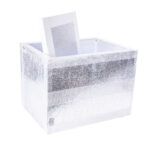
Der Liner bildet eine passive Wärmebarriere innerhalb der Außenverpackung. Es verlangsamt die Wärmeentwicklung in warmen Umgebungen und kann dazu beitragen, Temperaturschwankungen während der Handhabung zu reduzieren. Abhängig von der Konstruktion, Es könnte eingeschlossene Luft verwendet werden, reflektierender Film, Papier- oder Faserschichten, Schaum, laminierte Folien, oder andere Isoliermaterialien. Seine Aufgabe ist es, die Zeit zu schützen, nicht als Ersatz für die Kühlung.
Die Folienoberfläche hilft am meisten, wenn sie sauber und richtig positioniert ist, während die Blasenschicht für eingeschlossene Luft sorgt, die die leitende und konvektive Wärmebewegung verlangsamt. Die sinnvolle Frage ist nicht, ob der Liner generell gut ist. Die sinnvolle Frage ist, ob es für Ihr Produkt gut genug ist, Karton, Route, und Betriebsablauf. Ein Liner, der für eine zweistündige Lebensmittelroute geeignet ist, ist möglicherweise nicht für eine zweitägige Paketroute oder eine regulierte Gesundheitssendung geeignet.
Beginnen Sie mit dem Sendungsprofil
Eine praktische Spezifikation beginnt mit dem erforderlichen Temperaturbereich, maximale Transitzeit, Ausgangsprodukttemperatur, Umgebungseinflüsse, Nutzlastmasse, Kartongröße, Kühlmitteltyp, und Empfangsprozess. Diese Angaben legen fest, wie viel Hitze die Verpackung aushalten muss und wie viel thermische Masse die Verpackung benötigt. Ohne dieses Profil, Lieferantenangebote sind größtenteils Vermutungen.
Für Essen, Das Profil kann sich auf Frische konzentrieren, Schmelzverhinderung, Kundenerlebnis, und Leckagekontrolle. Für Pharmazeutika, Biologika, Impfungen, oder Proben, Das Profil sollte dokumentierte Temperaturanforderungen enthalten, Spurrisiko, Datenlogger-Strategie, Eingangskontrolle, und interne Qualitätsfreigabe. Ein Generalliner ist nicht automatisch ein qualifizierter temperaturgesteuerter Versender.
Vergleichen Sie die Kosten nach Nutzung, Nicht allein nach dem Stückpreis
Für OEM-Beschaffung, Vergleichen Sie die vollständige Kostenstruktur: Logo-Methode, Genehmigung des Kunstwerks, Materialspezifikation, Verpackungsformat, Vertraulichkeit, Vorlaufzeit, MOQ, und Änderungskontrolle. Ein niedrigerer Stückpreis kann dennoch die falsche Wahl sein, wenn der Liner das nutzbare Volumen verringert, erfordert zusätzliches Kühlmittel, Schiffe ineffizient, verlangsamt die Verpackungslinie, oder führt zu höheren Reklamationsquoten. Der richtige Preis ist der Preis einer erfolgreichen Lieferung, nicht nur der Preis eines Liners.
Bitten Sie Lieferanten, dieselbe Zeichnung zu zitieren, Materialstruktur, Größe, Verschlussstil, Verpackungsmethode, und Beispielreferenz. Wenn in zwei Angeboten unterschiedliche Dicken oder unterschiedliche Falzdesigns verwendet werden, sie sind nicht gleichwertig. Wenn ein Lieferant Exportverpackungen anbietet und ein anderer nicht, Der Preisvergleich ist unvollständig.
Passform und nutzbares Volumen sind entscheidend
Viele Liner-Probleme beginnen mit den Abmessungen. Käufer geben oft die Außenmaße des Kartons an, Der Liner muss jedoch in den Innenraum des Kartons passen. Nachdem der Liner installiert ist, Es muss noch genügend nutzbares Volumen für das Produkt vorhanden sein, Kühlmittel, Leerekontrolle, und Schließung. Eine zu große Auskleidungsdicke kann die Nutzlast verringern. Bei zu geringer Abdeckung können thermische Schwachstellen entstehen.
Für kundenspezifische und OEM-Projekte sollte eine Zeichnung verwendet werden, die die offene Größe anzeigt, gefaltete Größe, Panel-Layout, Verschlussüberlappung, und Toleranz. Das genehmigte Muster sollte vor der Produktion mit dem echten Produkt verpackt werden. Wenn der Liner vakuumkomprimiert ist, flach verpackt, verschachtelt, oder vorgeformt, Der Käufer sollte testen, wie es sich am Verpackungsband verhält.
Die Wärmeleistung ergibt sich aus der kompletten Packung
Kein Liner sollte außerhalb seiner Verpackung beurteilt werden. Der Karton steuert den Strukturschutz. Der Liner verlangsamt die Wärmeübertragung. Gelpackungen, Eisziegel, Trockeneis-Packungen, oder Phasenwechselmaterialien sorgen für Kühlung oder thermische Masse. Der Verschluss hält das System intakt. Der Bediener folgt der Anweisung. Wenn sich eines dieser Elemente ändert, Das thermische Ergebnis kann sich ändern.
Nützliche Testdaten sollten das tatsächliche System beschreiben: Karton, Liner, Nutzlast, Kühlmittel, Starttemperatur, Umgebungsprofil, Sensorplatzierung, und Akzeptanzkriterien. Für strenge oder regulierte Routen, Erwägen Sie einen formellen Qualifizierungsprozess und beziehen Sie die Verpackung mit ein, Logistik, und Qualitätsteams. Für Lebensmittel- oder Lebensmittelrouten mit geringerem Risiko, ein kontrollierter praktischer Versuch kann ausreichend sein, aber es sollte immer noch dem realen Handling entsprechen.
OEM-Spezifikation und Qualitätscheckliste
Eine umfassende Lieferantenbewertung sollte interne und externe Dimensionen umfassen, nutzbares Volumen, Linerdicke, Faltdesign, Verschlussmethode, Materialschichten, Nutzlastmasse, Kühlmittelkompatibilität, und Muster-zu-Produktionstoleranz. Fragen Sie, ob der Lieferant die gleiche Konstruktion vom Muster bis zur Massenproduktion beibehalten kann. Fragen Sie, wie sie das Schneiden kontrollieren, Laminierung, falten, Versiegelung, Packungsanzahl, und Endkontrolle. Fragen Sie, was passiert, wenn eine Materialschicht entsteht, Dicke, oder Änderungen der Verpackungsmethode nach Genehmigung.
Für Masse, Großhandel, Export, Import, OEM, oder Sonderanfertigungen, Bestätigen Sie auch MOQ, Vorlaufzeit, Probenzeitpunkt, Werkzeug- oder Einrichtungskosten, Gegebenenfalls Genehmigung des Bildmaterials, Abmessungen des Hauptkartons, Palettierung, Beschriftung, und den Inspektionsplan. Ein Lieferant, der diese Fragen klar beantwortet, ist einfacher zu verwalten als ein Lieferant, der nur einen niedrigen Preis sendet.
Wenn ein Liner nicht ausreicht
Eine Luftpolsterfolie ist eine passive Barriere, kein Kühlschrank. Die Leistung sollte anhand der genauen Produktbeladung überprüft werden, Kältemittel, Verschlussmethode, und Streckenprofil. Für lange Transitzeiten reicht ein Liner möglicherweise nicht aus, extremes Wetter, sehr kleine Nutzlasten mit geringer thermischer Masse, Produkte mit Frostempfindlichkeit, Sendungen, die draußen warten, oder Strecken mit schlechter Empfangskontrolle. In diesen Fällen, Der Käufer benötigt möglicherweise ein dickeres System, zusätzliches Kältemittel, ein qualifizierter Versender, ein aktiver temperaturgesteuerter Dienst, oder eine andere Spurstrategie.
Hilfreiche Entscheidungshilfen
Überprüfen Sie die Details, bevor Sie sich für die Verpackung entscheiden
Mit diesen schnellen Tools können Sie das Routenrisiko vergleichen, Größenanforderungen, Kühlmittelauswahl, und Verpackungsdetails, bevor Sie ein Angebot anfordern.
Compliance-Checklisten-Generator
Erstellen Sie eine praktische Checkliste für die Verpackungsüberprüfung, Versand, und Dokumentation.
Checkliste erstellenReferenz zu Isoliermaterialien
Vergleichen Sie die Auswahl an Isoliermaterialien für unterschiedliche Kühlkettenverpackungsanforderungen.
Vergleichen Sie MaterialienBoxliner & Dimensionierung der Palettenabdeckung
Überprüfen Sie die Größenlogik für Kartoneinlagen und Palettenabdeckungen für isolierte Verpackungsprojekte.
Schätzen Sie die GrößeDie Warnschilder sind leicht zu übersehen. Wenn das Produkt nahe der Grenze seines Temperaturbereichs ankommt, wenn die Gelpacks bei Lieferung vollständig aufgebraucht sind, wenn Kunden Kondensation oder Schäden melden, oder wenn die Bediener beim Packen improvisieren müssen, Das Linienprogramm sollte überprüft werden. Der Temperaturschutz sollte wiederholbar sein, nicht vom Glück abhängig.
Nachhaltigkeit und Kundenerlebnis
Nachhaltigkeit hängt von mehr als dem Materialnamen ab. Wiederverwendungspotenzial, Schadensrate, Frachtwürfel, Entsorgungsweg, und die Anzahl der fehlgeschlagenen Lieferungen wirken sich alle auf das tatsächliche Umweltergebnis aus. Berücksichtigen Sie auch das Kundenerlebnis. Ein Liner, der sich nur schwer entfalten lässt, unordentlich zu entsorgen, oder eine verwirrende Trennung kann den Wert eines Nachhaltigkeitsanspruchs mindern. Wichtig sind klare Anweisungen und realistische Entsorgungs- oder Rückgabemöglichkeiten.
Für B2B-Käufer, Zur Nachhaltigkeit gehört auch die Würfeleffizienz, Gewicht, Wiederverwendungsrate, Schadensrate, und Produktverlust. Ein recycelbarer Liner, der oft versagt, ist keine verantwortungsvolle Wahl. Eine wiederverwendbare Einlage, die nie zurückgegeben wird, bietet möglicherweise nicht den beabsichtigten Nutzen. Verpackungsteams sollten das gesamte System messen.
Eine praktische Kaufsequenz
Erste, Definieren Sie das Sendungsprofil. Zweite, Wählen Sie eine Linerstruktur, die zum Routenrisiko und zum Karton passt. Dritte, Fordern Sie kontrollierte Muster an und verpacken Sie diese mit dem echten Produkt und Kühlmittel. Vierte, Führen Sie einen praktischen oder formellen Temperaturtest durch. Fünfte, Genehmigung einer Zeichnung und eines Rückstellmusters. Sechste, Vergleichen Sie Angebote mit derselben Spezifikation. Siebte, Überprüfen Sie das erste Produktionslos vor der vollständigen Einführung.
Diese Reihenfolge schützt sowohl die Beschaffung als auch den Betrieb. Dadurch wird verhindert, dass der Preis die Entscheidung beeinflusst, bevor sich der Liner bewährt hat. Es gibt den Lieferanten auch ein klares Ziel, Dies verbessert in der Regel die Genauigkeit von Angeboten und reduziert das Hin- und Herüberarbeiten.
FAQ
Was ist die wichtigste Spezifikation für eine Luftpolsterfolie??
Es gibt keine einheitliche Spezifikation. Die wichtigste Kombination ist die interne Passform, Materialkonstruktion, Verschlussmethode, nutzbares Volumen, Kühlmittelkompatibilität, und bewährte Leistung in der vorgesehenen Verpackung.
Kann derselbe Liner für Lebensmittel und Pharmazeutika verwendet werden??
Das gleiche Material kann in verschiedenen Märkten verwendet werden, aber der Genehmigungsprozess ist anders. Pharmazeutische oder kritische Probensendungen erfordern normalerweise eine strengere Dokumentation, Testen, und Qualitätsprüfung.
Wie können Käufer unzuverlässige Angebote vermeiden??
Stellen Sie die gleiche Zeichnung bereit, Kartongröße, Menge, Verpackungsmethode, Testerwartungen, und Qualitätsanforderungen an jeden Lieferanten. Bitten Sie vor dem Preisvergleich schriftlich um Annahmen.
Implementierungshinweise für Beschaffung und Betrieb
Ein Käufer kann das Risiko reduzieren, indem er die Luftpolsterfolie in einen kontrollierten Verpackungsgegenstand umwandelt. Geben Sie dem Liner einen Spezifikationscode, Verbinden Sie es mit zugelassenen Kartongrößen, und legen Sie fest, welche Produkte und Routen es verwenden dürfen. Dies verhindert, dass Betreiber einen ähnlich aussehenden Liner ersetzen, wenn die zugelassene Größe nicht mehr vorrätig ist. Außerdem erhält die Beschaffung eine stärkere Grundlage für Nachbestellungen, da der Kauf an eine kontrollierte Auspackung und nicht an einen losen Produktnamen gekoppelt ist.
Ein kleiner Pilot kann Probleme vor einer Großbestellung aufdecken. Packen Sie mehrere echte Bestellungen ein, Zeit für die Verpackungsschritte, Überprüfen Sie den Sitz des Liners, Beachten Sie die Kondensation, Überprüfen Sie die Platzierung des Kühlmittels, und bitten Sie das Empfangsteam, den Zustand des Pakets aufzuzeichnen. Dies ersetzt nicht die Qualifikation für Hochrisikogüter, Aber es hilft dem Käufer zu entscheiden, ob der Liner praktisch ist, bevor er sich auf den Großhandel einlässt, OEM, Import, Export, oder Massenproduktionsmengen.
Der Pilot sollte mindestens eine schwierige Bedingung beinhalten, wie zum Beispiel eine größere Nutzlast, eine kleinere Nutzlast, eine warme Umgebungsperiode, eine längere Verweildauer, oder eine Route mit mehr Übergaben als normal. Ziel ist es herauszufinden, wo der Spielraum gering ist. Ein Liner-Programm ist stärker, wenn der Käufer nicht nur weiß, wann es funktioniert, aber auch, wenn ein Upgrade auf einen stärkeren Verlader oder einen anderen Kühlmittelplan erfolgen sollte.
Nach Genehmigung, Führen Sie eine interne Aufzeichnung der Zeichnung, Anbieter, Materialbeschreibung, Probendatum, zugelassener Karton, Kühlmittelplan, und etwaige Testnotizen. Wenn eine zukünftige Bestellung mit einer anderen Falte eintrifft, fühlen, Oberfläche, Dicke, oder Verpackungsmethode, Das empfangende Team kann es mit der Aufzeichnung vergleichen, bevor es das Los freigibt. Diese einfache Disziplin reicht oft aus, um stille Spezifikationsabweichungen bei Wiederholungskaufprogrammen zu verhindern.
So halten Sie das Programm nach dem Start stabil
Sobald der Liner im täglichen Gebrauch ist, Überprüfen Sie die Leistung in regelmäßigen Abständen. Schauen Sie sich Beschwerden an, geschmolzene oder erwärmte Produkte, nasse Kartons, beschädigte Liner, Verpackungsverzögerungen, und Kundenentsorgungsfragen. Diese Signale treten häufig vor einem Totalausfall auf. Eine Überprüfung kann zeigen, ob das Problem am Liner liegt, das Kühlmittel, der Karton, die Route, die Saison, oder die Art und Weise, wie die Betreiber den Karton packen.
Für Nachbestellungen, vom Lieferanten eine Bestätigung verlangen, dass das neue Produktionslos der genehmigten Konstruktion entspricht. Dies ist besonders wichtig, wenn sich die Rohstoffpreise ändern oder ein Lieferant eine günstigere Alternative vorschlägt. Kosteneinsparungen sind nur dann sinnvoll, wenn sie die thermische Marge nicht verändern, fit, Aussehen, oder Handhabungsverhalten, das die Originalprobe akzeptabel machte.
Über Tempk
Tempk entwirft und liefert Kühlkettenverpackung für Essen, pharmazeutisch, und andere temperaturempfindliche Sendungen. Unser börsennotiertes Produktsortiment umfasst Gel -Eisbeutel, Trockeneis-Packungen, Gefrier-Eissteine, Isoliertaschen, EPP-Isolierboxen, Kaltversandkartons, medizinische Kühlboxen, isolierte Boxauskleidungen, Thermopalettenabdeckungen, und zugehörige Kühlkettenmaterialien. Für Folienblasen-Liner-Projekte, Wir konzentrieren uns auf die praktische Passform, Packout-Kompatibilität, und wiederholbare Produktionsdetails, anstatt einen Liner als Einheitsartikel zu behandeln.
Teilen Sie den Temperaturbereich Ihres Produkts mit, Streckendauer, Kartongröße, Nutzlastgewicht, und erwartetes Bestellmuster, um eine geeignete Linerstruktur oder einen Musterplan zu besprechen. Für Masse, OEM, Export, oder kundenspezifische Größenanforderungen, Bitten Sie um eine Überprüfung der Spezifikationen, bevor Sie einen Produktionsauftrag erteilen.