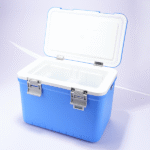
Lieferant von Eisboxen aus lebensmittelechtem Material: Ein praktischer Spezifikations- und Beschaffungsrahmen
Ein gutes Eisbox aus für den Lebensmittelkontakt geeigneten Materialien hergestellt ist, ist eines, dessen Ansprüche sich auf eine definierte Konfiguration zurückführen lassen. Käufer sollten in der Lage sein, zu erkennen, was sich auf Materialebene bewährt hat, was auf der Ebene der fertigen Box getestet wird, was zu einem kompletten Packout gehört, und was noch einer spurspezifischen Bestätigung bedarf. Diese Unterscheidung verhindert die häufigsten Beschaffungsfehler: unklare Kapazität, unbestätigte Dauer, fehlgeleitete Compliance-Ansprüche, und Muster, die nicht repräsentativ für die Massenproduktion sind.
Das praktische Ziel besteht darin, ob der Lieferant den Status des gesamten Lebensmittelkontaktartikels nachweisen kann, anstatt sich auf eine allgemeine Aussage zur „Lebensmittelqualität“ zu verlassen. Der folgende Entscheidungsrahmen stellt das nützlichste Produkt zusammen, technisch, Einhaltung, operativ, und Kaufüberlegungen, während alle Leistungsaussagen an die Bedingungen geknüpft sind, die sie tatsächlich unterstützen.
Aus einer vagen Anfrage eine testbare Spezifikation machen
Betrachten Sie diese typische Situation: Ein Käufer von Tiefkühlkost erhält eine Schalenharz-Deklaration, aber keine Informationen über das farbige Masterbatch, Abflussdichtung, bedrucktes Etikett, oder Klebstoff, der im Kontaktbereich verwendet wird. Die erste Antwort sollte nicht darin bestehen, eine Kataloggröße auszuwählen. Das Team sollte die Nutzlast messen, Erstellen Sie das vorgeschlagene Packout, die Route kartieren, und beobachten Sie, wie Benutzer heben, sicher, offen, sauber, und die Box zurückschicken. Dadurch entsteht eine gemeinsame Aufzeichnung der tatsächlichen Einschränkungen. In der endgültigen Entscheidung, Geben Sie in der Lieferantenantwort die geltenden Bedingungen für die Überprüfung von Lebensmittelkontaktmaterialien an.
Von dort, Der Käufer sollte statt eines langen Katalogs zwei oder drei kontrollierte Alternativen anfordern. Eine Option könnte einem geringeren Gewicht Vorrang einräumen, eine weitere wiederholte Haltbarkeit, und ein weiterer höherer Wärmewiderstand oder mehr nutzbares Volumen. Bei jeder Option sollte aufgeführt sein, was enthalten ist, Welche Beweise gibt es?, was noch getestet werden muss, und welche Betriebsänderungen es erfordert. Das Team kann dann Kompromisse vergleichen, anstatt über isolierte Funktionen zu streiten. In der endgültigen Entscheidung, Lösen Sie diesen Punkt für die Überprüfung des Lebensmittelkontaktmaterials vor der thermischen Qualifizierung.
Vervollständigen Sie die Sequenz durch ein technisches Beispiel, Packout-Testversion, Pilotproduktion, und formelle Freilassung. Zeichnen Sie Dimensionsmessungen auf und verarbeiten Sie Beobachtungen, nicht nur Fotos. Für temperaturempfindliche Anwendungen, Bestätigen Sie die vollständige Paketierung unter einem entsprechenden Profil und legen Sie fest, wie Ausflüge abgewickelt werden. Das Ergebnis ist eine beweis- und arbeitsablauforientierte Beschaffungsentscheidung, nicht auf ein Versprechen, das später nicht reproduziert werden kann. Vor der endgültigen Veröffentlichung, Geben Sie in der Lieferantenantwort die geltenden Bedingungen für die Überprüfung von Lebensmittelkontaktmaterialien an.
Beginnen Sie mit der Ladung, Route, und Übergabepunkte
Die erste Spezifikation sollte die Betriebsaufgabe beschreiben: Lagern oder transportieren Sie verpackte oder unverpackte Lebensmittel in einem Behälter, dessen Materialien für den vorgesehenen Kontakt geeignet sind, Zeit, Temperatur, Lebensmitteltyp, und Reinigungsbedingungen. Es sollte die Benutzer identifizieren, der Ladeort, der Empfangsort, die erwarteten Übergaben, und der Moment, in dem sich die Temperaturverantwortung ändert. Dies verhindert, dass der Anbieter Unbekannte mit Annahmen füllt. Es ermöglicht auch Operationen, Qualität, und Beschaffungsteams können die gleiche Anforderung überprüfen, anstatt separate informelle Versionen zu verwalten.
Die Definition der Nutzlast erfordert mehr Details als ein Gewicht oder ein Nennvolumen. Die geplante Beladung kann Trockenfutter umfassen, fetthaltige Lebensmittel, saure Lebensmittel, Milchprodukte, Meeresfrüchte, Getränke, Zubereitete Mahlzeiten, oder versiegelte Packungen, jeweils mit unterschiedlichen möglichen Kontaktbedingungen. Notieren Sie die Abmessungen des Primärpakets, Orientierungsgrenzen, Anzahl der Einheiten, thermischer Zustand beim Verpacken, Kopfspace, fragile Bereiche, und ob die Last vom Kühlmittel getrennt bleiben muss. Ein ausreichend groß erscheinender Hohlraum kann bei enger Öffnung unbrauchbar werden, Ecken sind stark abgerundet, oder ein Korb und eine Trennwand nehmen die kritischen Abmessungen ein. Beim Produktionsstart, Bestätigen Sie vor dem Kauf den Beweisumfang für die Lebensmittelkontaktmaterialprüfung.
Ebenso wichtig ist die Routenplanung. Für den Fabrikumschlag, Kühlräume, Kühlfahrzeuge, Catering-Routen, Fischereinutzung, und wiederholtes Waschen, bei dem die chemische und physikalische Belastung unterschiedlich ist, Beachten Sie die geplante Transitzeit, wahrscheinliche Verzögerung, Staging-Temperatur, direkte Sonne, Luftzirkulation im Fahrzeug, wiederholtes Öffnen, Übertragung zwischen Trägern, und Eingangskontrolle. Diese Eingaben allein führen nicht zu einer garantierten Haltezeit, Sie definieren jedoch die Bedingungen, die ein Lieferant oder ein Prüflabor reproduzieren muss. Ohne sie, Ein Angebot kann sich nur auf eine generische Box beziehen, kein verlässlicher Verteilungsprozess. In der endgültigen Entscheidung, Bestätigen Sie, dass die Produktionskontrollen diesen Punkt für die Überprüfung von Lebensmittelkontaktmaterialien berücksichtigen.
Verwandeln Sie eine Komponente nicht in ein universelles Leistungsversprechen
Die aus für den Lebensmittelkontakt geeigneten Materialien hergestellte Eisbox bietet eine Barriere gegen den Wärmefluss und eine schützende Hülle. Es erzeugt selbst keine kontrollierte Temperatur. Die passive Leistung hängt von der Isolierung ab, Kühlmitteltyp und Konditionierung, Kühlmittelmasse, Nutzlastmasse, Produktstarttemperatur, interne Anordnung, Umgebungsprofil, Öffnungsverhalten, und Akzeptanzkriterien. Eine Änderung an einem dieser Punkte kann zu veränderten Ergebnissen führen, selbst wenn die äußere Box unverändert bleibt. In der endgültigen Entscheidung, Nehmen Sie diese Anforderung für die Überprüfung von Lebensmittelkontaktmaterialien in die Empfangscheckliste auf.
Diese Unterscheidung ist besonders wichtig für Lebensmittel, pharmazeutisch, Impfstoff, und klinische Studienanwendungen. Eine Materialdeklaration kann zeigen, dass ein Bauteil für eine vorgesehene Kontaktbedingung geeignet ist. Ein Strukturtest kann zeigen, dass ein Griff oder Schlitz einer definierten Belastung standhält. Ein thermischer Bericht kann zeigen, wie sich ein Packout unter einem Profil verhält. Eine Streckenqualifizierung kann dann die Betriebsspur beurteilen. Diese Dokumente beantworten unterschiedliche Fragen und sollten nicht untereinander ersetzt werden. In der endgültigen Entscheidung, Geben Sie in der Lieferantenantwort die geltenden Bedingungen für die Überprüfung von Lebensmittelkontaktmaterialien an.
Bitten Sie den Lieferanten, jeden Leistungsanspruch bei seiner Konfiguration anzugeben. Wenn der Lieferant diesen Kontext nicht bereitstellen kann, Betrachten Sie den Anspruch lediglich als Screening-Indikator. In der Erklärung sollten die Boxgröße und die Revision angegeben werden, Nutzlast, Kühlmittel, Konditionierung, Ladediagramm, Monitorposition, Umgebungsprofil, Dauer, und Akzeptanzbereich. Das nützliche Ergebnis besteht darin, nicht für jedes erste Gespräch einen Laborbericht zu verlangen, sondern um zu verhindern, dass eine nicht unterstützte Überschrift zu einer Kaufspezifikation wird. Vor der endgültigen Veröffentlichung, Nehmen Sie diese Anforderung für die Überprüfung von Lebensmittelkontaktmaterialien in die Empfangscheckliste auf.
Von der Polymerqualität bis zur fertigen isolierten Baugruppe
Eine typische Isolierbox kann HDPE kombinieren, Pp, geschäumte Polymere, Elastomere, Beschichtungen, Klebstoffe, Farbstoffe, und isolierte Baugruppen, die als vollständige Konstruktion für den vorgesehenen Verwendungszweck bewertet werden. Die äußere Struktur schützt vor Stößen und bietet Befestigungspunkte. Die Isolierung verlangsamt die Leitung und Konvektion. Das Deckelgelenk, Abfluss, Umgang mit Chefs, Verbindungselemente, und Plattenkanten können Wärmebrücken oder Leckagepfade bilden. Aus diesem Grund, Ein Materialname allein sagt noch nichts über die Leistung aus. Zwei aus demselben Nennpolymer hergestellte Kästen können sich aufgrund der Wandstärke unterschiedlich verhalten, Schaumqualität, Geometrie, und Montage. Vor der endgültigen Veröffentlichung, Weisen Sie einen Eigentümer und eine Akzeptanzmethode für die Überprüfung von Materialien mit Lebensmittelkontakt zu.
Gemeinsame Optionen bringen unterschiedliche Kompromisse mit sich. Harte Polymerschalen können reinigbar und langlebig sein, Sie erhöhen jedoch das Gewicht und erfordern eine kontrollierte Formung. EPP kann ein Leichtgewicht sein, belastbare Struktur für wiederholte Handhabung, während freiliegende Schaumstoffoberflächen möglicherweise eine sorgfältige Hygiene- und Schadensprüfung erfordern. EPS kann für den geschützten Einweggebrauch kostengünstig sein, kann jedoch bei wiederholter grober Handhabung abplatzen. PU-Schaum kann innerhalb einer Schale für eine starre Isolierung sorgen. Vakuumisolierte Paneele können die Wärmeübertragung über große Flächen reduzieren, aber Randeffekte, Pannenschutz, und Fertigungskontrolle werden von entscheidender Bedeutung. In der endgültigen Entscheidung, Überprüfen Sie diesen Punkt an repräsentativen Einheiten, die für die Überprüfung von Materialien mit Lebensmittelkontakt verwendet werden.
Die Materialspezifikation sollte die beabsichtigten Risiken identifizieren: materielle Identität, Chargenrückverfolgbarkeit, Pigmentkontrolle, Geruch und Aussehen, Oberflächenbeschaffenheit, Schweiß- oder Formfehler, Zusammensetzung der Dichtung, und kontrollierte Substitutionen. Es sollte die Qualität des Basisharzes oder -schaums steuern, Pigmente, Zusatzstoffe, Dichtungsmaterial, Klebstoffe, Hardware, und jegliche Innenbeschichtung oder Beschriftung. Wenn Auswechslungen erlaubt sind, Definieren Sie den Genehmigungsnachweis. Ansonsten, Eine Produktionsänderung, die kommerziell unbedeutend erscheint, kann den Lebensmittelkontaktstatus verändern, Geruch, Flexibilität, Wärmeleitfähigkeit, fit, oder langfristige Haltbarkeit. In der endgültigen Entscheidung, Nehmen Sie diesen Grenzwert in die Betriebsanleitung für die Überprüfung von Lebensmittelkontaktmaterialien auf.
Erstellen Sie eine Beweiskarte, anstatt Abzeichen zu sammeln
Der relevante Nachweis hängt von den von der FDA zugelassenen Lebensmittelkontaktstoffen und den Verwendungsbedingungen für die Vereinigten Staaten ab, oder der EU-Rahmen für Lebensmittelkontaktmaterialien und GMP, wenn Produkte auf den europäischen Markt gebracht werden. In der Europäischen Union, Lebensmittelkontaktmaterialien, die in Verkehr gebracht werden, fallen unter die Rahmenverordnung und die Anforderungen der guten Herstellungspraxis, mit zusätzlichen Regelungen für bestimmte Materialgruppen. In den Vereinigten Staaten, Der Lebensmittelkontaktstatus ist an zugelassene Stoffe und die vorgesehenen Verwendungsbedingungen gebunden, einschließlich Lebensmittelart und Temperatur. Eine allgemeine Erklärung, dass ein Kunststoff „lebensmittelecht“ ist, ist daher nur ein Ausgangspunkt. Zur Lieferantenfreigabe, Nehmen Sie diesen Grenzwert in die Betriebsanleitung für die Überprüfung von Lebensmittelkontaktmaterialien auf.
Medizinische und pharmazeutische Anwendungen fügen eine weitere Ebene hinzu. Produktkennzeichnung und Sponsor- oder Qualitätsverfahren definieren den erforderlichen Zustand. BIP, GCP, Impfberatung, Luftfrachtregeln, Je nach Sendung können nationale oder nationale Programmvorgaben gelten. Die Box ist nicht nur deshalb konform, weil ihr Polymer für den Kontakt mit Lebensmitteln geeignet ist oder weil sie wiederverwendbar ist. Für den gesamten Vorgang sind möglicherweise qualifizierte Verpackungsanweisungen erforderlich, kalibrierte Überwachung, Abweichungsbehandlung, Ausbildung, und dokumentierte Produktkette. Zur Lieferantenfreigabe, Lösen Sie diesen Punkt für die Überprüfung des Lebensmittelkontaktmaterials vor der thermischen Qualifizierung.
Erstellen Sie eine Beweiskarte mit vier Spalten: beanspruchen, Objekt, Zustand, und Dokument. Zum Beispiel, Ein Materialanspruch bezieht sich auf ein benanntes Harz und einen beabsichtigten Verwendungszweck; Ein Strukturanspruch gehört zu einem fertigen Design und einer Lastmethode; Ein thermischer Anspruch gehört zu einer vollständigen Konfiguration und einem vollständigen Profil; Ein Routenanspruch gehört zu einer Betriebsspur. Diese Karte deckt Lücken auf und verhindert, dass ein Zertifikat über seinen Geltungsbereich hinaus ausgedehnt wird. Zur Lieferantenfreigabe, Bestätigen Sie vor dem Kauf den Beweisumfang für die Lebensmittelkontaktmaterialprüfung.
Empfang, Reinigung, Inspektion, und Rückgabe sind Produktanforderungen
Eine Kiste bewegt sich durch Menschen und Orte, nicht nur durch eine Wärmekammer. Der Betriebsplan sollte die Vorkonditionierung abdecken, Verpackung, Schließung, Beschriftung, Aktivierung überwachen, aushändigen, Empfang, Entladung, Reinigung, Trocknen, Inspektion, Lagerung, und zurück. Für den Fabrikumschlag, Kühlräume, Kühlfahrzeuge, Catering-Routen, Fischereinutzung, und wiederholtes Waschen, bei dem die chemische und physikalische Belastung unterschiedlich ist, Das größte Risiko besteht möglicherweise eher in einer Laderampe oder einer fehlgeschlagenen Lieferung als in der geplanten Fahrzeugzeit. In der endgültigen Entscheidung, Nehmen Sie diese Anforderung für die Überprüfung von Lebensmittelkontaktmaterialien in die Empfangscheckliste auf.
Anweisungen sollten visuell und konfigurationsspezifisch sein. Kühlmittelposition anzeigen, Produktorientierung, Platzierung der Teiler, Standort überwachen, Abschlusssequenz, und Ablehnungskriterien. Verwenden Sie Etiketten, die der Reinigungs- und Routenumgebung standhalten. Wenn der Kasten Abflüsse hat, Riemen, Räder, austauschbare Dichtungen, oder Seilgriffe, Prüfpunkte für diese Komponenten einschließen. Die Komplexität sollte nach Möglichkeit reduziert werden, da sich gelegentliche Benutzer lange Vorgänge nicht merken können. Vor der endgültigen Veröffentlichung, Testen Sie diese Annahme für die Überprüfung von Materialien mit Lebensmittelkontakt anhand des vorgesehenen Weges.
Empfangende Teams benötigen einen Entscheidungsweg. Sie sollten wissen, wie man das Siegel prüft, Lesen Sie den Monitor, Schäden erkennen, einen Ausflug aufzeichnen, die Nutzlast unter Quarantäne stellen, und wenden Sie sich an den zuständigen Qualitätsbeauftragten. Zurückgegebene Kartons sollten nicht automatisch wieder in die saubere Flotte aufgenommen werden. Ein einfacher Quarantäne- und Inspektionsschritt verhindert rissige Schalen, fehlende Stecker, verschmutzte Griffe, oder ein Kühlmittelwechsel führt zu einer stillschweigenden Schwächung des Systems. Beim Produktionsstart, Weisen Sie einen Eigentümer und eine Akzeptanzmethode für die Überprüfung von Materialien mit Lebensmittelkontakt zu.
Eine Release-Checkliste für die ausgewählte Konfiguration
| Tor | Frage | Beweise freigeben |
|---|---|---|
| Anwendungsfall-Gate | Ist die Nutzlast, Route, Zustand, und Abwicklungsprozess definiert? | Genehmigte Benutzeranforderung |
| Tor montieren | Passt die endgültige Verpackung mit sicherem Anheben und Verschließen?? | Verpackungszeichnung und gemessenes Muster |
| Beweistor | Sind Ansprüche an das richtige Material gebunden?, Kasten, Auspacken, oder Spur? | Beweiskarte und Testberichte |
| Qualitätstor | Kann die Produktion die genehmigte Konfiguration reproduzieren?? | Überprüfung und Inspektionsplan für Pilotlose |
| Kostentor | Es handelt sich um Angebote, die auf den gleichen Umfang und die gleiche Lieferbasis normiert sind? | Anschaffungs- und Lebenszykluskostenmodell |
| Einsatztor | Können Benutzer packen?, erhalten, sauber, überprüfen, und schicke es korrekt zurück? | Kontrollierte Anweisungen und Trainingsplan |
| Tor wechseln | Müssen Auswechslungen überprüft werden?? | Stückliste und Änderungskontrollvereinbarung |
| Bewerbungsportal | Ob der Lieferant den Status des gesamten Lebensmittelkontaktartikels nachweisen kann, anstatt sich auf eine allgemeine Aussage zur „Lebensmittelqualität“ zu verlassen | Unterzeichnete Anforderung und Liste ungelöster Annahmen |
Nutzen Sie diese Tabelle als gemeinsame Überprüfung zwischen der Beschaffung, Operationen, Maschinenbau, und Qualität. Es wandelt allgemeine Präferenzen in überprüfbare Beweise um und deckt fehlende Annahmen vor der Preisverhandlung auf. Nicht jedes Projekt benötigt die gleiche Tiefe, Aber jeder kritische Anspruch sollte einen Eigentümer und eine definierte Möglichkeit haben, ihn zu überprüfen. Beim Produktionsstart, Nehmen Sie diesen Grenzwert in die Betriebsanleitung für die Überprüfung von Lebensmittelkontaktmaterialien auf.
Normalisieren Sie Angebote vor der Verhandlung
Die Kostenstruktur umfasst eine dokumentierte Harz- und Additivkontrolle, Rückverfolgbarkeit der Lieferanten, Migration oder andere Tests, sofern zutreffend, reinigbare Konstruktion, und Produktionstrennung. Anbieter können sehr unterschiedliche Preise angeben, obwohl alle scheinbar die gleiche Größe anbieten. Unterschiede können durch die Dämmstärke bedingt sein, Materialqualität, Verfahren, Hardware, Inspektion, Verpackung, oder einfach aus ausgeschlossenen Artikeln. Für einen fairen Vergleich sind ein Konfigurationsblatt und eine kommerzielle Vergleichstabelle erforderlich.
Hilfreiche Entscheidungshilfen
Überprüfen Sie die Details, bevor Sie sich für die Verpackung entscheiden
Mit diesen schnellen Tools können Sie das Routenrisiko vergleichen, Größenanforderungen, Kühlmittelauswahl, und Verpackungsdetails, bevor Sie ein Angebot anfordern.
Routenrisiko-Prüfer
Überprüfen Sie die Fahrspurbedingungen, bevor Sie die Verpackung entsprechend den tatsächlichen Betriebsanforderungen auswählen.
Routenrisiko prüfenCompliance-Checklisten-Generator
Erstellen Sie eine praktische Checkliste für die Verpackungsüberprüfung, Versand, und Dokumentation.
Checkliste erstellenTrockeneisrechner
Schätzen Sie vor dem Verpacken den Bedarf an Trockeneis für gefrorene oder ultrakalte Sendungen.
Schätzen Sie TrockeneisTrennen Sie einmalige Kosten von wiederkehrenden Kosten. Werkzeuge, Formen, Kunstwerk, Maschinenbau, und einige Tests können einmalig oder amortisiert sein. Einheitenbau, Zubehör, Inspektion, Kartons, und Fracht wiederkehren. Dann trennen Sie die Anschaffungskosten von den Betriebskosten: Konditionierungskühlmittel, Waschen, Trocknen, Lagerung, Vermögensverfolgung, Rücktransport, Schaden, reparieren, und Ersatz. Die beste Messgröße sind möglicherweise die Kosten pro erfolgreicher Route und nicht der Kaufpreis pro Box. In der endgültigen Entscheidung, Bestätigen Sie vor dem Kauf den Beweisumfang für die Lebensmittelkontaktmaterialprüfung.
Der Güterverkehr verdient frühe Aufmerksamkeit, weil Isolierte Kisten kann sperrig sein. Außenmaße, Verschachtelung, Zusammenklappbarkeit, Kartonmenge, Palettenmuster, und die Containerbeladung kann die Gesamtkosten um mehr als einen kleinen Unterschied zum Fabrikpreis verändern. Bitten Sie Lieferanten, die gleichen Lieferbedingungen und Verpackungskonfigurationen anzugeben. Wenn Mehrwegboxen leer zurückkommen, Der umgekehrte Würfel und die Handhabungsarbeit sollten ebenfalls in das Modell einfließen. Vor der endgültigen Veröffentlichung, Erfassen Sie diesen Punkt für die Überprüfung von Lebensmittelkontaktmaterialien als kontrollierte Anforderung.
So nehmen Sie einen Hersteller in die engere Auswahl, ohne zu raten
Die zentrale Lieferantenfrage ist, ob der Lieferant den Status des gesamten Lebensmittelkontaktartikels nachweisen kann, anstatt sich auf eine allgemeine Aussage zur „Lebensmittelqualität“ zu verlassen. Ein seriöser Hersteller sollte in der Lage sein, diese Anforderung in Zeichnungen umzusetzen, Materialdefinitionen, Inspektionspunkte, und ein Testplan. Das Gespräch sollte von allgemeinen Behauptungen zu kontrollierten Details übergehen. Fragen Sie, wem die Form gehört, welche Vorgänge intern durchgeführt werden, wie kritische Komponentenlieferanten zugelassen werden, und wie die Stückliste gepflegt wird. Ein umfassender Katalog kann einen Mehrwert schaffen, aber es ist kein Beweis für die Prozesskontrolle.
Bewegen Sie sich in kontrollierten Schritten durch die Proben. Das erste Muster bestätigt grundlegende Abmessungen und Ergonomie. Ein überarbeitetes technisches Muster bestätigt Materialien, Beschläge, Etiketten, und Packout-Passform. Ein Pilotlos prüft Produktionswerkzeuge, Montage, Inspektion, Verpackung, und Variation über mehrere Einheiten hinweg. Das genehmigte goldene Muster sollte mit Zeichnungen und messbaren Akzeptanzkriterien verknüpft sein. Die Genehmigung eines speziell vorbereiteten Musters ohne diese Brücke ist eine häufige Quelle für Überraschungen bei der Massenproduktion. In der endgültigen Entscheidung, Lösen Sie diesen Punkt für die Überprüfung des Lebensmittelkontaktmaterials vor der thermischen Qualifizierung.
Die Qualitätsprüfung sollte sich auf die Materialidentität konzentrieren, Chargenrückverfolgbarkeit, Pigmentkontrolle, Geruch und Aussehen, Oberflächenbeschaffenheit, Schweiß- oder Formfehler, Zusammensetzung der Dichtung, und kontrollierte Substitutionen. Fragen Sie, wie fehlerhafte Einheiten identifiziert werden, ob Messungen aufgezeichnet werden, wie Beschwerden untersucht werden, und wie technische Änderungen kommuniziert werden. Für Programme mit hoher Kontrolle, Für Auswechslungen ist eine vorherige Genehmigung erforderlich. Für den Verbrauchergebrauch mit geringerem Risiko, Das System kann einfacher sein, aber kritische Dimensionen, Materialien, und Sicherheitsmerkmale benötigen weiterhin objektive Akzeptanzkriterien. In der endgültigen Entscheidung, Verknüpfen Sie diese Entscheidung für die Überprüfung von Lebensmittelkontaktmaterialien mit der genehmigten Zeichnung und Verpackung.
Beschaffungshinweise für die Abschlussprüfung
Für diese Eisbox aus Materialien, die für den Kontakt mit Lebensmitteln geeignet sind, Die folgenden Fragen sind wertvoller als die Frage, ob der Lieferant zuverlässig ist. Sie drängen die Diskussion auf den Verwendungszweck, messbare Spezifikationen, und Beweise. In der endgültigen Entscheidung, Nehmen Sie diese Anforderung für die Überprüfung von Lebensmittelkontaktmaterialien in die Empfangscheckliste auf.
- Freigabefrage: Kommen Lebensmittel direkt mit der Box in Kontakt?, durch einen Liner, oder nur durch versiegelte Primärverpackung?
- Freigabefrage: Welche Lebensmittelarten und Verwendungstemperaturen werden in der Lieferantendokumentation abgedeckt??
- Freigabefrage: Sind Pigmente, Dichtungen, Klebstoffe, und interne Labels, die in die Compliance-Bewertung einbezogen werden?
- Freigabefrage: Wie verhindert der Lieferant nicht genehmigte Harz- oder Additivsubstitutionen??
- Freigabefrage: Kann der Karton nach der Reinigung einer Sichtprüfung unterzogen und vollständig getrocknet werden??
- Freigabefrage: Welche Aufzeichnungen verbinden Produktionschargen mit Materialzertifikaten??
Eine vollständige Antwort kann eine Zeichnung sein, Tisch, Probe, Testplan, oder dokumentierte Einschränkung. Ein potenzieller Anbieter muss nicht jeden Abschlussbericht vor der frühen Entwicklung haben, aber es sollte in der Lage sein, anzugeben, was bekannt ist, was angenommen wird, was kann angepasst werden, und was muss getestet werden. Diese Transparenz ist ein besseres Risikosignal als eine lange Liste nicht unterstützter Zertifizierungen. Vor der endgültigen Veröffentlichung, Dokumentieren Sie die Einschränkung für die Überprüfung von Materialien mit Lebensmittelkontakt, anstatt eine universelle Eignung zu implizieren.
Material messen, Fracht, Reinigung, und Lebensdauer gemeinsam
Die relevante Nachhaltigkeitsfrage ist langlebig, reparierbar, Reinigbares Design, das eine vorzeitige Entsorgung vermeidet und gleichzeitig die Kontaktflächen bei wiederholtem Gebrauch sicher hält. Eine wiederverwendbare Box kann den Verpackungsverbrauch in einem stabilen geschlossenen Kreislauf reduzieren, aber es erfordert auch mehr Material, Reinigung, Lagerung, und Rücktransport. Auf einer verteilten Fahrspur, wo die Rücklaufquoten gering sind, kann ein leichtes Einbahnsystem vorzuziehen sein. Die Auswahl sollte anhand des Betriebsnetzwerks und nicht anhand eines einzelnen Marketingmerkmals getroffen werden.
Die richtige Dimensionierung ist oft die schnellste Verbesserung. Überschüssiges Volumen vergrößert die Isolationsfläche, Kühlmittelbedarf, Frachtwürfel, und Lagerfläche. Überdimensionierte Hardware erhöht die Masse. Unterbaute Produkte fallen frühzeitig aus und erzeugen Ersatzabfall. Ein gutes Design verwendet genügend Material an den richtigen Stellen, schützt austauschbare Verschleißteile, und ermöglicht eine Inspektion, bevor ein beschädigtes Gerät wieder in Betrieb genommen wird. Zur Lieferantenfreigabe, Erfassen Sie diesen Punkt für die Überprüfung von Lebensmittelkontaktmaterialien als kontrollierte Anforderung.
Verfolgen Sie eine kleine Reihe praktischer Indikatoren: Rücklaufquote, Fahrten pro Anlage, Schadensgrund, Waschzeit, Trocknungszeit, verlorene Komponenten, Leerer Rückgabewürfel, und Ruhestandsroute. Diese Daten zeigen, ob sich das System verbessert. Nachhaltigkeitsaussagen sollten bei Änderungen der Route aktualisiert werden. Ein Karton, der für fünfzig kontrollierte lokale Fahrten verwendet wird, hat eine andere Grundfläche als derselbe Karton, der einmal über eine internationale Route transportiert und nie zurückgegeben wurde. Beim Produktionsstart, Erfassen Sie diesen Punkt für die Überprüfung von Lebensmittelkontaktmaterialien als kontrollierte Anforderung.
Warnsignale, die Sie vor dem Kauf erkennen sollten
Die folgenden Punkte sollten vor der Werkzeugherstellung oder Massenproduktion überprüft werden. Jeder einzelne davon kann zu vermeidbarer Nacharbeit führen, wenn er bei der Lieferantenauswahl ungelöst bleibt. Beim Produktionsstart, Verbinden Sie diesen Punkt für die Überprüfung von Lebensmittelkontaktmaterialien mit einem messbaren Akzeptanzkriterium.
- Blocker freigeben: „BPA-frei“ wird als vollständiger Lebensmittelkontaktbeweis behandelt.
- Blocker freigeben: Überprüfung nur des Basispolymers.
- Blocker freigeben: Fett ignorieren, sauer, gefroren, oder wiederholte Verwendungsbedingungen.
- Blocker freigeben: vorausgesetzt, dass ein Zertifikat für Rohharz automatisch den fertigen Artikel abdeckt.
- Blocker freigeben: Verwendung rauer Aussparungen, die trotz akzeptabler Materialchemie schwer zu reinigen sind.
Eine rote Fahne ist keine automatische Ablehnung eines Lieferanten. Es sollte eine konkrete Aufklärung auslösen, Stichprobenprüfung, oder Beweisanfrage. Das praktische Ziel besteht darin, Unsicherheiten zu beseitigen, während Änderungen noch kostengünstig sind. Ein in die engere Wahl gezogener Hersteller, der mit Zeichnungen antwortet, Bedingungen, und Korrekturmaßnahmen sind nützlicher als eine, die eine allgemeine Behauptung wiederholt.
Ein einfacher interner Genehmigungsworkflow
Beim Chargeneingang, Überprüfen Sie die kontrollierte Spezifikation sowie das Erscheinungsbild. Bestätigen Sie kritische Innenmaße, Deckelverschluss, Hardware, Etiketten, Zubehör, und Verpackung entsprechend der genehmigten Spezifikation. Wählen Sie mehrere Einheiten aus verschiedenen Kartons aus. Zeichnen Sie Ergebnisse auf, damit spätere Reklamationen mit der Originalcharge und nicht mit dem Speicher oder einer einzelnen Probe verglichen werden können. Beim Produktionsstart, Nehmen Sie diese Anforderung für die Überprüfung von Lebensmittelkontaktmaterialien in die Empfangscheckliste auf.
Legen Sie im Voraus Grenzen für die Gebrauchstauglichkeit fest. Risse, deformierte Dichtungen, fehlende Stecker, ausgefranste Griffe, lose Anker, kontaminierte Oberflächen, Durchstochene Platten, oder nicht zugelassenes Kühlmittel sollte eine Quarantäne auslösen. Einige Artikel können mit kontrollierten Teilen repariert werden; andere sollten in den Ruhestand gehen. Eine klare Regelung verhindert, dass Nutzer eine sichtbar beschädigte Box weiterbenutzen, nur weil sie noch schließt. In der endgültigen Entscheidung, Testen Sie diese Annahme für die Überprüfung von Materialien mit Lebensmittelkontakt anhand des vorgesehenen Weges.
Notieren Sie genehmigte Materialänderungen, Anbieter, Schimmel, Verfahren, Abmessungen, Etiketten, Verpackung, und Auspacken. Überprüfen Sie, ob sich jede Änderung auf den Kontaktstatus auswirkt, thermischer Beweis, Strukturprüfungen, Fracht, Reinigung, oder Benutzeranweisungen. Diese Disziplin ist nicht auf regulierte Programme beschränkt. Es schützt jeden Käufer vor einer allmählichen Konfigurationsabweichung bei wiederholten Bestellungen. Vor der endgültigen Veröffentlichung, Geben Sie in der Lieferantenantwort die geltenden Bedingungen für die Überprüfung von Lebensmittelkontaktmaterialien an.
Fragen, die Käufer oft stellen
Reicht eine Eisbox aus Materialien, die für den Kontakt mit Lebensmitteln geeignet sind, aus, um die Temperatur zu kontrollieren??
NEIN. Die Box verlangsamt die Wärmeübertragung, aber das Gesamtergebnis hängt vom Kühlmittel ab, Nutzlast, Starttemperatur, Lademuster, Umgebungseinflüsse, Handhabung, und Überwachung. Jede angegebene Dauer muss die getestete Konfiguration und die Akzeptanzkriterien angeben. Für regulierte oder hochwertige Produkte, Möglicherweise ist eine zusätzliche Packout- oder Lane-Qualifizierung erforderlich. Beim Produktionsstart, Bestätigen Sie vor dem Kauf den Beweisumfang für die Lebensmittelkontaktmaterialprüfung.
Was bedeutet Lebensmittelqualität für eine Eisbox??
Die sinnvolle Frage ist, ob jede relevante Komponente für die vorgesehene Lebensmittelart geeignet ist, Kontaktzustand, Temperatur, und Dauer gemäß den Regeln des Zielmarktes. Ein Basisharz-Zertifikat oder eine BPA-Freiheitserklärung deckt Pigmente nicht automatisch ab, Dichtungen, Klebstoffe, Etiketten, oder der fertige Artikel. In der endgültigen Entscheidung, Vergleichen Sie den Punkt für die Überprüfung des Lebensmittelkontaktmaterials mit der tatsächlichen Nutzlast.
Kann für jede Route ein Labor-Haltezeitergebnis verwendet werden??
NEIN, nicht als allgemeingültige Regel. Für das getestete Umgebungsprofil gilt ein Laborergebnis, Nutzlast, Kühlmittel, Positionen überwachen, und Akzeptanzbereich. Es kann die Routenplanung unterstützen, aber erhebliche Unterschiede in der Verzögerung, direkte Sonne, Öffnungshäufigkeit, Fahrzeugbedingungen, oder Nutzlast erfordern möglicherweise eine weitere Beurteilung oder Qualifizierung. In der endgültigen Entscheidung, Geben Sie in der Lieferantenantwort die geltenden Bedingungen für die Überprüfung von Lebensmittelkontaktmaterialien an.
Was ist der beste Erstmustertest??
Verwenden Sie „Physical Fit“ als ersten Beispielanschnitt. Laden Sie die tatsächliche Nutzlast, Kühlmittel, Teiler, Monitor, Etiketten, und Zubehör. Verschluss prüfen, Heben, Zugang, Reinigung, und Packzeit. Sobald die physische Konfiguration stabil ist, Thermische und strukturelle Tests werden aussagekräftiger und die Wahrscheinlichkeit einer Wiederholung nach einer Designänderung ist geringer. Beim Produktionsstart, Nehmen Sie diese Anforderung für die Überprüfung von Lebensmittelkontaktmaterialien in die Empfangscheckliste auf.
Wie sollten Einkäufer mit Produktionsänderungen umgehen??
In der genehmigten Stückliste sollte jedes kritische Material aufgeführt sein, Dimension, und Komponente. Fordern Sie den Hersteller auf, Änderungen vor der Implementierung mitzuteilen und Nachweise zur Überprüfung vorzulegen. Änderungen an der Isolierung, Kühlmittel, Dichtungen, Pigmente, Etiketten, Griffe, oder der Herstellungsprozess können die Passform beeinflussen, Kontaktstatus, Haltbarkeit, oder qualifizierte Leistung. Zur Lieferantenfreigabe, Überprüfen Sie diesen Punkt an repräsentativen Einheiten, die für die Überprüfung von Materialien mit Lebensmittelkontakt verwendet werden.
Endgültige Kaufperspektive
Die endgültige Auswahl für lebensmitteltaugliches Material Lieferant von Eisboxen sollte sechs Prüfungen bestehen: Anwendungsfall passend, nutzbare Kapazität, Beweis, Produktionskonsistenz, einfache Bedienung, und Gesamtkosten. Ein Lieferant, der Annahmen angibt, Einschränkungen für Dokumente, und die Pilotverifizierung unterstützt, ist wertvoller als eine, die universelle Ansprüche bietet. Geben Sie den Auftrag erst frei, wenn die Konfiguration und die Verantwortlichkeiten klar genug sind, dass eine Wiederholung möglich ist.
Über Tempk
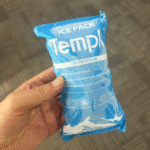
Tempk, eine Marke von Shanghai Tempk Industrial Co., Ltd., funktioniert passiv Kühlkettenverpackung Kategorien wie Kühlmittelpakete, starre PCM-Steine, Isoliertaschen, EPP-Behälter, medizinische Kühlboxen, Liner, und Thermoabdeckungen. Seine Rolle bei einem Box-Projekt besteht darin, dabei zu helfen, Routen- und Nutzlastanforderungen in eine praktische Produkt- und Verpackungsrichtung umzusetzen. Endgültige Abmessungen, Materialien, Zubehör, Testbedingungen, und Dokumentation sollten vor der Produktion in einer kontrollierten Spezifikation vereinbart werden. In der endgültigen Entscheidung, Testen Sie diese Annahme für die Überprüfung von Materialien mit Lebensmittelkontakt anhand des vorgesehenen Weges.
Nächster Schritt
Vor der endgültigen Lieferantenauswahl, Teilen Sie die Lebensmittelart, Direktkontaktbedingung, Temperatur, Reinigungsprozess, und Zielmarkt, damit Tempk das geeignete Material- und Dokumentenpaket besprechen kann.