Hersteller von Chemikalien für Gel-Kühlbatterien: praktische Lieferantenauswahl für Kühlketteneinkäufer
Eine praktische Entscheidung über Gel-Kühlbatterie Der Chemiehersteller beginnt mit dem Produkt und der Spur, nicht das Katalogfoto. Gel Kühlakkus für batteriebezogene Chemikalien und temperaturempfindliche Industriematerialien können bei Batteriematerialien nützlich sein, Spezialchemikalien, und industrielle Kühlkettenprogramme, aber nur bei der Packungsgröße, Film, füllen, Konditionierungsmethode, Isolierung, und Abwicklungsplan mit der von Ihnen tatsächlich durchgeführten Sendung übereinstimmen.
Dieser Artikel konzentriert sich auf die Auswahl eines Lieferanten, Was Sie vor einer Großbestellung überprüfen sollten, und wo ein Gelpack ersetzt oder durch ein anderes Temperaturkontrolldesign unterstützt werden sollte. Der entscheidende Unterschied besteht darin, ob Sie eine Sendung kühlen oder ein Batteriesystem konstruieren.
Schnelle Antwort für Käufer
Wählen Sie Gel-Kühlakkus für batteriebezogene Chemikalien und temperaturempfindliche Industriematerialien erst, nachdem Sie die Produktempfindlichkeit definiert haben, Streckenbelichtung, nutzbarer Raum, Konditionierungsschritte, und Nachweisanforderungen. Ein zuverlässiger Lieferant sollte Ihnen beim Mustervergleich helfen, Fertigungstoleranzen bestätigen, Erläutern Sie die Leckagekontrolle, und vermeiden Sie übertriebene Leistungsversprechen, die von Ihrem genauen Versender und Ihrer Route abhängen.
Legen Sie die Grenze fest, bevor Sie Lieferanten vergleichen
Ein häufiger Beschaffungsfehler besteht darin, jeden kalten Artikel in der Box als Temperaturkontrolllösung zu behandeln. Gel-Kühlakkus für batteriebezogene Chemikalien und temperaturempfindliche Industriematerialien sorgen für Kühlkapazität, Sie erstellen jedoch selbst keine qualifizierte Spur. Das Gesamtergebnis ergibt sich aus der Kombination des Kühlmittels, Verladerisolierung, Produktmasse, Hohlraumfüllung, Lademuster, Vorkonditionierung, Transportzeit, Umgebungseinflüsse, und Empfangsverfahren.
Diese Unterscheidung ist für Hersteller von Batteriechemikalien wichtig, Industrieverpackungsingenieure, Chemielogistikteams, und Beschaffungsmanager, die mit temperaturempfindlichen Materialien umgehen. Wenn Ihr Käufer nur nach einer Packungsgröße und einem Preis fragt, Das Zitat mag einfach aussehen, Das Betriebsrisiko bleibt jedoch verborgen. Wenn Ihr Käufer zuerst den Anwendungsfall definiert, Der Lieferant kann ein Format empfehlen, das das Produkt unterstützt, anstatt nur einer Dimension zu entsprechen.
Die sicherste Kurzbeschreibung beschreibt die Produktkategorie, Zielbereich, minimale und maximale erwartete Transitzeit, Übergabepunkte, Kartonlayout, und jede Einschränkung des direkten Kontakts. Es sollte auch angegeben werden, ob das Paket für den Einwegversand vorgesehen ist, Wiederverwendung im geschlossenen Kreislauf, Bausatzmontage, oder Händlerbestand. Ein Gel-Kühlakku neutralisiert keine chemischen Gefahren, Gefahrgutverpackungen ersetzen, oder als Komponente für das Wärmemanagement der Batterie dienen, es sei denn, sie wurde speziell für diesen Zweck entwickelt und dokumentiert.
Batteriechemische Routen erfordern eine gesonderte Sicherheitsüberprüfung
Batteriebezogene Chemikalientransporte können produktspezifische Gefahren bergen, Umgangsregeln, und Dokumentation, die über das Übliche hinausgehen Kühlkettenverpackung. Eine Gelpackung kann dabei helfen, die Temperatur rund um ein verpacktes Material zu regulieren, Es ändert jedoch nichts an der Chemikalienklassifizierung und beseitigt auch nicht die Notwendigkeit einer konformen Primär- und Sekundärverpackung.
Die Beschaffung sollte den Produktbesitzer einbeziehen, Gefahrgut- oder EHS-Team, und Logistikdienstleister, bevor Sie in großem Umfang bestellen. Der Lieferant kann die Kühlmittelpassung und das Packout-Design unterstützen, Es sollte jedoch nicht verlangt werden, unbegründete Behauptungen über die chemische Verträglichkeit oder die Transportklassifizierung aufzustellen.
Passen Sie das Gelpack an die Strecke an, die Sie tatsächlich befahren
Ein Hersteller, der chemische Proben im Pilotmaßstab an ein Evaluierungslabor schickt, benötigt möglicherweise eine passive Kühlverpackung und muss gleichzeitig die chemische Verpackung beachten, Beschriftung, und Dokumentationspflichten. In dieser Situation, Das Lieferantengespräch sollte sich nicht darauf beschränken, ob die Gelpackung wiederverwendbar oder bedruckbar ist. Der Käufer sollte sich erkundigen, wie das Paket um die Nutzlast herum sitzt, ob dadurch Druckstellen entstehen, Wie viel nutzbarer Innenraum bleibt übrig?, und ob die Zubereitungsmethode in Spitzenzeiten vom Lagerpersonal wiederholt werden kann.
Die Streckenlänge ist nur ein Teil des Bildes. Eine kurze Route mit einer langen Wartezeit an der Laderampe kann riskanter sein als eine längere Route, bei der man in kontrollierten Fahrzeugen bleibt. Dieselbe Packung kann sich unterschiedlich verhalten, wenn sie an einen Produktkarton gelegt wird, durch einen Teiler getrennt, oberhalb der Nutzlast verpackt, oder rund um den Versender verteilt werden.
Für temperaturempfindliche Zusatzstoffe, Batteriechemikalien im Labormaßstab, Mustersendungen, Sendungen mit thermischer Risikoprüfung, und isolierte Handhabungsprogramme für Chemikalien, die eine kontrollierte Lagerung oder einen kontrollierten Transport erfordern, Der Product Owner sollte definieren, was inakzeptabel ist: Erwärmung über einen Grenzwert hinaus, Einfrieren, Schäden durch Kondenswasser, Etikettenverlust, Beutelleckage, zerdrückte Kartons, Geruchsübertragung, oder fehlender Nachweis nach der Lieferung. Sobald diese Fehlermodi benannt sind, Ein Lieferant kann einen Verpackungsstil und eine Verpackung mit einem viel klareren Zweck empfehlen.
Einkäufer-Checkliste zum Lieferantenvergleich
| Was zu überprüfen | Warum ist es wichtig | Käuferfrage |
|---|---|---|
| Erforderlicher Temperaturbereich | Das Kühlmittel sollte die Produktanforderung unterstützen, kein angenommener allgemeiner Kältebereich. | Welchen Temperaturbereich gibt der Produktbesitzer an?, und welche Ausflugsgrenzen gelten? |
| Routendauer und Exposition | Verzögerungen bei der Übergabe, Laderampen, Verweildauer des Kuriers, und heiße Fahrzeuge stellen oft die eigentliche Gefahr dar. | Welcher Teil der Route ist unkontrolliert?, und wie lange kann der Versender dort warten? |
| Nutzlast und Nutzvolumen | Ein Kühlmittel, das auf dem Papier stark aussieht, verdrängt möglicherweise zu viel verkaufsfähige oder klinische Nutzlast. | Passt die Verpackung noch zum Produkt?, Pufferplatz, und jede sekundäre Eindämmung? |
| Konditionierungsanleitung | Falsches Einfrieren oder Konditionieren kann zu Unterkühlung führen, Oberflächengefrieren, oder schlechte thermische Leistung. | Kann das Lagerpersonal den Vorbereitungsprozess ohne besondere Interpretation wiederholen?? |
| Dokumentation und Chargenkontrolle | Qualitätsteams benötigen möglicherweise Rückverfolgbarkeit, Mustergenehmigungsunterlagen, und Change-Control-Kommunikation. | Kann der Lieferant Musterspezifikationen aufbewahren?, Produktionsspezifikationen, und Versandetiketten ausgerichtet? |
| Dichtheits- und Hygienekontrollen | Ein kleines Leck kann die Etiketten beschädigen, Kartons, Diagnosedokumente, oder Verbraucherverpackungen. | Welche Inspektionsmethode wird verwendet?, und wie wird mit fehlerhaften Packungen umgegangen?? |
Die Tabelle ist nicht als Ersatz für Tests oder Qualitätsprüfungen gedacht. Es hilft Herstellern von Batteriechemikalien, Industrieverpackungsingenieure, Chemielogistikteams, und Beschaffungsmanager, die mit temperaturempfindlichen Materialien umgehen, verwandeln eine umfassende Beschaffungsanfrage in eine brauchbare Lieferantenbeschreibung. Wenn ein Lieferant diese Fragen nicht klar beantworten kann, Der Käufer kann dennoch ein kostengünstiges Kühlmittel erwerben, Das Betriebsrisiko verbleibt jedoch beim Eigentümer der Sendung.
Für Massenbestellungen, Dieselbe Checkliste sollte nach der Musterfreigabe erneut verwendet werden. Eine Produktionseinheit muss in den Details, die die Passform beeinflussen, mit dem genehmigten Muster übereinstimmen, Einfrieren, Leckage, und Umgang mit dem Personal. Ein kleiner Unterschied in der Beutelgröße oder der Kartonverpackung kann im Endvorgang zu einem echten Beladungsproblem führen.
Die Entscheidungsregel: Beweisen Sie den Schwachpunkt, nicht der einfache Punkt
Viele Auswertungen beweisen, was ohnehin leicht zu beweisen ist: die Packung friert ein, Der Beutel ist bedruckbar, oder der Stückpreis entspricht dem Ziel. Die bessere Bewertung konzentriert sich auf die Schwachstelle der Sendung. Das könnte eine heiße Laderampe sein, ein gefrierempfindliches Produkt, ein kleiner Bausatz ohne Leerraum, eine wiederverwendbare Route mit schlechter Rückkehrkontrolle, oder ein Lagerteam, das Packungen nicht konsistent konditionieren kann.
Sobald die Schwachstelle bekannt ist, Das Lieferantengespräch wird präziser. Der Käufer kann eine andere Packungsgeometrie verlangen, eine Barriereschicht, ein starrer Ziegelstein, eine strengere Probenspezifikation, oder eine vorsichtigere Packout-Empfehlung. So wird aus dem einfachen Kauf eines Gelpacks eine kontrollierte Beschaffungsentscheidung für die Kühlkette.
Fordern Sie Beweise in einer Form an, die Ihr Qualitätsteam verwenden kann
Für das Gesundheitswesen, Labor, und Biotech-Transporte, Käufer sollten eine Lieferantenreklamation von einer dokumentierten Verpackungsentscheidung trennen. Das CDC warnt davor, dass es eingefroren ist Gelpackungen kann beim gekühlten Impfstofftransport immer noch ein Gefrierrisiko darstellen, und es behandelt den routinemäßigen Impfstofftransport als einen geplanten Prozess mit geeigneten Behältern, Kühlmittel, Überwachung, und Personalverfahren. Dieses Prinzip ist auch dann nützlich, wenn es in dem Artikel nicht um Impfstoffe geht: Die Auswahl eines Kühlmittels muss anhand der tatsächlichen Empfindlichkeit des Produkts überprüft werden.
Für den EU-Arzneimittelvertrieb, Die GDP-Richtlinien legen Wert darauf, die erforderlichen Lagerbedingungen während des Transports innerhalb der vom Hersteller oder der Außenverpackung angegebenen Grenzen einzuhalten. Außerdem wird auf geeignete Fahrzeuge und Geräte hingewiesen, Risikobewertung der Route, und kalibrierte Überwachung, wenn eine Temperaturkontrolle erforderlich ist. Dies bedeutet nicht, dass für jede Gelpackung die gleiche Dokumentation erforderlich ist; Dies bedeutet, dass der Käufer wissen sollte, wann ein einfaches handelsübliches Kühlmittel nicht ausreicht.
Luftfracht fügt eine weitere Ebene hinzu, wenn Gesundheitstransporte als zeit- und temperaturempfindlich gebucht werden. In den IATA-Leitlinien für Gesundheitsfracht werden Temperaturmanagementanforderungen und das zeit- und temperaturempfindliche Etikett für entsprechende Sendungen aufgeführt. Der Verpackungslieferant darf den Airline-Prozess nicht kontrollieren, aber es sollte das Packout verstehen, Beschriftung, und Dokumentationsentscheidungen müssen zum Logistikweg passen.
Referenzen zu thermischen Tests wie ISTA 7E können beim Vergleich helfen Isolierte Versandbehälter unter standardisierten Profilen. Sie sollten nicht als Garantie dafür angesehen werden, dass ein Packout auf jeder Route funktioniert. Nutzen Sie sie als Teil eines praktischen Beweispakets neben den Produktanforderungen, Spurbelichtung, Nutzlastanordnung, und Akzeptanzkriterien.
Hilfreiche Entscheidungshilfen
Überprüfen Sie die Details, bevor Sie sich für die Verpackung entscheiden
Mit diesen schnellen Tools können Sie das Routenrisiko vergleichen, Größenanforderungen, Kühlmittelauswahl, und Verpackungsdetails, bevor Sie ein Angebot anfordern.
Trockeneisrechner
Schätzen Sie vor dem Verpacken den Bedarf an Trockeneis für gefrorene oder ultrakalte Sendungen.
Schätzen Sie TrockeneisKühlmittel & PCM-Referenz
Vergleichen Sie Kühlmittel- und PCM-Optionen, wenn eine Route zusätzliche Temperaturunterstützung benötigt.
Vergleichen Sie OptionenKühlakku-Rechner
Schätzen Sie die Menge an Gel-Eisbeuteln für gekühlte Sendungen und nutzen Sie die praktische Routenplanung.
Schätzen Sie EisbeutelWas Sie vor der Skalierung von der Musterbestellung zur Großbestellung bestätigen müssen
Eine nützliche Lieferantendiskussion für einen Hersteller von Gel-Kühlbatteriechemikalien beginnt mit Anwendungshinweisen, nicht nur Stückpreis. Fragen Sie nach, ob der Lieferant die genehmigten Maße einhalten kann, füllen, Film, Farbe, Drucken, Kartonverpackung, und Kennzeichnung konsistent. Fragen Sie, was passiert, wenn ein Material, Beutelstruktur, oder Änderungen der Verpackungsmethode nach Genehmigung. Für chemische Kompatibilität, sekundäre Eindämmung, Leckgefahr, Sauberkeit der Verpackung, Kühlmittelaufbereitung, regulatorische Klassifizierung, und Trennung zwischen Kühlmittel- und Primärbehältern, Veränderungskommunikation ist Teil der Produktqualität.
Die Proben sollten in der endgültigen Verpackung überprüft werden, nicht nur auf einem Schreibtisch. Frieren Sie die Packung ein oder konditionieren Sie sie, wie es das Lagerpersonal tun würde. Beladen Sie es mit der echten Nutzlast oder einer repräsentativen Dummy-Last. Prüfen Sie, ob der Karton richtig schließt, ob sich die Nutzlast verschiebt, ob Etiketten trocken bleiben, und ob das Rudel lokalen Druck erzeugt. Wenn während eines Versuchs ein Temperaturlogger verwendet wird, Platzieren Sie es an einem Ort, den Ihr Qualitätsteam später erklären kann.
Im Massenangebot sollte festgelegt werden, was enthalten ist. Käufer vergleichen häufig Preise und übersehen dabei die Druckkosten, Innentaschen, Hauptkartons, Palettierung, Dokumentation, Private-Label-Anforderungen, Inspektionsstandards, oder Sonderverpackung. Ein niedriges Angebot, das diese Details ausschließt, kann nach Korrekturen teurer sein, nacharbeiten, oder beschädigte Kundensendungen.
Für Vertriebsprogramme, Die beste Produktlinie ist in der Regel nicht diejenige mit der größten Anzahl an Packungsgrößen. Es ist diejenige, die die meisten wiederkehrenden Kundenrouten mit der geringsten Verwirrung abdeckt. Durch die Standardisierung von Größen kann die Bestandskontrolle verbessert werden, aber nur, wenn diese Größen mit den üblichen Nutzlasten verglichen wurden, Boxen, und Temperaturerwartungen der Kunden des Händlers.
Häufige Fehler, die vor der Kaufgenehmigung beseitigt werden müssen
Die meisten Fehler werden nicht dadurch verursacht, dass das Wort „Gel“ falsch ist. Sie sind auf ein Missverhältnis zwischen Gel-Kühlakkus für batteriebezogene Chemikalien und temperaturempfindlichen Industriematerialien zurückzuführen, das Paket, die Route, und die Leute, die die Sendung vorbereiten. Es lohnt sich, die folgenden Risiken zu prüfen, bevor ein Käufer einen neuen Lieferanten genehmigt oder von einem Verpackungsformat auf ein anderes wechselt.
| Risiko | Warum es passiert | Verhütung |
|---|---|---|
| Direkter Kontakt mit frostempfindlicher Nutzlast | Gefrorenes Kühlmittel kann lokale Oberflächen überkühlen, selbst wenn die durchschnittliche Kastentemperatur akzeptabel erscheint. | Nutzen Sie Trennung, Passformprüfung, Konditionierung, oder bei Bedarf ein besser geeignetes PCM. |
| Auswahl nur nach Packungsgewicht | Mehr Kühlmittel kann den Nutzlastraum verringern und zu kalten Stellen führen, ohne dass die Route freigelegt wird. | Masse bewerten, Geometrie, Isolierung, und Streckenprofil zusammen. |
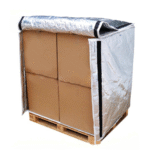
| Ignorieren von Karton- und Palettenverpackungen | Großeinheiten, die komprimiert ankommen, nass, oder schwer einzufrieren, führen zu Lagerproblemen. | Bestätigen Sie das Layout des Hauptkartons, Palettenhandling, und Gefrierluftstrom. |
| Vorausgesetzt, es gilt eine Kataloghaltezeit | Die Haltezeit hängt vom Umgebungsprofil ab, Nutzlast, Absender, Packung, und Akzeptanzkriterien. | Fragen Sie, welches Testprofil die Dauerangabe stützt. |
Diese Risikobewertung ist insbesondere für Batteriematerial relevant, Spezialchemikalien, und industrielle Kühlkettenprogramme. Dasselbe Produkt funktioniert möglicherweise gut auf einer kontrollierten Van-Route, versagt jedoch auf einer Kurierroute mit langer Verweildauer. Der Käufer sollte dokumentieren, was ihm bekannt ist, was muss getestet werden, und was als Lieferantenverifizierungspunkt behandelt werden sollte.
Nachhaltigkeitsentscheidungen sollten die Temperaturkontrolle nicht schwächen
Ein wiederverwendbares Kühlmittelformat kann bei wiederholten Probenspuren hilfreich sein, aber kontaminiert, durchstochen, oder chemisch exponierte Verpackungen sollten nicht in normale Wiederverwendungskreisläufe zurückgeführt werden. Der wichtige Punkt ist, dass die Wiederverwendung ein Betriebsmodell ist, nicht nur ein Produktmerkmal. Eine wiederverwendbare Packung muss abgeholt werden, Inspektion, ggf. reinigen, Refreieren, Lagerung, und Verlustmanagement. Wenn diese Schritte fehlen, Eine wiederverwendbare Packung kann immer noch zu einem Einwegartikel werden, der zusätzliches Gewicht und zusätzliche Kosten verursacht.
Einwegprogramme können ihr Umweltprofil durch die richtige Kühlmitteldimensionierung noch verbessern, Reduzierung beschädigter Waren, unnötiges Überpacken vermeiden, und Auswahl von Materialien, die zum örtlichen Verwertungs- oder Entsorgungsweg passen. Ein leichterer Rucksack ist nicht automatisch nachhaltiger, wenn er Retouren verursacht, Verderb, oder Notfallersatz.
Für Hersteller von Batteriechemikalien, Industrieverpackungsingenieure, Chemielogistikteams, und Beschaffungsmanager, die mit temperaturempfindlichen Materialien umgehen, Die beste Nachhaltigkeitsfrage ist praktisch: welches Format die Sendung mit dem geringsten Betriebsabfall schützt? Das könnte ein langlebiger Baustein für einen geschlossenen Kreislauf sein, ein weicher Beutel für Premiumkartons, eine kompakte Einlage für Bausätze, oder ein anderes PCM, wenn ein engeres Temperaturband geschützt werden muss.
FAQ
Ist ein Hersteller von Gel-Kühlbatterien dasselbe wie ein vollständiger Kühlkettenversender??
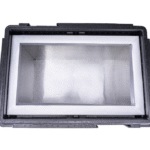
NEIN. Gel-Kühlakkus für batteriebezogene Chemikalien und temperaturempfindliche Industriematerialien sind Kühlmittelkomponenten. Sie müssen mit einem verwendet werden isolierte Box, Tasche, Mailer, oder ein anderes, zum Produkt passendes Verpackungssystem, Route, und den erforderlichen Temperaturbereich. Für regulierte oder qualitätssensible Sendungen, Für die Verpackung sind möglicherweise auch Verfahren erforderlich, Überwachung, und unterstützende thermische Beweise.
Was sollte ich überprüfen, bevor ich Muster bestelle??
Beginnen Sie mit der Produktempfindlichkeit, Zieltemperaturbereich, Streckendauer, nutzbarer Kastenraum, und Handhabungsmethode. Fragen Sie dann den Lieferanten nach den Maßen, Füll- oder Schalendetails, Konditionierungsanweisungen, Leckageinspektionspraktiken, Kartonverpackung, und Dokumentation. Proben sollten in der vorgesehenen Verpackung getestet und nicht nur nach ihrem Aussehen beurteilt werden.
Können gefrorene Gelpackungen gekühlte Produkte beschädigen??
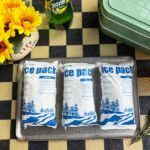
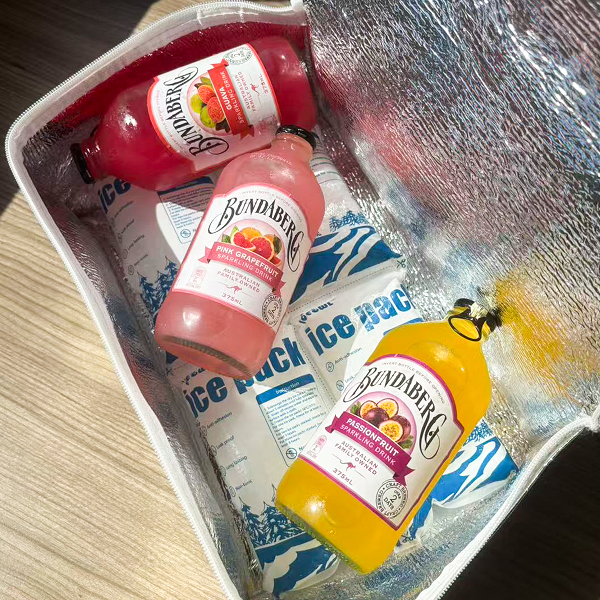
Ja, In manchen Situationen ist das möglich. Durch direkten Kontakt oder schlechte Trennung können kalte Stellen entstehen, insbesondere für gefrierempfindliche Medikamente, Impfungen, Reagenzien, oder bestimmte Lebensmittel. Käufer sollten die Konditionierung überprüfen, Trennung, Packungsplatzierung, und die Temperaturgrenzen des Produktbesitzers, bevor Sie gefrorene Packungen in gekühlten Sendungen verwenden.
Wie sollte ein Händler Lieferantenangebote vergleichen??
Vergleichen Sie mehr als den Stückpreis. Bestätigen Sie, was im Druck enthalten ist, Innenverpackung, Hauptkartons, Palettierung, Dokumentation, Musterrevision, und Kommunikation verändern. Ein Angebot, in dem wichtige Verpackungs- oder Qualitätsdetails weggelassen werden, ist möglicherweise nicht mit einem umfassenderen Lieferantenangebot vergleichbar.
Wann sollte ich PCM anstelle einer Standard-Gelpackung in Betracht ziehen??
Ziehen Sie PCM in Betracht, wenn das Produkt ein engeres Temperaturband erfordert, größerer Frostschutz, ein definierter Phasenwechselpunkt, oder besser vorhersagbares thermisches Verhalten unter einem validierten Packout. Die Entscheidung sollte auf dem Produktrisiko basieren, Streckenprofil, und Qualitätsanforderungen, nicht auf der allgemeinen Annahme, dass PCM immer notwendig ist.
Kann ein Kühlketten-Gelpack als Wärmemanagementmaterial für Batterien verwendet werden??
Es sei denn, es wurde speziell für diese Anwendung entwickelt und dokumentiert. Kühlketten-Gel-Packs kühlen eine verpackte Sendung in einem isolierten System. Batterie-Wärmeschnittstellenmaterialien oder aktive Kühlsysteme sind unterschiedliche Produkte mit unterschiedlicher Sicherheit, elektrisch, mechanisch, und chemische Anforderungen.
Abschluss
Das stärkste Beschaffungsergebnis für einen Hersteller von Gel-Kühlbatteriechemikalien ergibt sich aus der Definition der Lieferung vor der Auswahl der Packung. Bestätigen Sie den erforderlichen Temperaturbereich, Streckenbelichtung, Nutzlast passt, Packformat, Konditionierungsanweisungen, Leckagekontrollen, und Dokumentationserwartungen. Vermeiden Sie es, Gelpackungen als Compliance-Lösung für gefährliche Materialien oder als Ersatz für validierte Chemikalienverpackungen zu betrachten.
Eine Gelpackung kann einfach zu kaufen sein, Aber es sollte nicht leichtfertig behandelt werden, wenn es Wertvolles schützt, empfindlich, oder regulierte Güter. Ein Käufer, der vor der Bestellung bessere Fragen stellt, spart in der Regel Zeit bei der Musterprüfung, Produktionsgenehmigung, und Kundeneinführung.
Über Tempk
Als Teil von Shanghai Tempk Industrial, Tempk sorgt für Kühlkette Verpackungsmaterialien und Lösungsunterstützung für temperaturempfindliche Güter. Für Hersteller von Batteriechemikalien, Industrieverpackungsingenieure, Chemielogistikteams, und Beschaffungsmanager, die mit temperaturempfindlichen Materialien umgehen, Wir können bei der Prüfung helfen, ob Gel-Kühlakkus für batteriebezogene Chemikalien und temperaturempfindliche Industriematerialien als flexible Beutel geliefert werden sollten, starrer Ziegelstein, einfügen, oder Teil eines umfassenderen Isolierte Verpackung Satz. Die Diskussion kann Beispielanforderungen umfassen, Packout-Passform, Massenverpackung, und praktische Handhabungshinweise.
Vor der Vergrößerung, Senden Sie Tempk Ihre Route, Produktempfindlichkeit, Versendergröße, und Anpassungsanforderungen, damit das Kühlmittelformat mit der tatsächlichen Anwendung verglichen werden kann.