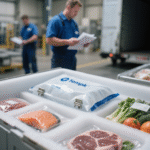
The choice of gel dry ice pack can make or break a cold chain shipment. Wenn Sie Arzneimittel versenden, frische Produkte oder Essenssets, you need a cooling method that keeps your products within safe temperature ranges without breaking the bank. In 2025, shippers have more options than ever—flexible gel packs, super cold dry ice, reusable cold packs and even hybrid solutions. This comprehensive guide explains how gel dry ice pack options work and how to decide which one fits your situation. You’ll learn the pros and cons, current trends and actionable tips to keep your cargo safe and customers happy. Because temperature control isn’t optional, this guide makes it easy to navigate the complexities of cold chain packaging with confidence.
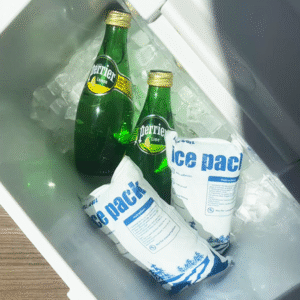
How do gel packs and dry ice work? – Learn the science behind each cooling agent and how they maintain specific temperature ranges.
What are the benefits and drawbacks of gel packs vs dry ice? – Compare cost, Handhabung, regulation and environmental impact.
Which gel dry ice pack option fits your shipment? – Use our decision framework to choose the right method based on product type, distance and customer experience.
Was sind die neuesten 2025 Trends bei Kühlkettenverpackungen? – Understand how technology, sustainability and market dynamics are reshaping cooling methods.
Praxistipps und FAQs – Get actionable advice, real world scenarios and answers to common questions.
How Do Gel Packs and Dry Ice Work to Keep Shipments Cold?
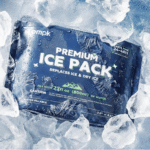
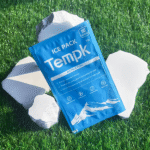
Gel packs explained: Gel packs are flexible pouches filled with a non toxic refrigerant gel. Wenn gefroren, the gel absorbs heat and slowly releases cold as it thaws. This makes them ideal for maintaining cool temperatures (typischerweise 2–8 °C) for 24–48 hour shipments. Because gel packs do not reach extremely low temperatures, they won’t damage products that are sensitive to freezing, wie Frischwaren oder bestimmte Arzneimittel.
Dry ice explained: Trockeneis ist die feste Form von Kohlendioxid. It has a surface temperature of –109.3 °F (–78,5 °C) and sublimates directly into gas rather than melting into liquid. Während der Sublimation, it absorbs significant heat, maintaining ultra low temperatures for an extended period. Dry ice is widely used to keep frozen goods such as seafood, ice cream and certain vaccines at sub zero temperatures.
Mechanisms of Cooling
Heat absorption and release: Gel packs absorb heat as the gel slowly transitions from solid to liquid. This process happens gradually, providing a stable cooling effect but limited duration. Trockeneis, dagegen, absorbs heat as it sublimates, releasing carbon dioxide gas and providing very low temperatures for a shorter period.
Temperaturbereich: Gel packs maintain a 2–8 °C range, making them perfect for chilled goods and pharmaceuticals. Dry ice keeps products frozen at –78.5 °C and is suited to deep freeze applications.
Anforderungen an die Handhabung: Gel packs are non hazardous and safe to handle without special equipment. Dry ice requires insulated gloves and proper ventilation due to the risk of frostbite and CO₂ buildup.
Differences in Use Cases
| Kühlmittel | Temperaturbereich | Beste Anwendungen | Handhabung & Verordnung | Umweltauswirkungen |
| Gelpackungen | 2–8 ° C | Frische Produkte, Käse, Molkerei, Backwaren, Pralinen, bestimmte Arzneimittel | Ungiftig, keine besonderen Regelungen, wiederverwendbar | Sichere Entsorgung; lower carbon footprint than dry ice |
| Trockeneis | –78,5 °C | Gefrorenes Fleisch, Eiscreme, Impfstoffe und biologische Proben | Gefahrgut; erfordert Handschuhe und Belüftung; subject to shipping regulations | Emits CO₂ during sublimation; high carbon footprint; requires responsible handling and disposal |
| Wiederverwendbare Kaltpackungen | Variable | Abonnementdienste, pharma deliveries, B2B shipments; return logistics required | Dauerhaft; need cleaning and refreezing infrastructure | Lower long term cost; reduziert Abfall |
Praktische Implikationen für Sie
Trip duration matters: Gel packs provide reliable cooling for 24–48 hours, suitable for overnight or two day deliveries. Dry ice lasts 12–24 hours but offers colder temperatures.
Produktempfindlichkeit: Verwenden Sie Gelpackungen für Gegenstände, die nicht einfrieren dürfen; they maintain a safe chilled range without causing freeze damage. Dry ice is essential for goods that need to stay frozen solid.
Versandvorschriften: Trockeneis wird als Gefahrstoff eingestuft; carriers may impose limits and require special labels. Gel packs face no such regulations and are easier for customers to handle.
Umweltauswirkungen: Gel packs are reusable and non toxic, whereas dry ice releases CO₂ into the atmosphere. Responsible disposal and proper ventilation are critical.
Comparing the Pros and Cons of Gel Packs vs Dry Ice
Vorteile von Gelpackungen
Wiederverwendbar und kostengünstig: Gel packs can be refrozen and reused, Reduzierung der langfristigen Kosten.
Ungiftig und lebensmittelecht: They pose no health risks if they contact food.
Flexible Temperaturoptionen: Gel packs come in multiple formulations, including phase change materials tailored to specific temperature ranges.
Easy disposal: Most gel packs contain environmentally friendly substances and can be disposed of safely.
Keine besonderen Regelungen: Shippers and customers face no regulatory hurdles when using gel packs.
Einschränkungen von Gel-Packs
Begrenzte Kühldauer: Gel-Packs sorgen für Kühlung über kürzere Zeiträume (bis zu 48 Std.) and may not work for long-haul shipments.
Bulk and weight: They add bulk and weight to packages, increasing shipping costs.
Insufficient for freezing: They cannot maintain sub zero temperatures; für Tiefkühlware, Trockeneis ist notwendig.
Vorteile von Trockeneis
Extrem niedrige Temperaturen: Dry ice maintains temperatures as low as –78.5 °C.
Längere Abkühlzeit: In isolierten Behältern, dry ice can last longer than gel packs, making it suitable for extended shipments or hot climates.
Keine Flüssigkeitsrückstände: Trockeneis sublimiert direkt zu Gas, eliminating moisture that could damage packages.
Ideal for frozen goods: It is critical for items that must remain frozen solid (Z.B., gefrorenes Fleisch, Eiscreme, Bestimmte Impfstoffe).
Limitations of Dry Ice
Safety hazards: Handling dry ice without gloves can cause frostbite. Sublimated CO₂ may cause suffocation in enclosed spaces.
Regulatorische Komplexität: It is classified as hazardous and subject to shipping limits and labeling requirements.
Shorter duration and volatility: Dry ice sublimates continuously; Der Kühlwirkung nimmt im Laufe der Zeit ab. Spot shortages and price volatility can occur due to limited CO₂ supply.
Environmental footprint: Durch Sublimation wird CO₂ in die Atmosphäre freigesetzt. Sustainability concerns push companies to look for greener alternatives.
How to Choose the Right Gel Dry Ice Pack for Your Shipment
Selecting a cooling method is easier when you break the decision into specific factors. Use the guidelines below to match the right gel dry ice pack to your shipment.
Zu berücksichtigende Schlüsselfaktoren
Product characteristics: Determine whether your product requires refrigeration (2–8 ° C) oder einfrieren. Frische Produkte, Käse, pharmaceuticals and meal kits generally need chilled conditions and work well with gel packs. Gefrorenes Fleisch, ice cream and biologics require sub zero temperatures provided by dry ice.
Versanddauer und Entfernung: For same day or next day deliveries, Gelpackungen reichen normalerweise aus. For multi day or long haul shipping, dry ice or reusable cold packs might be necessary.
Regulatorisches Umfeld: If your shipment is subject to strict regulations (Z.B., Arzneimittel), ensure your cooling method complies. Dry ice requires hazard labels and may be banned on certain routes. Gel packs bypass these issues.
Kundenbetreuung: Consider the end recipient’s ability to handle the packaging. Customers unfamiliar with dry ice might be safer using gel packs.
Umweltziele: Wenn Nachhaltigkeit im Vordergrund steht, explore reusable gel packs or hybrid systems that reduce CO₂ emissions. Dry ice can be paired with gel packs to reduce the amount needed and extend cooling.
Decision Flow Example
Identifizieren Sie den Temperaturbedarf: Are your goods perishable but not frozen? Wählen Sie Gelpackungen. Are they frozen or ultra cold? Wählen Sie Trockeneis.
Assess trip length: Unter 48 hours with moderate temperatures: Gelpackungen. Über 48 hours or hot climates: dry ice or hybrid solutions.
Consider regulations and handling: Wenn Sie Einfachheit und weniger Vorschriften wünschen, gel packs are best. If you can handle hazardous materials and need freezing, dry ice works.
Bewerten Sie die Auswirkungen auf die Umwelt: Use reusable or drain friendly gel packs to reduce waste. Consider hybrid solutions that use less dry ice.
Verpackung planen: Use insulated liners or vacuum panels to extend cooling. Strategic placement of gel packs or dry ice around the product ensures even temperature distribution.
Fallbeispiel: A meal kit company sends weekly subscription boxes containing fresh vegetables, pre portioned meat and a frozen sauce. They use gel packs around the produce to maintain 2–8 °C and a small amount of dry ice near the sauce to keep it frozen. This hybrid approach keeps everything at the right temperature, complies with shipping regulations and minimizes the amount of dry ice used.
More Detailed Considerations
Packaging Design and Insulation
Good insulation reduces the amount of refrigerant required. Materials like vacuum insulation panels (VIPs) and multi layer foams provide superior thermal resistance. Advanced packaging companies incorporate smart sensors and IoT devices to monitor temperature in real time and alert shippers to deviations. Upgrading insulation can allow you to choose smaller gel packs or reduce dry ice usage.
Logistics and Return Systems
Reusable cold packs are cost effective when return logistics are feasible. Abonnementdienste, pharmaceutical distribution and B2B loops can recover packs, clean and refreeze them for repeated use. Consider your distribution model before investing in reusable systems.
Hybridlösungen
Many shippers combine gel packs and dry ice. Placing gel packs around the product and small dry ice pieces on top prolongs cooling and reduces the risk of freezing items that must stay chilled. Fortschrittliche Phasenwechselmaterialien (PCMs) offer specific melting points, allowing you to tailor temperature profiles even further. Explore PCMs for shipments requiring strict temperature ranges without the extreme cold of dry ice.
2025 Trends and Innovations in Gel and Dry Ice Packs
Technologische Fortschritte
Cold chain packaging is evolving from reactive containment to proactive, datengesteuerte Systeme. Sensor technologies and data analytics enable real time monitoring of shipments, providing immediate alerts when temperatures deviate. Stakeholders can intervene quickly, Reduzierung des Verderbs und Verbesserung der Compliance.
Companies are developing advanced phase change materials and vacuum insulation panels to maintain desired temperatures with less refrigerant. Smart packaging includes RFID tags and IoT devices that track conditions throughout transit. These innovations transform packaging from a static container into an intelligent asset.
Nachhaltigkeit und Regulierung
Nachhaltigkeit hat oberste Priorität 2025. Businesses are pressured to reduce CO₂ emissions and plastic waste. Gelpackungen, particularly drain friendly or biodegradable designs, help meet these goals. Some gel packs are made with kraft paper and can be disposed of through regular waste streams. Reusable cold packs reduce single use materials.
Dry ice usage faces scrutiny due to CO₂ emissions and supply constraints. The supply of industrial CO₂ has grown only 0.5 % jährlich, while dry ice consumption is rising at about 5 %. Die Spotpreise können steigen 300 % bei Engpässen. Um diese Herausforderungen anzugehen, manufacturers are investing in localized CO₂ capture, including bio based sources such as bioethanol fermentation. This allows for more sustainable dry ice production and reduces transportation distances.
Marktdynamik
Der globale Trockeneismarkt, im Wert von USD 1.54 Milliarden in 2024, wird voraussichtlich USD erreichen 2.73 Milliarden von 2032 (CAGR 7.4 %). Die Nachfrage wird durch den Lebensmitteltransport getrieben, Impfstoffverteilung und industrielle Anwendungen wie Trockeneisstrahlen. Jedoch, CO₂ supply constraints and geopolitical factors—like the UK’s dependence on a few bioethanol producers—make the market volatile. Shippers are diversifying their cooling strategies by combining dry ice with PCMs and improving insulation to stretch each pound of dry ice.
Reusable cold packs and water based packs are also gaining traction. Water cold packs offer low cost, safety and ease of disposal. These packs strike a balance between performance and affordability for 2–8 °C products. The reusable ice pack market is expected to grow at a CAGR of about 5.5 % zwischen 2025 Und 2029, driven by increasing demand for food delivery and pharmaceuticals.
Branchenspezifische Trends
Essen & Lieferung von Essenssets: Water or gel packs remain the preferred option due to low cost and safety. Better insulation and localized cold pack production help scale these models.
Pharmalogistik: Cold chain companies are testing barrier technologies that slow CO₂ gas release to prevent temperature spikes. Reusable PCM shippers are gaining ground for less temperature critical medicines.
Gefrorenes Essen / Eiscreme: Dry ice remains indispensable. Jedoch, improved insulation and hybrid solutions reduce the amount of dry ice needed.
Milchprodukte und Käse: Gel or water packs are recommended to maintain the 2–8 °C range without freezing.
Abonnementdienste: Reusable cold packs are ideal when return logistics are feasible.
Common Questions About Gel Dry Ice Packs
Wie lange bleiben Gelpackungen kalt?? Gel packs generally maintain a 2–8 °C environment for 24–48 hours. The actual duration depends on the starting temperature, the number of packs used, Isolationsqualität und Umgebungsbedingungen.
Can dry ice be combined with gel packs? Ja. Hybrid packaging uses gel packs to provide a base cooling level and small amounts of dry ice to maintain frozen sections. This combination prolongs the cooling period and reduces the risk of freeze damage.
Ist trockeneis sicher für den Versand von Lebensmitteln? Dry ice can be used safely when products are completely sealed. It should never touch food directly, and packages must include hazard labels. Consumers should use gloves and proper ventilation when removing dry ice.
What are drain friendly gel packs? Drain friendly gel packs contain water based gels that can be safely poured down the drain when melted. They reduce environmental impact and make disposal easier.
Are there regulations for gel pack disposal? Gel packs are generally considered non hazardous, but local recycling or waste regulations may apply. Always follow manufacturer instructions and recycle outer packaging when possible.
How do I decide between gel packs and dry ice? Evaluate your product’s temperature requirements, Versanddauer, regulatory constraints, customer handling and environmental goals. Use the decision flow outlined above to make an informed choice.
Tips and Best Practices for Using Gel and Dry Ice Packs
Optimise insulation: Use high quality liners, such as vacuum panels or recyclable foam, to reduce the amount of refrigerant required.
Pre condition products: Freeze or refrigerate your products before packing so that refrigerants don’t expend energy cooling warm items.
Balance pack placement: Place gel packs or dry ice evenly around the product to ensure uniform temperature distribution. Für Trockeneis, position it on top because cold air sinks.
Überwachen Sie die Temperatur: Use data loggers or smart sensors to monitor temperature throughout transit. This not only ensures compliance but also provides evidence in case of claims.
Informieren Sie Ihre Kunden: Geben Sie Anweisungen zur sicheren Handhabung und Entsorgung, especially when dry ice is involved. Clear labeling reduces the risk of injury and ensures proper disposal.
Planen Sie Rücksendungen: If using reusable cold packs, establish a return program with incentives. Clean and refreeze packs promptly to maintain their performance.
Praktisches Szenario: A direct to consumer seafood retailer uses dry ice to maintain sub zero temperatures but pairs it with a biodegradable gel pack that sits around the outer edges. Customers are instructed to remove the gel pack and dispose of it in regular waste or reuse it. This method keeps seafood frozen, reduces the volume of dry ice needed, and aligns with sustainability goals.
Zusammenfassung und Empfehlungen
Choosing between gel and dry ice packs is not a one size fits all decision. Gelpackungen sorgen für Sicherheit, cost effective cooling for chilled products and shorter journeys, while dry ice offers ultra cold temperatures for frozen goods. Hybrid solutions that combine gel packs, dry ice and advanced insulation optimise performance and sustainability. In 2025, innovations like smart sensors, phase change materials and localised dry ice production are reshaping cold chain logistics. Evaluate your product requirements, shipping distance and environmental goals, and select the cooling method that ensures product integrity and customer satisfaction.
Aktionsplan
Analyse your shipment needs: Identify whether you need chilled or frozen conditions. Use a simple questionnaire or calculator to quantify the number and type of packs required.
Wählen Sie das richtige Kältemittel: Select gel packs for chilled items and dry ice for frozen goods. Consider hybrid strategies for mixed shipments.
Investieren Sie in Isolierung und Überwachung: Upgrade packaging with high performance liners and include temperature data loggers.
Educate and communicate: Provide clear handling instructions and return guidelines to recipients.
Contact Tempk for expert solutions: Our team at Tempk can design customised cooling strategies tailored to your products and logistics. Get in touch to learn how our gel and dry ice packs can optimise your cold chain.
Über Tempk
Tempk is a leading provider of temperature controlled packaging solutions in the cold chain industry. We specialise in designing gel packs, dry ice packs and phase change materials that maintain product integrity across the supply chain. Mit einem Fokus auf Nachhaltigkeit, we offer drain friendly gel packs and reusable PCM systems that reduce waste and carbon emissions. Our engineers combine decades of experience with the latest technologies to deliver reliable, compliant and environmentally responsible solutions for food, pharmaceuticals and industrial goods. Let us help you protect your products and delight your customers.
Bereit, Ihre Kaltkette zu verbessern? Contact us today for a free consultation and discover how Tempk’s gel and dry ice pack solutions can transform your shipments. We look forward to partnering with you on your journey to temperature controlled excellence.