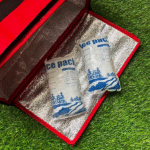
If you’re using a gel ice pack for head dental Schwellung, Ihr Ziel ist einfach: reduce puffiness and soreness without over-freezing your skin. Swelling often feels worst 48–72 Stunden after oral surgery, so your comfort routine needs to work beyond day one.
In 2025, research also shows many people don’t follow longer cold-compress plans—only 21.7% adhered to a ≥3-hour recommendation—so the best plan is the one you can actually repeat with a timer.
gel ice pack for head dental
Important note: This is general education, kein medizinischer Rat. Always follow the exact instructions from your dentist or oral surgeon.
Dieser Artikel hilft Ihnen bei der Beantwortung:
-
Wie ein gel ice pack for head dental swelling Arbeiten (im Klartext)
-
The safest 20 Minuten an 20 minutes off ice pack dental timing you can stick to
-
Where to place ice pack for jaw swelling so you cool the right tissue
-
Which option fits you best: jaw wrap gel pack for dental surgery vs flat packs
-
How to keep a gel ice pack for head dental sauber, wiederverwendbar, and clinic-ready
-
How to build a simple at-home routine (even when you feel tired)
Why does a gel ice pack for head dental swelling work?
A gel ice pack for head dental swelling helps by “turning down” the swelling response and calming pain signals. Cold narrows small surface blood vessels and slows the “rush” that makes your cheek feel tight and hot.
gel ice pack for head dental
That’s why many people feel relief soon after a short, timed session.
Im wirklichen Leben, “head dental” usually means you want cooling around your cheek, jawline, or jaw hinge, not inside your mouth. You’re not trying to freeze the socket—you’re trying to calm surrounding tissue with controlled cooling.
gel ice pack for head dental
What “head dental” usually means for placement
Use this quick placement map to avoid the most common mistakes.
gel ice pack for head dental
| Target area | Beste Platzierung | Häufiger Fehler | Praktische Bedeutung für Sie |
|---|---|---|---|
| Cheek (extraction side) | Flat against cheek | Direkter Hautkontakt | Higher irritation risk |
| Jawline (lower molars) | Wrap under jawline | Pressing too hard | More soreness, less comfort |
| Jaw hinge (near ear) | Gentle strap wrap | Leaving it on too long | Numbness or discomfort |
Praktische Tipps, die Sie heute verwenden können
-
If you bruise easily: keep sessions short and repeatable, not intense.
-
If your skin is sensitive: add a thicker cloth barrier.
gel ice pack for head dental
-
If swelling feels “hot and tight”: cold is usually the first move, but keep it timed.
gel ice pack for head dental
Praktisches Fallbeispiel: A patient felt less throbbing when they used timed 20-minute cycles (with breaks) instead of continuous icing.
gel ice pack for head dental
How long should a gel ice pack for head dental stay on?
The safest default is short, timed sessions—often 15–20 minutes at a time with breaks. Many aftercare instructions describe either “15 minutes per hour” or “20 minutes on, 20 minutes off” cycles, especially early in recovery.
gel ice pack for head dental
Your best approach is to choose one timing style and repeat it consistently with a phone timer. Consistency beats “extra cold,” because overuse can irritate skin and trigger lingering numbness.
gel ice pack for head dental
Gel ice pack for head dental timing: which cycle fits you?
| Timing method | Typisches Muster | Profis | Was es für Sie bedeutet |
|---|---|---|---|
| 15 minutes per hour | 15 min cold, rest off | Sanft + cautious | Good if you’re worried about overdoing it |
| 20 An / 20 aus | 20 min cold, 20 min rest | Easy to remember | Great for building a repeatable habit |
| “Whenever it hurts” | Inconsistent | Keiner | Highest risk of overuse and skin irritation |
Praktische Tipps und Empfehlungen
-
Verwenden Sie immer eine Stoffbarriere (towel or sleeve), even if it feels less cold.
gel ice pack for head dental
-
Don’t sleep with cold on your face. You can’t track time while asleep.
gel ice pack for head dental
-
Stop if numbness persists after removing the gel ice pack for head dental session.
gel ice pack for head dental
Beispiel für reale Welt: When patients used timers, they reported fewer “ice burn” complaints and fewer follow-up calls.
Where should you place a gel ice pack for head dental jaw swelling?
A gel ice pack for head dental relief is placed on the outside of your face—usually over the cheek near the treated area. You’re cooling tissue next to the site, not the surgical socket itself.
gel ice pack for head dental
If you had lower molar work, focus on cheek + jawline coverage on that side. If you had wisdom teeth removal, many people do better when the pack sits slightly toward the jaw hinge (but still gentle and timed).
gel ice pack for head dental
The “gentle pressure rule” for gel ice pack for head dental comfort
Cold should calm. It should not squeeze. Strong pressure can increase tenderness and even trigger headaches.
gel ice pack for head dental
| Placement factor | Gute Praxis | Schlechte Praxis | Praktische Bedeutung für Sie |
|---|---|---|---|
| Hautbarriere | Cloth cover | Direct gel on skin | Lower irritation risk |
| Druck | Gentle contact | Hard pressing | Less soreness |
| Spot rotation | Slightly shift the spot | Same exact spot | Less redness/numbness risk |
Praktische Tipps, die Sie heute verwenden können
-
Put the gel ice pack for head dental pack where swelling “lives,” not where pain “echoes.”
-
If the pack feels “knife-cold,” add another cloth layer.
-
If you’re icing both sides, alternate sides to avoid camping on one spot too long.
Which gel ice pack for head dental design fits your routine?
The best gel ice pack for head dental design is the one you’ll actually use correctly and repeatedly. Wraps usually win because they stay in place hands-free, while flat packs often slip and create “fiddling time.”
gel ice pack for head dental
A good fit also prevents user error. If you must hold the pack with your hand, you’ll quit sooner—especially when tired. That’s why wrap styles often outperform flat packs in real recovery routines.
gel ice pack for head dental
Schneller Vergleich: wrap vs flat vs instant cold
| Gel ice pack type | Bester Anwendungsfall | Main upside | Main downside | Was es für Sie bedeutet |
|---|---|---|---|---|
| Head/jaw wrap gel pack | Wisdom teeth, jaw swelling | Hands-free, stabil | Still needs timer | Easiest compliance |
| Flat flexible gel pack | Small cheek soreness | Simple and low cost | Slips easily | More effort per session |
| Instant cold pack | Travel/emergency | No freezer needed | Kurze Kühlzeit | Backup, not primary |
gel ice pack for head dental
Features checklist: what matters most in a gel ice pack for head dental wrap
-
Flexible when cold: avoids the “hard brick” feeling.
-
Soft-touch cover: reduces harsh cold contact.
-
Adjustable strap: stable fit without squeezing.
-
Auslaufsicherheit: reinforced seams reduce messy failures.
Entscheidungstool: pick your gel ice pack for head dental setup in 60 Sekunden
Erzielen Sie selbst Punkte. Total your points, then follow the guide.
gel ice pack for head dental
Add points if “yes”:
-
You need hands-free use while resting (2)
-
You have swelling on both sides (2)
-
You plan to use cold therapy 6+ Mal pro Tag (2)
-
Your skin is sensitive to cold (2)
-
You dislike tight straps or pressure (1)
-
You want a reusable, easy-to-clean option (1)
-
You need a clinic-ready kit for patients (2)
Notenführer
-
0–3: Flat pack + sleeve is usually enough
-
4–7: Contour packs or light wraps fit best
-
8–12: Full head/jaw wrap kit is your best match
When should you switch from gel ice pack for head dental to warmth?
Cold is usually best early for puffiness. Warmth can feel better later, especially if stiffness dominates. A simple way to decide is symptom-based: swelling early → cold first; tight jaw muscles later → warmth may help.
gel ice pack for head dental
If you switch to warmth, keep the same timer habit. Never use high heat—gentle warmth is enough.
gel ice pack for head dental
Symptom-based switch guide (simple and safe)
| Symptom | Cold usually helps most | Warmth usually helps most | What you do next |
|---|---|---|---|
| Puffy swelling | Early phase | Later phase | Cold first, then reassess |
| Tight jaw muscles | Limited benefit | Often helpful | Switch sooner if stiffness dominates |
| Bruised tenderness | Early comfort | Later comfort | Choose what feels safer |
gel ice pack for head dental
So reinigen Sie, Wiederverwendung, and kit gel ice pack for head dental products
A gel ice pack for head dental use is easiest to keep hygienic when you separate “cold material” from “skin contact.” That means a washable sleeve or a clean cloth barrier every time. It keeps routines simple and reduces odor problems.
Cleaning checklist for a reusable gel ice pack for head dental routine
-
Wipe the surface with mild soap + Wasser.
-
Air dry fully before freezing again.
-
Wash the sleeve regularly (like a pillowcase).
-
Replace the pack if seams look damaged.
Dental clinic take-home ice pack kit: what to include
If you’re a clinic, a gel ice pack for head dental take-home kit is a service tool. Standardization reduces confusion and reduces support calls.
Clinic kit basics
-
Gel pack or wrap (one-size-fits-most)
-
Waschbare Hülle (Komfort + Hygiene)
-
One-page quick-start card (big font, 3 Schritte)
-
Containment pouch (assume leaks can happen)
-
Checklist label (prevents missing-item claims)
Shipping and storage: keep gel ice packs kit-ready
If you ship gel packs at room temperature, focus on leak prevention, Haltbarkeit, and clear user instructions.
gel ice pack for head dental
A simple 3-layer shipping mindset
-
Containment: sealed pouch (optional absorbent pad)
-
Kissen: protect edges and straps
-
Immobilize: right-size cartons to stop sliding
2025 gel ice pack for head dental trends you should know
In 2025, the big shift is “habit-friendly” aftercare. Research highlights a real compliance problem: nur 21.7% of surveyed patients followed a ≥3-hour cold-compress recommendation, so better instructions and easier-to-wear wraps matter.
gel ice pack for head dental
Aktueller Fortschritts-Snapshot
-
More ergonomic wraps with better jawline contour and less strap pressure
gel ice pack for head dental
-
Washable sleeves becoming standard (Komfort + hygiene in one step)
gel ice pack for head dental
-
Clinic-ready kitting with fewer missing items and fewer support calls
gel ice pack for head dental
-
More durable outer films that reduce micro-leaks over repeated freezing cycles
gel ice pack for head dental
A tiny “home care log” that boosts consistency
Copy/paste this into your notes app:
Häufig gestellte Fragen
Q1: What is the safest timing for a gel ice pack for head dental swelling?
Kurz verwenden, timed cycles with breaks—many people use 15–20 minutes at a time, oder 20 minutes on and 20 Minuten frei. Always use a cloth barrier and a timer so you don’t over-cool your skin.
gel ice pack for head dental
Q2: Should I put a gel ice pack for head dental directly on my face?
NEIN. Direct contact increases irritation risk. Use a towel or soft sleeve every session, even if it feels “less cold,” because it protects your skin and makes the routine safer.
gel ice pack for head dental
Q3: Where do I place a gel ice pack for head dental jaw swelling?
Place it on the outside cheek near the treated area. For lower molars, aim for cheek + jawline coverage. Keep pressure gentle—cold should calm, not squeeze.
gel ice pack for head dental
Q4: Is a jaw wrap gel pack for dental surgery better than a flat pack?
Oft ja, because a wrap stays in place hands-free, which makes it easier to repeat sessions correctly. Flat packs can work, but slipping and hand-holding reduce consistency.
gel ice pack for head dental
Q5: When should I switch from cold to warm compress after dental surgery?
Cold is usually best early for swelling. Warmth can help later if stiffness dominates. Keep the same timer habit either way, and avoid high heat—gentle warmth is enough.
gel ice pack for head dental
Q6: What should I avoid with a gel ice pack for head dental recovery?
Vermeiden Sie direkten Hautkontakt, avoid leaving it on too long without breaks, and avoid icing while sleeping. If pain or swelling worsens unexpectedly, contact your clinician.
gel ice pack for head dental
Zusammenfassung und Empfehlungen
A gel ice pack for head dental recovery works best when it’s safe, timed, and easy to repeat. Verwenden Sie eine Stoffbarriere, keep pressure gentle, and stick to short cycles like 15–20 minutes with breaks. Swelling can feel worse around 48–72 hours, so plan for a routine you can repeat on day two and three. If stiffness becomes the main issue later, gentle warmth may feel better—still timed, still cautious.
gel ice pack for head dental
Ihre nächsten Schritte (CTA): Pick the gel ice pack for head dental format you’ll actually use (Wohnung, contour, or wrap), set a timer habit, and keep a simple home-care log. If you’re building clinic take-home kits or shipping programs, standardize the pack + Ärmel + quick-start card so patients can follow it even when tired.
Über Tempk
Und Tempk, we build temperature-control products and packaging systems designed for real-world routines—safe contact barriers, repeatable handling, and kit layouts that reduce mistakes. For gel ice pack for head dental programs, we support kitting workflows, leak-containment packaging, and reuse-friendly designs that reduce customer complaints and replacements.
gel ice pack for head dental
Nächster Schritt: Share your target use case (clinic aftercare kits vs direct-to-consumer), typical shipment lanes, and preferred pack format. We’ll help you map a scalable gel ice pack for head dental solution with simple instructions people will actually follow.