Trockeneisbag Mylar: Wie verpacken Sie es sicher??
Wenn Sie eine Entlüftung planen, können Sie sicher einen verwenden, Abstand, und richtige Eismasse. Trockeneis liegt bei −78,5 °C und verwandelt sich in Gas; Versiegeltes Mylar fängt das Gas ein und kann platzen. Verwenden Sie einen Entlüftungspfad, Halten Sie sanfte Falten, und dimensionieren Sie das Trockeneis mit einer einfachen Regel, damit das Produkt gefroren bleibt und die Versender die Vorschriften einhalten.
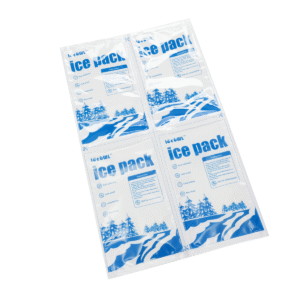
Wann ist ein Trockeneisbeutel Mylar die richtige Wahl?
Wie packen und entlüften Sie, um Brüche zu vermeiden??
Wie viel Trockeneis sollten Sie pro Bahn einplanen??
Wie schneidet Mylar im Vergleich zu LDPE und Nylon ab??
Welche 2025 Trends sind für Materialien und Etiketten von Bedeutung?
Was ist a Trockeneisbeutel Mylar– und wann sollten Sie es verwenden?
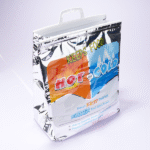
Verwenden Sie a Trockeneisbeutel Mylar als Hochbarriere-Liner oder Sleeve, nicht als luftdichte Kammer. Es blockiert Geruch und Feuchtigkeit, hält Kartons trocken, und schützt die Präsentation. Aber wenn Sie es vollständig um Trockeneis herum versiegeln, Der CO₂-Druck kann zur Spaltung der Folie oder der Nähte führen. Planen Sie immer einen bewussten Entlüftungsweg und platzieren Sie den Beutel so, dass Gas entweichen kann.
Mylar (biaxial orientiertes PET) glänzt als Dampf-/Geruchsschutz und Druckoberfläche. Bei tiefen Temperaturen versteift es sich, Vermeiden Sie daher enge Falten und Quetschecken. Für den E-Commerce von Tiefkühlkost, ein Hybrid ist üblich: LDPE-Innenseite für Flexibilität, Trockeneisbeutel Mylar draußen als Barriere, beide entlüftet.
Wie verhält sich ein Mylar-Trockeneisbeutel bei −78,5 °C??
Mylar ist bei Raumtemperatur stabil und wird bei großer Kälte spröder, insbesondere an Faltlinien. Seine Sauerstoff- und Feuchtigkeitsbarrieren sind ausgezeichnet, aber CO₂ muss entweichen. Heißsiegelungen sind zuverlässig; für Trockeneis, Teildichtungen verwenden, Mikrokerben, oder ein Membranpflaster zur kontrollierten Freisetzung von Gas.
| Eigentum (typisch) | Mylar (BoPET) | LDPE | Nylon 6 | Was es für Sie bedeutet |
|---|---|---|---|---|
| Feuchtigkeitsbarriere | Hoch | Medium | Medium | Mit Mylar bleiben Kartons trockener. |
| Sauerstoffbarriere | Hoch | Niedrig | Mittel–Hoch | Besserer Geruchs-/Geschmacksschutz. |
| Flex bei −78,5 °C | Mäßig–Niedrig | Mäßig | Mäßig | Vermeiden Sie scharfe Falten in Mylar. |
| CO₂-Durchlässigkeit | Niedrig | Höher | Medium | Eine geringe Permeation erfordert eine Entlüftung. |
| Heißsiegelbarkeit | Exzellent | Gut | Gut | Teilweise/entlüftete Dichtungen funktionieren am besten. |
Wie packst du a Trockeneisbeutel Mylar um Ausbrüche zu verhindern?
Die Kernregel: lass aus. Verwenden Sie eine Fin-Seal-Kerbe (2–3 mm), 2–4 Mikroperforationen pro 100 cm² auf der oberen Platte, oder ein kleines atmungsaktives Membranpflaster. Halten Sie Abstände zwischen den Abstandshaltern ein, damit das Gas in den Luftraum des Kühlers und durch einen Entlüftungsspalt nach außen strömen kann. Etikett UN1845 für Luft, und vermeiden Sie luftdichte Behälter.
Schritt für Schritt (Zuverlässiges 36–48-Stunden-Paket):
Nutzlast vor dem Einfrieren ≤ −18 °C; vorgekühlter Versender.
Linienversender; Fügen Sie den unteren Abstandshalter hinzu.
Lastprodukt; Hohlräume füllen.
Entlüftet hinzufügen Trockeneisbeutel Mylar oben; Pellets gleichmäßig verteilen.
Oberes Polster hinzufügen; Liner schließen; Deckel knacken/entlüften lassen.
Markieren Sie „Trockeneis, UN1845“ mit Netto-kg; Halten Sie die Verpackung nicht luftdicht.
Mini-Rechner zur Größenbestimmung von Trockeneis
Trockeneisbeutel Mylar vs. LDPE vs. Nylon: Welches sollten Sie auswählen??
Wenn Trockenheit/Geruchskontrolle das Ziel ist, wähle ein Trockeneisbeutel Mylar; wenn die Haltbarkeit beim Biegen/Falten von größter Bedeutung ist, LDPE oder Nylon sind möglicherweise einfacher. Viele Teams betreiben Hybride: LDPE-Innenseite für Flexibilität, Trockeneisbeutel Mylar Außen für Barriere. Fügen Sie in jedem Fall einen Entlüftungspfad hinzu.
| Anwendungsfall | Beste Wahl | Warum | Alternative | Praktischer Hinweis |
|---|---|---|---|---|
| Geruch & Sauerstoffkontrolle | Trockeneisbeutel Mylar | Überlegene Barriere | Nylonlaminat | Entlüftungspfad aktiv halten. |
| Grobe Handhabung | LDPE | Weich, widersteht Rissen | Nylon | Kombinieren Sie es mit einer Mylar-Außenfolie. |
| Gemischte Kühlmittel (PCM + Trockeneis) | Mylar-Liner + LDPE-Innenseite | Barriere + biegen | Coex-Filme | Stabilisiert die Seitenwände. |
| Hülse für Lebensmittelkontakt | Nylon/PE | Gemeinsame Noten, hart | Mylar/PE | Siegel validieren. |
Welche Etiketten und Regeln gelten? Trockeneisbeutel Mylar In 2025?
Für Luft, erklären „Trockeneis, UN1845“ mit Netto-kg und stellen Sie sicher, dass die Verpackung CO₂ ablassen kann. Bewahren Sie Pakete nicht luftdicht auf. Veröffentlichen Sie klare Handhabungssymbole, und schulen Sie Teams in der Verwendung von PSA und der Belüftung von Arbeitsbereichen. Für Boden, Befolgen Sie die Anweisungen des Mobilfunkanbieters; Die gleiche Entlüftungs- und Kennzeichnungsdisziplin reduziert Rücksendungen und Sicherheitsvorfälle.
2025 Trends formen Trockeneisbeutel Mylar und Tiefkühlversand
Erwarten Sie lüftungsfreundliche Laminate, Membranbelüftungen, und intelligentere SOPs. Die Teams standardisieren Lüftungskerben und vorversiegelte Flicken, Hinzufügen von QR-codierten Anweisungen, und die Einführung recycelbarer Monomaterialstrukturen. Hybride Kühlmittelstrategien (PCMs + Trockeneis) steigen, um extreme Temperaturen abzufedern und gleichzeitig die Auspackqualität zu bewahren.
Neueste Entwicklungen auf einen Blick
Laser-Mikrobelüftungen: Präzise CO₂-Freisetzung ohne Überperforation.
Membranpflaster: Entlüfter im Tyvek-Stil, eingebettet in Mylar-Fenster.
Digitale SOPs: QR-Links zu bahnspezifischen Packschritten reduzieren Fehler.
FAQ
Kann ich ein versiegeln? Trockeneisbeutel Mylar völlig luftdicht?
NEIN. Eine luftdichte Versiegelung fängt CO₂ ein und kann zu einem Platzen führen. Fügen Sie eine Kerbe hinzu, Mikroperforationen, oder eine Membranentlüftung.
Wo soll die Tasche sitzen – oben oder unten??
Oben ist sicherer. CO₂ sinkt; Durch die Platzierung an der Oberseite werden Gase abgelassen und ein direkter Gefrierschock vermieden.
Wie viele Perforationen sind sicher??
So wenig wie nötig – oft 2–4 pro 100 cm² nur auf der oberen Platte. Eine übermäßige Perforation macht die Vorteile der Barriere zunichte.
Warum reißt Mylar bei tiefen Temperaturen??
Es versteift sich bei −78,5 °C, und scharfe Falten erzeugen Spannungserhöhungen. Runde Ecken, Vermeiden Sie enge Falten, Wählen Sie dickere Stärken.
Kann ich PCMs mit Trockeneis in einem mischen? Trockeneisbeutel Mylar System?
Ja. Platzieren Sie PCMs an den Seiten und den belüfteten Mylar-Trockeneisbeutel oben, um ein Überfrieren des Produkts zu vermeiden.
Zusammenfassung & Nächste Schritte
Key Takeaways: Verwenden Sie eine Entlüftung Trockeneisbeutel Mylar als Barriereliner, Platzieren Sie es oben mit Abstandshaltern, Berechnen Sie mit dem Rechner die richtige Trockeneisgröße, und Standardisierung der Kennzeichnung und PSA. Hybride mit LDPE erhöhen die Haltbarkeit; Die Validierung ist jedes Mal besser als Vermutungen.
Mach das als nächstes:
Wählen Sie Ihre Entlüftungsmethode und Beutelstärke.
Führen Sie ein 48-Stunden-Pilotprojekt mit einem Datenlogger durch.
Passen Sie die Trockeneismasse mithilfe realer Fahrspurdaten an.
Veröffentlichen Sie eine einseitige SOP mit Fotos.
Trainiere die Bank; monatliches Audit durchführen.
Über Tempk
Wir entwickeln Kühlketten-Kits, die belüftet sind Trockeneisbeutel Mylar Liner mit passender Isolierung, Beschriftung, und SOPs. Unsere Kunden berichten von weniger Brüchen und „Wet-Box“-Problemen, und häufig wird der Einsatz von Trockeneis nach der Fahrspurvalidierung reduziert. Wir veröffentlichen Tools, Checklisten, und Taschenrechner, damit Ihr Team beim ersten Versuch Temperatur- und Präsentationsziele erreicht.
Bereit, Ihr Programm zu standardisieren? Buchen Sie eine 20-minütige Beratung und erhalten Sie eine spurspezifische Spezifikation für Ihre SKUs.