Aktualisiert am 1 Dezember 2025
EPP-Boxen mit hoher Dichte verändern im Stillen die Art und Weise, wie Unternehmen Produkte während des Transports sicher und frisch halten. Diese robust, Wiederverwendbare Behälter vereinen außergewöhnliche Isolierung mit leichter Festigkeit und können hunderte Male wiederverwendet werden. Im Vergleich zu herkömmlichen Einwegverpackungen, Eine hochdichte EPP-Box senkt die Versandkosten, reduziert Abfall und hilft Ihnen, strengere Nachhaltigkeitsziele zu erreichen. This guide unpacks why this material is so effective and how you can choose the right solution for your Kühlkette needs.
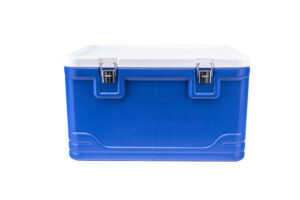
Verstehen Warum hochdichte EPP-Boxen EPS- und EPE-Verpackungen übertreffen, einschließlich Schlagfestigkeit, Temperaturbereich und Recyclingfähigkeit.
Lernen how highdensity EPP boxes improve Kühlkette performance, mit Daten zur Isolierung und Haltbarkeit.
Erkunden Anwendungen im gesamten Pharmabereich, Essenslieferung, E-Commerce und mehr, und sehen Sie, wie die Kartons die Waren in den einzelnen Sektoren schützen.
Entdecken wie Wiederverwendbarkeit und Recycling EPP-Boxen kostengünstig und nachhaltig machen.
Erhalten Praktische Anleitung zur Auswahl und Anpassung einer EPP-Box, einschließlich Dichte, Größe und intelligente Überwachungsfunktionen.
Bleiben Sie einen Schritt voraus 2025 Trends, von KI-gestützter Logistik und Phasenwechselmaterialien bis hin zu kompostierbaren Alternativen und Marktwachstumsprognosen.
Was High-Density-EPP-Boxen auszeichnet?
EPP-Schaum mit hoher Dichte gleicht die Schlagfestigkeit aus, Festigkeit und Recyclingfähigkeit besser als EPS oder EPE. Jede Box wird durch Expandieren von Polypropylenkügelchen zu einem geschlossenzelligen Schaumstoff hergestellt. Der Dichtebereich von 15100 kg/m³ (mit High-Density-Qualitäten bis zu 260 kg/m³) ermöglicht es Ingenieuren, Stärke und Isolierung an Ihre spezifischen Bedürfnisse anzupassen. Im Gegensatz zu EPS (erweiterter Polystyrol), die dazu neigt, nach einem Aufprall zu reißen, oder EPE (expandiertes Polyethylen), die Stöße nicht effektiv absorbieren können, EPP springt nach mehrmaligem Zusammendrücken wieder in seine ursprüngliche Form zurück. Denn das Material ist ein einziger Thermoplast, es ist 100 % recycelbar und behält seine Leistung über Hunderte von Zyklen hinweg bei.
Erweiterte Erklärung
Aus fertigungstechnischer Sicht, Die geschlossenzellige Struktur von EPP verleiht ihm eine bemerkenswerte Widerstandsfähigkeit. Jede Perle wird unter Hitze und Druck verschmolzen, Sie bilden ein starres Netzwerk versiegelter Taschen, die Luft einschließen und Vibrationen dämpfen. Dies bedeutet, dass Sie eine hochdichte EPP-Box beim Laden fallen lassen können und sie ihre Form wieder annimmt, ohne ihre Dämpfungsfähigkeit zu verlieren. EPS ist leichter und billiger, wird jedoch beim Herunterfallen spröde, Während EPE flexibler ist, verfügt es jedoch über eine schlechtere Stoßdämpfung. Sorten mit hoher Dichte (4060 kg/m³ oder höher) bieten maximale Festigkeit und Isolierung, wiegen aber etwas mehr, Die richtige Dichte hängt also von Ihrer Nutzlast und der Reiselänge ab. Wichtig, EPP behält seine strukturelle Integrität von –40 °C bis +110 °C, Dadurch eignet es sich sowohl für ultrakalte Arzneimittel als auch für die Lieferung warmer Mahlzeiten ohne Verformung.
Mechanische Eigenschaften und Vorteile
| Parameter | Typische Reichweite | Profitieren Sie davon |
| Dichte (kg/m³) | 15 - - 100 (Brauch bis zu 260) | Maßgeschneiderte Stärke und Isolierung; Eine höhere Dichte bedeutet eine längere Haltbarkeit, aber ein etwas höheres Gewicht |
| Energieaufnahme | 20 - - 40 kj / | Schützt zerbrechliche Güter; Box prallt nach Stößen zurück |
| Druckfestigkeit | 0.3 - - 2.5 MPa | Bewältigt schwere Lasten ohne Verformung |
| Temperaturbereich | –40 °C bis +110 °C | Unterstützt Erkältungsimpfungen, Tiefkühlkost und warme Speisen |
| Wasseraufnahme | < 0.3 % | Beständig gegen Feuchtigkeit, Verhindert Schimmelbildung und sorgt für eine wirksame Isolierung |
| Wiederverwendbarkeit | Hunderte Zyklen | Verteilt die Kosten auf viele Sendungen und reduziert Abfall |
Praktische Tipps
Wählen Sie die richtige Dichte: Für schwere Nutzlasten oder lange Fahrten, Entscheiden Sie sich für Schaumstoff mit hoher Dichte (40 - - 60 kg/m³) um Festigkeit und Isolierung zu maximieren. Leichtere Ladungen könnten von einer mittleren Dichte profitieren, um Gewicht zu sparen.
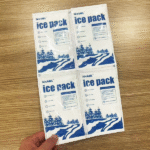
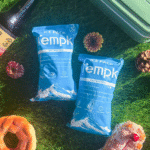
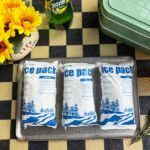
Verwenden Sie geeignetes Eis bzw Gelpackungen: Kombinieren Sie Ihre hochdichte EPP-Box mit Phasenwechselpaketen, die auf Ihren Temperaturbereich zugeschnitten sind (2–8 °C für Biologika oder –20 °C für Tiefkühlkost).
Sorgen Sie für dichte Verschlüsse: Wählen Sie Kästen mit bündigen oder aufklappbaren Deckeln und Dichtungen, um Luftlecks zu minimieren.
Vermeiden Sie Überfüllung: Lassen Sie rund um den Inhalt Platz für die Luftzirkulation; Durch Überpacken können Hotspots entstehen.
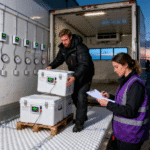
Wirklicher Fall: Während Impfstoffverteilungskampagnen, Gesundheitsdienstleister ersetzten Einweg-EPP-Kühlboxen durch wiederverwendbare EPP-Boxen mit hoher Dichte. Die Boxen absorbierten Stöße und hielten die Innentemperatur aufrecht Eisbeutel, Dadurch werden Produktverluste reduziert und Tausende von Einwegbehältern eingespart.
How Do HighDensity EPP Boxes Improve Kühlkette Performance?
Hervorragende Wärmedämmung unterscheidet High-Density-EPP-Boxen von vielen Alternativen. Ihre geschlossenzellige Struktur schließt Luft ein und verlangsamt die Wärmeübertragung, Funktioniert wie eine Thermoskanne. Studien zeigen EPP-Boxen mit Dichten um 30 kg/m³ bieten eine bessere Isolierung als vergleichbare Kunststoff- oder Metallbehälter und sind gleichzeitig viel leichter. Dadurch wird sichergestellt, dass Impfstoffe innerhalb des engen Bereichs von 2–8 °C bleiben oder Tiefkühlkost über längere Zeiträume bei –20 °C bleibt. Der Schaum ist wasser- und chemikalienbeständig, sodass Feuchtigkeit oder Undichtigkeiten die Isolierung nicht beeinträchtigen.
Unübertroffene Haltbarkeit ist ein weiterer Vorteil. EPP-Boxen mit hoher Dichte sind stoßfest, Chemikalien und Feuchtigkeit, So können sie jahrelang wiederverwendet werden. Im Gegensatz zu EPS, das oft schon nach einer Fahrt reißt, EPP übersteht raue Handhabung und behält seine Dämpfungsleistung. Das zusammenklappbare Design vieler Boxen spart bis zu 60 % Speicherplatz im leeren Zustand, Reduzierung der Rücksendekosten. Auch wiederverwendbare EPP-Boxen unterstützen die Nachhaltigkeit, weil sie es sind 100 % recycelbar und leicht zu reinigen.
Hervorragende Isolierung und Wiederverwendbarkeit
Die Vorteile von EPP-Boxen mit hoher Dichte thermische Belastbarkeit von –40 °C bis +110 °C to maintain Kühlkette integrity across various products. Die geschlossenen Zellen und das Inertgas in jeder Perle verhindern Konvektion und Leitung, verlangsamt den Wärmefluss. In realen Tests, EPP-Boxen gepaart mit Phasenwechselmaterialien sorgten dafür, dass mRNA-Impfstoffe auch bei mehrtägigem Versand bei –90 °C wirksam blieben, während billigere EPS-Kühler scheiterten. Denn EPP ist porenfrei und wasserbeständig, Die Boxen bleiben hygienisch und können leicht desinfiziert werden.
EPP vs. EPS vs. EPE: Funktionsvergleich
| Besonderheit | Hochdichtes EPP | EPS (Erweiterter Polystyrol) | EPE (Erweitertes Polyethylen) |
| Schlagfestigkeit | Exzellent; Rebounds nach wiederholten Treffern | Arm; reißt leicht | Moderat; flexibel, aber weniger stoßdämpfend |
| Verhältnis von Stärke zu Gewicht | Hoch; Der dichte Schaum ist stark und dennoch leicht | Moderat; leichter, aber weniger haltbar | Moderat |
| Wärmeisolierung | Geringe Wärmeleitfähigkeit aufgrund geschlossener Zellen | Gut; Wird häufig zur Grundisolierung verwendet | Moderat |
| Recyclingfähigkeit & Wiederverwendbarkeit | 100 % recycelbar; Hunderte Male wiederverwendbar | Oftmals zum einmaligen Gebrauch; mäßige Recyclingfähigkeit | Wiederverwendbar, aber weniger haltbar |
| Wasser & chemischer Widerstand | Exzellent; Die porenfreie Oberfläche ist feuchtigkeitsbeständig | Moderat | Moderat |
Praktische Tipps
Entscheiden Sie sich für zusammenklappbare Designs: Wenn leer, faltbare High-Density-EPP-Boxen sparen bis zu 60 % des Raumes, Verbesserung der Effizienz der Rückwärtslogistik.
Passen Sie Einsätze an: Fügen Sie benutzerdefinierte Trennwände oder Trennwände hinzu, um Fläschchen oder Lebensmittelbehälter zu sichern.
Verwenden Sie ergonomische Griffe: Wählen Sie Kartons mit Griffen oder Riemen aus, um die Zustellung auf der letzten Meile zu erleichtern.
Wirklicher Fall: Ein Biotech-Unternehmen, das mRNA-Impfstoffe vertreibt, verwendete hochdichte EPP-Boxen mit speziellen Phasenwechselpackungen. Dank der thermischen Stabilität und der Fähigkeit von EPP, extremer Kälte standzuhalten, Die Impfstoffe waren wirksam und die Packungen wurden Dutzende Male wiederverwendet, Reduzierung der Verpackungskosten.
Branchenübergreifende Anwendungen von High-Density-EPP-Boxen
Kartons aus hochdichtem EPP werden in zahlreichen Branchen eingesetzt, da sie die Temperaturen stabil halten und Waren vor Stößen schützen. Hier sind einige Sektoren, die von dieser Technologie profitieren:
Branchenspezifische Vorteile
| Industrie | Beispielanwendung | Profitieren Sie davon |
| Pharmazeutika | Impfstoffboxen und Biologika-Versender | Hält 2–8 °C oder ultrakalte Bereiche aufrecht; Die reinigbare Oberfläche entspricht den gesetzlichen Standards |
| Essen & Gastronomie | Essenslieferung, Meeresfrüchte, Tiefkühlkost | Hält Mahlzeiten warm oder kalt; reduziert den Verderb; Leichte Kartons erleichtern die Handhabung |
| E-Commerce & Lebensmittel | Individuelle Versandkartons | Maximiert die Raumeffizienz; Mehrwegverpackungen sprechen umweltbewusste Verbraucher an |
| Im Freien & Freizeit | Picknick- und Campingkühler | Hält Lebensmittel stundenlang frisch; Leicht für den einfachen Transport |
| Industrielogistik | Wiederverwendbare Stau- und Transporttabletts | Schützt Präzisionsinstrumente und Elektronik; reduziert Abfall und Kosten |
Auch in Branchen wie der Automobilindustrie spielen hochdichte EPP-Boxen eine entscheidende Rolle, Elektronik und HVAC. In diesen Sektoren werden EPP-Separatoren eingesetzt, Tabletts und Thermogehäuse zum Schutz von Komponenten während des Transports und zur Isolierung von Geräten. Im Lebensmittelsektor, High-Density-Boxen sorgen für konstante Temperaturen für die Fische, Fleisch und Eis bis zur Lieferung. Medizinische Zulieferer verlassen sich beim Transport von Impfstoffen auf sie, Medikamente und biologische Proben sicher aufbewahren.
Praktische Tipps und Vorschläge
Passen Sie die Kartongröße an die Nutzlast an: Wenn Sie einen Karton wählen, der genau zu Ihrem Produkt passt, werden Hohlräume reduziert und die Temperaturstabilität verbessert.
Planen Sie Herausforderungen auf der letzten Meile ein: Wählen Sie Kartons mit ergonomischen Griffen und Stapeldeckeln für eine effiziente Lieferung.
Denken Sie über den Versand hinaus: Wiederverwendbare EPP-Boxen können als Aufbewahrungsbehälter oder Marketinginstrumente dienen, wie zum Beispiel Marken-Picknickboxen.
Wirklicher Fall: Ein Catering-Unternehmen hat für Bankettveranstaltungen EPP-Boxen mit hoher Dichte eingesetzt. Die Kisten hielten die Hauptgerichte mehr als zwei Stunden lang heiß und die Salate knackig. Nach jeder Veranstaltung, Das Personal hat die Kartons einfach abgewischt und wiederverwendet, Senkung der Kosten für Einwegbehälter 60 % im Laufe der Saison.
Nachhaltigkeit und Kosteneffizienz von High-Density-EPP-Boxen
Wiederverwendbare EPP-Boxen mit hoher Dichte fördern die Nachhaltigkeit, da sie vollständig recycelbar sind, ungiftig und für den wiederholten Gebrauch konzipiert. Herkömmliche EPS-Behälter landen oft nach nur einem Transport auf der Mülldeponie, wohingegen EPP-Boxen hunderte Male gereinigt und wiederverwendet werden können. Beim Recycling geht es darum, gebrauchtes EPP zu sammeln, Reinigen und Umformen in neue Produkte. Dieses geschlossene Kreislaufsystem reduziert den Materialverbrauch und die CO2-Emissionen.
Aus wirtschaftlicher Sicht, Die verlängerte Lebensdauer einer hochdichten EPP-Box bedeutet Die Kosten pro Sendung sinken mit jeder Wiederverwendung. Unternehmen, die Rückgabeprogramme oder Pfandsysteme einführen, können einen großen Teil ihrer Kartons zurückerhalten, den ROI weiter verbessern. Fallstudien zeigen, dass ein Exporteur von Meeresfrüchten, der von Einweg-EPS auf wiederverwendbare EPP-Kartons umgestiegen ist, den Verpackungsmüll um ein Vielfaches reduziert hat 90 % und Tausende von Dollar an Verpackungskosten gespart.
Vorteile für Umwelt und Wirtschaft
| Nutzen | Beschreibung | Was es für Sie bedeutet |
| Recycling im geschlossenen Kreislauf | Einstoffiger Schaumstoff lässt sich leicht recyceln; Gebrauchte Kartons werden zu neuen Produkten umgeformt | Reduziert die Nachfrage nach Neumaterial und unterstützt die Ziele der Kreislaufwirtschaft |
| Reduzierte Abfallerzeugung | Eine einzige EPP-Box kann Hunderte von Einwegbehältern ersetzen | Reduziert das Deponievolumen und die Entsorgungskosten drastisch |
| Geringerer CO2-Fußabdruck | Durch die Wiederverwendung von Kartons werden Energie und Emissionen reduziert, die mit der Herstellung neuer Verpackungen verbunden sind | Unterstützt Nachhaltigkeitsziele und verbessert den Ruf der Marke |
| Wirtschaftlicher Breakeven | Wiederverwendbare EPP-Programme sind oft schon nach ein paar Dutzend Zyklen kaputt | Langfristige Kosteneinsparungen überwiegen höhere Vorabinvestitionen |
Praktische Tipps
Implementieren Sie ein Rückgabeprogramm: Ermutigen Sie Kunden, Kartons zur Wiederverwendung zurückzugeben, indem Sie Pfand oder Anreize anbieten.
Hilfreiche Entscheidungshilfen
Überprüfen Sie die Details, bevor Sie sich für die Verpackung entscheiden
Mit diesen schnellen Tools können Sie das Routenrisiko vergleichen, Größenanforderungen, Kühlmittelauswahl, und Verpackungsdetails, bevor Sie ein Angebot anfordern.
Kühlakku-Rechner
Schätzen Sie die Menge an Gel-Eisbeuteln für gekühlte Sendungen und nutzen Sie die praktische Routenplanung.
Schätzen Sie EisbeutelFallfestigkeit des Isolationsmaterials
Überprüfen Sie die Fallfestigkeit und die Handhabungsfaktoren, bevor Sie Isoliermaterialien auswählen.
Widerstand prüfenCompliance-Checklisten-Generator
Erstellen Sie eine praktische Checkliste für die Verpackungsüberprüfung, Versand, und Dokumentation.
Checkliste erstellenLegen Sie Reinigungsprotokolle fest: Verwenden Sie milde Seife und Wasser, um die Kartons zwischen den Einsätzen zu desinfizieren; Die porenfreie Oberfläche von EPP verhindert Bakterienwachstum.
Verschleiß überwachen: Überprüfen Sie die Kartons regelmäßig auf Risse oder Verformungen; Führen Sie beschädigte Kartons dem Recycling zu.
Wirklicher Fall: Ein Exporteur von Meeresfrüchten ersetzte Einweg-EPS-Kühlboxen durch wiederverwendbare EPP-Boxen mit hoher Dichte. Das Unternehmen reklamierte 80 % Anzahl der Kartons durch ein Pfandprogramm und Reduzierung des Verpackungsmülls um 90 %.
Auswahl und Anpassung der richtigen High-Density-EPP-Box
Die Auswahl einer hochdichten EPP-Box erfordert einen Ausgleich der Temperaturanforderungen, Nutzlastgröße, Haltbarkeit und optionale Funktionen. Beginnen Sie mit der Definition des Temperaturbereichs: Gekühlte Impfstoffe benötigen 2–8 °C, Tiefkühlware benötigt –20 °C oder kälter, und ultrakalte Biologika erfordern möglicherweise –60 °C bis –90 °C. Kombinieren Sie die Box mit Phasenwechselmaterialien oder Trockeneis die diesem Bereich entsprechen. Messen Sie Ihr Produkt und wählen Sie Abmessungen, die den Leerraum minimieren. Berücksichtigen Sie die Schaumdichte: Höhere Dichten sorgen für eine bessere Isolierung und Festigkeit, erhöhen jedoch das Gewicht.
Entscheidungshilfen und interaktive Leitfäden
Verpackungen aus hochdichtem EPP gehen über statische Behälter hinaus. Modern Kühlkettes integrate decision tools that help you customise boxes:
Größenrechner: Geben Sie die Produktabmessungen und die erforderliche Temperaturdauer ein, um die optimale Kartongröße und -dichte zu bestimmen.
Checkliste zur Selbsteinschätzung: Beantworten Sie Fragen zur Produktzerbrechlichkeit, Temperaturbereich, Reiselänge und Nachhaltigkeitsziele; Erhalten Sie empfohlene EPP-Konfigurationen.
Auswahl für Überwachungs-Add-ons: Wählen Sie IoT-Sensoren und Datenlogger basierend auf den gesetzlichen Anforderungen und dem Budget.
Praktische Tipps
Deckel und Verschluss: Wählen Sie Flächenbündig, Stapel- oder Klappdeckel für einfache Handhabung und Versiegelung.
Griffe und Ergonomie: Entscheiden Sie sich für Kartons mit ergonomischen Griffen oder Riemen für eine bequeme Zustellung auf der letzten Meile.
Branding und Individualisierung: Integrieren Sie Ihr Logo oder Ihre Farben direkt in den Schaumstoff; Dadurch wird die Verpackung zum Marketing-Asset.
Überwachung: Fügen Sie Sensoren hinzu, um die Temperatur zu verfolgen, Luftfeuchtigkeit und Standort in Echtzeit; Dies unterstützt die Qualitätssicherung und Compliance.
Wirklicher Fall: Ein Startup für die Lieferung von Essenssets nutzte einen Größenrechner, um maßgeschneiderte EPP-Boxen mit hoher Dichte zu entwerfen. In den Boxen sind die Zutaten sicher aufbewahrt 48 Stunden und reduzierte Versandkosten durch den Wegfall von Lückenfüllern.
2025 Innovationen und Trends in der EPP-Schaumbox-Technologie
Trendübersicht
As Kühlkette logistics expand, Innovation hält Schritt. The global Kühlkette equipment market is forecast to grow from USD 40.34 Milliarde in USD 112.23 Milliarden von 2032. Mit diesem Wachstum entwickeln sich auch High-Density-EPP-Boxen weiter. Unternehmen integrieren sich IoT -Sensoren, Blockchain-Rückverfolgbarkeit und KI-gesteuerte Routenoptimierung in Verpackungslösungen, So erhalten Sie Echtzeit-Übersicht über die Temperatur, Luftfeuchtigkeit und Standort. Nachhaltigkeit ist ein weiterer Treiber: während EPP-Boxen bereits recycelbar sind, Die breitere Industrie erforscht kompostierbare Schäume, Phasenwechselmaterial (PCMs) und aktive Verpackungen zur Reduzierung der Umweltbelastung.
Neueste Fortschritte auf einen Blick
KI- und Blockchain-Integration: Kühlkettenanbieter nutzen KI-gestützte Routenoptimierung und Blockchain, um sicherzustellen, dass Pakete effizienten Pfaden folgen und manipulationssichere Aufzeichnungen führen. Dies reduziert Verzögerungen und verbessert die Rückverfolgbarkeit für Arzneimittel und Lebensmittel.
Kompostierbare Materialien: Startups entwickeln kompostierbare Schäume aus Zellstoff und Pilzen, die sich auf natürliche Weise zersetzen. Diese bieten Alternativen für kurzfristige Sendungen.
Phasenwechselpakete: PCMs speichern und geben Wärme ab, um die Temperaturen ohne kontinuierliche Kühlung konstant zu halten. Sie lassen sich gut mit hochdichten EPP-Boxen kombinieren, um die Kühlzeiten zu verlängern.
IoT und aktive Verpackung: Sensoren überwachen die Temperatur, Luftfeuchtigkeit und Gaszusammensetzung, während aktive Verpackungen Sauerstofffänger und antimikrobielle Verbindungen verwenden, um die Haltbarkeit zu verlängern.
Regulatorische Dynamik: Das Arzneimittel Kühlkettenverpackung Es wird erwartet, dass der Markt ab US-Dollar wachsen wird 28.9 Milliarden in 2025 in US-Dollar 75 Milliarden von 2032. Strengere BIP- und Lebensmittelsicherheitsvorschriften treiben die Einführung voran Isolierte Verpackung.
Markteinsichten
Marktforschungen zeigen, dass die Der Markt für expandierten Polypropylenschaum wurde auf US-Dollar geschätzt 2.2 Milliarden in 2025 und wird voraussichtlich US-Dollar erreichen 5.1 Milliarden von 2035. EPP-Schaum mit hoher Dichte führt aufgrund seiner hervorragenden Schlagfestigkeit und Wärmedämmeigenschaften das Marktwachstum an. Automobilunternehmen wie Hyundai setzen EPP-Schaum in Sitzsystemen für Elektrofahrzeuge ein, um die Schlagfestigkeit und Recyclingfähigkeit zu verbessern. Elektronikhersteller haben eine gesehen 35 % Reduzierung des Bildschirmbruchs nach der Verwendung von EPP-Schaum in Transportmodulen. In Europa, EPPbasiert Thermobehälter schmutziges Rosa 21 % Jahr für Jahr 2025 aufgrund unterstützender Lebensmittelkontaktvorschriften. Auch die Produktionseffizienz verbessert sich: eine Prozesslinie der nächsten Generation, die im April eingeführt wurde 2025 Reduzierte EPP-Perlenexpansionszeit um 18 %, während neue Anlagen in Texas das Angebot lokalisieren und der wachsenden Nachfrage gerecht werden.
Bleiben Sie vorne
Um wettbewerbsfähig zu bleiben, Behalten Sie die Entwicklungen im Auge Produktions- und Recyclingtechnologien für hochdichten EPP-Schaum. In der Entwicklung befindliche chemische Recyclingmethoden könnten die Rohstoffkosten senken und die Nachhaltigkeit weiter verbessern. Ace-KI, blockchain and IoT become standard in Kühlkette logistics, Wählen Sie hochdichte EPP-Boxen, die Sensoren und digitale Etiketten integrieren können. Endlich, Überwachung neu entstehender kompostierbarer Materialien: während EPP die dauerhafte Wahl bleibt, Bestimmte Anwendungen können kurzfristig von biologisch abbaubaren Alternativen profitieren, Nicht-Rückfahrten.
Häufig gestellte Fragen
Welchen Temperaturbereich kann eine hochdichte EPP-Box bewältigen??
EPP-Boxen mit hoher Dichte bewahren die strukturelle Integrität von –40 °C bis +110 °C. In Kombination mit geeigneten Phasenwechselpackungen oder Trockeneis, Sie können Impfstoffe über einen längeren Zeitraum bei 2–8 °C oder Tiefkühlkost bei –20 °C aufbewahren.
Wie oft kann eine hochdichte EPP-Box wiederverwendet werden??
Bei richtiger Handhabung, EPP-Boxen mit hoher Dichte können hunderte Male ohne nennenswerten Verlust an Isolierung oder Festigkeit wiederverwendet werden. Regelmäßige Inspektion und Reinigung maximieren ihre Lebensdauer.
Sind hochdichte EPP-Boxen lebensmittelecht und hygienisch??
Ja. EPP ist porenfrei und leicht zu reinigen, verhindert das Wachstum von Bakterien und Schimmel. Das Material ist sicher für den direkten Kontakt mit Lebensmitteln und Arzneimitteln. Waschen Sie die Boxen zwischen den Einsätzen mit milder Seife und Wasser.
Warum sollten Sie sich für hochdichtes EPP anstelle von EPS- oder EPE-Verpackungen entscheiden??
High-Density-EPP vereint Schlagfestigkeit, hohes Verhältnis von Festigkeit zu Gewicht und Recyclingfähigkeit. EPS ist preiswert, aber spröde, und EPE ist flexibel, bietet aber weniger Schutz. EPP-Boxen sind im Vorfeld teurer, zahlen sich jedoch bei mehreren Verwendungszwecken aus.
Können hochdichte EPP-Boxen mit IoT-Sensoren angepasst werden??
Absolut. Hersteller können die Abmessungen anpassen, Schaumdichte, Deckeltyp und integrieren Sie sogar IoT-Sensoren oder Datenlogger für die Echtzeitüberwachung. Maßgeschneiderte Einsätze halten Fläschchen sicher und sorgen für konstante Temperaturen.
Zusammenfassung und Empfehlungen
Hochdichte EPP-Boxen bieten eine unübertroffene Kombination aus Schlagfestigkeit, Wärmedämmung und Recyclingfähigkeit. Dank ihrer geschlossenen Zellstruktur absorbieren sie Stöße und halten die Waren innerhalb strenger Temperaturbereiche. Hochdichtes EPP übertrifft EPS- und EPE-Verpackungen im Verhältnis von Festigkeit zu Gewicht und Wiederverwendbarkeit, Es ideal für Pharmazeutika, Essen, E-Commerce und Industrielogistik. Denn jede Box kann hunderte Male wiederverwendet werden, Die Kosten pro Sendung sinken, während Abfall und Emissionen drastisch sinken. Neue Innovationen – KI, IoT, PCMs und kompostierbare Materialien – versprechen noch mehr Effizienz und Nachhaltigkeit 2025.
Umsetzbare Anleitung
Bewerten Sie Ihren Temperaturbedarf. Bestimmen Sie, ob Sie gekühlt benötigen (2–8 ° C), gefroren (–20 °C) oder ultrakalt (unter –60 °C) Fähigkeit, Kombinieren Sie dann Ihre High-Density-EPP-Box mit geeigneten Phasenwechselpaketen.
Wählen Sie die richtige Dichte und Größe. Passen Sie die Schaumstoffdichte an das Ladungsgewicht und die Reiselänge an; Wählen Sie Abmessungen, die den Hohlraum minimieren, um die thermische Stabilität zu verbessern.
Integrieren Sie intelligente Funktionen. Nutzen Sie IoT-Sensoren und Datenlogger zur Echtzeitüberwachung; Integrieren Sie Ihre Marke in das Design der Box.
Implementieren Sie ein Rückgabeprogramm. Fördern Sie Rücksendungen und richten Sie Reinigungsverfahren ein, um die Wiederverwendung und Kosteneinsparungen zu maximieren.
Bleib informiert. Überwachen Sie Markttrends, Regulierungsaktualisierungen und neue Materialien, um Ihre Verpackungsstrategie anzupassen und einen Wettbewerbsvorteil zu wahren.
Über Tempk
Bei Tempk, Wir sind auf die Entwicklung von EPP-Boxen mit hoher Dichte spezialisiert Kühlkettenlösungen die Leistung mit Nachhaltigkeit in Einklang bringen. Unser Fachwissen reicht von der Entwicklung ultraisolierender Behälter für Arzneimittel bis hin zur Herstellung maßgeschneiderter Träger für Essenssets. Wir nutzen modernstes R&D, um IoT-Sensoren und Phasenwechselmaterialien in unsere Produkte zu integrieren. Indem Sie sich für unsere Lösungen entscheiden, Sie gewinnen an Gewicht, langlebige Boxen, die hunderte Male wiederverwendet werden können, Wir helfen Ihnen, Kosten und Umweltbelastung zu reduzieren.
Machen Sie den nächsten Schritt
Bereit, Ihre Kühlkette zu verbessern? Konsultieren Sie unsere Experten für eine maßgeschneiderte Lösung. Egal, ob Sie Impfstoffe versenden, Meeresfrüchte oder hochwertige Elektronik, Unsere hochdichten EPP-Boxen sorgen dafür, dass Ihre Produkte sicher und nachhaltig ankommen.