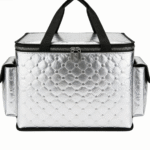
Es ist komplexer, Gemüse vom Bauernhof bis zum Tisch knackig und nahrhaft zu halten, als es in den Kühlschrank zu stellen. Der vegetables Kühlkette packaging Das System kontrolliert Temperatur und Luftfeuchtigkeit in jeder Phase, Verhinderung von Verderb und durch Lebensmittel verursachten Krankheiten. Die Forschung zeigt das ungefähr 40 % der Lebensmittel werden gekühlt und 15 % des weltweiten Energieverbrauchs wird für die Kühlung aufgewendet. Trotz dieser Bemühungen, um 25 % of Kühlkette products are still wasted. In 2025 Die Herausforderung besteht darin, die Frische zu bewahren und gleichzeitig Nachhaltigkeit und neue Vorschriften zu berücksichtigen. Dieser Leitfaden entmystifiziert Gemüse Kühlkettenverpackung und zeigt Ihnen, wie es helfen kann Du Qualität behalten, Abfall minimieren und steigende Markterwartungen erfüllen.
Why vegetables Kühlkette packaging is essential for food safety and investment — verstehen, warum bis zu 25 % der Produktion wird verschwendet when Kühlkette integrity fails and how proper packaging preserves vitamins.
How vegetables Kühlkette packaging works – Erkunden Sie die Isolierung, Kühlung, Phasenwechselmaterialien und intelligente Technologien, die Gemüse innerhalb sicherer Temperatur- und Feuchtigkeitsbereiche halten.
Auswahl der Verpackung für verschiedene Gemüsesorten — Sehen Sie sich die empfohlenen Temperaturen und die relative Luftfeuchtigkeit für Blattgemüse an, Wurzelgemüse, Warmsaison-Kulturen und trocken gelagerte Produkte.
Best practices for managing Kühlkette inventory – Erfahren Sie mehr über Echtzeitüberwachung, KI-gestützte Routenoptimierung, FIFO/FEFO-Rotation und Schulung.
Trends und Innovationen für 2025 — Entdecken Sie die neuesten Entwicklungen im Bereich Nachhaltigkeit, IoT, KI und Einhaltung gesetzlicher Vorschriften.
What Is Vegetables Kühlkette Packaging and Why Does It Matter?
Vegetables Kühlkette packaging ist ein System von Isolierte Behälter, Kühlmedien und Überwachungstechnologien das frische Produkte von der Ernte bis zur Verteilung bei optimaler Temperatur und Luftfeuchtigkeit hält. Es umfasst drei interagierende Elemente: Die Produkt (den Temperatur- und Feuchtigkeitsanforderungen jedes Gemüses), Die Herkunft/Ziel (wo es angebaut und konsumiert wird) und die Vertriebsnetz (Reefers, Lagerhallen und Container). Wenn diese Elemente übereinstimmen, die Atmung verlangsamt sich, Der Feuchtigkeitsverlust nimmt ab und die Nährstoffspeicherung verbessert sich.
Why Kühlkette Is Crucial
Bewahrt Nährstoffe und Textur. Blattgemüse blieb mit 90–95 nahe dem Gefrierpunkt % Feuchtigkeit bleiben knackig und behalten Vitamine. Im Gegensatz, Schon geringe Temperaturschwankungen können dazu führen, dass Krankheitserreger entstehen Salmonellen Und E. coli gedeihen.
Reduziert Verschwendung und steigert den Gewinn. Um 70 % Lebensmittel in den USA. passes through Kühlkettes, noch 25 % dieser Produkte werden verschwendet wegen Verstößen. Die richtige Verpackung verlangsamt die Atmung und reduziert das mikrobielle Wachstum, Haltbarkeit verlängern.
Entspricht den Vorschriften. Das Gesetz zur Modernisierung der Lebensmittelsicherheit (FSMA) Abschnitt 204 verlangt von Unternehmen die Aufrechterhaltung Schlüsseldatenelemente (Ernte, Kühlung, Verpackung, Versand, Empfangs- und Transformationsereignisse) für Lebensmittel auf der Liste der Rückverfolgbarkeit von Lebensmitteln, mit Beginn der Compliance-Termine Januar 20 2026.
Kühlkettenverpackungen sorgen dafür, dass Gemüse sicher bleibt, hohe Qualität und Rentabilität bei gleichzeitiger Erfüllung regulatorischer Anforderungen. Betrachten Sie es als ein Thermosflasche für Ihre Produkte – es hält den Inhalt in einem engen Temperaturbereich, um sie vor äußeren Schwankungen zu schützen.
Temperatur- und Luftfeuchtigkeitsanforderungen verstehen
Verschiedene Gemüsekategorien erfordern spezifische Bedingungen. Die folgende Tabelle fasst die empfohlenen Lagertemperaturen und die relative Luftfeuchtigkeit zusammen, adaptiert von der Cornell University Kühlspeicher Diagramm.
| Kategorie Gemüse | Empfohlene Temperatur | Relative Luftfeuchtigkeit | Praktische Bedeutung |
| Blattgrün (Kopfsalat, Spinat, Kohl) | ~32 °F (0 °C) | 90–95 % | Temperaturen nahe dem Gefrierpunkt verlangsamen die Atmung und sorgen dafür, dass die Blätter knackig bleiben. Schon geringfügige Erhöhungen führen zu Welke und Vitaminverlust. |
| Wurzelgemüse (Kartoffeln, Karotten, Rüben) | 38–40 °F (3–4 °C) | 85–90 % | Etwas wärmere Bedingungen vermeiden Kälteschäden, während hohe Luftfeuchtigkeit das Schrumpfen minimiert. |
| Kulturen in der warmen Jahreszeit (Paprika, Tomaten) | 45–60 °F (7–15 °C) | 85–90 % | Höhere Temperaturen verhindern Kälteschäden; Luftfeuchtigkeit reduziert den Wasserverlust. |
| Trockenlagerprodukte (Zwiebeln, Knoblauch) | 32 ° F (0 °C) | 70–75 % | Niedrige Luftfeuchtigkeit reduziert Keim- und Schimmelbildung; Getrennt von feuchten Produkten lagern. |
| Verschiedene Feldfrüchte (Winterkürbis, Melonen) | 50–55 °F (10–13 °C) | 70–85 % | Höhere Temperaturen sind erforderlich; Überwachen Sie die Luftfeuchtigkeit, um Fäulnis zu vermeiden. |
Halten Sie Gemüse innerhalb dieser Bereiche reduziert die Atmung, verzögert die Seneszenz und erhält die Prallheit aufrecht. Zum Beispiel, Spargel abgekühlt auf 0–2 °C mit 95–99 % Die Luftfeuchtigkeit bleibt 14–21 Tage lang frisch, während Verzögerungen beim Abkühlen die Zähigkeit erhöhen 40 %.
How Kühlkette Packaging Protects Your Vegetables
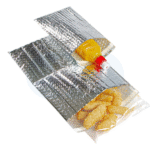
Kühlkettenverpackungssysteme kombinieren Isolierung, Kühlung Und Phasenwechselmaterial (PCMs) mit Smart Sensoren diese Bedingungen aufrechtzuerhalten. Isolierte Wände aus expandiertem Polystyrol (EPS), Polyurethan (Pur), extrudiertes Polystyrol (XPS) oder vakuumisolierte Paneele (VIPs) reduzieren die Wärmeübertragung. Aktive Kühleinheiten Verwenden Sie Kompressoren und Kondensatoren, um die Behälter auf 0–4 °C zu halten, während PCMs Wärmeenergie bei bestimmten Temperaturen absorbieren oder abgeben, Aufrechterhaltung enger Reichweiten ohne kontinuierliche Stromversorgung. IoT -Sensoren Temperatur überwachen, Luftfeuchtigkeit und Standort in Echtzeit, Versenden von Benachrichtigungen bei Abweichungen. Viele Systeme passen auch den Sauerstoff- und Kohlendioxidgehalt an, um die Reifung zu verlangsamen.
How Do Vegetables Kühlkette Packaging Systems Work?
Um wirklich zu verstehen vegetables Kühlkette packaging, Lassen Sie uns seine Kernkomponenten aufschlüsseln. Jeder Teil arbeitet zusammen, um die Produkte auf dem Weg vom Bauernhof zum Verbraucher zu schützen.
Isolierung, Kühl- und Phasenwechselmaterialien
Isoliersysteme Reduzieren Sie den Wärmeaustausch zwischen der Außenumgebung und dem Behälter. Gemeinsame Materialien umfassen:
Erweiterter Polystyrol (EPS): Leichter Schaumstoff für Temperaturbereiche zwischen 0 °C und 25 °C. Es ist erschwinglich, bietet aber eine mäßige Isolierung.
Polyurethan (Pur) & Extrudiertes Polystyrol (XPS): Dichtere Schäume bieten eine bessere Isolierung für Sendungen zwischen –20 °C und 15 °C. Sie sind ideal für längere Strecken, haben aber einen höheren CO2-Fußabdruck.
Vakuum -isolierte Panels (VIPs): Mikroporöse Kerne unter Vakuum sorgen für extreme Isolierung bei Temperaturen bis zu –80 °C. VIPs ermöglichen den Versand bei extrem niedrigen Temperaturen, kosten aber mehr.
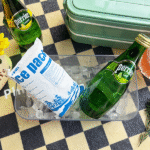
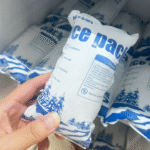
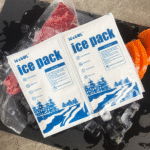
Phasenwechselmaterial (PCMs): Stoffe, die bei bestimmten Temperaturen Wärme aufnehmen oder abgeben, beispielsweise 0–4 °C für Gemüse. PCMs reduzieren die Abhängigkeit von aktiver Kühlung und verlängern die Haltezeiten.
Aktive Kühleinheiten Verwenden Sie Kompressoren und Kondensatoren, um präzise Temperaturen aufrechtzuerhalten. Für Gemüse, Tragbare Kühlgeräte halten Behälter auf 0–4 °C. Im Gegensatz, passive Systeme Verlassen Sie sich auf Isolierung und PCMs ohne mechanische Ausrüstung; Sie sind kostengünstig, aber auf kürzere Sendungen beschränkt. Hybridsysteme kombiniere beides, Verwendung einer passiven Isolierung und eines aktiven Backups für erhöhte Zuverlässigkeit.
Sensoren, IoT und kontrollierte Atmosphären
Moderne Kühlkettenverpackungen integrieren Smart Sensoren Und Internet der Dinge (IoT) Technologie um kontinuierlich Daten zur Temperatur bereitzustellen, Luftfeuchtigkeit und Standort. Prädiktive Analysen prognostizieren Geräteausfälle und optimieren Routen, während Blockchain-Lösungen die Rückverfolgbarkeit verbessern, indem sie jede Phase von der Ernte bis zur Lieferung aufzeichnen. Systeme mit kontrollierter Atmosphäre Passen Sie den Sauerstoff- und Kohlendioxidgehalt an, um die Reifung zu verlangsamen, wie in der EverFRESH®-Technologie von Carrier für Beeren und Blattgemüse zu sehen ist.
Diese Innovationen verwandeln die Verpackung von einer passiven Box in ein intelligentes System, das sich an veränderte Bedingungen anpasst. Wie das Smart-Container-Markt wächst aus 6,07 Milliarden US-Dollar im Jahr 2025 auf 30,48 Milliarden US-Dollar 2034, Erwarten Sie, dass weitere Lieferungen Sensoren enthalten, GPS- und Wolkenüberwachung.
Zusammenfassung der Materialien und Technologien
| Material oder Technologie | Typischer Temperaturbereich | Eigenschaften & Verwendung | Praktische Implikationen |
| EPS -Schaum | 0 ° C bis 25 °C | Leicht und kostengünstig; mäßige Isolierung | Geeignet für die Lieferung vor Ort, es sind jedoch möglicherweise Gelpackungen erforderlich; Überprüfen Sie die Recyclingmöglichkeiten. |
| Pur & XPS | –20 °C bis 15 °C | Dichterer Schaum mit höherem Isolationswert | Ideal für längere Sendungen; höherer CO2-Fußabdruck; Wiederverwendung zum Ausgleich von Abfällen. |
| VIPs | –80 °C bis 25 °C | Der mikroporöse Kern sorgt für eine extrem hohe Isolierung | Ermöglicht extrem niedrige Temperaturen; teurer; am besten für hochwertige Produkte. |
| PCMs | –50 °C bis 20 °C (variiert) | Bei bestimmten Temperaturen Wärme aufnehmen oder abgeben | Verlängern Sie die Haltezeit und reduzieren Sie das Nutzlastgewicht; Paar mit Isolierung. |
| Wellpappe & Naturfasern | 0 ° C bis 15 °C | Mehrschichtige Einlagen aus Pappe oder Wolle | Vollständig recycelbar; Für lange Reisen sind möglicherweise Gelpacks oder PCMs erforderlich. |
| Wiederverwendbare starre Behälter & Palettenversender | –80 °C bis 25 °C | Robuste Kunststoff- oder Metallbehälter mit integrierten VIPs, PCMs und Sensoren | Hohe Vorabkosten, aber niedrigere Gesamtbetriebskosten; Es wird erwartet, dass der Markt von 4,97 Milliarden US-Dollar im Jahr wachsen wird 2025 auf 9,13 Milliarden US-Dollar 2034. |
Mit diesen Materialien und Technologien können Sie die Anforderungen erfüllen Temperaturzone (Cool, gekühlt, gefroren, Ultrakold) mit der entsprechenden Verpackung. Die Wahl der richtigen Kombination sorgt dafür, dass Ihr Gemüse frisch bleibt und weniger Abfall entsteht.
Selecting the Right Vegetables Kühlkette Packaging for Different Crops
Nicht alle Gemüsesorten reagieren gleich auf Kälte. Um die richtige Verpackung auszuwählen, müssen deren physiologische Eigenschaften und Transportdauer bekannt sein.
Verpackung für Blattgemüse und Kräuter
Blattgemüse wie Salat, Spinat und Kräuter haben eine hohe Atmungsfrequenz und erfordern Temperaturen nahe dem Gefrierpunkt von 90–95 °C % relative Luftfeuchtigkeit. Vakuumisolierte Paneele oder PUR-Boxen gepaart mit PCMs bei 0 °C sorgen für gleichbleibend kalte Bedingungen. Atmungsaktive Folien ermöglichen den Gasaustausch und verhindern die Bildung von Feuchtigkeit, während Plastikkisten mit Gelpackungen ausgekleidet polstern zarte Blätter. Aufgrund ihrer kurzen Haltbarkeit, Sendungen sollten schnell erfolgen; Routenoptimierung sorgt für pünktliche Lieferung.
Verpackung für Wurzelgemüse und Knollen
Wurzelgemüse wie Karotten, Kartoffeln und Rüben vertragen etwas höhere Temperaturen (38–40 °F) und hohe Luftfeuchtigkeit. Wellpappe mit Wolleinlagen oder EPS-Boxen In Kombination mit Gelpackungen bleibt die Feuchtigkeit erhalten, ohne dass es zu Kondensation kommt. Um das Keimen zu verhindern, Die Verpackung sollte Licht blockieren, und die Luftfeuchtigkeit sollte bei etwa 85–90 bleiben %. Für große Ladungen sind Großpaletten oder wiederverwendbare starre Behälter praktisch, da sie effizient gestapelt werden können.
Verpackung für WarmSeason-Gemüse
Tomaten, Paprika und Gurken sind anfällig dafür kühle Verletzung wenn es zu kalt gehalten wird. Sie benötigen 45–60 °F mit 85–90 % Luftfeuchtigkeit. Für diese Kulturen, EPS- oder XPS-Behälter mit PCMs, die auf ungefähr abgestimmt sind 10 °C sorgen für eine sichere Umgebung. Eine belüftete Verpackung reduziert die Kondensation, und kontrollierte Atmosphärensysteme passen den Sauerstoffgehalt an eine langsame Reifung an. Für Exportsendungen, Hybridsysteme, die passive Isolierung mit aktiver Luftzirkulation kombinieren, sorgen für zusätzliche Sicherheit.
Verpackung für DryStorage-Produkte
Zwiebeln und Knoblauch benötigen eine geringere Luftfeuchtigkeit (70–75 %). Netzbeutel in starren Behältern Luftzirkulation ermöglichen und Feuchtigkeit reduzieren, verhindert das Keimen. Aktive Kühlung ist hier weniger kritisch, Die Verpackung soll jedoch vor physischen Schäden schützen. Um eine Kreuzkontamination zu vermeiden, sollten trocken gelagerte Produkte von Waren mit hoher Luftfeuchtigkeit getrennt aufbewahrt werden.
Stufenbasierte Containerauswahl
Gemüse durchläuft mehrere Phasen, bevor es zum Verbraucher gelangt. In der folgenden Tabelle sind die empfohlenen Verpackungen und Vorgehensweisen für jede Phase zusammengefasst.
| Stufe der Kühlkette | Zweck & empfohlene Temperatur | Verpackung & Praktiken | Was es für Sie bedeutet |
| Produktion & Ernte | Kühlen Sie frisch geerntetes Gemüse schnell mit Umluft oder Hydrokühlung ab; zwischen 0 und 5 °C aufbewahren | In gekühlten Räumen belüftete Kisten verwenden; Feldwärme umgehend entfernen | Verlangsamt die Atmung und das mikrobielle Wachstum, Erhaltung der Nährstoffe und Verlängerung der Haltbarkeit. |
| Verarbeitung & Verpackung | Waschen, unter kontrollierten Temperaturen schneiden und verpacken | Einrichtungen desinfizieren; Verwenden Sie hygienische Materialien und atmungsaktive Folien | Verhindert Kontaminationen und reduziert die Krankheitserregerbelastung; behält die Qualität bei. |
| Kühllager | Lagern Sie gekühltes Gemüse bei 0–4 °C und gefrorene Brühe bei –18 °C | Verwenden Sie isolierte Boxen mit PCMs; Halten Sie getrennte Zonen für verschiedene Kulturen ein | Bietet Pufferbestand und reduziert Verschwendung; sorgt für eine konstante Versorgung. |
| Transport | Use refrigerated trucks and reefers to maintain a continuous Kühlkette | Setzen Sie GPS-fähige Sensoren ein; Wählen Sie Behälter mit geeigneter Isolierung und PCMs | Verhindert den Verderb über große Entfernungen; überwacht die Bedingungen in Echtzeit. |
| Verteilung & Einzelhandel | In Multizonen-Vertriebszentren und -Filialen herrschen unterschiedliche Temperaturzonen | Für eine einfache Handhabung verwenden Sie modulare Behälter; Lagerbestände mit FIFO/FEFO drehen | Hält Gemüse bis zum Kauf frisch; reduziert Warenschwund im Einzelhandel. |
| Umgang mit Verbrauchern | Bei ≤4 °C kühlen und bei –18 °C einfrieren; zeitnah verzehren | Geben Sie auf der Verpackung klare Anweisungen zur Lagerung an; Fügen Sie QR-Codes für Tipps hinzu | Erhält die Qualität zu Hause und reduziert den Hausmüll. |
Best Practices for Maintaining Kühlkette Integrity
Die Wahl der richtigen Verpackung ist nur die halbe Miete. Maintaining Kühlkette integrity requires operational best practices across inventory management, Schulung und Compliance.
Hilfreiche Entscheidungshilfen
Überprüfen Sie die Details, bevor Sie sich für die Verpackung entscheiden
Mit diesen schnellen Tools können Sie das Routenrisiko vergleichen, Größenanforderungen, Kühlmittelauswahl, und Verpackungsdetails, bevor Sie ein Angebot anfordern.
Boxliner & Dimensionierung der Palettenabdeckung
Überprüfen Sie die Größenlogik für Kartoneinlagen und Palettenabdeckungen für isolierte Verpackungsprojekte.
Schätzen Sie die GrößeKühlmittel & PCM-Referenz
Vergleichen Sie Kühlmittel- und PCM-Optionen, wenn eine Route zusätzliche Temperaturunterstützung benötigt.
Vergleichen Sie OptionenEisbeutel-Rechner
Schätzen Sie die Menge an Gel-Eisbeuteln für gekühlte Sendungen und nutzen Sie die praktische Routenplanung.
Schätzen Sie EisbeutelEchtzeitüberwachung und -verfolgung
IoT-Sensoren überwachen die Temperatur, Luftfeuchtigkeit und Standort kontinuierlich überwachen. Geräte zeichnen die Bedingungen alle 10–15 Minuten auf und senden Warnungen, wenn Abweichungen auftreten, Ermöglicht Korrekturmaßnahmen vor dem Verderb. Viele Unternehmen integrieren Sensoren in Cloud-Plattformen, um Daten zu analysieren, Trends erkennen und Abläufe optimieren. Die Echtzeitüberwachung verhindert nicht nur Verluste, sondern liefert auch den Nachweis für die Einhaltung gesetzlicher Vorschriften.
KI-gestützte prädiktive Analysen und Routenoptimierung
Künstliche Intelligenz (Ai) prognostiziert die Nachfrage, optimiert Lieferwege und antizipiert Geräteausfälle. Algorithmen des maschinellen Lernens analysieren die Verkaufshistorie, saisonale Muster und das Wetter, um den Lagerbedarf vorherzusagen. KI-gesteuerte Routenplanung reduziert die Transitzeit, Das spart Kraftstoff und stellt sicher, dass das Gemüse ankommt, bevor die Qualität nachlässt. In Lagerhäusern, KI schlägt eine dynamische Raumzuteilung vor, Verbesserung der Effizienz und Senkung der Arbeitskosten. Durch den Wechsel von reaktiv zu proaktiv Management, KI reduziert Verschwendung und erhöht die Rentabilität.
FIFO- und FEFO-Rotationspraktiken
Adoptieren Zuerst rein, Zuerst raus (FIFO) Und Zuerst abgelaufen, Zuerst raus (FEFO) Rotation, um sicherzustellen, dass ältere oder bald abgelaufene Lagerbestände zuerst versendet werden. Die Kombination dieser Methoden mit Echtzeit-Ablaufdaten verbessert die Genauigkeit und verringert den Warenschwund. Beschriften Sie Paletten und Behälter mit eindeutigen Daten und nutzen Sie Barcode- oder QR-Code-Systeme zur Nachverfolgung.
Bedarfsprognose und Bestandsoptimierung
Genaue Prognosen verhindern sowohl Überbestände als auch Engpässe. Datengesteuerte Modelle nutzen historische Verkäufe, saisonale Muster und Werbeaktivitäten, um Nachbestellpunkte festzulegen. Integrierte Lagerverwaltungssysteme passen Bestellungen automatisch an und weisen Lagerraum zu. Algorithmen des maschinellen Lernens empfehlen optimale Sicherheitsbestände basierend auf Variabilität und Vorlaufzeiten, Reduzierung der Transportkosten bei gleichzeitiger Sicherstellung der Verfügbarkeit.
Schulung und Standardarbeitsanweisungen
Auch die beste Technik scheitert ohne geschultes Personal. Mitarbeiter müssen richtig verstehen Handhabung, Stapeln von Paletten, Hygiene Und Gerätebetrieb. Standardarbeitsanweisungen (Sops) sollte den Empfang beschreiben, Lagerung, Kommissionierungs- und Versandpraktiken. Regular training refreshes skills and reinforces the importance of Kühlkette integrity. Erstellen Sie Checklisten für das Be- und Entladen von Fahrzeugen, und führen Sie Übungen für Notsituationen wie Stromausfälle durch.
Dokumentation und Compliance
Regulatorische Rahmenbedingungen erfordern detaillierte Temperaturaufzeichnungen, Luftfeuchtigkeit, Chargennummern und Verfallsdaten. FSMA-Sektion 204 Mandate, die Unternehmen bereitstellen Wichtige Datenelemente an die FDA innerhalb 24 Std. nach einer Anfrage. Der Compliance-Termin für die meisten Unternehmen ist Januar 20 2026, mit einer vorgeschlagenen Verlängerung bis Juli 20 2028. Integrieren Sie Rückverfolgbarkeitsfunktionen in Bestandssysteme und schulen Sie Ihr Personal in der genauen Datenerfassung. Zuwiderhandlungen können zu Bußgeldern führen, Rückrufe und Verlust des Verbrauchervertrauens.
Stromausfälle und Notfallplanung
Stromausfälle können die Lagertemperaturen schnell ansteigen lassen. Einrichtungen sollten installiert werden Backup-Generatoren, Führen Sie regelmäßige Tests durch und investieren Sie in energieeffiziente Kühlsysteme. Eine hochwertige Isolierung trägt dazu bei, die Temperatur bei Ausfällen länger aufrechtzuerhalten. Entwickeln Sie Notfallpläne mit detaillierten Verfahren für die schnelle Verlagerung von Waren oder die Umverteilung von Produkten in Notfällen.
Kontrolle der Luftfeuchtigkeit und Luftqualität
Die Aufrechterhaltung der richtigen Luftfeuchtigkeit verhindert Kondensation und Schimmelbildung und verhindert gleichzeitig Welken und Gewichtsverlust. Die Einrichtungen sollten Luftbefeuchter verwenden, Luftentfeuchter und richtige Belüftung. Ein sauberer Luftstrom entfernt Ethylengas, was die Reifung beschleunigt und empfindliche Gemüse angreift. Trennen Sie ethylenproduzierende Pflanzen (Z.B., Tomaten) von ethylenempfindlichen (Z.B., Kopfsalat).
Transportverzögerungen und Verpackungslösungen
Verkehrs- oder wetterbedingte Verzögerungen können zu einer Verschlechterung der Produktion führen. Implementieren Routenoptimierung und stellen Sie sicher, dass die Fahrzeuge vorbeugend gewartet werden. Wählen Sie eine Verpackung, die der Versandentfernung entspricht: aktive Systeme für lange Reisen, passive oder hybride Systeme für kurze Strecken. Kühlen Sie Container und Fahrzeuge vor dem Beladen vor, um die Temperatur aufrechtzuerhalten.
Hygiene und Kontaminationsprävention
Kühllagerbereiche müssen regelmäßig gereinigt und desinfiziert werden. Überprüfen Sie Sendungen auf Temperaturkonformität und trennen Sie neue Produkte von älteren Beständen. Bringen Sie den Mitarbeitern bei, persönliche Hygienepraktiken einzuhalten, Tragen Sie Schutzausrüstung und verhindern Sie Kreuzkontaminationen.
2025 Trends and Innovations in Vegetables Kühlkette Packaging
The landscape of vegetables Kühlkette packaging is evolving rapidly. In 2025, Mehrere Trends verändern die Art und Weise, wie Unternehmen Produkte lagern und transportieren.
Nachhaltigkeit und grüne Logistik
Kühlkettenbetriebe stehen zunehmend unter Druck ihren CO2-Fußabdruck reduzieren. Innovationen umfassen erneuerbare Energiequellen wie Solar- und Windkraft zur Stromversorgung von Kühlanlagen. Der Übergang zur –15 °C-Initiative fördert energieeffiziente Kühltechnologien zur Reduzierung von Emissionen. Effiziente Kühlketten reduzieren zudem Lebensmittelverluste: mehr als 1 Jährlich werden Milliarden Tonnen Lebensmittel verschwendet, Erzeugen 8–10 % der globalen Treibhausgasemissionen. Einführung wiederverwendbarer Behälter, Biologisch abbaubare Materialien und die Optimierung von Routen tragen dazu bei, die Umweltbelastung zu verringern.
Künstliche Intelligenz und Automatisierung
KI verändert die Kühlkettenlogistik. Vorausschauende Wartung antizipiert Geräteausfälle, während Routenoptimierung reduziert Verzögerungen. Bei der Lagerautomatisierung werden Roboter eingesetzt, um den Platz zu optimieren und die Arbeitskosten zu senken. KI hilft auch dabei, Anlagenlayouts zu entwerfen, die Sicherheit und Effizienz erhöhen, dynamische Anpassung an Produktprofile. Diese Funktionen machen das Kühlkettenmanagement proaktiv und nicht reaktiv.
Echtzeitüberwachung und IoT-Erweiterung
IoT-Sensoren sind in allgegenwärtig 2025. Sie liefern kontinuierliche Daten zu Temperatur und Luftfeuchtigkeit und lassen sich für eine durchgängige Transparenz in die Lieferkettensoftware integrieren. Blockchain-Technologien verbessern die Rückverfolgbarkeit; Unternehmen wie Walmart arbeiten mit dem Food Trust von IBM zusammen, um die Produkte vom Bauernhof bis zum Laden zu verfolgen. Intelligente Paletten mit integriertem GPS und Klimatisierung, wie es von Firmen wie Nestlé verwendet wird, Bewerten Sie die Versandbedingungen und reduzieren Sie Abfall.
Erweiterung der Kühllagereinrichtungen und BuilttoSuit-Lösungen
Hohe Infrastrukturkosten treiben die Auslagerung an spezialisierte Kühllageranbieter voran. Passende Einrichtungen werden an die betrieblichen Anforderungen angepasst, Optimierung von Kosten und Effizienz. Outsourcing ermöglicht Unternehmen den Zugang zu fortschrittlichen Technologien ohne große Kapitalinvestitionen.
Widerstandsfähigkeit gegenüber Klimawandel und Störungen der Lieferkette
Extreme weather events such as flooding and drought challenge Kühlkette logistics. Unternehmen investieren in eine belastbare Infrastruktur, Diversifizierte Routenführung und strategische Lagerbestände. Die Bereitstellung zusätzlicher Kühlcontainer und Ersatztransportmöglichkeiten erhöht die Belastbarkeit.
Zunehmender Regulierungsdruck und zunehmende Rückverfolgbarkeit
Weltweit verschärfen Regulierungsbehörden die Anforderungen. FSMA-Sektion 204 fordert Rückverfolgbarkeit und risikobasierte Kontrollen. Branchenverbände fördern Standarddatenformate, um die Compliance zu vereinfachen. Dieser Trend drängt Unternehmen dazu, digitales Tracking einzuführen, Smart Labels und automatisierte Aufzeichnungen.
Marktwachstum und Investitionen
Der UNS. Kühlkette für Lebensmittel Markt wird voraussichtlich wachsen USD 14.17 Milliarden in 2025 in USD 54.88 Milliarden von 2034. Investitionen fließen in KI, IoT, nachhaltige Verpackung und erneuerbare Energien, um Verbrauchererwartungen und regulatorische Anforderungen zu erfüllen. Denn Verbraucher verlangen eine ganzjährige Verfügbarkeit von Gemüse und eine höhere Transparenz, Unternehmen müssen ihre Kühlkettenverpackungssysteme modernisieren.
FAQ: Antworten auf Ihre häufig gestellten Fragen
- Was ist der Hauptvorteil der Kühlkettenverpackung von Gemüse??
Eine Kühlkette hält Gemüse im optimalen Temperatur- und Feuchtigkeitsbereich, Verlangsamung der Atmung und des mikrobiellen Wachstums. Dies verlängert die Haltbarkeit und reduziert Abfall. Verwenden Sie Behälter mit geeigneter Isolierung und Sensoren, um die Sicherheit der Produkte zu gewährleisten. - Wie kalt sollte die Lagerung von Blattgemüse sein??
Blattgemüse benötigt Temperaturen nahe dem Gefrierpunkt – ungefähr 32 ° F (0 °C) mit 90–95 % relative Luftfeuchtigkeit. Verwendung von VIP-Containern oder PUR-Boxen mit PCMs bei 0 °C sorgt für Knusprigkeit und Nährstofferhalt. - Warum können Zwiebeln nicht zusammen mit Salat gelagert werden??
Zwiebeln benötigen eine niedrige Luftfeuchtigkeit (70–75 %) um das Keimen zu verhindern, während Salat eine hohe Luftfeuchtigkeit benötigt. Eine Vermischung beeinträchtigt beides; Lagern Sie sie in separaten Behältern mit angemessener Luftfeuchtigkeit. - Muss ich Temperaturen aufzeichnen, um die Einhaltung gesetzlicher Vorschriften zu gewährleisten??
Wenn Ihr Gemüse auf der Lebensmittelrückverfolgbarkeitsliste steht, Sie müssen wichtige Datenelemente aufzeichnen und diese der FDA zur Verfügung stellen 24 Std.. Nutzen Sie IoT-Sensoren und digitale Aufzeichnungen, um die Compliance zu vereinfachen. - Wie kann ich den Energieverbrauch in meiner Kühlkette reduzieren??
Setzen Sie auf energieeffiziente Kühlung, erneuerbare Energiequellen wie Sonne oder Wind, und eine ordnungsgemäße Isolierung. Auch die KI-gesteuerte Routenoptimierung senkt den Kraftstoffverbrauch. - Sind Phasenwechselmaterialien für Lebensmitteltransporte sicher??
Ja. Für den Lebensmittelversand ausgewählte PCMs werden in Behältern versiegelt und sind so konzipiert, dass sie ungiftig sind. Sie nehmen bei bestimmten Temperaturen Wärme auf und geben sie wieder ab, Reduzierung des Energieverbrauchs. - Was ist intelligente Verpackung und wie hilft sie??
Intelligente Verpackungen nutzen Sensoren, Intelligente Materialien und IoT zur Überwachung und Regulierung von Umweltfaktoren wie der Temperatur, Luftfeuchtigkeit und Gaskonzentrationen. Es verlängert die Haltbarkeit, Erhöht die Lebensmittelsicherheit und reduziert Abfall durch dynamische Anpassung der internen Bedingungen. - Are biodegradable materials suitable for Kühlkette packaging?
Ja. Naturfasern wie Wolle bieten recycelbare Alternativen, Allerdings sind für längere Fahrten möglicherweise Gelpacks oder PCMs erforderlich. Es entstehen Innovationen bei biologisch abbaubaren intelligenten Verpackungen, um Plastikmüll zu reduzieren.
Zusammenfassung und Empfehlungen
Key Takeaways:
Verstehen Sie die Bedürfnisse Ihres Gemüses: Lagern Sie Blattgemüse bei 0 °C bei hoher Luftfeuchtigkeit, Wurzelgemüse etwas wärmer, Anbau in der warmen Jahreszeit bei gemäßigten Temperaturen und Trockenlagerung bei niedriger Luftfeuchtigkeit.
Investieren Sie in die richtige Verpackung: Wählen Sie Materialien – EPS, Pur, VIPs und PCMs – basierend auf Temperaturanforderungen und Versanddauer. Für hochwertige oder lange Sendungen, Ziehen Sie Mehrwegbehälter mit integrierten Sensoren in Betracht.
Implementieren Sie eine Echtzeitüberwachung: Nutzen Sie IoT-Sensoren und KI für kontinuierliche Daten, vorausschauende Wartung und Routenoptimierung.
Befolgen Sie Best Practices: Wenden Sie die FIFO/FEFO-Rotation an, Personalbetreuung, Halten Sie die Hygiene aufrecht und bereiten Sie Notfallpläne vor.
Bleiben Sie den Trends immer einen Schritt voraus: Setzen Sie auf Nachhaltigkeit, Ai, IoT und Einhaltung gesetzlicher Vorschriften; Investieren Sie in erneuerbare Energien und verfolgen Sie das Marktwachstum.
Aktionsplan:
Bewerten Sie Ihre aktuelle Kühlkette. Führen Sie eine Prüfung der Verpackungsmaterialien durch, Sensoren und Speicherpraktiken. Identifizieren Sie Temperaturabweichungen und Abfallbereiche.
Verpackungssysteme aufrüsten. Investieren Sie in Isolierungen und PCMs, die auf Ihre Produkte zugeschnitten sind. Für hochwertige Sendungen, Einführung wiederverwendbarer Behälter mit intelligenten Sensoren.
Integrieren Sie Überwachung und Analyse. Nutzen Sie mit der Cloud verbundene Sensoren und KI, um Wartungsprobleme vorherzusagen, Optimieren Sie Routen und prognostizieren Sie die Nachfrage.
Trainieren und stärken Sie Ihr Team. Entwickeln Sie SOPs und führen Sie regelmäßige Schulungen zur Handhabung durch, Hygiene und Notfallmaßnahmen.
Übernehmen Sie nachhaltige Praktiken. Implementieren Sie Lösungen für erneuerbare Energien, Reduzieren Sie Einwegkunststoffe und wählen Sie recycelbare oder biologisch abbaubare Materialien.
Bleib konform. Machen Sie sich mit der FSMA-Sektion vertraut 204 und bereiten Sie Ihre Aufzeichnungssysteme darauf vor 2026 Fristen.
Über Tempk
Tempk ist Spezialist für Kühlkette packaging and technology solutions. Unser Forschungs- und Entwicklungsteam konzentriert sich auf das Schaffen umweltfreundlich, wiederverwendbare und recycelbare Produkte. Wir bieten Isolierte Kisten, Gel -Eisbeutel und integrierte Sensorsysteme, die das Gemüse während des gesamten Transports auf der richtigen Temperatur halten. Durch die Kombination innovativer Materialien mit Echtzeitüberwachung, wir helfen Reduzieren Sie den Verderb um bis zu 50 %. Wir sind der Nachhaltigkeit und der Einhaltung gesetzlicher Vorschriften verpflichtet, Wir unterstützen Ihr Unternehmen mit zuverlässigen Lösungen.
Aufruf zum Handeln: Need help optimizing your vegetables Kühlkette packaging? Kontaktieren Sie unsere Experten für eine persönliche Beratung und erfahren Sie, wie wir nachhaltig sind, Mit intelligenten Verpackungslösungen bleiben Ihre Produkte frisch und Ihre Kunden zufrieden.