Wie sich die Kühlketten-Lieferlogistik weiterentwickeln wird 2025
Die Welt von cold chain supply logistics is undergoing rapid change, angetrieben durch neue Technologien, stricter regulations and shifting consumer expectations. In this comprehensive guide you’ll discover how automation, künstliche Intelligenz (Ai), sustainable packaging and regional market dynamics are reshaping the way temperature sensitive products are stored, transportiert und geliefert. Der globale Markt für Kühlkettenlogistik wird mit bewertet USD 436.30 Milliarden in 2025 und wird voraussichtlich etwa USD erreichen 1,359.78 Milliarden von 2034 mit a 13.46 % CAGR. Understanding these shifts now will help you make smarter decisions and keep your goods safe and profitable.

What cold chain supply logistics involves – from storage and transportation to handling and final delivery, including core components and packaging systems.
How automation and AI transform operations – including robotics adoption, predictive analytics and real time monitoring that reduce costs and errors.
Why sustainability and waste reduction matter – examining energy efficient solutions, biodegradable packaging and the economic benefits of cutting waste.
How sectors like pharmaceuticals and fresh foods drive growth – highlighting gene therapy temperature needs, market forecasts and emerging products.
What regional trends and challenges to expect in 2025 – exploring Asia–Pacific’s growth, Europe’s infrastructure investments and U.S. dominance.
Häufig gestellte Fragen – clear answers on packaging choices, regulatory requirements and selecting suppliers.
What does cold chain supply logistics involve and why is it important?
Cold chain supply logistics refers to the interconnected processes of packaging, Speicherung, handling and transporting temperature sensitive goods under controlled conditions. These processes keep products within a safe temperature range from production to consumption, Gewährleistung von Sicherheit und Qualität. Without robust cold chain systems, verderbliche Lebensmittel, Impfungen, biologics and chemicals would spoil or lose efficacy during transit. Demand for effective cold chain packaging is growing rapidly—the global cold chain packaging market was about US$20.08 billion in 2020 und wird voraussichtlich erreicht werden US$36.65 billion by 2026; some analyses foresee it surpassing US$100 billion by the mid 2030s.
Understanding cold chain logistics is crucial across industries. Pharmaceuticals and biologics require strict temperature ranges (Typischerweise 2–8 ° C) Potenz aufrechtzuerhalten; Die Weltgesundheitsorganisation schätzt das auf über 25 % of vaccines lose efficacy due to cold chain failures. Fresh produce and meal kits comprise around 75 % des Marktes für Kühlkettenverpackungen, where maintaining texture, flavour and nutritional value is essential. Chemikalien, Kosmetika, agriculture and horticulture also rely on precise temperature control to protect product integrity. Effective cold chain logistics therefore safeguard public health, reduce waste and support global trade.
Core components of cold chain supply logistics packaging
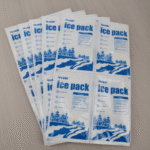
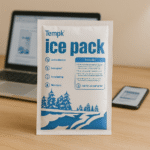
Cold chain logistics integrates several elements working together to maintain temperature control throughout the shipment. Key components include insulation materials, temperature control mechanisms, tailored packaging design, coolants or phase change materials (PCMs), and sensors or data loggers. Isoliermaterialien wie erweiterte Polystyrol (EPS), polyurethane foam and vacuum insulated panels (VIPs) eine Wärmebarriere schaffen, reducing heat transfer and allowing longer transit times. Temperaturkontrollmechanismen can be active (using refrigeration units or dry ice) oder passiv (relying on pre conditioned gel packs or PCMs); choosing the right system influences cost, Komplexität und Leistung. Tailored packaging design ensures products fit snugly and minimises void space to maintain temperature uniformity.
The following table summarises typical temperature ranges and packaging choices for common products:
| Produktkategorie | Sicherer Temperaturbereich | Typische Verpackung | Praktische Bedeutung |
| Pharmazeutika | 35.6 °F–46,4 °F (2–8 ° C) | Insulated containers with PCMs or gel packs; manipulationssichere Siegel | Erhält die Wirksamkeit des Arzneimittels und reduziert das mikrobielle Wachstum. |
| Verderbliche Eigenschaften (produzieren, Molkerei, Fleisch) | ≤ 40 ° F (4.4 °C) | EPS- oder PUR-Boxen mit Gelpackungen; atmungsaktive Innenfutter | Prevents spoilage and preserves texture or flavour. |
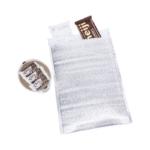
| Schokolade | Erweichung bei 85 ° F (29 °C), schmelzen bei 93 ° F (34 °C) | Thermoversandtaschen mit reflektierender Isolierung; Mäßige Kühlung | Bewahrt das Aussehen und beugt Fettflecken vor. |
| Gefrorene Lebensmittel | –30 °C bis 0 °C | Polyurethanbehälter mit Trockeneis oder –20 °C PCMs; wiederverwendbare Palettenversender | Verhindert das Auftauen von Meeresfrüchten und Eis während des langen Transports. |
| Ultrakalte Biologika (mRNA-Impfstoffe, Gentherapien) | ≤ –80 °C | VIPs combined with dry ice; Wiederverwendbare starre Behälter | Unverzichtbar für ultrakalte Produkte; provides reliable –80 °C conditions. |
Praktische Tipps und Ratschläge
Map product requirements: Classify items into temperature zones (Z.B., cool 10–15 °C, refrigerated 0–10 °C, frozen –30–0 °C or ultra cold ≤ –80 °C) to select appropriate packaging.
Kältemittel vorkonditionieren: Freeze or pre condition PCMs and gel packs to the correct temperature before packing to achieve optimal thermal performance.
Leerraum minimieren: Fill empty areas with cushioning to reduce heat transfer and prevent shifting during transit.
Kontrollieren Sie die Luftfeuchtigkeit: Leafy greens may require up to 95 % relative Luftfeuchtigkeit; use absorbent liners or moisture regulating materials accordingly.
Beschriften und dokumentieren: Kennzeichnen Sie Pakete mit Handhabungshinweisen (Z.B., „Eingefroren bleiben“) and keep temperature records to meet regulatory requirements.
Beispiel für reale Welt: When COVID 19 vaccines were first distributed in the United States, Ingenieure bei IPS Packaging & Automation helped design cold chain shipping materials that maintained extremely low temperatures while meeting regulatory standards, Gewährleistung der Integrität des Impfstoffs. This highlights the importance of well designed packaging in safeguarding public health.
How are automation and AI transforming cold chain supply logistics?
Automation and AI are emerging as core technologies that address labour shortages, optimise routes and improve decision making in cold chain supply logistics. Many warehouses remain unautomated—studies show that about 80 % der Lager mangelt es an Automatisierung—leaving significant room for efficiency gains. Automatisierte Lager- und Bereitstellungssysteme (AS/RS) and robotic handling reduce labour costs, operate continuously and minimise errors. By controlling temperature and humidity automatically, these systems also improve product quality.
AI and predictive analytics further enhance cold chain operations. Artificial intelligence can analyse historical data and real time sensor readings to forecast demand, Optimieren Sie Routen und prognostizieren Sie den Wartungsbedarf der Ausrüstung. According to Inbound Logistics’ 2025 Umfrage, 71 % of logistics technology vendors now offer AI solutions, a sharp rise from 50 % In 2024. AI enablement ranked among the top five challenges for shippers, mit 47 % of technology vendors indicating customers viewed AI adoption as critical. These statistics underscore that AI has moved from experimentation to mainstream adoption.
AI and predictive analytics in route optimisation
AI powered route optimisation uses real time traffic data, weather information and historical performance to chart the most efficient paths for shipments. This reduces transit times and prevents quality degradation by avoiding congestion or extreme environmental conditions. Predictive analytics also identify upcoming temperature excursions through continuous monitoring, triggering immediate alerts for corrective action. The integration of AI with IoT sensors—small devices attached to shipments that measure temperature, humidity and location—allows logistics providers to intervene proactively before spoilage occurs.
The benefits of AI extend beyond route planning. AI driven demand forecasting helps organisations allocate resources efficiently and maintain inventory levels, Abfall reduzieren. Predictive maintenance algorithms monitor equipment health and schedule servicing before breakdowns occur, preventing costly product losses. In the inbound logistics survey, cost reduction remains the top customer challenge, yet vendors note that AI enablement now ranks highly, indicating broad recognition of AI’s value.
Robotics and end to end visibility
Robotic systems are increasingly deployed to handle pallets, sort packages and manage inventory. These machines can operate 24/7, accelerating throughput and reducing manual errors. Zum Beispiel, robotic forklifts navigate warehouses using sensors and machine vision, minimising product damage and improving safety. In der Zwischenzeit, Echtzeitverfolgung with IoT devices provides end to end visibility; In 2022 das Hardware-Segment gehalten über 76.4 % des Marktes für die Verfolgung und Überwachung der Kühlkette. This visibility enables logistics companies to optimise routes, ensure regulatory compliance and enhance customer satisfaction.
Why are sustainability and waste reduction key priorities?
Environmental sustainability is no longer optional for cold chain operations. The food cold chain is responsible for roughly 2 % der weltweiten CO₂-Emissionen, Und more than one billion tonnes of food are wasted every year—equivalent to 8–10 % der globalen Treibhausgasemissionen. Sustainable practices can help reduce this footprint while preserving product integrity. Regulatory pressures and consumer expectations are pushing companies to adopt energy efficient refrigeration systems, renewable energy sources and biodegradable or recyclable packaging.
Sustainable materials and eco friendly innovations
Green logistics focuses on reducing emissions and resource consumption throughout the supply chain. In der Verpackung, there is growing interest in paper and paperboard materials, which are biodegradable and account for 42 % of the cold chain packaging materials market in 2025. Insulated containers dominate by providing 40.4 % Marktanteil because of their durability and ability to protect goods from physical damage. In der Zwischenzeit, companies are innovating in refrigerants: Cryopak introduced Eco Gel, a biodegradable gel pack that maintains consistent temperatures and can withstand repeated use, offering a sustainable alternative to traditional gels.
Another eco friendly innovation is solarbetriebene Kühllagereinheiten. These units provide reliable cooling in regions with inconsistent electricity grids and reduce energy costs. Commercial solar rates vary between 3.2 Und 15.5 Cent pro kWh, offering significant savings compared with the average commercial utility cost of 13.10 Cent pro kWh in 2024. Solar installations thus bridge gaps in rural healthcare and food distribution across Southeast Asia.
Sustainability also extends to Phasenwechselmaterialien (PCMs) Und Wiederverwendbare starre Behälter. The PCM segment was valued at 3,6 Milliarden US-Dollar im Jahr 2024, indicating growing adoption. Reusable rigid containers and pallet shippers are expected to grow from 4,97 Milliarden US-Dollar im Jahr 2025 auf 9,13 Milliarden US-Dollar 2034. Despite higher upfront costs, these systems lower total cost of ownership and reduce waste over time.
Economic benefits of waste reduction
Reducing spoilage saves money and lessens environmental impact. Verschwendete verderbliche Lebensmittel können einen Verlust von bis zu 50 % of its value ohne richtige Temperaturkontrolle. Effective cold chain logistics minimise returns, protect brand reputation and maximise each shipment’s value. Zusätzlich, sustainable practices help companies comply with environmental regulations and avoid penalties. As energy prices become more volatile, investments in efficient refrigeration and renewable energy can provide a competitive advantage.
How do pharmaceuticals and fresh food drive cold chain supply logistics growth?
The pharmaceutical sector is a major driver of cold chain expansion. Während der COVID-19-Pandemie, the need for ultra cold storage to distribute vaccines highlighted gaps in infrastructure and accelerated investment. Etwa 20 % Bei den neuen Medikamenten in der Entwicklung handelt es sich um Gen- und Zelltherapien, die erfordern extrem kalte Temperaturen and precise handling. Es wird erwartet, dass der globale Markt für pharmazeutische Kühlketten an Bedeutung gewinnt 1.454 Milliarden US-Dollar von 2029 mit a 4.71 % CAGR aus 2024 Zu 2029, underscoring long term demand for robust logistics.
Fresh foods also fuel growth. Der nordamerikanische Markt für Lebensmittelkühlkettenlogistik wird voraussichtlich wachsen 86,67 Milliarden US-Dollar im Jahr 2025. Rising demand for plant based and organic certified foods creates new supply chain requirements. Laut Maersk, pflanzliche Lebensmittel könnten dafür verantwortlich sein 7.7 % des globalen Proteinmarktes durch 2030, worth over $162 Milliarde, and these products require specialised refrigerated transportation. Online ordering has increased direct to consumer sales, pushing warehouses and retailers to rethink last mile delivery strategies. Investments in fresh food logistics and last mile delivery infrastructure will continue to grow to satisfy consumer expectations.
Pharmaceutical logistics and ultra cold requirements
Impfungen, insulin and gene therapies must stay within strict temperature ranges. For mRNA vaccines and certain biologics, Temperaturen as low as –80 °C sind erforderlich; VIPs combined with dry ice or reusable rigid containers provide the necessary conditions. Der dry ice segment held 55.16 % of the technology market share in 2024, illustrating its importance in ultra cold transportation. Pre cooling facilities—used to remove field heat from produce and pharmaceuticals before storage—were valued at 204,4 Milliarden US-Dollar im Jahr 2024, reflecting the infrastructure needed to maintain product quality across the supply chain.
Frisches Essen, meal kits and last mile delivery
Frische Produkte, Molkerei, meat and meal kits represent about 75 % des Marktes für Kühlkettenverpackungen. Temperature thresholds vary across products—perishables should stay at or below 40 ° F (4.4 °C), while chocolates soften at 85 ° F (29 °C). Meal kit delivery benefits from multi zone shippers that can combine cool (10–15 °C) und gekühlt (0–10 °C) compartments to improve load utilisation by bis zu 30 %. Last mile delivery strategies emphasise automation, route optimisation and consumer visibility; laut Trackonomy, companies are investing in real time tracking devices and software to provide up to date information and enhance customer satisfaction.
What regional trends and challenges will shape cold chain supply logistics in 2025?
Regional dynamics influence both opportunities and challenges. In the cold chain logistics market, Asia–Pacific is expected to grow at a 14.3 % CAGR von 2025 Zu 2034, driven by rising demand for fresh foods, pharmaceuticals and improved infrastructure. Asia also leads in adopting innovations such as blockchain for traceability, solar powered cold storage and IoT sensors, particularly in Southeast Asia. Europe holds over 30 % of the cold chain packaging materials revenue in 2025, boosted by strong pharmaceutical production and strict regulatory compliance. Germany accounts for 17.87 % of Europe’s cold chain packaging market, reflecting its large dairy industry. In Nordamerika, advanced logistics infrastructure and high perishable demand give the region the largest revenue share of 33.10 % In 2025.
Regional growth and infrastructure investments
Investments in infrastructure will continue. In Großbritannien, cold storage provider Magnavale announced a £130 million (US$161.3 million) Investition to build a 101,000 pallet cold store. Such projects expand capacity and modernise aging facilities. Regulatory pressures also drive change; Maersk stellt das fest ageing cold storage infrastructure (40–50 Jahre alt) and the phase out of environmentally harmful refrigerants like HCFCs and HFCs require modernisation and compliance with sustainability goals. Geopolitische Störungen, like restrictions on the Panama Canal or black swan events, underscore the need for resilient and diversified supply routes.
Economic partnerships and trade policies will influence supply chains. The United States introduced new tariffs in 2025 that increased costs for critical components in temperature controlled packaging. Companies are responding by exploring near shoring and diversifying vendor strategies to mitigate cost pressures. In der Zwischenzeit, manufacturers are expanding into emerging markets; zum Beispiel, Walmart betreibt mehr als 10,526 Verkaufsstellen gegenüber 24 Länder, illustrating how global retail expansion drives demand for cold chain logistics.
Market size comparisons and growth outlook
Below is a comparison of regional market sizes and growth rates drawn from industry analyses:
| Region | Wichtige Statistiken | Auswirkungen auf Ihr Unternehmen |
| Globale Kühlkettenlogistik | Market size US$436.30 billion in 2025, projected to reach US$1,359.78 billion by 2034 mit einer CAGR von 13.46 %. | Rapid global expansion suggests robust demand; investing now positions you ahead of competitors. |
| Asien–Pazifik | Highest CAGR at about 14.3 % von 2025–2034; fastest growing packaging materials region with a 7.2 % CAGR. | Opportunities in logistics infrastructure, e commerce groceries and pharmaceutical distribution. |
| Europa | Hält >30 % of packaging materials revenue share; major investments in modern cold stores like Magnavale’s £130 million facility. | High regulation and sustainability standards require compliance; partnerships with European providers can facilitate market entry. |
| Nordamerika | Largest revenue share (33.10 %) of cold chain packaging market; significant seafood harvests (US$6.3 billion dockside value) driving demand for chilled logistics. | Mature infrastructure and strong pharma industry make this a stable market for growth. |
| Lateinamerika & Schwellenländer | Growing demand due to expansions in retail chains like Walmart and increasing e commerce. | Businesses should consider localized partnerships and regulatory compliance to serve new consumers. |
What challenges and opportunities define the future of cold chain supply logistics?
Several challenges confront the industry. High costs of advanced packaging solutions—such as VIPs, PCMs and reusable systems—can be prohibitive for small and medium sized companies. Rising raw material prices further squeeze margins. Alternde Infrastruktur remains a critical issue; many cold storage facilities are 40–50 years old and rely on refrigerants that are being phased out. Arbeitskräftemangel persist, pushing operators to embrace automation and robotics. Regulatorische Komplexität-Zum Beispiel, UNS. Gesetz zur Modernisierung der Lebensmittelsicherheit (FSMA) Regel 204, Gesetz zur Sicherheit der Arzneimittellieferkette (DSCSA) serialization requirements and EU sustainability directives—add compliance burdens.
Trotz dieser Herausforderungen, Möglichkeiten gibt es zuhauf. Umweltfreundliche Verpackung is a major growth area as consumers and regulators demand sustainable options. Technologieintegration—from AI and IoT to blockchain and solar energy—enables proactive management, reduces waste and enhances transparency. Strategische Partnerschaften among food manufacturers, packaging suppliers and tech providers can streamline supply chains and broaden market reach. There is also room for consolidation and collaboration; von 2025, 74 % Es wird erwartet, dass die Anzahl der Logistikdaten standardisiert wird, Erleichterung der nahtlosen Integration über Lieferketten hinweg.
2025 latest cold chain supply logistics developments and trends
Trendübersicht
The cold chain landscape in 2025 continues to evolve with technological, environmental and market driven changes. Zu den wichtigsten Entwicklungen gehören:
Advanced IoT sensors and real time tracking: IoT devices with GPS and temperature monitoring capabilities provide continuous visibility, enabling immediate corrective actions and reducing spoilage. Das Hardware-Segment entfiel über 76.4 % of the cold chain tracking and monitoring market in 2022.
Blockchain für eine durchgängige Rückverfolgbarkeit: Distributed ledgers make shipment records transparent and tamper proof; companies can share real time temperature, humidity and transit data with stakeholders to ensure compliance and build trust.
Solar powered cold storage and renewable energy integration: Solar units provide reliable cooling in remote locations and reduce energy costs, aligning with corporate sustainability goals and supporting rural healthcare.
KI-gestützte Routenoptimierung und vorausschauende Wartung: AI analyses real time and historical data to forecast demand, plan efficient routes and schedule maintenance before breakdowns. This improves reliability and reduces operating costs.
Tragbare kryogene Gefriergeräte: Emerging devices maintain temperatures as low as –80 °C to –150 °C, critical for biologics and cell therapies.
Sustainable refrigerants and packaging materials: Innovations like Eco Gel and biodegradable PCMs offer alternatives to traditional gel packs, while paper and paperboard solutions reduce environmental impact.
Tariff driven supply chain adjustments: Neue USA. Zölle eingeführt in 2025 erhöhen die Kosten für temperaturgeführte Verpackungskomponenten, prompting companies to explore near shoring and diversify suppliers.
Markteinsichten
Industry surveys reveal that 91 % of logistics technology vendors serve supply chain and transportation companies, Und manufacturing usage of logistics IT increased to 81 % In 2025. AI adoption skyrocketed: 71 % of vendors offer AI solutions, and AI enablement emerged as a top customer challenge. Despite strong interest in technology, underutilisation remains—many logistics operations still rely on manual processes, indicating a large opportunity for digital transformation.
The cold chain packaging materials market stands at 9,5 Milliarden US-Dollar im Jahr 2025 und wird voraussichtlich erreicht werden US$15.7 billion by 2032 mit a 7.6 % CAGR. Papier & paperboard products lead the segment, Buchhaltung 42 % der Einnahmen, while insulated containers hold 40.4 % Aktie. The food sector accounts for 65 % of end user demand, and the pharmaceutical sector shows high growth due to personalised medicine and biologics.
Häufig gestellte Fragen
Q1: How do I choose the right packaging for cold chain supply logistics in 2025?
Select packaging based on your product’s temperature requirements, Versanddauer und behördliche Verpflichtungen. Zum Beispiel, EPS foam boxes with gel packs work for perishable foods needing temperatures around 0–10 °C, while VIPs and dry ice are necessary for ultra cold biologics at –80 °C. Evaluate insulation performance, Gewicht und Nachhaltigkeit; consider reusable containers to reduce long term costs.
Q2: What regulations affect cold chain supply logistics?
Major regulations include the U.S. Gesetz zur Modernisierung der Lebensmittelsicherheit (FSMA) Regel 204, requiring traceability records; das Gesetz zur Sicherheit der Arzneimittelversorgungskette (DSCSA) Serialisierung für Arzneimittel; and EU sustainability directives focusing on eco friendly materials. Compliance demands accurate temperature monitoring and record keeping.
Q3: How can automation reduce costs in my cold chain operation?
Automation reduces labour costs and minimises human error. Robotic handling and automated storage systems operate continuously, Erhöhung des Durchsatzes und Reduzierung der Zykluszeiten. AI based predictive maintenance prevents equipment failures, while route optimisation algorithms cut fuel costs and improve delivery reliability.
Q4: Warum ist Nachhaltigkeit in der Kühlkettenlogistik wichtig??
Sustainability reduces environmental impact and improves profitability. Die Lebensmittelkühlkette trägt etwa dazu bei 2 % der weltweiten CO₂-Emissionen; adopting renewable energy and biodegradable packaging lowers this footprint. Reduzierung der Lebensmittelverschwendung (more than one billion tonnes globally) can cut greenhouse gas emissions by up to 8–10 % and improve margins.
Q5: Worauf sollte ich bei der Auswahl eines Kühlkettenlogistikpartners achten??
Assess potential partners for regulatory compliance (BIP, FSMA, DSCSA), Technologieintegration (Echtzeitverfolgung, Ai, Blockchain), sustainable practices and geographic reach. Check whether they offer end to end visibility and customised solutions for your specific product requirements.
Anregung
To thrive in 2025, businesses must embrace the transformation sweeping cold chain supply logistics. Automation and AI enhance efficiency, predictive analytics optimize routes and prevent breakdowns, and real time tracking provides end to end visibility. Sustainable packaging and renewable energy reduce environmental impact and compliance risks, while robust infrastructure and regional investments support global growth. The pharmaceutical and fresh food sectors drive demand for ultra cold storage and precise delivery, making innovation essential.
Umsetzbare nächste Schritte:
Überprüfen Sie Ihre Kühlkette: Map product temperature requirements, packaging systems and transport routes to identify gaps and upgrade opportunities.
Investieren Sie in Technologie: Implementieren Sie IoT-Sensoren, AI driven analytics and automated handling systems to improve visibility, reduce errors and cut costs.
Nehmen Sie nachhaltige Lösungen an: Transition to eco friendly packaging materials and explore renewable energy sources such as solar powered storage units.
Partnerschaften stärken: Arbeiten Sie mit Lieferanten zusammen, logistics providers and customers to standardize data, share resources and increase resilience.
Monitor regulations and markets: Stay updated on global trends, tariffs and regional investments to adapt strategies and seize new opportunities.
Indem Sie diese Schritte unternehmen, you’ll position your organisation to deliver temperature sensitive products safely, sustainably and profitably in the coming years.
Um Tempk
Tempk ist ein führender Anbieter von Kühlkettenverpackungs- und Logistiklösungen. We specialize in reusable and recyclable insulated containers, phase change materials and IoT enabled monitoring systems designed to keep your products within their target temperature ranges. With our research and development centre and decades of industry experience, we deliver solutions tailored to pharmaceuticals, Lebensmittel, Chemikalien und mehr. Our commitment to innovation and sustainability helps clients reduce waste and operational costs while meeting regulatory standards.