Wie gewährleistet die Pharma-Kühlkettenlogistik die Arzneimittelsicherheit??
Pharma-Kühlkettenlogistik — the process of transporting and storing medications under strict temperature control — keeps lifesaving drugs safe and effective. Ohne kontrollierte Temperaturen, Impfungen, biologics and gene therapies can degrade or become dangerous. To help you navigate this complex field, this guide explains why temperaturecontrolled logistics are essential, beschreibt Best Practices, highlights new technologies and explores the latest trends for 2025. Am Ende, you’ll know how to protect your temperaturesensitive products and comply with evolving regulations.
Why is pharma Kühlkette logistics critical for vaccines, Biologika und Gentherapien?
What temperature ranges and equipment are required for different drug categories?
How can IoT sensors, AI analytics and smart packaging improve visibility and reduce risk?
Was sind die 2025 trends in pharma Kühlkette logistics, including market growth and sustainability?
How can you select the right logistics partners and stay compliant with global regulations?
What Makes Pharma Kühlkette Logistics So Important?
Precise temperature control preserves drug potency. Impfungen, biologics and advanced therapies lose efficacy if they fall outside recommended storage ranges. The CDC advises that refrigerators maintain 2 °C–8 °C (36 °F–46 °F) and freezers maintain −50 °C to −15 °C (−58 °F bis +5 ° F). Similar guidance from pharmacy Kühlkette experts notes that most vaccines and refrigerated medications require 2 °C–8 °C, frozen biologics need −50 °C to −15 °C and ultracold storage demands −90 °C to −60 °C. Deviations can rapidly degrade potency or render products toxic.
Why drug stability depends on temperature
During manufacturing and distribution, active ingredients in biologics are fragile proteins and nucleic acids. Temperature fluctuations accelerate molecular degradation and denature these materials. Zum Beispiel, mRNA-Impfstoffe erfordern eine ultrakalte Lagerung (−90 °C bis −60 °C) to prevent RNA strands from breaking down. Even “roomtemperature” medications have strict limits (20 °C–25 °C) with shortterm allowances. By maintaining defined ranges, Kühlkette logistics ensure that patients receive safe and effective doses.
Impact on public health and costs
Ensuring temperature integrity protects patient safety and reduces costly waste. Cold chain deviations can cause vaccine potency loss, leading to revaccination and public health risks. Pharmacy case studies show that continuous monitoring prevented loss of over US$50 000 in biologics during a heatwave. Umgekehrt, failed Kühlkette events can result in recalls, reimbursement, legal liability and reputational damage. Infolge, regulators require detailed temperature logs and validated processes to minimise excursions.
| Temperaturbereich | Beispielprodukte | Warum ist es wichtig |
| 2 °C–8 °C (36 °F–46 °F) | Standardimpfstoffe (Z.B., Grippe, HPV), Insulin, monoklonale Antikörper | Maintaining this range prevents potency loss and avoids revaccination. |
| –25 °C bis –15 °C (–13 °F–5 °F) | Frozen biologics and certain vaccines | Freezing preserves structural integrity; warming causes structural damage. |
| –90 °C bis –60 °C (–130 °F– –76 °F) | mRNA-Impfstoffe, gene therapies and cell therapies | Ultracold storage prevents rapid degradation and maintains viability. |
| 20 °C–25 °C (68 °F–77 °F) | Medikamente bei Raumtemperatur | Even noncold products have strict limits; heat can reduce potency. |
Practical tips for safeguarding drug integrity
Verwenden Sie Geräte in pharmazeutischer Qualität. Household refrigerators have temperature fluctuations; choose purposebuilt units for 2 °C–8 °C or freezers for −50 °C to −15 °C.
Kontinuierlich überwachen. Installieren Sie digitale Datenlogger (DDLs) with buffered probes and remote alerts. Calibrate devices regularly and keep certificates on file.
Follow validated packaging protocols. Container vorkonditionieren, avoid overloading and label packages with required temperature ranges.
Planen Sie die letzte Meile. Verwenden Versandbehälter validated to exceed transit time and establish rescue protocols to recover misrouted shipments.
Prepare contingencies. Halten Sie die Notstromversorgung aufrecht, alternative refrigeration and extra batteries to prevent excursions.
Beispiel aus der Praxis: A specialty pharmacy implemented digital data loggers with remote alerts. Während einer sommerlichen Hitzewelle, an alarm sounded when a refrigerator reached 9 °C. Staff immediately moved inventory to a backup unit, saving over US$50 000 in medications and ensuring uninterrupted patient therapy.
How Do You Build a Reliable Kühlkette for Vaccines and Biologics?
Ensuring a robust Kühlkette involves more than refrigeration. It requires integrated infrastructure, Spezialausrüstung, Echtzeitüberwachung und Einhaltung gesetzlicher Vorschriften. Auftragsentwicklungs- und Fertigungsorganisationen (CDMOs) invest in temperaturecontrolled suites, cryogenic freezers and validated processes to maintain quality. This section details the core elements of building and maintaining an endtoend pharma Kühlkette.
Integrierte Infrastruktur und Ausrüstung
Cold chain operations span storage, Handhabung, Verpackung und Transport. CDMOs use advanced refrigeration systems, cryogenic freezers and temperaturemapping tools to ensure uniform distribution. IoT-fähige Sensoren, data loggers and remote platforms provide continuous surveillance and immediate alerts for temperature excursions. Validated processes — including controlledrate freezing and quality control protocols — support consistent manufacturing quality.
Process development and manufacturing control
From earlystage development, companies establish temperature parameters for raw materials, Zwischen- und Fertigprodukte. Biologics manufacturing involves maintaining cell cultures at 36 °C–37 °C, cooling during harvest, storing intermediate pools at 2 °C–8 °C and cryogenically preserving drug substance at −60 °C to −80 °C. Documented temperature management during technology transfer ensures that manufacturing conditions remain consistent across facilities.
Quality control and stability testing
Stability studies require validated chambers set to International Council for Harmonisation (ICH) Bedingungen, mit kontinuierlicher Überwachung und Notstromversorgung. Separate storage areas for stability samples reduce the risk of crosscontamination and enable accelerated and realtime stability programs. Temperature excursions can invalidate study data, so redundant systems and thorough documentation are essential.
Inventory management and packaging
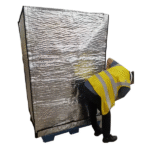
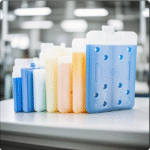
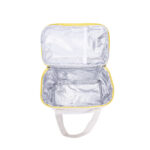
Validiert Thermoverpackung protects products during shipment. Isolierte Behälter, phasechange materials and active temperaturecontrolled containers maintain required temperatures. Advanced warehouse management systems track location, temperature history and expiry dates while maintaining chainofcustody documentation. Für die Zustellung auf der letzten Meile, realtime tracking and rescue protocols prevent misroutes and delays.
Key considerations and benefits
| Komponente | Schlüsselüberlegungen | Vorteile |
| Kontinuität | Verwenden Sie validierte Verpackungen, realtime sensors and rescue protocols to maintain temperature from production to patient | Verhindert kostspielige Produktverluste und hält die Therapiepläne der Patienten ein |
| Nachhaltigkeit | Nehmen Sie wiederverwendbare und recycelbare Verpackungen an; Investieren Sie in energieeffiziente Geräte | Reduces waste and appeals to ecoconscious stakeholders |
| Einhaltung | Follow standards like URAC 5.0 und gute Vertriebspraxis (BIP); Temperaturbereiche definieren und Verpackung testen | Gewährleistet die Einhaltung gesetzlicher Vorschriften und vereinfacht Audits |
Actionable tips for your practice
Develop written Kühlkette policies. Outline processes, Verantwortlichkeiten und Korrekturmaßnahmen. Audit your supply chain regularly to identify weak points.
Train staff and carriers. Educate delivery partners on handling temperaturesensitive products and equip them with validated tools.
Investieren Sie in Nachhaltigkeit. Reusable materials and ecofriendly insulation reduce environmental impact and can lower longterm costs.
Dokumentieren und überprüfen. Führen Sie Temperaturprotokolle, calibration records and evidence of packaging qualification to demonstrate compliance during inspections.
Fallstudie: Researchers reviewed 292 Medikamente, die zwischen Januar zugelassen wurden 2018 und März 2023 and found that 43 % required Kühlkette storage and 6 % Einfrieren erforderlich. Specialty medications experienced lastmile errors eight times more often than routine dispensing. By implementing package rescue protocols and training delivery staff, a pharmacy chain reduced distribution errors and maintained product integrity.
How Technology Is Transforming Pharma Kühlkette Logistics in 2025
The next generation of pharma Kühlkette logistics is more connected, intelligent and responsive. Fortschritte bei IoT-Sensoren, KI-gesteuerte Analyse, smart packaging and modular ultracold storage are reshaping the industry. These tools deliver realtime visibility, enable predictive maintenance and support agile responses to disruptions.
IoTenabled monitoring and realtime data
Smart sensors monitor temperatures, Luftfeuchtigkeit, Schock und Standort, transmitting data to cloud platforms where anomalies trigger instant alerts. IoTconnected storage units and automated Kühlspeicher systems provide realtime dashboards, remote access and excursion logs. By analysing continuous data streams, AI algorithms can predict equipment failures or route delays before they occur, proaktive Interventionen ermöglichen.
Smart packaging and modular cold storage
Emerging packaging solutions incorporate builtin temperature loggers, QR codes and tamperevident seals. These “smart packages” record the temperature history from manufacturer to patient. Modular freezer units allow logistics providers to scale ultracold capacity (–20 °C, –40 °C or –80 °C) based on demand. Combining modular storage with IoT systems supports rapid expansion without compromising reliability.
AIdriven analytics and predictive maintenance
Machine learning models analyse temperature data, transit times and environmental conditions to forecast risk. Zum Beispiel, if a route is prone to temperature excursions during summer, AI can suggest alternative routing or additional insulation. Predictive maintenance tools monitor compressor performance, door openings and power consumption to schedule repairs before breakdowns, Reduzierung ungeplanter Ausfallzeiten.
Integration with broader logistics strategy
Forwardthinking providers integrate cold storage into endtoend logistics plans. Directtosite coordination reduces intermediate stops and risk exposure, while customsprepared documentation speeds border crossings. Automated distribution centers with validated thermal transport assets ensure seamless handoffs to finalmile carriers. Enhanced visibility across warehousing, transport and delivery enables rapid response to disruptions.
Industry drivers and innovation trends
Several forces are accelerating Kühlkette innovation:
Biologika-Boom. Über 40 % der neu zugelassenen Medikamente in 2024 waren Biologika, viele erfordern eine kalte oder ultrakalte Lagerung.
Global distribution expansion. COVIDera infrastructure raised expectations for pharmaceutical distribution worldwide.
Stricter compliance. Regulators like the FDA and EMA demand full data visibility across storage and transit.
Need for agility. Manufacturers are outsourcing logistics but expect providers to adapt quickly to changing volumes.
Beispiel: A biologics firm deployed IoT sensors and AI analytics across its supply chain. When a shipment of monoclonal antibodies encountered traffic delays, the system predicted a potential temperature excursion. The logistics team rerouted the shipment through a faster route and added Trockeneis at a midway hub, preventing spoilage and protecting patient supply.
Sicherstellung der Compliance, Sustainability and Risk Management
Pharmazeutische Kühlkette logistics operate within a stringent regulatory environment. Gute Vertriebspraxis (BIP), Gute Herstellungspraxis (GMP) and national guidelines all require validated processes, Dokumentation und Überwachung. Gleichzeitig, stakeholders demand sustainable operations that minimise environmental impact.
Regulatory frameworks and accreditation
Global regulators like the FDA, EMA and WHO require adherence to GDP and GMP. Standards such as URAC 5.0 call for evidencebased temperature ranges, qualification testing and documentation of outcomes. The CDC’s Pink Book emphasises that refrigerators should maintain 2 °C–8 °C and freezers −50 °C to −15 °C, with thermostats set at factory midpoints to reduce excursions. Facilities should develop written standard operating procedures, train staff annually and appoint vaccine coordinators to oversee compliance.
Nachhaltigkeit und Kreislaufwirtschaft
Environmental concerns are reshaping Kühlkette logistics. Das zeigen Branchenumfragen 77 % of supplychain leaders prioritise sustainability. Wiederverwendbar und recycelbar Verpackungsmaterialien, biologisch abbaubare Versandtaschen und pflanzenbasierte Isolierung reduzieren Abfall und sprechen umweltbewusste Verbraucher an. Upgrading facilities with energyefficient refrigeration and solar panels lowers carbon footprints while improving operational resilience.
Risikomanagement und Notfallplanung
Risk management encompasses preventive and corrective measures. Preventive strategies include continuous monitoring, vorausschauende Wartung, and route optimisation. Corrective actions involve emergency procedures for power failures, equipment malfunctions or natural disasters. SOPs should specify who to notify, how to handle exposed products and how to document excursions. Backup-Generatoren, redundant compressors and alternative storage units are essential safeguards.
Entscheidungshilfen und Selbsteinschätzung
To reduce human error, implement interactive tools that guide staff through storage checks and packaging decisions. Zum Beispiel, a decision tree could prompt users to select the product type (Impfstoff, biologic or gene therapy) and recommend the appropriate temperature range, Verpackungsmaterialien und Überwachungsgeräte. Selfassessment checklists help facilities evaluate readiness, identify gaps and track continuous improvement over time.
Praktisches Szenario: A midsize hospital used a selfassessment tool to review its vaccine storage. The tool flagged that the facility lacked an emergency generator. After installation, the hospital maintained temperature control during a regional power outage, preventing waste and ensuring patient safety.
2025 Market Outlook and Emerging Trends
The pharma Kühlkette industry is experiencing rapid growth. According to logistics experts, Der globale Markt für Kühlkettenlogistik wurde 2010 auf 293,58 Milliarden US-Dollar geschätzt 2023 and is projected to grow from US$324.85 billion in 2024 auf 862,33 Milliarden US-Dollar 2032, mit einer durchschnittlichen jährlichen Wachstumsrate (CAGR) von 13 %. Healthcarefocused reports estimate that the healthcare Kühlkette logistics market will reach US$65.14 billion in 2025 and expand to US$137.13 billion by 2034 bei einer CAGR von 8.63 %. Nordamerika dominiert derzeit den Markt, while AsiaPacific is poised for the fastest growth.
Wichtige Trends prägen 2025 und darüber hinaus
Stronger visibility through software. Investments in supplychain visibility tools provide realtime tracking and predictive analytics, enhancing decisionmaking.
Hilfreiche Entscheidungshilfen
Überprüfen Sie die Details, bevor Sie sich für die Verpackung entscheiden
Mit diesen schnellen Tools können Sie das Routenrisiko vergleichen, Größenanforderungen, Kühlmittelauswahl, und Verpackungsdetails, bevor Sie ein Angebot anfordern.
Compliance-Checklisten-Generator
Erstellen Sie eine praktische Checkliste für die Verpackungsüberprüfung, Versand, und Dokumentation.
Checkliste erstellenBoxliner & Dimensionierung der Palettenabdeckung
Überprüfen Sie die Größenlogik für Kartoneinlagen und Palettenabdeckungen für isolierte Verpackungsprojekte.
Schätzen Sie die GrößeTrockeneisrechner
Schätzen Sie vor dem Verpacken den Bedarf an Trockeneis für gefrorene oder ultrakalte Sendungen.
Schätzen Sie TrockeneisNeue Produktkategorien. Der Aufstieg pflanzlicher Lebensmittel, personalised nutrition and novel biologics introduces new temperature requirements and logistics complexities.
Verbesserte Lagermöglichkeiten. Aging infrastructure is being replaced with automated, energieeffiziente Lagerhallen. New facilities incorporate multiple temperature zones and sustainability features.
Better distribution networks. Strategic facility location near production sites and consumers reduces transit time and risk.
Expansion in Schwellenländer. Infrastructure investments in Africa, Latin America and Southeast Asia are improving access to temperaturesensitive medicines and vaccines.
Market insights and growth drivers
The COVID19 pandemic accelerated investment in Kühlkette infrastructure, insbesondere für mRNA-Impfstoffe. Bevölkerungswachstum, rising prevalence of chronic diseases and adoption of biologics continue to drive demand. In der Zwischenzeit, regulatory scrutiny and consumer expectations for sustainability prompt companies to invest in greener technologies. Geopolitical events and trade disruptions can affect transport capacity, underscoring the need for resilient supply chains.
Tipp: Evaluate partners’ capacity expansion plans and sustainability initiatives. A provider with modular ultracold storage and renewable energy can offer both flexibility and environmental responsibility.
So wählen Sie den richtigen Kühlkettenlogistikpartner aus
Selecting a reliable partner is critical. Here are factors to consider:
Regulatorische Expertise. Ensure the provider understands GDP, GMP, FDA and EMA requirements and maintains compliance documentation.
Technology capability. Look for IoTconnected monitoring, predictive analytics and realtime visibility dashboards.
Infrastructure flexibility. Partners should offer multitemperature zones, modular storage and emergency power systems.
Engagement für Nachhaltigkeit. Evaluate the use of reusable packaging, renewable energy and carbonreduction strategies.
Global reach and responsiveness. Consider geographic coverage, customs expertise and contingency plans for delays or disruptions.
Interview questions for potential partners
How do you manage temperature excursions? What is your escalation protocol?
Welche Zertifizierungen (Z.B., BIP, URAC) do your facilities hold?
Can you provide historical temperature data and audit reports?
How do you integrate sustainability into your operations?
How quickly can you scale capacity for new product launches?
Fallstudie: Building a Kühlkette for a Gene Therapy Launch
Situation: A biotech company planned to launch a gene therapy requiring storage at −80 °C. The therapy was manufactured in the United States and distributed to treatment centers worldwide.
Herausforderungen: The therapy’s active ingredient degraded rapidly above −60 °C. The company had limited experience with international Kühlkette logistics and needed to ensure regulatory compliance across multiple jurisdictions.
Lösungen:
Modular ultracold storage. The logistics partner provided scalable −80 °C freezer units at regional hubs, each with backup generators and remote monitoring.
Intelligente Verpackungen. Each shipment used insulated containers with phasechange materials and embedded data loggers to record temperature history. QR codes enabled verification at each handoff.
Realtime tracking and analytics. IoT sensors transmitted data to a central dashboard. AI algorithms predicted potential delays and recommended route adjustments.
Regulatory coordination. The partner’s compliance team ensured that shipping documentation met FDA, EMA and local guidelines.
Ergebnisse: The launch proceeded without temperature excursions or regulatory violations. Ontime delivery rates exceeded 98 %, and the therapy reached patients safely. The company built a scalable framework for future genetherapy launches.
2025 Trends auf einen Blick
Marktwachstum: The global Kühlkette logistics market is projected to more than double by 2032, while healthcare Kühlkette logistics will exceed US$137 billion by 2034.
Einführung der Technologie: IoT -Sensoren, AI analytics and smart packaging enhance visibility and predictive capabilities.
Nachhaltiger Betrieb: Reusable packaging and energyefficient facilities address environmental concerns.
Diverse product mix: Pflanzliche Lebensmittel, personalised nutrition and advanced biologics introduce new Kühlkette demands.
Regulatorische Entwicklung: URAC 5.0 and updated GDP guidelines emphasise evidencebased temperature ranges and documentation.
Figur 1. Conceptual infographic illustrating typical temperature ranges for controlled room temperature, gekühlt, frozen and ultracold conditions in pharma Kühlkette logistics.
Figur 2. Illustration summarising 2025 trends such as IoT monitoring, KI-Analyse, nachhaltige Verpackung, upgraded facilities and the boom in biologics.
Häufig gestellte Fragen
- What are the standard temperature ranges for storing vaccines and biologics?
Vaccines and most biologics must be stored between 2 °C und 8 °C. Some biologics require frozen conditions (−25 °C bis −15 °C), while mRNA vaccines and gene therapies need ultracold storage (−90 °C bis −60 °C). Maintaining these ranges preserves potency and safety.
- How often should temperatures be checked and documented?
The CDC recommends checking and recording minimum and maximum temperatures at least daily, preferably at the start of each workday. Digital data loggers with buffered probes provide continuous monitoring and alarm alerts.
- Was ist gute Vertriebspraxis? (BIP) Und warum ist es wichtig?
GDP outlines standards for storing, handling and distributing pharmaceutical products. It ensures that medicines maintain quality throughout the supply chain. Compliance involves validated processes, documented temperature ranges and qualified equipment.
- How can small pharmacies afford ultracold storage?
Small pharmacies can partner with thirdparty logistics providers that offer modular ultracold storage and shared resources. Renting validated containers or using community vaccine programs can reduce costs while ensuring compliance.
- What are the key sustainability initiatives in Kühlkette logistics?
Industry leaders are adopting reusable and recyclable packaging materials, investing in energyefficient refrigeration and exploring renewable power sources such as solar panels. These initiatives reduce waste and support corporate social responsibility goals.
- How does IoT improve Kühlkette visibility?
IoT-Sensoren überwachen die Temperatur, Luftfeuchtigkeit und Standort in Echtzeit. Data is transmitted to cloud platforms where AI algorithms detect anomalies and predict risks. This continuous visibility enables proactive responses and reduces product loss.
Zusammenfassung und Empfehlungen
Pharma Kühlkette logistics protect the integrity of temperaturesensitive drugs and ensure patient safety. Maintaining strict temperature ranges — 2 °C–8 °C for most vaccines and biologics, −25 °C to −15 °C for frozen products and −90 °C to −60 °C for ultracold therapies — prevents potency loss. Building a reliable Kühlkette involves integrated infrastructure, validierte Ausrüstung, continuous monitoring and robust documentation. Neue Technologien wie IoT-Sensoren, KI-Analyse, smart packaging and modular ultracold storage enhance visibility and resilience. Sustainability and regulatory compliance are top priorities; Wiederverwendbare Verpackung, energyefficient facilities and adherence to URAC 5.0 and GDP guidelines are essential. Das Marktwachstum ist stark, with Kühlkette logistics projected to exceed US$862 billion by 2032. Um wettbewerbsfähig zu bleiben, invest in advanced technology, partner with experienced logistics providers and prioritise sustainability.
Umsetzbare nächste Schritte
Bewerten Sie Ihre aktuelle Kühlkette. Conduct a selfaudit of equipment, monitoring practices and documentation. Identifizieren Sie Lücken und priorisieren Sie Verbesserungen.
Überwachungssysteme aufrüsten. Implement IoT sensors and cloudbased dashboards for realtime visibility and predictive analytics.
Trainiere dein Team. Provide regular education on GDP, emergency procedures and sustainability practices.
Strategisch zusammenarbeiten. Collaborate with logistics providers offering modular ultracold storage, compliance expertise and sustainability commitments.
Bleib informiert. Follow regulatory updates and industry trends to adapt your Kühlkette strategy for future therapies and global expansion.
Über Tempk
Tempk is a provider of advanced Kühlkettenverpackung solutions and temperature monitoring devices. Wir Spezialisiert auf Isolierbehälter, phasechange materials and digital data loggers designed for pharmaceutical, Biotechnologie- und Lebensmittelindustrie. Unser products undergo rigorous validation and comply with global regulations, helping clients maintain temperature integrity from manufacturer to patient. Mit einem Fokus auf Nachhaltigkeit, Wir offer reusable and recyclable packaging that reduces waste and supports corporate environmental goals.
Aufruf zum Handeln: Contact Tempk for expert guidance on building a compliant and sustainable Kühlkettenlösung tailored to your specific needs.