Unternehmen der Kühllieferkette Stellen Sie sicher, dass Lebensmittel, Arzneimittel und andere temperaturempfindliche Produkte gelangen sicher zu Ihnen. In 2025 Der Markt boomt; estimates project global Kühlkette logistics will soar from about USD 436 Milliarden in 2025 in USD 1.36 Billionen von 2034. Zur gleichen Zeit ungefähr 20 % temperaturempfindliche Güter beim Transport beschädigt werden und bis zu 40 % der Lebensmittel werden verschwendet aufgrund unzureichender Temperaturkontrolle. Daher ist die Wahl des richtigen Partners von entscheidender Bedeutung. Dieser Leitfaden erklärt, warum Unternehmen in der Kühllieferkette wichtig sind, welche Leistungen sie erbringen, wie man Anbieter und die neuesten Trends bewertet, die die Branche prägen. Hindurch, Sie finden praktische Ratschläge, Beispiele aus der Praxis und die neuesten Daten.

Verstehen Warum Kühllieferkettenunternehmen unerlässlich sind und wie sie Abfall reduzieren und die öffentliche Gesundheit schützen
Lernen welche Leistungen führende Anbieter anbieten, einschließlich Transport, Lagerung, Verpackung und digitale Nachverfolgung
Entdecken So wählen Sie einen Partner für die Kühllieferkette aus Kapazität nutzen, Technologie, Nachhaltigkeit und Compliance als Kriterien
Erkunden wichtige Markttrends wie IoT-Überwachung, Automatisierung, Nachhaltigkeit und regulatorische Änderungen wie FSMA 204
Rezension Hauptakteure–Americold, Abstammung, DHL, UPS und mehr – und was sie zu Spitzenreitern macht
Erhalten Tipps und Fallstudien um Ihre eigenen Abläufe zu verbessern und den Verderb zu reduzieren
Warum sind Kaltlieferkettenunternehmen unverzichtbar??
Direkte Antwort
Kühllieferkettenunternehmen schützen die Produktqualität, Abfall reduzieren und globalen Handel ermöglichen. Sie verwenden eine temperaturkontrollierte Lagerung, Transport- und Überwachungssysteme, um sicherzustellen, dass die Waren innerhalb sicherer Temperaturbereiche bleiben. Ohne zuverlässige Kühlkettenlogistik, verderbliche Produkte können verderben, finanzielle Verluste und gesundheitliche Risiken verursachen. Der Sektor wächst rasant: forecasts show the global Kühlkette logistics market could more than double from USD 436 Milliarden in 2025 in USD 1.36 Billionen von 2034, unterstreicht die Bedeutung kompetenter Logistikpartner.
Ausführliche Erklärung
Wenn Sie Erdbeeren außerhalb der Saison kaufen oder eine lebensrettende Impfung erhalten, Sie profitieren von einem ausgefeilten Netzwerk zur Einhaltung bestimmter Temperaturbereiche. Kühllieferkettenunternehmen verwalten alles von Kühlfahrzeugen und isolierten Containern bis hin zu Lager-Gefrierschränken und digitalen Trackern. This work protects public health—96 % des gefrorenen roten Fleisches in Nordamerika wird im Kühlhaus gelagert – und unterstützt den globalen Handel, indem es den Produzenten ermöglicht, entfernte Märkte zu erreichen. The sector’s diversity is striking: auf den Bereich Nahrungsmittel und Getränke entfallen rund 40 % der Einnahmen and transportation services represent about 45 %. Medical logistics is also expanding, with the biopharmaceutical Kühlkette 3PL market valued at USD 30.59 Milliarden in 2024 und voraussichtlich erreichen USD 74.46 Milliarden von 2033. As demand for fresh produce and biologics grows, these companies will remain indispensable.
The Role of Technology in Ensuring Quality
Advances in technology are at the heart of modern Kühlkette operations:
| Technologie | Zweck | Nutzen Sie Ihnen |
| IoT -Sensoren & GPS | Provide continuous temperature, Luftfeuchtigkeit und Standortdaten | Durch die Echtzeittransparenz können Sie vor dem Verderb eingreifen und die Einhaltung der Vorschriften nachweisen |
| Datenanalyse & Ai | Wandeln Sie rohe Sensordaten in Erkenntnisse um und optimieren Sie Routen und Inventar | Durch vorausschauende Wartung können Ausfallzeiten verkürzt werden 50 % und die Reparaturkosten um 10–20 reduzieren % |
| Hocheffiziente Kühlung | Verwenden Sie drehzahlgeregelte Antriebe und natürliche Kältemittel | Reduzieren Sie den Energieverbrauch (Kühlgeräte ausmachen können 70 % des Energieverbrauchs im Verkehr) und geringere Kosten |
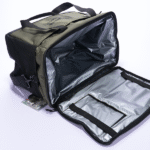
| Isolierte Verpackung | Verwenden Sie vakuumisolierte Paneele und Phasenwechselmaterialien | Verlängern Sie die Wartezeiten und reduzieren Sie gleichzeitig die Umweltbelastung |
Praktische Tipps und Ratschläge
Planen Sie Ihre Kühlkette: Identifizieren Sie, welche Produkte eine Temperaturregelung benötigen und welche spezifischen Temperaturbereiche sie benötigen. Dokumentieren Sie jede Verbindung – vom Bauernhof oder der Fabrik bis zu Ihrem Lager und Kunden.
Priorisieren Sie Compliance: Stellen Sie sicher, dass Anbieter Vorschriften wie die gute Vertriebspraxis befolgen (BIP) und das Gesetz zur Modernisierung der Lebensmittelsicherheit (FSMA). Fordern Sie Auditberichte und Zertifizierungen an.
Bewerten Sie die Technologie: Wählen Sie Partner mit Echtzeitüberwachung und automatisierten Warnungen. IoT-Sensoren und Daten-Dashboards reduzieren das Risiko von Temperaturschwankungen.
Denken Sie an Nachhaltigkeit: Suchen Sie nach Unternehmen, die energieeffiziente Kühlung und umweltfreundliche Verpackungen einsetzen. Dies verringert Ihren CO2-Fußabdruck und kann die Kosten senken.
Beispiel aus der realen Welt: Während der Einführung des COVID19-Impfstoffs, strenge Temperaturkontrolle (–70 °C für einige Produkte) war lebenswichtig. Kühlkettenanbieter mit Ultratiefkühlschränken, Echtzeitüberwachung und Notfallpläne lieferten Impfstoffe sicher.
Welche Dienstleistungen bieten Kaltlieferkettenunternehmen an??
Direkte Antwort
Führende Kühllieferkettenunternehmen bieten End-to-End-Dienstleistungen an, inklusive temperaturgeführtem Transport, Lagerung, Verpackung, Bestandsverwaltung und regulatorische Unterstützung. Sie integrieren Spezialfahrzeuge, Isolierte Behälter, Kühleinheiten und digitale Systeme zur Aufrechterhaltung der Produktintegrität. Der Transport macht etwa aus 45 % des Segments Lebensmittelkühlkettenlogistik, Dies unterstreicht die Bedeutung eines zuverlässigen Transports. Lagerung, Verpackungs- und Lagerdienstleistungen verlängern die Haltbarkeit und stellen die Compliance sicher.
Ausführliche Erklärung
A robust Kühlkette involves more than just refrigerated trucks. Anbieter bieten eine Kombination aus physischen Vermögenswerten und digitalen Tools an:
Verkehrsnetze: Kühlwagen, Anhänger, Triebwagen, Flugzeuge und Schiffe, unterstützt durch Routenoptimierung und Temperaturfernüberwachung. Einige Unternehmen verwenden jetzt Elektro- und Hybrid-Kühlgeräte um Emissionen und Kraftstoffverbrauch zu reduzieren, auf Nachhaltigkeitsanforderungen reagieren.
Kühllagerung: Die Einrichtungen reichen von Kühlräumen bis hin zu Tiefkühllagern. Moderne Standorte verfügen häufig über Automatisierung und Robotik, um die Arbeitskosten zu senken und die Genauigkeit zu verbessern. Zum Beispiel, Lineage Logistics ist tätig 80 automatisierte Anlagen, darunter a 386,000Quadratmeter großes Lagerhaus mit 85,000 Palettenpositionen in Pennsylvania.
Verpackungsdienstleistungen: Anbieter entwerfen Thermoverpackung, Bereiten Sie Materialien vor und verwalten Sie die Kennzeichnung, um internationalen Standards zu entsprechen. Einige bieten Kitting und Rücksendelogistik an, um die Nachhaltigkeit zu unterstützen.
Bestandsverwaltung: Fortschrittliche Lagerverwaltungssysteme verfolgen den Lagerbestand, Prognostizieren Sie die Nachfrage und stellen Sie eine rechtzeitige Auftragserfüllung sicher.
Regulierungs- und Qualitätsdienstleistungen: Unternehmen helfen Ihnen bei der Einhaltung der FSMA, BIP und andere Vorschriften durch Bereitstellung von Unterlagen, Audits und Zertifizierungsmanagement. Unter FSMA 204, Dies gilt ab sofort für Lebensmittel, die auf der Lebensmittelrückverfolgbarkeitsliste der FDA stehen Januar 6 2025, Unternehmen müssen Aufzeichnungen führen, die wichtige Datenelemente für kritische Tracking-Ereignisse enthalten, und diese Informationen innerhalb dieser Frist der FDA zur Verfügung stellen 24 Std..
Servicekategorien und Vorteile
| Servicekategorie | Was es beinhaltet | Vorteile für Sie |
| Transport | Kühlfahrzeuge, Schiene, Luft, Ozean, Routenoptimierung und Echtzeitüberwachung | Hält Produkte innerhalb der Zieltemperaturen und reduziert Verderb und Verzögerungen |
| Lagerung | Gefroren, Kühl- und Umgebungslagerung; automatisierte Systeme; Cross-Docking | Verlängert die Haltbarkeit; Automatisierung verbessert Effizienz und Genauigkeit |
| Verpackung & Kitten | Thermoverpackung, Produktmontage, Kennzeichnung und Compliance-Dokumentation | Schützt Waren vor Temperaturschwankungen; stellt die Einhaltung gesetzlicher Vorschriften sicher |
| Bestandsverwaltung | Lagerverwaltungssysteme, prädiktive Prognose, Auftragserfüllung | Verbessert die Sichtbarkeit; verhindert Fehlbestände oder Überangebot; unterstützt Just-intime-Lieferung |
| Regulatorisch & Qualitätsdienstleistungen | Compliance-Dokumentation, Audits und Zertifizierungsmanagement | Hilft Ihnen, lokale und internationale Vorschriften einzuhalten und Strafen zu vermeiden |
Praktische Tipps und Ratschläge
Prüfen Sie die gesamte Kette: Transport beurteilen, Lagerung und Verpackung, um gefährdete Stellen zu identifizieren. Fragen Sie Anbieter nach Ausfallraten und Notfallplänen.
Nutzen Sie Datenanalysen: Wählen Sie Partner, die prädiktive Analysen und Bedarfsprognosen anbieten, um Notlieferungen zu vermeiden.
Testverpackung: Führen Sie Verpackungsversuche durch und fordern Sie Berichte zur thermischen Leistung an, bevor Sie einen groß angelegten Einsatz durchführen.
Planen Sie die Rückwärtslogistik: Stellen Sie sicher, dass Anbieter Rücksendungen und Wiederaufbereitung verwalten können, um Abfall zu reduzieren.
Beispiel aus der realen Welt: Ein Pharmaunternehmen verschickte Biologika über Kontinente hinweg und nutzte dabei IoT-Geräte zur Echtzeitverfolgung. Wenn eine Temperaturabweichung festgestellt wurde, Das System leitete die Lieferung zu einem nahegelegenen Kühllager um, Verhindert Produktverluste und schützt die Patientensicherheit.
Wie wählen Sie den richtigen Kühllieferkettenpartner aus??
Direkte Antwort
Die Auswahl des richtigen Partners erfordert die Bewertung der Kapazität, Technologieeinführung, Spezialisierung, Nachhaltigkeitspraktiken und Einhaltung gesetzlicher Vorschriften. Suchen Sie nach Anbietern, deren Speicherkapazität und Temperaturbereich Ihren Produktanforderungen entsprechen; Bestätigen Sie, dass sie über Echtzeitüberwachung und Automatisierung verfügen; bewerten ihr Engagement für Energieeffizienz und umweltfreundliche Verpackungen; und überprüfen Sie ihre Zertifizierungen. Berücksichtigen Sie sowohl globale Leitfadenskräfte als auch regionale Spezialisten, da große Anbieter eine Größenordnung bieten, während kleinere Unternehmen möglicherweise einen persönlicheren Service bieten.
Ausführliche Erklärung
Kapazität und Spezialisierung: Bestimmen Sie, wie viel Platz Sie benötigen und ob Ihre Produkte eine Umgebungsatmosphäre erfordern, gekühlt, gefrorene oder ultrakalte Lagerung. Americold ist tätig 239 Lagerhallen im Gesamtwert von ca 1.4 Milliarden Kubikfuß und erwarb im März eine Niederlassung in Houston 2025, Hinzufügen 10.7 Millionen Kubikfuß. Abstammungslogistik, mit über 480 Einrichtungen und mehr als 3 Milliarden Kubikfuß Speicher, bietet automatisierte Lager und ein grenzüberschreitendes Programm, das kanadische Terminals mit den USA verbindet. Einrichtungen. Wenn Ihr Produkt eine spezielle Handhabung erfordert, wie Arzneimittel oder Meeresfrüchte, Wählen Sie Anbieter mit diesem Fachwissen.
Einführung der Technologie: Fragen Sie nach Automatisierung, IoT -Sensoren, Datenanalyse und Softwareintegration. Anbieter mit fortschrittlicher Technologie können Kosten senken und die Sichtbarkeit verbessern. Zum Beispiel, Burris Logistics implementierte IoT-Überwachung und Routenoptimierung, um die Effizienz zu verbessern, während United States Cold Storage in intelligente Lagertechnologien investiert.
Nachhaltigkeitsinitiativen: Suchen Sie nach Unternehmen, die erneuerbare Energien nutzen, Hocheffiziente Kühlung und umweltfreundliche Verpackung. Lineage investiert in erneuerbare Energien und energieeffiziente Systeme; Wabash National stellt Leichtgewichtler her, energieeffiziente Anhänger; und viele Anbieter setzen elektrische und hybride Kühlgeräte ein, um Emissionen zu reduzieren.
Vorschriftenregulierung: Stellen Sie sicher, dass der Anbieter Standards wie das BIP erfüllt, FSMA und lokale Gesundheitsvorschriften. FSMA 204 erfordert Rückverfolgbarkeitsaufzeichnungen und eine schnelle Berichterstattung an die FDA, Wählen Sie daher Partner, die die Dokumentation schnell erstellen können.
Geografische Reichweite: Berücksichtigen Sie Ihre Vertriebswege. Unternehmen mit einem globalen Netzwerk (Z.B., DHL, UPS, Kuhne + Nagel) kann internationale Sendungen unterstützen, wohingegen regionale Spezialisten möglicherweise tiefergehendes lokales Wissen bieten.
Vergleich großer Unternehmen
| Unternehmen | Speicherkapazität / Einrichtungen | Schlüsselstärken | Geografische Reichweite |
| Americold | 239 Lagerhäuser (~1,4 Milliarden Kubikfuß) | Energieeffiziente Kühlung, Automatisierung; Erweiterungen in Houston und Kansas City | Nordamerika, Südamerika, Europa, Asien–Pazifik |
| Abstammungslogistik | >480 Einrichtungen (>3 Milliarden Kubikfuß) | Automatisierte Lager, grenzüberschreitendes Programm, Zoll- und USDA-Inspektionshäuser | Global (Nordamerika, Europa, Asien–Pazifik) |
| DHL | Hunderte von Einrichtungen | Spezialisierte Kühlkettendienste für das Gesundheitswesen, Lebensmittel und Einzelhandel; Verpackungsdesign und digitale Plattformen | Global |
| UPS Healthcare | Dutzende Vertriebszentren | Verpackungsinnovation, Überwachungstechnik, engagiertes Gesundheitsnetzwerk | Global |
| FedEx Logistics | Mehrere Kühlkettenzentren | Isolierte Verpackung, Sensorik, dediziertes Kaltversandnetzwerk | Global |
| Kuhne + Nagel | Globales Netzwerk von Logistikzentren | Echtzeit-Tracking, nachhaltiger Transport, Zollexpertise | Global |
| Nichirei Logistik | Umfangreiche Lager in Japan, Europa und China | Robotik und energieeffiziente Kühlung | Asien–Pazifik, Europa |
| Burris Logistik | 227,000 Quadratmeter große Anlage in Philadelphia und an anderen Standorten | IoT-Überwachung, Routenoptimierung, End-to-End-Lösungen | Nordamerika |
| US-Kühllager | >40 Einrichtungen in den USA. | Automatisierung, Smart Technologies | Nordamerika |
Praktische Tipps und Ratschläge
Prüfen Sie Kapazität und Spezialisierung: Wählen Sie einen Anbieter, dessen Kapazität und Temperaturbereich Ihren Produktanforderungen entsprechen. Große Anbieter bieten Flexibilität, aber kleinere regionale Spezialisten bieten möglicherweise einen individuelleren Service.
Bewerten Sie die Technologieeinführung: Fragen Sie nach Automatisierung, IoT-Sensoren und Datenanalyse. Anbieter mit fortschrittlicher Technologie senken die Kosten und erhöhen die Sichtbarkeit.
Nachhaltigkeit erforschen: Energieeffizienz untersuchen, Nutzung erneuerbarer Energien und Verpackungsmaterialien. Nachhaltigkeit kann den Ruf einer Marke verbessern und Kosten senken.
Hilfreiche Entscheidungshilfen
Überprüfen Sie die Details, bevor Sie sich für die Verpackung entscheiden
Mit diesen schnellen Tools können Sie das Routenrisiko vergleichen, Größenanforderungen, Kühlmittelauswahl, und Verpackungsdetails, bevor Sie ein Angebot anfordern.
Trockeneisrechner
Schätzen Sie vor dem Verpacken den Bedarf an Trockeneis für gefrorene oder ultrakalte Sendungen.
Schätzen Sie TrockeneisKühlmittel & PCM-Referenz
Vergleichen Sie Kühlmittel- und PCM-Optionen, wenn eine Route zusätzliche Temperaturunterstützung benötigt.
Vergleichen Sie OptionenFallfestigkeit des Isolationsmaterials
Überprüfen Sie die Fallfestigkeit und die Handhabungsfaktoren, bevor Sie Isoliermaterialien auswählen.
Widerstand prüfenBeispiel aus der realen Welt: „Lineage Logistics“ grenzüberschreitendes Programm verbindet Terminals in Kanada und den USA., Nutzung spezieller Umschlagplätze, um sowohl LKW-Ladungs- als auch Teilladungstransporte zu ermöglichen. Das Programm nutzt Automatisierung und IoT-Überwachung, um die Temperaturkontrolle über Grenzen hinweg aufrechtzuerhalten.
Markttrends und Branchentreiber
Direkte Antwort
Die Kühllieferkettenbranche wird durch Automatisierung neu gestaltet, Nachhaltigkeit, Echtzeit-Sichtbarkeit, modernisierte Infrastruktur, KI-gesteuerte Analytik und das Wachstum der Pharma- und Frischlebensmittellogistik. Diese Trends werden durch Arbeitskräftemangel vorangetrieben, steigende Energiekosten, Umweltbedenken und erhöhte Nachfrage nach Biologika und Frischprodukten. Wenn Sie diese Kräfte verstehen, können Sie Veränderungen vorhersehen und klug investieren.
Ausführliche Erklärung
Automatisierung und Robotik: Arbeitskräftemangel und Kostendruck treiben die Einführung automatisierter Lager- und Bereitstellungssysteme voran (AS/RS) und Roboterhandhabung. Studien deuten darauf hin, dass ca 80 % der Lager sind noch nicht automatisiert, lässt erheblichen Raum für Erweiterungen. Robotik senkt die Arbeitskosten, Minimieren Sie Fehler und verbessern Sie den Durchsatz.
Nachhaltigkeit: Umweltbedenken und strengere Vorschriften drängen Unternehmen dazu, energieeffiziente Kühlung einzuführen, erneuerbare Energien und nachhaltige Verpackung. Der food Kühlkette accounts for around 4 % der globalen Treibhausgasemissionen, und nachhaltige Praktiken tragen dazu bei, diesen Fußabdruck zu reduzieren. Viele Unternehmen stellen auf natürliche Kältemittel und hybride oder vollelektrische Transportkühlanlagen um, um Emissionen zu reduzieren.
Echtzeit-Tracking und -Sichtbarkeit: Die Aufrechterhaltung der Produktqualität erfordert eine lückenlose Sichtbarkeit. IoT-fähige Ortungsgeräte und Software liefern Echtzeitdaten vor Ort, Temperatur und Zustand. The hardware segment led the Kühlkette tracking and monitoring market, festhalten 76 % Marktanteil in 2022, was auf eine breite Akzeptanz hinweist.
Modernisierung der Infrastruktur: Altern Kühllagereinrichtungen benötigen Modernisierungen, um modernen Effizienz- und Nachhaltigkeitsstandards gerecht zu werden. Investitionen in Isolierung, Kühldatensysteme und erneuerbare Energie vor Ort sind unerlässlich. Dieser Trend ist auch eine Reaktion auf volatile Energiepreise und klimabedingte Risiken.
Künstliche Intelligenz & Prädiktive Analytik: KI optimiert Routen, prognostiziert den Bedarf und prognostiziert die Wartung der Ausrüstung. KI-gesteuerte Nachfrageprognosen tragen dazu bei, Unsicherheiten zu verringern und die Entscheidungsfindung zu verbessern. Vorausschauende Wartung reduziert Ausfallzeiten und schützt den Lagerbestand.
Wachstum in Pharmazeutische Kühlkette: Die Pandemie hat den Bedarf an Ultrakältespeichern beschleunigt. Etwa 20 % Bei den neuen Medikamenten in der Entwicklung handelt es sich um Gen- und Zelltherapien, die eine strenge Temperaturkontrolle erfordern. Es wird erwartet, dass der globale Markt für pharmazeutische Kühlketten an Bedeutung gewinnt USD 1,454 Milliarden von 2029 mit einer CAGR von 4.71 % (2024–2029). Bis zum Ende von 2023 Die FDA hatte sieben Gentherapien zugelassen, und Analysten erwarten 10–20 zusätzliche Genehmigungen von 2025.
Investition in Frische-Lebensmittel-Logistik und LastMile-Lieferung: Verbraucher verlangen qualitativ hochwertige Produkte, and the North America food Kühlkette market is projected to reach USD 86.67 Milliarden in 2025. Der Aufstieg pflanzlicher und biologischer Produkte erhöht die Nachfrage nach Kühltransporten. Das Wachstum des E-Commerce erfordert verbesserte Last-Mile-Fähigkeiten und regionale Microfulfillment-Zentren.
Strategische Partnerschaften und Supply-Chain-Integration: Zusammenarbeit zwischen Herstellern, Verpackungslieferanten und Technologieanbieter verbessern die Produktentwicklung und die Widerstandsfähigkeit der Lieferkette. Datenstandardisierung (erwartet zu erreichen 74 % von Logistikdaten durch 2025) ermöglicht eine nahtlose Integration über Lieferketten hinweg.
Wichtige Erkenntnisse und Zukunftsaussichten
Elektrifizierung der Transportkühlung: Vollelektrische und Hybridantriebe gewinnen aufgrund strengerer Emissionsvorschriften und Nachhaltigkeitsziele zunehmend an Bedeutung. Es wird erwartet, dass sich die Investitionen in Elektro- und Hybridantriebe beschleunigen 2025 Und 2034.
Regulatorische Anforderungen verschärfen sich: FSMA 204 führt ab Januar Rückverfolgbarkeitsanforderungen ein 6 2025. Unternehmen müssen wichtige Datenelemente aufzeichnen und diese der FDA zur Verfügung stellen 24 Std..
Sustainable food Kühlkettes: UNEP reports that the food Kühlkette accounts for about 4 % der globalen Treibhausgasemissionen. Nachhaltige Praktiken – wie der Einsatz natürlicher Kältemittel und die Reduzierung von Lebensmittelverlusten – sind für die Erreichung der Klimaziele unerlässlich.
2025 Neueste Entwicklungen und Trends
Trendübersicht
Die Kühllieferkettenlandschaft entwickelt sich rasant weiter 2025. Marktprognosen zeigen das Kühlkette logistics equipment market will grow from USD 94.3 Milliarden in 2025 in USD 179.8 Milliarden von 2034 mit einer CAGR von 7.4 %. Nachfrage nach temperaturempfindlichen Produkten – einschließlich Impfstoffen, Biologika, Frischwaren und Meeresfrüchte – nimmt weiter zu. Nachhaltigkeit treibt Innovation voran: Unternehmen übernehmen dies energieeffiziente Kühlung, erneuerbare Energien und natürliche Kältemittel. Das Wachstum des E-Commerce und die Urbanisierung erhöhen den Bedarf an Zustellungen auf der letzten Meile. Die Regulierungsbehörden verschärfen die Anforderungen an die Rückverfolgbarkeit (FSMA 204), Dies veranlasst Unternehmen, ihre digitalen Tracking-Systeme zu aktualisieren. In der Zwischenzeit, die Annahme von Ai, IoT und Blockchain beschleunigt, Ermöglicht eine vorausschauende Wartung, Echtzeitüberwachung und verbesserte Rückverfolgbarkeit.
Neueste Fortschritte auf einen Blick
Elektrische und Hybrid-Kühleinheiten: Hersteller wie Carrier Transicold und Thermo King entwickeln Elektro- und Hybridgeräte, um den Kraftstoffverbrauch und die Emissionen zu senken. Aufgrund strengerer Emissionsvorschriften und Nachhaltigkeitsziele werden diese Technologien zunehmend eingesetzt.
Nachhaltige Verpackung: Innovationen wie biologisch abbaubarer Schaumstoff und wiederverwendbare Behälter reduzieren die Umweltbelastung. Viele Unternehmen ersetzen Einwegplastik durch recycelbare Materialien.
Solarbetriebener Speicher: Fallstudien zeigen, dass solarbetriebene Kühlspeicher die Energiekosten deutlich senken können, mit Kostenrechnung für Solarenergie 3.2–15,5 Cent pro kWh im Vergleich zu kommerziellem Strom bei 13.10 Cent pro kWh.
Blockchain für Rückverfolgbarkeit: Einige Unternehmen in Südostasien nutzen Blockchain, um Arzneimittel zu verfolgen, Erstellung fälschungssicherer Aufzeichnungen und Verhinderung von Fälschungen.
Prädiktive Analytik: KI-Tools analysieren historische und Echtzeitdaten, um Geräteausfälle und Nachfragemuster vorherzusagen, Reduzierung von Ausfallzeiten und Optimierung des Lagerbestands.
Lagerautomatisierung: Unternehmen investieren weiterhin in automatisierte Lagersysteme und Robotik. Studien zeigen das etwa 80 % der Lager sind immer noch nicht automatisiert, was auf ein erhebliches Wachstumspotenzial schließen lässt.
Markteinsichten
Die Kühllieferkettenbranche bleibt hart umkämpft. Abstammungslogistik toppt das 2025 Globale Spitze 25 Liste der Betreiber von temperaturgeführten Lagerhäusern, verwalten 2.98 Milliarden Kubikfuß des Raumes, gefolgt von Americold Logistics mit 1.45 Milliarden Kubikfuß. NewCold und United States Cold Storage runden die Top 4 ab. Die Global Kühlkette Alliance (GCCA) berichtet, dass seine Mitglieder jetzt tätig sind 8.16 Milliarden Kubikfuß von temperiertem Raum, hoch mehr als 10 % vom letzten Jahr. Nordamerika führt das Kapazitätswachstum an, Betrieb 5 Milliarden Kubikfuß zu den Besten der Region 25 Unternehmen. Diese Expansion wird durch Fusionen und Übernahmen sowie Greenfield-Entwicklungen vorangetrieben.
Häufig gestellte Fragen (FAQ)
Was ist eine Kühllieferkette?? Es handelt sich um ein Ausrüstungssystem, Prozesse und Logistik, die temperaturempfindliche Produkte von der Produktion bis zum Verbrauch innerhalb strenger Temperaturbereiche halten. Dazu gehört auch der Kühltransport, Kühlspeicher, Isolierverpackungen und digitale Überwachungssysteme.
Warum sind Kühllieferkettenunternehmen wichtig?? Sie reduzieren Abfall, Gewährleistung der Produktqualität und Schutz der öffentlichen Gesundheit. Without effective Kühlkettes, eine Schätzung 20 % temperaturempfindliche Güter beim Transport beschädigt werden und bis zu 40 % der Lebensmittel werden verschwendet.
Wie groß ist der Kühlkettenmarkt?? Schätzungen variieren, but forecasts suggest the global Kühlkette logistics market could grow from USD 436 Milliarden in 2025 in USD 1.36 Billionen von 2034.
Welche Unternehmen sind führend in der Kühllieferkettenbranche?? Zu den Hauptakteuren gehört Lineage Logistics, Americold, NeuKalt, Kühlhaus der Vereinigten Staaten, DHL, UPS Healthcare, FedEx, Kuhne + Nagel, Nichirei Logistik, Burris Logistics und regionale Spezialisten.
What regulations apply to Kühlkette logistics in 2025? In den Vereinigten Staaten, FSMA 204 gilt ab sofort für Lebensmittel, die auf der Lebensmittelrückverfolgbarkeitsliste der FDA stehen Januar 6 2025. Unternehmen müssen wichtige Datenelemente für kritische Tracking-Ereignisse aufzeichnen und diese Informationen innerhalb dieser Frist der FDA zur Verfügung stellen 24 Std..
Wie kann ich einen Kühllieferkettenpartner bewerten?? Berücksichtigen Sie Kapazität und Spezialisierung, Technologieeinführung, Nachhaltigkeitsinitiativen, Einhaltung gesetzlicher Vorschriften und geografische Reichweite. Fragen Sie nach Zertifizierungen, Prüfberichte und Details zu ihren digitalen Überwachungssystemen.
What trends will shape the Kühlkette in 2025? Automatisierung und Robotik, nachhaltige Praktiken, Echtzeit-Sichtbarkeit, Modernisierung der Infrastruktur, KI-gesteuerte Analytik und das Wachstum der Pharma- und Frischlebensmittellogistik sind wichtige Trends. Regulatorische Verschärfung (FSMA 204) und zunehmendes Emissionsbewusstsein (the food Kühlkette accounts for about 4 % der globalen Treibhausgasemissionen) wird auch den Betrieb beeinflussen.
Zusammenfassung und Empfehlungen
Key Takeaways: Die Branche der Kühllieferketten wächst rasant, wobei sich der Marktwert möglicherweise verdreifacht 2034. Unternehmen müssen Effizienz ausgleichen, Nachhaltigkeit und Compliance. Schlüsseltrends – Automatisierung, IoT, Ai, Nachhaltigkeit und regulatorische Verschärfungen prägen den Betrieb. Große Player wie Lineage und Americold erweitern ihre Kapazitäten und investieren in Technologie. The food Kühlkette’s 4 % Anteil der globalen Treibhausgasemissionen unterstreicht die Notwendigkeit grüner Innovationen. FSMA 204 bringt neue Rückverfolgbarkeitsanforderungen mit sich 2025.
Aktionsschritte:
Bewerten Sie Ihre Bedürfnisse: Kartieren Sie Produkte, die eine Temperaturregelung erfordern, und ermitteln Sie die erforderlichen Temperaturbereiche und Lagervolumina.
Bewerten Sie Anbieter: Überprüfungskapazität, Technologieeinführung, Nachhaltigkeitspraktiken und Einhaltung der FSMA 204 und BIP. Fordern Sie Auditberichte und Zertifizierungen an.
Technologie übernehmen: IoT-Sensoren implementieren, Echtzeitüberwachung und KI-Analyse zur Optimierung von Routen, Vorhersagen von Wartungsarbeiten und Reduzierung von Abfall.
Investieren Sie in Nachhaltigkeit: Wählen Sie natürliche Kältemittel, energieeffiziente Geräte und recycelbare Verpackungen zur Reduzierung der CO2-Emissionen. Erwägen Sie erneuerbare Energiequellen wie solarbetriebene Speicher.
Planen Sie regulatorische Änderungen: Richten Sie Rückverfolgbarkeitssysteme ein, die wichtige Datenelemente erfassen, und bereiten Sie sich auf den schnellen Informationsaustausch mit der FDA vor.
Indem Sie diese Richtlinien befolgen und mit zuverlässigen Kühllieferkettenunternehmen zusammenarbeiten, Sie können die Produktqualität schützen, Abfall reduzieren, Einhaltung von Vorschriften und Erfüllung der wachsenden Nachfrage nach temperaturempfindlichen Gütern.
Über Tempk
Tempk ist ein Anbieter von Mehrwegprodukten Kühlkettenverpackung Lösungen und Logistikkompetenz. Wir entwerfen Isolierboxen, Eisbeutel Und Thermopalettenabdeckungen für Lebensmittel- und Arzneimitteltransporte. Unsere Produkte verwenden energieeffiziente Materialien und recycelbare Komponenten. Wir betreiben ein R&Das D-Zentrum konzentrierte sich auf die Entwicklung umweltfreundliche Kühlkettenprodukte und halten Sedex-Zertifizierung für ethische Lieferketten. Durch die Kombination innovativer Verpackungen mit digitaler Überwachung, Wir helfen unseren Kunden, während des Transports präzise Temperaturen einzuhalten und gleichzeitig die Umweltbelastung zu reduzieren.
Aufruf zum Handeln: Wenn Sie Hilfe bei der Auswahl eines Kühllieferkettenpartners oder bei der Gestaltung einer maßgeschneiderten Lösung benötigen Kühlkettenlösung, Wenden Sie sich an unsere Spezialisten. Wir können Ihnen bei der Abbildung Ihrer Lieferkette helfen, Anbieter bewerten und nachhaltig umsetzen, compliant Kühlkette operations.