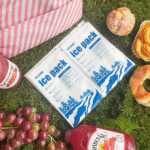
Marken für Lebensmittellieferungen und Essenssets benötigen Verpackungen, die die Lebensmittelsicherheit gewährleisten, Produktqualität, und Kundenerlebnis über den gesamten Lieferweg hinweg. A 24-48 Stundenpackout ist nicht nur eine Box mit Gelpackungen. Es handelt sich um ein kontrolliertes System, das mit vorgekühlten Lebensmitteln beginnt, Verwendet geeignete Isolierung und Kühlmittel, erklärt die Verspätung auf der letzten Meile, und kommt mit sauberer Verpackung an, lesbare Etiketten, und akzeptable Produkttemperatur.
In diesem Artikel erfahren Sie, wie Sie eine praktische Kühlkettenverpackung für gekühlte Mahlzeiten entwerfen, Mahlzeiten, Lebensmittelprodukte, Molkerei, Desserts, Saucen, und andere temperaturempfindliche Lebensmittel. Es verwendet nach Möglichkeit offizielle Referenzen zur Lebensmittelsicherheit und Trägerverpackung und trennt quellengestützte Parameter von Designentscheidungen, die getestet werden müssen.
Beginnen Sie mit der angestrebten Lebensmitteltemperatur
In den Lebensmittelsicherheitsrichtlinien der FDA heißt es, dass kalte Speisen bei 40 °F aufbewahrt werden sollten / 4° C oder unten, und dass verderbliche Lebensmittel nicht länger als in der „Gefahrenzone“ von 40°F bis 140°F bleiben sollten 2 Std., oder mehr als 1 Stunde, wenn die Temperatur über 90 °F liegt. Dies ist eine Referenz zur Lebensmittelsicherheit, kein vollständiges Versandvalidierungsprotokoll, Aber es hilft dabei, das Kühlkettenziel für die Lieferung gekühlter Lebensmittel zu definieren.
Für Tiefkühlkost, Die Leitlinien der FDA zur sicheren Handhabung beziehen sich auf die Lagerung im Gefrierschrank bei 0 °F / -18° C oder unten. Dies bedeutet, dass eine Verpackung für gekühlte Mahlzeiten und eine Verpackung für gefrorene Mahlzeiten nicht auf die gleiche Weise gestaltet sein sollten.
Temperatur- und Produktplanungstabelle
| Produktkategorie | Praktisches Designziel | Hauptrisiko | Auswirkungen auf die Verpackung |
|---|---|---|---|
| Gekühlte Fertiggerichte | Kalt halten, im Allgemeinen bei oder unter 40 °F / 4°C für Lebensmittelsicherheit. | Erwärmung während der Verweildauer auf der letzten Meile, Soßenleckage, Verformung des Tabletts. | Gelpackungen, isolierte Auskleidung oder Schaumstoffbox, absorbierende Schicht, klares Kartondesign. |
| Milchprodukte und frisches Protein | Starker Kälteschutz, Vermeiden Sie Temperaturmissbrauch. | Risiko für die Lebensmittelsicherheit und Spülleckage. | Höhere Kühlmittelmasse, Produkttrennung, saugfähiges Material, schneller Verpackungsablauf. |
| Gemüse und Salate | Kühl aufbewahren, aber Frostschäden vermeiden. | Gefrieren durch direkten Kontakt mit dem Gelpack, Feuchtigkeitsschaden. | Pufferschicht, Luftstromkontrolle, Vermeiden Sie direkten Kontakt mit gefrorenem Kühlmittel. |
| Schokoladen- und Backdesserts | Schmelzen oder Verformung verhindern; oft nicht so kalt wie Tiefkühlkost. | Wärmeerweichung, Kondensation, Aussehensschaden. | Verwenden Sie eine isolierte Auskleidung, Gelpackungen mit Trennung, Sauberes Auspacken. |
| Tiefgekühlte Fertiggerichte | Behalten Sie den eingefrorenen Ankunftszustand bei. | Auftauen, Refreieren, Umgang mit Trockeneis, falls verwendet. | Starke Isolierung, Strategie für gefrorenes Kühlmittel, je nach Route ggf. Trockeneis. |
| Essenssets mit gemischten Zutaten | Verschiedene Gegenstände können eine unterschiedliche Empfindlichkeit haben. | Protein braucht Kälteschutz, Produkte können gefrieren. | Getrennte Zonen, Trenner, Zutatengruppierung, klare Verpackung SOP. |
Bauen Sie die Verpackung von innen nach außen auf
Eine Lebensmittellieferungsverpackung sollte von der Nutzlast nach außen konzipiert sein.
Beginnen Sie mit dem Essen selbst. Verpacken Sie Lebensmittel mit der richtigen Ausgangstemperatur. Gelpackungen sollen das Produkt während des Transports schützen, Warme Lebensmittel nach schlechter Handhabung im Lager nicht abkühlen. Anschließend legen Sie die Produktanordnung fest. Bewahren Sie zerbrechliche Tabletts auf, Saucen, und fern von Druckstellen und direkt gefrorenen Oberflächen produzieren. Fügen Sie dort, wo Frostgefahr besteht, eine Trennwand oder einen Puffer hinzu.
Als nächstes wählen Sie das Kühlmittel. FedEx beschreibt Gel-Kühlmittel für Produkte, deren Temperatur zwischen 34 °F und 10 °C liegen muss / 1°C und 50°F / 10°C. Gelpackungen sind daher eine häufige Wahl für gekühlte Lebensmittel und Essenssets. Für Tiefkühlkost, Trockeneis Möglicherweise ist auch eine andere Tiefkühlverpackung erforderlich.
Entscheiden Sie sich schließlich für die Isolierung. A Boxliner eignet sich möglicherweise für E-Commerce-Mahlzeiten, bei denen die Marke eine flache Lagerung und ein geringeres Versandvolumen wünscht. Ein EPS-Versender kann die Isolierung und Steifigkeit auf längeren Strecken verbessern. Ein wiederverwendbarer EPP-Box funktioniert möglicherweise für lokale Lieferschleifen oder Mehrwegprogramme.
Empfohlene Packout-Schichten
| Schicht | Funktion | Designhinweise |
|---|---|---|
| Umkarton | Schützt die Sendung und trägt Etiketten. | Verwenden Sie ausreichend Kraft, um das Paket zu komprimieren und Feuchtigkeit auszusetzen. |
| Isolierter Liner oder Schaumstoff-Versand | Reduziert die Wärmeentwicklung während des Transports. | Wählen Sie basierend auf der Haltezeit, Stauraum, kosten, und Nachhaltigkeitsziele. |
| Kunststoffauskleidung | Schützt den Karton vor Kondenswasserbildung, Lecks, und Produktreinigung. | FedEx empfiehlt Kunststoffeinlagen für verderbliche Sendungen. |
| Saugfähige Schicht | Fängt Kondensation oder Leckage auf. | Besonders nützlich für Meeresfrüchte, Fleisch, Molkerei, und nasse Produkte. |
| Gelpacks oder Kühlmittel | Absorbiert Wärme und verlängert die Kalthaltezeit. | Einfrieren oder gemäß der Packungsanleitung konditionieren. |
| Produktkammer | Hält Lebensmittel organisiert und verhindert Schäden. | Verwenden Sie bei Bedarf Trennwände oder Hüllen. |
| Verpackungsanweisung | Steuert die Wiederholbarkeit im Lager. | Geben Sie die Packungsreihenfolge an, Kühlmittelstandort, und Schließzeit. |
| Anweisung erhalten | Hilft dem Kunden, den Produktzustand zu beurteilen. | Fügen Sie „Sofort in den Kühlschrank stellen“ und Hinweise zur Entsorgung von Kühlakkus bei. |
Entwerfen für 24 Stunden vs 48 Std.
Bei einem 24-Stunden-Design können häufig eine leichtere Isolierung und weniger Kühlmittel verwendet werden als bei einem 48-Stunden-Design, aber der Unterschied ist nicht linear. Ein 48-Stunden-Paket kann mehrere Hubs durchlaufen, wärmere Fahrzeuge, längere Verweildauer, und Unsicherheit bei der Lieferung an Privathaushalte. Ein verspätetes 24-Stunden-Paket kann sich wie eine 36-Stunden-Sendung verhalten. Eine Lieferung am Freitag kann zu einem Problem am Wochenende werden, wenn der Service ausfällt.
Für die Lieferung von Lebensmitteln in Unternehmen, Das Entwurfsziel sollte die Servicezeit zuzüglich einer Verzögerungsmarge umfassen. Eine Marke für Essenssets, die im Sommer versendet, benötigt möglicherweise unterschiedliche Verpackungsversionen für warme und milde Jahreszeiten. Für eine lokale Zustellroute am selben Tag ist möglicherweise eine erforderlich isolierte Tasche und wiederverwendbare Verpackungen anstelle eines Paketschaumversands.
Hilfreiche Entscheidungshilfen
Überprüfen Sie die Details, bevor Sie sich für die Verpackung entscheiden
Mit diesen schnellen Tools können Sie das Routenrisiko vergleichen, Größenanforderungen, Kühlmittelauswahl, und Verpackungsdetails, bevor Sie ein Angebot anfordern.
Referenz zu Isoliermaterialien
Vergleichen Sie die Auswahl an Isoliermaterialien für unterschiedliche Kühlkettenverpackungsanforderungen.
Vergleichen Sie MaterialienKühlmittel & PCM-Referenz
Vergleichen Sie Kühlmittel- und PCM-Optionen, wenn eine Route zusätzliche Temperaturunterstützung benötigt.
Vergleichen Sie OptionenEisbeutel-Rechner
Schätzen Sie die Menge an Gel-Eisbeuteln für gekühlte Sendungen und nutzen Sie die praktische Routenplanung.
Schätzen Sie EisbeutelRoutenrisikofaktoren für Essenssets und Lebensmittellieferungen
| Risikofaktor | Wie es sich auf die Verpackung auswirkt | Schadensbegrenzung |
|---|---|---|
| Sommerhitze auf der letzten Meile | Erhöht den Wärmegewinn in der Nähe der Entbindung. | Mehr Isolierung, höhere Kühlmittelmasse, kürzere Lieferfenster, Routenrisiko-Screening. |
| Wohnen vor der Haustür | Das Produkt kann nach der Lieferung liegen bleiben. | Fügen Sie Sicherheitsmarge und Kundenanweisungen hinzu. |
| Verspätung am Wochenende | 24-Das Stundendesign kann bei Verzögerung fehlschlagen. | Vermeiden Sie risikoreiche Versandtage oder planen Sie längere Haltezeiten ein. |
| Gemischte Zutaten | Protein, produzieren, und Soßen haben unterschiedliche Bedürfnisse. | Trennen Sie kalte Zonen und verwenden Sie Trennwände. |
| Kondensation | Nasse Kartons beeinträchtigen die Etiketten und das Kundenerlebnis. | Kunststoffauskleidung, absorbierende Schicht, auslaufsichere Packungen. |
| Überfrieren | Gefrorene Gelpackungen können Produkte oder Soßen beschädigen. | Pufferschicht, PCM, wärmere Konditionierung, oder indirekte Platzierung. |
Validierungsansatz
Für ein neues Programm, Beginnen Sie mit einem Schreibtischdesign unter Verwendung der Produktmasse, Zieltemperatur, Streckendauer, und Isolationsformat. Erstellen Sie dann eine Musterverpackung und zeichnen Sie die Produkt- und Luftraumtemperatur mit Datenloggern auf. Wenn es sich bei der Sendung um ein großes Volumen oder einen nationalen Versand handelt, Test gegen warme und kalte Profile. ISTA 7E stellt thermische Transportprofile bereit, die aus realen Wärme- und Kältedaten entwickelt wurden, und kann strukturiertere Tests unterstützen.
Die Validierung sollte die Ladetemperatur des Produkts dokumentieren, Kühlmittelaufbereitung, Packungsfolge, Standort des Datenloggers, Umgebungsprofil, und Ankunftszustand. Die Box darf nur übergeben werden, wenn sie von einem Experten verpackt wurde, Das Design kann in der Produktion scheitern. Der endgültige Entwurf sollte so einfach sein, dass das Lagerpersonal ihn bei Bedarfsspitzen nachahmen kann.
Nachhaltigkeit und Kundenerlebnis
Lebensmittellieferanten müssen auch über die Ankunftstemperatur hinausdenken. Kunden beschweren sich, wenn Eisbeutel Leck, Kartons kommen nass an, Die Gel-Entsorgung ist verwirrend, oder zu viele Kaltpackungen zu Hause ansammeln. Eine gut gestaltete Verpackung sollte Anweisungen zur Entsorgung oder Wiederverwendung enthalten, Kühlmittel in der richtigen Größe, saubere Liner, und eine Verpackung, die nicht übertrieben wirkt.
Wiederverwendbare Systeme können für eine geschlossene lokale Zustellung geeignet sein. Eisbeutel mit Wassereinspritzung kann eingehende Fracht und Lagervolumen vor der Hydratation reduzieren. Recycelbare Liner können Nachhaltigkeitsziele unterstützen, aber sie müssen noch thermisch getestet werden. Ersetzen Sie eine validierte Schaumstoffverpackung nicht durch eine leichtere Auskleidung, ohne die Verpackung erneut zu testen.
FAQ
Kann ein Essensset lange kalt bleiben? 48 Stunden mit Gelpacks?
Es hängt von der Nutzlast ab, Isolierung, Route, Starttemperatur, Gelpackungsmasse, und Umgebungseinflüsse. Gelpackungen werden häufig für gekühlte Sendungen verwendet, aber ein 48-Stunden-Design sollte unter realistischen Bedingungen getestet werden.
Sollten die Gelpackungen des Essenssets das Essen berühren??
Nicht immer. Direkter Kontakt kann bei einigen gekühlten Produkten nützlich sein, kann aber auch zum Einfrieren der Produkte führen, Saucen, oder empfindliche Lebensmittel. Wenn Frostgefahr besteht, verwenden Sie Puffer oder Trennwände.
Was ist der Hauptunterschied zwischen dem Versand gekühlter und gefrorener Mahlzeiten??
Gekühlte Mahlzeiten bleiben kalt, aber nicht gefroren. Gefrorene Mahlzeiten müssen gefroren bleiben und erfordern möglicherweise eine stärkere Isolierung, gefrorenes PCM, oder Trockeneis, je nach Route.
Wie können Marken nasse Kartons reduzieren??
Verwenden Sie auslaufsichere Gelpackungen, Kunststoffeinlagen, saugfähiges Material, bessere Kühlmittelplatzierung, und ein Kartondesign, das Etiketten von nassen Oberflächen fernhält.
Letzter Imbiss
A 24-48 Ein Stunden-Essensset oder eine Lebensmittellieferungsverpackung sollte auf Lebensmittelsicherheit ausgerichtet sein, Route Realität, Produktempfindlichkeit, und Kundenerlebnis. Beginnen Sie mit FDA-Temperaturreferenzen, Wählen Sie ein zur Strecke passendes Kühlmittel- und Isoliersystem, umfassen Feuchtigkeitskontrolle, und validieren Sie die vollständige Verpackung vor der Skalierung.