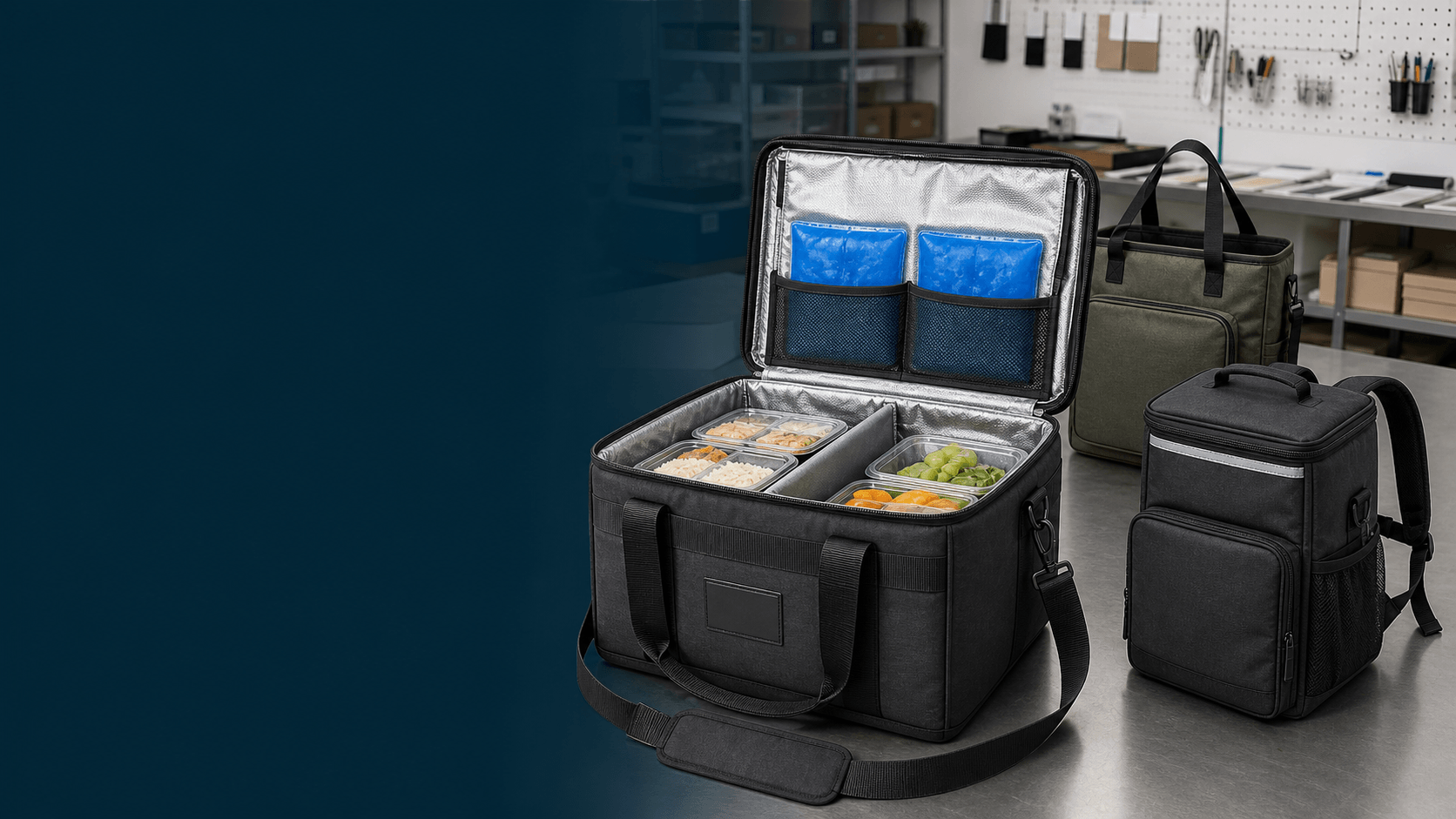
So bewerten Sie einen Gel-Kühlakkumulator in den USA für den realen Einsatz
Die beste Beschaffungsentscheidung für einen Vertriebshändler für Gel-Kühlakkus in den USA beginnt mit einer Grenze: Der Gel-Kühlspeicher ist ein Bestandteil eines thermischen oder therapeutischen Systems. Sie kann die Eignung nicht allein feststellen. Ein vertretbarer Kauf verbindet die Nutzlast bzw. den Verwendungszweck, die Konditionierungsmethode, der umliegenden Verpackung, die Route, Verhalten des Bedieners, Qualitätsnachweise, und die Fähigkeit des Lieferanten, die genehmigte Spezifikation einzuhalten.
Der zu verhindernde Fehler ist oft kein hoher Stückpreis. Die Produktkategorie kann Lebensmittel umfassen, Wellness, Labor, oder Handelsware, Daher muss der erforderliche Temperaturbereich vom Nutzlasteigentümer und nicht vom Kühlmittellieferanten stammen. Es handelt sich um den Kauf einer generischen Größe zum Einzelpreis und die Feststellung, dass sie dem Versender nicht passt, Gefrier-Workflow, oder Streckenprofil. Dieser Leitfaden zeigt, wie diese Einschränkungen in Beispielspezifikationen umgesetzt werden, Lieferantenfragen, Packout-Versuche, Erhalt von Schecks, und einen kontrollierten Weg vom Pilotauftrag zur Routinelieferung.
Eine Entscheidungsregel, die die meisten Fehler verhindert
Ein geeigneter Gel-Kühlspeicher für den regionalen Vertrieb, Weiterverkauf unter Eigenmarken, und wiederholte Paketauslieferungen sollten zur physischen Auslieferung passen, in einem definierten Zustand in den Prozess eintreten, während der erwarteten Handhabung intakt bleiben, und durch Spezifikationen gestützt sein, die die Produktion reproduzieren kann. Ein Gel-Akku allein ist kein qualifizierter Versender und beweist nicht, dass ein Paket innerhalb eines Zielbereichs bleibt. Außerdem sollten dem funktionsübergreifenden Team genügend Informationen beiliegen, um die Reinigung beurteilen zu können, Wiederverwendung, Entsorgung, Rückverfolgbarkeit, und Änderungsrisiko.
Definieren Sie zunächst vier Fragen. Wie lange und durch welche Belichtungen muss das System betrieben werden? Welchen Zustand muss die Nutzlast oder das Benutzererlebnis vermeiden?? Wo kann das Kühlmittel platziert werden, ohne dass es zu Kontaktschäden oder einer kalten Stelle kommt?? Welche Beweise ermöglichen es Qualitäts- und Betriebsteams, dasselbe Produkt zu genehmigen, für das die Beschaffung den Preis festlegt?? Wenn eine dieser Fragen keinen Besitzer hat, Ein niedrigeres Angebot verlagert nur die Kosten in das Testen, nacharbeiten, Ansprüche, oder Notfallersatz.
Flexibler Kontakt hat Vorteile und Grenzen
Die Produktkategorie kann Lebensmittel umfassen, Wellness, Labor, oder Handelsware, Daher muss der erforderliche Temperaturbereich vom Nutzlasteigentümer und nicht vom Kühlmittellieferanten stammen.
Ein Gelakkumulator allein ist kein qualifizierter Versender und beweist nicht, dass ein Paket innerhalb eines Zielbereichs bleibt.
Für diese Anwendung, Die Annahmeentscheidung sollte vor Eintreffen der Muster schriftlich erfolgen. Testen Sie dann den normalen und glaubwürdigen Worst-Case-Handling. Definieren Sie, was das Produkt unbrauchbar machen würde, welche Nachweise erforderlich sind, und wer eine Abweichung genehmigen kann. Dadurch wird verhindert, dass die Musterbesprechung zu einer subjektiven Diskussion darüber wird, ob die Packung stark aussieht oder sich kalt anfühlt.
Die gleiche Disziplin verbessert die Lieferantenkommunikation. Ein in die engere Wahl gezogener Lieferant, der sorgfältig nachfragt, ist oft nützlicher als einer, der sofort eine feste Laufzeit verspricht, ohne die Nutzlast oder den Container zu sehen. Anstatt nach dem besten Paket zu fragen, Senden Sie ein prägnantes Bewerbungsschreiben und bitten Sie den Lieferanten, Annahmen zu ermitteln, Einschränkungen, und Informationslücken.
Beginnen Sie mit der Nutzlast und der Fehlergrenze
Für temperaturempfindliche Pakete, Die Anforderung sollte als Systembeschreibung verfasst werden. Es sollte auch angegeben werden, ob das Ziel die Produktsicherheit ist, Qualitätssicherung, ein bevorzugtes Liefererlebnis, therapeutischer Komfort, oder eine dokumentierte regulatorische Bedingung. Es sollte den Ausgangszustand der Nutzlast beschreiben, akzeptable Grenzen, Masse und Anordnung der Nutzlast, nutzbarer Innenraum, Isolierung, Streckendauer, erwartete Verzögerungen, Umgebungseinflüsse, und Empfangsprozess. Diese Ziele hängen zusammen, aber sie sind nicht austauschbar.
A Kühlakku absorbiert Wärme, weil sich Energie von wärmeren Bereichen in kältere Bereiche bewegt. Deshalb ist das Phasenverhalten wichtig. Während eine Formulierung die Phase ändert, Es kann eine bedeutende Energiemenge bei einer geringeren Temperaturänderung absorbieren, als dies bei sensibler Erwärmung allein der Fall wäre. Doch der Phasenpunkt ist nur eine Eigenschaft. Gesamtmasse, latente und fühlbare Wärme, Starttemperatur, Kontaktbereich, Wärmeleck der Isolierung, und Luftspalte beeinflussen das Ergebnis. Ein in die engere Wahl gezogener Lieferant sollte diese Beziehung nicht auf eine ungeklärte Behauptung über die Kühlstunden reduzieren.
Die Geometrie wandelt Materialeigenschaften in Packout-Verhalten um. Anpassungsfähigkeit kann den Kontakt verbessern, kann aber auch zu Druck und ungleichmäßiger Dicke führen. Ein flexibler Beutel passt sich temperaturempfindlichen Paketen an, während ein starrer Ziegel wiederholbare Abstände schaffen und die Bestandskontrolle erleichtern kann. Starrheit kann zwar das Kühlmittel schützen, aber nutzbaren Raum verbrauchen oder eine konzentrierte Kältebrücke erzeugen. Ein Händler muss Paletten planen, Fall, und Einzelverpackungshandling, Denn Versiegelungen, die den Paketgebrauch überstehen, können dennoch durch scharfe Kartonkanten oder zusammengedrückte Lagerstapel beschädigt werden.
Für die endgültige Auswahl, Der kontrollierte Vergleich bezieht sich daher nicht isoliert auf Beutel und Ziegel. Dieser Vergleich zeigt, ob ein scheinbarer Materialvorteil die tatsächliche Geometrie und die tatsächlichen Arbeitsanweisungen überdauert. Es handelt sich um den Kandidaten für Packout A im Vergleich zum Kandidaten für Packout B bei gleicher Nutzlast, Isolierung, Vorkonditionierung, Lademethode, Umgebungsprofil, und Akzeptanzkriterien.
Bauen Sie das Packout auf der Grundlage kontrollierter Variablen auf
Das Kühlmittel, Isolierter Behälter, Nutzlast, Hohlraumfüllung, Separatoren, und Ladesequenz bilden ein thermisches System. Eine von einem anderen Karton übernommene Packungszahl ist aufgrund der Isolationsdicke ein schwacher Beweis, Außenfläche, Kopfspace, thermische Masse der Nutzlast, und Starttemperatur können unterschiedlich sein. Ein Gelakkumulator allein ist kein qualifizierter Versender und beweist nicht, dass ein Paket innerhalb eines Zielbereichs bleibt. Auch die Orientierung ist wichtig, wenn sich kalte Luft festsetzt, Am Deckel strömt warme Luft ein, oder Packstücke bewegen sich während des Transports.
Konditionierung verdient eine eigene Arbeitsanweisung. Eine Packung mit nominell derselben SKU kann sich anders verhalten, wenn eine Einheit vollständig konditioniert ist, ein anderer hat einen warmen Kern, und ein dritter saß während eines Schichtwechsels auf der Bank. Es sollte den Gefrier- oder Kühlschrankzustand definieren, Anordnung während der Konditionierung, minimale Erholungserwartungen nach der Türöffnung, Transferzeit zur Packstation, und was Bediener mit teilkonditionierten oder auftauenden Einheiten machen.
Die Genehmigungsübung beginnt mit einer dokumentierten Konfiguration und einer repräsentativen Nutzlast. Die Lufttemperatur neben einem Kühlmittel ist nicht unbedingt mit der Produkttemperatur identisch. Sensoren oder Indikatoren, wenn verwendet, zur Beantwortung der Akzeptanzfrage ausgewählt und platziert werden. Der Test sollte wahrscheinlich warme und kalte Standorte erfassen, und es sollte glaubwürdige Umgebungseinflüsse und Handhabungsereignisse darstellen und nicht einen einfachen, konstanten Raumzustand.
Die Ergebnisse sollten mit der genauen Packungscharge aufgezeichnet werden, Konditionierungszustand, Nutzlast, Isolierung, Ladediagramm, Sensorpositionen, Umgebungsprofil, und etwaige Abweichungen. Durch blindes Hinzufügen von Kühlmittel kann sich das nutzbare Volumen verringern, Frachtmasse erhöhen, oder es entsteht eine Unterkühlung, während der ursprüngliche Luftspalt oder das Deckelleck ungelöst bleibt. Wenn die Leistung ausfällt, Ändern Sie nach Möglichkeit jeweils eine Regelvariable.
Lieferantenfragen, die die Entscheidung ändern
| Entscheidungsbereich | Wie gut sieht aus | Aktion des Käufers |
|---|---|---|
| Thermo-Passform | Passende Formulierung, Masse, Geometrie, und Konditionierung der Nutzlast und des Systems. | Fragen Sie nach Daten, Testen Sie dann das vollständige Paket unter einem repräsentativen Profil. |
| Körperliche Fitness | Nutzfläche bestätigen, eingefrorene Dimensionen, Kontaktpunkte, und Bewegung. | Erstellen Sie Proben mit dem tatsächlichen Container, Nutzlast, Separatoren, und Schließung. |
| Integrität | Kontrollfilme oder Muscheln, Nähte, Kappen, Ecken, und gefüllte Masse. | Überprüfen Sie die Freigabeprüfungen, Toleranzen, Beschwerdebearbeitung, und Rückstellproben. |
| Operationen | Machen Sie Konditionierung, Laden, Inspektion, und Ruhestand wiederholbar. | Führen Sie einen Packlinienversuch mit normalen Bedienern und realistischem Zeitdruck durch. |
| Dokumentation | Verknüpfen Sie jede gelieferte Charge mit der genehmigten Spezifikation. | Bestätigen Sie die Chargencodierung, Aufzeichnungen, Sicherheitsinformationen, und Änderungsmitteilung. |
| Ende des Lebens | Unterscheiden Sie die Wiederverwendung, Entsorgung des Inhalts, und Entsorgung der Außenverpackung. | Überprüfen Sie Ansprüche anhand von Formulierungsnachweisen und örtlichen Vorschriften. |
Durch die Entscheidungsmatrix konzentriert sich die Diskussion eher auf Beweise als auf Adjektive. Es ist diejenige, die die angebotene SKU definieren kann, seine Grenzen erklären, reproduzieren Sie es, und beim Qualifizierungs- und Aufnahmeprozess des funktionsübergreifenden Teams mitzuarbeiten. Beim Vergleich eines Gel-Kühlspeichers für den regionalen Vertrieb, Weiterverkauf unter Eigenmarken, und wiederholte Paketauslieferungen, Der Anbieter mit der höchsten Bewertung ist nicht unbedingt derjenige, der die meisten Optionen bietet.
Benutzen Sie den Tisch zweimal: zuerst die Lieferanten prüfen, Anschließend wird das genehmigte Muster mit dem Produktionsvorschlag verglichen. Diese Differenzen sollten geschlossen werden, bevor die Bestellung zur einzigen Spezifikation in der Beziehung wird. Ein in die engere Wahl gezogener Lieferant kann einen hervorragenden Prototyp liefern, aber eine Produktionskonstruktion anbieten, Druckmethode, Kofferpackung, oder Standort, der von der bewerteten Einheit abweicht.
Ein kontrollierter Rollout-Plan
Beginnen Sie mit einem kleinen, dokumentierter Probensatz. Beziehen Sie in den Test normale Bediener ein. Fotografieren und messen Sie Einheiten, Datensatzidentifikation, Überprüfen Sie Dichtungen und Oberflächen, Konditionieren Sie sie mit der vorgeschlagenen Methode, und bauen Sie das echte Packout. Verpackungen, die nur erfolgreich sind, wenn sie von dem Ingenieur, der sie entworfen hat, zusammengestellt werden, sind nicht für den routinemäßigen Vertrieb geeignet.
Hilfreiche Entscheidungshilfen
Überprüfen Sie die Details, bevor Sie sich für die Verpackung entscheiden
Mit diesen schnellen Tools können Sie das Routenrisiko vergleichen, Größenanforderungen, Kühlmittelauswahl, und Verpackungsdetails, bevor Sie ein Angebot anfordern.
Kühlakku-Rechner
Schätzen Sie die Menge an Gel-Eisbeuteln für gekühlte Sendungen und nutzen Sie die praktische Routenplanung.
Schätzen Sie EisbeutelTrockeneisrechner
Schätzen Sie vor dem Verpacken den Bedarf an Trockeneis für gefrorene oder ultrakalte Sendungen.
Schätzen Sie TrockeneisKühlmittel & PCM-Referenz
Vergleichen Sie Kühlmittel- und PCM-Optionen, wenn eine Route zusätzliche Temperaturunterstützung benötigt.
Vergleichen Sie OptionenNach thermischer und Handhabungsprüfung, Definieren Sie ein „Golden Sample“ oder eine genehmigte Referenz und setzen Sie die Erkenntnisse in Einkaufsspezifikationen und Arbeitsanweisungen um. Stichprobenpläne sollten das Risiko und das Qualitätssystem des funktionsübergreifenden Teams widerspiegeln. Die Eingangsprüfung kann sich dann auf kritische Merkmale konzentrieren: Identität, Fallzahl, sichtbarer Schaden, Abmessungen, Gegebenenfalls gefüllte Masse, Lesbarkeit des Drucks oder Etiketts, Loskodierung, und ausgewählte Siegel- oder Verschlussprüfungen.
Die Betriebskapazität ist Teil der Produkteignung. Ihr funktionsübergreifendes Team sollte den Gefrier- oder Kühlschrankraum modellieren, Konditionierungszyklus, Inszenierungszeit, Arbeit, Reservebestand, saisonale Spitzenwerte, und was passiert nach einer fehlgeschlagenen Lieferung oder Produktrückgabe. Ein Händler muss Paletten planen, Fall, und Einzelverpackungshandling, Denn Versiegelungen, die den Paketgebrauch überstehen, können dennoch durch scharfe Kartonkanten oder zusammengedrückte Lagerstapel beschädigt werden. Diese Kosten können geringfügige Unterschiede im Stückpreis übersteigen.
Sobald die Produktion beginnt, Überwachen Sie Beschwerden nach Fehlerart und nicht anhand einer einzelnen Fehlerrate. Diese Unterscheidung zeigt, ob die Korrekturmaßnahme dem Kühlmittellieferanten obliegt, Packout-Design, Lagerprozess, Träger, oder Empfangsstelle. Separate Lecks, Punktionen, Siegel spaltet sich, Dimensionsprobleme, Druckschäden, unzureichende Konditionierung, Verpackungsfehler, Thermalausflüge, und Schaden erleiden.
Genehmigen Sie das System, Dann Kontrollwechsel
Für regulierte Nutzlasten, Das Qualitätsteam des funktionsübergreifenden Teams benötigt möglicherweise eine Lane-Qualifizierung, Änderungskontrolle, Rückverfolgbarkeit, und unterstützende Materialdokumentation. Aussagen wie „Für alle medizinischen Sendungen geeignet“., Hält Produkte für eine festgelegte Anzahl von Stunden kalt, oder umweltverträglich überall sind zu weit gefasst, es sei denn, die zugrunde liegenden Beweise decken tatsächlich die Konfiguration und den Markt des funktionsübergreifenden Teams ab. Die am besten vertretbare Formulierung einer Aussage bezieht sich spezifisch auf das, was getestet wurde, unter welchen Bedingungen, und von wem.
Eine Lieferantendatei, die in die engere Auswahl kommt, kann eine kontrollierte Spezifikation enthalten, Zeichnung, Sicherheitsinformationen, Materialdeklaration, Testzusammenfassungen, Qualitätszertifikate, die für das Fertigungssystem relevant sind, Chargen- oder Chargenaufzeichnungsformat, Beschwerdeverfahren, und Verpflichtung zur Änderungskontrolle. Ein allgemeines Managementsystem-Zertifikat, Zum Beispiel, beweist nicht die thermische Leistung, und ein Migrations- oder Materialbericht qualifiziert keine Versandroute. Diese Dokumente beantworten unterschiedliche Fragen.
Die Sprache des endgültigen Entsorgungs- oder Wiederverwendungspfads erfordert die gleiche Disziplin. Wenn eine Wiederverwendung vorgeschlagen wird, Berechnen Sie, ob Einheiten tatsächlich zurückgegeben werden, gereinigt, inspiziert, generalüberholt, und wieder in Betrieb genommen. Die Entsorgungsanweisungen sollten auf den Sicherheitsinformationen der Formulierung und den örtlichen Abfall- oder Abwasservorschriften basieren, nicht auf einem unqualifizierten Umweltslogan. Eine langlebige Verpackung, die nie zurückgegeben wird, kann mehr Material verbrauchen, ohne den erwarteten Wiederverwendungsvorteil zu bieten. Umgekehrt, Ein Einwegformat kann den Rücktransport reduzieren, verursacht aber einen größeren Entsorgungsaufwand.
Die Änderungskontrolle nach der Genehmigung schützt die in die Genehmigung investierte Arbeit. Ein identisch aussehender Ersatz kann unterschiedliche Flexibilität haben, Gefrierverhalten, thermische Masse, oder Fehlermodus. Ihr funktionsübergreifendes Team sollte Änderungen identifizieren, die einer Benachrichtigung oder Neubewertung bedürfen, wie Gelformulierung, Polymerqualität, Filmschicht, Siegelmuster, Füllmasse, Abmessungen, Produktionsstandort, Druckverfahren, oder Kartonverpackung.
Was sich ändert, wenn das Programm in den Vereinigten Staaten skaliert wird
Die Skalierung fügt Variabilität hinzu, bevor sie Volumen hinzufügt. Ein nationales oder grenzüberschreitendes Programm sollte festlegen, welche Elemente festgelegt sind und welche vor Ort angepasst werden können. Mehr Standorte bedeuten unterschiedliche Gefrierschränke, Schichtmuster, Speicherdichte, Trägerabschaltungen, Rücklaufquoten, Reinigungsmethoden, und Interpretationen derselben Anweisung. Die Kühlmittel-SKU, Konditionierungszustand, Packung, Ladediagramm, und Ruhestandskriterien sind in der Regel schlechte Kandidaten für eine informelle Vertretung.
Auch die Vertriebsgeographie verändert das kommerzielle Risiko. Genehmigungsteams sollten den Weg vom Fertigungslos bis zur Verpackungsstation abbilden, Dazu gehört auch, wer bei Verzögerungen Eigentümer des Inventars ist und wie beschädigte Fälle unter Quarantäne gestellt werden. Vorlaufzeit importieren, Zollabfertigung, lokales Inventar, Sprachbedürfnisse, Gehäusebeschriftung, Ersatzbestand, Durch die Reklamationsbeantwortung kann festgestellt werden, ob ein technisch einwandfreies Produkt betriebsbereit ist.
Ein lokaler Händler kann einen Mehrwert schaffen, indem er Lagerbestände hält, Anweisungen übersetzen, Konsolidierung der Nachfrage, und unterstützende Studien. Wenn der Händler umpackt, Umbenennungen, oder lagert das Produkt, Verantwortlichkeiten für die Rückverfolgbarkeit, Lagerbedingungen, Schadensbesichtigung, und die Änderungskommunikation sollte explizit sein. Dieser Wert sollte in Dienstdefinitionen und Datensätzen sichtbar sein.
Fragen zur Lieferantenbewertung
- Können Produktionschargen auf Film- und Gel-Inputs zurückgeführt werden??
- Welche Maße, Gewichte, Druckformate, und Kartonanzahlen sind kontrollierte Spezifikationen?
- Welcher Änderungsmitteilungsprozess gilt für Filme?, Siegelmuster, Gelformulierung, oder Produktionsstandort?
- Kann der Lieferant Pilotmengen vor einem nationalen Rollout unterstützen??
Die Antworten sollten sich spezifisch auf die zitierte Konstruktion beziehen. Halten Sie ungelöste Annahmen im Versuchsplan fest, anstatt sie zu stillen Akzeptanzkriterien werden zu lassen. Wenn sich eine Antwort nur auf eine Produktfamilie bezieht, Fragen Sie, ob jede Größe die gleiche Formulierung verwendet, Film, Siegelmethode, Konditionierungsanleitung, und Freigabekontrolle.
Bei Preisvergleichen sollten die gleichen Lieferbedingungen verwendet werden, Fallmenge, Kennzeichnungsumfang, Inspektionsebene, Dokumentationspaket, und Ersatzpolitik. Für internationale Belieferung, Unterscheiden Sie außerdem die Fertigungsdurchlaufzeit von der gesamten Wiederbeschaffungszeit und legen Sie fest, wie mit dringenden Ersatzlieferungen umgegangen wird. Ansonsten, Der niedrigste Einzelpostenpreis kann Arbeiten ausschließen, die ein anderer Anbieter einbezogen hat.
Häufig gestellte Fragen
Kann ein Gel-Kühlakku eine feste Anzahl an Kühlstunden garantieren??
Nicht von alleine. Betrachten Sie einen Daueranspruch nur dann als sinnvoll, wenn die Testkonfiguration mit Ihrer eigenen vergleichbar ist. Die Dauer hängt von der genauen Rezeptur und Masse ab, Ausgangsbedingung, Isolierung, Nutzlast, Packung, Platzierung, Umgebungsprofil, und Eröffnung oder Abwicklung von Veranstaltungen. Eine repräsentative Bewertung der vollständigen Verpackung ist aussagekräftiger als die Aussage einer einzelnen Packung.
Sollte die Kühlpackung das Produkt direkt berühren?
Das hängt von der Produktempfindlichkeit und dem Verpackungsdesign ab. Die Produktkategorie kann Lebensmittel umfassen, Wellness, Labor, oder Handelsware, Daher muss der erforderliche Temperaturbereich vom Nutzlasteigentümer und nicht vom Kühlmittellieferanten stammen. Direkter Kontakt kann die lokale Wärmeübertragung verbessern, Es kann aber auch zu Frost führen, Druck, Kondensation, Abrieb, oder Präsentationsschäden. Verwenden Sie bei Bedarf Trennelemente oder kontrollierte Abstände und berücksichtigen Sie die Platzierung im genehmigten Belastungsdiagramm.
Was sollte ein Käufer prüfen, wenn Großeinheiten eintreffen??
Identität bestätigen, Loscode, Fallzahl, offensichtlicher Transportschaden, Leckage, Siegel- oder Verschlusszustand, Abmessungen, Gegebenenfalls gefüllte Masse, und die Lesbarkeit des Drucks oder Etiketts. Stellen Sie unerklärliche Änderungen unter Quarantäne, anstatt sie direkt in den Konditionierungsbereich zu schicken. Vergleichen Sie ausgewählte Einheiten mit der genehmigten Referenz.
Bedeutet Mehrweg automatisch auch nachhaltiger??
NEIN. Wenn die Retourenquoten niedrig sind oder Reinigung und Transport intensiv sind, Der erwartete Nutzen stellt sich möglicherweise nicht ein. Durch die Wiederverwendung kann der Materialbedarf bei der Rückgabe von Packungen gesenkt werden, gereinigt, inspiziert, generalüberholt, und genug Zeit genutzt, um die Rückwärtslogistik zu rechtfertigen. Vergleichen Sie realistische Programmszenarien und dokumentieren Sie die Annahmen.
Endgültige Beschaffungsentscheidung
Die endgültige Wahl des Gel-Kühlakkus dürfte vier Rezensionen überstehen: thermische oder anwendungsspezifische Passform, körperliche und betriebliche Eignung, Qualitätsnachweise, und kommerzielle Kontinuität. Ein diszipliniertes Test- und Genehmigungspaket verwandelt einen Wareneinkauf in eine kontrollierbare Systemkomponente. Wenn die vorgeschlagene Einheit nur die Angebotsprüfung besteht, Der Beschaffungsprozess ist unvollständig.
Über Tempk
Tempk, eine Marke von Shanghai Tempk Industrial Co., Ltd., Lieferungen Gel -Eisbeutel und verwandt Kühlkettenverpackung für Essen, Gesundheitspflege, Probe, Einzelhandel, und Vertriebsanwendungen. Die endgültige Eignung sollte anhand der Nutzlast des funktionsübergreifenden Teams bestätigt werden, Route, Konditionierungsprozess, Handhabungsbedingungen, und erforderliche Nachweise. Für den regionalen Vertrieb, Weiterverkauf unter Eigenmarken, und wiederholte Paketauslieferungen, Wir können die Packmaße besprechen, gefülltes Gewicht, Film- oder Shell-Format, Drucken, Kartonverpackung, und wie ein mögliches Kühlmittel in eine isolierte Verpackung passen könnte.
Nächster Schritt
Bevor Sie Produktionspreise anfordern, Bereitstellung der Produktanforderung, nutzbarer Packraum, Umgebungsstraße, Betreiberbeschränkungen, und Genehmigungsnachweise, die Sie benötigen. Tempk kann diesen Auftrag nutzen, um Proben von Gelkühlakkus für eine funktionsübergreifende Überprüfung zu identifizieren.