So bewerten Sie das OEM-Angebot für Kommerzielle Eisboxen mit Kosten, Leistung, und Supplier Fit in Mind
Bei einer Kaufentscheidung in dieser Kategorie geht es selten um eine Variable. In der Praxis, Käufer vergleichen die Verarbeitungsqualität, nutzbares Volumen, Isolierungsdesign, Einzelheiten zur Handhabung, und Geschäftsbedingungen auf einmal. Bei gewerblichen und industriellen Kalthalte- oder Vertriebsarbeiten, Die richtige Wahl hängt davon ab, wie oft die Box bewegt wird, wie rau die Handhabung ist, wie lange es die Temperatur halten muss, und ob der Käufer ein Standardprodukt oder eine Sonderanfertigung benötigt. Ein niedriges Angebot kann bis zum Gewicht attraktiv aussehen, Deckelbeschläge, Stapelbarkeit, und Renditeeffizienz werden berücksichtigt.
Der schnellste Weg, Optionen zu vergleichen, besteht darin, mit fünf Grundlagen zu beginnen: Innenmaße, tatsächlich nutzbares Volumen nach Zugabe von Kühlmittel oder Zubehör, Isolationstyp, Verschlusssystem, und die Fähigkeit des Lieferanten, eine konsistente Produktion zu liefern. Wenn Sie auch die OEM-Entwicklungssteuerung vergleichen, Werkzeugdisziplin, und Wiederholbarkeit, Bitten Sie um eine vollständige Angebotsstruktur und nicht um eine Haupteinheitsnummer. Für OEM-Projekte, Design-Freeze, Werkzeugbesitz, Private-Label-Details, und Freigabemuster sind genauso wichtig wie der anfängliche Stückpreis.
Beginnen Sie damit, die Box an die Route anzupassen, Nicht der Katalogname
In der Beschaffungssprache, Eine Eisbox kann alles beschreiben, von einer robusten wiederverwendbaren Truhe bis hin zu einer passiven temperaturgeführter Transport Container. Die Wörter sind ähnlich, aber die Kaufkriterien sind es nicht. Eine Allzweck-Hartbox dient hauptsächlich als Schutz- und Isoliergehäuse. Eine wahre Kühlkettenversand Das System verbindet das Gehäuse mit Kältemitteln, Ladeanweisungen, Haltezeiterwartungen, und häufig Temperaturüberwachung. Diese Unterscheidung ist bei der kommerziellen Nutzung immer noch wichtig, Denn eine für den Freizeit- oder Gastronomiebereich vermarktete Box ist zwar für Tagesausflüge völlig in Ordnung, für den wiederkehrenden Lagerumschlag jedoch schlecht geeignet, gestapelte Rücklaufschleifen, oder lange Verweilzeiten.
Für gewerbliche und industrielle Käufer, Das gleiche Sprachproblem wirkt sich auf die Angebotsqualität aus. Ein Lieferant bietet möglicherweise eine leichte Formbox für den gelegentlichen Transport an, während ein anderer eine dickwandigere Multi-Trip-Truhe mit stärkeren Verschlüssen zitiert, Dichtungen, und strukturelle Merkmale für den täglichen Gebrauch. Es sei denn, im Angebot ist die Materialfamilie angegeben, Isolierung bauen, Innenmaße, Verschlussdesign, und Handhabungsgrenzen, Zwei Produkte, die auf dem Papier ähnlich aussehen, können sich in einem Fahrzeug sehr unterschiedlich verhalten, eine Laderampe, oder ein Vorbereitungsbereich.
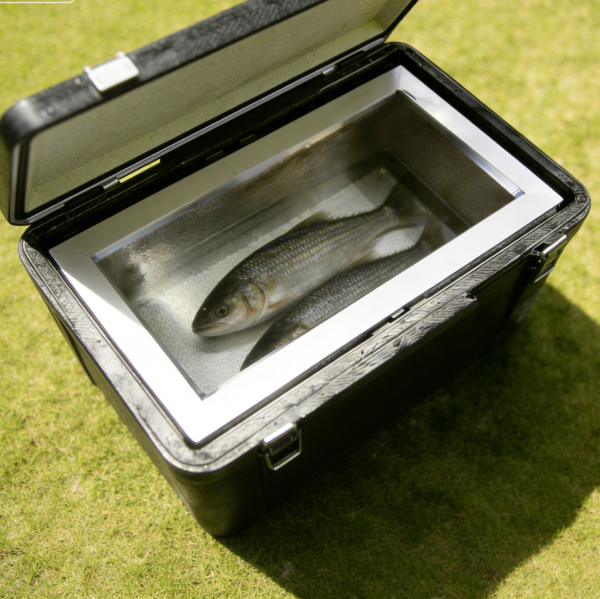
Gewerbliche und industrielle Anwendungsfälle variieren ebenso stark. Ein Käufer benötigt möglicherweise eine Box für die Kommissarverteilung, ein weiterer für die Handhabung von Fisch oder Fleisch, ein weiteres für Feldproben, und ein weiteres für die Baustellenverpflegung. Jede Nutzung verändert die Prioritätenliste. Foodservice-Routen können die Reinigungsfähigkeit und den schnellen Zugang zum Deckel begünstigen. Bei der industriellen Probenahme können die Schalenfestigkeit und die sichere Abdichtung Vorrang haben. Bei wiederverwendbaren Schleifen für den Einzelhandel oder die Gastronomie ist die Stapelbarkeit möglicherweise am wichtigsten, Verschachtelung, und Renditeeffizienz.
Was tatsächlich die Wärme- und Handhabungsleistung ausmacht
Die meisten Hardboxen auf diesem Markt basieren auf einer bekannten technischen Logik: eine geformte Kunststoffschale, Isolierung in den Wänden und im Deckel, und ein Verschlusssystem, das den Luftaustausch während des Transports begrenzt. Auf öffentlichen Produktseiten etablierter Kühl- und Transportboxenhersteller werden häufig Gehäuse aus Polyethylen oder Polypropylen in Kombination mit einer Isolierung aus Polyurethanschaum gezeigt, Dichtungen, starre Scharniere, und Hochleistungsverschlüsse. Diese Architektur ist beliebt, weil sie die Robustheit ausbalanciert, Herstellbarkeit, und Kosten.
Aus Käufersicht, Schalenmaterial ist nur der Anfang. Sie müssen wissen, ob der Körper rotationsgeformt ist, blasgeformt, oder spritzgegossen, weil die Wahl des Verfahrens die Wandkonsistenz beeinflusst, Schlagfestigkeit, Gewicht, und Maßhaltigkeit. Rotomolded-Designs werden oft gewählt, wenn Käufer dick sein möchten, einteilige Konstruktion und ein robusteres Gefühl. Leichtere Formkonstruktionen können die Stückkosten und das Transportgewicht senken, Sie können sich jedoch bei wiederholtem Stapeln unterschiedlich verhalten, ziehen, oder Gabelstaplerkontakt.
Die Wahl der Isolierung verändert sowohl die Wärmeleistung als auch das Außenvolumen. Polyurethanschaum wird häufig in robusten Transportboxen verwendet, da er ein gutes Gleichgewicht zwischen Isolierung und struktureller Steifigkeit bietet. Erweiterter Polypropylen, oder EVP, kann Gewicht reduzieren und die Energieaufnahme verbessern. Vakuumisolierte Paneldesigns können die Wärmeübertragung drastisch reduzieren, Sie erhöhen jedoch die Kosten und sind bei rauer Handhabung empfindlicher gegenüber Kantenschäden. Käufer, die Materialien vergleichen, sollten daher nicht nur fragen, woraus die Box besteht, sondern wie das Vollwandsystem aufgebaut ist und wie es genutzt wird.
Deckelgeometrie, Dichtungskompression, und das Fußdesign können im täglichen Betrieb wichtiger sein, als Käufer erwarten. Bei einem Karton, der auf einem Produktfoto als langlebig erscheint, kann dennoch Luft austreten, wenn sich der Deckel unter Last verformt oder wenn die Verschlüsse nach wiederholten Zyklen an Spannung verlieren. Aus diesem Grund verdienen die Konsistenz der Bauweise und die Verfügbarkeit von Ersatzteilen bei der Lieferantenbewertung besondere Aufmerksamkeit.
Auch wenn es sich bei der Nutzlast nicht um regulierte Medikamente handelt, Der häufigste Leistungsfehler besteht darin, das Nennvolumen als nutzbares thermisches Volumen zu behandeln. Einmal loses Eis, Ziegel, Gelpackungen, Lebensmittelpfannen, oder Probenracks geladen werden, Der für das Produkt verbleibende Platz ist möglicherweise weitaus kleiner, als die Katalognummer vermuten lässt. Ein zweiter häufiger Fehler besteht darin, die Luftleckage rund um den Deckel zu ignorieren. Eine robust aussehende Box mit einer schwachen Dichtung oder einer schlechten Ausrichtung des Verschlusses kann bei wiederholtem täglichen Gebrauch schnell ihren Vorteil verlieren.
Das Lademuster verändert auch die Leistung. Dichte Ladungen halten die Temperatur anders als teilweise gefüllte Kisten, und große Hohlräume fördern eine schnellere Luftbewegung bei jedem Öffnen des Deckels. Ein Käufer, der eine vorhersehbare Kurzstreckenleistung benötigt, sollte sich erkundigen, wie die Box getestet wurde und ob die Angabe des Lieferanten von einer Volllast ausgeht, eine vorgekühlte Ladung, ein bestimmtes Kühlmittelmuster, oder eine bestimmte Umgebungstemperatur.
Ein kluger Käufer fragt sich daher nicht nur, woraus die Box besteht, sondern auch, wie es voraussichtlich geladen wird, welche Dauerannahmen hinter dem Leistungsanspruch stehen, und was sich ändert, wenn dasselbe Modell auf einer heißeren Fahrspur verwendet wird, ein längeres Verweilen, oder eine schwerere Nutzlast.
Was die Wärme- und Handhabungsleistung wirklich antreibt
Auch wenn es sich bei der Nutzlast nicht um regulierte Medikamente handelt, Käufer profitieren immer noch von einem öffentlichen Denken über Leistung. Auf Produktseiten von robusten Kühlboxen und isolierten Transportboxen wird häufig die Wandkonstruktion beschrieben, Siegel, und Verwendungszweck, Sie erklären jedoch nicht immer, wie der Haltezeitanspruch generiert wurde. Ein kluger Vergleich fragt daher nach der Umgebungstemperatur, Lademuster, Öffnungshäufigkeit, und Verkehrsträger stehen hinter der Schlagzeile.
Für kürzere oder variablere Routen, Käufer sollten eher an der Dauerspanne als an der Schlagzeilendauer denken. Wenn eine Route voraussichtlich sechs Stunden dauern wird, Eine Kiste mit einem Anspruch von sechs Stunden ist keine sichere Marge. Sie benötigen Zeit zum Laden, überweisen, Erhalt von Schecks, Fahrzeugwärmebelastung, Verkehr, und Verzögerungen, die während des normalen Arbeitstages auftreten. Gute Spezifikationen legen daher die Route fest, das Kastenfüllverhältnis, und ob der Behälter während des Gebrauchs geöffnet wird.
Hilfreiche Entscheidungshilfen
Überprüfen Sie die Details, bevor Sie sich für die Verpackung entscheiden
Mit diesen schnellen Tools können Sie das Routenrisiko vergleichen, Größenanforderungen, Kühlmittelauswahl, und Verpackungsdetails, bevor Sie ein Angebot anfordern.
Routenrisiko-Checker
Überprüfen Sie die Fahrspurbedingungen, bevor Sie die Verpackung entsprechend den tatsächlichen Betriebsanforderungen auswählen.
Streckenrisiko prüfenVerpackungsauswahl
Vergleichen Sie isolierte Verpackungsoptionen nach Produkt, Route, und Temperaturbedarf.
Verpackung findenTrockeneisrechner
Schätzen Sie vor dem Verpacken den Bedarf an Trockeneis für gefrorene oder ultrakalte Sendungen.
Schätzen Sie TrockeneisEs lohnt sich auch, nach einer einfachen Überwachungsgewohnheit zu fragen. Auch bei nicht reglementierter gewerblicher Arbeit, Kontrolle der Ursprungs- und Empfangstemperatur, oder zumindest Produktoberflächenprüfungen gepaart mit der Routenplanung, Machen Sie es einfacher zu verstehen, ob die Box das tut, was das Angebot impliziert.
Das wahre Kostenbild: Stückpreis, Routenanpassung, und lebenslange Nutzung
Preisbewegungen in dieser Kategorie aus vorhersehbaren Gründen. Die größten Hebel sind das Schalenmaterial und das Formverfahren, Art und Dicke der Isolierung, Deckel- und Verriegelungsbeschläge, Zubehör, und das Maß an thermischer Sicherheit, das der Käufer erwartet. Eine einfache geformte Truhe für den kurzzeitigen Gebrauch wird in der Regel einen ganz anderen Preis haben als eine wiederverwendbare passive Transportbox, die für einen definierten Temperaturbereich ausgelegt ist, längere Dauer, und überwachte Handhabung.
Für gewerbliche und industrielle Arbeiten, Die gleiche Logik gilt in einer einfacheren Form. Der Boxpreis allein verrät noch nichts über das Leergewicht, Scharnierlebensdauer, Siegelqualität, oder wie weit es ohne Verzerrung überfüllt werden kann. Eine teurere Box kann letztendlich die Austauschhäufigkeit verringern, Arbeitsbelastung, oder Produktverlust, der ausreicht, um die erste Rechnung auszugleichen.
Der OEM-Preis beinhaltet mehr als nur Kunststoff und Schaumstoff. Werkzeuge, Zeichnungsgenehmigung, Design-Freeze, Farbkontrolle, Logo-Platzierung, Pilotproben, Verpackungsmethode, und Revisionsdisziplin erhöhen alle die Kosten und beeinflussen das Projektrisiko. Für eine fundierte OEM-Entscheidung ist daher eine vorhersehbare Ausführung genauso wichtig wie eine wettbewerbsfähige Stückzahl.
Anbieterangebote in dieser Kategorie bewegen sich in drei sichtbare Richtungen. Erste, Käufer wünschen sich zunehmend streckenspezifische Lösungen statt allgemeiner Kartongrößen. Zweite, Immer mehr Projekte fordern wiederverwendbare Verpackungen, die wiederholte Reinigungs- und Rückgabezyklen überstehen. Dritte, Überwachungs- und Rückverfolgbarkeitsfunktionen rücken viel früher in die Diskussion, selbst wenn die Box selbst noch passiv und nicht mit Strom versorgt wird.
Wie sich aktuelle Beschaffungstrends auf die Entscheidung auswirken
Anbieterangebote in dieser Kategorie bewegen sich in drei sichtbare Richtungen. Erste, Käufer wünschen sich zunehmend streckenspezifische Lösungen statt allgemeiner Kartongrößen. Zweite, Immer mehr Projekte fordern wiederverwendbare Verpackungen, die wiederholte Reinigungs- und Rückgabezyklen überstehen. Dritte, Überwachungs- und Rückverfolgbarkeitsfunktionen rücken viel früher in die Diskussion, selbst wenn die Box selbst noch passiv und nicht mit Strom versorgt wird.
Im Gastronomie- und Industrievertrieb, Käufer legen mehr Wert auf Rücklaufeffizienz und Waschlebensdauer. Eine wiederverwendbare Box kann auf dem Papier wirtschaftlich aussehen, aber teuer werden, wenn sie Feuchtigkeit einschließt, verliert Hardware, oder bereits nach wenigen Zyklen beschädigt zurückkommt. Aus diesem Grund fragen Beschaffungsteams häufiger nach Ersatzteilen, geformte Tracking-Bereiche, Ersatzdeckel, und ob der Container auf der Rücklaufstrecke effizient schachtelt oder gestapelt wird.
Die Materialauswahl ist Teil desselben Trends. Käufer wägen robuste Kunststoffe ab, leichtere Schäume, und Mischkonstruktionen gegenüber den tatsächlichen Transportkosten, Arbeit, und Reinigung. In der Praxis, Der beste Trend ist selten ein modisches Material. In der Regel handelt es sich um ein zur Fahrspur passendes Paket, nutzt den Platz effizient, übersteht die Handhabung, und ist einfach richtig anzuwenden.
Auch die OEM-Nachfrage wird disziplinierter. Private-Label-Projekte erfordern zunehmend eine strengere Kontrolle der Farbabstimmung, Logo-Platzierung, Design-Freeze, und Revisionsgeschichte. Das legt die Messlatte für die Dokumentation höher und macht die Konsistenz zwischen Muster und Produktion wichtiger als den ersten Eindruck des Prototyps.
Eine praktische Lieferanten-Checkliste
Bevor Sie in großen Mengen bestellen, Bitten Sie um ein kurzes technisch-kommerzielles Paket anstelle einer Verkaufsbroschüre. Mit diesem Paket können Sie überprüfen, ob die Probe vorliegt, der Produktionsaufbau, und die endgültigen Versandspezifikationen werden tatsächlich übereinstimmen.
- Innenmaße, Außenmaße, und das nutzbare Volumen nach Kühlmittel, Trenner, oder Körbe sind im Lieferumfang enthalten
- Schalenmaterial oder Harzfamilie, Formprozess, Isolationstyp, und ob die Deckeldichtung dicht ist
- Verschlussdesign, Grifftyp, Stapelbarkeit, Verschachtelungs- oder Rücklaufeffizienz, und etwaige Belastungsgrenzen für gefüllte Kartons
- Reinigbarkeit, Drainage, Oberflächenbeschaffenheit, und ob Etiketten, Barcodes, oder Rückverfolgbarkeitsetiketten können sicher angebracht werden
- Konsistenz zwischen Muster und Produktion, Change-Control-Praxis, und was passiert, wenn materielle Substitutionen erforderlich sind
- MOQ, Vorlaufzeit, Verpackungsmethode, und wer für Kundendienstprobleme oder Ersatzteile verantwortlich ist
- Werkzeugbesitz, Genehmigungsablauf für Kunstwerke, Logo oder Farbtoleranzen, und ob Pilotmuster vor der Massenproduktion freigegeben werden
- Erwartete Haltezeitbedingungen, wie der Leistungsanspruch geprüft wurde, und welches Lademuster der Lieferant annimmt
- Wie sich die Box in Ihrer tatsächlichen Handhabungsumgebung verhält, einschließlich nasser Böden, Fahrzeugbewegung, oder wiederholtes Be- und Entladen
- Ziel dieser Checkliste ist es nicht, die Beschaffung bürokratisch zu gestalten. Es soll das häufige Fehlermuster stoppen, bei dem ein Kästchen in einem Angebot akzeptabel aussieht, Funktioniert einmal in einer Demo, und dann sinkt die Leistung, wenn sie auf reale Routen skaliert wird, echtes Personal, und echten täglichen Umgang.
FAQ
Was normalerweise wichtiger ist als die Literangabe im Katalog?
Nutzbares Volumen, belastetes Gewicht, Siegelqualität, und die Art und Weise, wie sich die Box bei wiederholter Handhabung verhält, sind in der Regel wichtiger als die Größe der Überschrift allein.
Ist eine teurere Hülle immer die bessere Wahl??
NEIN. Eine schwerere oder dickere Schale kann die Haltbarkeit verbessern, es kann aber auch die Nutzlasteffizienz verringern und die Ermüdung der Arbeiter erhöhen. Die bessere Wahl ist diejenige, die zu Ihrer Route passt, Handhabungsmuster, und Reinigungsroutine.
Wie sollten Käufer Lieferanten vergleichen, wenn die Preisangebote ähnlich sind??
Fordern Sie die vollständige Bauspezifikation an, nicht nur der Stückpreis. Harztyp, Isolierung, Dichtungsqualität, Hardware, Abmessungen, Probenkonsistenz, und After-Sales-Support erklären oft, warum sich ähnlich aussehende Angebote im Service unterschiedlich verhalten.
Letzter Imbiss
Die überzeugendste Kaufentscheidung für gewerbliche Kühlboxen ergibt sich in der Regel aus der Eingrenzung des Problems. Definieren Sie die Nutzlast, die Route, die Belichtungsbedingungen, das Handhabungsmuster, und den Grad der Dokumentation, den Sie benötigen. Sobald diese klar sind, Boxklassen vergleichen, Isolierung baut, und Lieferantenangebote wird viel einfacher. Für den allgemeinen gewerblichen und industriellen Einsatz, Die kostengünstigste Option ist in der Regel diejenige, die auch nach mehrmaligem Laden weiterhin funktioniert, Abwaschen, Stapelung, und Transport – nicht das mit dem niedrigsten Eröffnungszitat. Eine technische Überprüfung macht den gleichen Punkt einfach deutlicher: Struktur, thermisches Design, und Prozesssteuerung müssen aufeinander abgestimmt sein. Wenn eine Schicht schwach ist, Der Kauf sieht auf dem Papier möglicherweise immer noch gut aus, während er in der Praxis unterdurchschnittlich abschneidet.
Über Tempk
Tempk, Teil der Shanghai Huizhou Industrial Co., Ltd., hat sich darauf konzentriert Kühlkettenverpackung und wiederverwendbare isolierte Transportlösungen 2011. Wir arbeiten quer Isolierte Verpackung Kategorien einschließlich Eisbeutel, Isolierte Kisten, Boxliner, Palettenabdeckungen, und verwandte Kühlkettenmaterialien. Unser Ziel ist es, Kunden dabei zu helfen, Verpackungsstruktur und Wärmeleistung an reale Transportbedingungen anzupassen, mit einem praktischen Schwerpunkt auf Produktpassung und Lösungsdesign und nicht auf generischen, allgemeingültigen Empfehlungen.
Nächster Schritt
Wenn Sie Massenoptionen vergleichen, Fragen Sie uns nach einer Routenempfehlung oder einer klareren Spezifikationsliste, bevor Sie endgültige Angebote anfordern.