Schokolade ist einer der stabilsten Leckerbissen, die man kaufen kann, Dennoch kann seine Qualität schnell nachlassen, wenn die Kühlkette unterbrochen wird. In einer Welt, in der der globale Schokoladenmarkt an der Spitze stand 1,11 Billionen US-Dollar im Jahr 2023 und extremes Wetter verringerten die Kakaoproduktion 12.9 %, Jeder Beantobar-Hersteller muss die Haltbarkeit gewährleisten. In diesem Leitfaden erfahren Sie, wie das geht Du kann handgemachte Schokolade von der Fabrik bis zur Haustür frisch halten. Es erklärt, warum Wasseraktivität, Temperatur und Luftfeuchtigkeit sind wichtig, wie die Wahl der Verpackung die Langlebigkeit verlängert, Und was 2025 trends mean for sustainable Kühlkette management. Die folgenden Einblicke richten sich sowohl an Bastler als auch an Profis, Verwendung einfacher Sprache zur Entmystifizierung der Wissenschaft.
Dieser Artikel beantwortet Ihre Fragen:
Schlüsselfaktoren, die die Haltbarkeit von Schokolade von der Bohne bis zur Tafel beeinflussen – Wasseraktivität verstehen, composition and preservation in Kühlkette conditions.
Optimale Lagerbedingungen für dunkel, Milch- und weiße Schokolade – einschließlich Temperatur- und Luftfeuchtigkeitsbereichen, die Fett- und Zuckerreif verhindern.
Verpackungsstrategien zur Verlängerung der Haltbarkeit – Erkunden Sie passive versus aktive Systeme, Barrierematerialien und Verpackungen mit Schutzatmosphäre.
Wasseraktivität, Einschlüsse und Zutatenauswahl – Erfahren Sie, warum Füllungen die Haltbarkeit verkürzen und wie Sie die Feuchtigkeit kontrollieren können.
Überwachung und Technologie – Entdecken Sie, wie IoT-Sensoren funktionieren, KI und Blockchain helfen dabei, die Bedingungen aufrechtzuerhalten.
2025 Trends und Markteinblicke – Bleiben Sie in Sachen Nachhaltigkeit auf dem Laufenden, Rückverfolgbarkeit und Trends bei funktionellen Inhaltsstoffen.
Warum Die Kontrolle der Kühlkette ist wichtig für die Haltbarkeit von Schokolade von der Bohne bis zur Tafel?
Beantobar-Schokolade bleibt über Monate oder Jahre sicher, da sie wenig freies Wasser und stabile Kakaobutter enthält, Aber seine Textur und sein Geschmack verschlechtern sich schnell, wenn es Hitze ausgesetzt wird, Feuchtigkeit oder Sauerstoff. Die Kakaomasse ist gering Wasseraktivität (a_w) – ein Maß für freies Wasser, das mikrobielles Wachstum ermöglicht – normalerweise zwischen 0.30 Und 0.50, Daher wachsen Bakterien selten. Jedoch, Hohe Temperaturen erweichen Kakaobutter und verursachen Fettblüte, während Feuchtigkeit Zucker auflöst und zu führt Zuckerblüte. Denn Handwerker verzichten oft auf Konservierungsstoffe und verwenden natürliche Zutaten, Ihre Riegel sind besonders empfindlich: Bio-Schokolade verbietet Stabilisatoren wie PGPR oder gehärtete Fette, wodurch es anfälliger für Ausblühungen und Oxidation wird.
Der Schokoladensorte bestimmt auch die Haltbarkeit. Hochwertige dunkle Balken mit ≥70 % Kakao kann lange frisch bleiben 18–24 Monate denn Kakaobutter und Flavonoide stabilisieren die Fettkristalle. Vollmilchschokolade, das Milchtrockenmasse und Zucker enthält, dauert ungefähr 6–12 Monate; weiße Schokolade, es mangelt an Kakaofeststoffen und Antioxidantien, hält nur 4–6 Monate. Gefüllte Pralinen und Trüffel sind kürzer haltbar – 2–4 Monate – weil Sahne, Nüsse und Früchte erhöhen die Wasseraktivität.
Verständnis der Wasseraktivität und ihres Einflusses auf die Haltbarkeit
Wasseraktivität (a_w) misst, wie viel Feuchtigkeit vorhanden ist für Mikroben verfügbar und nicht der Gesamtfeuchtigkeitsgehalt. Die meisten Bakterien, Schimmelpilze und Hefen benötigen oben ein a_w 0.8 gedeihen. Einfache Schokolade hat ein A_W 0.30–0,50, weshalb es mikrobiologisch selten verdirbt. Stattdessen, Fettoxidation Und Zuckerrekristallisation Haltbarkeit bestimmen: Durch die Hitze wandert die Kakaobutter und verfestigt sich an der Oberfläche (Fettblüte), während Feuchtigkeit Oberflächenzucker auflöst und rekristallisiert (Zuckerblüte). Bloom macht Schokolade nicht unsicher, sondern signalisiert Qualitätsverlust. Die geringe Wasseraktivität erklärt auch, warum Kakaonibs entstehen, Alkohol und Butter können reichen Jahre wenn es trocken gehalten wird.
| Schokoladentyp | Typischer a_w-Bereich | Ungefähre Haltbarkeitsdauer* | Bedeutung für Sie |
| Dunkle Schokolade (≥70 % Kakao) | 0.30–0,50 | 18–24 Monate | Hohe Kakaobutter und Antioxidantien machen dunkle Riegel stabil; Ideal für die Langzeitlagerung und den weltweiten Versand. |
| Vollmilchschokolade | 0.35–0,50 | 6–12 Monate | Milchfeststoffe oxidieren schneller als Kakaobutter, Daher benötigt Milchschokolade eine strengere Feuchtigkeitskontrolle und eine kürzere Haltbarkeit. |
| Weiße Schokolade | 0.40–0,55 | 4–6 Monate | Es mangelt an Kakaofeststoffen und Antioxidantien, wodurch es anfällig für Ranzigkeit wird; Eine kontinuierliche Überwachung ist unerlässlich. |
| Gefüllte Pralinen/Trüffel | >0.50 aufgrund von Einschlüssen | 2–4 Monate | Creme, Karamell- und Nussfüllungen erhöhen die Wasseraktivität; zügig verzehren oder strenge Kühlkette einhalten. |
*Die Sortimente stellen ungeöffnete Produkte dar, die unter optimalen Bedingungen gelagert werden. Einmal geöffnet, Die Haltbarkeit halbiert sich aufgrund der Einwirkung von Sauerstoff und Feuchtigkeit etwa.
Mythenzerstörung: Läuft Beantobar-Schokolade ab??
Haltbarkeitsetiketten auf Schokolade sind Bestby-Termine, keine Sicherheitstermine. Denn die geringe Wasseraktivität von Schokolade hemmt das mikrobielle Wachstum, es bleibt oft essbar Monate oder sogar Jahre nach dem aufgedruckten Datum liegen. Blühen, diese weißlichen Streifen oder Staub, sieht vielleicht unattraktiv aus, ist es aber nicht Machen Sie Schokolade unsicher. Fettreif entsteht durch warme Temperaturen und fühlt sich glatt an; Zuckerblüte tritt auf, wenn Feuchtigkeit Zucker auflöst und sich körnig anfühlt. Beide Blütenformen können zum Backen geschmolzen und erneut temperiert werden. Nur schlechte Gerüche, Schimmelbildung oder ranziger Geschmack sind Gründe, auf Schokolade zu verzichten.
So lagern Sie Beantobar-Schokolade für maximale Haltbarkeit
Die ideale Lagerumgebung für Beantobar-Schokolade ist kühl (12–20 °C / 54–68 °F), dunkel und trocken, mit relativer Luftfeuchtigkeit darunter 50 %. Schokolade fängt an weich zu werden, bevor sie schmilzt; Kakaobutter schmilzt herum 30–32 °C (86–90 °F). Halten Sie die Balken dazwischen 12 °C und 20 °C und Feuchtigkeit darunter 50 % verhindert die Fettmigration und die Rekristallisation des Zuckers. Dunkle Schokolade verträgt kühlere Temperaturen; Milch- und Weißweinsorten erfordern eine Kontrolle im mittleren Bereich, da Milchfeststoffe Feuchtigkeit absorbieren und schneller oxidieren.
Zu Hause, Die Speisekammer ist normalerweise am besten. Vermeiden Sie Kühlung es sei denn, die Umgebungstemperatur überschreitet diese 75 ° F oder die Luftfeuchtigkeit ist sehr hoch. In Kühlschränken entstehen Gerüche und Kondenswasser, die zu Zuckerausblühungen führen. Wenn Kühlung unumgänglich ist, Wickeln Sie die Riegel fest ein, Legen Sie sie in einen luftdichten Behälter, und lassen Sie sie vor dem Auspacken auf Raumtemperatur kommen. Durch Einfrieren kann die Lagerung um bis zu ein Jahr verlängert werden, aber richtige Akklimatisierung (24 Stunden im Kühlschrank aufbewahren, dann einfrieren und nach und nach auftauen) ist entscheidend, um einen Temperaturschock zu vermeiden.
Home vs Kühlkette storage: Was ist der Unterschied??
Für Verbraucher, Die Aufbewahrung von Schokolade ist einfach: Bewahren Sie es in der Originalverpackung auf, Legen Sie es in einen luftdichten Behälter und vermeiden Sie Licht. Die Temperatur in der Speisekammer (18–20 °C) passt zu den meisten Bars. In der kalten Kette, Jedoch, Temperatur und Luftfeuchtigkeit müssen während der gesamten Lagerung konstant bleiben, Transport und Last-Mile-Lieferung. Nach dem Tempern, Pralinen werden auf ca. abgekühlt 18–20 °C vor dem Verpacken; Spitzen oben 30 °C Kakaobutter schmelzen und die Textur ruinieren. Lager sollten halten 12–20 °C mit Luftfeuchtigkeit darunter 50 % und sorgen für Luftzirkulation und Dunkelheit. Fahrzeuge müssen sein vorgekühlt und rundherum gepflegt 55–65 °F (13–18 °C); Schnelle Temperaturschwankungen verursachen Fett- und Zuckerausblühungen. Während der Zustellung auf der letzten Meile, passive Kühlkette packaging with Gelpackungen Und isolierte Liner hält die Bedingungen stabil, während IoT-Sensoren Sie auf Abweichungen aufmerksam machen.
Temperatur & Luftfeuchtigkeit je nach Schokoladensorte
| Schokoladentyp | Ideale Temperatur (°C/°F) | Luftfeuchtigkeitsbereich | Praktischer Hinweis |
| Dunkle Schokolade | 12–20 °C (54–68 °F) | <50 % RH | Stabiler; Leichte Schwankungen haben weniger Einfluss auf Textur und Geschmack. |
| Vollmilchschokolade | 13–18 °C (55–65 °F) | <50 % RH | Ein höherer Milchgehalt macht es empfindlich gegenüber Schwankungen; Gleichbleibende Bedingungen verhindern die Blüte. |
| Weiße Schokolade | 13–18 °C (55–65 °F) | <50 % RH | Am zerbrechlichsten aufgrund des geringen Kakaoanteils; Eine kontinuierliche Überwachung ist unerlässlich. |
| Gefüllte Pralinen/Pralinen | 13–18 °C (Vermeiden Sie das Einfrieren) | <50 % RH | Füllungen platzen, wenn sie gefroren sind; Kühlen Sie Verpackungen vor und vermeiden Sie Temperaturschwankungen bei der Luftfracht. |
Best Practices für die Speicherung
Vorkühlen von Produkten und Verpackungen: Stabilisieren Sie Feuchtigkeit und Temperatur vor dem Versiegeln.
Verwenden Isolierte Behälter und Gelpackungen: Halten Sie die Zieltemperatur während des Transports aufrecht.
Ständig überwachen: Datenlogger und IoT-Sensoren erfassen Temperatur und Luftfeuchtigkeit.
Sorgen Sie für Luftzirkulation und vermeiden Sie Gerüche: Schokolade nimmt Gerüche in der Umgebung leicht auf; Wählen Sie eine atmungsaktive Verpackung.
Schutz vor Licht: Die undurchsichtige Verpackung verhindert UV-Schäden und Oxidation.
Zu Hause fest einwickeln: einmal geöffnet, Wickeln Sie die Riegel in Folie oder lebensmittelechte Folie ein und lagern Sie sie in luftdichten Behältern. Beschriften Sie das Eröffnungsdatum; Angebrochene dunkle Schokolade ist etwa ein Jahr haltbar, angebrochene Vollmilchschokolade sechs Monate.
Wirklicher Fall: Ein handwerklicher Chocolatier, der Pralinen von Belgien nach Japan versendet, kühlt jede Charge vor, verpackt sie in recyceltem EPS Isolierte Kisten mit Gelpackungen und einem Temperatursensor. Echtzeitdaten stellen sicher, dass die Schokolade drin bleibt 55–65 °F Während des Transits, Verhindert das Ausblühen und sorgt für ein glänzendes Finish bei der Ankunft.
Verpackungsstrategien zur Verlängerung der Haltbarkeit von Beantobar-Schokolade
Die Verpackung schützt Schokolade vor Hitze, Feuchtigkeit, Sauerstoff und Gerüche, die Haltbarkeit drastisch verlängern. Lichteinwirkung, Hitze, Feuchtigkeit und Sauerstoff beschleunigen Oxidation und Blüte. Eine ausgewogene Verpackung muss die Schokolade schützen und gleichzeitig den Erwartungen der Verbraucher an umweltfreundliche Materialien gerecht werden.
Die Rolle von Barrieren und Atmosphären
Mehrschichtige Barrieren und Verpackung mit modifizierter Atmosphäre (KARTE) Schaffen Sie schützende Umgebungen, die den Abbau verlangsamen. MAP ersetzt Sauerstoff durch Inertgase wie Stickstoff oder Kohlendioxid, Reduzierung der Oxidation und des Ranzigwerdens von Fett. Temperaturbeständige Verpackungsdesigns Halten Sie die Isolierung aufrecht und begrenzen Sie die Kondensation. Die Wahl der Barriere hängt von den Anforderungen an die Haltbarkeit ab: Kunsthandwerker, die international versenden, können sich für vakuumversiegelte Beutel oder recycelbare Laminate mit Aluminiumschichten entscheiden; Für lokale Lieferungen wird möglicherweise kompostierbares Papier mit Innenfolie verwendet.
Die richtige Verpackung ist für Beantobar-Schokolade unerlässlich: Analysen der produktspezifischen Verpackungen – häufig unter Einbeziehung mikrobiologischer Tests, sensorische Bewertung und beschleunigte Alterung – Bestimmen Sie die Haltbarkeit und stellen Sie sicher, dass die Verpackung ein Ausblühen verhindert. Hersteller arbeiten manchmal mit spezialisierten Labors zusammen, um diese Analysen durchzuführen, da kleine Hersteller möglicherweise nicht über die entsprechende Ausrüstung verfügen.
Passive vs active Kühlkette systems
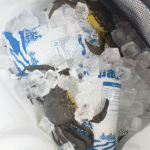
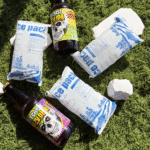
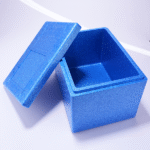
Passive Systeme sind darauf angewiesen Isolierte Behälter, Einlagen und Gelpackungen. Sie sind modular aufgebaut, leicht und kostengünstig, Ideal für E-Commerce, Last-Mile-Lieferung oder kurze Exportsendungen. Gelpackungen halten die Zieltemperaturen aufrecht 24–72 Stunden und sind sauberer als Trockeneis. Aktive Systeme verwenden Kühlfahrzeuge oder Container (Reefers) die eine präzise Temperaturregelung ermöglichen, insbesondere für hochwertige oder Langstreckensendungen. Hybridsysteme kombinieren Isolierung, Phasenwechselmaterialien (PCMs) und minimale aktive Kühlung, um Kosten und Leistung in Einklang zu bringen.
| Kühloption | Hauptmerkmale | Ungefähre Dauer | Praktische Vorteile |
| Isolierte Kisten | Mehrschichtige Materialien (Polystyrol, Papier, Baumwolle) langsame Wärmeübertragung | 24–72 Stunden | Leicht, kostengünstig und anpassbar; am besten für kurze Sendungen. |
| Phasenwechselmaterialien (PCMs) | Gelpackungen oder fortschrittliche PCMs absorbieren bzw. geben Wärme während des Phasenwechsels ab | 24–96 Stunden | Halten Sie die Temperatur über einen größeren Bereich stabil; wiederverwendbar; bedürfen einer Vorkonditionierung. |
| Aktive Container | Angetriebene Kühleinheiten mit präziser Steuerung | ≥72 Stunden | Ideal für Sendungen mit hohem Wert oder über große Entfernungen; höhere Kosten und höheres Gewicht. |
| Hybridsysteme | Isolierung kombinieren, PCMs und minimale aktive Kühlung | 48–96 Stunden | Kosten und Leistung in Einklang bringen; anpassungsfähig an verschiedene Klimazonen. |
Checkliste für das Verpackungsdesign
Barriere zuerst: Den Karton mit feuchtigkeitsbeständigen Materialien auskleiden; Dies blockiert die Feuchtigkeit und verhindert das Ausblühen von Zucker.
Kein direkter Kontakt: Legen Sie eine Schicht zwischen das Kühlmittel und die Schokolade, um kalte Stellen zu vermeiden, die zu Kondensation führen.
Enge Passform: Leerräume reduzieren; Übermäßiger Leerraum ermöglicht die Luftzirkulation und beschleunigt die Wärmeübertragung.
Kühlmittel vorkonditionieren: Gelpacks oder PCMs müssen vor dem Verpacken auf die Zieltemperatur konditioniert werden; Das direkte Auflegen von Eiskühlakkus auf die Schokolade führt zu Kondensation.
Wählen Sie nachhaltige Materialien: kompostierbare Papiereinlagen, Recycelbare Schäume und biologisch abbaubare Folien sind zunehmend verfügbar; nachhaltige Verpackung ist mittlerweile eine Branchenerwartung.
Wirklicher Fall: Ein Beantobar-Fachgeschäft in Kalifornien versendet Online-Bestellungen in modularen Passivbehältern mit Gelpackungen. Im Sommer, Es plant Lieferungen in der Nacht und fügt Trockenmittel hinzu, um Feuchtigkeit zu absorbieren, Dadurch wird sichergestellt, dass jeder Riegel mit dem gleichen Glanz und der gleichen Druckfestigkeit wie im Werk ankommt.
Verwaltung der Wasseraktivität und Inhaltsstoffe
Die Kontrolle der Wasseraktivität ist entscheidend für die Haltbarkeit. Auch wenn einfache Schokolade einen niedrigen A_W-Wert hat, Durch Einschlüsse kann Feuchtigkeit eindringen (Obst, Nüsse, Milchfüllungen) oder durch hohe Luftfeuchtigkeit. Luftfeuchtigkeit erhöht die Wasseraktivität, wodurch Schokolade weniger stabil wird. Einschlüsse führen Wasser und Zucker ein, die Feuchtigkeit anziehen und die Haltbarkeit verkürzen. Um die Langlebigkeit zu maximieren, Beantobar-Hersteller müssen beides tun trocken Zutaten richtig und Temperament Schokolade richtig: Durch die richtige Temperierung werden die Kakaobutterkristalle stabilisiert und das Ausblühen von Fett verhindert.
Warum verkürzen Einschlüsse die Haltbarkeit??
Füllungen wie Sahne, Karamell oder Früchte erhöhen die Wasseraktivität oben 0.50. Eine hohe Wasseraktivität erleichtert das mikrobielle Wachstum und beschleunigt die Zuckerkristallisation. Deshalb Gefüllte Pralinen bleiben nur 2–4 Monate lang in höchster Qualität, auch bei optimaler Lagerung, wohingegen feste dunkle Balken Jahre halten können. Nüsse liefern außerdem Öle, die schnell oxidieren; Nusspasten sollten vor der Verwendung geröstet und getrocknet werden.
| Produkttyp | Auswirkungen der Wasseraktivität | Haltbarkeit | Practical Tips |
| Einfache Beantobar-Riegel | Niedrig a_w (<0.50) aufgrund minimalen freien Wassers | ≥12 Monate | Verschlossen aufbewahren; Kühl und trocken lagern; Ideal für lange Sendungen. |
| Trüffel/gefüllte Pralinen | Hoher Alkoholgehalt durch Milchprodukte, Obst oder Karamell | 2–4 Monate | Schnell verbrauchen; Verwenden Sie beim Versand eine luftdichte Verpackung und eine kontinuierliche Kühlung. |
| Nusseinschlüsse | Öle oxidieren und es entsteht Ranzigkeit | 4–6 Monate | Rösten Sie Nüsse, um die Feuchtigkeit zu reduzieren; Vakuumdichtung zur Begrenzung des Sauerstoffgehalts. |
Einfache Schritte zur Optimierung der Haltbarkeit
Halten Sie die fertigen Produkte unter a_w ≈ 0.60 – Messen Sie die Wasseraktivität während der Produktion oder verlassen Sie sich auf Lieferantenzertifikate.
Wählen Sie die Zutaten sorgfältig aus – Wählen Sie feuchtigkeitsarme Einschlüsse und behandeln Sie diese durch Trocknen oder Beschichten.
Hilfreiche Entscheidungshilfen
Überprüfen Sie die Details, bevor Sie sich für die Verpackung entscheiden
Mit diesen schnellen Tools können Sie das Routenrisiko vergleichen, Größenanforderungen, Kühlmittelauswahl, und Verpackungsdetails, bevor Sie ein Angebot anfordern.
Referenz zu Isoliermaterialien
Vergleichen Sie die Auswahl an Isoliermaterialien für unterschiedliche Kühlkettenverpackungsanforderungen.
Vergleichen Sie MaterialienEisbeutel-Rechner
Schätzen Sie die Menge an Gel-Eisbeuteln für gekühlte Sendungen und nutzen Sie die praktische Routenplanung.
Schätzen Sie EisbeutelCompliance-Checklisten-Generator
Erstellen Sie eine praktische Checkliste für die Verpackungsüberprüfung, Versand, und Dokumentation.
Checkliste erstellenRichtig temperieren – Die Stabilisierung der Kakaobutterkristalle verleiht der Schokolade Biss und Glanz und reduziert die Fettreife.
Versiegeln Sie es richtig – Verwenden Sie eine Verpackung, die vor Licht und Feuchtigkeit schützt.
Die Kontrolle der Wasseraktivität verlängert nicht nur die Haltbarkeit, sondern respektiert auch den Weg des Kakaos vom Bauern zum Hersteller. Jeder Schritt, Von der Ernte über die Gärung bis zum Versand, beeinflusst den endgültigen Geschmack und die Haltbarkeit.
Überwachung und Aufrechterhaltung der Transportbedingungen
Der Erfolg einer Kühlkette hängt von kontinuierlicher Überwachung und schnellem Eingreifen ab. IoT-Geräte, GPS-Tracker und Datenlogger sorgen für Echtzeit-Sichtbarkeit von Temperatur und Luftfeuchtigkeit in der gesamten Lieferkette. Hardware for Kühlkette tracking accounted for über 76 % des Marktanteils in 2022, Dies spiegelt die weitverbreitete Akzeptanz wider. Wenn Sensoren Abweichungen erkennen, Mithilfe von Warnmeldungen können Mitarbeiter Sendungen umleiten oder Kühlsysteme anpassen, Reduzierung von Verderb und Abfall.
Technology tools for Kühlkette chocolate
IoT -Sensoren: Standort verfolgen, Temperatur und Luftfeuchtigkeit in Echtzeit; Senden Sie Warnungen, wenn Parameter außerhalb definierter Bereiche abweichen.
Künstliche Intelligenz (Ai): Analysieren Sie historische Daten und Echtzeitdaten, um Routen zu optimieren, Geräteausfälle vorhersagen und Nachfrage prognostizieren. Durch KI-gesteuerte Routenplanung können Transitzeit und Energieverbrauch reduziert werden.
Blockchain und Verbundbücher: Stellen Sie fälschungssichere Aufzeichnungen über jeden Schritt in der Kakaolieferkette bereit. Programme wie Rainforest Alliance und Tony’s Chocolonely haben Blockchain-Pilotprojekte durchgeführt, um Nachhaltigkeit und Fairness zu überprüfen.
QR -Codes & digitale Rückverfolgbarkeit: Ermöglichen Sie den Verbrauchern, die Herkunft und Umweltauswirkungen des Kakaos nachzuvollziehen, Vertrauen stärken.
Vorausschauende Wartung: Nutzen Sie Sensordaten, um Kühlprobleme zu erkennen, bevor sie zu Lieferausfällen führen, Ermöglicht proaktive Reparaturen.
Während des Transports, Kühlen Sie LKWs und Container vor dem Beladen vor, eine schmale Linie beibehalten 13–18 °C Band mit <50 % Luftfeuchtigkeit, und die Verweildauer an den Laderampen verkürzen. Verwenden Sie Polstermaterialien, um Brüche zu verhindern und geruchsabgebende Produkte getrennt aufzubewahren. Durch die Vorkühlung wird der Energiebedarf gesenkt und das Kondensationsrisiko minimiert.
2025 neueste Entwicklungen und Trends
Trendübersicht
Die Beantobar-Schokoladenbewegung entwickelt sich weiter. Achtsamer Genuss, Nachhaltige Verpackungen und nachverfolgbare Lieferketten sind keine Option mehr; Sie sind Mainstream-Erwartungen. Jeder dritte Verbraucher ist bereit, für Schokolade mit nachgewiesener Nachhaltigkeitsaussage mehr zu bezahlen. Die Kakaopreiskrise 2024–25 hat das Bewusstsein für die Herkunft und die Arbeitsbedingungen des Kakaos geschärft, Aufforderung an Marken, klare Beschaffungsdaten und messbare Auswirkungen auf die Gemeinschaft bereitzustellen.
Nachhaltige Verpackungen nehmen Fahrt auf: plastikfrei, kompostierbare und biologisch abbaubare Verpackungen werden zum Standard, neben nachfüllbaren Behältern und sogar essbaren Verpackungskonzepten. Digitale Rückverfolgbarkeitstools – QR-Codes, Satellitenüberwachung und Blockchain – Lieferketten transparent machen. Funktionelle Inhaltsstoffe (Protein, Adaptogene, Probiotika) formen Schokolade neu, Verbraucher suchen neben Genuss auch gesundheitliche Vorteile. Kleiner, portionierte Formate und wiederverschließbare Verpackungen unterstützen achtsames Naschen.
Neueste Fortschritte auf einen Blick
Transparenz & Rückverfolgbarkeit: Auf digitalen Plattformen können Verbraucher sehen, wo Kakao angebaut wird und wie die Bauern entlohnt werden; Marken investieren in QR-Codes und Satellitenüberwachung.
Nachhaltige Verpackung: Kompostierbar, Biologisch abbaubare und nachfüllbare Verpackungen werden zum Standard; Minimalistische Designs verbrauchen weniger Tinte und weniger Materialien.
Ethische Beschaffung & regenerative Landwirtschaft: Direkthandel und Projekte zur gemeinsamen Entwicklung von Landwirten differenzieren Marken; regenerative Praktiken und CO2-neutrale Produktion gewinnen an Bedeutung.
Funktional & gesunde Zutaten: Mit Proteinen angereicherte Riegel, Adaptogene (Maca, Ashwagandha), Probiotika und natürliche Süßstoffe treffen auf Wellness-Trends.
Portionskontrolle & Snackbarkeit: Einzelportionen und wiederverschließbare Formate unterstützen den Unterwegsverzehr und reduzieren Abfall.
Marktausblick: Der Markt für handwerklich hergestellte Schokolade wächst weiter. Beantobar-Produkte erzielen dank ihres hohen Kakaogehalts und ihrer ethischen Positionierung Spitzenpreise. In der Zwischenzeit, Der globale Schokoladenmarkt steht aufgrund von Wetter und Krankheiten vor Versorgungsengpässen, emphasising the need for efficient Kühlkette management.
Markteinsichten
Der globale Schokoladenmarkt wurde mit bewertet über 1,11 Billionen US-Dollar 2023. Unwetter und Erntekrankheiten verringerten die Kakaoproduktion 12.9 %, Verdoppelung der Preise und Druck auf die Margen. Beantobar-Marken, die den Landwirten oft eine Prämie für Qualität und faire Arbeit zahlen, must protect their investments through improved Kühlkette logistics, Verpackungsinnovation und Technologieeinführung. Die wachsende Nachfrage nach Transparenz und Gesundheitsmerkmalen deutet darauf hin, dass Verbraucher weiterhin Marken belohnen werden, die außergewöhnliche Qualität und ethische Beschaffung liefern.
Häufig gestellte Fragen
Q1: Wie lange ist dunkle Beantobar-Schokolade haltbar??
Hochwertige dunkle Schokolade mit 70 % Kakao oder höher kann länger frisch bleiben 18–24 Monate ungeöffnet und gelagert bei 60–70 °F. Einmal geöffnet, seine Haltbarkeit halbiert sich ungefähr auf etwa ein Jahr. Bleib cool, trocken und in einem luftdichten Behälter aufbewahrt, bleiben Geschmack und Textur erhalten.
Q2: Soll ich meine Beantobar-Schokolade kühlen??
Allgemein, NEIN. Durch die Kühlung entstehen Feuchtigkeit und Gerüche, die zum Ausblühen des Zuckers führen und den Geschmack verändern. Nur bei höheren Umgebungstemperaturen im Kühlschrank aufbewahren 75 ° F oder die Luftfeuchtigkeit ist sehr hoch; Wickeln Sie den Riegel fest ein und lassen Sie ihn auf Raumtemperatur zurückkehren, bevor Sie ihn auspacken.
Q3: Was ist Schokoladenblüte?, und ist es sicher?
Bloom erscheint als weißer oder grauer Überzug auf Schokolade. Fettblüte entsteht durch warme Temperaturen, die dazu führen, dass sich die Kakaobutter trennt und wieder verfestigt, während Zuckerblüte entsteht, wenn Feuchtigkeit Zucker auflöst und rekristallisiert. Bloom beeinflusst Aussehen und Textur, aber macht Schokolade nicht unsicher. Geblühte Schokolade schmelzen und erneut temperieren oder zum Backen verwenden.
Q4: Ist Bio-Schokolade kürzer haltbar??
Ja. Bio-Schokolade verzichtet auf Emulgatoren, gehärtete Fette und Wachse, die herkömmliche Riegel stabilisieren. Ohne diese Zusatzstoffe, Kakaobutter und Zucker neigen eher zum Ausblühen und zur Oxidation, Daher erfordern Bio-Riegel eine strengere Temperatur- und Feuchtigkeitskontrolle.
Q5: Warum ist die Kontrolle der Wasseraktivität wichtig??
Die Wasseraktivität bestimmt, wie viel freies Wasser für mikrobielles Wachstum und chemische Reaktionen zur Verfügung steht. Die meisten Mikroben benötigen ein_w oben 0.8; Schokolade liegt herum 0.30–0,50. Jedoch, Einschlüsse und hohe Luftfeuchtigkeit können zu A_W führen, Verkürzung der Haltbarkeit. Halten Sie a_w unten 0.60 und verwenden Sie Zutaten mit niedrigem Feuchtigkeitsgehalt.
Zusammenfassung und Empfehlungen
Key Takeaways:
Kontrollieren Sie die Wasseraktivität und -zusammensetzung – Einfache Beantobar-Schokolade hat eine geringe Wasseraktivität (0.30–0,50), was ihm eine lange Haltbarkeit verleiht, wohingegen Einschlüsse die Feuchtigkeit erhöhen und die Haltbarkeit verkürzen.
Sorgen Sie für die richtige Temperatur und Luftfeuchtigkeit – Schokolade zwischenlagern 12 °C und 20 °C mit relativer Luftfeuchtigkeit unter 50 %; Vermeiden Sie Kühlung und Einfrieren, es sei denn, dies ist unbedingt erforderlich.
Entwerfen Sie wirkungsvolle Verpackungen – Mehrschichtige Barrieren verwenden, MAP und Isolierbehälter; Wählen Sie passiv, aktive oder hybride Systeme je nach Sendungsdauer und -wert.
Überwachen Sie die Kühlkette – IoT-Sensoren, KI und Blockchain sorgen für Echtzeittransparenz, Routenoptimierung und Rückverfolgbarkeit.
Führen Sie nachhaltige und transparente Praktiken ein – Verbraucher fordern ethische Beschaffung und umweltfreundliche Verpackungen. Investitionen in regenerative Landwirtschaft und digitale Rückverfolgbarkeit schaffen Vertrauen und eine erstklassige Positionierung.
Empfohlene Maßnahmen:
Develop a Kühlkette protocol. Entwurf von Standardarbeitsanweisungen für die Vorkühlung, Verpackung, Transport und Lieferung. Schulen Sie das Personal darin, schnell auf Temperaturschwankungen zu reagieren.
Wählen Sie das richtige Verpackungssystem. Für lokale Lieferungen (<72 Std.), Eine passive Isolierung mit Gel-Packs kann ausreichen. Für internationale Sendungen oder hochwertige Produkte, Investieren Sie in Hybrid- oder Aktivcontainer und integrieren Sie Datenlogger.
Implementieren Sie eine kontinuierliche Überwachung. Setzen Sie IoT-Sensoren ein und integrieren Sie KI-gestützte Dashboards, um Routen zu optimieren und Ausfälle vorherzusagen.
Nachhaltigkeit fördern. Verwenden Sie kompostierbares oder recycelbares Material Verpackungsmaterialien und über QR-Codes klare Informationen über die Herkunft des Kakaos bereitstellen.
Binden Sie Kunden ein. Informieren Sie Verbraucher über Lagerungspraktiken und ermutigen Sie sie, die Qualität zu Hause aufrechtzuerhalten. Geben Sie Anweisungen auf der Verpackung oder über einen QR-Code an, der auf eine Pflegeseite verlinkt.
Über Tempk
Tempk is a Kühlkette solutions provider specialising in reusable and recyclable Isolierte Verpackung, Phasenwechselmaterialien und Temperaturüberwachungssysteme. Wir konzentrieren uns auf Essen, Pharma- und Präzisionsfertigungssektoren, und unser r&Das D-Team testet kontinuierlich Materialien und Designs, um eine zuverlässige thermische Leistung zu gewährleisten. Unsere Isolierboxen und Gelpacks Helfen Sie dabei, die Schokolade beizubehalten 15–20 °C für 48–96 Stunden, Dadurch können Beantobar-Hersteller Craft-Schokolade weltweit versenden, ohne Kompromisse bei der Qualität eingehen zu müssen. Wir bieten auch an IoT-fähige Datenlogger Und Routenoptimierungssoftware die sich in Ihre Logistikplattform integrieren lassen, Bietet Ihnen Echtzeit-Transparenz und -Analysen.
Nächste Schritte: Wenn Sie die Haltbarkeit Ihrer Schokolade verlängern möchten oder Fragen zur optimalen Verpackung haben, Kontaktieren Sie unser Team für eine individuelle Lösung. We’ll help you design a Kühlkette plan that balances cost, Nachhaltigkeit und Qualität.