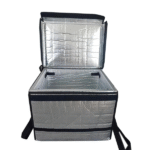
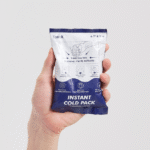
How to Plan a Impfstoff -Eisbox Bulk Order That Works in the Field
Bei einem Großkaufprojekt für Impfstoff-Eisboxen geht es weniger um den Kauf vieler identischer Boxen als vielmehr um die Verwaltung eines wiederholbaren Transportsystems. Sobald das Bestellvolumen steigt, Kleine Spezifikationsfehler werden sehr schnell teuer.
Großabnehmer müssen über den Stückpreis hinaus denken. Kartonabmessungen, Palettendichte, Mustergenehmigung, Ersatzteilstrategie, Dokumentation, Konsistenz von Charge zu Charge, Kompatibilität mit Temperaturüberwachung, und Schulungen vor Ort haben Einfluss darauf, ob die Bestellung nach der Lieferung gut funktioniert. Eine gute Entscheidung verbindet Box-Design, Streckenbedingungen, und Beschaffungsdisziplin von Anfang an.
Dieser Leitfaden zeigt, wie Sie einen Großeinkauf so strukturieren, dass die Kartons, die in Ihrem Lager ankommen, nicht nur günstig sind, aber brauchbar, konsistent, und fit für die Route.
Beginnen Sie damit, die Box richtig zu definieren
In B2B-Suchsprache, the term ‚vaccine ice box bulk purchase‘ often mixes together several product categories. Manchmal meinen Käufer eine einfache isolierte Transportbox. Manchmal meinen sie einen starren kommerziellen Kühler. In Impfstoff- und Arzneimitteldiskussionen, Sie können tatsächlich ein passives Versandsystem bedeuten, das mit bestimmten Funktionen funktioniert Kühlmittelpakete und Überwachungsverfahren.
WHO und UNICEF behandeln Impfstoffbehälter und Kühlboxen als passiv isolierte Behälter, die auf Eisbeutel angewiesen sind, coole Packs, oder andere thermische Speichermedien statt Strom. In diesem System, Kaltes Leben und cooles Leben sind keine Marketingphrasen. Dabei handelt es sich um definierte Testkonzepte im Zusammenhang mit der Umgebungsexposition, Kühlmittelzustand, und der wärmste Punkt innerhalb der Lagerkammer. Die öffentlichen UNICEF-Beschaffungsrichtlinien zeigen, dass die von der WHO präqualifizierten Impfstoffträger weitaus kleiner sind als viele andere kommerzielle Eisboxen, mit Impfstofflagerkapazitäten in der Regel rund 0.8 Zu 3.4 Liter, während Kühlboxen größere und weitreichendere Transportaufgaben übernehmen. Diese Unterscheidung ist wichtig, da viele B2B-Angebote das gleiche Wort „Eisbox“ für Produkte verwenden, die zu sehr unterschiedlichen Leistungsklassen gehören.
That distinction is important because a vaccine ice box bulk purchase is not automatically a qualified temperaturgesteuerter Versender. Eine robuste Kunststoffschale kann vor Stößen und Schmutz schützen, Aber das allein sagt dir noch nicht, ob die Box 2-8°C für deine Strecke aushält, Frostempfindliche Inhalte schützen, oder unterstützen Sie die Compliance-Aufzeichnungen bei der Ankunft.
Die CDC-Transportrichtlinien ziehen eine klare Grenze zwischen gewöhnlichen Kühlboxen und Systemen, die für den Transport von Impfstoffen vorgesehen sind. Für den routinemäßigen Impfstofftransport, Geeignete Behälter und Verpackungen mit Überwachungsgeräten sind akzeptabel, Während gewöhnliche Lebensmittel- und Getränkekühler nicht als Routinelösung empfohlen werden. CDC empfiehlt eine kontinuierliche Temperaturüberwachung mit einem digitalen Datenlogger und weist darauf hin, dass Temperaturdaten mit den Impfstoffen übertragen werden sollten, später nicht aus Vermutungen rekonstruiert werden.
Die WHO weist außerdem darauf hin, dass Träger von gefriersicheren Impfstoffen eine Barriere zwischen gefrorenen Wasserpackungen und dem Lagerfach für den Impfstoff verwenden. Dieses Design reduziert das Risiko des direkten Einfrierens und kann die Konditionierung von Eisbeuteln vor dem Laden überflüssig machen, was die Feldvorbereitung vereinfacht. Wenn es um Impfstoffe geht, Diese Funktion kann wichtiger sein als ein paar zusätzliche Liter Nennkapazität.
Was wirklich die thermische Leistung bestimmt
Die Leistung eines Großeinkaufs in einer Impfstoff-Eisbox wird durch eine Kette von Variablen und nicht durch eine Schlagzeile bestimmt. Wärme dringt durch die Wände und den Deckel ein, durch Luftaustausch beim Öffnen der Box, und durch warmes Produkt, das beim Auspacken eingeführt wird. Die Kältespeicherung hängt von der Temperatur ab Isolationsmaterial, Wandstärke, Kühlmitteltyp, Kühlmittelmasse, Nutzlast, Füllverhältnis, und die Umgebungsbedingungen rund um die Sendung.
Auf Gesundheitsrouten, Dieser technische Punkt hat praktische Konsequenzen. Ein stabiler Außenkarton kann die Handhabung zwar gut überstehen, bei falscher Verpackung aber dennoch versagen. Die Leitlinien der WHO behandeln passive Transportverpackungen als vollständiges System, nicht nur als Hülle. Kalte Lebensdauer und kühle Lebensdauer hängen von der Aufbereitung des Kühlmittels ab, wo es sitzt, wie viel Produkt drin ist, und welchem Temperaturprofil die Sendung ausgesetzt ist.
Gute Verteilungsrichtlinien der WHO für die Zeit- und temperaturempfindliche pharmazeutische Produkte erfordern die Qualifizierung passiver Behälter als Gesamtsystem. Das bedeutet die Kiste, Kühlmittel, Pack-Out-Konfiguration, Platzierung des Temperaturmonitors, minimale und maximale Nutzlast, und das erwartete Streckenprofil müssen alle zusammenarbeiten. In der gleichen WHO-Leitlinie heißt es auch Versandbehälter soll vor mechanischer Beschädigung schützen, Manipulation, Licht, Feuchtigkeit, Kontamination, und unbeabsichtigtes Einfrieren, wenn gefrorenes Kühlmittel verwendet wird.
Wenn Ihr Produkt frostempfindlich ist, Die Kältequelle ist genauso wichtig wie die Box. Gefrorene Wasserpackungen können wirksam sein, Sie erhöhen aber auch das Risiko einer Kälteexposition, wenn die Nutzlast zu nahe am Kühlmittel platziert wird. Deshalb vergleichen Käufer häufig konditionierte Packungen, Phasenwechselmaterialien für Kühlschränke, oder Frostschutzkonstruktionen statt nur auf die nominale Haltezeit zu achten.
Für den gekühlten Impfstofftransport, CDC hebt konditionierte Kühlmittelmaterialien und Phasenwechselmaterialien rund um das Kühlschranksortiment hervor, denn schlecht kontrolliertes gefrorenes Kühlmittel kann gefrierempfindliche Produkte beschädigen. Die Leitlinien der WHO für Kühlboxen und Impfstoffträger raten Käufern, mehr als nur den Kaufpreis ab Werk zu vergleichen. Versandkosten, Gewicht, Haltbarkeit, Kompatibilität mit Wasserpackungen, und Routenbedingungen können die Lieferkosten und den langfristigen Wert des Kaufs erheblich verändern.
Aus materieller Sicht, Der äußere Kunststoff sorgt hauptsächlich für Struktur, Schlagfestigkeit, Hygiene, und Witterungsbeständigkeit. Die thermische Aufgabe übernehmen die Dämmschicht und die Wärmespeichermedien. Das ist eine wichtige Compliance-Grenze: Eine härtere Schale kann Brüche reduzieren und die Lebensdauer verlängern, aber es allein beweist nicht die Routeneignung oder regulatorische Eignung.
Für Beschaffungsteams, Die praktische Lektion ist einfach: Kaufen Sie den Leistungsumschlag, nicht der Slogan. Eine genau spezifizierte passive Box wird durch die Route definiert, Nutzlast, Kühlmittel, und Handhabungsmethode, nicht nur nach Litern.
Wichtige Material- und Konstruktionsentscheidungen
Die Materialauswahl sollte immer auf die Handhabung der Box abgestimmt sein. In der Kaufpraxis, Die Außenhülle steuert die Haltbarkeit, Reinigbarkeit, und visuelles Leben; Die Isolierung kontrolliert den Wärmegewinn; und das Kühlmittel steuert, wie lange die Zieltemperatur gehalten werden kann.
Deshalb können sich zwei Kartons mit gleichem Volumen in Preis und Feldwert so stark unterscheiden. Eine dickere Wand kann die Steifigkeit verbessern, aber das nutzbare Volumen verringern. Ein leichteres Isolierpaket kann die Frachtkosten senken, aber die Haltezeit verkürzen. Eine Box, die für die eintägige Outreach-Arbeit optimiert ist, ist möglicherweise nicht die beste Lösung für die Verteilung an mehrere Stationen.
Ein guter Lieferant wird diese Kompromisse gerne besprechen, ohne sie zu stark zu vereinfachen. Wenn jeder Leistungsanspruch auf „bessere Isolierung“ oder „beständigerer Kunststoff“ reduziert wird,„Stellen Sie immer wieder Fragen.
Wo die Box in die Praxis passt
Bei der Impfarbeit, Für Outreach-Sitzungen kann ein Großeinkauf einer Impfstoff-Eisbox genutzt werden, mobile Kliniken, regionale Verteilung, oder vorübergehende Bewegung zwischen kontrollierten Lagerpunkten. Das richtige Design hängt davon ab, ob die Box als echter Impfstoffträger verwendet wird, als Kühlbox für längere Übertragungen, oder als schützende Außenverpackung innerhalb eines umfassenderen Kühlkettenprozesses.
In der Praxis, Viele Teams brauchen die Box, um mehr zu tun, als nur die Dinge kühl zu halten. Möglicherweise muss es rauen Fahrzeugbewegungen standhalten, ermöglichen eine schnelle Bestandskontrolle, Kennzeichnung unterstützen, und bleiben Sie zwischen den Feldzyklen sauber. Deshalb sollte die praktische Eignung anhand der Route beurteilt werden, Handhabungsmuster, und Ausbildungsniveau, nicht durch eine einzige Katalogbeschreibung.
Hilfreiche Entscheidungshilfen
Überprüfen Sie die Details, bevor Sie sich für die Verpackung entscheiden
Mit diesen schnellen Tools können Sie das Routenrisiko vergleichen, Größenanforderungen, Kühlmittelauswahl, und Verpackungsdetails, bevor Sie ein Angebot anfordern.
Kühlmittel & PCM-Referenz
Vergleichen Sie Kühlmittel- und PCM-Optionen, wenn eine Route zusätzliche Temperaturunterstützung benötigt.
Vergleichen Sie OptionenBoxliner & Dimensionierung der Palettenabdeckung
Überprüfen Sie die Größenlogik für Kartoneinlagen und Palettenabdeckungen für isolierte Verpackungsprojekte.
Schätzen Sie die GrößeTrockeneisrechner
Schätzen Sie vor dem Verpacken den Bedarf an Trockeneis für gefrorene oder ultrakalte Sendungen.
Schätzen Sie TrockeneisKäufer geraten in Schwierigkeiten, wenn sie davon ausgehen, dass eine robuste Impfbox für jede Spur geeignet ist. Ein Karton, der sich gut für die regionale Zustellung am selben Tag eignet, muss möglicherweise noch zusätzlich qualifiziert werden, anderes Kühlmittel, oder eine andere Ausstattung für längere Strecken oder wärmere Klimazonen.
Für größere Programme, Standardisierung ist wertvoll. Außendienstteams profitieren von der gleichen Auspacklogik, Beschriftungszonen, Zubehör, und Empfangsschecks gelten chargenübergreifend, denn konsequentes Handling reduziert vermeidbares Abweichungsrisiko.
Mit anderen Worten, Die richtige Box ist diejenige, die zu Ihrer tatsächlichen Arbeitsweise passt. Ein technisch beeindruckendes Modell kann dennoch die falsche kommerzielle Wahl sein, wenn es zusätzliches Gewicht mit sich bringt, verlangsamt die Handhabung, oder erfordert Auspackdisziplin, die das Team nicht aufrechterhalten kann.
So lesen Sie die Kategorie, ohne sie zu stark zu vereinfachen
Das alles zusammenbringen, Eine fundierte Entscheidung über den Großeinkauf einer Impfstoff-Kühlbox erfolgt an der Schnittstelle der Technik, Operationen, und Beschaffung. Das Schalenmaterial, Isolierung, Kühlmittelanordnung, und Verschlusssystem bilden die technische Basis. Die Route, Handhabungsmuster, und Reinigungsroutine bestimmen, ob dieser Untergrund für die Praxis geeignet ist. Das Zitat, Nachschubbedingungen, und Produktionskontrollen entscheiden darüber, ob die Lösung nach dem ersten Auftrag noch funktionsfähig bleibt.
Deshalb ist der nützlichste Artikel zu diesem Thema nicht eine einfache Liste von Funktionen. Dies ist eine Möglichkeit, die Produktkategorie genauer zu lesen: was für eine Box es ist, was es nicht ist, wo es einen Mehrwert schafft, und welche Fragen verhindern vermeidbare Kauffehler.
Für temperaturempfindliche medizinische Anwendungen, Die Hauptdisziplin besteht darin, die Kategoriegrenze klar zu halten. Eine langlebige wiederverwendbare Box kann ein wichtiger Teil der Antwort sein, Die Lieferung muss jedoch noch als komplettes thermisches System mit dem richtigen Kühlmittel bewertet werden, Auspacken, Überwachungsmethode, und Handhabungshinweise.
Wohin sich der Markt bewegt
Branchenquellen zu Mehrwegverpackungen und Pharmalogistik weisen in die gleiche Richtung: Unternehmen sind zunehmend bereit, einen höheren Verpackungspreis im Voraus gegen weniger Abfall einzutauschen, bessere Haltbarkeit, und vorhersehbarere Leistung auf Wiederholungsspuren.
Die Mehrwegverpackungsvereinigung definiert die Wiederverwendung als betriebliches System, nicht nur eine Materialwahl. Diese Perspektive ist wichtig, denn der Wert einer wiederverwendbaren Eisbox hängt von der Reinigung ab, Retourenlogistik, Inspektion, und Reparaturdisziplin. Auch Pharmalogistiker diskutieren offen über einen verstärkten Mehrwegeinsatz Temperaturkontrollierte Verpackung, einschließlich Miet- oder Poolmodellen, die die Kapitalbindung und Schichtwartungspflichten reduzieren.
Im Gesundheitstransport, Die Marktdiskussion entfernt sich von der Vorstellung, dass eine Isolierbox allein ausreicht. Käufer fragen zunehmend, wie die Box in einen definierten Temperaturbereich passt, welche Überwachung erwartet wird, ob frostempfindliche Produkte geschützt sind, und wie wiederverwendbare Einheiten zwischen den Fahrten gereinigt und nachverfolgt werden.
Informationen zum öffentlichen Beschaffungswesen fördern auch diszipliniertere Vergleiche. Organisationen können sehen, dass Impfstoffträger, Kühlboxen, und breitere Kühlkettenversender sind keine austauschbaren Kategorien, und dass veröffentlichte Kapazitäts- und Streckendauerdaten im Kontext gelesen werden sollten.
Was Käufer prüfen sollten, bevor sie eine Großbestellung einer Impfstoff-Eisbox aufgeben
Für eine Großbestellung, Die Checkliste sollte vor der endgültigen Musterfreigabe und erneut vor der Massenproduktion angewendet werden. Hier kommt es meist zu vermeidbaren Überraschungen.
- Innen- und Außenmaße: Bitten Sie um beides. Der äußere Fußabdruck beeinflusst die Palettendichte und die Fracht, während die Innenmaße darüber entscheiden, ob Ihre Nutzlast, Kühlmittel, Trenner, und Logger passen tatsächlich, ohne dass ein anderes Auspacken erzwungen werden muss.
- Nutzbares Volumen: Verlassen Sie sich nicht nur auf die Nennliterzahl. Bestätigen Sie den nutzbaren Nutzlastraum nach der Dämmstärke, Kühlmittelpakete, Partitionen, und Liner werden berücksichtigt.
- Material- und Schalenkonstruktion: Bestätigen Sie das Schalenmaterial, Isolationsaufbau, Liner-Design, und Verschlusskonstruktion. Diese Details beeinflussen die Haltbarkeit, Reinigbarkeit, und thermisches Verhalten.
- Deckel- und Verschlussart: Dichtungskonstruktion prüfen, Robustheit des Riegels oder Scharniers, bei Bedarf manipulationssichere Optionen, und wie einfach sich die Box vor Ort öffnen und wieder verschließen lässt.
- Stapelbarkeit und Rücklaufeffizienz: Für wiederverwendbare Operationen, Fragen Sie, wie sich volle Kartons stapeln, ob Leergut nisten, und wie Zubehör wie Kühlmittelpackungen oder Trennwände gelagert und zurückgegeben werden.
- Hygiene und Reinigbarkeit: Fordern Sie eine Reinigungsanleitung an. Glatte Innenräume, Entwässerungsentscheidungen, Hardware-Platzierung, und die Oberflächenbeschaffenheit wirken sich alle darauf aus, wie schnell die Box zwischen den Zyklen gereinigt werden kann.
- Unterstützung bei der Kennzeichnung und Rückverfolgbarkeit: Klären Sie, ob die Konstruktion stabile Beschriftungsfelder vorsieht, Barcode- oder QR-Platzierung, Losidentifikation, und genügend Platz für Handhabung oder Temperaturbereichsmarkierungen.
- Laden, Haltbarkeit, und Handhabungsbedingungen: Fragen Sie, was die Box im täglichen Gebrauch aushalten soll: Sonne, Regen, grobe Belastung, Fahrzeugvibrationen, Abwaschen, oder wiederholtes manuelles Tragen. Die richtige Box für einen Krankenhausbetrieb ist nicht immer die richtige Box für ein Hafen- oder Minengelände.
- Konsistenz zwischen Muster und Produktion: Genehmigen Sie ein Muster, Fragen Sie dann, wie der Lieferant die Produktion auf dieses Muster ausrichtet. Formenpflege, Materialbeschaffung, Hardware-Ersatz, und Inspektionsstandards sind von Bedeutung.
- Routen- und Produkteignung: Bestätigen Sie den Zieltemperaturbereich, Dauer, Kühlmittelanordnung, Überwachungsplan, und ob frostempfindliche Waren zusätzlichen Schutz benötigen. Die Anforderungen variieren je nach Produkt und Route.
- MOQ, Vorlaufzeit, und Änderungskontrolle: Besprechen Sie die Mindestbestellmenge, Werkzeug- oder Anpassungsvorlaufzeit, und wie zukünftige Designänderungen kommuniziert werden. Ein stabiler Änderungskontrollprozess ist wichtig, sobald Ihre Box Teil des täglichen Betriebs wird.
Das Ziel besteht nicht darin, den Kaufprozess zu verlangsamen. Es ist darauf zu achten, dass die Box sicher ist, das Kühlmittel, die Route, und die Handhabungsmethode passen alle zusammen, bevor die Bestellung skaliert wird.
Ein einfacher Vergleichsrahmen
Bei diesem Schnellvergleich handelt es sich nicht um ein Markenranking. Dies ist eine praktische Möglichkeit, gängige Optionstypen zu unterscheiden, bevor Sie Muster oder endgültige Angebote anfordern.
| Option | Am besten für | Hauptlimit | Was zu überprüfen |
| Einfache isolierte Transportbox | Kurze Transfers mit strenger Betriebskontrolle | Definiert möglicherweise keine routenspezifische Temperaturleistung | Nutzbares Volumen, Kühlmittelanordnung, und Überwachung der Passform |
| Robuste wiederverwendbare Passivbox | Wiederholter Feldeinsatz und härtere Handhabung | Eine robuste Schale ist kein Beweis für die Eignung | Systemtestbedingungen, Frostschutz, Reinigung |
| Qualifizierter oder routenorientierter Verlader | Höhere Kontrollwege mit strengeren Temperaturerwartungen | Höhere Kosten und mehr Auspackdisziplin | Nutzlastbereich, Dauer, Anweisungen zum Auspacken, Platzierung des Loggers |
FAQ
Was ändert sich, wenn Impfstoff-Eisboxen in großen Mengen gekauft werden??
Konsistenz der Charge, Verpackungseffizienz, Ersatzteilplanung, Dokumentation, Lagervolumen, und Schulung werden genauso wichtig wie der Stückpreis.
Sollten Großabnehmer zunächst eine Probe anfordern??
Ja. Ein Vorserienmuster hilft bei der Überprüfung der Abmessungen, Verarbeitungsqualität, Pack-out-Methode, und ob das Muster wirklich mit den Einheiten übereinstimmt, die später versendet werden.
Was ist der größte Fehler bei einem Großeinkauf??
Bestellung ausschließlich anhand der Katalogbeschreibung. Die Teams sollten die Eignung der Nutzlast bestätigen, Streckeneignung, Überwachungsmethode, und Chargenkonsistenz vor der Skalierung.
Abschluss
Eine erfolgreiche Großbestellung basiert auf Wiederholbarkeit. Wenn die Spezifikation klar ist, Das Beispiel ist aussagekräftig, und der Lieferant kann die Produktion auf dieses Muster abstimmen, Das Projekt hat eine viel bessere Chance, in der Praxis gute Ergebnisse zu erzielen.
Auf jeden Fall, Die praktische Kauffrage ist dieselbe: Ist die Box, die Sie überprüfen, im Temperaturbereich sinnvoll?, Dauer, Handhabung, Reinigung, und Nachschub werden alle zusammen betrachtet? Wenn die Antwort ja ist, Sie sind einem guten Kauf viel näher, als wenn Sie nur die Literwerte vergleichen würden.
Diese umfassendere Sichtweise ist auch die Richtung, in die sich der Markt bewegt. Wiederverwendbare Verpackung, streckenspezifische Angabe, und klarere Lieferantendaten ersetzen nach und nach die alte Gewohnheit, Isolierboxen zu kaufen, als wären sie generische Waren.
Über Tempk
Und Tempk, Wir konzentrieren uns auf temperaturkontrollierte Verpackungen für Arzneimittel, Essen, und Logistikanwendungen. Unser veröffentlichtes Produktsortiment umfasst Kühlboxen, Isoliertaschen, Eisbeutel, Palettenabdeckungen, und Kastenstrukturen aus Materialien wie EPP, EPS, und VIP. Für Projekte im Gesundheitswesen, Besonderes Augenmerk legen wir auf streckenorientiertes Verpackungsdesign und geben außerdem an, dass die Validierungsunterstützung durch ein CNAS-zertifiziertes Labor unterstützt wird. Diese Kombination ist nützlich, wenn ein Projekt mehr als eine generische isolierte Hülle benötigt.
Wenn Sie eine Großbestellung oder ein individuelles Box-Projekt planen, Teilen Sie Ihre Route, Zieltemperatur, und Nutzlastdetails, damit die Verpackungsoptionen genauer eingegrenzt werden können.