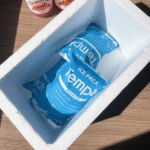
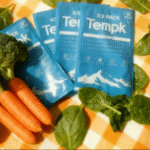
Nasse Kartons, undicht Gelpackungen, aufgeweichte Etiketten, Kondensation, Und unsauberes Auspacken kann das Vertrauen der Kunden schädigen, selbst wenn sich das Produkt noch kalt anfühlt. Zur Essenslieferung, Lebensmittelgeschäft, Meeresfrüchte, Pharma, und E-Commerce-Kühlkettenlieferungen, Feuchtigkeitskontrolle ist Teil des Packout-Designs. Es sollte nicht als nachträglicher Einfall behandelt werden.
In diesem Artikel wird erklärt, warum Kühlkettenverpackungen nass werden und wie man Feuchtigkeitsausfälle mithilfe besserer Gelverpackungen reduzieren kann, Liner, absorbierende Materialien, Verschlussdesign, Kartonschutz, und Lagerkontrollen. Es verbindet auch Feuchtigkeitskontrolle mit Lebensmittelsicherheit, Routenrisiko, und Kundenerlebnis.
Warum Kühlkettenkartons nass werden
Eine Kühlkettensendung kann aus mehreren Quellen nass werden. Gefrorene Gel-Packs können Kondenswasser ansammeln, wenn sie warmer, feuchter Luft ausgesetzt werden. Produktrückstände können aus dem Fleisch austreten, Meeresfrüchte, oder Fertiggerichte. Nasses Eis kann schmelzen. Eine Gel-Pack-Versiegelung kann versagen. Ein Karton kann Feuchtigkeit aufnehmen, wenn die Einlage fehlt oder schlecht verschlossen ist. Etiketten können weich werden, wenn sie auf Oberflächen angebracht werden, die Kondenswasser ausgesetzt sind.
Die Lösung ist nicht immer „weniger verwenden“. Eisbeutel.„Der bessere Ansatz besteht darin, die Feuchtigkeitsquelle zu identifizieren und eine Barriere zu entwerfen, Absorption, oder Trennungsstrategie.
Quellengestützte Referenzen zur Feuchtigkeitskontrolle
| Quellenangabe | Praktische Bedeutung für die Verpackung |
|---|---|
| FedEx empfiehlt die Verwendung einer Kunststoffeinlage für verderbliche Sendungen. | Eine Einlage schützt den Karton vor Feuchtigkeit und Auslaufen. |
| FedEx empfiehlt saugfähiges Material in verderblichen Sendungen. | Absorptionsmittel können Kondenswasser auffangen, Schmelzwasser, oder Produktaustritt. |
| FedEx empfiehlt die doppelte Verpackung von Nasseis mit mindestens 2 mm dicken, wasserdichten Plastiktüten, wenn Nasseis verwendet wird. | Nasseis erfordert eine stärkere Flüssigkeitsaufnahme als Gelpackungen. |
| Die FDA gibt an, dass kalte Lebensmittel bei 40 °F aufbewahrt werden sollten / 4° C oder unten. | Die Feuchtigkeitskontrolle darf den Schutz der Lebensmitteltemperatur nicht beeinträchtigen. |
| Die FDA weist darauf hin, dass verderbliche Lebensmittel nicht länger als in der Gefahrenzone von 40°F-140°F bleiben sollten 2 Std., oder 1 Stunde über 90°F. | Wenn die Reduzierung der Eisbeutel die Produkttemperatur erhöht, Die Verpackung ist nicht akzeptabel. |
Tabelle zur Analyse von Feuchtigkeitsfehlern
| Fehlermodus | Wahrscheinliche Grundursache | Verpackungskorrektur | QS-Prüfung |
|---|---|---|---|
| Nasser Umkarton | Kein Kunststoffliner, schlechter Linerverschluss, Kondenswasser dringt in die Wellpappe ein. | Fügen Sie versiegelten Liner hinzu, Verbessern Sie den Klappenverschluss, Etikettenbereich schützen. | Überprüfen Sie die Kartonoberfläche nach der simulierten Route. |
| Auslaufende Gelpackung | Schwaches Siegel, Punktion, scharfe Produktkante, schlechte Filmdicke, Gefrierstress. | Verwenden Sie eine stärkere Folie, Dichtungsprüfung, abgerundete Packungskanten, Produkttrennung. | Fall- und Kompressionsprüfung bei voller Verpackung. |
| Kondensation auf dem Produkt | Gefrorenes Kühlmittel berührt warme, feuchte Luft oder Produktoberfläche. | Puffer hinzufügen, Produkt einwickeln, Verbessern Sie das Layout der Kaltzone. | Überprüfen Sie das Auspacken nach der Wärmeeinwirkung. |
| Nassversandetikett | Das Etikett befindet sich in der Nähe des Kondensationswegs oder der oberen Kühlmitteloberfläche. | Etikettenposition verschieben, Etikettenbeutel hinzufügen, Halten Sie die Oberseite trocken. | Bestätigen Sie nach dem Test die Lesbarkeit des Barcodes. |
| Leckage bei der Produktspülung | Fleisch, Meeresfrüchte, oder Essenstabletts geben Flüssigkeit ab. | Verwenden Sie versiegelte Primärverpackungen und saugfähige Einlagen. | Neigungs- und Vibrationsprüfung. |
| Der Kunde sieht unordentliches Gel | Gelpack beschädigt oder Entsorgungsanleitung fehlt. | Verwenden Sie auslaufsichere Packungen und eine klare Kühlpackungsanleitung. | Überprüfen Sie die Daten zu Kundenbeschwerden. |
Sorgen Sie dafür, dass die Verpackung vor der Kalkung keine Feuchtigkeit enthält
Beim Scale-up treten häufig Feuchtigkeitsprobleme auf. Eine von einem Techniker sorgfältig verpackte Probe kann sauber aussehen, Bei einer vom Lagerpersonal schnell zusammengestellten Produktionsverpackung kann es jedoch sein, dass die Auskleidung offen bleibt, Gelpacks falsch platzieren, oder eine Produktschale zerdrücken. Aus diesem Grund, Feuchtigkeitskontrolle sollte in die Verpackungsanweisung integriert werden.
Eine gute Anleitung sollte zeigen, wohin der Liner führt, wohin die absorbierende Schicht geht, wie Gelpacks platziert werden, welche Seite dem Produkt zugewandt ist, wie Produkte getrennt werden, und wo das Versandetikett angebracht werden soll. Wenn in der Verpackung feuchte Produkte wie Meeresfrüchte oder Fleisch verwendet werden, In der Anleitung sollten auch die Menge des Absorptionsmittels und die Ausrichtung der Primärverpackung angegeben werden.
Auswahl von Gelpackungen zur Verhinderung von Auslaufen
Eine Gelpackung für Kaltkette Versand sollte nach mehr als dem Preis ausgewählt werden. Filmstärke, Siegelqualität, Kantendesign, Füllgewicht, Gefrierverhalten, und die Platzierung des Kartons wirken sich alle auf das Leckagerisiko aus. Eine dünne Packung ist möglicherweise billiger, kann jedoch beim Einfrieren versagen, Kompression, oder Handhabung. Eine sehr große gefrorene Packung kann weiche Lebensmittel beschädigen, wenn sie während des Transports verrutscht.
Für Private-Label- oder Marken-Gelpacks, Der Aufdruck sollte die Packung nicht schwächen oder die Integrität des Siegels beeinträchtigen. Das Design sollte auch Anweisungen zum Einfrieren enthalten, Handhabung, und Entsorgung. Wenn sich der Kunde über undichte Packungen beschwert, Der Ruf der Marke leidet, selbst wenn die Lebensmitteltemperatur akzeptabel ist.
Kondensationskontrolle ohne Verlust der Wärmeleistung
Die Reduzierung der Kondensation sollte nicht bedeuten, dass zu viel Kühlmittel entfernt wird. Für gekühltes Essen, Die Temperaturrichtlinien der FDA haben weiterhin Priorität. Wenn sich das Produkt über den akzeptablen Bereich erwärmt, Das Paket ist nicht erfolgreich, nur weil es trocken ist.
Hilfreiche Entscheidungshilfen
Überprüfen Sie die Details, bevor Sie sich für die Verpackung entscheiden
Mit diesen schnellen Tools können Sie das Routenrisiko vergleichen, Größenanforderungen, Kühlmittelauswahl, und Verpackungsdetails, bevor Sie ein Angebot anfordern.
Routenrisiko-Checker
Überprüfen Sie die Fahrspurbedingungen, bevor Sie die Verpackung entsprechend den tatsächlichen Betriebsanforderungen auswählen.
Streckenrisiko prüfenEisbeutel-Rechner
Schätzen Sie die Menge an Gel-Eisbeuteln für gekühlte Sendungen und nutzen Sie die praktische Routenplanung.
Schätzen Sie EisbeutelReferenz zu Isoliermaterialien
Vergleichen Sie die Auswahl an Isoliermaterialien für unterschiedliche Kühlkettenverpackungsanforderungen.
Vergleichen Sie MaterialienEine bessere Kondensationskontrolle ist in der Regel auf eine intelligentere Anordnung zurückzuführen: Halten Sie gefrorene Gelpackungen von feuchtigkeitsempfindlichen Produktoberflächen getrennt, Kopfraum reduzieren, Verwenden Sie eine Dampf- oder Flüssigkeitssperre, saugfähiges Material hinzufügen, und passen Sie die Menge des Gelpacks an die Dauer der Route an. In einigen Fällen, PCM-Packs oder konditionierte Gel-Packs können extrem kalte Oberflächen reduzieren und die Frostschutzleistung verbessern.
Checkliste für feuchtigkeitskontrollierendes Design
| Designfrage | Warum ist es wichtig |
|---|---|
| Ist der Umkarton vor innerer Feuchtigkeit geschützt?? | Wellpappe verliert an Festigkeit und Etiketten können bei Nässe versagen. |
| Gibt es eine Kunststoffauskleidung oder eine Feuchtigkeitsbarriere?? | Verhindert, dass Leckagen in den Umkarton gelangen. |
| Ist bei Bedarf saugfähiges Material enthalten?? | Erfasst die Produktreinigung, Kondensation, oder Schmelzwasser. |
| Sind Gelpackungen von scharfen Produkten getrennt?? | Reduziert die Belastung durch Einstiche und Dichtungen. |
| Ist die Produktverpackung auslaufsicher?? | Ein Versagen der Primärverpackung kann auf die Kühlkettenverpackung zurückzuführen sein. |
| Wird das Etikett auf einer trockenen Oberfläche angebracht?? | Die Lesbarkeit des Barcodes wirkt sich auf Lieferung und Empfang aus. |
| Wurde die vollständige Verpackung nach Ausrichtungsänderungen getestet?? | Pakete werden nicht immer aufrecht gehalten. |
| Weiß der Kunde, was er mit dem Gelpack tun soll?? | Klare Anweisungen reduzieren Reklamationen und Missbrauch. |
Lagerprozesskontrollen
Selbst das beste Design zur Feuchtigkeitskontrolle kann scheitern, wenn der Lagerprozess inkonsistent ist. Gelpackungen sollten gemäß der Spezifikation eingefroren oder konditioniert werden. Die Liner sollten vollständig geöffnet und korrekt geschlossen sein. Das Produkt sollte bei der erforderlichen Ausgangstemperatur verpackt werden. Kartons sollten nicht zu lange offen in warmer, feuchter Luft stehen. Nasse oder beschädigte Gelpacks sollten vor dem Verpacken entsorgt werden.
Für Unternehmensprogramme, Nehmen Sie Feuchtigkeitskontrollen in den Qualitätsplan auf. Überprüfen Sie die Dichtungen des Gelpacks, Kartontrockenheit, Lesbarkeit des Etiketts, Liner-Verschluss, und Integrität der Produktschale. Verfolgen Sie Kundenbeschwerden nach Fahrspur, Jahreszeit, und Packerschicht. Diese Daten können Aufschluss darüber geben, ob es sich bei dem Problem um ein wesentliches Problem handelt, Routenproblem, oder Prozessproblem.
FAQ
Warum ist mein Kühlkettenkarton nass, wenn die Gelpackung nicht undicht ist??
Wenn kalte Oberflächen auf warme, feuchte Luft treffen, kann sich Kondenswasser bilden. Auch wenn die Gelpackung selbst intakt ist, kann es zu einer Befeuchtung des Kartons durch Produktspülung oder Auskleidung kommen.
Sollte ich Gelpackungen entfernen, um Kondensation zu verhindern??
Nicht ohne Tests. Das Entfernen von Gel-Packs kann zu einer Verringerung der Feuchtigkeit führen, kann aber auch zu Temperaturfehlern führen. Barrieren verbessern, saugfähig, Platzierung, und Verpackungsdesign zuerst.
Was ist der beste Weg, um Versandetiketten zu schützen??
Bringen Sie die Etiketten auf trockenen Außenflächen an, Vermeiden Sie Kühlmittelkontaktzonen, Verwenden Sie bei Bedarf Etikettenbeutel, und testen Sie die Lesbarkeit des Barcodes nach simulierter Streckenbelichtung.
Sind für alle Sendungen Saugunterlagen erforderlich??
NEIN. Sie eignen sich am besten für nasse Produkte, Meeresfrüchte, Fleisch, Tauwettergefahr, Kondenswasseranfällige Verpackungen, und Sendungen, bei denen ein nasser Karton zu Kundenbeschwerden führen würde.
Letzter Imbiss
Nasse Kartons und undicht Kaltpackungen sind vermeidbare Designprobleme. Verwenden Sie auslaufsichere Gelpackungen, Kunststoffeinlagen, absorbierende Schichten, richtige Platzierung des Kühlmittels, Etikettenschutz, und wiederholbare Lageranweisungen. Die endgültige Verpackung sollte kalt bleiben, bleib sauber, und in einem Zustand ankommen, dem Kunden und Empfangsteams vertrauen.