Auswahl eines SAP Lieferant von Gelpackungen für temperaturempfindliche Verteilung in Mexiko ohne Vermutungen
Ein gutes SAP-Gelpack Der Lieferant sollte Ihnen bei der Lösung eines Routenproblems helfen, Geben Sie nicht nur einen Stückpreis an. Für den temperaturempfindlichen Vertrieb in Mexiko, Das heißt, das Packungsformat an die Temperaturbelastung anzupassen, Lademuster, Bediener-Workflow, und den Umfang der Dokumentation, den Ihr Beschaffungsprozess tatsächlich erfordert.
Viele Käufer beginnen mit dem richtigen Instinkt und der falschen Abkürzung. Sie konzentrieren sich auf die nominale Packungsgröße, oder ob sich ein Beutel weich oder steif anfühlt, bevor sie die Dinge überprüfen, die normalerweise über das Ergebnis entscheiden: Konditionierungspraxis, Packung, Kastengeometrie, Versiegelungsintegrität, Änderungskontrolle, und passen zur tatsächlichen Route.
Der bessere Ansatz besteht darin, drei Fragen zu trennen. Erste, Welche Aufgabe hat das Paket im System?? Zweite, Welche technischen Details steuern diesen Job?? Dritte, Welcher Lieferant kann diese Details konsistent im kommerziellen Maßstab reproduzieren?? Das ist der Rahmen, den dieser Artikel verwendet.
Was dieses Produkt löst und was nicht
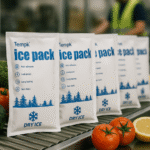
Ein polymerverdicktes Gel-Kältemittelpaket Die Wahl liegt im Hinblick auf eine saubere Handhabung und ein stabiles Beutelverhalten und wird in der Regel gewählt, weil Käufer eine gute Handhabungsstabilität und eine geringere Bewegung der freien Flüssigkeit wünschen. In Essen, pharmazeutisch, Labor, and industrial Kühlkette supply in Mexico, Dadurch kann der Rucksack leichter platziert werden, einfacher zu zählen, oder einfacher in einen isolierten Transporter zu integrieren.
SAP-basierte Packungen verwenden superabsorbierendes Polymer, um Wasser im Beutel zu immobilisieren. Dies kann die Handhabung nach teilweisem Auftauen verbessern und die Bewegung freier Flüssigkeit reduzieren, wenn die Packung beansprucht wird. Die Überprüfung des Füllgewichts entfällt dadurch nicht, Beutelgeometrie, Konditionierungspraxis, und Siegelfestigkeit.
Die wichtige Grenze ist diese: Das Paket ist nur ein Teil des Systems. Mexiko-Routen kombinieren oft eine warme Umgebung, lange städtische Lieferfenster, und variable Transferbedingungen. Wenn die Strecke lang ist, heiß, sehr variabel, oder reguliert, Käufer müssen die Isolierung noch überprüfen, Produktladung, Konditionierung, Handhabung, und Empfängererwartungen.
- Verwenden Sie den Paketnamen als Ausgangspunkt, nicht als Nachweis der Streckeneignung.
- Passen Sie das Format an das Kartonlayout und den Arbeitsablauf des Bedieners an, nicht nur auf die Produktkategorie.
- Fragen Sie, wozu die Packung nach der Konditionierung dienen soll, teilweises Tauwetter, und Quittung.
Passen Sie das Format an die Route an, Produkt, und Handhabungsmuster
Die Passform der Route ist wichtiger als ein Katalogetikett. Beginnen Sie mit der Aufgabe, die das Rudel in der Verteilung in Großstädten erledigen muss, grenzüberschreitende Übergaben, und Inlandsspuren mit hohem Umgebungsgeräusch: Halten Sie ein Zieltemperaturband fest, Puffern Sie kurze Spitzen, separate Produktschichten, oder die Ladung bis zum Erhalt stabil halten.
In Mexiko, Käufer vergleichen oft nicht nur die Leistung des Pakets, sondern auch die Qualität der Dokumentation, Unterstützung vor Ort, und wie reibungslos sich das Versorgungsprogramm über verschiedene Bahnen und Jahreszeiten hinweg skalieren lässt. Einkäufer sollten nicht nur die Streckenzeit abbilden, sondern auch vorverpackte Lagerung, Verweildauer des Kartons auf dem Dock, Trägerübergaben, Lieferfenster, und wie schnell der Empfänger die Sendung prüft. Eine Packung kann im Tiefkühlraum ausreichend aussehen, aber trotz zusätzlicher Belastungen immer noch eine unterdurchschnittliche Leistung erbringen.
Das gleiche Paket funktioniert möglicherweise auf einer Spur gut und auf einer anderen schlecht. Eine kurze städtische Zustellung mit schneller Übergabe kann eine kompakte Packgeometrie und ein schnelleres Packen belohnen. Eine längere Route mit heißerer Exposition kann zu mehr thermischer Masse führen, mehr Isolierung, oder eine ganz andere Kältemittelstrategie.
- Städtische Strecken mit vielen Übergaben und langen Entladefenstern.
- Grenzüberschreitende oder grenznahe Lieferprogramme mit Zollverweilzeitrisiko.
- Regionale Lebensmittel- oder Life-Science-Sendungen, die eine einheitliche Verpackungsanleitung in spanischen oder englischen Beschaffungsumgebungen benötigen.
Technische Details, die einen Anbieter vom anderen unterscheiden
Kaltpackungen die auf den ersten Blick ähnlich aussehen, können sich in entscheidenden Punkten unterscheiden. Filmdicke, Dichtungsbreite, Füllverhältnis, Beutelform, Eckdesign, und das interne Gelsystem beeinflussen alle, wie die Packung gefriert, taut auf, beugt sich, und übersteht den Aufprall.
Mit SAP-basierten Produkten, Käufer sollten darauf achten, wie vollständig die Wasserphase immobilisiert ist, ob die Gelverteilung auch nach mehrmaliger Handhabung erhalten bleibt, und ob der Beutel nach dem Einfrieren und teilweisen Auftauen seine vorgesehene Form behält. Eine übersichtliche Beschreibung der Gelchemie ist hilfreich, Es muss jedoch noch auf das tatsächliche Routenverhalten zurückgeführt werden.
In dieser Kategorie, Das nützlichste Beispiel ist nicht das schönste Beispiel. Es ist diejenige, die sich nach Frost-Tau-Zyklen konsistent verhält, Handverpackung, Stapelung, und Eingangskontrolle. Hier werden Unterschiede in der Fertigungskontrolle sichtbar.
- Überprüfen Sie das tatsächliche Füllgewicht, nicht nur Nenngröße.
- Überprüfen Sie die Film- und Siegelqualität nach der Konditionierung bei niedriger Temperatur.
- Bestätigen Sie, wie das Paket im isolierten System platziert werden soll.
- Fragen Sie vor der Hochskalierung, ob die Probenspezifikation gesperrt ist.
Halten Sie die Compliance-Sprache präzise
Die richtige Dokumentation hängt von der Endverwendung ab. Ein SAP-Gelpack kann die Kühl- oder Tiefkühllogistik unterstützen, Käufer sollten jedoch dennoch die Produktklassifizierung bewerten, Streckendauer, und das vollisolierte System. Käufer sollten den Lieferanten um genaue Angaben zum Zweck der Packung bitten, welche Belege vorhanden sind, und was im gesamten Verladersystem noch nachgewiesen werden muss. Diese Unterscheidung verhindert, dass eine gewöhnliche Kühlpackung als vollwertige Versandlösung überverkauft wird. In Mexiko, Das Gespräch weitet sich oft auf die Weiterleitung der Hitzeeinwirkung aus, innerstädtische Lieferzeit, und ob der Lieferant technische Überprüfungen praktisch unterstützen kann.
Dies ist einer der häufigsten Kauffehler Kühlkettenverpackung: Ein Team findet ein Rudel, das scheinbar kalt bleibt, und geht dann davon aus, dass die Packung selbst die gesamte Compliance-Geschichte enthält. In Wirklichkeit, Bei regulierten oder qualitätssensiblen Sendungen kommt es in der Regel auf die vollständige Verpackungskonfiguration an, Handhabungsanweisung, und Streckenqualifizierung.
Zur Beschaffung, Die praktische Frage ist nicht, ob der Lieferant die richtigen Worte sagen kann. Es geht darum, ob der Lieferant klare Informationen zum Verwendungszweck bereitstellen kann, stabile Spezifikationen, und die technischen Details, die Sie für Ihre eigene interne Überprüfung benötigen, Testen, oder Genehmigungsworkflow.
- Fordern Sie eine bestimmungsgemäße Sprache an, die der tatsächlichen Sendung entspricht.
- Trennen Sie die Fähigkeit zur Kühlverpackung von der vollständigen Qualifikation des Versenders.
- Entscheiden Sie im Vorfeld, welche Erklärungen oder technischen Dokumente zwingend erforderlich sind.
Eine praktische Lieferanten-Checkliste
Das Lieferantengespräch sollte konkreter werden, sobald das Format vielversprechend aussieht. Die Diskussion über einen nützlichen SAP-Gel-Pack-Lieferanten in Mexiko geht von allgemeinen Behauptungen zu messbaren Details über, Beispielbewertung, Beschwerdebearbeitung, und Scale-Up-Kontrolle.
Ein sinnvolles Lieferantengespräch sollte mehr als MOQ und Vorlaufzeit abdecken. Käufer sollten vergleichen, wie der Lieferant die Packung definiert, wie es die Produktion steuert, wie mit Beschwerden umgegangen wird, und ob eine Pilotprobe wahrscheinlich mit der gesamten kommerziellen Auflage übereinstimmt.
Hilfreiche Entscheidungshilfen
Überprüfen Sie die Details, bevor Sie sich für die Verpackung entscheiden
Mit diesen schnellen Tools können Sie das Routenrisiko vergleichen, Größenanforderungen, Kühlmittelauswahl, und Verpackungsdetails, bevor Sie ein Angebot anfordern.
Trockeneisrechner
Schätzen Sie vor dem Verpacken den Bedarf an Trockeneis für gefrorene oder ultrakalte Sendungen.
Schätzen Sie TrockeneisVerpackungsauswahl
Vergleichen Sie isolierte Verpackungsoptionen nach Produkt, Route, und Temperaturbedarf.
Verpackung findenBoxliner & Dimensionierung der Palettenabdeckung
Überprüfen Sie die Größenlogik für Kartoneinlagen und Palettenabdeckungen für isolierte Verpackungsprojekte.
Schätzen Sie die GrößeKonsistenz ist besonders wichtig, wenn das Auspacken täglich wiederholt wird. Kleine Änderungen in der Gelfüllung, Filmstärke, Abmessungen, oder Versiegelung kann das Gefrierverhalten der Packung verändern, wie es in die Box passt, und wie der Empfänger die Sendung erlebt.
- Lokaler Bestand, Unterstützung vor Ort, oder ein klarer Landversorgungsplan.
- Konditionierungsanforderungen für das vorgesehene Streckentemperaturband.
- Unversehrtheit des Rucksacks nach grober Handhabung und Warm-Kalt-Wechsel.
- Rückverfolgbarkeit von Chargen, Batch-Codierung, und Änderungsbenachrichtigungsprozess.
- Unterstützung bei der Pilotbemusterung, Routenbewertung, und Scale-Up-Planung.
- Lebensmittelgerechte Dokumentation, Pharma, oder ggf. Laborbeschaffungsdateien.
So überprüfen Sie Proben, ohne versteckte Risiken zu übersehen
Eine Musterbegutachtung soll den realen Betrieb möglichst genau nachbilden. Konditionieren Sie die Packung gemäß den Empfehlungen des Lieferanten, Laden Sie das tatsächliche Produkt oder einen realistischen Ersatz, und die gleiche Isolierung verwenden, Karton, und Verpackungsreihenfolge, die in der Produktion erwartet wird.
Beobachten Sie dann, was an den Stellen passiert, an denen normalerweise Fehler auftreten: vor dem Auspacken, nachdem das letzte Paket geladen wurde, nach einer realistischen Verweildauer, nach routinemäßiger Transportabwicklung, und wenn der Empfänger die Sendung öffnet. Für viele Käufer, Diese Überprüfungen offenbaren mehr als jede Schlagzeile zu den Wartezeitansprüchen.
Die Musterprüfung sollte auch die kommerzielle Seite abdecken. Kennzeichnet der Lieferant die Chargen deutlich?? Können Bediener die Packung schnell identifizieren?? Wird das genehmigte Muster zu einer gesperrten Spezifikation?? Gibt es einen dokumentierten Prozess, wenn der Lieferant die Folie wechseln muss?, Gel, Gewicht, oder Produktionsstandort?
- Frieren oder kühlen Sie die Probe genau nach Anweisung.
- Verwenden Sie die echte Box, Liner, und Packungsanzahl, wann immer möglich.
- Notieren Sie, wie die Packung beim Empfang aussieht und sich anfühlt, nicht nur die Nutzlasttemperatur.
- Fragen Sie, wie die Musterfreigabe in die Produktionskontrolle umgesetzt wird.
Betriebsdetails, die darüber entscheiden, ob das Programm skaliert werden kann
Kleine operative Details entscheiden oft darüber, ob sich ein Massenprogramm effizient oder frustrierend anfühlt. Wie sind die Packungen verpackt?? Wie viel Gefrierraum benötigen sie?? Platzieren die Bediener sie jedes Mal auf die gleiche Weise?? Sieht der Empfänger sauber aus?, organisierter Auspackvorgang oder ein unordentlicher Karton, der Zweifel aufkommen lässt?
Diese Fragen klingen eher praktisch als technisch, Sie beeinflussen jedoch die Gesamtkosten und die Reklamationsquote. In vielen Fällen, Das Gewinnerpaket ist nicht dasjenige mit dem kühnsten Leistungsanspruch. Es ist diejenige, die das Lager lagern kann, Zustand, Ort, und erhalten Sie mit weniger Ausnahmen.
Dies ist insbesondere für die temperaturempfindliche Verteilung in Mexiko relevant, wo die Verpackungsentscheidung mehr als nur die Temperatur betrifft. Es beeinträchtigt die Handhabungsqualität, Wahrnehmung beim Empfang, und ob der Prozess im großen Maßstab reibungslos wiederholt werden kann.
- Überprüfen Sie den Platz im Gefrierschrank, Inszenierungszeit, und Bediener-Workflow vor dem Kauf in großen Mengen.
- Stellen Sie sicher, dass die Packungsanzahl und -platzierung konsistent erlernt werden kann.
- Bewerten Sie als Teil der Entscheidung den Ankunftszustand der Packung.
Kosten, Nachhaltigkeit, und Betriebstauglichkeit
Käufer in Mexiko bevorzugen häufig Lieferanten, die über die tatsächliche Umgebungseinwirkung und das Vertriebsverhalten sprechen können, anstatt eine allgemeine Wartezeit anzugeben. Dadurch verlagert sich die Diskussion normalerweise vom nominalen Packungspreis auf die Gesamtkosten für die Packung: Arbeitszeit, Kartonnutzung, Gefrierraum, Reklamationsquote, Ersatzlieferungen, und ob das gewählte Format den Empfang vereinfacht.
Nachhaltigkeit braucht auch eine praktische Linse. Eine leichtere Verpackung ist nicht automatisch umweltfreundlicher, wenn dadurch der Verderb erhöht wird oder ein Überpacken erforderlich wird. Eine wiederverwendbare Packung ist nicht automatisch besser, wenn die Rückführschleife unrealistisch ist. Die stärkste Nachhaltigkeitsentscheidung besteht normalerweise darin, den Rucksack so gut an die Route anzupassen, dass Abfall vermieden wird, Gleichzeitig bleiben Materialien und Rückführungslogistik realistisch.
Für Teams, die in großen Mengen kaufen, Bei der betrieblichen Eignung geht es oft darum, ob Wert gewonnen oder verloren wird. Eine Packung, die sich sauber verstauen lässt, Bedingungen konsequent, lädt schnell, und weniger Ausnahmen verursacht, kann eine nominell günstigere Packung übertreffen, die Beschwerden beim Empfang oder Arbeitsaufwand verursacht.
- Überprüfen Sie den Platz im Gefrierschrank, Speicherdichte, und Bearbeitungszeit des Bedieners.
- Berücksichtigen Sie die Auswirkung der Packungsgeometrie auf die Kartonfüllung und den Laderaum.
- Behandeln Sie Abfallreduzierung und Routenleistung als Teil derselben Entscheidung.
Häufige Fehler, die dazu führen, dass eine gute Probe in der Produktion versagt
Die meisten Probleme bei der Beschaffung von SAP-Gelpacks sind eher auf Nichtübereinstimmung als auf offensichtliche Mängel zurückzuführen. Die Packung dürfte gut verarbeitet sein, aber falsch für die Route, falsch für das Kartonlayout, oder falsch für die dem Projekt zugrunde liegenden Beschaffungsannahmen.
Zu den typischen Fehlermustern gehört die Unterschätzung der Hitzeeinwirkung während der Lieferfenster, Konzentration auf die nominale Packungsgröße statt auf das Systemdesign, und schlechte Änderungskontrolle zwischen genehmigtem Muster und Produktion. Diese Probleme treten normalerweise auf, wenn das Team eine Probe zu schnell genehmigt, ignoriert Konditionierungsdetails, oder geht davon aus, dass eine Produktkategorie die Packungsleistung automatisch vorhersagt.
Der einfachste Weg, diese Probleme zu vermeiden, besteht darin, Entscheidungen an der tatsächlichen Sendung zu orientieren: vorgesehenen Temperaturband, Streckendauer, Umgebungsprofil, Bediener-Workflow, Empfangsbedingung, und die unterstützenden Dokumente, die Ihr internes Team tatsächlich benötigt.
- Gehen Sie nicht davon aus, dass die gleiche Packungsanzahl zu jeder Jahreszeit funktioniert.
- Genehmigen Sie kein Muster, ohne die kommerzielle Spezifikation zu sperren.
- Verwechseln Sie eine nützliche Kältemittelkomponente nicht mit einem vollständig validierten Versender.
- Ignorieren Sie nicht, wie der Empfänger das Paket bei der Ankunft sehen wird.
Letzter Imbiss
Der beste Lieferant von SAP-Gelpacks ist derjenige, der die Aufgabe erfüllt, die das Pack tatsächlich erfüllen muss. Für den temperaturempfindlichen Vertrieb in Mexiko, das bedeutet Verbindungsformat, Konditionierung, Box-Design, Streckenbedingungen, und Lieferantenkonsistenz, anstatt die Kühlpackung als allgemeine Ware zu behandeln.
Sobald dieser Rahmen klar ist, Die Auswahlliste wird normalerweise kleiner und nützlicher. Lieferanten, die die Routenanpassung besprechen können, Dokumentation, Wiederholbarkeit, und der Kontrolle von der Probe bis zur Produktion sind tendenziell sicherere Partner als diejenigen, die nur über die Sprache oder den Preis auf dem Etikett konkurrieren.
Über Tempk
Und Tempk, wir konzentrieren uns auf Gel -Eisbeutel, Isolierte Versandtaschen, EPP-Kühler, Palettenabdeckungen, und zugehörige Kühlkettenverpackungen. Basierend auf unserem öffentlichen Produktsortiment, Wir arbeiten quer Temperaturkontrollierte Verpackung Kategorien, die Gelpackungen enthalten, Isolierte Versender, EPP-Kühlerlösungen, Palettenabdeckungen, und Unterstützung bei der Temperaturüberwachung. Wir versuchen, das Gespräch sachlich zu gestalten: Passen Sie die Verpackung an die Route an, das Produkt, und die Handhabungsbedingungen, anstatt einen Verpackungsstil als Lösung für alle Kühlkettenprobleme zu betrachten.
Nächster Schritt
Wenn Sie Lieferanten vergleichen, Beginnen Sie mit Ihrem Zieltemperaturbereich, Streckendauer, und Boxformat. Fordern Sie einen Musterplan und eine Routenempfehlung an, bevor Sie eine Großbestellung aufgeben.