So versenden Sie Tiefkühlkost ohne Trockeneis: Eine bessere Möglichkeit, das Pack-Out zu wählen
Als streckenspezifisches Kühlkettensystem sollte der Versand von Tiefkühlkost ohne Trockeneis gewählt werden, nicht als einzelner Materialkauf. Beginnen Sie mit der Anforderung an die Produkttemperatur, Passen Sie dann die Isolierung an, Kältemittel, Kartongröße, Dokumentation, und Erhalt von Anweisungen für die tatsächliche Sendung. Dieser optimierte Leitfaden konzentriert sich auf die Entscheidungen, die Lebensmittelmarken helfen, Essensproduzenten, Online -Verkäufer, und Logistikteams, die den Umgang mit Trockeneis vermeiden wollen, reduzieren die Zahl der Soft Arrivals, Vermeiden Sie es, die Leistung zu überfordern, und vergleichen Sie Lieferanten mit nützlicheren Fragen.
Definieren Sie zuerst das Temperaturversprechen
Die beste Option ist diejenige, die der Produktempfindlichkeit entspricht, Streckendauer, Umgebungseinflüsse, und die Fähigkeit des Empfängers, nach der Lieferung zu handeln. Trockeneis-Alternative für den Versand von Tiefkühlkost, Gelpackungen für Tiefkühlkost sind sinnvolle Suchbegriffe, aber die Kaufentscheidung sollte auf der Grundlage von Beweisen getroffen werden: Beispieltests, Lieferantendokumentation, Pack-out-Fotos, und klare Akzeptanzkriterien.
Für gefrorene Hauptgerichte, Backwaren, Fleischpackungen, Meeresfrüchteportionen, Eisbeutel für Verbraucherboxen, und Proben, die auf kurzen kontrollierten Routen transportiert werden können, Die richtige Verpackungsfrage lautet nicht: „Welches Material ist das Beste?“?„Es lautet: „In welchem Zustand muss sich das Produkt befinden, wenn der Empfänger die Verpackung öffnet?“?' Die Antwort könnte eine numerische Temperaturgrenze beinhalten, eine Qualitätsanforderung, eine Kundenempfangsregel, oder ein einfacher körperlicher Zustand, wie zum Beispiel immer noch hart gefroren zu sein. Je wertvoller oder empfindlicher das Produkt ist, desto präziser sollte dieses Versprechen sein.
Ein Plan ohne Trockeneis sollte mit der Produktakzeptanzgrenze beginnen. Manche Sendungen müssen nur fest und sicher ankommen, damit sie sofort eingefroren werden können, während andere ein strengeres Ziel für den eingefrorenen Zustand benötigen. Diese Aussage gehört in den Kaufbrief. Es teilt dem Lieferanten mit, ob die Route gekühlt werden muss, gefroren, tief gefroren, oder Mischtemperaturansatz. Es verhindert auch den häufigen Fehler, Isolierung zu kaufen, bevor definiert wird, was die Isolierung leisten muss.
Bauen Sie das System rund um das Routenrisiko auf
Eine nützliche Entscheidung zum Versand von Tiefkühlkost ohne Trockeneis umfasst die gesamte Route: Gefrierbereitstellung, Packzeit, Abholung durch den Spediteur, Sortierzentren, Fahrzeugaufenthalt, Lieferort, und Eingangskontrolle. Die Box ist nur ein Teil dieser Route. Eine Sendung kann scheitern, bevor sie das Lager verlässt, wenn die Nutzlast nicht vollständig konditioniert ist oder verpackte Kartons zu lange draußen warten Kühlspeicher.
Das Routenrisiko ist ebenfalls saisonabhängig. Ein Packout, der bei mildem Wetter funktioniert, funktioniert möglicherweise während einer Hitzewelle oder Feiertagsverzögerung nicht. Käufer sollten genehmigte Fahrspuren definieren, genehmigte Servicelevel, Annahmen zur maximalen Verweildauer, und was zu tun ist, wenn eine Sendung das erwartete Lieferfenster verfehlt. Dies ist besonders wichtig bei langen unkontrollierten Strecken, Mehrtägige Paketrouten in der heißen Jahreszeit, leichte Nutzlasten mit geringer thermischer Masse, und Eiscreme oder andere Produkte, die nach kurzem Erweichen Qualitätsverluste aufweisen.
Die stärksten Programme verwenden Beweise in Schichten. Ein Lieferantendatenblatt bietet einen Ausgangspunkt. Ein Beispieltest zeigt, ob die Konfiguration plausibel ist. Ein Routenversuch zeigt, wie sich das Paket auf dem realen Logistikweg verhält. Eingangskontrollen zeigen, ob der tägliche Betrieb in der Nähe des genehmigten Rezepts bleibt.
Passen Sie die Komponenten an die tatsächliche Aufgabe an
| Komponente | Was es gut macht | Grenze, die nicht ignoriert werden sollte |
|---|---|---|
| Umkarton oder Versandkarton | Bietet Struktur, Handhabungsschutz, und Etikettenoberfläche | Kontrolliert die Temperatur nur in Verbindung mit Isolierung und Kältemittel |
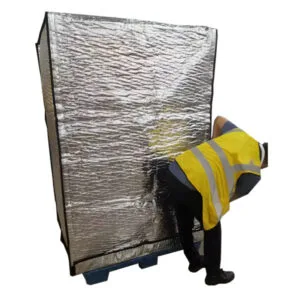
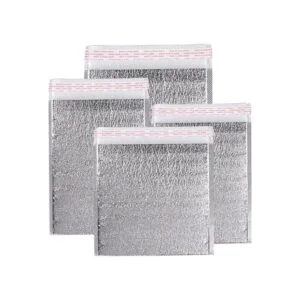
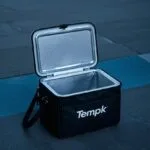
| Isolierte Auskleidung oder Box | Verlangsamt den Wärmeanstieg und schützt vor Umgebungseinflüssen | Erzeugt keine Kälte und kann bei schlecht verschlossenen Nähten oder Deckeln an Wert verlieren |
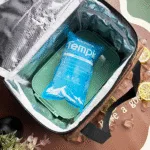
| Gelpack oder Gefrierblock | Fügt Kühlreserven hinzu und vereinfacht viele ungefährliche Auspackvorgänge | Für lange oder gefrorene Routen ohne Tests möglicherweise nicht ausreichend |
| Trockeneis | Bietet eine sehr starke Niedertemperaturkühlung für geeignete Tiefkühlsendungen | Sublimiert zu Gas und erfordert möglicherweise eine Entlüftung, Markierung, und besondere Handhabung |
| Temperaturlogger oder -indikator | Erstellt Beweise für die Überprüfung der Fahrspur und den Erhalt von Entscheidungen | Zeichnet die Temperatur auf, schützt das Produkt jedoch nicht |
Dieser Vergleich hält die Entscheidung praktisch. Komponenten sind nicht austauschbar, nur weil sie verwendet werden Kühlkettenverpackung. Ein Liner, ein Kältemittel, und ein Logger lösen verschiedene Probleme. Die Aufgabe des Käufers besteht darin, sie nur dort zu kombinieren, wo die Route verläuft, Produkt, und Betriebsablauf unterstützen die Auswahl.
Was Sie vor einer Großbestellung überprüfen sollten
Der Großeinkauf sollte beginnen, nachdem sich die Probe mehr als nur optisch bewährt hat. Der Käufer sollte die nutzbaren Innenmaße überprüfen, Nutzlast passt, Materialkonsistenz, Kühlmittelkompatibilität, Verschlussmethode, Auspackarbeit, und alle verfügbaren Testnachweise. Wenn das Angebot auf einer Trockeneis-Alternative für den Versand von Tiefkühlkost basiert, Gelpackungen für Tiefkühlkost, Stellen Sie sicher, dass sich diese Begriffe auf die tatsächlich vorgeschlagenen Materialien und Leistungsgrenzen beziehen, keine generischen Kategorienamen.
- Fragen Sie, ob die angegebene Haltezeit mit der gleichen Nutzlast und dem gleichen Umgebungsprofil gemessen wurde, wie Sie es erwarten.
- Bestätigen Sie, ob die Abmessungen brutto sind, intern, oder nach Isolierung und Kältemitteln verwendbar.
- Prüfen Sie, ob es sich bei dem Mustermaterial um dasselbe Material handelt, das in der Produktion versendet wird.
- Fragen Sie, wie der Lieferant mit Materialsubstitutionen umgeht, Designänderungen, und Nachbestellungen.
- Fordern Sie ein Auspackdiagramm oder Fotos an, die vom Lagerpersonal verwendet werden können.
- Definieren Sie die Eingangskontrollschritte, bevor die erste maßstabsgetreue Lieferung Ihr Werk verlässt.
Diese Fragen bremsen die Beschaffung nicht; Sie verhindern vermeidbare Nacharbeiten. Wenn ein Lieferant die Betriebsgrenzen des Packouts nicht erklären kann, Der Käufer übernimmt möglicherweise ein verstecktes Risiko. Wenn der Lieferant Einschränkungen klar besprechen kann, Der Käufer erhält eine bessere Test- und Skalierungsbasis.
Betriebskontrollen, nachdem der Karton den Packtisch verlassen hat
Ein Auspacken ist nur dann zuverlässig, wenn sich der Vorgang wiederholt. Definieren Sie die Gefrierkonditionierungszeit für Kältemittel, Die maximale Zeit, die das Produkt außerhalb der Kühllagerung bleiben kann, die Packungsreihenfolge, die Kartonschließmethode, und die Freigabeprüfung. Für Trockeneissendungen, Dazu gehören Entlüftung und Etikettenprüfung. Für Gel-Pack- oder Freezer-Brick-Sendungen, Dazu gehört auch die Überprüfung der Konditionierung. Für Liner, inklusive Klappenverschluss und Nahtkontrollen.
Der Empfänger sollte über eine zum Produkt passende Anleitung verfügen. Sie sollten wissen, ob sie sofort öffnen sollen, Welche Ankunftsbedingungen sind akzeptabel?, wo die Ware platziert werden soll, Welche Beweise müssen erfasst werden, wenn ein Problem vorliegt?, und wer sollte Ausnahmen prüfen?. Eine gute Empfangsanweisung ist keine Marketingbeilage. Es handelt sich um einen Risikokontrollschritt, der den Kühlkettenkreislauf schließt.
Wenn eine Lieferung fehlschlägt, Überprüfen Sie die Kette, bevor Sie einem einzelnen Material die Schuld geben. War das Produkt vollständig gefroren?? Wurden die Kältemittel konditioniert?? Wurde die Kartongröße geändert?? Ist eine Trägerverzögerung aufgetreten?? War die Box ungeöffnet?? War der Empfangs-Gefrierschrank verfügbar?? Diese Fragen führen zu nützlichen Lösungen statt zu Vermutungen.
Risikoprävention nach Anwendungsfall
Nachtspuren, Lieferung vor Ort, dichte gefrorene Nutzlasten, kleine Kartons, empfängergesteuertes Auspacken, und Programme, die den Umgang mit Gefahrstoffen bei Lufttransporten vermeiden wollen, sind oft gute Kandidaten für passive Verpackungen, wenn das System sorgfältig konzipiert ist. Der Käufer muss weiterhin risikoarme und risikoreiche Routen trennen. Routen mit geringem Risiko ermöglichen möglicherweise ein einfacheres Liner- und Gel-Pack-Format. Für Routen mit höherem Risiko ist möglicherweise ein starrer, isolierter Transporter erforderlich, mehr Kältemittelreserve, Trockeneis, oder ein anderes Servicelevel.
Hilfreiche Entscheidungshilfen
Überprüfen Sie die Details, bevor Sie sich für die Verpackung entscheiden
Mit diesen schnellen Tools können Sie das Routenrisiko vergleichen, Größenanforderungen, Kühlmittelauswahl, und Verpackungsdetails, bevor Sie ein Angebot anfordern.
Compliance-Checklisten-Generator
Erstellen Sie eine praktische Checkliste für die Verpackungsüberprüfung, Versand, und Dokumentation.
Checkliste erstellenKühlmittel & PCM-Referenz
Vergleichen Sie Kühlmittel- und PCM-Optionen, wenn eine Route zusätzliche Temperaturunterstützung benötigt.
Vergleichen Sie OptionenTrockeneisrechner
Schätzen Sie vor dem Verpacken den Bedarf an Trockeneis für gefrorene oder ultrakalte Sendungen.
Schätzen Sie Trockeneislange unkontrollierte Strecken, Mehrtägige Paketrouten in der heißen Jahreszeit, leichte Nutzlasten mit geringer thermischer Masse, Und Eiscreme oder andere Produkte, die nach kurzem Erweichen Qualitätsverluste aufweisen, sollten eine andere Diskussion auslösen. In diesen Fällen, Ein Käufer benötigt möglicherweise eine aktive Kühlung, ein qualifiziertes thermisches Versandsystem, Streckenspezifische Tests, oder eine Entscheidung auf Produktebene, ob die Sendung überhaupt angeboten werden soll. Nein zu einer ungeeigneten Route zu sagen, ist manchmal die verantwortungsvollste Verpackungsentscheidung.
Ein Tiefkühlbäckereiverkäufer möchte Proben ohne den Einsatz von Trockeneis an Einzelhändler versenden. Die Proben sind dicht, Die Spur ist über Nacht, und der Empfänger kann die Box direkt nach der Ankunft in den Gefrierschrank stellen. In dieser Situation, Das Team sollte vermeiden, direkt zu einer vollständigen Großbestellung zu springen. Ein besserer Weg besteht darin, eine kleine Anzahl von Auspackvorgängen zu testen, Ankunftszustand aufzeichnen, Überprüfen Sie das Feedback des Empfängers, und standardisieren Sie dann das Rezept, das den besten Schutz bietet, Arbeit, kosten, und Kundenerlebnis.
Häufige Fehler, die es aus dem Prozess zu entfernen gilt
Die gleichen vermeidbaren Fehler treten bei vielen Tiefkühl- und Kühlkettenprogrammen auf. Teams kaufen nach Außenmaßen statt nach Nutzvolumen. Sie werden bei mildem Wetter getestet und im Sommer auf den Markt gebracht. Sie konditionieren Kältemittel inkonsistent. Sie lassen Pakete auf einem Dock liegen, während der Papierkram erledigt ist. Sie kopieren die Packungsbeilage eines anderen Produkts, weil der Karton ähnlich aussieht.
- Es ist nicht normal, gefrorene Gelpackungen als Trockeneis-Äquivalente zu behandeln.
- Verwenden Sie nicht zu wenig Isolierung, da die Strecke kurz ist.
- Normalisieren Sie es nicht, wenn Sie die Nutzlast nicht ausreichend tief einfrieren.
- Normalisieren Sie es nicht, Wochenend-Überbleibsel zuzulassen.
- Normalisieren Sie nicht, dass nicht die gleiche Kartongröße getestet wird, die in der Produktion verwendet wird.
Eine gute SOP sollte diese Fehler aus der täglichen Arbeit beseitigen. Es sollte kurz genug sein, damit Packer es verwenden können, und spezifisch genug, damit Qualitätsteams es prüfen können. Fotos, Komponente zählt, Und einfache Abnahmeprüfungen sind oft effektiver als lange Anweisungen, die während eines geschäftigen Versandfensters niemand liest.
FAQ
Wie wähle ich aus, wie ich Tiefkühlkost ohne Trockeneis für eine neue Route versenden möchte??
Beginnen Sie mit dem erforderlichen Ankunftszustand des Produkts, Dann Kartendauer der Route, Übergabepunkte, Jahreszeit, Nutzlast, und Empfangsprozess. Wählen Sie Isolierung und Kältemittel gemeinsam aus, nicht einzeln. Führen Sie vor der Skalierung einen Mustertest durch, der der tatsächlichen Kartongröße und Nutzlast entspricht.
Welchen Nachweis sollte ein Lieferant erbringen??
Ein nützlicher Beweis enthält Materialangaben, nutzbare Abmessungen, Auspackdiagramme, Testbedingungen, sofern verfügbar, und klare Einsatzgrenzen. Eine große Haltezeitnummer ohne Nutzlast, Umgebungsprofil, Kältemittelmenge, oder „Bestanden/Nicht bestanden“-Kriterien sollten als Startanspruch behandelt werden, keine endgültige Entscheidung.
Kann ich für jede Saison einen Packout verwenden??
Manchmal, aber es sollte bewiesen werden. Viele Programme erfordern aufgrund der Umgebungseinflüsse saisonale Anpassungen, Träger wohnen, und die Bedingungen am Zielort ändern sich. Ein Saisonplan kann einfach sein: ein genehmigter Kühlmittelwechsel, eine Versandunterbrechung, ein verbessertes Serviceniveau, oder ein alternatives Paket für Hochrisikospuren.
Ist die nachhaltigste Option immer die leichteste Option??
NEIN. Die nachhaltigere Wahl muss auch das Produkt schützen. Ein leichteres Material, das den Produktverlust erhöht, Ansprüche, oder Rücksendungen können zu einem schlechteren Gesamtergebnis führen. Bewerten Sie thermische Beweise, Entsorgungsweg, Rückkehr Machbarkeit, Arbeit, und Schadensrate zusammen.
Abschluss
Zusätzliche Hinweise zur Beschaffung
Wenn das Einkaufsteam Angebote für den Versand von Tiefkühlkost ohne Trockeneis vergleicht, Es sollte den Materialpreis von den Gesamtbetriebskosten trennen. Stauraum, Packzeit, Schadensrate, Ausbildung, Handhabung von Trockeneis, Streitigkeiten entgegennehmen, und Ersatzlieferungen können die tatsächlichen Kosten einer Auslagerung verändern. Ein etwas höherer Stückpreis kann gerechtfertigt sein, wenn die Verpackung einfacher zu montieren ist, einfacher zu prüfen, und es ist weniger wahrscheinlich, dass es zu Beschwerden über Temperatur oder Undichtigkeiten kommt.
Die Beschaffung sollte auch den Weg vom Muster bis zur Produktion bestätigen. Fragen Sie, ob der gleiche Film, Linerfalte, Kastenstruktur, Kältemittelfüllung, und Verschlussdesign werden in der Produktion verwendet. Wenn der Lieferant Materialien ändern darf, Der Käufer sollte festlegen, wann eine Benachrichtigung und eine erneute Prüfung erforderlich sind. Dies ist besonders wichtig für gefrorene Hauptgerichte, Backwaren, Fleischpackungen, Meeresfrüchteportionen, Kühlakkus für Verbraucherboxen, und Proben, die auf kurzen kontrollierten Routen transportiert werden können, wo kleine Änderungen die Temperaturstabilität und das Kundenerlebnis beeinträchtigen können.
Endlich, Entscheiden Sie, wer bei Auftreten einer Routenausnahme die Entscheidung über „Go“ oder „No Go“ trifft. Ein Verpackungslieferant kann Komponenten empfehlen, Der Versender sollte jedoch Versandfristen festlegen, Überprüfung der verspäteten Lieferung, Bedienungsanleitung des Empfängers, und Qualitätssteigerung. Diese Aufteilung der Verantwortung sorgt dafür, dass der Versand von Tiefkühlkost ohne Trockeneis nicht zu einem vagen Versprechen wird, sondern zu einem kontrollierbaren Betriebsablauf.
Die richtige Wahl für den Versand von Tiefkühlkost ohne Trockeneis bedeutet, das Versprechen der Kühlkette sichtbar zu machen. Definieren Sie den erforderlichen Produktzustand, Wählen Sie Komponenten entsprechend ihrer tatsächlichen Rolle aus, Überprüfen Sie den Packout unter realistischen Bedingungen, und Bedienelemente schreiben, die von Menschen wiederholt werden können. Die Option mit dem geringsten Risiko ist nicht immer die teuerste, Und die günstigste Option ist nicht immer wirtschaftlich. Die beste Wahl ist diejenige, die die Produktqualität innerhalb eines klaren Rahmens schützt, getestet, und wiederholbare Grenze.
Über Tempk
Tempk bietet Gelpackungen an, Gefrier-Eissteine, isolierte Liner, Kaltversandkartons, EPP-Isolierboxen, Trockeneisbeutel, und verwandte Materialien, damit Käufer Trockeneis- und Nicht-Trockeneis-Verpackungen vergleichen können. Wir arbeiten mit Käufern zusammen, die praktische Verpackungsempfehlungen für reale Routen benötigen, inklusive Beispielrezensionen, Diskussionen über die Kartonanpassung, und Kältemittelvergleiche. Unsere Aufgabe besteht darin, dabei zu helfen, Materialien mit Produktanforderungen und Verpackungsabläufen zu verbinden, beim Verlassen der Streckenqualifikation, Marktregeln, und Kundenakzeptanzkriterien bis hin zum Qualitäts- und Logistikprozess des Käufers.
Teilen Sie Ihren Produkttyp mit, Streckenzeit, Nutzlast, Kartongröße, und Zielankunftsbedingungen mit Tempk, um vor der Skalierung zu vergleichen, wie Tiefkühlkost ohne Trockeneisoptionen versendet werden kann.