So spezifizieren Sie eine anpassbare EPP-Schaumbox
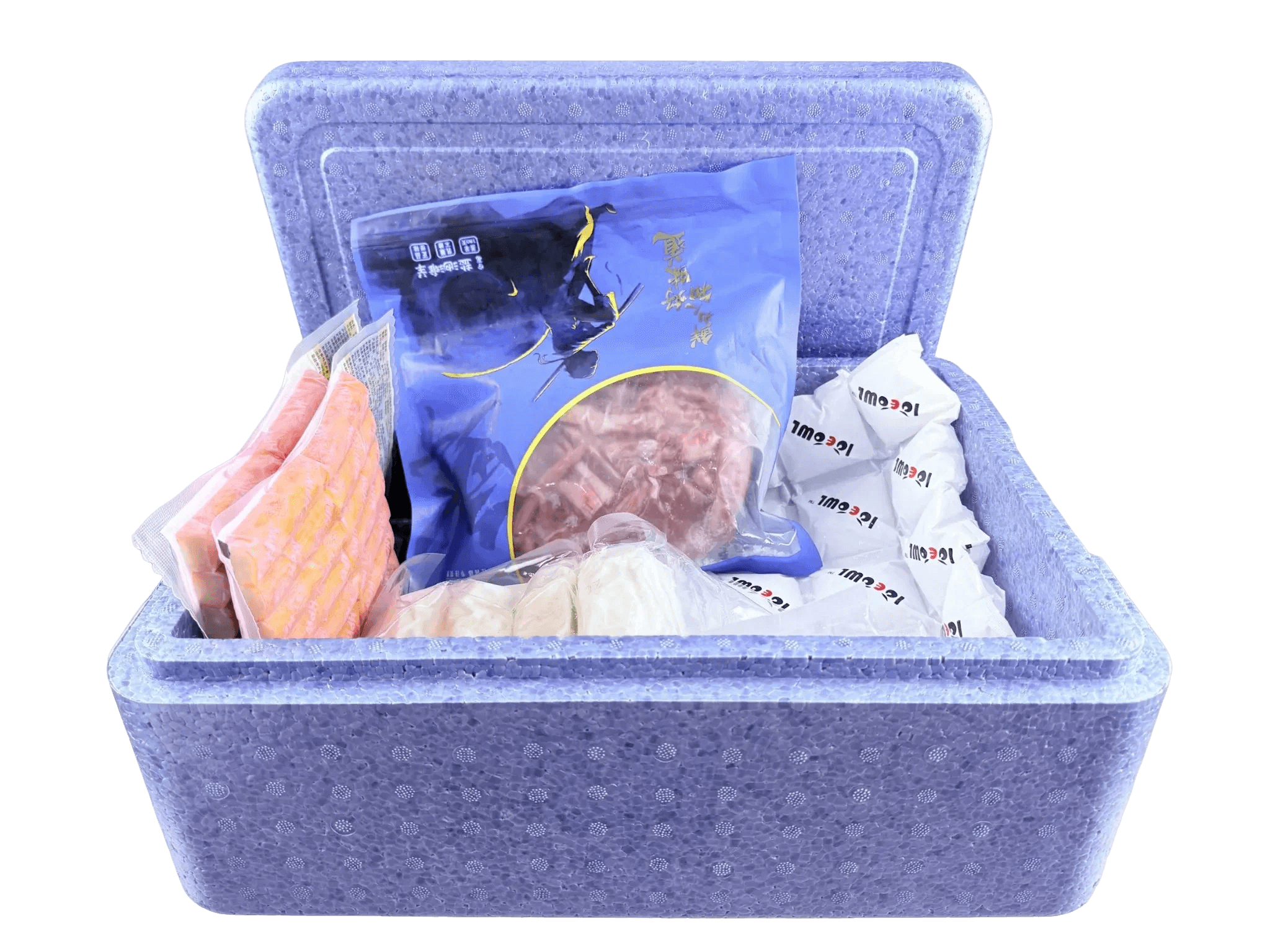
Eine anpassbare EPP-Schaumstoffbox sollte aus einem kontrollierten Betriebsbereich aufgebaut werden: Nutzlast, Route, Geräteschnittstellen, thermische Rolle, Handhabung, Reinigung, Rücklauf, und Akzeptanzkriterien. EPP bietet eine sinnvolle Kombination aus leichter Struktur, Energieabsorption, Widerstandsfähigkeit, und Isolierung, Verlässlich werden diese allgemeinen Eigenschaften aber erst durch die exakte Güteklasse, geformte Geometrie, Perlenfusion, und komplette Verpackung. Käufer sollten zunächst entscheiden, ob eine Standardbox oder eine maßgeschneiderte Einlage den Bedarf decken kann, dann nutzbare Maße und Lastwege sperren, produktionsrepräsentative Muster testen, und erfordern vor der Skalierung eine Änderungskontrolle.
Anpassung ist eine Geschäftsentscheidung, bevor sie eine CAD-Aufgabe ist
Eine neue Form ist gerechtfertigt, wenn sie einen wiederholbaren Wert schafft, den eine bestehende Plattform nicht bieten kann. Der typische Wert ergibt sich aus einem besseren Palettenwürfel, reduzierte Staumenge, schnelleres Laden, kontrollierte Produktorientierung, Stabile Kühlmittelplatzierung, geringerer Schaden, sichereres Heben, oder eine effizientere Rücklaufschleife. Ein maßgefertigtes Äußeres, das hauptsächlich aufgrund seines Aussehens ausgewählt wurde, bringt selten den gleichen Vorteil mit sich.
Prüfen Sie drei Architekturen, bevor Sie die Werkzeuge genehmigen:
- Standardbox: Geringster Entwicklungsaufwand und sinnvoll bei Produktwechseln, wenn Abmessungen und Handling bereits passen.
- Standardschale mit kundenspezifischem Einsatz: schützt eine Produktfamilie und hält gleichzeitig die äußere Logistikschnittstelle stabil.
- Komplett maßgeschneiderter Körper und Deckel: steuert externen Cube, Hohlraum, Stack-Funktionen, Luftstrom, Handhabung, oder Packout-Geometrie, wenn diese Schnittstellen geschäftskritisch sind.
Berücksichtigen Sie das Risiko einer Produktänderung. Ein eng um eine Version herum gebauter Hohlraum kann nach einem Steckverbinder hinfällig werden, Etikett, Kappe, oder Änderungen der Einzelhandelsverpackung. Wechselelemente nach Möglichkeit in Wechseleinsätzen aufbewahren. Reservieren Sie schwer zu ändernde Formgeometrien für stabile Schnittstellen wie z. B. die Palettenfläche, Außenhöhe, Griffposition, und vertikale Lastpfade.
Der Geschäftsfall sollte Werkzeuge und Korrekturen umfassen, Proben, Testen, Qualifikation, Stückpreis, Frachtwürfel, Rücktransport, Reinigung, Verlust, Lagerung, Wartung, und End-of-Life-Handling. Zur Wiederverwendung, Vergleichen Sie die Kosten pro erfolgreichem Zyklus, nicht nur der Kaufpreis.
Erstellen Sie einen gemeinsamen Betriebsbereich für alle Funktionen
Die Verpackungsbeschreibung sollte den normalen Gebrauch und den vorhersehbaren Missbrauch beschreiben. Beginnen Sie mit dem Produktumschlag, einschließlich Fertigungstoleranzen, sofortige Verpackung, Etiketten, Zubehör, Tabletts, absorbierende Materialien, Sensoren, Kühlmittel, und Ladefreigabe. Geben Sie Bedenken hinsichtlich der maximalen normalen Packmasse und des Schwerpunkts an. Identifizieren Sie empfindliche Oberflächen und zugelassene Stützzonen.
Ordnen Sie die Route von der leeren Box zur leeren Rückgabe zu. Speicher einbeziehen, Verpackungsumgebung, Palettierung, Förderer, manuelle Aufzüge, Fahrzeuge, Vibration, Stapelverweildauer, Umgebungseinflüsse, Türöffnungen, Empfang, Reinigung, Trocknen, und Lagerung vor dem nächsten Gebrauch. Beachten Sie Übergaben, da Sorgerechtsänderungen oft zu Verzögerungen und grober Handhabung führen.
Definieren Sie Schnittstellen, die die Box pflegen muss:
- Palette, Dolly, Gestell, Regal, Förderer, oder Automatisierungs-Footprint;
- Umkarton oder Hartschale, wenn ein Hybrid verwendet wird;
- minimaler Öffnungs- und Ladewinkel;
- Etiketten- und Scanzone;
- Riemen, Siegel, Schlösser, oder manipulationssichere Geräte;
- Waschschrank, Sprühständer, Abfluss, und Trockenraum;
- Leerer Nest- oder Rückgabebehälter;
- Reihenfolge der Produkt- und Kühlmittelbeladung.
Endlich, Akzeptanzkriterien definieren. „Dauerhaft“ bedeutet, dass die Griff- und Deckelfunktion nach der gewählten Testsequenz erhalten bleibt. „Stapelbar“ sind registrierte volle Kartons ohne Nutzlastkontakt. „Isoliert“ ist eine vollständig getestete Verpackung unter den angegebenen Bedingungen. „Reinigungsfähig“ wird zum dokumentierten Prozess- und Prüfergebnis.
Die nutzbaren Abmessungen sind die Kernspezifikation des Kunden
Das nominale Innenvolumen reicht selten aus. Eingezogene Wände, abgerundete Ecken, Deckelüberlappung, Lüftungsschlitze, Rippen, Griffe, Stapelfüße, und Einsätze reduzieren den tatsächlichen Nutzlastraum. Die kleinste Öffnung kann die Belastung kontrollieren, selbst wenn der untere Hohlraum größer ist. Zu den Außenmaßen können überstehende Lippen oder Füße gehören, die den Sitz der Palette verändern.
Entwickeln Sie einen Toleranzstapel zwischen der größten Nutzlast und dem kleinsten erwarteten Hohlraum. Berücksichtigen Sie Produkt- und Verpackungsvarianten, EPP-Formteilvariante, Variation einfügen, Etiketten- oder Beutelerweiterung, und die von den Bedienern benötigte Freigabe. Wenn ein Produkt vertikal abgesenkt werden muss, Überprüfen Sie den vollständigen Einfügepfad. Wenn es geneigt ist, Vergewissern Sie sich, dass der Vorgang zu keiner Beschädigung oder Beschädigung der Verpackung führt.
Verwenden Sie Schnittzeichnungen, um Bezüge und Mindestabstände zu identifizieren. Eine benutzerdefinierte Zeichnung sollte unterscheiden:
| Zeichnungselement | Entscheidung, die es unterstützt | Nachweis bei Genehmigung |
|---|---|---|
| Externer Umschlag | Palette, Fahrzeug, Gestell, und frachttauglich | Vermessenes produktionsrepräsentatives Muster |
| Mindestöffnung | Produkteinfügung und -entnahme | Größter Nutzlastladeversuch |
| Nutzbarer Hohlraum | Produkt, Kühlmittel, und Anordnung einfügen | Vollständige Überprüfung der Verpackung |
| Einbruch des Deckels | Verschluss und Kopfraum | Toleranzstapel- und Überfüllprüfung |
| Stapelkontakt | Vertikale Lastübertragung | Testversion mit geladenem Stapel |
| Griffspiel | Sicheres Heben | Versuch mit Handschuhen und verpackter Masse |
| Ablauf- und Aussparungsgeometrie | Reinigen und Trocknen | Wasch- und Inspektionsversuch |
Die Tabelle sollte Teil der Designgenehmigung werden. Dadurch bleibt der Schwerpunkt des Projekts auf Schnittstellen, die Fehler verursachen, und nicht auf einfach zu messenden kosmetischen Dimensionen.
Entwerfen Sie eine Geometrie rund um Kräfte und wiederholtes Verhalten
Das Material kann einen schlechten Lastpfad nicht korrigieren. Die Hebekraft wird von den Griffen durch die Seitenwände und den Boden übertragen. Die Stapellast sollte durch Eckpfosten oder durchgehende Wände transportiert werden. Tropfen konzentrieren die Belastung auf Ecken und Kanten. Vibration erzeugt Reibung, Migration einfügen, und Müdigkeit. Lange Lagerung unter Last führt zum Kriechen.
Abgerundete Übergänge verteilen die Belastung besser als scharfe Kerben. Rippen verkürzen nicht unterstützte Spannweiten, können jedoch Druckstellen oder Kontaminationsfallen erzeugen. Integrierte Griffe entfernen Beschläge, verringern jedoch den Wandquerschnitt und können Wärmebrücken bilden. Eine tiefe Deckelüberlappung kann die Position verbessern und Leckagen reduzieren, während gleichzeitig der Freiraum für die Nutzlast verringert wird. Beim kundenspezifischen Engineering geht es darum, diese Kompromisse zu lösen.
Die Rückhaltung der Nutzlast erfordert einen kontrollierten Kontakt. Stützen Sie das Produkt auf starken Oberflächen ab und lassen Sie um Displays herum Freiraum, Siegel, Linsen, Anschlüsse, und andere Schwachstellen. Ein Hohlraum, der überall berührt, kann Stöße direkt übertragen. Ein Hohlraum mit übermäßig viel Platz ermöglicht eine Beschleunigung vor dem Aufprall. Einsätze sollten einen definierten Verformungsweg bieten und formschlüssig im Kasten bleiben.
Berücksichtigen Sie das Verhalten des Bedieners. Funktionen sollen das richtige Handeln erleichtern. Verwenden Sie eine sichtbare Ausrichtung, füllen, und Komponentenhinweise. Vermeiden Sie Deckel, die scheinbar sicher angehoben werden können, obwohl dies nicht der Fall ist. Erschweren Sie den Zusammenbau unterschiedlicher Einsätze. Ein Design, das bei jedem Zyklus höchste Aufmerksamkeit erfordert, ist nicht robust.
Wandeln Sie EPP-Materialdaten in Anwendungsnachweise um
EPP ist ein zelliges Polypropylenmaterial, dessen scheinbare Dichte, Grad, Fusion, und Geometrie beeinflussen die Steifigkeit, Dämpfung, Masse, thermischer Widerstand, und Genesung. Die Dichte ist kein universeller Wert. Eine andere Wandstärke, Radius, oder Rippenmuster können mehr Wirkung haben als eine kleine Dichteänderung. Bitten Sie den Lieferanten, die vorgeschlagene Kombination zu erläutern und zu ermitteln, welche Merkmale in der Produktion kontrolliert werden.
Besonders wichtig ist die Perlenverschmelzung. Schlecht verschmolzene Zonen können sich beim Aufprall lösen, beugen, oder waschen. Das äußere Erscheinungsbild allein offenbart möglicherweise nicht alle internen Probleme. Der Prozessplan des Lieferanten kann die Materialidentität enthalten, Konditionierung, füllen, Dampfformen, Kühlung, Teilkonditionierung, Trimmen, Gewicht, Abmessungen, visuelle Kriterien, und Funktionskontrollen.
Temperatur- und Zeitänderungsverhalten. Die Schlagleistung unter kalten Bedingungen kann von der Handhabung bei Umgebungstemperaturen abweichen. Eine anhaltende Stapelbelastung kann zu einer allmählichen Verformung führen. Beim Reinigen entsteht Wärme, Chemikalien, und wiederholte mechanische Einwirkung. Testen Sie die Bedingungen, die für den Betrieb wichtig sind, anstatt einen einzelnen Datenblattwert als universell zu betrachten.
Zur Gesamtbaugruppe gehört auch die chemische Verträglichkeit. Pigmente, Zusatzstoffe, Etiketten, Tinten, Klebstoffe, Riemen, und Einsätze können vor dem EPP-Körper versagen. Konzentration definieren, Kontaktzeit, Temperatur, Wiederholung, schrubben, spülen, und Trocknen für Reinigungsbeurteilungen.
Trennen Sie die Isolierung von der Temperaturregelung
Ein EPP-Box verlangsamt die Wärmeübertragung. Es kühlt nicht aktiv, Hitze, oder die Zuladung regulieren. Für temperaturempfindliche Versand, es wird Teil eines passiven Systems mit Nutzlast, Kühlmittel, Separatoren, Verpackungsvorgang, Umgebungsprofil, und Überwachung. Für die vollständige Konfiguration sind Nachweise erforderlich.
Vergleichen Sie keine Boxen mit einer angegebenen Haltezeit ohne Testdefinition. Fragen Sie, welches Produkt oder welche simulierte Nutzlast verwendet wurde, wie viel nutzbares Volumen noch übrig ist, welches Kältemittel und welche Konditionierungsmethode verwendet wurden, wo Kühlmittel und Sensoren platziert wurden, welches Umgebungsprofil angewendet wurde, ob der Deckel geöffnet wurde, und welcher Akzeptanzbereich definierte den Erfolg.
Ein Materialleitfähigkeitswert unterstützt Berechnungen und Vergleiche, sagt jedoch nicht allein die tatsächliche Streckenleistung voraus. Luftaustritt am Deckel, dünne Griffabschnitte, Lüftungsschlitze, interner Kopfraum, und Eröffnungsveranstaltungen können dominieren. Eine kleine Nutzlast kann eine geringere thermische Masse haben als eine Volllast. Durch direkten Kühlmittelkontakt können empfindliche Produkte unterkühlt werden, während eine übermäßige Trennung die Wärmeübertragung verringern kann.
Hilfreiche Entscheidungshilfen
Überprüfen Sie die Details, bevor Sie sich für die Verpackung entscheiden
Mit diesen schnellen Tools können Sie das Routenrisiko vergleichen, Größenanforderungen, Kühlmittelauswahl, und Verpackungsdetails, bevor Sie ein Angebot anfordern.
Kühlmittel & PCM-Referenz
Vergleichen Sie Kühlmittel- und PCM-Optionen, wenn eine Route zusätzliche Temperaturunterstützung benötigt.
Vergleichen Sie OptionenFallfestigkeit des Isolationsmaterials
Überprüfen Sie die Fallfestigkeit und die Handhabungsfaktoren, bevor Sie Isoliermaterialien auswählen.
Widerstand prüfenBoxliner & Dimensionierung der Palettenabdeckung
Überprüfen Sie die Größenlogik für Kartoneinlagen und Palettenabdeckungen für isolierte Verpackungsprojekte.
Schätzen Sie die GrößeISTA 7E-Profile können eine standardisierte thermische Bewertung unterstützen Isolierte Versandbehälter. Sie ersetzen nicht die spurspezifische Überprüfung bei Übergaben, Verzögerungen, saisonale Exposition, oder die regulatorischen Erwartungen sind unterschiedlich. Für mechanische Verteilungstests können ISTA- oder ASTM D4169-Ansätze verwendet werden, wiederum auf das definierte verpackte Produkt und nicht auf das isolierte Material angewendet.
Werkzeuge und Muster sind Qualitätstore
Werkzeuge erstellen die Produktionsgeometrie und sollten als kontrollierte Anlage verwaltet werden. Vor der Veröffentlichung, Überprüfungsentwurf, Trennlinien, Dampfzugang, Lüftungsschlitze, Füllpfade, Auswurf, Kühlung, Mindestabschnitte, Einsätze, Trimmen, Identifikation, und Messdaten. Klären Sie die Eigentumsverhältnisse, Wartung, Korrekturen, Lagerung, Hohlraumidentifikation, Ersatzstrategie, und Übertragungsrechte.
Prototypentypen beantworten unterschiedliche Fragen. Bearbeiteter Schaumstoff kann die grobe Passform überprüfen. Weiche Werkzeuge können Handhabung und Form offenbaren. Beides reproduziert nicht unbedingt die Produktionsfusion, Dichteverteilung, Schwindung, oder Oberfläche. Erst geformte Proben sollten nach definierter Konditionierung vermessen und kavitätsübergreifend ausgewertet werden.
Nutzen Sie gestaffelte Genehmigungen:
- Konzept fit und laden;
- funktionale Handhabung, Stapel, und Waschversuche;
- produktionsrepräsentative mechanische oder thermische Prüfung;
- Streckenpilot mit normalen Operatoren;
- Endgültiges Produktionsfreigabemuster und Zeichnungsüberarbeitung.
Dokumentieren Sie jede Abweichung. Ein handbeschnittenes Muster, Ersatzklasse, oder temporäre Einfügung sollte im Testprotokoll nicht unsichtbar werden. Wenn eine Werkzeugkorrektur einen Lastpfad beeinflusst, Öffnung, Entlüftung, Deckel, oder Stack-Schnittstelle, die entsprechenden Beweise erneut bewerten.
Die Compliance-Sprache muss zum Objekt passen
Ein Material, Anbieter, Labor, Verfahren, und Versandsystem können jeweils über unterschiedliche Zertifizierungen oder behördliche Nachweise verfügen. Vermeiden Sie es, sie in der „zertifizierten EPP-Box“ zusammenzufassen. Identifizieren Sie genau, was der Käufer braucht.
Anwendungen mit direktem Lebensmittelkontakt erfordern einen Nachweis für den beabsichtigten Markt, Lebensmitteltyp, Kontaktbedingungen, und fertige Formulierung. Zu den europäischen Kontrollen gehört der allgemeine Rahmen für den Lebensmittelkontakt, gute Herstellungspraxis, und spezifische Kunststoffanforderungen. Die Verwendung mit Lebensmitteln in den Vereinigten Staaten hängt ebenfalls von einer geeigneten regulatorischen Grundlage ab. Pigmente, Zusatzstoffe, recycelter Inhalt, Etiketten, und andere Komponenten müssen berücksichtigt werden.
Für die Pharmalogistik ist möglicherweise ein qualifiziertes Thermoversandsystem erforderlich, dokumentierter Verpackungsprozess, kalibrierte Überwachung, Qualitätsbewertung, und Vertriebskontrollen. EPP-Material wird nicht von alleine GDP-konform. Der vorgeschlagene Kasten sollte genau als Schutz- oder Isolierkomponente beschrieben werden, es sei denn, für das Gesamtsystem liegen entsprechende Nachweise vor.
„ISO-zertifiziert“ kann sich auf das Managementsystem eines Lieferanten beziehen, die Akkreditierung eines Labors, eine Testmethode, oder eine Produktnorm. Fragen Sie nach dem Zertifikatsumfang und der ausstellenden Stelle, und bestätigen Sie, dass es sich auf die Beschaffungsentscheidung bezieht. Ein Qualitätsmanagement-Zertifikat ist kein Nachweis einer bestimmten Haltezeit oder Schlagleistung.
Produktionskonsistenz ist wichtiger als ein perfektes Muster
Genehmigen Sie qualitätskritische Merkmale und deren Messmethoden. Zu den typischen Artikeln gehört die Mindestöffnung, nutzbarer Hohlraum in definierten Höhen, Deckeleingriff, Basiskontakt, Stapelregistrierung, Griffteil, Ort einfügen, Offenheit entlüften, und Teilegewicht, sofern es mit dem Prozess zusammenhängt. Stichprobengröße definieren, Frequenz, und Reaktionsregeln.
Ein Lieferant sollte eine Menge enthalten, wenn ein kritisches Merkmal abweicht, die Ursache untersuchen, und Dokumentendisposition. Mittelung kann eine zu kleine Öffnung nicht nutzbar machen. Die kavitätenspezifische Rückverfolgbarkeit hilft bei der Identifizierung von Mustern in Werkzeugen mit mehreren Kavitäten. Bei separater Herstellung sollte die Kompatibilität von Körper und Deckel überprüft werden.
Die Änderungskontrolle sollte den Materiallieferanten und die Qualität umfassen, Farbstoff, Zusatzstoffe, recycelter Inhalt, Dichteziel, Schimmel und Entlüftung, Schlüsselprozessfenster, Produktionsstandort, Sekundärteile, Etiketten, Klebstoffe, und Drucken, wenn sie die Funktion oder Konformität beeinträchtigen könnten. Käufer und Lieferant sollten vereinbaren, welche Änderungen mitteilungspflichtig sind, Vergleichsdaten, Mustergenehmigung, oder erneut testen.
Die Eingangskontrolle kann fokussiert werden. Identität überprüfen, Revision, Sauberkeit, offensichtlicher Schaden, kritische Dimensionen, Deckel passt, Stack-Engagement, Umgang mit Integrität, und Rückverfolgbarkeit. Regelmäßige Funktionstests oder Prozessaudits können eine tiefergehende Bestätigung liefern, ohne dass bei jeder Charge eine vollständige Qualifizierung durchgeführt werden muss.
Nachweis des vollständigen Nutzungszyklus vor der Skalierung
Ein Routenpilot sollte das tatsächliche Produkt oder eine repräsentative Nutzlast verwenden, normale Betreiber, vorgesehenen Verpackungsanweisungen, Handhabungsgeräte, Palette und Fahrzeug, Empfangsprozess, Reinigung, zurückkehren, und Speicherung. Das Projektteam sollte nicht jede Probe mit der Hand tragen; Eine einfache Handhabung zeigt, ob das Design fehlersicher ist.
Vereinbaren Sie Beobachtungen vor dem Piloten. Für den mechanischen Einsatz, Überprüfen Sie die Bewegung der Nutzlast, Schaden, Deckelretention, Griffkomfort, Stapelverschiebung, Abrieb, und dauerhafte Verformung. Zur thermischen Nutzung, Notieren Sie die komplette Verpackung, Sensorpositionen, Temperaturverlauf, Türöffnungen, und Abweichungen. Zur Wiederverwendung, Überprüfen Sie die Bodenentfernung, zurückgehaltenes Wasser, Geruch, Etiketten, Oberflächenschäden, und Zeit, um zum sauberen Bestand zurückzukehren.
Ein typischer Fehler zeigt, warum der gesamte Zyklus wichtig ist. Eine maßgefertigte Essenslieferungsbox eignet sich gut für den Versand, verfügt jedoch über tiefe dekorative Aussparungen, in denen das Waschwasser zurückgehalten wird. Die Kisten werden vor dem Trocknen gestapelt, Geruchsbildung und eine Verlangsamung des Umsatzes. Das Material ist wasserbeständig, Dennoch macht die Geometrie die Wiederverwendungsschleife unzuverlässig. Eine abtropfbare Oberfläche und ein realistischer Waschversuch hätten das Problem vor der Werkzeugfreigabe aufgedeckt.
Nutzen Sie den Piloten, um die Bedienungsanleitung zu aktualisieren, Fehlerkategorien, Inspektionsintervall, und kommerzielles Modell. Skalieren Sie nur, wenn sowohl Design als auch Prozess ihre Akzeptanzkriterien erfüllen.
Lieferantenfragen, die die Individualisierung sicherer machen
- Warum ist eine neue Form für diesen Fall besser als eine Standardbox oder ein individueller Einsatz??
- Welche Nutzlast- und Routenannahmen bestimmen das Design??
- Was sind die minimal nutzbaren Abmessungen und der Toleranzstapel??
- Welche EPP-Qualität und Dichtestrategie werden vorgeschlagen?, und welche Beweise sie stützen?
- Wie umgehen Lastpfade empfindliche Nutzlastbereiche??
- Welche vollständigen Verpackungs- und Verteilungstests durchgeführt werden??
- Was für ein direkter Lebensmittelkontakt, eingeschränkte Substanz, oder eine andere Dokumentation gilt?
- Wie wird die Box gewaschen?, getrocknet, verfolgt, und im Ruhestand?
- Welche Merkmale und Prozessindikatoren produktionslosübergreifend gesteuert werden?
- Welche Änderungen lösen eine Benachrichtigung und Neubewertung aus??
- Wer besitzt und wartet die Werkzeuge??
- Wie können Einsätze oder Komponenten aktualisiert werden, wenn sich die Nutzlast ändert??
Der Vorschlag sollte feste Fakten von offenen Annahmen unterscheiden. Unbekannte sind verwaltbar, wenn sie sichtbar und einem Test- oder Entscheidungseigentümer zugewiesen sind.
Häufig gestellte Fragen
Wie dicht sollte ein individueller EPP-Hohlraum sein??
Es sollte die Bewegung der Nutzlast steuern, ohne schwierige Belastungen oder ständigen Druck auf gefährdete Oberflächen auszuüben. Die Freigabe muss die Nutzlast umfassen, Paket, einfügen, und EPP-Variation, zuzüglich des Belastungswegs und etwaiger temperaturbedingter Dimensionseffekte. Unterstützen Sie starke Zonen und lassen Sie Platz um empfindliche Bereiche herum. Überprüfen Sie dies mit dem größten zugelassenen Produkt und dem kleinsten erwarteten Hohlraum.
Ist eine höhere EPP-Dichte immer haltbarer??
NEIN. Eine höhere scheinbare Dichte kann die Steifigkeit erhöhen und die Energieabsorption verändern, sondern Geometrie, Wandstärke, Fusion, Radien, Lastpfade, und Nutzungsbedingungen sind ebenso wichtig. Zu viel Steifheit kann Stöße eher übertragen als abfedern. Wählen Sie den Grad und die Dichte rund um den Versagensmechanismus aus und überprüfen Sie das fertige Design anhand des verpackten Produkts.
Kann eine individuelle Box mehrere Produkte servieren??
Ja, wenn die Produkte eine stabile Außenhülle haben und kontrolliert herausnehmbare Einlagen verwenden können, Trenner, oder Kühlmittelmodule. Das System benötigt eine eindeutige Identifizierung und Geometrie, die nicht übereinstimmende Komponenten verhindert. Gemeinsam genutzte Boxen können den Werkzeug- und Lagerbestand reduzieren, aber eine übermäßige Universalität verschwendet Platz und kann den Schutz schwächen. Gruppieren Sie Produkte nach kompatibler Ladung, Thermal-, Hygiene, und Routenanforderungen.
Welche Beweise sollten vor der Massenproduktion vollständig sein??
Zumindest, Käufer sollten eine genehmigte Zeichnung haben, Material- und Konstruktionsdefinition, produktionsrepräsentative Stichprobe, Überprüfung der Passform und Handhabung, Qualitätskritischer Plan, anwendbare Compliance-Dokumentation, und Ergebnisse der von der Anwendung benötigten Tests. Temperaturempfindliche oder anspruchsvolle Vertriebsrouten erfordern möglicherweise eine zusätzliche thermische und mechanische Qualifikation sowie einen Betriebspiloten.
Abschluss
Eine benutzerdefinierte EPP-Box ist erfolgreich, wenn sie die Betriebsschwankungen auf einer stabilen Route reduziert. Der Käufer muss entscheiden, wo eine Individualisierung gerechtfertigt ist, Definieren Sie einen gemeinsamen Betriebsbereich, Nutzmaße erhalten, Ingenieurlast- und Wärmepfade, Werkzeuge verwalten, und verknüpfen Sie jeden Anspruch mit dem richtigen Beweisniveau. Produktionskontrollen und Änderungsmanagement sorgen dann dafür, dass die gelieferte Flotte dem genehmigten Design entspricht. So wird aus einer Formschaumbox ein zuverlässiges Verpackungssystem statt einer einmaligen Probe.
Über Tempk
Tempk bietet Kühlkettenverpackung Produkte, die Folgendes umfassen Isolierte Behälter, Kältemittel, und Temperaturüberwachungsoptionen. Wir können dabei helfen, eine individuelle EPP-Diskussion rund um die Nutzlastanpassung zu strukturieren, nutzbare Abmessungen, Streckenbelichtung, Kühlmittelplatzierung, Handhabung, Reinigung, und die vor der Produktion erforderlichen Beweise. Leistung und Konformität bleiben spezifisch für das fertige Design, Auspacken, Testbedingungen, und beabsichtigter Markt.
Teilen Sie das aktuelle Paket, Produktzeichnung, Auspacken, Streckenprofil, und erwartetes Wiederverwendungsmodell, um den am besten geeigneten Anpassungsgrad zu bewerten.