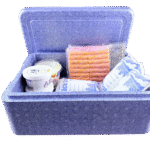
So spezifizieren Sie eine mit Schaumstoff ausgekleidete OEM-Isolierbox
Die richtige OEM-Schaumstoffauskleidung isolierte Box ist derjenige, dessen Nachweise und Bedienungsanleitungen zum Produkt passen, Nutzlast, Route, Jahreszeit, und Realität empfangen. Ein starker Beschaffungsprozess beginnt daher mit den Anforderungen, wandelt sie in ein Packout um, testet die Verpackung unter definierten Bedingungen, und steuert es nach dem Start. Dieser Artikel kombiniert die Thermik, operativ, Anbieter, und Qualitätsentscheidungen, die für gekühlte Produkte erforderlich sind, gefroren, oder temperaturempfindliche Produkte verpackt unter der eigenen Marke und dem eigenen Betriebsverfahren des Käufers, ohne die Isolierung als allgemeine Garantie zu betrachten.
Beginnen Sie mit fünf Entscheidungen, kein Katalogmodell
Eine nützliche Anforderung benennt das Produkt, genehmigter Zustand, Nutzlastreichweite, Route, maximales Betriebsfenster, saisonale Exposition, Empfangsprozess, und Konsequenz des Scheiterns. Außerdem wird angegeben, was von der Verpackung nicht erwartet werden darf. Für diese Anwendung, OEM-Anpassungen können das Branding verändern, Abmessungen, Konstruktion, und Zubehör, Es entsteht jedoch nicht automatisch ein qualifiziertes Versandsystem. Dieser Satz verhindert Scope-Drift und macht fehlende Kontrollen sichtbar, bevor Angebote verglichen werden.
Die Anforderung sollte feste Eingaben von Variablen unterscheiden. Feste Eingaben können externe Größenbeschränkungen beinhalten, eine geregelte Innenverpackung, ein Produktkarton, oder eine Zielprozedur. Zu den Variablen kann der Isolationstyp gehören, Kühlmittelanordnung, Nutzlasteinsatz, Schließung, Außenkarton, und Überwachungsplan. Wenn man den Lieferanten erlaubt, Alternativen vorzuschlagen, kann das Design verbessert werden, aber jede Alternative sollte anhand der gleichen Akzeptanzkriterien bewertet werden.
Die Temperaturleistung hängt von der vollständigen Verpackung und dem Testprofil ab; Schaumart und -dicke allein geben keine Auskunft über die Haltezeit. Notieren Sie die Quelle und den Eigentümer dieser Produktanforderung. Ein Beschaffungsteam sollte kein Temperaturband erstellen, nur um den Lieferantenvergleich zu erleichtern.
- Welches Produkt oder welche Produktfamilie wird versendet?, und wem gehört die Stabilitätsentscheidung??
- Was sind die minimalen und maximalen Nutzlasten?, einschließlich physikalischer Abmessungen und Ausgangszustand?
- Wie lange dauert es von der Verpackung bis zur Lagerung?, einschließlich Eventualverbindlichkeiten und Empfangsverzögerungen?
- Was für eine heiße Sache, kalt, mechanisch, Feuchtigkeit, Hygiene, und regulatorische Risiken können auftreten?
- Welche Beweise, Bedienungsanleitung, Produktionskontrollen, und Post-Launch-Support sind erforderlich?
Wählen Sie die Architektur nach Einschränkung aus
Beginnen Sie mit der dominanten Einschränkung. Bei einem One-Way-Expressversand kann eine geringe Masse im Vordergrund stehen, Haltbarkeit des Pakets, und einfaches Verpacken. Bei einem wiederverwendbaren Krankenhaus- oder Verteilerkreislauf kann die Schlagfestigkeit Vorrang haben, Reinigbarkeit, austauschbare Komponenten, und Renditeeffizienz. Eine Export-Biotech-Spur kann ein langes Notfallfenster priorisieren, Dokumentationsraum, Trockeneiskompatibilität, oder hohe Isolationseffizienz innerhalb der Größenbeschränkung einer Fluggesellschaft. Die Architektur folgt der Einschränkung.
Mit Schaumstoff ausgekleidete Wellpappkartons können für viele Einwegrouten praktisch sein. Geformtes EPS bietet geformte Isolierung bei relativ geringer Masse. EPP kann eine wiederholte Bearbeitung unterstützen, wenn das Betriebsmodell eine Rückgabe und Inspektion rechtfertigt. Panelsysteme können benutzerdefinierte Abmessungen unterstützen. VIP-basierte Designs können die Dicke der Isolierung einsparen, erfordern jedoch eine sorgfältige Kantenbearbeitung, Punktion, Altern, und Qualitätskontrollen. Da keine Materialauswahl erforderlich ist, entfällt die Notwendigkeit, die fertige Verpackung zu testen.
Die Geometrie sollte zusammen mit der Fracht überprüft werden. Mehr Isolierung und Kühlmittel können die Außenabmessungen vergrößern und gleichzeitig den Nutzlastraum verringern. Eine kleinere Hochleistungslösung kann die Dimensionierungskosten senken, aber es kann die materielle Komplexität erhöhen. Eine größere, einfache Lösung ist möglicherweise einfacher zu verpacken, aber teuer in der Lagerung und dem Versand. Vergleichen Sie das gesamte Programm und nicht einen isolierten Stückpreis.
Bauen Sie das thermische System auf kontrollierte Startbedingungen auf
Ein passives System basiert auf gespeicherter Wärmeenergie und dem Widerstand gegen den Wärmefluss. Produkt, Kühlmittel, Isolierung, Luftraum, und äußere Einwirkung interagieren. Wenn das Produkt warm geladen wird, Das Kältemittel muss diese Wärme abführen, bevor es den Weg puffern kann. Wenn die Nutzlast sehr gering ist, es kann schnell auf lokale Gradienten reagieren. Wenn Kühlmittel direkt auf einen empfindlichen Gegenstand trifft, Die Verpackung kann Kälteschäden verursachen, obwohl sie äußerer Hitze erfolgreich standhält.
Die Verpackungsspezifikation sollte das genaue Kühlmittel oder PCM angeben, erforderlichen Konditionierungszustand, Menge, Platzierung, Barrieren, Nutzlastgrenzen, Hohlraumfüllmethode, Standort überwachen, und Schließung. Komponenten sollten zurückgehalten werden, damit die Paketbearbeitung die getestete Geometrie nicht neu anordnen kann. Für Trockeneisanwendungen, Gasfreisetzung, Materialverträglichkeit, Arbeitssicherheit, Verkehrsregeln, und die Zielabwicklung bedürfen einer gesonderten Überprüfung.
Berücksichtigen Sie die gesamte Betriebskapazität. Kühlschränke zur Konditionierung, Inszenierungsraum, Packbänke, Personalzeit, Ersatzkühlmittel, und Dispatch-Cutoff-Regeln können ein Programm einschränken, selbst wenn die Box eine gute Leistung erbringt. Ein Entwurf, der mehr gefrorene Komponenten erfordert, als der Standort konsistent vorbereiten kann, ist nicht betriebssicher.
Fordern Sie Beweise, die den Testkontext bewahren
Bitten Sie um Beweise im Zusammenhang mit der vorgeschlagenen Konstruktion und Verpackung. Der Bericht sollte die Paketversion identifizieren, Materialien, Abmessungen, Kühlmittel, Konditionierung, Nutzlast, Sensorpositionen, Umgebungsprofil, Dauer, ggf. Eröffnungsveranstaltungen, und Akzeptanzkriterien. Ein standardisiertes Parzellenprofil kann den Vergleich unterstützen, während spurspezifisches Profiling die Relevanz verbessern kann. Beides ist nicht aussagekräftig, wenn die gelieferte Produktionseinheit von der geprüften Konstruktion abweicht.
Überprüfen Sie die minimalen und maximalen Nutzlasten sowie die heißen und kalten saisonalen Bedingungen, wenn sie unterschiedliche Risiken darstellen. Wiederholt genutzte Systeme erfordern möglicherweise eine Alterungs- oder Wiederverwendungsbewertung. Bei Stürzen kann eine mechanische Prüfung sinnvoll sein, Kompression, Vibration, oder die Zerbrechlichkeit des Gefrierbeutels kann die Geometrie verändern oder das Produkt beschädigen. Der thermische und mechanische Nachweis sollte widerspiegeln, wie mit dem Paket tatsächlich umgegangen wird.
Der Bericht stützt eine Entscheidung; es trifft die Entscheidung nicht selbst. Der Qualitäts- oder Produkteigentümer beurteilt, ob das beobachtete Profil für gekühlte Produkte akzeptabel ist, gefroren, oder temperaturempfindliche Produkte, die unter der eigenen Marke und dem eigenen Betriebsverfahren des Käufers verpackt sind. Wenn eine Abweichung auftritt, Das Team sollte die tatsächlichen Versandbedingungen mit dem qualifizierten Umschlag und dem genehmigten Abweichungsprozess des Produkts vergleichen.
Die Produktionskonsistenz verdient eine eigene Überprüfung
Ein ausgefeilter Prototyp kann eine schwache Produktionskontrolle verbergen. Fragen Sie, wie der Lieferant die Materialidentität verwaltet, Abmessungen, Toleranzen, Montage, Verschluss passt, Drucken, Endkontrolle, fehlerhafte Einheiten, Rückverfolgbarkeit, und Veränderungen. Für maßgeschneiderte Produkte, eine Zeichnung genehmigen, Stückliste, Kunstwerk, Auspacken, und goldene Probe. Definieren Sie, welche Ersetzungen oder Prozessänderungen eine Benachrichtigung erfordern und ob zusätzliche Tests erforderlich sind.
Bewerten Sie die Unterstützung für Zeichnungen, Toleranzkontrolle, Schaumspezifikation, Gelenkgestaltung, goldene Proben, Änderungskontrolle, Kunstmanagement, und Produktionsinspektion. Die Antwort sollte zeigen, dass die Anwendung bekannt ist, ohne auf nicht unterstützte Produkt- oder Regulierungsaussagen zu verweisen. Ein Lieferant kann Konstruktionsdetails bereitstellen, Proben, Verpackungszeichnungen, Testberichte, Trainingshilfen, und Änderungsdatensätze. Die Verantwortung für die Produktanforderungen liegt beim Käufer, Routenentscheidungen, lokale Compliance, und Qualitätsdisposition.
Handelsbedingungen sollten den kontrollierten Umfang widerspiegeln. Vergleichen Sie Werkzeuge, Proben, Testarbeit, Kühlmittel, Einsätze, Kartons, Etiketten, Mindestbestellerwartungen, Annahmen zur Vorlaufzeit, Lagerung, Ersatzteile, und Änderungsmanagement. Wobei ein Wert noch nicht bekannt ist, Formulieren Sie es als Frage, anstatt eine Zahl für den Geschäftsfall zu erfinden.
OEM-Erfolg ist ein Problem der Spezifikationskontrolle
Dem ersten OEM-Muster wird oft mehr Aufmerksamkeit geschenkt als der Produktionsspezifikation. Das ist rückwärts. Käufer sollten die Innenmaße festlegen, externer Fußabdruck, Schaumtyp, Nenndicke, Gelenke, Eckdesign, Deckeleingriff, Futter- oder Schalenmaterial, Druckmethode, Kartonqualität, zulässige Toleranzen, und Inspektionsmethode vor der Werkzeugherstellung oder Massenproduktion. Ein optisch ähnlicher Ersatz kann sich anders verhalten, wenn er Lücken einführt, komprimierte Ecken, Schaumstoff mit geringerer Dichte, oder ein Deckel, der nicht richtig sitzt.
Hilfreiche Entscheidungshilfen
Überprüfen Sie die Details, bevor Sie sich für die Verpackung entscheiden
Mit diesen schnellen Tools können Sie das Routenrisiko vergleichen, Größenanforderungen, Kühlmittelauswahl, und Verpackungsdetails, bevor Sie ein Angebot anfordern.
Trockeneisrechner
Schätzen Sie vor dem Verpacken den Bedarf an Trockeneis für gefrorene oder ultrakalte Sendungen.
Schätzen Sie TrockeneisEisbeutel-Rechner
Schätzen Sie die Menge an Gel-Eisbeuteln für gekühlte Sendungen und nutzen Sie die praktische Routenplanung.
Schätzen Sie EisbeutelRoutenrisiko-Checker
Überprüfen Sie die Fahrspurbedingungen, bevor Sie die Verpackung entsprechend den tatsächlichen Betriebsanforderungen auswählen.
Streckenrisiko prüfenDieses Problem sollte in der Entwurfsprüfung sichtbar sein, Betriebsablauf, und Lieferantenbewertung. Es handelt sich nicht um eine kleine Anwendungsnotiz. Es ändert sich, welche Komponenten akzeptabel sind, was das Personal überprüfen muss, und wie eine Sendung freigegeben oder eskaliert wird.
Ein nützlicher Golden-Sample-Prozess verknüpft die genehmigte Einheit mit Zeichnungen, Stückliste, Fotos, Testbedingungen, und Änderungskontrollregeln. Der Lieferant sollte das Harz nicht wechseln, Schaumquelle, Klebstoff, Panel-Layout, Kühlmittel, oder Karton ohne Überprüfung, wenn diese Änderungen die Passform oder das thermische Verhalten beeinträchtigen können. Für Markenprogramme, Artwork-Version, Barcodequalität, Kartonmarkierungen, und Verpackungsmenge erfordern die gleiche Disziplin.
Starten Sie mit einem kontrollierten Pilot- und Änderungsprozess
Ein Pilot sollte durch normales Personal laufen, Ausrüstung, Cutoff-Zeiten, Carrier-Übergaben, Empfangsstandorte, und Datensysteme. Konditionierung beobachten, pflücken, Verpackung, Beschriftung, versenden, Quittung, Auspacken, Überwachung, Reinigung, und kehrt zurück. Notieren Sie Verwirrung und Problemumgehungen. Ein Paket, das nur gelingt, wenn der Techniker neben dem Bediener steht, ist nicht für den Routineeinsatz geeignet.
Definieren Sie Freigabekriterien für den Piloten. Dazu kann die richtige Komponentenauswahl gehören, Abschluss der Verpackung, Verschlussintegrität, Scan- und Etikettenqualität, Temperaturergebnisse, Paketschaden, Empfangszeit, Datenabruf, und Mitarbeiter-Feedback. Wenn Fehler auftreten, Trennen Sie Konstruktionsschwächen von Prozessabweichungen und Routenunterbrechungen, bevor Sie eine Korrekturmaßnahme auswählen.
Nach dem Start, den anerkannten Staat schützen. Neue Produkte, Nutzlastabmessungen, Lieferanten, Materialien, Kühlmittel, Kunstwerk, Träger, Reiseziele, Jahreszeiten, oder Reinigungschemikalien können die Leistung beeinträchtigen. Eine Änderungskontrollprüfung entscheidet darüber, ob die Dokumentation aktualisiert wird, zusätzliche Tests, Ausbildung, oder Umqualifizierung notwendig sind.
Überprüfung des Fehlermodus vor der Kaufgenehmigung
| Fehlermodus | Frage vor Genehmigung | Mögliche Kontrolle |
|---|---|---|
| Herzlicher Ausflug | Ist die Route länger oder heißer als der Beweis?? | Profil überarbeiten, Kapazität, Service, Versandregel, oder Kontingenz. |
| Kalter Ausflug | Kann die Nutzlast durch Kühlmittel oder Wintereinwirkung unterkühlt werden?? | Kühlmittel konditionieren, Barrieren hinzufügen, Platzierung überarbeiten, und testen Sie das Risiko in der kalten Jahreszeit. |
| Zu wenig Laderaum | Wurde das nutzbare Volumen mit jeder installierten Komponente gemessen?? | Genehmigen Sie eine Verpackungszeichnung und ein Muster der physischen Passform. |
| Prozessvariation | Können Bediener Komponenten verwechseln oder einen kritischen Schritt überspringen?? | Kit-Teile, Vereinfachen Sie die Anweisungen, Verwenden Sie visuelle Kontrollen, und Prüfverpackung. |
| Paketschaden | Kann fallen, Kompression, Feuchtigkeit, oder Wiederverwendung, Änderung der Geometrie? | Schale oder Verschluss verstärken, Einheiten inspizieren, und umfassen mechanische Tests. |
| Empfangsverzögerung | Wer empfängt, packt aus, Geschäfte, und überprüft die Sendung? | Bestätigen Sie die Stunden, Benachrichtigungen senden, Anweisungen definieren, und Kontingenz hinzufügen. |
| Nicht unterstützte Behauptung | Identifiziert die Erklärung Bedingungen und Beweise?? | Fordern Sie den vollständigen Bericht an oder schreiben Sie die Anforderung als Überprüfungspunkt um. |
Der Wert dieser Rezension liegt in ihrer Spezifität. „Zuverlässige Verpackung“ ist keine prüfbare Anforderung, während die aufgelisteten Fehlermodi mit Zeichnungen verknüpft werden können, Berichte, Arbeitsanweisungen, und Verantwortlichkeiten. Fügen Sie bei Bedarf anwendungsspezifische Elemente hinzu, insbesondere die Genehmigung eines attraktiven Musters ohne Kontrolle der Schaumdichte, Wandkontinuität, Maßtoleranz, Deckel passt, Klebeleistung, oder Produktionsänderung.
Durch die Überprüfung kann auch unnötiges Overdesign verhindert werden. Sobald die vorherrschenden Fehlerarten unter Kontrolle sind und nachweislich ein ausreichender Spielraum vorhanden ist, Das Team kann beurteilen, ob überschüssiges Material vorhanden ist, Kühlmittel, Fracht, oder die Prozesskomplexität kann durch eine dokumentierte Änderung reduziert werden.
Ein praktischer Entscheidungsweg
Ein Händler genehmigt einen mit Schaumstoff ausgekleideten Frachter für den Start eines Essenspakets und erhöht später die Nutzlasthöhe. Die neue Ladung verdichtet den Deckelbereich und verringert den Platz für Kühlmittel, Daher stellt der ursprüngliche Test keine Produktionsnutzung mehr dar. Beginnen Sie mit der Überprüfung der Produktanforderungen und der Zuordnung jeder Minute vom Verpacken bis zum kontrollierten Empfang. Wählen Sie eine Kandidatenarchitektur aus, die der Nutzlast und den Betriebsbeschränkungen entspricht. Erstellen Sie ein definiertes Packout, Testen Sie es unter repräsentativen Bedingungen, und führen Sie einen Pilotversuch durch das reale Netzwerk durch. Überprüfen Sie Beweise mit Qualität, Logistik, Operationen, und Beschaffung vor der Genehmigung.
Wenn sich die Sendung ändert, Kehren Sie zum betroffenen Schritt zurück, anstatt blind von vorne zu beginnen. Für ein neues Etikett ist möglicherweise nur eine Dokumentenprüfung erforderlich. Eine größere Nutzlast, anderes Kühlmittel, längere Strecke, kälteres Winterprofil, oder neue Zollverfahren erfordern möglicherweise zusätzliche Tests. Dieser risikobasierte Weg sorgt dafür, dass das Programm unter Kontrolle bleibt, ohne jede Änderung als identisch zu behandeln.
Häufig gestellte Fragen
Was ist der erste Schritt bei der Spezifikation einer OEM-Isolierbox mit Schaumstoffauskleidung??
Bestätigen Sie die Produktanforderung und bilden Sie die gesamte Betriebsspur ab. Nutzlast definieren, Ausgangsbedingung, maximale Zeit vom Verpacken bis zur Lagerung, saisonale Exposition, Übergaben, Empfangsprozess, und Fehlerfolgen. Diese Eingaben schaffen eine faire Grundlage für den Vergleich von Designs und verhindern, dass der Lieferant errät, was „kalt“ oder „lange Haltbarkeit“ bedeutet.
Was ist der wichtigste Beweis, den Sie anfordern sollten??
Fordern Sie einen Bericht für die vorgeschlagene Konstruktion und Verpackung an, in dem die Komponenten aufgeführt sind, Konditionierung, Nutzlast, Sensorpositionen, Umgebungsprofil, Dauer, und Akzeptanzkriterien. Kombinieren Sie es mit Zeichnungen, eine Stückliste, und Produktionskontrollen. Der Beweis ist am stärksten, wenn das getestete Gerät und das gelieferte Gerät nachweislich identisch sind.
Sollte die Beschaffung das Kühlmittel oder den Lieferanten wählen??
Die Auswahl sollte gemeinschaftlich erfolgen. Der Produkteigentümer definiert den akzeptablen Zustand; Verpackungsspezialisten bewerten Wärmefluss und -gradienten; Der Betrieb bestätigt die Konditionierungskapazität und die Praktikabilität der Verpackung; Sicherheits- und Compliance-Teams überprüfen Transportbeschränkungen; und der Lieferant schlägt kompatible Komponenten vor. Keine einzelne Partei sollte ohne die Zwänge der anderen entscheiden.
Woher weiß ich, ob die Anpassung einen erneuten Test erfordert??
Beurteilen Sie, ob die Änderung den Wärmefluss beeinflussen kann, Kühlmittelkapazität, Nutzlastgeometrie, Schließung, mechanische Haltbarkeit, Überwachung, oder den Betriebsablauf. Das Kunstwerk allein hat möglicherweise keinen Einfluss auf die Wärmeleistung, während eine dimensionale, Material, Deckel, Kühlmittel, oder Nutzlaständerungen erfordern oft eine eingehendere Prüfung. Dokumentieren Sie die Entscheidung unter Änderungskontrolle.
Was sollte in einer Kaufspezifikation enthalten sein??
Fügen Sie genehmigte Zeichnungen bei, Materialien, Abmessungen und Toleranzen, nutzbarer Nutzlastraum, Schließung, Komponentenliste, Verpackungsanweisungen, Testnachweise, Produktionsinspektion, Beschriftung, Verpackung für den Versand, Änderungsmitteilung, Umgang mit Nichtkonformitäten, und etwaige Reinigungs- oder Wiederverwendungsanforderungen. Markieren Sie Annahmen, die noch einer Bestätigung bedürfen, anstatt sie in unbegründete Fakten umzuwandeln.
Was Sie in Lieferantengespräche einbeziehen sollten
Spezifizieren Sie eine mit Schaumstoff ausgekleidete OEM-Isolierbox in einer kontrollierten Reihenfolge: Bestätigen Sie die Produktanforderung, die Route kartieren, Wählen Sie eine Architektur aus, Definieren Sie die Verpackung, Beweise überprüfen, Qualifizieren Sie den Lieferanten, Pilot der Operation, und den genehmigten Zustand durch Änderungskontrolle schützen. Dieser Ansatz vermeidet nicht unterstützte Garantien bei der Beschaffung, Qualität, und Betrieb eine gemeinsame Entscheidungsgrundlage.
Über Tempk
Shanghai Tempk Industrial Co., Ltd. Angebote Kühlkettenverpackung unter der Marke Tempk. Zu den relevanten Optionen gehören: Gelpackungen, isolierte Liner und Taschen, geformt EPP -Boxen, und VIP-basiert medizinische Kühlboxen. Tempk kann Anwendungseingaben wie die Größe überprüfen, Nutzlast, Isolationsstruktur, Kühlmittelanordnung, und Verpackungsformat. Die entsprechende Empfehlung hängt von der Route ab und sollte nicht von unterstützenden Packout-Beweisen getrennt werden.
Nächster Schritt
Besprechen Sie den erforderlichen Innenraum, Schaumstoffkonstruktion, Branding, Verpackungslinie, und testen Sie die Bedingungen mit Tempk, bevor Sie vom OEM-Muster zur Produktion übergehen.