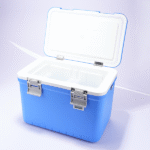
Kosten für Eisbox in 2026: Was den Preis bestimmt?
Kosten für die Eisbox In 2026 Ist nicht einfach der coolere Preis. Dabei handelt es sich um die Gesamtkosten, die entstehen, um Ihre Nutzlast innerhalb ihrer Temperaturgrenze zu halten, auch wenn der Transport chaotisch wird. Wenn Sie nur den Stückpreis vergleichen, Sie können „sparen“ $2 und viel mehr durch Verderb verlieren, reships, oder Rückbuchungen. Dieser Leitfaden hilft Ihnen, die Kosten einer Eisbox wie ein Betreiber zu modellieren, damit man absenken kann Kosten pro Sendung ohne auf Temperatursicherheit zu setzen.
Dieser Artikel wird für Sie antworten:
Was die Kühlbox wirklich kostet (und warum Käufer 30–50 % davon verpassen)
So werden die Kosten für die Eisbox pro Sendung berechnet mit einem einfachen, wiederholbares Modell
Wie das Maßgewicht die Kosten für die Eisbox in die Höhe treiben kann bevor Sie Kühlmittel hinzufügen
Wenn die Kosten für eine EPP-Eisbox im Vergleich zu EPS-Schaum sinnvoll sind für Ihre Fahrspur und Schadensrate
So können Sie die Verpackungskosten für Kühlboxen sicher senken unter Verwendung der richtigen Dimensionierung und der Disziplin beim Auspacken
Wenn die Kosten für wiederverwendbare Kühlboxen überwiegen (und wenn es leise verliert)
Was ist in den Kosten für die Kühlbox enthalten? 2026?
Direkte Antwort: Die Kosten für die Eisbox beinhalten den Behälter Plus Kühlmittel, Auspackmaterialien, Arbeit, Fracht, Compliance-Arbeit, und die Kosten von Ausfällen. Wenn man nur den Boxpreis zählt, Sie planen blind.
Die meisten Teams können die Kosten für Kühlboxen schneller senken, indem sie „versteckte Eimer“ reparieren, als indem sie nach billigerem Schaum suchen. Beginnen Sie mit der Auflistung der vollständigen Rechnung. Dann können Sie den richtigen Hebel wählen, statt des lautesten.
Der 8 Kosteneimer, aus denen sich die Kosten für die Eisbox zusammensetzen
| Eisbox-Kosteneimer | Wofür Sie bezahlen | Was erhöht es | Was es für Sie bedeutet |
| Container | EPS, EVP, Pu, VIP, Deckeldesign | Stärkere Abdichtung, längerer Halt | Höhere Stabilität, höhere Vorabausgaben |
| Kühlmittel | Gelpackungen, Wasserpackungen, PCM, Trockeneis | längere zeit, heißere Gassen | Mehr Sicherheit, mehr Gewicht und Platz |
| Verbrauchsmaterial | Liner, Band, Etiketten, Einsätze | komplexe Verpackung | Mehr Konsistenz, weitere Teile |
| Arbeit | Minuten pro Box + nacharbeiten | unklare SOP, Ausbildungslücken | Verstecktes Margenleck |
| Fracht | abgerechnetes Gewicht + Zuschläge | große Außengröße (Düster) | Oftmals der größte Kostentreiber |
| Misserfolge | Verderb, Credits, reships | schwaches Design, schlechte Verpackung | Der „stille Killer“ kostet |
| Reverse-Logistik | kehrt zurück, Reinigung, schrumpfen | schwache Rückschleife | Kann Wiederverwendungsvorteile löschen |
| Einhaltung | Dokumentation, Audits, Ausbildung | geregelte Fahrspuren | Reduziert Risiken und Ablehnungen |
Praxistipp, den Sie noch heute nutzen können
Wenn Ihre Frachtlinie größer ist als Ihre Verpackungslinie, DIM-Gewicht ist Ihr erster Hebel.
Wenn Ihre Ausfälle im Sommer zunehmen, Siegel + Liner + pack-out consistency ist Ihr erster Hebel.
Wenn Schadensersatzansprüche üblich sind, äußerer Schutz ist Ihr erster Hebel.
Muster aus der realen Welt: Viele Teams senken die Kosten für Kühlboxen um 8–15 %, indem sie die Passform und die Auspackdisziplin verbessern, nicht durch Herabstufung der Isolierung.
Was kostet eine Kühlbox? 2026 am meisten?
Direkte Antwort: Der größte Kostenfaktor für Kühlboxen ist der Leistungsbedarf (Haltezeit), Außenmaße (Fracht/DIM), Isolationsmaterial, Lebensdauer wiederverwenden, und Compliance-Anforderungen.
Stellen Sie sich Ihren Versender wie einen Wintermantel vor. Eine dickere Schicht kostet mehr, Aber die falsche Größe kann trotzdem kalt machen. In der Kühlkette, „Falsche Größe“ bedeutet oft verschwendeten Leerraum, höheres Kühlmittel, und höhere Fracht.
Die Spitze 5 Fahrer (Rang für die meisten Versender)
Frachtexposition (Außengröße + DIM-Abrechnung)
Haltezeitbedarf (24h vs. 96h ist kein kleiner Sprung)
Kühlmittelmasse und Platzierung (Gewohnheit vs. technisches Auspacken)
Material und Haltbarkeit (Risse, Feuchtigkeit, Deckel passt, Wendungen wiederverwenden)
Dokumentations- und Validierungsbedarf (insbesondere regulierte Güter)
Auswahl des Eisbox-Materials und Auswirkungen auf die Kosten der Eisbox
| Material | Kosten für die Eisbox im Voraus | Haltbarkeit | Isolationsniveau | Am besten für Sie, wenn… |
| EPS -Schaum | Niedrig | Niedrig–Mittel | Basic | Einmalgebrauch, Fahrspuren mit geringem Missbrauch |
| EVP | Medium | Hoch | Stark | Wiederholungssendungen, raues Handling |
| Pu (Polyurethan) | Mittel–Hoch | Medium | Stark | längere Haltezeiten bei mäßiger Wiederverwendung |
| VIP-basiert | Hoch | Medium | Ultrahoch | Lange Haltezeit auf engstem Raum, disziplinierter Umgang |
Käuferlogik: Das „beste“ Material ist dasjenige, das Ihre Zieltemperatur erreicht niedrigste Gesamtausgaben, nicht der niedrigste Stückpreis.
Wie erhöht das Volumengewicht die Kosten einer Eisbox??
Direkte Antwort: Das Maßgewicht kann die Kosten für Kühlboxen erhöhen, da die Spediteure oft danach abrechnen der größere Wert aus tatsächlichem Gewicht oder Volumengewicht. Ein etwas größerer Versender kann Ihre Frachtstufe schnell erhöhen.
Aus diesem Grund können zwei Kartons, die auf dem Papier „den gleichen Preis“ haben, sehr unterschiedliche Kühlboxkosten pro Sendung verursachen. Wenn Ihre Außenmaße wachsen, Ihre Frachtrechnung kann auch dann steigen, wenn der Karton leicht ist.
DIM-Gewicht-Schnellcheck (interaktiv)
Außen messen Länge × Breite × Höhe
Teilen Sie durch die Ihres Mobilfunkanbieters DIM-Teiler (variiert je nach Dienst und Region)
Vergleichen Sie das DIM-Gewicht mit dem tatsächlichen Gewicht
Sie zahlen die Fracht auf dem größere Zahl
Dimensionsgewicht = (L × B × H) ÷ DIM-Teiler
Abrechenbares Gewicht = max(Tatsächliches Gewicht, Dimensionsgewicht)
Warum sich dadurch die Kostenentscheidungen für Kühlboxen ändern
Eine dickere Wand kann den Kühlmittelbedarf verringern, es kann aber auch die Außenmaße vergrößern. Manchmal ist der beste Schritt nicht „Premium-Isolierung“. Es ist Den Versender richtig dimensionieren und Verbesserung der Packout-Geometrie.
Praktische Tipps und Empfehlungen
Bevor Sie die Isolierung wechseln: aktuelle und vorgeschlagene Außenmaße messen.
Reduzieren Sie zuerst den Leerraum: Leere Luft ist warme Luft, und es vergrößert sich auch.
Ecken schützen: Gequetschte Ecken verursachen oft sowohl Schäden als auch Wärmelecks.
Praxisbeispiel: Ein Bediener eines Essenspakets reduzierte die äußere Kartongröße und validierte erneut die gleiche Kühlmittelmasse. Die Verpackungskosten stiegen leicht an, Die Frachtkosten sanken jedoch ausreichend, um die Gesamtkosten für die Kühlbox zu senken.
Wie berechnen Sie die Kühlboxkosten pro Sendung??
Direkte Antwort: Die Kosten für die Eisbox pro Sendung entsprechen den Kosten für die Box pro Verwendung plus Kühlmittel, Verbrauchsmaterial, Arbeit, Fracht, und erwartete Ausfallkosten. Wenn wiederverwendbar, Rückwärtslogistik hinzufügen.
Dieses Modell hält alle auf dem Laufenden – die Finanzen, Beschaffung, und Operationen. Es verhindert auch „Billig-Box“-Entscheidungen, die eine Woche lang gut aussehen und später scheitern.
Einfache Kostenformel für Kühlboxen (kopieren/einfügen)
Kosten für die Eisbox pro Sendung =
(Boxkosten ÷ Erwartete Verwendungen) +
Kühlmittel +
Verbrauchsmaterial +
Arbeit +
Fracht +
Erwartete Ausfallkosten +
Rückwärtslogistik (wenn wiederverwendbar)
Mini-Beispiel (einfache Mathematik, echte Struktur)
| Eingang | Beispielwert | Warum ist es wichtig |
| Boxpreis | $60 | im Voraus ausgeben |
| Erwartete Verwendungszwecke | 60 | verwandelt sich in verwässerte Kosten |
| Boxkosten pro Nutzung | $1.00 | Echte Kosten pro Versandkarton |
| Kühlmittel | $2.50 | kann die Kartonkosten übersteigen |
| Arbeit + Verbrauchsmaterial | $1.20 | Nacharbeiten sind teuer |
| Fracht | $6.00 | oft die größte Zeile |
| Erwartete Ausfälle | $0.80 | kleiner Tarif, großes Geld |
| Gesamt | $11.50 | wahre Kühlboxkosten pro Sendung |
Aktualisieren Sie Ihre Metrik: „Kosten pro erfolgreicher Lieferung“
Wenn Sie Temperaturfehler haben, Fügen Sie einen weiteren KPI hinzu:
Echte Kühlboxkosten pro erfolgreicher Lieferung = Gesamtausgaben ÷ spezifikationsgerechte Lieferungen
Diese einzelne Zeile macht die Entscheidungsfindung sauberer. Es sorgt auch dafür, dass Qualität und Kosten nicht mehr miteinander konkurrieren.
Kosten für EPP-Eisbox im Vergleich zu EPS-Schaum: Welches passt zu Ihrer Spur??
Direkte Antwort: EPS gewinnt normalerweise beim Stückpreis. EPP gewinnt bei den Gesamtkosten oft, wenn der Schaden hoch ist oder eine Wiederverwendung realistisch ist.
EPS ist bei einmaligen Sendungen üblich. Es ist leicht und günstig. Aber es kann knacken, fit verlieren, und nehmen mit der Zeit Feuchtigkeit auf. EPP ist robuster und stabiler bei wiederholter Handhabung.
Übersichtliche Vergleichstabelle
| Faktor | EPS -Schaum | EVP | Ihr praktischer Imbiss |
| Kosten für die Eisbox im Voraus | Am niedrigsten | Medium | EPS sieht an der Kasse günstiger aus |
| Wiederverwendungspotenzial | Niedrig | Hoch | EPP kann die Kosten pro Sendung verringern |
| Schadensrisiko | Höher | Niedrig | EPP reduziert Ersatz und Ansprüche |
| Reinigbarkeit | Schwach | Besser | Angelegenheiten für Wiederverwendungsprogramme |
| Beste Verwendung | Einmalgebrauch, einfache Bahnen | Wiederholungsspuren, raues Handling | Wählen Sie basierend auf der Spurrealität |
Praktische Tipps und Empfehlungen
Wenn Sie Meeresfrüchte versenden: Kontrollieren Sie zunächst Lecks und Feuchtigkeit, Vergleichen Sie dann die Materialien.
Wenn Ihre Schadensrate hoch ist: Verstärken Sie den äußeren Schutz, bevor Sie die Isolierung verbessern.
Wenn Sie eine Wiederverwendung wünschen: Beginnen Sie mit einer vorhersehbaren Spur und messen Sie echte Kurven.
Wirklicher Fall: Ein Händler ist von Einweg-EPP auf wiederverwendbares EPP umgestiegen. Stückpreis erhöht, Die jährlichen Verpackungsausgaben gingen jedoch zurück, da die Wiederverwendung den Ersatzbedarf reduzierte.
Wie können Sie die Kosten für Kühlboxen senken, ohne die Temperatur zu gefährden??
Direkte Antwort: Sie reduzieren die Kosten für die Kühlbox, indem Sie überschüssigen Leerraum beseitigen, inkonsistente Ausfüllung, und übergroßer Fracht – bevor Sie den Schutz entfernen.
Die sichersten Einsparungen ergeben sich aus Disziplin, kein Wunschdenken. Wann das Auspacken variiert, ist von Person zu Person unterschiedlich, Du bezahlst es später.
Die schnellsten Einsparungen: Richtige Dimensionierung und Hohlraumkontrolle
Eine zu große Box zwingt Sie dazu, zusätzlichen Kältestrom zu kaufen. Es erhöht auch die DIM-Belastung. Durch die richtige Dimensionierung werden die Kosten für Kühlboxen häufig doppelt gesenkt: Behälterausgaben und Frachtkosten.
Faustregel: Achten Sie auf eine gute Passform mit minimalem Kopfraum. Verwenden Sie Einsätze, um den Hohlraum zu kontrollieren, anstatt „nur für den Fall“ zusätzliches Gel hinzuzufügen.
Liner und Dichtung: Der leise Eisbox-Kostenhebel
Zwei Boxen mit gleicher Wandstärke können unterschiedliche Leistungen erbringen. Deckel passt, Liner-Dichtung, und Kondensationskontrolle können über Ihre Erfolgsquote entscheiden.
Wenn Sie unordentliche Verpackungen oder nasse Ecken sehen, Ihre Verpackungskosten für Kühlboxen steigen durch Nacharbeit und Ausfälle.
Hilfreiche Entscheidungshilfen
Überprüfen Sie die Details, bevor Sie sich für die Verpackung entscheiden
Mit diesen schnellen Tools können Sie das Routenrisiko vergleichen, Größenanforderungen, Kühlmittelauswahl, und Verpackungsdetails, bevor Sie ein Angebot anfordern.
Kühlmittel & PCM-Referenz
Vergleichen Sie Kühlmittel- und PCM-Optionen, wenn eine Route zusätzliche Temperaturunterstützung benötigt.
Vergleichen Sie OptionenRoutenrisiko-Prüfer
Überprüfen Sie die Fahrspurbedingungen, bevor Sie die Verpackung entsprechend den tatsächlichen Betriebsanforderungen auswählen.
Routenrisiko prüfenFallfestigkeit des Isolationsmaterials
Überprüfen Sie die Fallfestigkeit und die Handhabungsfaktoren, bevor Sie Isoliermaterialien auswählen.
Widerstand prüfenCheckliste zum Auspacken (Drucken Sie dies aus)
Fit: minimaler Kopfraum, stabile Nutzlastposition
Siegel: Deckel schließt sauber, Liner vollständig geschlossen
Platzierung: Kühlmittel dort, wo es funktioniert, nicht dort, wo es bequem ist
Etikett: klare Handhabungs- und Temperaturabsicht
Praktische Tipps und Empfehlungen
Wenn Sendungen warm ankommen: Verbessern Sie die Dichtung und den Liner, bevor Sie weitere hinzufügen Gelpackungen.
Wenn Sendungen beschädigt ankommen: Fügen Sie zunächst einen Umkarton oder eine Eckstärke hinzu.
Wenn das Packen langsam ist: Vereinfachen Sie die SOP und fügen Sie fotobasierte Arbeitsanweisungen hinzu.
Operative Wahrheit: Konsistenz reduziert Ausfälle stärker als Premium-Materialien.
Wann sind die Kosten einer wiederverwendbaren Eisbox höher als die einer Einweg-Eisbox??
Direkte Antwort: Die Kosten für wiederverwendbare Eisboxen pro Fahrt sind nur dann geringer, wenn Ihr Rückweg funktioniert. Ohne verlässliche Rendite, Wiederverwendung wird zur teuersten Option.
Wiederverwendung ist ein System, kein Produkt. Wenn Sie Container nicht wiederherstellen können, Sie kaufen „Premium-Einwegartikel“.
Kostenmodell für schnelle wiederverwendbare Eisboxen
Wiederverwendbare Kosten pro Reise =
(Containerpreis ÷ Erwartete Fahrten) +
Rückversand +
Reinigungsarbeiten +
Schrumpfungs-/Verlustzulage
„Realitätscheck“ Kaufen vs. Wiederverwenden (interaktiv)
Antworten Sie mit Ja/Nein:
Kannst du dich erholen? 80%+ von Containern innerhalb eines definierten Fensters?
Haben Sie eine Reinigungs-SOP? (und einen Ort, wo man es tun kann)?
Sind Spuren wiederholbar? (dieselben Kunden, gleiche Strecken)?
Können Sie Vermögenswerte verfolgen? (Barcode/QR reicht aus)?
Ist der Produktwert hoch genug, um eine strengere Kontrolle zu rechtfertigen??
Wenn Sie die Fragen 4–5 mit „Ja“ beantwortet haben: Die Kosten für wiederverwendbare Eisboxen verbessern sich oft.
Wenn Sie die Frage 0–2 mit „Ja“ beantwortet haben: Der Einmalgebrauch kann sicherer und billiger sein.
Praktische Tipps für eine funktionierende Rücklaufschleife
Beginnen Sie mit eine Spur und prüfen Sie die Drehungen vor dem Skalieren.
Machen Sie Rücksendungen einfach: klare Anweisungen und Verpackung für das leere Gerät.
Verfolgen Sie Behälter leicht, aber konsequent, um Schrumpfung zu reduzieren.
So fordern Sie Angebote an, die die Kosten für die Kühlbox senken?
Direkte Antwort: Sie erzielen günstigere Kühlbox-Kosten, wenn Sie Angebote mit Leistungsspezifikationen anfordern, keine vagen Boxbeschreibungen.
Wenn die Spezifikationen unklar sind, Anbieter überbauen, um Risiken zu vermeiden. Sie zahlen für diesen Überbau. Eine saubere Ausschreibung macht Angebote vergleichbar und Verhandlungen real.
RFQ-Checkliste (Verwenden Sie dies genau)
Größe und Gewicht der Nutzlast
Zieltemperaturbereich (gekühlt vs. gefroren)
Erforderliche Haltezeit (typisch + Worst-Case)
Lieferstil (Haustür vs. Dock)
Im schlimmsten Fall Umgebungsexposition (saisonal)
Bevorzugtes Kältemittel (Gel, Wasser, PCM, Trockeneis)
Schadensquote heute (Eine grobe Schätzung ist in Ordnung)
Monatliches Volumen und Volumen in der Hauptsaison
Branding-Bedürfnisse (Etiketten, Einsätze, Drucken)
Sichere Verhandlungshebel
Standardisierung: Weniger SKUs senken in der Regel die Stück- und Arbeitskosten.
Prognosen: Selbst kleine Verpflichtungen verbessern die Preise und die Lieferzeit.
Vereinfachung: Weniger Komponenten reduzieren Fehler und Nacharbeit.
Praktische Tipps zur Vermeidung überraschender Kosten
Fragen Sie nach Mindestbestellmenge und Lieferzeit.
Erkundigen Sie sich nach der Lagerfläche, wenn Sie viele Versandkartongrößen transportieren.
Fragen Sie, wie Validierungsdaten für Ihre Fahrspurbedingungen bereitgestellt werden.
2026 Kostentrends für Kühlboxen, die Sie im Auge behalten sollten
Trendübersicht: In 2026, Die Kosten für Kühlboxen verlagern sich vom Stückpreis zum Systempreis. Käufer messen zunehmend die Kosten pro Sendung, Kosten pro erfolgreicher Lieferung, und Abfallauswirkungen.
Auch Verpackungen, die sich einfach und richtig verpacken lassen, werden stärker nachgefragt. Konstruktionen, die menschliches Versagen reduzieren, verringern oft die Schadensansprüche und senken die jährlichen Kosten für die Kühlbox.
Aktuelle Entwicklungen zum Anschauen
Weitere Programme mit der richtigen Größe: weniger Größen, besser passen, geringeres Frachtrisiko
Weitere Wiederverwendungspiloten: Wiederholungsspuren fördern die Akzeptanz, aber Schwundkontrolle ist wichtig
Mehr Leistungsbeweis: Spurprüfung und -dokumentation werden zum Standard
Mehr Abfalldruck: Die Auswahl von Recycling- und Mehrwegprodukten beeinflusst Beschaffungsentscheidungen
Markteinblicke, die Sie nutzen können
Wenn Ihre Marke um Qualität konkurriert, Die Verpackung wird Teil des Produkterlebnisses. In dieser Welt, Stabile Leistung ist kein Luxus. Es ist die günstigste langfristige Strategie.
Häufig gestellte Fragen
Q1: Was ist der größte Kostentreiber für Kühlboxen??
Für viele Paketversender, Fracht ist der größte Treiber, insbesondere wenn das DIM-Gewicht das tatsächliche Gewicht übersteigt. Die richtige Dimensionierung ist oft der schnellste Erfolg.
Q2: Ist eine billige Eisbox immer besser für die Kosten der Eisbox??
NEIN. Wenn es zu Ausfällen oder erneuten Lieferungen kommt, Die Gesamtkosten für die Kühlbox steigen schnell. Billige Kartons können nach einer schlechten Woche teuer sein.
Q3: Sind die Kosten für EPP-Kühlboxen immer höher als für EPS??
Im Voraus, oft ja. Im Laufe der Zeit, EPP kann günstiger sein, wenn der Schaden hoch ist oder eine Wiederverwendung sinnvoll ist.
Q4: Kann ich die Kosten für die Kühlbox senken, indem ich weniger Gel-Packs verwende??
Ja, aber erst, nachdem Sie Ihre Fitness verbessert haben, Siegel, und Auspackkonsistenz. Das vorherige Entfernen des Gels kann den Verderb erhöhen.
Q5: Reduziert eine größere Box die Kosten für die Eisbox??
Normalerweise nein. Größere Kartons vergrößern den Leerraum, Kühlmittelbedarf, und Frachtexposition. Die richtige Dimensionierung senkt häufig die Kosten für die Kühlbox.
Q6: Wann sind die Kosten für wiederverwendbare Kühlboxen sinnvoll??
Wenn Sie Wiederholungsspuren haben, zuverlässige Renditen, kontrollierte Reinigung, und genug Windungen, um den Containerpreis zu verwässern.
Q7: Wie oft sollte ich die Kosten für die Eisbox überprüfen??
Vierteljährlich überprüfen, und noch einmal vor der Hauptsaison. Bahnbedingungen und -volumen ändern sich schneller, als die meisten Teams erwarten.
F8: Was muss ich dokumentieren, um die Kosten für die Kühlbox zu kontrollieren??
Schritte zum Auspacken dokumentieren, Platzierung des Kältemittels, saisonale Anpassungen, und alle Ergebnisse des Spurtests. Konsistenz schützt die Kosten.
Zusammenfassung und Empfehlungen
Kosten für die Eisbox 2026 ist eine Systemnummer, keine Katalognummer. Die schnellsten Einsparungen ergeben sich normalerweise durch die richtige Dimensionierung, Reduzierung der DIM-Exposition, Verbesserung der Dichtungs- und Linerleistung, und Standardisierung der Auspackschritte. Materialverbesserungen helfen am meisten, wenn sie Ausfälle reduzieren, Schaden, oder Arbeit. Wenn Sie über eine Wiederverwendung nachdenken, Vergleichen Sie die Kosten für wiederverwendbare Eisboxen pro Reise mit den Kosten für Einweg-Eisboxen pro Sendung mit einer realistischen Schrumpfungsrate.
Ihr nächster Schritt (CTA)
Wähle dein Oberteil 3 Fahrspuren und machen Sie diesen einfachen Plan:
Außenmaße messen und Frachtbelastung abschätzen.
Standardisieren Sie ein Auspacken pro Bahn und Saison.
Richtige Größe zur Reduzierung des Kopfraums und der Kühlmittelverschwendung.
Erneutes Angebot anhand von Leistungsspezifikationen in zwei Stufen (ausgewogen + Prämie).
Verfolgen Sie Fehler und Kosten pro erfolgreicher Lieferung 30 Tage.
Über Tempk
Und Tempk, Wir konzentrieren uns darauf, die Kosten für Kühlboxen durch Verbesserungen zu senken Kosten pro erfolgreicher Lieferung, nicht nur die Stückpreise senken. Wir unterstützen die richtige Dimensionierung, dauerhafte Isolierungsmöglichkeiten, pack-out consistency, and practical lane validation so your Kühlkette stays stable through real-world handling.
Nächster Schritt: Teilen Sie Ihr Top 3 Gassen (Zeit, Nutzlast, Lieferart, Worst-Case-Saison), und wir können Ihnen bei der Strukturierung einer zweistufigen Verpackungsspezifikation helfen, die die Kosten für Kühlboxen sicher senkt.