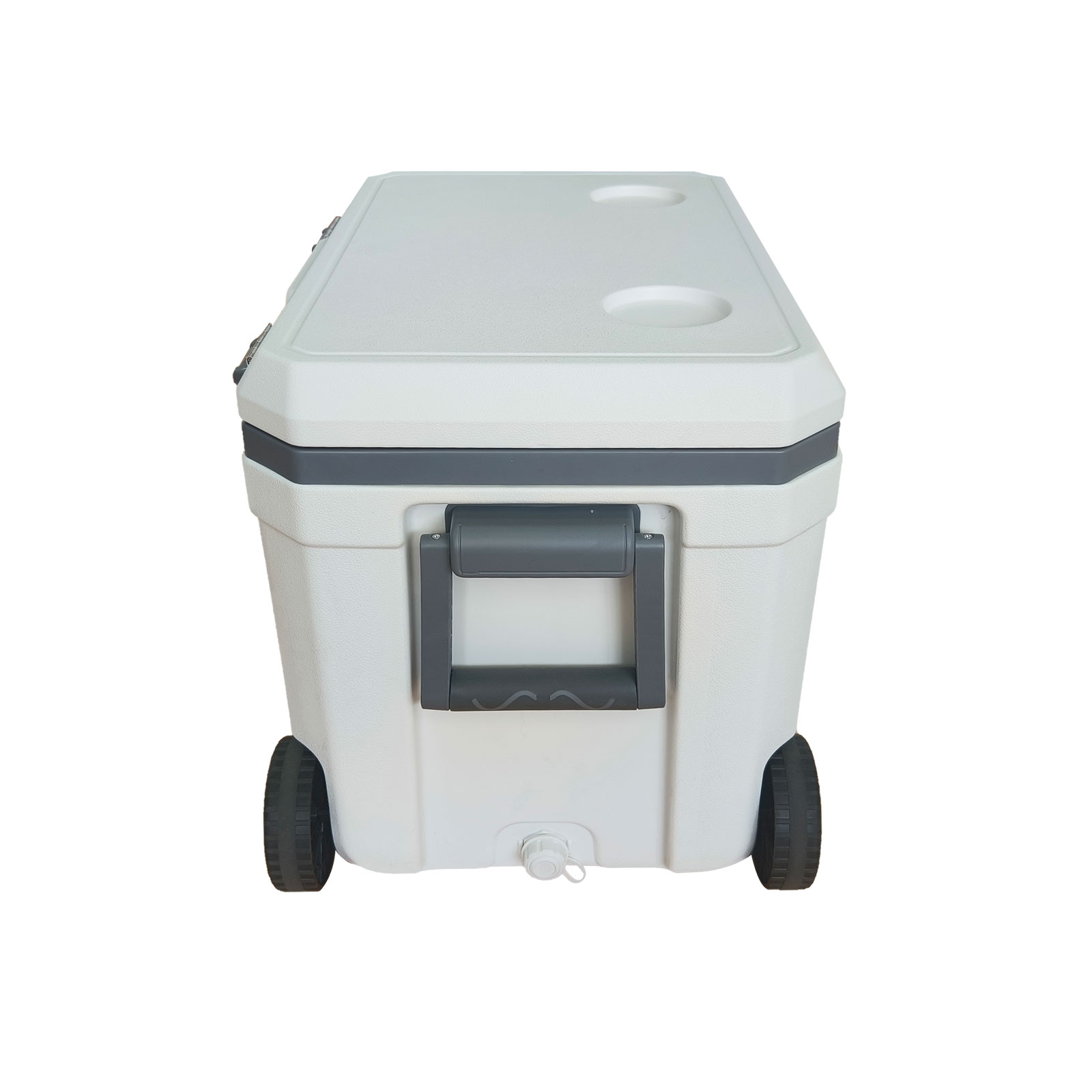
Industrieller Kunststoffbox-Großhandel für Fleischdesign: Ein praktischer Kaufratgeber
Eine Industrie Plastikbox im Großhandel für Fleischdesign sollte Ihrem Team dabei helfen, Waren mit weniger Unsicherheit durch Fleischdesign zu transportieren, nicht einfach einen weiteren Container zum Lager hinzufügen. Die richtige Entscheidung beginnt damit, zu definieren, wofür die Kunststoffeinheit verantwortlich ist und wofür nicht. Es kann die Handhabung verbessern, Abgrenzung, Stapelung, Retourenlogistik, oder Hygiene. Es kann einen temperaturgesteuerten Arbeitsablauf unterstützen. Aber wenn die Ware ein definiertes Sortiment erfordert, Der Container muss als Teil eines vollständigen Systems bewertet werden, das die Route umfasst, Nutzlast, Isolierung oder Kühlmittel, falls verwendet, Überwachung, und eine Bewertung erhalten.
Definieren Sie die Nutzungsgrenzen, bevor Sie nach dem Preis fragen
Eine für die Fleischgestaltung verwendete Kunststoffbox sollte nach ihrer Funktion spezifiziert werden, nicht nur dem Namen nach. In einem Projekt kann es sich um eine saubere Außenhandhabungseinheit handeln. In einem anderen Fall kann es Teil einer passiven Wärmeverpackung mit Isolierung sein, Kühlmittel, Dunnage, Etiketten, und ein Überwachungsgerät. Die Unterscheidung ist wichtig, weil eine geformte Kunststoffschale Ordnung schaffen kann, schützen, Stapel, Nest, oder Waren belüften, aber es allein beweist nicht die Temperaturkontrolle. Für Fleischverarbeiter, Kühlraummanager, Einkäufer im Bereich Lebensmittellogistik, und Großhandelsverpackungsteams, Der sicherste Ausgangspunkt besteht darin, den Produktzustand aufzuschreiben, Route, Übergabesequenz, und Abnahmenachweise vor dem Vergleich der Katalogbeschreibungen.
Eine klare Nutzungsgrenze lässt sich in wenigen Zeilen formulieren. Es sollte erklärt werden, um welche Waren es sich handelt, ob der Behälter direkt mit dem Produkt in Kontakt kommt oder nur die versiegelte Verpackung, wo das Gerät gelagert wird, wie es geladen wird, und was passiert nach der Geburt. Für Fleischdesign, In dieser Grenze sollte auch die Reinigung erwähnt werden, Beschriftung, zurückkehren, und alle Temperatur- oder Dokumentationsanforderungen. Ohne es, Ein Lieferant bietet möglicherweise einen Container an, der technisch gut, aber betrieblich falsch ist.
Die Grenze hilft auch Ihrem eigenen Team. Der Einkauf sieht Kosten und Vorlaufzeit. Bei Operations geht es um Handhabungsgeschwindigkeit und Platzbedarf. Qualität sieht Beweise und Risiken. Im Finanzbereich werden die Lebensdauer und die Renditekosten der Vermögenswerte berücksichtigt. Wenn alle Teams dieselbe Grenze verwenden, Die Diskussion wird sachlicher. Wenn nicht, Ein Team kann eine Funktion genehmigen, die einem anderen Team Probleme bereitet.
Trennen Sie den Handhabungswert von der Temperaturbeständigkeit
Bei der Fleischlogistik kommt es häufig auf eine strikte Kühlhaltung und eine schnelle Übergabe an. UNS. Richtlinien zur Lebensmittelsicherheit behandeln die Kontrolle kalter Lebensmittel üblicherweise bei etwa 5 °C oder 41 °F, während viele Unternehmen ihre eigenen strengeren Produkt- und Qualitätsspezifikationen festlegen. Aus diesem Grund sollten Käufer vermeiden, den Begriff „temperaturgesteuert“ zu verwenden, Thermal-, isoliert, entlüftet, oder stapelbar als Leistungsnachweis. Der eigentliche Beweis stammt aus dem gesamten System: die Behältergeometrie, jegliche Isolierung oder Kühlmittel, die Konditionierungsmethode, die Nutzlast, die Umgebungseinwirkung, die Streckendauer, und die Akzeptanzkriterien. Für Lebensmittelprogramme, Hygienezustand, schriftliche Verfahren, Vorkühlung bei Bedarf, und der Nachweis der Temperaturkontrolle kann genauso wichtig sein wie die Behälterform. Die Wahl des Behälters sollte den Lebensmittelsicherheitsplan unterstützen und nicht außen vor bleiben.
Diese Trennung ist der Kern einer guten Kaufentscheidung. Ein stapelbarer Behälter kann die Stabilität der Palette verbessern. Ein belüfteter Behälter kann die Luftzirkulation oder das Trocknen unterstützen. Eine zusammenklappbare oder faltbare Einheit kann das Leerrücklaufvolumen reduzieren. Eine Thermotasche kann die Wärmeübertragung verlangsamen, wenn sie mit einer geeigneten Isolierung ausgestattet ist. Das sind echte Vorteile, Sie sind jedoch nicht dasselbe wie der Nachweis, dass die Waren innerhalb eines genehmigten Bereichs geblieben sind.
Wenn es sich bei dem Projekt um temperaturempfindliche Güter handelt, Notieren Sie, welche Komponente die Temperaturverantwortung trägt. Ist es ein gekühlter Raum?, ein Fahrzeug, ein Isolierter Versender, Kühlmittel, zu PCM, Trockeneis, eine Palettenabdeckung, oder eine validierte Verpackung? Wird zum Nachweis ein Datenlogger eingesetzt, oder es wird bei Versand und Empfang eine Temperaturkontrolle durchgeführt? Wer überprüft eine Abweichung?? Diese Fragen machen die Containerspezifikation sicherer, da sie weitreichende Annahmen verhindern.
Designdetails, die bei der täglichen Arbeit wichtig sind
Die häufigsten Ausfälle sind in der Regel eher betrieblicher als dramatischer Natur. Die Kunststoffbox ist zwar stabil genug, aber umständlich zu reinigen. Es kann sich im Lager stapeln, wird aber bei Nässe instabil, ungleichmäßig belastet, oder von einem eiligen Hafenteam abgewickelt werden. Es kann sein, dass auf einer trockenen Probe ein Etikett verbleibt, die Rückverfolgbarkeit jedoch nach der Kondensation verloren geht. Im Fleischdesign, Das Hauptrisikoprofil umfasst Temperaturmissbrauch, Tropfenleckage, Geruchsübertragung, Sanitärmängel, zerdrückte Kartons, und langsames Laden am Dock. Eine gute Spezifikation verwandelt diese Risiken in sichtbare Kontrollen: wohin Etiketten gehen, wie der Deckel schließt, wie das Gerät entleert wird, wie Leergut zurückkommt, und was das Empfangsteam prüfen muss, bevor die Ware angenommen wird.
Der tägliche Umgang verrät mehr als ein Beispielfoto. Ein Behälter, der effizient aussieht, kann die Linie verlangsamen, wenn die Griffe mit Handschuhen umständlich sind. Ein Deckel lässt sich gut schließen, wenn er leer ist, verschiebt sich jedoch, wenn das Gerät voll ist. Lüftungsöffnungen können die Luftzirkulation unterstützen, verursachen jedoch Bedenken hinsichtlich der Reinigung oder der Aufbewahrung von Gegenständen. Ein stapelbarer Rand funktioniert möglicherweise in einem trockenen Lagerhaus, wird jedoch bei Kondensation instabil, beschädigte Paletten, oder es kommt zu Mischbeladungen. Diese Details sind der Grund, warum Pilottests den realen Arbeitsablauf verwenden sollten.
Für Fleischdesign, Achten Sie besonders auf Oberflächen und Zustandskontrolle. Kann das Personal sehen, ob die Einheit sauber ist?, schmutzig, beschädigt, geladen, leer, freigegeben, oder unter Quarantäne gestellt? Können Etiketten der Umwelt standhalten?? Kann das Empfangsteam den Inhalt identifizieren, ohne das Gerät unnötig öffnen zu müssen?? Diese Fragen sind klein, aber sie beeinflussen die Produktqualität, Arbeitsgeschwindigkeit, und Annahmeentscheidungen.
Eine Käufer-Checkliste für die Mustergenehmigung
| Vor der Genehmigung, bestätigen | Akzeptable Beweise oder Maßnahmen | Entscheidungswert |
|---|---|---|
| Containerrolle | Von der Beschaffung genehmigte Verwendungserklärung, Operationen, und Qualität | Hindert das Team daran, einen Umschlagcontainer als thermisches System zu behandeln |
| Produkt und Route passen | Nutzlast, Route, Belichtung, Lagerzustand, und erhaltene Schecks werden verbucht | Hält Lieferantenempfehlungen relevant |
| Reinigbarkeit und Wiederverwendung | Reinigungsmethode, Trocknen, Inspektion, und die Entfernung beschädigter Einheiten sind definiert | Unterstützt Hygiene und Vermögenskontrolle |
| Temperaturverantwortung | Isolierung, Kühlmittel, Kühlung, Überwachung, oder Raumsteuerungen sind eindeutig zugeordnet | Verhindert nicht unterstützte Temperaturversprechen |
| Lieferantenkontrolle | Proben-ID, Zeichnungen, Materialnotizen, und Änderungskommunikation werden erfasst | Schützt Großbestellungen vor stillschweigenden Änderungen |
Verwenden Sie diese Checkliste, um die Genehmigungsdatei ehrlich zu halten. Es ist nicht erforderlich, dass jeder Lieferant ein umfangreiches technisches Dossier erstellt, Es ist jedoch erforderlich, dass das Team aufzeichnet, was bestätigt wird, was angenommen wird, und was noch getestet werden muss. Diese Aufzeichnung wird wichtig, wenn die erste Probe gut aussieht, die Massenverwendung jedoch ein Problem aufdeckt.
Lieferantenbewertung über das Angebot hinaus
Ein ernsthaftes Großhandelsgespräch sollte über den Preis hinausgehen, Farbe, und Nenngröße. Fragen Sie, ob die Zeichnungsrevision mit dem Muster übereinstimmt, das Sie erhalten haben. Fragen Sie den Lieferanten, wie hoch das Bruttoinnenvolumen im Vergleich zum nutzbaren Nutzlastraum ist. Fragen Sie, wie sich die Plastikbox nach der Reinigung verhält, Verschachtelung, falten, Stapelung, oder wiederholte Handhabung. Wenn der Temperaturnachweis Teil des Projekts ist, Fragen Sie nach, ob die angegebene Leistung auf der gleichen Nutzlast basiert, Kühlmittelkonfiguration, Umgebungsprofil, und Akzeptanzgrenzen, die Sie verwenden möchten. Ein Lieferant, der diese Grenzen klar erläutern kann, ist in der Regel sicherer als einer, der umfassende Versprechungen ohne Überprüfungspfad macht.
Die Lieferantenbewertung sollte die Antwortqualität umfassen. Ein nützlicher Lieferant wird klärende Fragen stellen und Einschränkungen erläutern. Ein riskanter Lieferant kann jedem Antrag mit dem gleichen Wortlaut zustimmen. Für die Kühlkette, Essen, medizinisch, Labor, Impfstoff, und biotechnologische Anwendungen, Einschränkungen sind keine Schwäche. Sie zeigen, dass der Lieferant den Unterschied zwischen a Kunststoffbehälter, ein isoliertes System, ein Transportvorgang, und eine Qualitätsbilanz.
Fragen Sie bei Bedarf, wie der Lieferant die Anpassung unterstützt. Benutzerdefinierte Farbe, Logo, Beschriftungszonen, Trenner, Deckel, Liner, Lüftungsmuster, oder Verpackungsbeilagen können den Arbeitsablauf unterstützen, aber jede Änderung sollte mit der genehmigten Nutzung verbunden bleiben. Eine benutzerdefinierte Funktion, die attraktiv aussieht, kann die Reinigung erschweren, Nutzvolumen reduzieren, oder beim Stapeln stören. Die beste Individualisierung verbessert die Route, statt das Produkt zu verschönern.
Hilfreiche Entscheidungshilfen
Überprüfen Sie die Details, bevor Sie sich für die Verpackung entscheiden
Mit diesen schnellen Tools können Sie das Routenrisiko vergleichen, Größenanforderungen, Kühlmittelauswahl, und Verpackungsdetails, bevor Sie ein Angebot anfordern.
Routenrisiko-Prüfer
Überprüfen Sie die Fahrspurbedingungen, bevor Sie die Verpackung entsprechend den tatsächlichen Betriebsanforderungen auswählen.
Routenrisiko prüfenFallfestigkeit des Isolationsmaterials
Überprüfen Sie die Fallfestigkeit und die Handhabungsfaktoren, bevor Sie Isoliermaterialien auswählen.
Widerstand prüfenTrockeneisrechner
Schätzen Sie vor dem Verpacken den Bedarf an Trockeneis für gefrorene oder ultrakalte Sendungen.
Schätzen Sie TrockeneisFühren Sie vor der Skalierung einen vollständigen Pilotzyklus durch
Zum Beispiel, Stellen Sie sich einen Käufer vor, der eine industrielle Kunststoffbox vor einer größeren Markteinführung testet. Das erste Muster sieht auf einem Konferenztisch akzeptabel aus, aber die eigentliche Frage taucht während des Pilotfilms auf: Kann das Team es mit normaler Geschwindigkeit laden?, Lesen Sie nach der Kondensation das Etikett, Reinigen Sie es ohne Rückstände, Stapeln Sie es sicher bei der schwersten zu erwartenden Last, und bestätigen Sie, dass die gleiche Revision nach der Genehmigung bereitgestellt wird? Dieser praktische Pilot muss nicht für jedes Projekt zu einem komplizierten Laborprogramm werden, Es sollte jedoch die härtesten normalen Handhabungsbedingungen reproduzieren. Das Ergebnis ist eine Entscheidung, die auf der betrieblichen Eignung basiert, kein Vertrauen in die Broschüre.
Ein nützlicher Pilot muss nicht groß sein. Es muss realistisch sein. Beziehen Sie auch die Person mit ein, die die Ware verlädt, die Person, die sie empfängt, die Person, die den Behälter reinigt oder zurückgibt, und die Person, die die Dokumentation genehmigt. Lassen Sie das Gerät in der erwarteten Reihenfolge laufen: Lagerung, Laden, Beschriftung, Inszenierung, überweisen, Empfang, Entleerung, Reinigung, Inspektion, und zurück. Notieren Sie, wo sich der Prozess langsam anfühlt, riskant, oder unklar.
Wenn die Temperatur Teil des Anspruchs ist, Verlassen Sie sich nicht auf ein generisches Ergebnis. Passen Sie den Piloten an die vorgesehene Nutzlast an, Streckenbelichtung, Kühlmittel- oder Isolationskonfiguration, und Akzeptanzkriterien. Wenn Sie die genaue Spur noch nicht testen können, Betrachten Sie das Ergebnis als vorläufig und vermeiden Sie es, es als endgültige Garantie aufzuschreiben. Diese vorsichtige Formulierung schützt sowohl den Käufer als auch den Lieferanten.
Kostenkontrolle ohne Schwächung des Schutzes
Der billigste Behälter kann teuer werden, wenn er Ausschussware verursacht, zusätzliche Reinigung, kaputte Stapel, verlorene Etiketten, oder Ersatzbeschaffungen. Auch das teuerste Gerät kann falsch sein, wenn es ein Problem löst, das Sie nicht haben. Bei einer praktischen Kostenüberprüfung sollte der Gesamtwert des Arbeitsablaufs verglichen werden: Handhabungsgeschwindigkeit, Renditeeffizienz, Schadensreduzierung, Reinigungsaufwand, Stauraum, Dokumentationsbereitschaft, und Lieferantenkonsistenz.
Für Großeinkäufe, Bedenken Sie auch, wie sich das Design auf das Training auswirkt. Wenn Arbeiter spezielle Anweisungen zum Falten benötigen, Nest, sauber, oder verriegeln Sie das Gerät, Die SOP sollte einfach und sichtbar sein. Wenn der Container standortübergreifend verwendet wird, Das Design sollte konsistent genug sein, um standortweise Problemumgehungen zu vermeiden. Bei der Kostenkontrolle geht es nicht nur um den Stückpreis. Es ist die Fähigkeit, jeden Tag denselben sicheren Vorgang zu wiederholen.
Wann sollte das gewählte Design überdacht werden?
Überdenken Sie das Design, wenn der Pilot wiederholt Schäden am Etikett aufweist, schwierige Reinigung, instabiles Stapeln, schlechte Leerrücklaufkontrolle, Verwechslung zwischen sauberen und schmutzigen Einheiten, oder Unsicherheit über die Temperaturrolle. Diese Probleme bessern sich selten im großen Maßstab. Sie werden normalerweise umso sichtbarer, je mehr Personen anwesend sind, Routen, und Belastungen beteiligt sind.
Überdenken Sie das Design auch, wenn der Lieferant die Konsistenz zwischen Muster und Produktion nicht erklären kann. Wenn die erste Bestellung nach Freigabe mit unterschiedlichen Verschlüssen eintrifft, Oberflächen, Abmessungen, oder materielles Verhalten, Ihr Team muss möglicherweise einen Teil der Überprüfung wiederholen. Eine bessere Einkaufsvereinbarung definiert, wie Änderungen kommuniziert werden, bevor Produktionsänderungen Ihr Lager erreichen.
FAQ
Was ist der erste Schritt bei der Auswahl dieses Containertyps??
Definieren Sie die Nutzungsgrenze. Sagen Sie, um welche Ware es sich handelt, wie sie verpackt sind, wohin der Container reist, wie es gereinigt wird, und welche Beweise benötigt werden. Dieser Schritt verhindert eine Verwechslung zwischen einem Handhabungscontainer, ein isolierter Versender, und ein qualifiziertes Temperaturkontrollsystem.
Kann ich denselben Kunststoffbehälter für mehrere Abteilungen verwenden??
Manchmal, aber erst nach Überprüfung der Unterschiede in der Nutzlast, Reinigung, Beschriftung, Temperaturanforderung, und Inspektionsprozess. Ein Design, das für versiegelte Umgebungsgüter geeignet ist, funktioniert möglicherweise nicht für gekühlte Waren, medizinisch, Labor, oder Lebensmittel. Die gemeinsame Nutzung sollte je nach Szenario genehmigt werden, nicht vom Aussehen des Produkts abhängig.
Was sollte ich einen Lieferanten vor einer Großbestellung fragen??
Fragen Sie nach den Grenzwerten für den vorgesehenen Gebrauch, Abmessungen, wesentliche Informationen, Reinigungsanleitung, Musterrevision, Anpassungsmöglichkeiten, und alle streckenrelevanten Testinformationen. Wenn der Behälter Teil eines temperaturempfindlichen Arbeitsablaufs ist, Fragen Sie, welche Beweise das Packout stützen und was Ihr Team noch überprüfen muss.
Wie vermeide ich den Überkauf von Funktionen??
Beginnen Sie mit dem Fehler, den Sie verhindern müssen. Wenn das Problem leer ist, geben Sie das Volumen zurück, Die Zusammenklappbarkeit kann eine Rolle spielen. Wenn das Problem im Luftstrom liegt, Entlüften kann wichtig sein. Wenn das Problem in der Temperatureinwirkung liegt, Das gesamte thermische System ist wichtig. Kaufen Sie keine Funktionen, weil sie fortschrittlich klingen; Kaufen Sie Kontrollen, die das tatsächliche Routenrisiko berücksichtigen.
Wann sollte ein Qualitätsteam beteiligt sein??
Beziehen Sie die Qualität vor der Musterfreigabe mit ein, wenn Waren temperaturempfindlich sind, reguliert, importiert, exportiert, Lebensmittelbezogen, medizinisch, Labor, Impfstoff, oder Biotech. Qualitätseingaben helfen bei der Definition der Dokumentation, Reinigung, Abweichungsbehandlung, und Akzeptanzkriterien, bevor die Kaufentscheidung schwer zu ändern ist.
Abschluss
Eine industrielle Kunststoffbox im Großhandel für Fleischdesign ist eine gute Wahl, wenn sie zum Ziel passt, nicht nur das Zitat. Definieren Sie die Nutzungsgrenze, Trennen Sie den Handhabungswert von der Temperaturbeständigkeit, Überprüfen Sie die Reinigungsfähigkeit und die Eignung des Arbeitsablaufs, und Lieferantennachweise vor der Skalierung aufzeichnen. Das Ergebnis ist eine Containerentscheidung, die der Einkauf kaufen kann, Operationen verwenden können, und Qualität können genehmigen, ohne sich auf unbegründete Behauptungen verlassen zu müssen.
Über Tempk
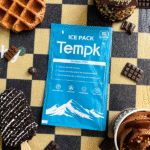
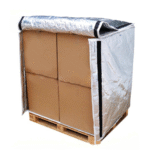
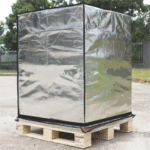
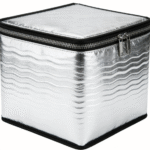
Tempk unterstützt B2B-Kühlkettenkäufer mit Verpackungsoptionen, darunter: Eisbeutel, Trockeneis-Packungen, EPP-Isolierboxen, Kaltversandkartons, isolierte Liner, Thermobeutel, Palettenabdeckungen, und verwandte Materialien. In einem Fleischdesignprojekt, Das nützlichste Gespräch dreht sich nicht nur um die Schachtel oder den Beutel; Es geht darum, wie der Container zur Nutzlast passt, Übergabepunkte, Temperaturanforderung, und Empfangsverfahren. Hier kann eine sorgfältige Empfehlung vermeidbare Versuche und Irrtümer reduzieren.
Wenn Sie jetzt Optionen vergleichen, Teilen Sie Ihr Fleischproduktformat, Reinigungsprozess, belastetes Gewicht, und Routenlänge für eine bessere Container-Auswahlliste. Tempk kann Ihnen dabei helfen, die Diskussion vor der Mustergenehmigung oder der Massenbeschaffung einzugrenzen.