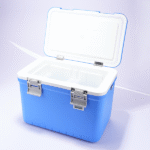
Um als Unternehmen für Isoliertaschen wettbewerbsfähig zu bleiben, bedarf es mehr als nur der Herstellung einer robusten Tragetasche. Sie müssen verstehen, wie diese Taschen funktionieren, Wählen Sie die richtigen Materialien aus, Halten Sie sich an die sich ändernden Vorschriften und antizipieren Sie Markttrends. In diesem Leitfaden erfahren Sie, wie ein Unternehmen für isolierte Taschen wachsen kann 2026. Der weltweite Markt für isolierte Verpackungen wird voraussichtlich von etwa 17,86 Milliarden US-Dollar im Jahr wachsen 2026 auf fast 29,74 Milliarden US-Dollar 2034. Fast die Hälfte der US-amerikanischen. Verbraucher geben an, dass die Umweltauswirkungen der Verpackung ihre Einkäufe beeinflussen. Wir erklären Ihnen, was das für Ihr Unternehmen bedeutet.
Was ist ein Unternehmen für isolierte Taschen und warum ist es wichtig??
Ein Unternehmen entwirft isolierte Taschen, produziert oder liefert Beutel, die die Temperatur für verderbliche oder temperaturempfindliche Waren aufrechterhalten. Diese Unternehmen sind für die moderne Kühlkettenlogistik von entscheidender Bedeutung. Isolierte Taschen bilden mithilfe einer haltbaren Hülle eine Wärmebarriere, Schaumstoffisolierung und eine reflektierende Folie. Premium-Modelle verfügen über vakuumisolierte Paneele (VIPs) oder Phasenwechselmaterialien (PCMs) die darunter gefrorene Lebensmittel halten 0 °C oder Arzneimittel tagelang zwischen 2–8 °C. Solche Taschen schützen Sendungen beim Einkaufen, Lieferung von Essenssets, Apothekenbestellungen und Biotech-Transporte.
Erweiterte Erklärung
Aus Kundensicht, Ein Unternehmen für isolierte Taschen löst zwei Probleme: Aufrechterhaltung der Qualität und Vereinfachung der Logistik. Moderne Isoliertaschen reduzieren die Wärmeübertragung durch Wärmeleitung, Konvektion und Strahlung unter Verwendung geschichteter Materialien. Zum Beispiel, Ein robuster Außenstoff ist reißfest, während der Schaumstoff Lufteinschlüsse erzeugt, die die Leitung verlangsamen. Metallisierte Folien reflektieren Strahlungswärme und VIPs bieten hohe Leistung in dünnen Profilen. PCMs absorbieren oder geben bei Phasenübergängen Wärme ab, Halten von Arzneimitteln innerhalb des erforderlichen Temperaturfensters von 2–8 °C für bis zu 72 Std.. Diese technischen Merkmale sorgen für Zuverlässigkeit für die Verbraucher – egal, ob Sie Eis mit nach Hause nehmen oder einen Impfstoff verschicken. Mit over 25 % von Impfstoffen, die aufgrund von Kühlkettenausfällen mit verminderter Wirksamkeit eintreffen, Hochwertige Isoliertaschen spielen eine entscheidende Rolle für die globale Gesundheit.
Wie funktionieren Isoliertaschentechnologien??
Die Leistung einer Isoliertasche beruht auf ihrem mehrschichtigen Aufbau und den unterstützenden Technologien. Die folgende Tabelle fasst die wichtigsten Komponenten und ihre Vorteile für Sie zusammen:
| Komponente | Funktion | Typisches Material | What It Means for You |
|---|---|---|---|
| Außenschale | Schützt innere Schichten, widersteht Abrieb und Feuchtigkeit | Polyester, Nylon oder Canvas | Die robuste Außenseite hält dem täglichen Gebrauch stand und sorgt dafür, dass die Tasche professionell aussieht |
| Schaumisolierung | Erzeugt Lufteinschlüsse, um die Wärmeleitung zu verlangsamen | Geschlossenzelliger Polyethylen- oder Polyurethanschaum | Hält die Innentemperatur konstant, ohne übermäßiges Gewicht hinzuzufügen |
| Metallisierter Film | Reflektiert Strahlungswärme vom Inhalt weg | Aluminiumbeschichtetes PET oder Mylar | Hält heiße Gegenstände warm und kalte Gegenstände kühl, indem die Strahlung reduziert wird |
| Vakuum-INSULTISCHE PANULLE (VIPs) | Niederdruckplatten bieten einen hohen R-Wert in dünnen Designs | Starre Platten mit gasevakuiertem Kern | Bietet leistungsstarke Isolierung in kompakten Paketen für medizinische Sendungen |
| Phasenveränderungsmaterial (PCMs) | Bei bestimmten Temperaturen Wärme aufnehmen oder abgeben | Paraffin, Salzhydrate oder biobasierte PCMs | Hält Temperaturfenster aufrecht (2–8 °C oder gefroren) Für längere Zeiträume, Ideal für Arzneimittel |
Praktische Tipps und Anregungen
Kurze Besorgungen: Für Einkäufe, die weniger als zwei Stunden dauern, Eine weiche Tasche mit Schaumstoffisolierung reicht aus. Kühlen Sie den Beutel vor und legen Sie gefrorene Gegenstände auf den Boden, um die Kältespeicherung zu maximieren.
Mahlzeiten & Lieferungen auf der letzten Meile: Entscheiden Sie sich für Taschen mit VIPs oder mehrschichtigem Schaumstoff, der die Temperaturen lange halten kann 24 Std.. Gebrauchsfertige Kits vereinfachen das Packen, Reduzieren Sie menschliches Versagen und beschleunigen Sie die Verteilung.
Pharmazeutika: Verwenden Sie validierte medizinische Beutel mit PCMs und IoT-Sensoren, die eine Echtzeit-Temperaturüberwachung ermöglichen. Wählen Sie Designs, die der Good Distribution Practice entsprechen (BIP) und Gesetz zur Modernisierung der Lebensmittelsicherheit (FSMA) Regel 204 Anforderungen.
Outdoor-Abenteuer: Wählen Sie rotationsgeformte Kühlboxen mit dicker Isolierung und bequemen Riemen. Einige intelligente Kühler verfügen über USB-Stromversorgung, LED-Beleuchtung und Bluetooth-Lautsprecher, verwandeln sie in multifunktionale Geräte.
Fall der realen Welt: Eine wiederverwendbare isolierte Tragetasche von Trader Joe’s mit den Maßen ca 1.5 ft × 1 ft fasst etwa acht Gallonen Lebensmittel. Das ergab ein Test nach einer 45-minütigen Fahrt, In der Tasche wurden Gegenstände aufbewahrt 40 ° F, Veranschaulichung, wie eine mehrschichtige Isolierung verderbliche Waren schützt.
So wählen Sie die richtige Isoliertasche für Ihre Bedürfnisse aus?
Die Auswahl der richtigen Isoliertasche hängt davon ab, was Sie transportieren, wie lange es innerhalb eines Temperaturbereichs bleiben muss und welche gesetzlichen Anforderungen bestehen. Lebensmitteleinkäufer legen möglicherweise Wert auf Tragbarkeit und einfache Reinigung, wohingegen pharmazeutische Versender zertifizierte Haltezeiten und Datenverfolgung benötigen. Das Verständnis dieser Variablen wird Ihnen bei der Auswahl des geeigneten Produkts helfen.
Erweiterte Erklärung
Der erste Schritt besteht darin, Ihren Anwendungsfall zu definieren:
Lebensmittel- und Bauernmärkte: Wiederverwendbare Behälter bewahren Fleisch auf, Milchprodukte und gefrorene Desserts während der Heimfahrt kalt. Viele Modelle verfügen über gepolsterte Wände und Deckel mit Reißverschluss zum einfachen Tragen und Aufbewahren. Einfache, mit Schaumstoff isolierte Beutel können die Temperatur zwei bis vier Stunden lang aufrechterhalten, Ideal für lokale Einkäufe.
Essenspakete und Last-Mile-Lieferungen: Hersteller von Essenssets verlassen sich auf Thermobeutel, die die Temperatur bis zu halten 24 Std.. Mehrschichtkonstruktion, VIPs und Gel-Packs unterstützen längere Haltezeiten. Gebrauchsfertige Kits standardisieren die Verpackungsmaße und verbessern den Durchsatz.
Pharmazeutika und Biologika: Medikamente erfordern oft einen Temperaturbereich von 2–8 °C. Taschen, die mit PCMs und Datenloggern ausgestattet sind, können dieses Zeitfenster länger als einhalten 72 Std.. FSMA 204 Die GDP-Richtlinien erfordern eine digitale Rückverfolgbarkeit und Aufzeichnung für mindestens zwei Jahre.
Industrielle und wissenschaftliche Proben: Diagnostische Proben oder Chemikalien benötigen möglicherweise noch niedrigere Temperaturen (bis zu −80 °C). Starre Isoliertaschen mit verstärkten Strukturen und vielfältigen Verschlussmöglichkeiten erfüllen diese Anforderungen.
Verbrauchererholung: Camping- oder Roadtrips erfordern langlebige Kühlboxen mit langer Eishaltezeit. Viele integrieren zusätzliche Funktionen wie Leistungsmodule für präzise Kühlung oder Unterhaltung.
Verbraucher- und professionelle Anwendungen
Unterschiedliche Branchen legen unterschiedlichen Wert auf unterschiedliche Eigenschaften. Der Verbrauchermarkt legt Wert auf Bequemlichkeit, Stil und Erschwinglichkeit, während professionelle Anwendungen Präzision erfordern, Compliance und Langlebigkeit. Ein August 2025 Der Branchentest verglich die besten Marken für Isoliertaschen und stellte fest, dass Weierken, Yeti, RTIC und Hydro Flask boten eine starke Isolierung, auslaufsicheres Futter und umweltfreundliche Stoffe. Im selben Bericht wurde darauf hingewiesen 53 % der Verbraucher suchen beim Kauf von Isoliertaschen nach umweltfreundlichen Optionen. Auf der professionellen Seite, Unternehmen wie Cold Chain Technologies, Mondi und Peli BioThermal dominieren, Der Schwerpunkt liegt auf Isolierung und Compliance in medizinischer Qualität.
Nachfolgend finden Sie einen kurzen Vergleich der Taschentypen und ihrer Eignung:
| Taschentyp | Temperaturhaltezeit | Typische Kapazität | Ideal für | Praktischer Nutzen |
|---|---|---|---|---|
| Weiche Einkaufstasche | 2–4 Stunden mit Vorkühlung | 8 Gallonen (ca.) | Täglicher Lebensmitteleinkauf, Bauernmärkte | Leicht, faltbar, leicht zu reinigen |
| Verpflegungsset/Tasche für die letzte Meile | Bis zu 24 Stunden mit Gelpacks | 15–30 Liter | Essenspaket-Service, E-Commerce-Lieferungen | Standardisierte Abmessungen vereinfachen das Packen, Gewährleistung einer gleichbleibenden Leistung |
| Tasche in medizinischer Qualität | 72+ Stunden mit PCMs und VIPs | Variiert (6–50 Liter) | Impfungen, Biologika, Blutproben | Erfüllt die gesetzlichen Anforderungen; Integrierte Datenlogger unterstützen die Rückverfolgbarkeit |
| Starrkühler | 3–5 Tage je nach Eiskapazität | 30–80 Liter | Camping, Erholung im Freien | Dauerhaft, bietet mehrtägige Eisspeicherung; einige verfügen über USB-Stromversorgung oder LED-Beleuchtung |
| Industrie-/Ultrakühlbeutel | Hält Temperaturen bis –80 °C aufrecht | 10–40 Liter | Laborreagenzien, Spezialchemikalien | Verstärkte Struktur, anpassbare Größen und Isoliermaterialien |
Benutzerorientierte Tipps
Passen Sie das Fassungsvermögen der Tasche an den Inhalt an: Eine Überfüllung verringert den Luftstrom und die Isolationseffizienz; Eine Unterfüllung verschwendet Platz und verkürzt die Haltezeit.
Bereiten Sie die Tasche vor: Kühlen oder erwärmen Sie den Beutel vor dem Verpacken, um den anfänglichen Temperaturschock zu reduzieren. Für PCMs, Frieren Sie sie ein oder laden Sie sie gemäß den Herstellerrichtlinien auf.
Platzieren Sie Kühlmittel strategisch: Legen Sie bei Kaltsendungen Gelpacks oder Trockeneis auf den Inhalt (kalte Luftwaschbecken), und verwenden Sie Separatoren, um den direkten Kontakt mit empfindlichen Gegenständen zu vermeiden.
Berücksichtigen Sie die Ergonomie: Suchen Sie nach gepolsterten Gurten oder Optionen mit Rädern für schwere Lasten. Zugänglichkeitsmerkmale wie Seitentaschen oder herausnehmbare Einlagen erleichtern die Reinigung.
Lesen Sie Rezensionen und Testproben: Branchenbewertungen ergaben, dass der Yeti Daytrip bei der Isolierung gut abschneidet, Dichtigkeits- und Haltbarkeitstests über neun Wochen. Probeläufe helfen Ihnen, die Dämmleistung im Vergleich zum Preis zu bewerten.
Fall der realen Welt: Die Tester von TechGearLab stellten fest, dass die isolierten Taschen Yeti Daytrip und Weierken das Eis acht Stunden lang intakt hielten und undichten Stellen standhalten. Mittlerweile bietet die AO Coolers Canvas-Serie eine mehrtägige Eisspeicherung zu einem günstigeren Preis.
Nachhaltige Materialien, Innovation und Regulierung prägen die Branche
Nachhaltigkeit und Technologie definieren neu, was es bedeutet, ein Unternehmen für Isoliertaschen zu führen. Verbraucher verlangen zunehmend umweltfreundliche Materialien; 79 % der Käufer ändern ihre Kaufentscheidung aufgrund der Auswirkungen auf die Umwelt. Traditionelles expandiertes Polystyrol (EPS) Schaum erzeugt erhebliche Abfälle – 80.000 Tonnen wurden im Jahr produziert 2018 mit weniger als 1 % recycelt. Um zu antworten, Hersteller stellen auf am Straßenrand recycelbare Papierisolierung um, repulpierbare Liner, recycelte Polymere und biologisch abbaubare Schäume. Produkte wie der CelluLiner von IPC schützen Sendungen bis zu 72 Stunden und bleibt dabei vollständig recycelbar. Natürliche Materialien wie Federn, Algen und Hanf bieten eine vergleichbare thermische Leistung bei geringerem CO2-Fußabdruck.
Erweiterte Erklärung
Jenseits von Materialien, Regulierung und Digitalisierung treiben den Wandel voran. Das Gesetz zur Modernisierung der Lebensmittelsicherheit (FSMA) Regel 204, Gefahrenanalyse und kritische Kontrollpunkte (Haccp) und gute Vertriebspraxis (BIP) Standards verlangen von Unternehmen, die mit risikoreichen Lebensmitteln umgehen, die Nachverfolgung kritischer Ereignisse (Ernte, Verpackung, Versand, Empfang), Bewahren Sie digitale Aufzeichnungen mindestens zwei Jahre lang auf und stellen Sie sie den Aufsichtsbehörden zur Verfügung 24 Std.. Compliance fördert die Transparenz und reduziert die Haftung. Die Einhaltungsfrist der Regel war ursprünglich Januar 2026 wurde aber um erweitert 30 Es dauert mehrere Monate, bis die Industrie digitale Systeme einführen kann.
Gleichzeitig, Technologische Innovationen verändern die Leistung und Logistik von Beuteln:
Gebrauchsfertige Kits: Vormontierte Liner und einteilige Systeme vereinfachen das Packen und verkürzen die Schulungszeit.
IoT-Sensoren und Bluetooth-Logger: Erschwingliche Sensoren bieten Temperaturwarnungen in Echtzeit und lassen sich in Cloud-Plattformen integrieren. Predictive-Analytics-Modelle optimieren Routen basierend auf Wetter und Verkehr.
Ai & Blockchain: KI analysiert Verkehrsmuster und prognostiziert die Nachfrage, während Blockchain unveränderliche Aufzeichnungen für jedes Tracking-Ereignis bietet. Diese Tools beschleunigen Rückrufe und schaffen Vertrauen bei Aufsichtsbehörden und Kunden.
Markenverpackung: Taschen dienen mittlerweile auch als Marketing-Assets, mit individuellen Farben, Logos und Bildungsinhalte verbessern das Auspackerlebnis. Direct-to-Consumer-Modelle erfordern ein geringes Gewicht, Kompaktpakete für Privatlieferungen.
Branchenkonsolidierung: Die Papierverpackungsgiganten Smurfit Kappa und WestRock fusionierten im Juli 2025 um Smurfit WestRock zu gründen, Ziel ist es, nachhaltige thermische Lösungen zu liefern. Sonoco verkaufte seine ThermoSafe-Sparte im September an Arsenal Capital Partners 2025. Solche Zusammenschlüsse schaffen größere Portfolios und unterstützen die Forschung zu nachhaltigen Verpackungen.
Nachhaltige Technologie & Regulierungstabelle
| Innovation / Verordnung | Beschreibung | Warum es Ihnen wichtig ist |
|---|---|---|
| Am Straßenrand recycelbare Isolierung | Papierbasierte Liner wie CelluLiner schützen Sendungen bis zu 72 Stunden und kann mit dem Haushaltspapierabfall recycelt werden | Reduziert den ökologischen Fußabdruck und spricht umweltbewusste Verbraucher an, während gleichzeitig Leistungsanforderungen erfüllt werden |
| Isolierung aus Naturfasern | Federn, Algen und Hanf bieten eine vergleichbare thermische Leistung und sind biologisch abbaubar | Diversifiziert die Materialbeschaffung und positioniert Ihre Marke als nachhaltig |
| FSMA 204 & HACCP-Konformität | Erfordert digitale Ernteaufzeichnungen, Verpackung, Versand- und Empfangsereignisse; einzigartige Rückverfolgbarkeitscodes; Personalausbildung | Stellt die Einhaltung gesetzlicher Vorschriften sicher, Qualifiziert Sie für Verträge und baut das Vertrauen der Verbraucher auf |
| IoT & prädiktive Analytik | Sensoren, RFID, GPS- und BLE-Geräte senden Echtzeit-Temperaturdaten; Analytics optimieren Routen und verhindern Ausflüge | Minimiert den Verderb, unterstützt schnelles Eingreifen und reduziert Kosten |
| Blockchain & Cloud-Plattformen | Unveränderliche Aufzeichnungen jeder Sendung ermöglichen schnelle Rückrufe und einen sicheren Datenaustausch | Verbessert die Transparenz in der gesamten Lieferkette und differenziert Ihre Dienstleistungen |
| Wiederverwendbares Verpackungswachstum | Der Markt für wiederverwendbare Kühlkettenverpackungen wird voraussichtlich von 4,97 Milliarden US-Dollar im Jahr wachsen 2025 auf 9,13 Milliarden US-Dollar 2034 | Die Investition in wiederverwendbare Beutel führt zu langfristigen Kosteneinsparungen und erfüllt Nachhaltigkeitsziele |
Praktische Tipps für nachhaltiges Wirtschaften
Besorgen Sie umweltfreundliche Materialien: Ersetzen Sie EPS-Schaum durch recycelbare oder kompostierbare Isolierung. Heben Sie Nachhaltigkeitsaspekte auf Ihrer Verpackung und Ihrem Marketing hervor.
Implementieren Sie digitale Rückverfolgbarkeit: Führen Sie Software und Sensoren ein, um FSMA zu erfüllen 204 Anforderungen. Digitale Aufzeichnungen entsprechen nicht nur den Vorschriften, sondern rationalisieren auch Audits und Rückrufprozesse.
Informieren Sie Ihre Kunden: Nutzen Sie gedruckte Anleitungen oder QR-Codes auf Tüten, um Kunden beizubringen, wie sie Komponenten entsorgen oder recyceln. Gebildete Benutzer verstärken das Engagement Ihrer Marke für Nachhaltigkeit.
Arbeiten Sie mit Lieferanten zusammen: Arbeiten Sie mit Materialwissenschaftlern und Lieferanten zusammen, um neue Isoliermaterialien wie Aerogele oder recycelte Fasern zu testen.
Trainiere dein Team: Schulung des Personals zur Temperaturkontrolle, Dokumentation und Notfallverfahren sind für Compliance und Qualität von entscheidender Bedeutung.
Fall der realen Welt: Ranpaks RecyCold-Klimaliner, im August gestartet 2023, Verwendung 98.5 % Papier und bietet isolierten Wärmeschutz für bis zu 48 Std.. Übernahme der Packaging Technology Group durch Cold Chain Technologies im März 2023 erweiterte sein Portfolio an nachhaltigen thermischen Lösungen.
Markttrends und Geschäftsmöglichkeiten in 2026
Der Unternehmensmarkt für isolierte Taschen wird durch das schnelle Wachstum des E-Commerce beflügelt, Essenssets und biopharmazeutische Sendungen. Laut The Business Research Company, Der Markt für isolierte Versandverpackungen wird von 8,18 Milliarden US-Dollar im Jahr wachsen 2025 auf 8,78 Milliarden US-Dollar 2026 (CAGR 7.3 %). Es wird erwartet, dass es bis zum Jahr 11,75 Milliarden US-Dollar erreichen wird 2030, angetrieben durch biopharmazeutisches Wachstum, E-Commerce, Intelligente Verpackung und Modernisierung der Kühlkette. Der breitere Markt für isolierte Verpackungen hatte im Jahr einen Wert von 16,90 Milliarden US-Dollar 2025 und wird voraussichtlich von 17,86 Milliarden US-Dollar im Jahr wachsen 2026 auf 29,74 Milliarden US-Dollar 2034, mit einer CAGR von 6.58 % im Zeitraum 2026–2034. Auf den asiatisch-pazifischen Raum entfielen im Jahr 6,06 Milliarden US-Dollar 2025 und führt den regionalen Markt an.
E-Commerce ist ein Haupttreiber. In den USA die Schätzung für E-Commerce-Umsätze im zweiten Quartal 2023 kletterte vorbei 7.5 % gegenüber 2022, während die gesamten Einzelhandelsumsätze nur um knapp stiegen 0.6 %. Die Verlagerung zum Online-Shopping steigert die Nachfrage nach Isoliertaschen, die während der Lieferung die Frische bewahren. Zusätzlich, Wachstum bei Impfstoffen und Biologika, erfordern eine strenge Temperaturkontrolle, steigert die Nachfrage nach Hochleistungstaschen. Das Pharma- und Biotechnologiesegment wird voraussichtlich um wachsen 8.43 % CAGR zu 2030.
Erweiterte Erklärung
Die Marktdynamik variiert je nach Segment:
Essen & Getränk: Mahlzeiten, Lebensmittellieferungen und Fertiggerichte steigern das Volumen. Der Markt für isolierte Lebensmittellieferbeutel wurde 2010 auf 16,5 Milliarden US-Dollar geschätzt 2025 und soll bis zum Jahr 31,8 Milliarden US-Dollar erreichen 2035. Urbanisierung und veränderte Lebensstile erhöhen die Nachfrage nach verzehrfertigen Lebensmitteln und Konserven, Der Bedarf an Isoliertaschen steigt.
Isolierte Kühlboxen: Weiche und harte Kühler (ein Untersegment) hatten einen Wert von 1,2 Milliarden US-Dollar 2025 und sollen bis zum Jahr 1,9 Milliarden US-Dollar erreichen 2034, Das Wachstum wird durch E-Commerce und Biologika vorangetrieben.
Wiederverwendbare Kühlkettenverpackung: Es wird prognostiziert, dass der Markt von 4,97 Milliarden US-Dollar im Jahr wachsen wird 2025 auf 9,13 Milliarden US-Dollar 2034 da Unternehmen Paletten einführen, Tragetaschen und zusammenklappbare Kisten, um Abfall zu reduzieren.
Insgesamt isolierte Taschen: Maximize Market Research schätzt, dass der weltweite Markt für isolierte Taschen 15,31 Milliarden US-Dollar betrug 2024 und wird bis 25,81 Milliarden US-Dollar erreichen 2032, reflektieren a 6.74 % CAGR.
Überwachung der Kühlkette: Der Markt für Echtzeitüberwachungstechnologien wird voraussichtlich von 6,8 Milliarden US-Dollar im Jahr wachsen 2025 auf 13,4 Milliarden US-Dollar 2032. Über 25 % der Temperaturschwankungen treten während der Zustellung auf der letzten Meile auf, Dies unterstreicht die Notwendigkeit einer aktiven Überwachung.
Regionaler Ausblick: Nordamerika erfasst derzeit ca 40.1 % des Umsatzes mit isolierten Verpackungen, Aber der asiatisch-pazifische Raum ist die am schnellsten wachsende Region, angetrieben durch industrielle Expansion und E-Commerce.
Positionieren Sie Ihr Unternehmen für Wachstum
Um von diesen Trends zu profitieren, Unternehmen für isolierte Taschen sollten mehrere Strategien in Betracht ziehen:
Produktlinien diversifizieren: Bieten Sie segmentierte Produkte für Lebensmittel an, Essensset, Pharma- und Industrieanwendungen. Jeder erfordert unterschiedliche Haltezeiten und Funktionen.
Investieren Sie in R&D: Experimentieren Sie mit neuen Dämmstoffen (Z.B., Aerogele, recycelte Fasern) und integrieren Sie intelligente Funktionen wie Temperatursensoren und QR-Codes.
Erweitern Sie die regionale Präsenz: Das schnelle Wachstum im asiatisch-pazifischen Raum bietet Chancen. Gehen Sie Partnerschaften mit lokalen Händlern ein oder richten Sie Produktionszentren ein, um Lieferzeiten und Zölle zu reduzieren.
Betonen Sie Nachhaltigkeit: Fördern Sie wiederverwendbare Taschen und recycelbare Isolierung. Richten Sie sich an den ESG-Zielen aus und streben Sie Zertifizierungen an, um umweltbewusste Verbraucher und Unternehmenskunden anzulocken.
Verfolgen Sie strategische Partnerschaften: Fusionen wie Smurfit WestRock oder Übernahmen wie Cold Chain Technologies und Packaging Technology Group zeigen, wie durch die Kombination von Fachwissen integrierte Lösungen entstehen können.
Nehmen Sie digitale Plattformen an: Integrieren Sie Blockchain- und IoT-Lösungen, um eine durchgängige Transparenz zu bieten. Dies kann zu einem Mehrwertdienst für Kunden werden, die die Einhaltung gesetzlicher Vorschriften und eine Echtzeitüberwachung benötigen.
Marktsegmenttabelle
| Segment | 2025 Marktgröße | Prognostiziertes Wachstum | Chance für Ihr Unternehmen |
|---|---|---|---|
| Isolierte Versandverpackung | 8,18 Milliarden US-Dollar | 7.3 % CAGR zu 2026 | Hohe Nachfrage im E-Commerce, Pharmazeutika und Welthandel; legen Wert auf intelligente Verpackung und Nachhaltigkeit |
| Insgesamt isolierte Verpackung | 16,90 Milliarden US-Dollar | 29,74 Milliarden US-Dollar von 2034 | Integrieren Sie Innovationen über Materialien und digitale Überwachung hinweg; Profitieren Sie vom Wachstum im asiatisch-pazifischen Raum |
| Isolierte Taschen | 15,31 Milliarden US-Dollar | 25,81 Milliarden US-Dollar von 2032 | Diversifizieren Sie sich in weich, starre und ultrakalte Beutel; legen Wert auf Verbraucherfreundlichkeit und professionelle Compliance |
| Teilsegment Isolierte Kühlboxen | 1,2 Milliarden US-Dollar | 1,9 Milliarden US-Dollar von 2034 | Entwickeln Sie tragbare Premium-Kühlboxen mit mehrtägiger Eisspeicherung und intelligenten Funktionen |
| Essensset & Lebensmittelbeutel | 16,5 Milliarden US-Dollar | 31,8 Milliarden US-Dollar von 2035 | Bieten Sie gebrauchsfertige Kits und robuste Isolierung an, um Chancen auf der letzten Meile zu nutzen |
| Wiederverwendbare Kühlkettenverpackung | 4,97 Milliarden US-Dollar | 9,13 Milliarden US-Dollar von 2034 | Investieren Sie in Langlebigkeit, Mehrwegdesigns; Arbeiten Sie mit Logistikunternehmen zusammen, um Wiederverwendungsnetzwerke aufzubauen |
Practical Tips
Überwachen Sie Wettbewerber und Fusionen: Spur M&Eine Aktivität zur Antizipation von Angebots- und Technologieverschiebungen. Die Konsolidierung kann sich auf Materialkosten und Vertriebsnetze auswirken.
Bewerten Sie regulatorische Änderungen: FSMA 204 Die Einhaltung kann weiter ausgedehnt werden, Doch eine frühzeitige Einführung der digitalen Rückverfolgbarkeit kann zu einem Wettbewerbsvorteil werden.
Berücksichtigen Sie die Energiekosten: Die Kühlkettenlogistik verbraucht ca 15 % der globalen Energie. Die Entwicklung energieeffizienter Taschen und die Zusammenarbeit mit umweltfreundlichen Logistikanbietern können den CO2-Fußabdruck und die Betriebskosten reduzieren.
Optimieren Sie die Verpackung für die Lagerung bei –15 °C: Der Vorstoß der Industrie, die Gefriertemperaturen von –18 °C auf –15 °C zu erhöhen, könnte den Energieverbrauch um etwa 10 % senken % kann aber die Haltbarkeit verkürzen 30 %. Bewerten Sie die Kompromisse mit den Kunden und passen Sie die Dämmstärke entsprechend an.
Fall der realen Welt: Das Wachstum des E-Commerce trieb die Einführung von RecyCold climaliner voran, Eine Thermoeinlage auf Papierbasis, die Waren bis zu isoliert hält 48 Std.. In der Zwischenzeit, Durch die Übernahme der Packaging Technology Group durch Cold Chain Technologies wurden die nachhaltigen Angebote erweitert und die Marktreichweite verbessert.
Branchenübergreifende reale Anwendungen
Unternehmen für isolierte Taschen bedienen unterschiedliche Branchen – vom alltäglichen Lebensmitteleinkäufer bis hin zu Pharmaunternehmen und Forschungslabors. Die Anpassung Ihrer Produkte an jede Anwendung erhöht die Benutzerzufriedenheit und reduziert Abfall.
Erweiterte Erklärung
Lebensmittelgeschäft & Bauernmärkte: Leichte wiederverwendbare Tragetaschen halten verderbliche Waren auf Kurztrips kühl. Das beliebte Taschenbeispiel von Trader Joe zeigt, wie eine ordnungsgemäße Isolierung Temperaturen unter diesen Werten halten kann 40 °F für mindestens 45 Minuten. Kunden schätzen faltbare Designs und abwischbare Innenräume.
Mahlzeiten & Lieferungen auf der letzten Meile: Dienste wie Blue Apron und HelloFresh sind auf Beutel angewiesen, die die Zutaten gekühlt halten 24 Std.. Vorqualifizierte Kits reduzieren Verpackungsfehler, während Markentaschen die Kundenbindung steigern und Marketingraum schaffen.
Pharmazeutika & Biologika: Temperaturschwankungen können Impfstoffe oder Biologika ruinieren; mehr als 25 % der Temperaturschwankungen treten während der Zustellung auf der letzten Meile auf. Isolierte Taschen in medizinischer Qualität mit PCMs, VIPs und IoT-Sensoren halten 2–8 °C aufrecht 72 Std.. Integrierte Datenlogger unterstützen die Compliance und vereinfachen Audits.
Biotech & Laborproben: Ultrakühlbeutel nutzen eine fortschrittliche Isolierung und mehrere Versiegelungen, um Temperaturen bis zu –80 °C aufrechtzuerhalten. Anpassbare Größen bieten Platz für Diagnoseproben und Gefahrstoffe. Chinesische Hersteller wie Wenzhou Baixiangju und Shenzhen Coolmax bieten umweltfreundliche und maßgeschneiderte Designs.
Erholung im Freien & Reisen: Rotationsgeformte Kühler und Softkühler halten Speisen und Getränke 3–5 Tage lang kalt. Einige Modelle verfügen über USB-Anschlüsse, LED-Leuchten und Lautsprecher, sie in Mehrzweckwerkzeuge umzuwandeln.
Industriell & Chemischer Transport: Proben von Chemikalien oder temperaturempfindlichen Materialien erfordern oft verstärkte Beutel mit verstellbaren Trennwänden. Datenlogger und Stoßsensoren gewährleisten die Integrität während des Transports.
Optimierung der Kühlkettenleistung
Der Erfolg in diesen Sektoren hängt von der Beherrschung dreier Elemente ab:
| Leistungselement | Beschreibung | Nutzen |
|---|---|---|
| Temperaturwartung | Verwenden Sie eine mehrschichtige Isolierung, VIPs und PCMs zum Halten bestimmter Bereiche für die erforderliche Dauer | Verhindert Verderb, stellt die Einhaltung gesetzlicher Vorschriften sicher |
| Physischer Schutz | Verstärkte Wände, Stabile Rahmen und stoßdämpfende Materialien schützen empfindliche Güter | Reduziert Bruch und Verschmutzung beim Transport |
| Datensichtbarkeit | IoT-Sensoren integrieren, RFID- und Cloud-Plattformen zur Temperaturüberwachung, Luftfeuchtigkeit und Standort in Echtzeit | Ermöglicht proaktive Interventionen, unterstützt Audits und baut Kundenvertrauen auf |
Practical Tips
Lebensmittelgeschäft & Lieferung von Essenssets: Die Tasche vornötigen, Packen Sie gefrorene Gegenstände unten ein und minimieren Sie die Öffnungszeit, um die Temperaturen aufrechtzuerhalten.
Pharmatransporte: Validieren Sie Verpackungen anhand von GDP und FSMA 204 Richtlinien; Verwenden Sie zur Rückverfolgbarkeit manipulationssichere Siegel und eindeutige Chargencodes.
Outdoor-Abenteuer: Wählen Sie Kühlboxen mit Funktionen wie robusten Reißverschlüssen und bequemen Riemen. Für Mehrtagestouren, Erwägen Sie die Zugabe von Trockeneis oder Blockeis in Kombination mit PCMs.
Labor & Industrielle Anwendungen: Geben Sie bei der Bestellung den gewünschten Temperaturbereich und die Dauer an; Die individuelle Anpassung gewährleistet eine angemessene Isolierung und Konformität.
Fall der realen Welt: Eine Marktstudie zu wiederverwendbaren Kühlkettenverpackungen ergab, dass sich der Wert langlebiger Transportpaletten und Transportbehälter von 4,97 Milliarden US-Dollar im Jahr 2011 voraussichtlich verdoppeln wird 2025 auf 9,13 Milliarden US-Dollar 2034. Dies spiegelt die wachsende Nachfrage nach wiederverwendbaren Systemen in verschiedenen Branchen wider.
2026 Neueste Entwicklungen und Trends
Bleiben Sie auf dem Laufenden mit 2026 Entwicklungen halten Ihr Unternehmen mit isolierten Taschen wettbewerbsfähig. Hier sind die bemerkenswertesten Trends:
Neueste Entwicklungen
Erweiterung des Kühlkettenmarktes: Der weltweite Kühlkettenmarkt wird voraussichtlich 252,89 Milliarden US-Dollar erreichen 2025, Der Lebensmittel- und Getränkebereich soll bis dahin von etwa 90,81 Milliarden US-Dollar auf 219,44 Milliarden US-Dollar wachsen 2034. Diese Erweiterung unterstreicht den Bedarf an zuverlässigen Isolierverpackungen.
Lebensmittelverlust & Abfall: Rund 14 % der Weltnahrungsmittel gehen zwischen der Ernte und dem Verkauf aufgrund schlechter Temperaturkontrolle verloren, und vorbei 1 Milliarden Tonnen Lebensmittelabfälle tragen 8–10 bei % der globalen Treibhausgasemissionen. Isolierte Beutel und eine verbesserte Logistik tragen dazu bei, Abfall zu reduzieren.
Energie & Nachhaltigkeit: Kühlkettenbetriebe verbrauchen etwa 15 % der globalen Energie und machen rund 100.000 Euro aus 2 % der CO₂-Emissionen. Zu den Innovationen zählen grüne Kältemittel, erneuerbare Energien und die vorgeschlagene Umstellung von der −18 °C- auf die −15 °C-Speicherung, um den Energieverbrauch um etwa 10 % zu senken %.
Regulatorischer Zeitplan: FSMA 204 Compliance wurde um erweitert 30 Monate, Geben Sie den Unternehmen bis Mitte 2028 Zeit, digitale Rückverfolgbarkeitssysteme einzuführen.
Marktkonsolidierung: Fusionen und Übernahmen wie Smurfit WestRock und CCT-PTG gehen weiter, Schaffung integrierter Verpackungsgiganten mit größeren Ressourcen.
Markteinsichten
Verbraucherpräferenzen: 53 % der Käufer legen Wert auf umweltfreundliche Isoliertaschen. Die Hervorhebung nachhaltiger Materialien kann dieses Segment ansprechen.
Intelligente Verpackungen: Die Einführung von IoT-Sensoren und prädiktiven Analysen beschleunigt sich. Der Markt für Kühlkettenüberwachung wird sich nahezu verdoppeln 2032.
Wiederverwendbare Lösungen: Wiederverwendbare Kühlkettenverpackungen nehmen rasant zu. Das Anbieten von Mehrwegtaschen und die Einführung von Pfandsystemen können Ihr Unternehmen von der Konkurrenz abheben.
Regionale Verschiebungen: Der asiatisch-pazifische Raum ist dank der expandierenden E-Commerce- und Pharmaindustrie führend beim Wachstum. Aufbau von Partnerschaften in China, Indien und Südostasien sind von entscheidender Bedeutung.
Häufig gestellte Fragen
Q1: Wie lange kann eine Isoliertasche Gegenstände kalt halten??
Standard-Einkaufstaschen halten die Lebensmittel zwei bis vier Stunden lang kalt, Die Leistung variiert jedoch je nach Isolationsdicke und der Verwendung von Gel-Packs. Mehrschichtige Thermobeutel mit VIPs und PCMs können 2–8 °C bewahren 72 Stunden oder mehr.
Q2: Kann eine Isoliertasche auch heiße Gegenstände warm halten??
Ja. Isolierte Taschen verlangsamen die Wärmeübertragung in beide Richtungen. Wenn Sie heiße Speisen hineinlegen, bleibt die Wärme einige Stunden lang erhalten. Trennen Sie heiße und kalte Gegenstände, um Temperaturüberschneidungen zu vermeiden.
Q3: Sind Isoliertaschen umweltfreundlich??
Es kommt auf die Materialien an. EPS-Schaum ist schwer zu recyceln – nur etwa 1 % wird in den USA recycelt. Entscheiden Sie sich für Taschen aus recycelbarem Papier, recycelte Polymere oder biologisch abbaubare Schäume.
Q4: Welche Vorschriften gelten für Isoliertaschen in der Lebensmittellogistik??
Die FSMA 204 Rückverfolgbarkeitsregel, Haccp, GDP- und ISO-Qualitätsstandards erfordern eine digitale Aufzeichnung, Gefahrenanalyse und Mitarbeiterschulung. Compliance sorgt für Lebensmittelsicherheit und vereinfacht Rückrufe.
Q5: Wie reinige und pflege ich meine Isoliertasche??
Wischen Sie den Innenraum nach jedem Gebrauch mit einem feuchten Tuch ab und lassen Sie ihn an der Luft trocknen. Vermeiden Sie Maschinenwäsche, es sei denn, der Hersteller gibt dies anders an; Häufiges Waschen kann die Isolierung beeinträchtigen. Überprüfen Sie Reißverschlüsse und Nähte und reparieren oder ersetzen Sie die Tasche, wenn die Isolierung beeinträchtigt ist.
Anregung
Um als Unternehmen für isolierte Taschen erfolgreich zu sein 2026 Sie müssen die Produktleistung beherrschen, Nachhaltigkeit und Digitalisierung. Der Markt wird im nächsten Jahrzehnt stark wachsen, Der Umsatz mit isolierten Verpackungen stieg von 17,86 Milliarden US-Dollar im Jahr 2026 auf fast 29,74 Milliarden US-Dollar 2034. Kunden fordern umweltfreundliche Materialien, Und 79 % ihre Kaufentscheidungen auf Nachhaltigkeit umstellen. Regulierungsrahmen wie FSMA 204 erfordern eine digitale Rückverfolgbarkeit, während intelligente Sensoren, KI und Blockchain ermöglichen Echtzeitüberwachung und prädiktive Analysen.
Umsetzbare Schritte:
Bewerten Sie Ihr Produktportfolio: Identifizieren Sie Lücken im gesamten Lebensmittelgeschäft, Essensset, Pharma- und Industriesegmente und entwickeln zielgerichtete Lösungen.
Investieren Sie in nachhaltige Materialien und wiederverwendbare Designs: Ersetzen Sie EPS durch recycelbare oder kompostierbare Isolierung und führen Sie Mehrwegsysteme ein.
Nehmen Sie digitale Technologien an: Implementieren Sie IoT-Sensoren, Prädiktive Analysen und Blockchain, um Echtzeittransparenz zu bieten und FSMA zu erfüllen 204 Anforderungen.
International expandieren: Entdecken Sie Partnerschaften oder Produktionsstandorte im asiatisch-pazifischen Raum, um vom schnellen Wachstum der Region zu profitieren.
Informieren und binden Sie Kunden ein: Geben Sie klare Anweisungen zur Verwendung der Tasche, Wartung und Recycling. Ermutigen Sie Feedback, um Ihre Produkte zu verfeinern und die Markentreue zu stärken.
Über Tempk
Tempk ist ein führender Akteur in der Kühlkettenverpackungsindustrie. Wir sind auf Isoliertaschen spezialisiert, Boxen, Palettenabdeckungen und Gel-Packs zur Aufrechterhaltung der Temperaturintegrität während des Transports. Unser r&Das D-Center konzentriert sich auf umweltfreundliche Materialien und mehrschichtige Isolationstechnologien, die strenge regulatorische Standards erfüllen. In 2025 Der weltweite Markt für isolierte Verpackungen erreichte 16,71 Milliarden US-Dollar, und Tempks Engagement für Innovation versetzt uns in die Lage, diesen wachsenden Markt zu bedienen. Wir legen Wert auf Qualitätskontrolle durch ISO-zertifizierte Einrichtungen und bieten maßgeschneiderte Lösungen für Lebensmittel, Pharma- und Industriekunden.
Aufruf zum Handeln:
Bereit, Ihre Kühlkettenabläufe zu verbessern? Kontaktieren Sie die Spezialisten von Tempk für eine persönliche Beratung. Wir helfen Ihnen bei der Auswahl der richtigen Isoliertaschen, Implementieren Sie eine digitale Überwachung und entwerfen Sie nachhaltige Verpackungssysteme, die auf Ihr Unternehmen zugeschnitten sind. Lassen Sie uns gemeinsam eine widerstandsfähige und umweltfreundliche Zukunft aufbauen.