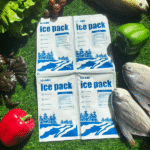
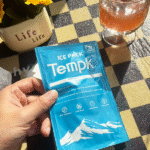
Einführung
Suchen Sie isolierte Taschen in großen Mengen für die Lieferung von Lebensmitteln?, Arzneimittel, oder Outdoor-Events? Hier sind Sie richtig. Dieses umfassende 2026 Der Leitfaden entmystifiziert den Großhandel mit isolierten Taschen, Angabe konkreter Marktdaten, praktische Auswahlberatung, und frische Trends. Aktuelle Berichte zeigen, dass der Markt für Kühlkettenverpackungen weiter wachsen wird $35.56 Milliarden in 2025 Zu $40.75 Milliarden in 2026 mit a 14.6 % durchschnittliche jährliche Wachstumsrate (CAGR). In der Zwischenzeit, Soft Cooler und Isoliertaschen machen bereits etwa aus 40 % des Kühlermarktes, ungefähr erzeugen $2.4 Milliarde. Die Nachfrage nach Hauslieferungen steigt, Biologika, und Erholung im Freien, Das Verständnis der Großhandelslandschaft ist wichtiger denn je.
Was Isoliertaschen im Großhandel sind und warum sie wichtig sind – einschließlich Definitionen und wie der Großeinkauf Kosten senkt.
So wählen Sie die richtige Isoliertasche aus – Bezugsmaterialien, Isolationstechnologien und Größenüberlegungen.
Welche Branchen auf Isoliertaschen angewiesen sind – untersucht die Lieferung von Lebensmitteln, Einzelhandel, Gesundheitspflege, und Outdoor-Märkte.
Innovationstrends für 2026 – hebt wiederverwendbare Verpackungen hervor, IoT-fähige Taschen, und nachhaltige Materialien.
Praktische Tipps zur Lieferantenbewertung und Preisgestaltung – unterstützt Ihre Beschaffungsstrategie mit echten Daten.
Häufig gestellte Fragen – befasst sich mit häufigen Qualitätsbedenken, Haltbarkeit, und Anpassung.
Was ist eine isolierte Tasche und warum im Großhandel kaufen??
Isolierte Taschen, manchmal auch Kühltaschen oder Thermotaschen genannt, sind tragbare Behälter, die die Temperatur stundenlang aufrechterhalten. Sie bestehen aus einer Außenhülle (oft Polyester oder Nylon), ein Innenfutter (normalerweise PEVA- oder Aluminiumfolie in Lebensmittelqualität) und eine Isolierschicht aus Schaumstoff, Vakuumpaneele oder Phasenwechselmaterialien. Wenn Sie Isoliertaschen im Großhandel kaufen, Sie kaufen sie in großen Mengen von Herstellern oder Händlern, in der Regel zu ermäßigten Stückpreisen. Der Großhandelseinkauf hilft Ihnen, Kosten zu senken, Sichern Sie eine gleichbleibende Qualität und passen Sie die Funktionen an spezifische Branchenanforderungen an. Zum Beispiel, Ein Restaurant bestellt möglicherweise Hunderte von isolierten Liefertaschen, um die Mahlzeiten während des Transports warm zu halten, während ein Pharmaunternehmen möglicherweise spezielle Kühlkettenbeutel benötigt, um Impfstoffe bei 2–8 °C zu versenden.
Warum isolierte Taschen wichtig sind 2026
Der Boom im E-Commerce-Lebensmittelhandel, Essenssets und On-Demand-Logistik führen zu einer Rekordnachfrage nach isolierten Transportboxen. Berichten zufolge handelt es sich dabei um Soft Cooler und isolierte Taschen 40 % des Kühlermarktumsatzes (≈ $2.4 Milliarde), und der Gesamtmarkt für Kühl- und Isoliertaschen wird voraussichtlich wachsen $5.2 Milliarden in 2024 Zu $8.80 Milliarden von 2033 mit a 6.8 % CAGR. Durch den Kauf im Großhandel stellen Sie sicher, dass Sie über ausreichend Lagerbestände verfügen, um Auftragsspitzen zu bewältigen, und senken die Kosten pro Beutel, Das ist entscheidend, wenn die Margen knapp sind. Darüber hinaus, Viele Anbieter bieten individuelle Anpassungen an – das Hinzufügen von Logos, Taschen oder RFID-Tags – die Ihre Marke stärken und gleichzeitig die Funktionalität verbessern.
Erweiterte Erklärung
Der Kauf von Isoliertaschen in großen Mengen ist so, als würde man sich mit wiederverwendbaren Kaffeebechern eindecken: Sie zahlen mehr im Voraus, sparen aber erheblich bei jeder Einheit. Bei der Essenslieferung, Ein Unterschied von ein paar Grad kann über die Kundenzufriedenheit entscheiden. Für Isoliertaschen werden Materialien verwendet, die dem Schaumstoff in den Wänden Ihres Hauses oder fortschrittlichen vakuumisolierten Paneelen ähneln (VIPs) Wird in High-End-Kühlern verwendet. Bei Großhandelsbestellungen können Sie die richtige Isolierleistung und -größe auswählen, ohne Einzelhandelsaufschläge zahlen zu müssen. Moderne Lieferanten bieten auch Drop-Shipping- oder Just-in-Time-Inventarprogramme an, Reduzierung des Lagerbedarfs. Zum Beispiel, Ein Catering-Unternehmen könnte bei der Lieferung mit einem Hersteller zusammenarbeiten 500 Isoliertaschen pro Monat, Gewährleistung einer gleichbleibenden Materialqualität und eines stetigen Stroms an Markenbeständen.
Vergleich von Isolationstechnologien
| Isoliermaterial/Technologie | Typischer R-Wert (thermischer Widerstand) | Haltbarkeit & Gewicht | Was es für Sie bedeutet |
|---|---|---|---|
| Erweiterter Polystyrol (EPS) Schaum | R-2 bis R-4 pro Zoll | Leicht und kostengünstig; Wird in einfachen Kühlern verwendet | Geeignet für kurzfristige Lieferungen, kann jedoch sperrig sein; nicht immer recycelbar. |
| Polyurethan (Pur) Schaum | R-5 bis R-7 pro Zoll | Höhere Isolierung als EPS; moderate Kosten | Ideal, um 6–12 Stunden lang kalte oder heiße Temperaturen aufrechtzuerhalten; schwerer als EPS. |
| Vakuum -isolierte Panels (VIP) | R-30 in einem 20 mm-Platte | Sehr leistungsstark, aber zerbrechlich; teurer | Bietet ein ultraschlankes Design für hochwertige Essenssets und Arzneimittelsendungen; reduziert Größe und Versandgewicht. |
| Phasenveränderungsmaterial (PCMs) | Variiert (speichert latente Wärme) | Integriert in Gelpacks oder Liner; wiederverwendbar | Hilft, einen bestimmten Temperaturbereich aufrechtzuerhalten (Z.B., 2–8 ° C) Für längere Zeiträume; Ideal für Impfstoffe oder die Lieferung von Eis. |
| Biobasierte Aerogele & Naturfasern | Neue Technologien | Leicht, biologisch abbaubar, immer noch teuer | Bieten Sie Nachhaltigkeitsvorteile und halten Sie sich an die Vorgaben für recycelbare Verpackungen. |
Praktische Tipps und Ratschläge
Passen Sie die Isolierung an Ihre Transportzeit an: Für Lieferungen unter 2 Std., Standard-EPS-Schaum reicht oft aus. Für längere Reisen oder hochwertige Produkte, Investieren Sie in mit VIP ausgekleidete oder PCM-verstärkte Taschen.
Berücksichtigen Sie die Haltbarkeit: Bei Großhandelsbestellungen können preisgünstige Optionen mit dünnem Liner enthalten sein. Wenn die Beutel täglich wiederverwendet werden, Wählen Sie dickeres Futter und verstärkte Nähte.
Achten Sie auf die Einhaltung gesetzlicher Vorschriften: Im Gesundheitswesen, Wählen Sie Beutel aus, die für die Einhaltung bestimmter Temperaturbereiche zertifiziert sind (±2 °C) um die ISTAA- oder FDA-Richtlinien zu erfüllen.
Markieren Sie Ihre Taschen: Fügen Sie Ihr Logo oder Farbschema hinzu; Dies vermarktet nicht nur Ihr Unternehmen, sondern hilft auch, Diebstahl oder Verlust zu verhindern.
Beispiel für reale Welt: Ein mittelständisches Kochset-Unternehmen in Kalifornien senkte die Kosten pro Tüte 30 % indem Sie einen Hersteller damit beauftragen 10,000 Jährlich mit VIPs ausgekleidete Tragetaschen. Durch die Anpassung der Abmessungen an ihre Essensboxen und die Verwendung gedruckter Logos, Sie reduzierten den Verpackungsmüll und stärkten die Markenerinnerung der Kunden. Die Beutel hielten die Lebensmitteltemperatur 8–10 Stunden lang aufrecht, Reduzierung von Verderb und Rückerstattungsraten.
So wählen Sie die richtige Großhandels-Isoliertasche für Ihr Unternehmen aus?
Bei der Auswahl einer Isoliertasche kommt es darauf an, die Leistung in Einklang zu bringen, kosten, und Zweck. Beginnen Sie mit der Definition Ihrer Anwendung: Liefern Sie warme Mahlzeiten in die ganze Stadt?, Versand temperaturempfindlicher Medikamente zwischen Bundesstaaten, oder Picknick-Kühlboxen verkaufen? Jeder Anwendungsfall erfordert unterschiedliche Isolationsniveaus, Materialien, und Funktionen. Eine falsche Wahl kann zu Verderb oder unzufriedenen Kunden führen.
Zu berücksichtigende Faktoren
1. Größe und Kapazität – Wählen Sie eine Tasche, die bequem zu Ihrer typischen Ladung passt. Überfüllte Beutel beeinträchtigen die Isolierung, Übergroße Taschen verschwenden Platz und Gewicht des Gelpacks. Verwenden Sie standardisierte Kartongrößen, um die Verpackungseffizienz zu verbessern.
2. Material und Haltbarkeit – Außenhüllen können aus Polyester bestehen, Nylon, oder recyceltes PET. Polyester ist kostengünstig und wasserbeständig; Nylon bietet eine höhere Festigkeit. Für den harten Einsatz, Suchen Sie nach 600D- oder 1680D-Stoff.
3. Isolierungstyp – Wir haben zuvor EPS gesehen, Pur, VIPs, PCMs, und biobasierte Materialien bieten jeweils einzigartige Vorteile (siehe Tabelle oben). Kombinieren Sie sie strategisch; Z.B., Verwenden Sie VIP-Panels mit PCM-Gelpackungen für Arzneimittel.
4. Liner und Lebensmittelsicherheit – Liner aus PEVA und lebensmittelechter Aluminiumfolie sind leicht zu reinigen und verhindern Lecks. Antimikrobielle Beschichtungen verlängern die Hygiene und die Lebensdauer der Beutel.
5. Tragbarkeit und Ergonomie – Erwägen Sie gepolsterte Träger, Griffe, und Gewicht. Lieferfahrer schätzen Freihand-Designs oder Taschen im Rucksack-Stil.
6. Temperaturüberwachung – Eingebaute Thermometer, RFID-Tags oder NFC-Sensoren liefern Temperaturdaten in Echtzeit. Dies wird immer wichtiger, da Regulierungsbehörden und Kunden Transparenz fordern.
7. Nachhaltigkeit – Wachsende Vorschriften (wie etwa die EU-Vorschrift „Recycling bis 2030“.) und die Erwartungen der Verbraucher drängen Marken zu recycelbaren oder wiederverwendbaren Taschen. Einige Unternehmen bieten mittlerweile kompostierbare Isolierschichten an oder tauschen Programme zum Recycling gebrauchter Taschen aus.
Material- und Technologie-Deep-Dive
| Besonderheit | Priorität bei der Essenslieferung | Pharmazeutische Priorität | Draußen/persönliche Priorität | Wie Ihnen das hilft |
|---|---|---|---|---|
| Materialstärke | Mäßig; 600D-Polyester bietet Haltbarkeit für wiederholte Lieferungen | Hoch; Nylon in Industriequalität und verstärkte Nähte verhindern Durchstiche | Hoch für schwere Lasten; Ballistisches Nylon ist reißfest | Wählen Sie Materialien basierend auf der erwarteten Abnutzung. |
| Isolationsleistung | 4–8 Stunden; Üblich ist PUR-Schaum mit Gelpackungen | 24–72 Stunden; VIP + PCM-Kombinationen sorgen für ±2 °C | 6–12 Stunden; Oft reicht EPS oder geschlossenzelliger Schaumstoff aus | Vermeiden Sie es, bei kurzen Auflagen zu viel zu spezifizieren; Investieren Sie mehr für lange Transportwege. |
| Gewicht & Ergonomie | Leicht genug für Kuriere; kann Rucksackgurte enthalten | Kann Ausführungen mit Rädern für Palettenladungen umfassen | Konzentrieren Sie sich auf Mobilität und Komfort bei Wanderungen/Picknicks | Bedenken Sie die Ermüdung des Fahrers; Testprototypen. |
| Kosten (Ca. pro Einheit) | 10–30 US-Dollar für weiche Isoliertaschen | 50–200 US-Dollar oder mehr für Spezialkühler | 20–60 US-Dollar, je nach Größe | Nutzen Sie Kostenstufen, um unterschiedliche Servicelevel zu budgetieren. |
Benutzerorientierte Tipps und Anregungen
Für Lebensmittellieferdienste: Mittelgroß verwenden (15–30 L) Weiche Kühltaschen mit PUR-Schaum und Gel-Pack-Taschen. Stellen Sie sicher, dass die Beutel einen flachen Boden und interne Trennwände haben, um ein Verschütten zu verhindern.
Für Unternehmen, die Essenspakete abonnieren: Investieren Sie in maßgeschneiderte VIP-Panels und PCMs, um die Boxgröße zu reduzieren und gleichzeitig eine 24-Stunden-Kühlung aufrechtzuerhalten; Dadurch werden auch die Versandkosten gesenkt.
Für Pharmahändler: Verwenden Sie starre Koffer mit VIP- und PCM-Einsätzen, integrierte Temperatursensoren, und manipulationssichere Siegel.
Für Outdoor-Händler: Bieten Sie eine Mischung aus weichen Tragetaschen an (für Picknicks) und harte Kühler (zum Campen) mit ergonomischen Trägern. Heben Sie R-Werte und Kapazität in Produktbeschreibungen hervor.
Tatsächlicher Fall: In 2025, Eine regionale Apotheke hat sich mit einem Kühlkettenlieferanten zusammengetan, um Einweg-Schaumstoffboxen durch wiederverwendbare VIP-Behälter zu ersetzen. Jeder Container kostet ca $180 könnte aber wiederverwendet werden 100 mal. Die Apotheke hat den Verpackungsmüll um ein Vielfaches reduziert 70 % und verbesserte Temperatur-Compliance-Audits, Einhaltung strenger regulatorischer Anforderungen.
Schlüsselindustrien und Anwendungen für den Großhandel mit isolierten Taschen
Der Großhandel mit isolierten Taschen bedient mehrere Branchen – Lebensmittel, Gesundheitspflege, Einzelhandel, Outdoor-Erholung und darüber hinaus. Wenn Sie wissen, welche Sektoren die Nachfrage antreiben, können Sie Ihr Produktsortiment und Ihr Marketing gezielter gestalten.
Marktsegmente und Umsatzanteile
Nach a 2026 Marktanalyse, Soft Cooler und Isoliertaschen machen etwa einen Anteil aus 40 % des gesamten Kühlerumsatzes (≈ $2.4 Milliarde). Eine detaillierte Segmentierung zeigt, wie dieser Umsatz auf die Produkttypen verteilt ist, Anwendungen, Endverbraucherbranchen und -regionen:
| Segment | Umsatzbeteiligung & Wert | Implikationen |
|---|---|---|
| Produkttypen | Harte Kühler – 55 % (≈ $3.3 Milliarde); Softkühler/Isoliertaschen – 40 % (≈ $2.4 Milliarde); Spezialkühler (medizinisch, Pharma) - - 5 % (≈ $0.3 Milliarde) | Im Außenbereich dominieren nach wie vor harte Kühler & Campingmärkte; Weiche Isoliertaschen erfreuen sich in der Lebensmittellieferung und im Einzelhandel zunehmender Beliebtheit; Spezialkühler sind klein, aber margenstark. |
| Anwendungen | Essen & Getränkelieferung – 45 % (≈ $2.7 Milliarde); Im Freien & Freizeit – 30 % (≈ $1.8 Milliarde); Medizinisch & Pharmazeutisch – 15 % (≈ $0.9 Milliarde); Andere (Gastronomie, Ereignisse) - - 10 % (≈ $0.6 Milliarde) | Der Essenslieferdienst ist der größte Treiber; Die Erholung im Freien nimmt nach der Pandemie weiter zu; Medizinische Anwendungen sind kleiner, haben aber ein hohes Wachstumspotenzial. |
| Endverbraucherbranchen | Einzelhandel & E-Commerce – 50 % (≈ $3 Milliarde); Gastfreundschaft & Gastronomie – 25 % (≈ $1.5 Milliarde); Gesundheitspflege & Arzneimittel – 15 % (≈ $0.9 Milliarde); Persönlich & Outdoor-Enthusiasten – 10 % (≈ $0.6 Milliarde) | Großhandelsbestellungen kommen hauptsächlich von Einzelhändlern und Online-Verkäufern; Das Gastgewerbe nutzt Taschen für Catering und Zimmerservice; Das Gesundheitswesen erfordert zertifizierte Kühlkettenlösungen; Das Verbrauchersegment treibt Farb- und Stiltrends voran. |
| Regionen | Nordamerika – 40 % (≈ $2.4 Milliarde); Europa – 25 % (≈ $1.5 Milliarde); Asien-Pazifik – 20 % (≈ $1.2 Milliarde); Rest der Welt – 15 % (≈ $0.9 Milliarde) | Nordamerika ist führend aufgrund etablierter Lebensmittellieferungs- und Outdoor-Märkte; Der asiatisch-pazifische Raum verzeichnet dank Urbanisierung und E-Commerce das schnellste Wachstum. |
Branchen & Anwendungsfälle
Essen & Getränkelieferung – Online-Bestell- und Schnellhandelsplattformen verlassen sich auf isolierte Taschen, um Mahlzeiten warm und Lebensmittel gekühlt zu halten. Taschen enthalten typischerweise feuchtigkeitsbeständige Einlagen, flache Böden und verstellbare Trennwände. Marken wie DoorDash und UberEats beliefern Fahrer häufig mit Taschen mit Firmenlogo.
Lebensmittelgeschäft & Einzelhandel – Die Zustellung von Lebensmitteln wächst zweistellig, Supermärkte und Anbieter von Essenssets benötigen große Mengen an Isolierbehältern. Viele übernehmen inzwischen Wiederverwendungsmodelle mit geschlossenem Kreislauf, Kunden können Beutel zur Desinfektion und Wiederverwendung zurückgeben, Abfall schneiden.
Gesundheitspflege & Pharmazeutik – Impfstoffe, Biologika und diagnostische Proben müssen innerhalb strenger Temperaturbereiche bleiben. Diese Branchen verwenden starre Kühler mit VIP-Panels, PCMs und Echtzeit-Temperaturverfolgung. Laut Recherche, Es wird prognostiziert, dass Kühlkettenverpackungen wachsen werden $35.56 Milliarden in 2025 Zu $40.75 Milliarden in 2026 (14.6 % CAGR) und zu $70.69 Milliarden von 2030, Dies verdeutlicht die Bedeutung des Sektors.
Erholung im Freien & Freizeit – Als Camping, Wandern und Picknicken erholen sich, Verbraucher wünschen sich Leichtgewicht, langlebige Kühler. Großhandelskäufer – Sportartikelgeschäfte, Outdoor-Marken – bestellen Sie eine Auswahl an Rucksackkühlern, Picknicktaschen und Premium-Hartschalenkoffer.
Gastfreundschaft & Catering – Hotels und Caterer nutzen isolierte Transportboxen für den Zimmerservice, Buffets und Event-Catering. Diese Taschen verfügen oft über anpassbare Aufdrucke und schnell zugängliche Deckel.
Nützliche Tipps für jede Branche
Lebensmittellieferanten: Standardisieren Sie die Beutelgrößen entsprechend den Essensbehältern; Führen Sie Schulungen durch, um sicherzustellen, dass die Fahrer die Taschen richtig verschließen.
Einzelhändler & Essenspaket-Service: Führen Sie ein Pfandsystem für wiederverwendbare Taschen ein; Geben Sie Anweisungen zur Reinigung und Rückgabe.
Gesundheitsdienstleister: Stellen Sie sicher, dass die Beutel den ISTA- oder WHO-Kühlkettenrichtlinien entsprechen und manipulationssichere Siegel und Datenlogger enthalten.
Outdoor-Einzelhändler: Heben Sie Merkmale wie auslaufsichere Einlagen hervor, Rucksackgurte und Flaschenhalter in Ihren Produktlisten.
Gastronomiebetriebe: Wählen Sie Toplader-Taschen, um den Zugriff zu erleichtern; Integrieren Sie starre Einsätze, um ein Zerdrücken empfindlicher Lebensmittel zu verhindern.
Ein typisches Beispiel: Eine landesweite Lebensmittelkette führte 2016 ein gebündeltes Mietprogramm für Isoliertaschen ein 2025. Kunden zahlten eine kleine Anzahlung und gaben die Tasche bei der nächsten Lieferung zurück. Die Initiative reduzierte die Kosten für Einwegverpackungen um 40 % und verbesserte Markentreue aufgrund seiner umweltfreundlichen Attraktivität.
Umweltfreundliche und intelligente Innovationen im Design von Isoliertaschen
Da der Nachhaltigkeitsdruck zunimmt und sich die Technologie weiterentwickelt, Das Design von Isoliertaschen erlebt eine stille Revolution. Käufer geben sich mit billigen Schaumstoffeinlagen nicht mehr zufrieden; Sie verlangen umweltfreundliche Materialien, energieeffiziente Designs und intelligente Funktionen zur Überwachung von Temperatur und Standort.
Aufkommende Trends
Wiederverwendbar & Kreislaufverpackungen – Der Markt für wiederverwendbare Kühlkettenverpackungen wird voraussichtlich wachsen $5.32 Milliarden in 2026 Zu $9.77 Milliarden von 2035, wächst bei 6.98 % CAGR. Wiederverwendbare Systeme verwenden langlebige Materialien und umfassen häufig IoT-Sensoren. Sie reduzieren Abfall und bieten langfristige Kosteneinsparungen.
Schlau & Aktive Verpackung – IoT-fähige Beutel integrieren jetzt die Temperatur, Luftfeuchtigkeit, GPS- und RFID-Sensoren, Senden von Echtzeitdaten an Spediteure und Versender. Selbstgekühlte Behälter wie der Ember Cube halten präzise Temperaturen für 72 Stunden bei der Übertragung von Live-Daten. Aktive Verpackungstechnologien umfassen antimikrobielle Folien oder Sauerstofffänger, um die Haltbarkeit zu verlängern.
Material & Isolationsinnovation – Fortschritte bei Phasenwechselmaterialien, VIPs und biobasierte Aerogele verbessern die Wärmeleistung und reduzieren das Gewicht. R&D-Investitionen von Unternehmen wie Tetra Pak und Huhtamaki zielen darauf ab, wiederverwertbare Isolatoren auf Faserbasis herzustellen, die die Leistung herkömmlicher Schaumstoffe erreichen.
Batteriebetriebene und thermoelektrische Kühlboxen – Einige Taschen sind mittlerweile mit Minikompressoren oder Peltier-Geräten ausgestattet, um den Inhalt aktiv zu kühlen. Allerdings teurer, Sie machen Eis- oder Gelpackungen überflüssig und halten die Temperatur über längere Zeiträume aufrecht.
Standardisierte Pooling-Modelle – Unternehmen nutzen gemeinsame Pools wiederverwendbarer Behälter (Z.B., IFCO-Kisten). Benutzer geben diese Behälter zurück und desinfizieren sie, Reduzierung des Einwegmülls.
Biologisch abbaubar & Biobasierte Isolatoren – Unternehmen testen Milchproteinfolien, Bio-PCMs und pflanzliche Schäume. Diese Materialien stimmen mit der E.U. überein. Vorschriften, die recycelbare oder kompostierbare Verpackungen vorschreiben 2030.
Innovations-Spotlight-Tabelle
| Innovation | Beschreibung | Vorteile & Praktische Bedeutung |
|---|---|---|
| Mehrwegsysteme mit Sensoren | Isolierte Boxen aus langlebigem Kunststoff oder Verbundwerkstoffen, Ausgestattet mit GPS und Temperatursensoren | Ermöglicht Echtzeitüberwachung; reduziert Abfall; unterstützt Pfand-Rückgabe-Modelle. |
| Selbstgekühlte Smart Bags | Taschen mit thermoelektrischer Kühlung (Z.B., Glutwürfel) die die Produkte lange bei 2–8 °C halten 72+ Std. | Macht Gel-Packs überflüssig; Ideal für hochwertige Arzneimittel oder Gourmetlieferungen. |
| Vakuum -isolierte Panels (VIP) + PCM | Ultraschlanke Panels kombiniert mit Phasenwechselmaterialien zur Aufrechterhaltung konstanter Temperaturen | Reduziert die Beuteldicke und verlängert gleichzeitig die Kühldauer; spart Versandkosten. |
| Biobasierte Isolierung | Schäume auf pflanzlicher Basis, Aerogele und Milchproteinfilme | Geringerer CO2-Fußabdruck; steht im Einklang mit der Kreislaufwirtschaft; spricht umweltbewusste Verbraucher an. |
| Standardisierte Poolboxen | Closed-Loop-Sharing-Modelle, bei denen Taschen zurückgegeben werden, desinfiziert und neu eingesetzt | Reduziert Einwegmüll; reduziert die Kosten; fördert Nachhaltigkeitskompetenzen. |
Praktische Tipps für die Umsetzung von Innovationen
Beginnen Sie mit Pilotprogrammen – Testen Sie wiederverwendbare Taschenprogramme mit einer kleinen Gruppe von Kunden, bevor Sie sie vollständig einführen.
Nutzen Sie IoT-Daten – Nutzen Sie Temperatur- und Standortdaten, um Routen zu optimieren, Reduzieren Sie den Verderb und versorgen Sie Kunden mit Lieferaktualisierungen in Echtzeit.
Wählen Sie modulare Designs – Taschen mit abnehmbaren Einsätzen oder austauschbaren PCMs können an verschiedene Produkttypen und Jahreszeiten angepasst werden.
Kommunizieren Sie Nachhaltigkeit – Heben Sie umweltfreundliche Merkmale in Ihrem Marketing hervor. Verbraucher sind bereit, für nachhaltige Verpackungsoptionen mehr zu zahlen.
Beispiel: Ein Biotech-Startup, das Zelltherapien vertreibt, hat thermoelektrische intelligente Behälter eingeführt. Sie kosten $1,200 Jedes ersetzte jedoch Trockeneislieferungen und eine kontinuierliche Temperaturprotokollierung. Die Behälter wurden für 2–8 °C gehalten 72 Stunden und aufgezeichnete Abweichungen. Über ein Jahr, Das Unternehmen reduzierte Produktverluste und Verstöße gegen Vorschriften, sparen $200,000 in verschwendeter Ladung.
So navigieren Sie durch die Großhandelslieferkette und bewerten Lieferanten
Der Kauf von Isoliertaschen in großen Mengen erfordert mehr als nur die Auswahl des günstigsten Anbieters. Qualität, Zuverlässigkeit und ethische Standards sollten Ihre Entscheidung leiten. Hier finden Sie einen strukturierten Ansatz zur Bewertung und Verhandlung mit Großhandelslieferanten.
Schritte zur Lieferantenauswahl
Definieren Sie Ihre Anforderungen: Taschengröße angeben, Isolationstyp, Linermaterial, Bestellmenge und Zeitplan. Stellen Sie fest, ob eine Anpassung erforderlich ist (Logos, Farben, Taschen).
Identifizieren Sie potenzielle Lieferanten: Nutzen Sie Branchenverzeichnisse, Branchenmessen, oder suchen Sie nach Herstellern, die sich auf Thermotaschen spezialisiert haben. Priorisieren Sie Lieferanten mit ISO-Zertifizierung und Erfahrung in Ihrer Branche (Z.B., Gesundheitswesen vs. Gastronomie).
Fordern Sie Muster und Tests an: Bestellen Sie Prototypen, um die Isolationsleistung zu überprüfen, Haltbarkeit und einfache Reinigung. Platzieren Sie Produkte unter realen Bedingungen; Messen Sie die Innentemperatur nach festgelegten Zeiträumen.
Überprüfen Sie die Konformität und Zertifizierungen: In regulierten Sektoren, Überprüfen Sie die Einhaltung lebensmittelechter Materialien, FDA-Richtlinien, ISTA-Testprotokolle und lokale Recyclingregeln.
Bewerten Sie Produktionskapazität und Durchlaufzeiten: Stellen Sie sicher, dass der Lieferant Ihre Mengenanforderungen ohne Qualitätseinbußen erfüllen kann. Prüfen Sie, ob sie Drop-Shipping- oder Lagerlösungen anbieten.
Verhandeln Sie Preise und Konditionen: Verstehen Sie die Preisstruktur des Lieferanten (Bei größeren Bestellungen sinken die Stückkosten). Nutzen Sie Benchmark-Preise – 10–30 US-Dollar für weiche Isoliertaschen und 50–200 US-Dollar für harte Kühlboxen –, um Angebote zu bewerten. Zahlungsbedingungen aushandeln, Mindestbestellmengen, und Rabatte für langfristige Verträge.
Bewerten Sie Nachhaltigkeitspraktiken: Fragen Sie nach der Materialbeschaffung, Herstellungsemissionen und End-of-Life-Programme. Partner, die in umweltfreundliche Praktiken investieren, können die Nachhaltigkeitsgeschichte Ihrer Marke verbessern.
Planen Sie Qualitätskontrolle und Rücksendungen: Garantiebestimmungen klären, Fehlerraten und Ersatzverfahren.
Tabelle mit Preisbenchmarks
| Produktkategorie | Typische Großhandelspreisspanne | Faktoren, die die Kosten beeinflussen | Praktische Bedeutung |
|---|---|---|---|
| Weiche Isoliertaschen (10–30 L) | 10–30 US-Dollar pro Einheit | Stoffqualität, Isolationsdicke, Anpassung, Bestellvolumen | Budgetfreundlich; Ideal für Restaurants und Lebensmittelgeschäfte. |
| Harte Kühler (20–100 L) | 50–200 US-Dollar pro Einheit | Schalenmaterial (Plastik vs. rotationsgeformt), Isolierung (PUR vs. VIP), Hardware (Riegel, Räder) | Am besten für den Outdoor-Einzelhandel geeignet, Catering und hochwertige Lieferungen. |
| Premium- oder Spezialkühler | > 300 US-Dollar pro Einheit | Thermoelektrische Systeme, Integrierte Sensoren, proprietäre Designs | Konzipiert für Arzneimittel oder Luxusgüter; Hohe Vorabkosten, aber erstklassige Leistung. |
| Wiederverwendbare VIP-Behälter | 150–200 US-Dollar pro Einheit (je nach Größe) | VIP -Panels, PCM -Packungen, Wiederverwendbarkeit, Compliance-Zertifizierungen | Geeignet für Biowissenschaften und hochwertige Fracht; kann Dutzende Male wiederverwendet werden. |
Tipps für den Erfolg der Lieferkette
Diversifizieren Sie Ihren Lieferantenstamm – Verteilen Sie Bestellungen auf zwei oder drei geprüfte Lieferanten, um das Risiko von Verzögerungen oder Qualitätsproblemen zu mindern.
Setzen Sie Qualitätsmaßstäbe – Nutzen Sie einen Standardtest (Z.B., pflegen 4 °C ±2 °C für sechs Stunden) zur Akzeptanz. Dokumentieren Sie die Ergebnisse, um Lieferanten zur Rechenschaft zu ziehen.
Bauen Sie langfristige Beziehungen auf – Schließen Sie Mehrjahresverträge ab, um die Preise festzulegen und sich vorrangige Produktionsplätze zu sichern.
Verhandeln Sie Nachhaltigkeitsklauseln – Fordern Sie Lieferanten auf, über Recyclingquoten oder CO2-Reduktionsziele Bericht zu erstatten.
Bleiben Sie über Zölle und Handelsbestimmungen auf dem Laufenden – Änderungen der Zölle können sich auf die Materialkosten auswirken; Wenn Sie auf dem Laufenden bleiben, können Sie Ihre Verträge entsprechend anpassen.
Erfolgsgeschichte: Ein nationales Unternehmen für Essenssets arbeitete mit zwei Herstellern zusammen – einem im Inland und einem im Ausland. Als die Überlastung der Häfen die Importe verlangsamte, Der inländische Lieferant steigerte die Produktion, Sicherstellen, dass die Lieferungen termingerecht eingehalten werden. Dieser diversifizierte Ansatz bewahrte das Unternehmen vor dem Verlust von Abonnenten und bewahrte den Ruf der Marke.
2026 neue Trends
Trendübersicht
Die Bereiche Isoliertaschen und Kühlkettenverpackungen entwickeln sich rasant weiter. Der weltweite Umsatz mit Kühlkettenverpackungen wird steigen $35.56 Milliarden in 2025 Zu $40.75 Milliarden in 2026, und der Markt für isolierte Verpackungen wird voraussichtlich wachsen $23.22 Milliarden von 2031. Zu den Faktoren, die dieses Wachstum vorantreiben, gehört der zunehmende E-Commerce, Vertrieb von Biologika, Regulierungsvorgaben für Nachhaltigkeit, und Verbrauchernachfrage nach Komfort und Sicherheit.
Neueste Fortschritte auf einen Blick
Einführung nachhaltiger Materialien: EU-Vorschriften, die recycelbare Verpackungen vorschreiben 2030 haben Investitionen in faserbasierte und biobasierte Isolatoren angekurbelt. Marken, die Schäume und Aerogele auf pflanzlicher Basis verwenden, erzielen Premiumpreise.
Intelligente Sensorintegration: IoT-Geräte, inklusive NFC, RFID und GPS, ermöglichen eine Echtzeitverfolgung der Temperatur, Standort und Luftfeuchtigkeit. Dies trägt dazu bei, strengere Audit-Anforderungen im Arzneimittelbereich einzuhalten und stärkt das Vertrauen der Kunden in Lebensmittellieferungen.
Hochvolumige kryogene Systeme: Unternehmen wie Cryoport haben kryogene Versender für große Volumina eingeführt, die Paletten überflüssig machen und über eine integrierte Überwachung verfügen. Diese Systeme halten extrem niedrige Temperaturen aufrecht und verbessern die Handhabungseffizienz.
Wiederverwendbar & Kreisförmige Modelle: Wiederverwendbare Verpackungen gewinnen branchenübergreifend an Bedeutung. Es wird erwartet, dass die Zahl der wiederverwendbaren Kühlkettenverpackungen um ein Vielfaches zunehmen wird 6.98 % CAGR von 2026 Zu 2035. Lebensmittelunternehmen führen geschlossene Systeme ein, Erhebung von Pfand und Desinfektion von Beuteln zur Wiederverwendung.
Marktkonsolidierung: Große Player akquirieren kleinere Spezialisten, um ihr Portfolio zu erweitern – z.B., Übernahme von Tower Cold Chain durch Cold Chain Technologies im Jahr 2024. Die Konsolidierung verbessert die Lieferzuverlässigkeit, könnte jedoch die Verhandlungsmacht der Käufer einschränken.
Regionale Wachstumsmuster: Der asiatisch-pazifische Raum ist aufgrund des wachsenden E-Commerce und der Biosimilar-Exporte führend beim Wachstum. Nordamerika bleibt der größte Markt (≈40 % Aktie).
Veränderungen im Verbraucherverhalten: Änderungen des Lebensstils nach der Pandemie fördern weiterhin die Freizeitgestaltung im Freien und die Hauszustellung, anhaltende Nachfrage nach Isoliertaschen und Kühlboxen.
Markteinsichten
Plastikdominanz mit neuen Alternativen: Kunststoff gehalten 45.74 % des Marktes für isolierte Verpackungen in 2025, während biobasierte Aerogele das am schnellsten wachsende Material mit a sind 6.89 % CAGR.
Boxen & Container führen zu Produkttypen: Kisten und Container generiert 38.31 % des Umsatzes in 2025. Palettenverlader werden voraussichtlich mit a vorankommen 6.44 % CAGR, attraktiv für große Logistikdienstleister.
Essen & Getränkedominanz: Erfasste Lebensmittel- und Getränkeanwendungen 48.43 % Anteil am Markt für isolierte Verpackungen in 2025, Dies unterstreicht die Bedeutung des Essensliefersektors.
Regionale Hotspots: Nordamerika befahl 31.63 % des Marktes für isolierte Verpackungen in 2025, während der asiatisch-pazifische Raum am schnellsten verzeichnen wird 6.59 % CAGR.
Wirtschaftlich & Regulatorische Treiber: Die Entsorgung von Lebensmittelabfällen ist ein wichtiger Treiber; die EU erzeugt hat 58.2 Millionen Tonnen Lebensmittelabfälle 2023, Dies führt zu strengeren Kühlkettenstandards. Zölle auf Spezialpolymere und Isoliermaterialien können sich auf die Kostenstrukturen auswirken.
Häufig gestellte Fragen
Welche Materialien eignen sich am besten für isolierte Taschen im Großhandel??
Weiche Isoliertaschen bestehen typischerweise aus Polyurethan (Pur) Schaumstoff für mittellange Lieferungen, während Premium-Taschen vakuumisolierte Panels verwenden (VIPs) und Phasenwechselmaterialien für eine erweiterte Temperaturkontrolle. Für umweltbewusste Käufer, Biobasierte Aerogele und faserbasierte Isolatoren sind neue Optionen.
Wie viele Stunden kann eine Isoliertasche die Temperatur halten??
Einfache, mit Schaumstoff ausgekleidete Beutel bewahren die Temperatur 2–4 Stunden lang. Durch die Umrüstung auf PUR-Schaum und Gelpackungen verlängert sich die Dauer auf 6–12 Stunden. VIP- und PCM-verstärkte Beutel können 24–72 Stunden lang ±2 °C aufrechterhalten, geeignet für Arzneimittel oder grenzüberschreitende Lieferungen.
Sind wiederverwendbare Isoliertaschen kostengünstig??
Ja. Allerdings können wiederverwendbare VIP-Behälter jeweils 150–200 US-Dollar kosten, Sie können Dutzende Male verwendet werden, Reduzierung der Kosten und des Abfalls pro Nutzung. Der Markt für wiederverwendbare Kühlkettenverpackungen wird voraussichtlich wachsen $5.32 Milliarden in 2026 Zu $9.77 Milliarden von 2035.
Wie reinige und pflege ich Isoliertaschen??
Wischen Sie die Innen- und Außenseite mit milder Seife und warmem Wasser ab. Lassen Sie den Beutel vor der Wiederverwendung vollständig an der Luft trocknen. Für Mehrwegsysteme, Befolgen Sie die Richtlinien des Lieferanten zur Demontage und Desinfektion. Vermeiden Sie aggressive Chemikalien, die Isoliermaterialien angreifen könnten.
Können Isoliertaschen recycelt werden??
Es kommt auf die Materialien an. Einige Softbags verwenden recycelbare Außenstoffe und PEVA-Futter. VIP- und Schaumstoffkomponenten sind aufgrund der Multimaterialschichten schwieriger zu recyceln. Jedoch, Viele Lieferanten bieten Rücknahmeprogramme an, und neue faserbasierte Isolatoren sind für die Recyclingfähigkeit am Straßenrand konzipiert.
Zusammenfassung und Vorschläge
Key Takeaways:
Isoliertaschen sind bei der Lebensmittellieferung unerlässlich, Gesundheitswesen und Outdoor-Bereiche. Der Kauf im Großhandel senkt die Kosten und gewährleistet eine gleichbleibende Qualität.
Soft Cooler und isolierte Taschen bestehen aus 40 % des Kühlermarktes (≈ $2.4 Milliarde), und es wird erwartet, dass der gesamte Kühlermarkt weiter wachsen wird $5.2 Milliarden in 2024 Zu $8.80 Milliarden von 2033.
Wählen Sie Taschen nach Größe aus, Isolationstyp, Haltbarkeit, und Compliance-Anforderungen. Die Preise reichen von $10 Zu $200+ abhängig von den Spezifikationen.
Umweltfreundliche und intelligente Innovationen – wie wiederverwendbare Behälter, IoT -Sensoren, VIP + PCM-Kombinationen und biobasierte Materialien verändern den Markt.
Der Bereich der Kühlkettenverpackungen boomt, angetrieben durch E-Commerce, Biologika und Ziele zur Reduzierung von Lebensmittelabfällen, mit voraussichtlichem Umsatz $70.69 Milliarden von 2030.
Umsetzbarer Rat:
Bewerten Sie Ihre Bedürfnisse – Bewerten Sie die Lieferentfernungen, Produktempfindlichkeit und Kundenerwartungen bei der Auswahl einer geeigneten Isolierung und Größe.
Überprüfen Sie Lieferanten gründlich – fordern Sie Proben an, Testleistung, und verhandeln Sie Preise auf der Grundlage von Großhandels-Benchmarks ($10–30 für weiche Taschen, $50–200 für harte Kühler).
Investieren Sie in Nachhaltigkeit – Entscheiden Sie sich für wiederverwendbare oder recycelbare Materialien, und kommunizieren Sie diese Entscheidungen den Kunden zur Markendifferenzierung.
Nutzen Sie Technologie – Integrieren Sie Temperaturverfolgung und GPS, um die Einhaltung von Vorschriften sicherzustellen und sich einen Wettbewerbsvorteil zu verschaffen.
Planen Sie Skalierbarkeit – wenn die Nachfrage wächst, Sichern Sie sich langfristige Verträge mit mehreren Lieferanten, um Engpässe zu vermeiden.
Über Tempk
Unternehmensprofil:
Tempk ist ein führender Anbieter von Kühlkettenverpackungen und isolierten Lösungen mit Hauptsitz in den Vereinigten Staaten. Mit jahrzehntelanger Erfahrung in der temperaturgeführten Logistik, Wir sind auf die Entwicklung und Herstellung von Isoliertaschen spezialisiert, Boxen, und Behälter, die speziell für die Lebensmittellieferung entwickelt wurden, Arzneimittel, und industrielle Anwendungen. Unsere Produkte entsprechen internationalen Standards und beinhalten fortschrittliche Isolationstechnologien, einschließlich VIP-Panels und PCMs, um die Produktintegrität sicherzustellen. Wir engagieren uns für Nachhaltigkeit – indem wir wiederverwendbare Systeme entwickeln und biobasierte Materialien erforschen – um Kunden dabei zu helfen, ihren CO2-Fußabdruck zu reduzieren und behördliche Auflagen zu erfüllen.
Aufruf zum Handeln:
Bereit, Ihr Isoliertaschenprogramm zu erweitern? Kontaktieren Sie das Tempk-Team für eine kostenlose Beratung und erfahren Sie, wie unsere maßgeschneiderten Großhandelslösungen Kosten sparen können, Verbesserung der Kundenzufriedenheit und Steigerung der Nachhaltigkeit. Entdecken Sie unser Sortiment an Isoliertaschen und fragen Sie nach unseren Mehrwegbehälterprogrammen und Optionen zur Temperaturüberwachung. Sorgen wir dafür, dass Ihre Produkte sicher sind und Ihr Unternehmen wächst 2026 und darüber hinaus.