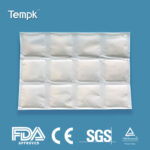
Isolierte Box für landwirtschaftliche Produkte
Der beste Weg zur Bewertung isolierte Box for agricultural products is to treat it as part of a complete cold-chain system, nicht als eigenständiger Container. For agricultural product logistics, Die richtige Box muss zum Produkt passen, Nutzlastvolumen, Kühlmittelplan, Streckendauer, Handhabungsumgebung, und Dokumentationsbedarf. Auch für das Lagerpersonal sollte es einfach sein, einheitlich zu packen. Dieser Leitfaden erklärt, wie man die praktische Eignung beurteilt, wo Lieferantenansprüche überprüft werden können, und wenn eine Isolierbox vor dem routinemäßigen Gebrauch eine zusätzliche Qualifizierung erfordert.
Für Lebensmittel- und Agrartransporte, Sanitäre Handhabung, Vorkühlung, saubere Ausrüstung, und Empfangsinspektionsangelegenheiten ebenso wie die isolierte Verpackung. Die Lebensmittelvorschriften variieren je nach Markt und Produkt, Daher sollten Käufer die Box als Teil eines umfassenderen Kühlkettenprozesses betrachten und nicht als Ersatz für die Kühlkontrolle, wenn diese Kontrolle erforderlich ist.
Beginnen Sie mit der Produktanforderung, nicht das Kartonetikett
Der erste Schritt besteht darin, die Produktanforderung schriftlich zu definieren. Für frische Produkte, Kräuter, Blumen, Samen, Sonderkulturen, and value-added farm products, Diese Anforderung kann ein Speicherbereich sein, eine Transportbedingung, eine Protokollanweisung, eine SDS-Einschränkung, eine Käuferspezifikation, oder eine lokale regulatorische Erwartung. Ohne diese Eingabe, the phrase insulated box for agricultural products is too broad to support a safe purchase.
Eine Isolierbox ist eine passive Verpackungskomponente. Es kann die Wärmeübertragung verringern, Schützen Sie die Verpackung, und einen Routenplan unterstützen, aber es allein schafft keine Compliance. Kühlmittel, Nutzlastanordnung, Überwachung, Etiketten, Empfangsschritte, Je nach Produkt können auch dokumentierte Nachweise erforderlich sein. Diese Grenze sollte klar sein, bevor der Einkauf Lieferanten vergleicht.
Der Käufer sollte auch entscheiden, welches Beweisniveau erforderlich ist. Bei Sendungen mit geringem Risiko sind möglicherweise nur eine sinnvolle Verpackung und interne Annahmekontrollen erforderlich. Hochwertig, reguliert, oder stabilitätsempfindliche Sendungen erfordern möglicherweise Prüfberichte, Spurqualifikation, Qualitätsgenehmigung, und Change-Control-Erwartungen. Der richtige Dokumentationsaufwand hängt vom Risiko ab, nicht auf dem Boxnamen.
Wandeln Sie die Route in eine Verpackungsspezifikation um
Eine Routenbeschreibung sollte jeden Zeitraum beschreiben, in dem sich die Waren außerhalb der kontrollierten Lagerung befinden. Beziehen Sie die Lagerbereitstellung ein, Abholverzögerung, Trägerübertragung, Flughafen- oder Cross-Dock-Abfertigung, Zollkontrolle, Wochenendaufenthalt, Lieferung auf der letzten Meile, und Empfängerverarbeitung. Diese Angaben sind nicht administrativ; Sie bestimmen, wie viel Wärmeschutz das Paket benötigt.
For farm-to-packhouse, exporter consolidation, Luftfracht, Kühlwagen, and farmers market or e-commerce delivery, Käufer sollten auch saisonale Schwankungen berücksichtigen. Eine Route, die bei mildem Wetter eine akzeptable Leistung erbringt, erfordert im Sommer oder Winter möglicherweise eine andere Verpackung oder einen stärkeren Verlader. Saisonale Qualifikation bedeutet nicht, zu raten. Es bedeutet zu fragen, ob Lieferantendaten vorliegen, interne Tests, oder Pilotsendungen decken die Expositionsbedingungen ab, denen die Spur realistisch ausgesetzt sein kann.
Die Routenspezifikation sollte potenziellen Lieferanten mitgeteilt werden, bevor Proben angefordert werden. Wenn ein Lieferant das Routenrisiko versteht, Sie können die Kartongröße empfehlen, Isolationstyp, Kühlmittelkonfiguration, und Montageanleitungen verantwortungsbewusster. Ohne die Route, Die meisten Empfehlungen werden zu Annahmen.
Käufer sollten vor der Skalierung Nachweise anfordern
| Nachweise auf Anfrage | Was es klären soll | Wie man es benutzt |
|---|---|---|
| Material- und Konstruktionsbeschreibung | Isolationstyp, Außenkarton, Liner, Schließung, und Spezialeinlagen. | Bestätigen Sie, dass Muster und Produktionseinheiten übereinstimmen. |
| Zusammenfassung des thermischen Tests | Nutzlast, Kühlmittel, Umgebungseinflüsse, Dauer, und Bestehenskriterien. | Prüfen Sie, ob der Test Ihrer Spur und Ihrem Produkt ähnelt. |
| Verpackungsanweisung | Konditionierung, Ladereihenfolge, Platzierung des Loggers, und Abschlussschritte. | Nutzen Sie es für Lagerschulungen und Auditkontrollen. |
| Änderungsbenachrichtigungsprozess | Wie Material- oder Designänderungen kommuniziert werden. | Schützen Sie die Konsistenz zwischen Probe und Produktion. |
| Empfangs- und Ausnahmeanleitung | Was der Empfänger aufzeichnen sollte, wenn die Sendung verspätet oder beschädigt ist. | Reduzieren Sie Streitigkeiten und unterstützen Sie die Qualitätsprüfung. |
Diese Nachweisliste soll nicht jeden Kauf in ein formelles Validierungsprojekt verwandeln. It helps buyers decide whether the insulated box for agricultural products is supported by enough information for the risk level of the shipment.
Für sensible Güter, Das wichtigste Detail ist oft, ob die getestete Konfiguration mit der realen Konfiguration übereinstimmt. Wenn der Bericht eine andere Nutzlast verwendet, Kühlmittelmenge, oder Kastenbauweise, Der Käufer sollte das Ergebnis als Ausgangspunkt betrachten, keine abschließende Antwort.
Materialauswahl und Nachhaltigkeitskompromisse
Die Materialauswahl sollte mit der Route und dem Wiederherstellungsplan verbunden sein. Schaumsysteme können eine starke Isolierung und Schlagfestigkeit bieten, aber sie können Entsorgungsfragen aufwerfen. Papierkaschierte oder Faserplattensysteme können das Ziel einer geringeren Abfallmenge unterstützen, Sie müssen jedoch auf Feuchtigkeitstoleranz und thermische Leistung überprüft werden. Wiederverwendbare Boxen kann in geschlossenen Kreisläufen attraktiv sein, dennoch bedürfen sie einer Inspektion, Reinigung, Rücksendungsverfolgung, und Verlustkontrolle.
Moisture tolerance, breathable packout design, Dämpfung, Boxkomprimierung, coolant separation from produce, and liner compatibility with humidity should be evaluated as practical design factors, keine isolierten Produktaussagen. Ein Hochleistungsmaterial kann durch einen schlechten Deckelsitz geschwächt werden. Eine nachhaltige Auskleidung kann versagen, wenn sie durch Kondenswasser beschädigt wird. Ein kompakter Beutel kann das Frachtvolumen reduzieren, eignet sich jedoch möglicherweise nicht für eine lange oder unsichere Route. Der Kompromiss sollte vor der Bestellung in großen Mengen dokumentiert werden.
Wenn Nachhaltigkeit Teil der Kaufentscheidung ist, Fragen Sie nach den Beweisen für die Behauptung. Ist das Material am Einsatzort des Empfängers recycelbar?? Erfordert die Verpackung eine Trennung der Komponenten?? Kann der Käufer Kühlmittel oder Mehrwegboxen zurückerhalten?? Ein Nachhaltigkeitsvorteil, der nur in der Theorie funktioniert, hilft der tatsächlichen Lieferkette möglicherweise nicht.
Betriebskontrollen nach Eintreffen der Kartons
Betriebskontrollen verwandeln das Verpackungsdesign in wiederholbare Leistung. Vor dem Produktionseinsatz, Erstellen Sie eine kurze Verpackungsanweisung, die die Ausgangsbedingungen des Produkts abdeckt, Kühlmittelaufbereitung, Ladereihenfolge, Hohlraumfüllung, Platzierung des Loggers, Deckelverschluss, Etikettenplatzierung, und Lagerung vor der Abholung. Die Anweisung sollte so einfach sein, dass ein vielbeschäftigtes Lagerteam sie ohne Interpretation befolgen kann.
Die Eingangsprüfung ist Teil desselben Systems. Der Empfänger sollte wissen, was zu tun ist, wenn die Box beschädigt ist, verzögert, warm zum Anfassen, es fehlt ein Etikett, oder es fehlt der erwartete Logger. Wenn der Versand reguliert oder qualitätskritisch ist, Der Ausnahmepfad sollte definiert werden, bevor die erste Sendung bewegt wird.
Ein praktischer Pilot kann Probleme aufdecken, die in einem Lastenheft übersehen werden. Zum Beispiel, Das Personal stellt möglicherweise fest, dass sich die Box nur schwer schließen lässt, wenn die Nutzlastzahl korrekt ist, Das Gelpackungen in die falsche Position rutschen, oder dass der Etikettenbereich nach dem Anbringen des Klebebands zu klein ist. Die Behebung dieser Probleme vor der Skalierung ist kostengünstiger als die Behebung nach Beginn der routinemäßigen Verteilung.
Wann ist Qualität gefragt?, Logistik, und Lieferanten zusammen
Die besten Entscheidungen für Isolierboxen betreffen in der Regel die Beschaffung, Logistik, Qualität, und der Lieferant. Die Beschaffung prüft Kosten und Verfügbarkeit. Die Logistik sieht Routenschwierigkeiten und Arbeitsaufwand. Qualität sieht Produktrisiko und Dokumentation. Der Lieferant sieht Materialauswahl, Produktionsbeschränkungen, und Packout-Optionen. Wenn eine Gruppe alleine entscheidet, Wichtige Annahmen werden oft übersehen.
Für Produktexporteure, farm cooperatives, packhouse managers, und Kühlkettenkäufer, Eine nützliche interne Überprüfung kann kurz sein. Bestätigen Sie die erforderliche Bedingung, Routenrisiko, Nutzlastkonfiguration, Beweise nötig, und Change-Control-Erwartung. Wenn das Produkt empfindlich oder reguliert ist, include the quality team before the purchase order is placed. Wenn die Route betrieblich schwierig ist, include the warehouse or carrier team before samples are approved.
Hilfreiche Entscheidungshilfen
Überprüfen Sie die Details, bevor Sie sich für die Verpackung entscheiden
Mit diesen schnellen Tools können Sie das Routenrisiko vergleichen, Größenanforderungen, Kühlmittelauswahl, und Verpackungsdetails, bevor Sie ein Angebot anfordern.
Routenrisiko-Checker
Überprüfen Sie die Fahrspurbedingungen, bevor Sie die Verpackung entsprechend den tatsächlichen Betriebsanforderungen auswählen.
Streckenrisiko prüfenKühlmittel & PCM-Referenz
Vergleichen Sie Kühlmittel- und PCM-Optionen, wenn eine Route zusätzliche Temperaturunterstützung benötigt.
Vergleichen Sie OptionenFallfestigkeit des Isolationsmaterials
Überprüfen Sie die Fallfestigkeit und die Handhabungsfaktoren, bevor Sie Isoliermaterialien auswählen.
Widerstand prüfenThis collaborative review is especially important for supplier changes, neue Ziele, Saisonale Packouts, und Skalierung von Mustern auf Großbestellungen. Die für einen Piloten ausgewählte Box könnte geeignet sein, aber der Prozess darum herum muss auch skalierbar sein. Good packaging decisions protect the product and reduce confusion for the people who pack, tragen, und empfange es.
A final purchase decision should include a simple go-or-no-go review. Kann das Team die Produktanforderung angeben?? Kann das Streckenrisiko beschrieben werden?? Entspricht die Musterkonstruktion der Produktion?? Passt das Packout zur Nutzlast, ohne Abkürzungen zu erzwingen?? Gibt es genügend Dokumentation für das Risikoniveau?? Falls eine Antwort unklar ist, Der Käufer sollte es vor der Skalierung klären.
Das Ziel besteht nicht darin, jede Sendung kompliziert zu machen. Ziel ist es, vermeidbare Annahmen zu verhindern. Für Waren mit geringem Risiko, Der Prozess kann kurz sein. Für Hochrisikogüter, es kann sich um eine formelle Qualifikation handeln. In beiden Fällen, the buyer benefits from treating the insulated box for agricultural products as a designed part of the route rather than a generic Isolierter Behälter.
Zusätzliche Feldnotizen für Einkaufsteams
When teams compare insulated box for agricultural products, Sie sollten dokumentieren, welche Annahmen bewiesen sind und welche noch immer nur Schätzungen sind. Bewährte Informationen können eine Materialbeschreibung umfassen, gemessene Abmessungen, vereinbarte Packout-Schritte, und eine produktionsgerechte Musterkonstruktion. Die geschätzten Informationen können das Verzögerungsrisiko beinhalten, saisonale Exposition, Empfängerdisziplin, und wie konsequent das Personal das Kühlmittel aufbereitet. Durch die Trennung dieser Kategorien kann die Beschaffung verhindern, dass eine Annahme als Tatsache behandelt wird.
Eine weitere nützliche Vorgehensweise besteht darin, vor der ersten Lieferung einen kleinen Ausnahmeplan zu erstellen. Entscheiden Sie, was das Personal tun soll, wenn die Kiste zerdrückt ankommt, Das Etikett ist unleserlich, ein Logger fehlt, oder der Empfänger meldet eine verspätete Übergabe. Der Plan muss nicht lang sein, Es sollte jedoch angegeben werden, wer die Sendung überprüft und welche Beweise aufbewahrt werden sollten. Dadurch wird der Verpackungskauf zu einem überschaubaren Kühlkettenprozess.
Käufer, die große Mengen bestellen, sollten sich auch erkundigen, wie der Lieferant mit Ersatzlieferungen umgeht. Eine Änderung der Kartonsorte, Linermaterial, Isoliereinlage, Verschlussband, oder Kühlmittelempfehlungen können die Handhabung und das thermische Verhalten beeinflussen. Die sicherste Lösung ist eine schriftliche Spezifikation mit Benachrichtigung vor Material- oder Konstruktionsänderungen. That is especially important for agricultural product logistics, wo kleine Prozessänderungen bei vielen Sendungen zu wiederholten Problemen führen können.
Endlich, Übersehen Sie nicht die Lagerung vor der Verwendung. Leere Kisten, Liner, Und Kühlmittelpakete kann so inszeniert werden, dass das Packen schwieriger oder weniger konsistent wird. Lagerhäuser sollten wissen, wo Materialien gelagert werden, wenn Kühlmittel konditioniert werden, wie beschädigte Kartons aussortiert werden, und wer prüft, ob die Verpackungsanweisung aktuell ist. Diese Routinen sind oft wichtiger als ein kleiner Unterschied zwischen zwei Katalogspezifikationen.
Es ist auch nützlich zu definieren, was die Sendung voraussichtlich nicht überleben wird. Kein passives Paket sollte als unbegrenzter Schutz vor langen Verzögerungen betrachtet werden, raues Handling, längere Sonneneinstrahlung, oder ein anderer Temperaturbereich als der überprüfte. Die Angabe dieser Grenzen in der Einkaufsakte hilft dem Verkauf, Logistik, und die Kundendienstteams vermeiden es, zu viel zu versprechen. Es gibt dem Lieferanten auch eine klarere Grenze für seine Empfehlungen.
Für Wiederholungsprogramme, Bewahren Sie eine kleine Referenzverpackung auf. Dazu kann ein Foto der korrekten Ladereihenfolge gehören, der genehmigte Karton- oder Linername, gegebenenfalls die Kühlmittelzählung oder die Konditionierungsanweisung, und die Empfängernotiz. Wenn neue Mitarbeiter hinzukommen oder eine arbeitsreiche Saison beginnt, Die Referenzverpackung reduziert die Variation. Diese Konsistenz ist es oft, die eine funktionsfähige Isolierverpackung von einem fragilen Prozess unterscheidet, der auf einen erfahrenen Mitarbeiter angewiesen ist.
Endlich, Richten Sie die Bestelleinheit an der Funktionsweise des Lagers aus. Wenn das Team Kartons lagert, Liner, und Kühlmittel in getrennten Bereichen, Die Einkaufsspezifikation sollte diesen Arbeitsablauf sichtbar machen. Wenn der Käufer vormontierte Bausätze benötigt, verschachtelte Einheiten, oder durchsichtige Etiketten auf Komponentenkartons, Fragen Sie nach, bevor Sie die Bestellung genehmigen. Diese Details sind nicht dekorativ; Sie haben Einfluss darauf, ob die vorgesehene Verpackung im täglichen Versand tatsächlich genutzt wird.
FAQ
Can insulated box for agricultural products replace refrigerated transport?
Nicht von alleine. Eine isolierte Box kann den Wärmezuwachs oder -verlust für eine definierte Strecke verlangsamen, Es kann jedoch die gekühlte Lagerung oder den gekühlten Transport nicht ersetzen, wenn dies für das Produkt erforderlich ist, Käufer, oder lokale Regel. Nutzen Sie es als Teil einer geplanten Packout- und Routenstrategie.
Woher weiß ich, dass die Kartongröße richtig ist??
Vergleichen Sie den nutzbaren Nutzlastraum, nachdem Kühlmittel und Schutz hinzugefügt wurden, nicht nur Außenmaße. Eine zu große Box kann zu übermäßigem Kopfraum führen, während eine zu enge Box dazu führen kann, dass das Produkt gegen Kühlmittel oder Wände drückt. Beide Probleme können die Qualität beeinträchtigen.
Sind Papier- oder Faserplattenoptionen immer nachhaltiger??
Nicht immer. Nachhaltigkeit kommt auf das Gesamtpaket an, einschließlich Beschichtungen, Isoliereinsätze, Filme, Kühlmittel, Kontamination, und lokale Wiederherstellungssysteme. Eine papierbasierte Option kann nützlich sein, Es sind jedoch noch Feuchtigkeitskontrolle und thermische Nachweise für die Strecke erforderlich.
Was sollte ich vor einer Großbestellung testen??
Testen Sie die Montagegeschwindigkeit, Haltbarkeit des Kartons, Kondensationsverhalten, Lesbarkeit des Etiketts, Nutzlast passt, und Ankunftszustand auf einer repräsentativen Route. Wenn die Ware empfindlich ist, Bitten Sie um Beweise, die sich auf die gleiche Nutzlast und Kühlmittelkonfiguration beziehen, die Sie verwenden möchten.
Abschluss
A good decision about insulated box for agricultural products begins with product requirements and route reality. The box should be judged by how it fits fresh produce, Kräuter, Blumen, Samen, Sonderkulturen, and value-added farm products, wie konsequent das Personal es verpacken kann, and what evidence supports its use on the intended route.
Der sicherste Kaufprozess ist nicht kompliziert, aber es ist diszipliniert: Definieren Sie die Temperatur oder die Handhabungsbedingungen, Kartieren Sie die Fahrspur, Bestätigen Sie den nutzbaren Nutzlastraum, Überprüfen Sie die Kühlmittelverträglichkeit, and ask for documentation that matches the risk level. Vermeiden Sie universelle Ansprüche, insbesondere wenn das Produkt reguliert ist, hoher Wert, oder frostempfindlich sind, Hitze, Feuchtigkeit, oder Verzögerung.
Sobald eine Probe funktioniert, Schützen Sie dieses Ergebnis, indem Sie Änderungen kontrollieren. Stellen Sie sicher, dass die Produktionseinheiten mit dem Muster übereinstimmen, Lageranweisungen sind klar, und die Empfangsteams wissen, was sie prüfen müssen. Auf diese Weise wird eine Isolierbox zu einem Teil eines zuverlässigen Kühlkettenprozesses und nicht nur zu einem weiteren Verpackungsartikel.
Über Tempk
Und Tempk, wir nähern uns Isolierte Verpackung als Produkt- und Route-Fit-Entscheidung. We help buyers think through the practical questions behind insulated box for agricultural products: erforderliche Bedingung, Nutzlastraum, Kühlmittelanordnung, Handhabungsschritte, und ob der Lieferantennachweis für das Versandrisiko ausreicht. For agricultural product logistics, Unsere Aufgabe besteht darin, klarere Verpackungsgespräche zu unterstützen, bevor Käufer von Mustern zu wiederholten Bestellungen übergehen, individuelle Größe, oder Großeinkauf. Wir konzentrieren uns in der Diskussion eher auf Streckenbedingungen und Packout-Details als auf allgemeine Versprechungen.