Isolierte Box für Logistikdienstleister-Servicedesign: Fünf Entscheidungstore
Der Kauf einer Isolierbox für den Einsatz bei Logistikdienstleistern ist einfach; Es ist schwieriger, einen vertretbaren Dienst darum herum zu definieren. Der Container muss zur Nutzlast passen, thermische Herausforderung, Verkehrsnetz, Verpackungsvorgang, Beweispflicht, und Wiederherstellungsmodell. Die Isolierung verlangsamt nur die Wärmeübertragung, Die Leistung kommt also von der zusammengestellten Verpackung und den Menschen, die sie vorbereiten und handhaben. Eine Fünf-Gate-Überprüfung hilft Teams, eine vorzeitige Produktauswahl zu vermeiden. Jedes Tor erzeugt eine kommerzielle Entscheidung, Operationen, Beschaffung, und Qualitätsteams nutzen können, bevor der Service eine Live-Lieferung erreicht.
Tor eins: Definieren Sie die Isolierbox für den Serviceumschlag des Logistikdienstleisters
Kundenanfragen kommen oft als "gekühlte Lieferung," "gefrorene Box," oder eine gewünschte Stundenzahl. Keines ist detailliert genug, um eine Verpackung auszuwählen. Verwandeln Sie die Anfrage in einen Serviceumschlag: eine kontrollierte Beschreibung des Produkts, Nutzlast, Route, Bedingungen, Handhabung, und Nachweise, zu deren Unterstützung der Anbieter bereit ist.
Beginnen Sie mit den vom Produktbesitzer genehmigten Transportbedingungen. Ordnen Sie keinen einheitlichen Branchenbereich zu, nur weil es sich bei dem Produkt um Lebensmittel handelt, Medizin, oder eine Laborprobe. Verschiedene Produkte innerhalb derselben Kategorie können unterschiedliche Grenzwerte haben und auf einen kurzen Ausflug unterschiedlich reagieren. Erfassen Sie, wem die Spezifikation gehört und wer ein Ereignis außerhalb der Spezifikation bewertet.
Definieren Sie die Nutzlast als Umschlag und nicht als Katalogkapazität. Berücksichtigen Sie die kleinste und größte erwartete Last, tatsächliche Produktverpackungsabmessungen, Masse, Ausgangsbedingung, Orientierung, und jede sekundäre Eindämmung. Berechnen Sie dann den nutzbaren Raum nach dem Kühlmittel, Trenner, saugfähiges Material, oder andere obligatorische Komponenten installiert sind. Das Bruttoinnenvolumen ist kein Versandversprechen.
Planen Sie die Zeit vom Beginn des Verpackens bis zur Überführung in ein geeignetes Lager am Bestimmungsort ein. Der planmäßige Transport durch Spediteure ist nur ein Segment. Inszenierung einbeziehen, Sammlungsschluss, Hub wohnen, Zoll- oder Sicherheitsüberprüfung, Zustellversuche, und Empfängerannahme. Identifizieren Sie glaubwürdige Verzögerungsfälle und entscheiden Sie, ob der Entwurf diese abdecken muss oder ob ein anderer Fall vorliegt.
Die Ausgabe von Gate One sollte kurz genug sein, um überprüft zu werden, aber präzise genug, um stille Annahmen zu verhindern. Wenn ein Feld unbekannt bleibt, Weisen Sie einen Eigentümer zu und lassen Sie nicht zu, dass der Ausfall eines Lieferanten versehentlich zur Anforderung wird.
Tor Zwei: Wählen Sie die richtige Steuerungsarchitektur
Eine Isolierbox ist ein möglicher Bestandteil der temperaturgeführten Verteilung. Wählen Sie seine Rolle durch den Vergleich von Steuerungsarchitekturen aus, nicht durch Hinzufügen aller verfügbaren Ebenen.
Ein allgemeiner Transportbehälter schützt vor Stößen, Schmutz, oder Wasser, kann aber eine eingeschränkte thermische Funktion haben. Eine isolierte Box reduziert den Wärmeaustausch, erzeugt aber keine Kühlung. Ein passives Versandsystem kombiniert ein isoliertes Gehäuse mit konditioniertem Kühlmittel und einer kontrollierten Anordnung. Ein aktiver Container nutzt angetriebene Heizung oder Kühlung. Ein Kühlfahrzeug kontrolliert seinen Laderaum, während ein Temperaturlogger die Bedingungen aufzeichnet, ohne sie zu verändern.
Diese Funktionen können kombiniert werden, Aber mehr Komponenten bedeuten nicht automatisch eine bessere Kontrolle. Ein passiver Transporter in einem Kühlfahrzeug kann beim Transport nützlichen Schutz bieten. Es kann auch einer kälteren Umgebung ausgesetzt sein, als das Design für heißes Wetter erwartet. Ein Datenlogger kann die Belastung aufdecken, aber fehlendes Kühlmittel nicht kompensieren. Eine robuste Außenhülle aus Kunststoff kann die Handhabung verbessern, sagt aber nichts über die Eignung des Thermosystems im Inneren aus.
Kühlmittel ist ebenso spezifisch. Wasserbasierte Packungen und technische Phasenwechselmaterialien speichern Wärmeenergie in der Nähe ihres Phasenübergangs. Ihre Konditionierung und Platzierung beeinflussen sowohl die Dauer als auch das lokale Erkältungsrisiko. Trockeneis erzeugt sehr niedrige Temperaturen und Kohlendioxidgas, eine entsprechende belüftete Konstruktion erforderlich, sicheres Handling, und verkehrsträgerspezifische Gefahrgutkontrollen. Die Worte "Eisbeutel" oder "PCM" kennzeichnen keine austauschbare Komponente.
Wählen Sie eine Kandidatenarchitektur aus, indem Sie nachfragen:
- Kann es den erforderlichen Zustand des Produkts unterstützen, ohne ein Risiko auf der Gegenseite zu schaffen??
- Passt die komplette Verpackung zur minimalen und maximalen Nutzlast??
- Kann den Zustand des Personals ermitteln und ihn wiederholbar im prognostizierten Volumen zusammenbauen?
- Kann das Netzwerk sein Gewicht bewältigen?, Orientierung, Schließung, und Außenmaße?
- Kann das Ziel es empfangen und, wenn wiederverwendbar, gib es zurück?
- Gibt es einen glaubwürdigen Weg, um die erforderlichen Beweise zu generieren oder zu erhalten??
Das Ergebnis ist noch kein genehmigter Dienst. Es handelt sich um eine Kandidatenkonfiguration, die für Gate Drei bereit ist.
Tor drei: Überprüfen Sie die Beweisgrenze
Die zentrale Beschaffungsfrage ist nicht "Wurde diese Box getestet??" Es ist "Welches genaue System wurde getestet?, unter welchen Bedingungen, nach welchen Kriterien, und wie hängt das mit unserem Serviceumfang zusammen??" Eine nützliche Beweisprüfung trennt bestätigte Fakten von Lieferantenannahmen und von Arbeiten, die der Logistikdienstleister noch durchführen muss.
| Beweisstück | Was für eine nützliche Aufzeichnung es verrät | Entscheidung, die es unterstützt |
|---|---|---|
| Komponentendefinition | Kasten, Deckel, Isolierung, Kühlmittel, einfügen, Schließung, und Version | Ob die gekaufte Verpackung mit dem Testartikel übereinstimmt |
| Nutzlastdefinition | Größe, Masse, Ausgangsbedingung, Layout, und Lastbereich | Ob tatsächliche Sendungen in den unterstützten Umschlag fallen |
| Thermische Herausforderung | Ambient-Sequenz, Testdauer, Orientierung, und Handling | Ob der Test die vorgeschlagene Fahrspur angemessen darstellt |
| Konditionierungsmethode | Ausrüstung, Bedingung festlegen, Vorbereitung, Überprüfung, und Inszenierung | Ob Ursprungsoperationen den getesteten Zustand reproduzieren können |
| Sensorplan | Standorte, Kalibrierungsstatus, Intervall, und Unsicherheitsansatz | Ob heiß, kalt, und zentrale Regionen wurden charakterisiert |
| Akzeptanzkriterien | Produktraumgrenzen und Behandlung von Abweichungen | Was "passieren" eigentlich bedeutet |
| Ergebnisse und Rückblick | Kurven, Läufe wiederholen, Abweichungen, Marge, und Zustimmung | Wie robust die Lösung erscheint und wo ihre Grenzen liegen |
| Kontrolle ändern | Komponentenidentitäts- und Benachrichtigungsprozess | Ob eine spätere Lieferung erfolgt, bleibt von der Beweisführung abhängig |
Diese Tabelle verhindert, dass die Überschriftendauer zum gesamten Qualifikationsargument wird. Zwei Systeme können denselben Endpunkt erreichen und gleichzeitig ein unterschiedliches frühes Erkältungsrisiko aufweisen, späte Erwärmung, Farbverläufe, oder Wiederholbarkeit. Überprüfen Sie die Kurven und Betriebsbedingungen, nicht nur ein Zertifikatstitel.
Die Tests sollten dem Risiko entsprechen. Der ISTA-Standard 7E stellt thermische Profile bereit, die für Tests bei der Paketzustellung entwickelt wurden und mit einem umfassenderen Qualifizierungsprozess verwendet werden können. Die technischen Materialien der WHO für temperaturempfindliche Arzneimittel beschreiben die Qualifikation von Versandbehälter, Routenprofilierung, und Transportüberwachung. Das EU-GDP geht davon aus, dass Arzneimittel innerhalb definierter Transportbedingungen bleiben und die Ausrüstung für den Gebrauch geeignet ist. Für den versicherten Transport von Lebensmitteln per Auto oder Bahn in den Vereinigten Staaten gelten möglicherweise die Hygienevorschriften der FDA für den Transport. ISO 23412 deckt eine bestimmte indirekte ab, Kühlpaketdienstmodell und unterscheidet es von einem Paket, das sein eigenes Kältemittel mitführt. ATP- und IATA-Anforderungen können für bestimmte internationale Transporte verderblicher Lebensmittel oder den Luftverkehr von Bedeutung sein.
Keine dieser Referenzen gibt eine pauschale Genehmigung für eine Isolierbox. Bestimmen Sie welche Standards, Vorschriften, Kundenanforderungen, Für das Produkt gelten interne Verfahren, Zuständigkeit, und Modus. Notieren Sie die verwendete Ausgabe oder Quelle. Holen Sie qualifizierte regulatorische oder qualitätsbezogene Informationen ein, wenn der Umfang unsicher ist.
Die Qualifizierung sollte sich auf die vollständige Konfiguration beziehen. Für einen Hochrisiko- oder regulierten Dienst, Der Plan kann eine Entwurfsprüfung umfassen, Betriebstests unter definierten Umgebungsbedingungen, Performance-Arbeit auf repräsentativen Strecken, physische Verteilungstests, und kontrollierte Überwachung. Ein erfolgreicher Feldtransport ist ein nützlicher Beweis für dieses Ereignis, beweist jedoch nicht die universelle Eignung. Umgekehrt, Ein Kammertest beweist nicht, dass Packer, Hubs, und Empfänger führen die Methode korrekt aus.
Gate Drei wird erst geschlossen, wenn das genehmigende Team versteht, was unterstützt wird und welche Grenzwerte in die Servicebeschreibung gehören.
Hilfreiche Entscheidungshilfen
Überprüfen Sie die Details, bevor Sie sich für die Verpackung entscheiden
Mit diesen schnellen Tools können Sie das Routenrisiko vergleichen, Größenanforderungen, Kühlmittelauswahl, und Verpackungsdetails, bevor Sie ein Angebot anfordern.
Verpackungsauswahl
Vergleichen Sie isolierte Verpackungsoptionen nach Produkt, Route, und Temperaturbedarf.
Verpackung findenFallfestigkeit des Isolationsmaterials
Überprüfen Sie die Fallfestigkeit und die Handhabungsfaktoren, bevor Sie Isoliermaterialien auswählen.
Widerstand prüfenBoxliner & Dimensionierung der Palettenabdeckung
Überprüfen Sie die Größenlogik für Kartoneinlagen und Palettenabdeckungen für isolierte Verpackungsprojekte.
Schätzen Sie die GrößeTor vier: Wiederholgenauigkeit des Ingenieurs bei jeder Übergabe
Eine qualifizierte Verpackung kann als Operation dennoch scheitern. Konvertieren Sie die akzeptierte Konfiguration in rollenbasierte Anweisungen und Kontrollen.
Am Ursprung, Weisen Sie kontrollierte Lagerorte für Kastenkomponenten und Kühlmittel zu. Stellen Sie sicher, dass die Konditionierungsausrüstung über genügend Kapazität für Spitzenvolumen verfügt, einschließlich Wiederherstellung nach Türöffnungen und Neuladungen. Identifizieren Sie Komponenten, damit das Personal nicht einfach so eine ähnliche Packung austauschen kann. Definieren Sie die Bereitstellung der Nutzlast, maximale Montagebelichtung, genaue Ladereihenfolge, Abstandshalter, Standort des Loggers, Schließung, Siegel, Etikett, und Freigabeprüfung.
Verwenden Sie visuelle Arbeitsanweisungen, wenn es auf die Orientierung ankommt. Geben Sie den Grund für Details mit hohem Risiko an. Es ist weniger wahrscheinlich, dass ein Packer eine Barriere entfernt, wenn in der Anweisung erklärt wird, dass er den direkten Kontakt mit dem Kühlmittel verhindert. Die Schulung sollte mit einem demonstrierten Packout und einer dokumentierten Kompetenzentscheidung enden. Zeitarbeitskräfte und Notfallstandorte benötigen die gleiche Kontrolle, keine verkürzte Vermutung.
Bei Annahme durch den Spediteur, Aufzeichnungsverwahrung und alle dienstspezifischen Handhabungsanforderungen. Hubs benötigen eine kurze Reaktion auf eine beschädigte Hülle, Deckel öffnen, nasses Paket, fehlendes Etikett, oder Verzögerung. Wenn die Inspektion ein Öffnen erfordert, Definieren Sie, wer berechtigt ist, wie Komponenten geschützt werden, ob das System wiederhergestellt werden kann, und wie das Ereignis aufgezeichnet wird. Lassen Sie nicht zu, dass ein informelles Umpacken den Bezug zur Qualifikation auslöscht.
Am Ziel, Lieferung mit Empfangsfähigkeit in Einklang bringen. Der Empfänger sollte wissen, wohin die Sendung geht, welche Prüfungen durchgeführt werden sollen, wie man Überwachungsgeräte stoppt oder liest, und wen Sie kontaktieren können. Ein Exkursionsalarm ist ein Signal zur Beurteilung. Das ist es nicht, allein, eine universelle Freigabe- oder Ablehnungsregel. Informationen zur Produktstabilität und eine verantwortungsvolle Qualitätsentscheidung sind erforderlich.
Praxisbeispiel: Einführung einer Gesundheitsversorgungsspur mit zwei Hubs
Stellen Sie sich vor, ein Anbieter möchte über zwei Hubs einen Paketdienst für das Gesundheitswesen über Nacht anbieten. Der Verpackungslieferant bietet eine Passivbox mit günstigen Kammerdaten an. Anstatt sich auf die Dauerangabe zu verlassen, Der Anbieter vergleicht das getestete Umgebungsprofil und die Nutzlast mit seinem Serviceumfang. Dabei wird festgestellt, dass die vorgesehene Mindestnutzlast geringer ist und der zweite Hub Pakete über den geplanten Cutoff hinaus aufnehmen kann.
Das Team fügt eine bewertete Mindestlastregelung hinzu, Definiert eine Verzögerungseskalation am zweiten Hub, und führt einen kontrollierten Pilotversuch durch, bei dem das letzte Verpackungspersonal und der Empfangsprozess zum Einsatz kommen. Die Überwachung zeigt, dass der Datenabruf am Zielort inkonsistent ist, Daher wird der Start unterbrochen, während die Verantwortung und das Training korrigiert werden. Es bedarf keines erfundenen Kundenergebnisses, um die Lektion zu verstehen: Betriebsnachweise können einen schwachen Prozess aufdecken, selbst wenn die Box selbst wie erwartet funktioniert.
Bei der routinemäßigen Überprüfung sollten Temperaturereignisse mit Prozesssignalen kombiniert werden. Verfolgen Sie Verpackungsabweichungen, Konditionierungsausnahmen, beschädigte Verschlüsse, fehlende Logger, ungelesene Datensätze, Nabe hält, Empfangsverzögerungen, und Komponentensubstitutionen. Trends können einen Kontrollverlust erkennen lassen, bevor es zu einem Temperaturanstieg kommt.
Tor fünf: Skalieren Sie Kosten und Nachhaltigkeit, ohne die Kontrolle zu verlieren
Der Stückpreis ist ein kleiner Teil der Servicekosten. Ein Einwegsystem erfordert eingehende Speicherung, Montage, Kühlmittelaufbereitung, Arbeit, Frachtwürfel, Abfallbehandlung am Zielort, und Ersatz nach jeder Lieferung. Ein wiederverwendbares System fügt den Kauf von Vermögenswerten hinzu, Identifikation, Rücktransport, Sammlung wohnen, Reinigung, Trocknen, Inspektion, reparieren, Verlust, Lagerung, und Ruhestand. Vergleichen Sie die Optionen über dieselbe Versandfunktion und dasselbe tatsächliche Netzwerk.
Mehrwegboxen sind in der Regel sinnvoller, wenn viele Fahrspuren vorhanden sind, Reiseziele sind bekannt, Backhaul existiert, Vermögenswerte können gescannt werden, und eine zentrale Einrichtung kann sie prüfen und reinigen. Ein entferntes oder weit verstreutes Netzwerk kann erhebliche Ressourcen für die Rückgewinnung von Leergut aufwenden oder Einheiten verlieren, bevor sie genügend Zyklen durchlaufen haben. Das Umweltergebnis hängt von den tatsächlich abgeschlossenen Nutzungen und der Rückbewegung ab, nicht auf das Wort "wiederverwendbar."
Für Einwegverpackungen, Durch die richtige Dimensionierung können Material und Frachtvolumen reduziert werden, Die unterstützte Nutzlast und das thermische Design müssen jedoch erhalten bleiben. Fragen Sie, ob Zieleinrichtungen die eigentlichen Komponenten trennen und zurückgewinnen können. Ein theoretischer Recyclingweg ist nicht dasselbe wie eine lokale Sammlung. Für wiederverwendbare Verpackungen, Geben Sie kompatible Reinigungsmittel an, Spül- und Trocknungsbedingungen, Inspektionspunkte, Ersatzteile, und Ruhestandskriterien. Eine beschädigte Auskleidung oder nasse Isolierung kann sowohl ein thermisches als auch ein hygienisches Problem darstellen.
Verpackungsvorschriften und Erwartungen an die Kundenberichterstattung rücken die Gestaltung des Lebenszyklus immer stärker in den Fokus, Recyclabalität, und Wiederverwendung in mehreren Märkten. Ein aktuelles Beispiel ist der Verpackungs- und Verpackungsabfallrahmen der Europäischen Union, Die Verpflichtungen hängen jedoch vom Betreiber ab, Verpackungsformat, Route, und Timing. Holen Sie sich aktuelle marktspezifische Ratschläge ein, anstatt jede Box als automatisch konform zu bezeichnen.
Skalieren Sie in kontrollierten Schritten. Beginnen Sie mit Mustern, die dem vorgeschlagenen Produktionsdesign entsprechen. Überprüfen Sie Passform und Ergonomie. Erstellen oder überprüfen Sie thermische und physikalische Beweise. Steuern Sie den Endprozess mit überschaubarem Volumen. Frieren Sie die Stückliste und Anweisungen ein. Richten Sie Lieferantenwechselbenachrichtigungen und Eingangskontrollen ein. Erweitern Sie erst, nachdem frühe Abweichungen verstanden wurden.
Häufig gestellte Fragen
Wie viele Isolierboxgrößen sollte ein Logistikdienstleister anbieten??
Es gibt keine universelle Zahl. Bauen Sie Größen rund um echte Nutzlastcluster auf, Kühlmittelraum, Handhabungsgeräte, und Beweise, anstatt jede Lücke in einem Katalog zu füllen. Zu wenige Größen können zu ineffizientem Luftraum oder nicht unterstützten Lasten führen; Zu viele erhöhen den Lagerbestand und die Schulungskomplexität. Eine kontrollierte Plattform kann gemeinsame externe Footprints mit klar genehmigten internen Konfigurationen verwenden.
Sollte der Lieferant oder Logistikdienstleister die Verpackung qualifizieren??
Ein Lieferant kann wertvolle Design- und Testnachweise liefern, Der Logistikdienstleister und Produktbesitzer muss jedoch entscheiden, ob es die beabsichtigte Nutzlast unterstützt, Fahrbahn, Operationen, und geltenden Qualitätsanforderungen. Verantwortlichkeiten sollten dokumentiert werden. Kundenspezifische Tests, Streckenarbeiten, oder eine Genehmigung ist möglicherweise noch erforderlich, insbesondere wenn der Service von der bewerteten Konfiguration des Anbieters abweicht.
Ist ein Temperaturlogger der Beweis dafür, dass das Produkt akzeptabel blieb??
Ein Logger dokumentiert die Messwerte an seinem Sensorstandort. Für die Interpretation dieser Messwerte sind die genehmigten Produktgrenzwerte erforderlich, Sensor- und Kalibrierungskontext, Platzierung, Zeit, und ein Exkursionsprozess. Es kann nicht jeden Punkt der Ladung anzeigen oder die Sendung schützen. Über die Produktakzeptanz sollte die autorisierte Partei anhand relevanter Stabilitäts- und Qualitätsinformationen entscheiden.
Welche Änderungen sollten eine Neubewertung auslösen??
Überprüfen Sie Änderungen am Material oder der Geometrie des Kastens, Kühlmittel, Konditionierung, Nutzlastreichweite, interne Komponenten, Schließung, Standort des Loggers, Route, Nabe, Modus, Dienstzeit, Reinigung, oder Lieferant. Die erforderliche Reaktion kann von einer dokumentierten Beurteilung bis hin zu einer Zusatzqualifikation reichen. Legen Sie vor dem Start Auslöser fest, damit betriebliche und kommerzielle Änderungen nicht an der Qualitätsprüfung vorbeigehen.
Abschluss
Eine isolierte Box für den Service eines Logistikdienstleisters sollte fünf Tore passieren: einen präzisen Versandumschlag, eine geeignete Steuerungsarchitektur, Beweise, die zu seiner Verwendung passen, wiederholbare Übergaben, und ein skalierbares Lebenszyklusmodell. Die zentrale Disziplin besteht darin, Ansprüche an die genaue Verpackung und die Bedingungen zu knüpfen, die sie unterstützen. Isolierung, Kühlmittel, Nutzlast, Route, Menschen, Daten, und Erholung gehören zum Design. Wenn diese Elemente verbunden bleiben, Der Anbieter kann klare Leistungsgrenzen angeben, Ausnahmen untersuchen, und die Leistung verbessern, ohne sich auf einen Universal-Box-Anspruch zu verlassen.
Über Tempk
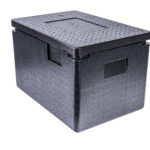
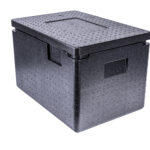
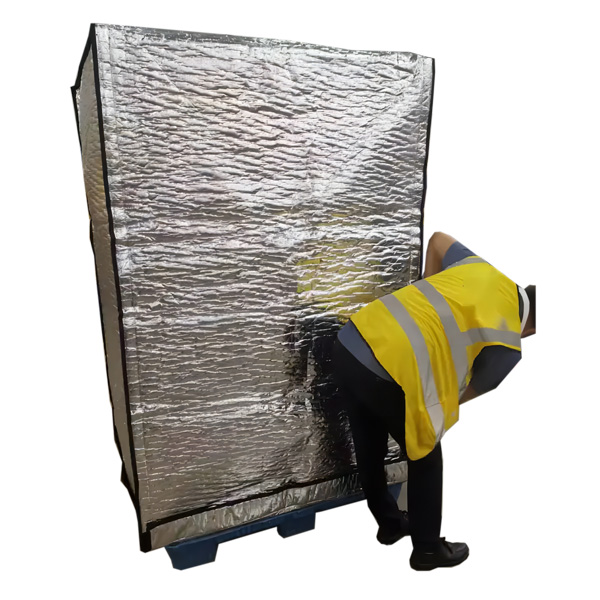
Tempk bietet geschäftsorientierte Verpackungskategorien zur Temperaturkontrolle, einschließlich Isolationsboxen, Eisbeutel, Isoliertaschen, Und Thermopalettenabdeckungen. Wir können die Verpackung und Anpassung der Kandidaten im Kontext der Nutzlast besprechen, Route, Auspacken, Handhabung, und Wiederverwendungsanforderungen. Für Logistikdienstleister, Der praktische Wert liegt in einem Gespräch über den gesamten Anwendungsfall, Anschließend erfolgt eine Überprüfung der Konfiguration und der unterstützenden Informationen, die für die eigene Betriebs- und Qualitätsentscheidung des Kunden erforderlich sind.
Teilen Sie Ihren Serviceumschlag mit Tempk, inklusive Nutzlastabmessungen, erforderliche Bedingungen, Routenetappen, Überwachungsbedarf, und Rückgabemodell. Nutzen Sie diese Informationen, um Kandidaten zu vergleichen Isolierte Verpackung bevor Sie sich auf die Lautstärke festlegen.