Hersteller von isolierten Boxen, Blutplasma: So wählen Sie eine zuverlässige Lösung
Der richtige Isolierbox-Hersteller für Blutplasma ist derjenige, der zum Produktrisiko passt, nicht einfach das, was zum Produkt passt. Eine sichere Kaufentscheidung verbindet die erforderliche Temperaturbedingung, Nutzlastgröße, Kältemittelplan, Streckenbelichtung, Bevor eine Großbestellung aufgegeben wird, informieren wir Sie über die Abwicklungsmethode und Lieferantennachweise.
Für Blutplasma-Sammelstellen, Biopharma-Lieferketten, Labors, und spezialisierte Logistikteams, Das bedeutet, dass Sie die Box als passive Kühlkettensystemkomponente bewerten sollten. Die Isolierung, Kühlmittel, Innenverpackung, Schließung, Etiketten, Die Position des Datenloggers und die Verpackungsanweisungen müssen alle zusammenarbeiten. Das Ziel ist kein dramatischer Anspruch; Es handelt sich um einen wiederholbaren Schutz, den Ihre Betriebs- und Qualitätsteams verstehen können.
Eine praktische Definition für Käufer
Eine nützliche Definition eines Herstellers von Isolierboxen: Blutplasma ist nicht nur ein isolierter Behälter. Es handelt sich um eine passive Verpackungskomponente, die dazu dient, den erforderlichen Zustand eines bestimmten Produkts über einen bestimmten Weg aufrechtzuerhalten. Die Isolierung verlangsamt die Wärmeübertragung. Das Kältemittel oder die thermische Masse trägt dazu bei, den gewünschten Zustand aufrechtzuerhalten. Das Packout steuert, wie diese Elemente die Nutzlast berühren. Das Arbeitsverfahren macht das Design wiederholbar.
Diese Definition schützt Käufer vor zwei häufigen Fehlern. Die erste besteht darin, nur nach Außenmaßen zu kaufen. Die zweite besteht darin, die allgemeine Aussage eines Lieferanten als Streckengenehmigung zu behandeln. Eine Box kann für eine Nutzlast geeignet und für eine andere schwach sein. Es eignet sich möglicherweise für eine kurze örtliche Route, erfordert aber für den Frachtversand einen anderen Karton- oder Kühlmittelplan. Es passt vielleicht zu einem Produkt, lässt aber keinen Platz für Etiketten, Absorptionsmittel oder Überwachung.
Übersetzen Sie Produktrisiken in eine Box-Architektur
Das Produkt sollte die Architektur vorantreiben. Plasmaspezifisch eingefroren, gekühlt, oder kontrollierte Bedingungen, die durch den Produktstatus bestimmt werden, Sammelprotokoll, Zielanforderungen, und anwendbare Qualitätsverfahren sollten vor den Abmessungen bestätigt werden, Material und Preis werden verglichen. Berücksichtigen Sie dann die physische Verwundbarkeit des Produkts: Ist es nass?, zerbrechlich, steril, biologisch, gefährlich, gefroren, kälteempfindlich, Geruchserzeugend, etikettenkritisch oder hoher Wert? Jede Antwort verändert die Innenverpackung.
Auftaugefahr, Temperaturnachweislücken, Biogefährdung und Umgang mit biologischem Material, Rückverfolgbarkeit der Spendereinheit, Kondensation, Umgang mit Trockeneis, sofern zutreffend, und die Ablehnung des Empfängers sind die Art von Problemen, die ein einfaches Angebot in ein Qualitätsproblem verwandeln. Die Box benötigt möglicherweise eine Feuchtigkeitsbarriere, saugfähiges Material, ein starrer Umkarton, Trenner, ein Beschriftungsfeld, eine manipulationssichere Funktion oder eine spezielle Methode zur Kühlmitteltrennung. Möglicherweise ist auch ein Temperaturdatenlogger erforderlich, aber der Logger zeichnet die Bedingungen auf; es schützt das Produkt nicht. Der Schutz entsteht durch die Verpackung und den Prozess.
Zur Beschaffung, Der praktische Schritt besteht darin, vor dem Versenden der Zeichnungen eine kleine Entscheidungsvorlage zu erstellen. Berücksichtigen Sie die Abmessungen der Nutzlast, Produktmasse, Einheiten pro Karton, Streckendauer, erwartete Umgebungsexposition, Temperaturakzeptanzkriterien, spezielle Etiketten, Reinigungsbedarf, und ob es sich um eine Einwegsendung oder eine Mehrwegsendung handelt. Diese Kurzbeschreibung hilft dem Werk, eine Box zu empfehlen, die den tatsächlichen Gebrauch widerspiegelt, und nicht einen generischen Katalogartikel.
Was Sie vor der Bestellung überprüfen sollten
| Was zu überprüfen | Warum es für diese Sendung wichtig ist | Bessere Käuferfrage |
|---|---|---|
| Was zu überprüfen | Warum es für diese Sendung wichtig ist | Bessere Käuferfrage |
| Produkt- und Routenanforderung | plasmaspezifisch eingefroren, gekühlt, oder kontrollierte Bedingungen, die durch den Produktstatus bestimmt werden, Sammelprotokoll, Zielanforderungen, und anwendbare Qualitätsverfahren | Welchen Zustand muss das Produkt bei Erhalt erfüllen?, und wer genehmigt diese Grenze?? |
| Packout-Anordnung | Isolierung und Kühlmittel funktionieren nur, wenn die interne Anordnung wiederholbar ist | Kann der Lieferant eine Zeichnungs- oder Verpackungssequenz für das Muster bereitstellen?? |
| Material- und Dimensionskontrolle | Masseneinheiten müssen mit der genehmigten Probe übereinstimmen | Wie sind Materialien, Abmessungen, Einsätze und Verschluss werden während der Produktion kontrolliert? |
| Dokumentation und Etiketten | Verfahren zur Handhabung von Blutprodukten, Klassifizierung biologischer Materialien, Rückverfolgbarkeit, Temperaturdokumentation, und Qualitätsprüfung statt allgemeiner Box-Behauptungen | Welche Etiketten, Aufzeichnungen, Die Platzierung von Datenloggern oder Netzbetreiberkontrollen sollten geplant werden? |
| Beweise hinter Behauptungen | Angaben zu Haltezeit oder Temperatur hängen von den Testbedingungen ab | Welche Nutzlast, Umgebungsprofil und Akzeptanzkriterien unterstützen die angegebene Leistung? |
| Einsatztauglich | Lager- und Kurierteams müssen das Design korrekt verwenden | Kann das Personal es schnell packen, ohne unter Routinedruck zu improvisieren?? |
Diese Verifizierungstabelle ist bewusst praktisch. Es wird vom Lieferanten nicht verlangt, eine universelle Leistung zu versprechen. Es wird abgefragt, ob die vorgeschlagene Box mit Ihrem Produkt verbunden werden kann, Route und Betriebsablauf. Das ist der Unterschied zwischen dem Kauf von Isolierverpackungen und der Genehmigung einer wiederholbaren Kühlkettenverpackung.
Fabrik, OEM, Die Rollen von Großhändlern und Herstellern sind nicht identisch
Suchbegriffe wie Fabrik, OEM, Großhandel und Hersteller sehen oft ähnlich aus, aber sie signalisieren unterschiedliche Käuferbedürfnisse. Einem fabrikorientierten Käufer liegt möglicherweise die Produktionskonsistenz am Herzen, Kartonstärke und Massenpreis. Ein OEM-Käufer benötigt möglicherweise eine Sondergröße, Private Etikettierung, Einlagen oder spezielle Packout-Komponenten. Ein Großhandelskäufer ist möglicherweise an Standardbeständen interessiert, Wiederholungslieferung und klare Spezifikationen. Ein herstellerorientierter Käufer stellt möglicherweise tiefergehende Fragen zur Materialkontrolle und Qualitätsaufzeichnungen.
Zum Stichwort Isolierbox-Hersteller Blutplasma, Der sicherste Beschaffungsweg besteht darin, die Rolle, die Sie benötigen, explizit anzugeben. Wenn Sie Standardboxen wünschen, Fragen Sie nach verfügbaren Größen und Komponentenlisten. Wenn Sie eine OEM-Lösung benötigen, Fragen Sie nach Zeichnungen, Werkzeuge, Beschriftung, Musterfreigabe und Änderungskontrolle. Wenn Sie einen Hersteller für sensible Güter qualifizieren, Fragen Sie, wie die Produktionsversion mit dem genehmigten Muster konsistent bleibt. Wenn Sie exportieren, Fügen Sie frühzeitig Carrier- und Zielbeschränkungen hinzu.
Der Lieferant sollte nicht nur nach seiner Bereitschaft zur Anpassung beurteilt werden. Eine gute Individualisierung schützt den Versand und den Kaufprozess. Durch eine schlechte Anpassung entsteht eine Box, die einzigartig aussieht, aber keinen nutzbaren Platz bietet, Verpackungsklarheit, Testbarkeit oder Produktionsstabilität.
Typisches Szenario: Von der Anforderung bis zur Auslieferung
Ein Plasmazentrum sendet gefrorenes Material an einen Verarbeitungsort. Das Logistikteam benötigt sowohl Wärmeschutz als auch einen Handhabungsprozess, der die Rückverfolgbarkeit von der Abholung bis zum Empfang gewährleistet. Ein starker Beschaffungsprozess würde mit der Bestätigung des erforderlichen Produktzustands und der Empfangskriterien beginnen. Der Käufer würde dann die Nutzlast auflisten, voraussichtliche Route, Übergabepunkte und Handhabungsbeschränkungen. Der Lieferant würde einen Kastenaufbau und einen Kältemittelplan vorschlagen, und beide Seiten würden prüfen, ob Etiketten, saugfähig, Einsätze, Die Schritte zur Platzierung und Schließung des Datenloggers sind durchführbar.
Der nächste Schritt wäre eine Überprüfung der Musterverpackung. Der Käufer sollte den Karton physisch mit realistischen Produkten bepacken, Kühlmittel und Zubehör, Überprüfen Sie nicht nur den leeren Behälter. Wenn die Box schwer zu schließen ist, lässt Beschriftungen verborgen, schafft direkten Kühlmittelkontakt, oder es dauert zu lange, bis das Personal gepackt hat, Das Problem sollte vor der Massenproduktion gelöst werden. Wenn ein thermischer Anspruch wichtig ist, Fragen Sie, welche Beweise dies stützen und ob eine weitere Routen- oder Laborbewertung erforderlich ist.
Betriebskontrollen nach der Bestellung
Eine Bestellung schließt die Kühlkettenentscheidung nicht ab. Es startet die Betriebsphase. Lagerteams benötigen eine Eingangskontrolle für eingehende Verpackungen, eine Möglichkeit, Komponentenlose zu identifizieren, klare Lagerbedingungen für Kältemittel, und eine Freigabeprüfung vor dem Versand der Sendungen. Wenn die Box wiederverwendbar ist, Auch das Personal muss gereinigt werden, Trocknen, Verfahren zur Schadensinspektion und Rückverfolgung.
Hilfreiche Entscheidungshilfen
Überprüfen Sie die Details, bevor Sie sich für die Verpackung entscheiden
Mit diesen schnellen Tools können Sie das Routenrisiko vergleichen, Größenanforderungen, Kühlmittelauswahl, und Verpackungsdetails, bevor Sie ein Angebot anfordern.
Kühlmittel & PCM-Referenz
Vergleichen Sie Kühlmittel- und PCM-Optionen, wenn eine Route zusätzliche Temperaturunterstützung benötigt.
Vergleichen Sie OptionenBoxliner & Dimensionierung der Palettenabdeckung
Überprüfen Sie die Größenlogik für Kartoneinlagen und Palettenabdeckungen für isolierte Verpackungsprojekte.
Schätzen Sie die GrößeEisbeutel-Rechner
Schätzen Sie die Menge an Gel-Eisbeuteln für gekühlte Sendungen und nutzen Sie die praktische Routenplanung.
Schätzen Sie EisbeutelDie Ausnahmebehandlung sollte definiert werden, bevor das erste Problem auftritt. Was passiert, wenn das Kühlmittel nicht vollständig konditioniert wurde?? Wer genehmigt die Freigabe der Sendung, wenn ein Karton beschädigt ist?? Wie melden Empfänger Temperaturalarme?, nasse Kartons, fehlende Etiketten oder kaputte Verschlüsse? Für regulierte oder hochwertige Güter, Das Fehlen eines Ausnahmeprozesses kann zu einem größeren Problem werden als der Boxdefekt selbst.
Ebenso wichtig ist die Änderungskontrolle. Ein Lieferant möchte möglicherweise das Material anpassen, Kartonstil, Deckel passt, Linerdicke oder Einsatzdesign. Einige Änderungen können harmlos sein; andere können die thermische oder betriebliche Leistung verändern. Käufer sollten bei Änderungen, die sich auf die Abmessungen auswirken, eine Benachrichtigung und Überprüfung verlangen, Auspacken, Materialien, Schließung oder Beweis. Dies schützt den genehmigten Zustand.
Wenn eine Isolierbox nicht ausreicht
Eine Isolierbox kann nicht jedes Kühlkettenrisiko lösen. Ohne produktspezifische Qualifikation und Qualitätsgenehmigung sollte die Isolierbox eines Herstellers nicht als universelle Lösung für den Plasmaversand betrachtet werden. Sie kann auch die Produktklassifizierung nicht ersetzen, Labor- oder Streckenqualifizierung, geschultes Verpackungspersonal, ggf. kalibrierte Temperaturüberwachung, oder Empfangsverfahren. Wenn das Produkt sehr empfindlich ist, reguliert, hoher Wert oder durch unsichere Bedingungen geleitet, Behandeln Sie die Box als Teil eines umfassenderen Kontrollplans.
Die Warnung soll nicht dazu dienen, passive Verpackungen zu entmutigen. Passive Systeme sind aufgrund ihrer Flexibilität weithin nützlich, skalierbar und oft einfacher bereitzustellen als aktive Container. Es geht darum, eine Überforderung zu vermeiden. Die richtige Frage ist nicht, ob die Box für sich genommen beeindruckend ist, sondern ob die gesamte Verpackung dieses Produkt auf diesem Weg mit Beweisen und wiederholbarer Handhabung schützen kann.
Vom Angebot bis zur genehmigten Produktion
Der beste Zeitpunkt zur Risikokontrolle ist vor der ersten großen Bestellung. Ein Angebot sollte mehr als Größe und Preis beschreiben; Es sollte klar sein, welche Komponenten enthalten sind, was der Käufer liefern muss, welche Annahmen hinter einer Leistungsaussage stehen, und was passiert, wenn eine Komponente geändert werden muss.
Für Blutplasma-Sammelstellen, Biopharma-Lieferketten, Labors, und spezialisierte Logistikteams, Der Genehmigungsdatensatz sollte die ausgewählte Box mit einer bestimmten Nutzlast verbinden, Route und Verpackungsprozess. Wenn bei einer zukünftigen Lieferung ein anderes Produkt verwendet wird, längere Strecke, anderes Kältemittel, geänderter Karton oder neue Handhabungsmethode, Die alte Zulassung sollte nicht blind angewendet werden. Das Team sollte überprüfen, was sich geändert hat, und entscheiden, ob es sich um eine neue Probe handelt, Es ist ein Test oder eine Qualitätsfreigabe erforderlich.
Dieser Ansatz hilft beiden Seiten. Der Lieferant erhält klarere Anforderungen und weniger unklare Reklamationen. Der Käufer erhält ein Paket, das einfacher nachbestellt werden kann, Trainieren Sie weiter und untersuchen Sie, ob etwas schief geht. Anstatt sich auf einen Verkaufsanspruch zu verlassen, Die Kaufentscheidung wird zum kontrollierten Verpackungsprozess.
Über Tempk
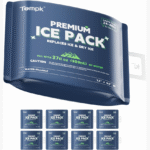
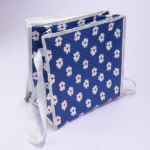
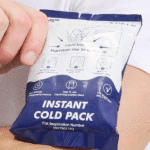
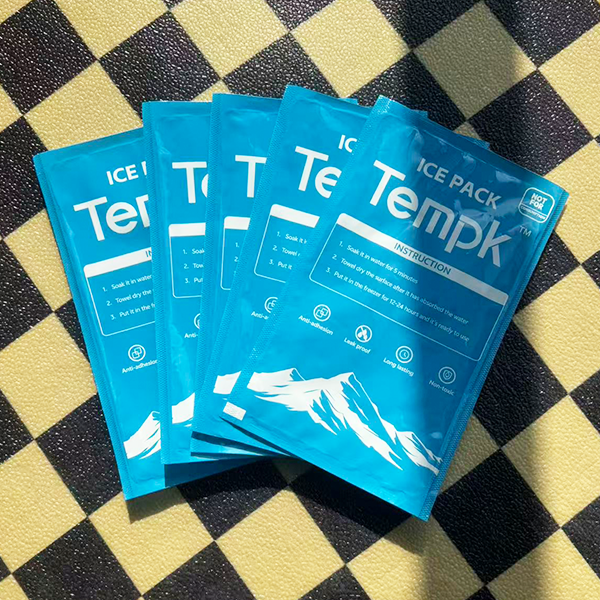
Tempk ist das Kühlkettenverpackung Markenkontext, der für diesen Artikel verwendet wird. Öffentliche Tempk-Informationen beschreiben Kühlkettenverpackungsprodukte wie z Gel -Eisbeutel, mit Wasser gefüllte Kühlakkus, Trockeneisbeutel mit Feuchtigkeit versorgen, Gefrier-Eissteine, Isolierte Lunchpakete, Isolierte Rucksäcke zum Mitnehmen, EPP-Isolierboxen, VPU-Medizinkühlschränke, isolierte Boxauskleidungen, Isolierte Palettenabdeckungen, und zugehörige Verpackungsmaterialien zur Temperaturkontrolle. Für Käufer, die Blutplasma des Herstellers von Isolierboxen bewerten, Tempk kann Diskussionen rund um das Box-Format unterstützen, Liner, Gelpackungen, Eisziegel, Palettenabdeckungen und OEM-Verpackungsdetails. Der praktische Ausgangspunkt besteht darin, den Produkttyp zu teilen, Nutzlast, Zielzustand, Routen- und Verpackungsbeschränkungen, So kann die Verpackungsempfehlung mit der Sendung verknüpft werden und muss nicht als pauschale Antwort dargestellt werden.
Abschluss
Ein zuverlässiger Hersteller von Blutplasma-Isolierboxen wird anhand von Beweisen ausgewählt, Passgenauigkeit und Wiederholbarkeit. Definieren Sie den Produktzustand, die Route kartieren, Überprüfen Sie den nutzbaren Nutzlastraum, Überprüfen Sie die Verpackung, Überprüfen Sie die Lieferantenkontrollen und halten Sie die Compliance-Sprache produkt- und spurspezifisch ein. Wenn die Sendung sensibel ist, Fordern Sie eine Dokumentation an und planen Sie vor der Skalierung eine weitere Bewertung. Teilen Sie Ihre Route, Besprechen Sie mit Tempk die Nutzlast- und Temperaturanforderungen, um eine praktische Verpackungsoption für Ihre nächste Sendung zu besprechen.
FAQ
Kann ein Isolierbox-Hersteller Blutplasma einen festen Temperaturbereich garantieren??
NEIN. Die Box verlangsamt die Wärmeübertragung, Das tatsächliche Temperaturergebnis hängt jedoch vom Kältemittel ab, Nutzlast, Konditionierung, Route, Umgebungseinflüsse, Verschluss und Handhabung. Behandeln Sie jeden Anspruch auf eine feste Reichweite oder Haltezeit als etwas, das anhand Ihres Produkts und Ihrer Route überprüft werden muss, nicht als universelles Merkmal der leeren Box.
Welche Informationen sollte ich senden, bevor ich ein Angebot anfordere??
Produkttyp senden, erforderliche Bedingung, Nutzlastgröße, Anzahl der Einheiten pro Karton, Transitzeit, Versandart, erwartete Umgebungsexposition, Etikettenbedarf, Dokumentationsanforderungen und etwaige Einschränkungen Ihres Qualitäts- oder Sicherheitsteams. Für Blutplasma-Sammelstellen, Biopharma-Lieferketten, Labors, und spezialisierte Logistikteams, Geben Sie den riskantesten Übergabepunkt an, den Sie bereits kennen.
Soll ich EPS wählen?, EPP oder eine isolierte Auskleidung?
Das richtige Material hängt von der Route ab, Handhabung, Stauraum, Wiederverwendungsplan, Produktempfindlichkeit und Entsorgungsanforderungen. EPS wird häufig für leichte Formisolierungen verwendet, EPP kann für wiederverwendbare oder stärkere Handhabungsanforderungen geeignet sein, und Einlagen können den Stauraum reduzieren. Die endgültige Auswahl sollte anhand der Verpackungs- und Routenanforderungen bestätigt werden.
Benötige ich einen Temperaturdatenlogger in der Box??
Ein Logger ist nützlich, wenn Sie Nachweise über den Versandzustand benötigen, aber es schützt das Produkt nicht. Wenn eine Überwachung erforderlich ist, Definieren Sie den Sensorstandort, Protokollierungsintervall, Alarmschwellen, Abrufprozess und wer Ausnahmen prüft. Platzieren Sie den Logger dort, wo er ein Nutzlastrisiko darstellt, nicht direkt gegen a Kühlmittelpaket.
Wie soll ich zwei Anbieter vergleichen??
Vergleichen Sie den nutzbaren Nutzlastraum, Materialkontrolle, Verpackungszeichnungen, Konsistenz von der Probe bis zur Produktion, Änderungsmitteilung, Beweise hinter Behauptungen, Kartonstärke, Kennzeichnungsunterstützung und Kommunikationsqualität. Ein niedrigerer Preis bedeutet keinen besseren Wert, wenn das Paket schwieriger zu packen ist, schwächer auf der Route oder nicht durch eine klare Dokumentation belegt.
Ist eine Standard-Isolierbox für den pharmazeutischen oder klinischen Einsatz ausreichend??
Nicht von alleine. Pharmazeutische und klinische Sendungen erfordern häufig produktspezifische Temperaturanforderungen, genehmigte Verpackungsanweisungen, Dokumentation, Qualitätsprüfung und manchmal Routen- oder Laborbewertung. Eine Standardbox kann ein Ausgangspunkt sein, Das zugelassene System hängt jedoch vom Produkt und der Spur ab.