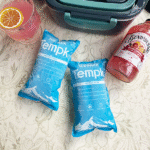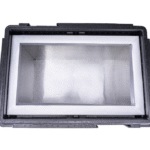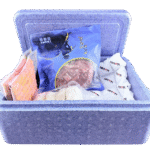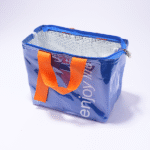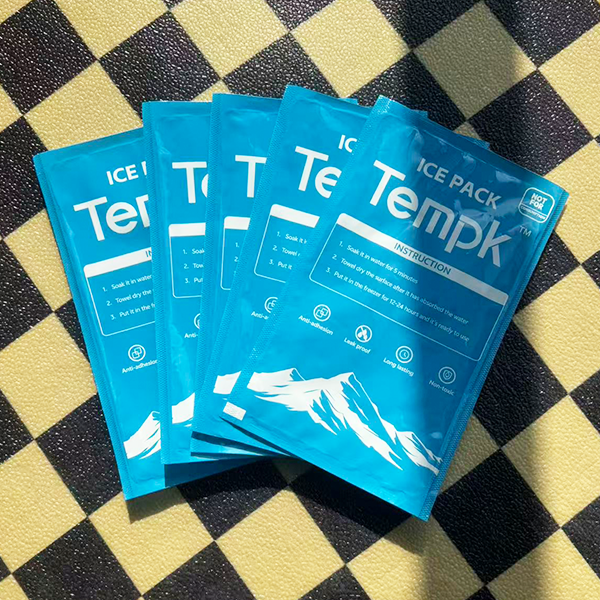
Isolierte Box mit PCM-Packungen
Der sicherste Weg, eine Isolierbox mit PCM-Packungen zu kaufen, besteht darin, mit der Versandanforderung zu beginnen und sich rückwärts zur Box vorzuarbeiten. Definieren Sie den Produkttemperaturbereich, Nutzlast, Route, Übergaben, Kühlmittelmethode, und ein Nachweis ist bei der Lieferung erforderlich, bevor das Material besprochen wird, Größe, oder Branding. Eine Isolierbox kann ein schützender Außenbehälter sein, ein Passiv thermischer Versender, oder Teil eines qualifizierten Verpackungssystems, Je nachdem, wie es konzipiert und genutzt wird. Es sollte nicht als alleinige Garantie betrachtet werden.
Beginnen Sie mit dem Produkt, nicht der Karton
Für PCM-Packout-Design, Der größte Kauffehler verbirgt sich oft im ersten Datenblatt. Käufer fragen nach einem Kastentyp, während der Versand tatsächlich eine kontrollierte Methode benötigt. PCM-Packs werden oft als steckbare Kühlblöcke behandelt, Aber die Leistung hängt von der Kondition ab, Nutzlast, Orientierung, und Routenbelichtung. Deshalb sollte die Angebotsanfrage das Produkt beschreiben, Route, erforderliche Ankunftsbedingung, und alle Qualitätsdokumente, bevor Sie nach der Größe fragen, Farbe, Wandstruktur, oder Stückpreis.
Eine Isolierbox ist eine Barriere gegen äußere Hitze oder Kälte, keine aktive Kältemaschine. Es kann als schützender Außenbehälter verwendet werden, ein passiv isolierter Versender, oder eine Komponente in einem qualifizierten Temperaturkontrollierte Verpackung System. Der Unterschied ist wichtig. Eine allgemein wiederverwendbare Transportbox kann beim Schutz und bei kurzen Transfers hilfreich sein, während ein qualifizierter passiver Verlader normalerweise eine definierte Kühlmittelanordnung benötigt, ein Packvorgang, Testnachweise, und Empfangsregeln. Für passiv isolierte Transportbehälter, die mit Paketen aus Phasenwechselmaterial verwendet werden, Der Käufer sollte sich erkundigen, welche Rolle die Box spielen soll, bevor er eine Leistungsbeschreibung akzeptiert.
Stellen Sie das Paket rund um die Routenrealität zusammen
Die Routenanpassung ist wichtiger als ein allgemeiner Haltezeitanspruch. Eine Route beinhaltet Pick-and-Pack-Zeit, Vorkonditionierung, Inszenierung, Abholung durch den Spediteur, Linienzugbewegung, Zoll oder Depot wohnen, Lieferung auf der letzten Meile, und den Empfangsprozess. Jeder Schritt kann zu einer zusätzlichen Hitzeeinwirkung führen, Vibration, Eröffnungsveranstaltungen, oder Verzögerung. Wenn sich die Route saisonal ändert oder über verschiedene Carrier-Netzwerke verläuft, Die Verpackungsentscheidung sollte eine Sicherheitsmarge und einen klaren Eskalationsplan für Verzögerungen enthalten.
Der Sitz der Nutzlast sollte anhand des nutzbaren Innenraums überprüft werden, nicht nur Nennvolumen. Produktkartons, Temperaturwächter, absorbierende Materialien, Trenner, Liner, Kühlmittelpakete, und Papierkram können den nutzbaren Raum verringern. Wenn die Box übergroß ist, Zusätzlicher Luftraum kann den Kühlmittelbedarf und die Bewegung während der Handhabung erhöhen. Wenn es zu eng ist, Das Produkt kann direkt mit dem Kühlmittel in Berührung kommen, Blockieren Sie den Luftstrom oder erzeugen Sie kalte Stellen.
Der erforderliche Temperaturbereich sollte der Produktspezifikation entnommen werden, Lebensmittelsicherheitsplan, Pharmaqualitätsteam, oder Kundenanforderung. Der Kartonlieferant kann Ihnen dabei helfen, eine Verpackung vorzuschlagen, Die Definition dessen, was „akzeptabler Ankunftszustand“ bedeutet, liegt jedoch beim Käufer. Diese Definition sollte Temperaturgrenzen umfassen, Sehzustand, Lecktoleranz, Dokumentation, und wer entscheidet, was passiert, wenn ein Messwert außerhalb des zulässigen Bereichs liegt?.
Spezifikationen Käufer sollten nicht vage bleiben
Zu den üblichen isolierten Verpackungsstrukturen gehören Schaumstoffboxen, geformte wiederverwendbare Behälter, Panelbasierte Versender, Liner, folienkaschierte Isolierung, und leistungsstärkere Strukturen wie vakuumisolierte Paneele. Jedes hat Kompromisse bei den Kosten, Dicke, Haltbarkeit, Wiederherstellbarkeit, Dimensionsstabilität, und Handhabungstoleranz. Ein Material, das für eine Spur geeignet ist, ist möglicherweise zu zerbrechlich, zu sperrig, oder zu teuer für einen anderen.
Ebenso wichtig wie die Isolierung ist die Kühlmittelverträglichkeit. Gelpackungen können für viele Routen mit gekühlten Lebensmitteln geeignet sein, PCM-Pakete werden dann gewählt, wenn ein engeres Temperaturverhalten erforderlich ist, und Trockeneis wird nur verwendet, wenn das Produkt, Träger, und Sicherheitsverfahren erlauben es. Das Kühlmittel sollte nach einer schriftlichen Methode konditioniert werden. Das Personal sollte wissen, wohin jedes Paket geht, wie lange es eingefroren oder konditioniert werden soll, und was zu tun ist, wenn die Verpackung nicht eingehalten werden kann.
Ein sinnvoller Kaufprozess beginnt mit einer schriftlichen Anforderung. Geben Sie den Produkttyp an, Zieltemperaturbereich, Nutzlastgröße, Streckendauer, erwartete Umgebungsexposition, Transportart, Lademethode, Erhalt von Schecks, und jede Dokumentation, die Qualität oder Kunden benötigen. Dies verhindert, dass das Lieferantengespräch in allgemeine Behauptungen abdriftet und hilft beiden Seiten bei der Entscheidung, ob es sich um eine Standardbox handelt, geänderte Größe, benutzerdefiniertes Werkzeug, Liner, oder es ist ein vollständiges Packout-Design erforderlich.
Lieferantennachweise und Qualitätskontrolle
Der Lieferant sollte in der Lage sein, bewiesene Fakten von Annahmen zu trennen. Bewiesene Tatsachen können eine Materialbeschreibung umfassen, Abmessungen, Beispielzeichnungen, und Prüfunterlagen unter definierten Bedingungen. Die Annahmen umfassen ungetestete Spuren, unterschiedliche Nutzlasten, unterschiedliche Kühlmittelmengen, oder geänderte Verschlussdesigns. Eine gute Lieferantenkommunikation macht diese Grenzen sichtbar, bevor die Bestellung aufgegeben wird.
Für Werks- oder Massenprogramme, Die Qualitätskontrolle sollte die Musterfreigabe umfassen, eingehende Materialkontrollen, Produktionsinspektion, Kartonverpackung, und Änderungsbenachrichtigungen. Für individuelle Projekte, Zeichnungen und genehmigte Muster sollten aufeinander abgestimmt sein, damit das Produktionsteam den Entwurf nicht anders interpretiert als das Verkaufsmuster.
Relevante Leitlinien können in die Überprüfung einfließen, Es sollte jedoch nicht als Marketing-Abkürzung verwendet werden. Zu diesem Thema, Zu den nützlichen Referenzbereichen gehören ISTA-Wärmenormen, CDC-Grundsätze zur Lagerung von Impfstoffen, wenn es um Impfstoffe geht, BIP-Routenqualifikationserwartungen. Ein Lieferant kann nur dann sagen, dass ein Design für einen Anwendungsfall geeignet ist, wenn die Testbedingungen vorliegen, Nutzlast, Kühlmittelplan, und Funktionsweise sind klar. Wenn eine Behauptung universell klingt, Fragen Sie nach, welchen genauen Versandzustand es beschreibt.
| Vor der Genehmigung | Frage, die man stellen muss | Entscheidungssignal |
|---|---|---|
| Anforderungsdefinition | Welches Produkt, Temperaturbereich, Nutzlast, und Route ist die Box, für die entworfen wurde? | Klare Anforderungen vor der Größen- und Materialauswahl |
| Packout-Beweise | Hat die gleiche Box, Kühlmittel, Nutzlast, und Verfahren getestet oder erprobt wurden? | Die Beweise stimmen eher mit der beabsichtigten Verwendung als mit einer anderen Spur überein |
| Einsatztauglich | Kann das Lagerpersonal es bei normaler Auslastung richtig verpacken?? | Wiederholbare Schritte mit realistischem Timing |
| Lieferantenkontrolle | Wie sind Proben?, Zeichnungen, Materialien, und Produktionsänderungen kontrolliert? | Großeinheiten bleiben im Einklang mit dem genehmigten Design |
| Ausnahmebehandlung | Was passiert nach der Verzögerung?, Ausflug, Schaden, Leckage, oder fehlgeschlagene Lieferung? | Das Team kennt die Reaktion vor dem Start |
Diese Genehmigungstabelle gibt Beschaffung, Operationen, und Qualitätsteams eine gemeinsame Checkliste. Es hilft auch zu verhindern, dass die Musterfreigabe später zu unkontrollierten Produktionsänderungen führt.
Wenn die Box nicht ausreicht
Wenn die Strecke länger ist als die thermische Auslegung, reicht eine Isolierbox nicht aus, Das Produkt erfordert eine strenge Dokumentation, Das Kühlmittel kann nicht richtig konditioniert werden, oder das Personal kann der Auspackung nicht folgen. Es reicht auch nicht aus, wenn die Sendung Trockeneis ohne Sicherheitsüberprüfung verwendet, Impfstoffe ohne Einfrierschutzlogik, oder Lebensmittel ohne Hygienekontrollen. In diesen Fällen, Der Käufer benötigt ein umfassenderes Verpackungssystem und Betriebsverfahren.
Betrachten Sie die Wandstärke nicht als alleiniges Leistungsmerkmal. Dicke kann helfen, aber Isoliermaterial, Deckel passt, Eckleckage, Kühlmittelposition, Nutzlastkontakt, Umgebungseinflüsse, und Umgangsdisziplin wirken sich ebenfalls auf die Ergebnisse aus. Ein dünneres, aber besser gestaltetes Paket kann auf einer kurzen Strecke besser sein als ein sperriges Design, während ein Hochleistungspanel für eine lokale Fahrspur mit geringem Risiko möglicherweise unnötig ist.
Kopieren Sie nicht die Packungsbeilage eines Mitbewerbers, ohne das Produkt und die Produktlinie zu verstehen. Zwei Sendungen können ähnliche Kartons verwenden, verhalten sich jedoch aufgrund der Nutzlastmasse unterschiedlich, Kühlmitteltemperatur, Luftraum, Streckensaison, und Handhabungshäufigkeit sind unterschiedlich. Das Kopieren eines Layouts kann außerdem zu einem Gefrierrisiko führen, wenn das Produkt empfindlich ist und das Kühlmittel zu nah platziert wird.
Hilfreiche Entscheidungshilfen
Überprüfen Sie die Details, bevor Sie sich für die Verpackung entscheiden
Mit diesen schnellen Tools können Sie das Routenrisiko vergleichen, Größenanforderungen, Kühlmittelauswahl, und Verpackungsdetails, bevor Sie ein Angebot anfordern.
Eisbeutel-Rechner
Schätzen Sie die Menge an Gel-Eisbeuteln für gekühlte Sendungen und nutzen Sie die praktische Routenplanung.
Schätzen Sie EisbeutelVerpackungsauswahl
Vergleichen Sie isolierte Verpackungsoptionen nach Produkt, Route, und Temperaturbedarf.
Verpackung findenRoutenrisiko-Checker
Überprüfen Sie die Fahrspurbedingungen, bevor Sie die Verpackung entsprechend den tatsächlichen Betriebsanforderungen auswählen.
Streckenrisiko prüfenFeldbeispiel: ein sichererer Pilot vor dem Großeinkauf
Lieferung im üblichen PCM-Verpackungsdesign, Der Käufer kennt möglicherweise das Lieferversprechen, nicht jedoch das Wärmebudget. Das Team sollte die Zeit außerhalb der kontrollierten Lagerung abbilden, Kühlmittel vorkonditionieren, Packen Sie die Nutzlast in einer wiederholbaren Reihenfolge, und Ankunftsdaten prüfen. Dieser kleine Pilot verrät oft, ob das Problem an der Kartongröße liegt, Kühlmittelmasse, Inszenierungsdisziplin, Träger wohnen, oder Empfangsverzögerung.
Nach dem Piloten, Der Käufer sollte zuerst überprüfen, was fehlgeschlagen ist. Wenn während der Bereitstellung eine Temperaturdrift aufgetreten ist, Das Ändern des Lagerverfahrens kann mehr helfen als das Ändern der Box. Wenn Produktkartons zerdrückt wurden, Interne Unterstützung oder eine andere Größe können von Bedeutung sein. Wenn das Personal nicht konsequent packen könnte, Das Design erfordert möglicherweise klarere Fächer oder weniger Stufen. Das Ziel besteht nicht darin, dass die Verpackung auf dem Papier perfekt aussieht, sondern um es wiederholbar zu machen.
Zusätzliche Hinweise zur Käuferbewertung
Eine aussagekräftige Spezifikation für Isolierboxen mit PCM-Packungen sollte beschreiben, was bekannt ist, was überprüft werden muss, und was nicht angenommen werden sollte. Bekannte Fakten können die Produktkategorie umfassen, Verpackungsmaße, erwarteter Versandmodus, und grundlegender Handhabungsprozess. Zu den zu überprüfenden Elementen gehört auch das nutzbare Volumen, Kühlmittelmenge, Streckenverzögerung, Materialkonsistenz, und Temperaturnachweis. Zu den Annahmen, die nicht als Fakten geschrieben werden sollten, gehört die universelle Haltezeit, automatische regulatorische Eignung, und Leistung auf Strecken, die nicht getestet oder pilotiert wurden.
Der Empfangsseite gebührt die gleiche Aufmerksamkeit wie dem Verpacken. Ein Paket kann gut gestaltet sein und dennoch Probleme bereiten, wenn der Empfänger es zu spät öffnet, speichert es im falschen Bereich, entsorgt den Monitor, oder weiß nicht, wie er den Produktzustand beurteilen soll. Für wiederkehrende B2B-Routen, Schreiben Sie Empfangsanweisungen in einfacher Betriebssprache. Geben Sie an, was zuerst überprüft werden soll, wann eskalieren soll, und welche Beweise aufbewahrt werden sollten.
Auch die interne Ausrichtung ist Teil der Verpackungsleistung. Der Einkauf möchte möglicherweise Preisstabilität, Betriebe benötigen möglicherweise ein einfaches Packen, Qualität benötigt möglicherweise dokumentierte Beweise, und der Vertrieb wünscht sich möglicherweise ein besseres Auspackerlebnis. Der endgültige Entwurf sollte nicht nur einer Abteilung dienen. Führen Sie diese Anforderungen zusammen, bevor der Auftrag in die Werkzeugfertigung übergeht, Branding, oder Massenproduktion.
Bei einer abschließenden Überprüfung sollte die Frage gestellt werden, ob die Verpackung auch an einem schlechten Tag verwendet werden kann. Gute Tage verbergen schwache Spezifikationen. Verspätete Abholung, heiße Inszenierung, ein verpasster Zustellversuch, ein neuer Betreiber, oder eine leicht unterschiedliche Nutzlast kann Probleme aufdecken, die bei einem perfekten Probentest unsichtbar waren. Wenn das Paket für die Skalierung vorgesehen ist, Der Genehmigungsprozess sollte diese realistischen Variationen umfassen.
Die Kostenüberprüfung sollte mehr als den angegebenen Boxpreis umfassen. Zusätzliches Kühlmittel, größere Umkartons, langsameres Packen, fehlgeschlagene Lieferungen, kehrt zurück, Aufräumarbeiten, Schadensbearbeitung, und Entsorgung wirken sich alle auf die tatsächlichen Kosten einer Verpackungsentscheidung aus. Ein Paket, das pro Einheit teurer erscheint, kann weniger kostspielig sein, wenn dadurch Bedienerfehler reduziert werden, verringert den Schaden, oder macht Ankunftskontrollen übersichtlicher. Ein Paket, das billig aussieht, kann teuer sein, wenn es ständige manuelle Korrekturen erfordert.
Die abschließende Genehmigungssitzung sollte auch die Beschaffung umfassen, Lagerbetrieb, Qualität, und das Geschäftsteam, das das Kundenversprechen besitzt. Der Einkauf kann Preise und Lieferantenbedingungen bestätigen. Der Betrieb kann bestätigen, ob die Auslagerung realistisch ist. Die Qualität kann entscheiden, ob Beweise und Abweichungsbehandlung akzeptabel sind. Das Geschäftsteam kann beurteilen, ob die Ankunftsbedingungen mit dem Versprechen gegenüber den Kunden übereinstimmen. Diese gemeinsame Überprüfung verhindert häufig vermeidbare Probleme nach der Einführung.
Schulungen sollten Teil der Verpackungseinführung sein. Ein neuer Isolierkasten kann versagen, wenn die Bediener die Kühlmittelreihenfolge nicht kennen, Ladereihenfolge, maximale Bereitstellungszeit, Etikettenplatzierung, oder Ausnahmeregel. Einfache Fotos, Packout-Karten, Und das Empfangen von Notizen kann effektiver sein als ein langes Handbuch, das in Spitzenzeiten niemand liest. Ein Verpackungsdesign ist erst dann wirklich fertig, wenn normales Personal es unter normaler Arbeitsbelastung wiederholen kann.
FAQ
Ist die Isolierbox mit PCM-Packungen ausreichend für den temperaturgeführten Versand allein??
NEIN. Die Box verlangsamt die Wärmeübertragung, Die Sendung benötigt aber auch das richtige Kühlmittel, Nutzlastanordnung, Vorkonditionierung, Streckensteuerung, und Empfangsprozess. Für Produkte mit höherem Risiko, Käufer sollten Testnachweise anfordern oder einen Pilotversuch unter den vorgesehenen Streckenbedingungen durchführen, bevor sie die Verpackung in großem Maßstab verwenden.
Was sollte ich an einen Lieferanten senden, bevor ich ein Angebot anfordere??
Teilen Sie den Produkttyp, erforderlichen Temperaturbereich, Nutzlastgröße, Streckendauer, Transportart, erwartete Umgebungsexposition, Trägerübergaben, und jeglicher Dokumentationsbedarf. Je vollständiger die Anforderung ist, desto einfacher ist es für den Lieferanten, eine Standardgröße zu empfehlen, individuelles Design, Liner, Kühlmittelplan, oder Qualifizierungsansatz.
Kann ein isoliertes Box-Design Essen servieren?, Pharma, und Life-Science-Transporte?
Manchmal kann die äußere Struktur ähnlich sein, aber die Betriebsanforderungen sind unterschiedlich. Bei Lebensmitteln kann der Schwerpunkt auf Hygiene und Leckage liegen, Pharma zur Dokumentation und Abweichungskontrolle, und Life-Science-Sendungen nach Probenschutz- oder Trockeneisvorschriften. Behandeln Sie jede Produktkategorie als separate Verpackungsbewertung.
Wie sollen Großbestellungen nach der Musterfreigabe kontrolliert werden??
Notieren Sie die genehmigte Zeichnung, Material, Verschlussdesign, Liner, Abmessungen, Kartonverpackung, und alle Packout-Annahmen. Fragen Sie den Lieferanten, wie Produktionsänderungen gesteuert werden. Wenn die Verpackung temperaturempfindliche Produkte enthält, Selbst kleine Änderungen sollten überprüft werden, bevor sie für Wiederholungslieferungen akzeptiert werden.
Abschluss
Die richtige Isolierbox mit PCM-Packungen ist die, die zum Produkt passt, Route, Kühlmittelplan, Abwicklungsprozess, und Nachweispflichten. Ein Tresorkarton mit einem schwachen Verfahren ist immer noch eine schwache Sendung. Eine bescheidene Box, die auf der rechten Spur mit einer wiederholbaren Verpackung verwendet wird, kann sicherer sein als ein teures Paket, das ohne Kenntnis der Route ausgewählt wird.
Vor der Bestellung, Definieren Sie den erforderlichen Temperaturbereich, nutzbare Nutzlast, Streckenbelichtung, Packout-Methode, Überwachungsbedarf, Lieferantenbeweis, und Change-Control-Erwartungen. Anschließend testen oder testen Sie das Design unter realistischen Bedingungen. Dieser Ansatz verringert die Wahrscheinlichkeit, dass eine Großbestellung nach der Markteinführung zu einer kostspieligen Angelegenheit wird.
Über Tempk
Tempk hilft Kühlketteneinkäufern, die Verpackungsauswahl mit den praktischen Details des Versanddesigns zu verbinden. Für PCM-Packout-Design, Das bedeutet, die Produktanforderung zu besprechen, Route, Nutzlast, Kühlmittelwahl, Isolierboxformat, und was überprüft werden sollte, bevor von der Musterbestellung zur Großbestellung übergegangen wird. Unser Leistungsumfang umfasst Gel -Eisbeutel, Trockeneisbeutel, isoliert Thermobeutel, EPP-Isolierboxen, Kaltversandkartons, Liner, Palettenabdeckungen, und entsprechende Verpackungsmaterialien für temperaturempfindliche Güter.
Besprechen Sie Ihre Route, Nutzlast, Temperaturbereich, und Packout-Anforderungen mit Tempk, bevor Sie die Bestellungen skalieren, insbesondere wenn es sich bei der Sendung um regulierte oder hochwertige temperaturempfindliche Produkte handelt.