Ein starker Isolierter Behälter Der Liner-Hersteller soll Ihnen bei der Lösung eines echten Transportproblems helfen, nicht einfach ein großformatiges Dämmprodukt verkaufen. In 2026, Seriöse Käufer wählen Hersteller auf der Grundlage der Anwendungseignung aus, technische Klarheit, Wiederholgenauigkeit der Produktion, und Materialeffizienzrichtung. Der Preis ist immer noch wichtig, Aber Preis ohne Kontrolle ist keine starke Beschaffungsstrategie.
Was Ihnen dieser Leitfaden bei der Beantwortung helfen wird
- Was ein Hersteller von Isolierbehälterauskleidungen können sollte
- Wie großformatige Liner auf Paletten funktionieren, Schüttgut, und Staging-Anwendungen
- Welche Validierung, Qualität, und Compliance-Signale sind wichtig
- Wie sich aktuelle Markt- und Nachhaltigkeitstrends auf die Lieferantenauswahl auswirken
- So erstellen Sie eine intelligentere Hersteller-Scorecard
- Beginnen Sie mit der Bewerbung, nicht der Katalog
Die beste Lieferantenauswahl beginnt mit einem klaren Anwendungsfall. Schützen Sie palettierte Waren während der Bereitstellung?? Hinzufügen eines Wärmepuffers zu Containerfracht? Verwendung einer wiederverwendbaren Lagerabdeckung? Unterstützung einer empfindlichen Kühlkettenladung? Jeder Anwendungsfall stellt eine andere Designanforderung dar.
Deshalb ist die Kataloggröße nicht der wichtigste Faktor. Ein kleinerer Hersteller mit tieferem Anwendungsverständnis ist möglicherweise besser als ein größerer Hersteller mit vielen Produkten, aber schwachen Leitlinien. Vergleichen Sie zunächst, wie jeder Lieferant Ihr Problem definiert.
Wie großformatige Liner Mehrwert schaffen
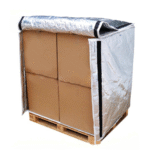
Großformat isolierte Liner kann die Hitzeeinwirkung reduzieren, sanfte Temperaturschwankungen, und fügen Sie einen praktischen Puffer um Lasten hinzu, die empfindlich auf Umgebungsbedingungen reagieren. In einigen Anwendungen, Der Hauptwert ist thermisch. Bei anderen, Der wahre Wert ist operativ: schnellere Installation, einfachere Inszenierung, oder bessere Lastkonsistenz.
Dabei spielen oft reflektierende Schichten eine wichtige Rolle, insbesondere wenn die Strahlungsbelastung hoch ist. Aber sie sollten richtig verstanden werden. Das Energieministerium erklärt, dass Strahlungsbarrieren den Wärmegewinn durch Reflexion reduzieren und keinen inhärenten R-Wert haben. Das bedeutet, dass reflektierende großformatige Liner weiterhin als Gesamtsysteme unter Berücksichtigung realer Installations- und Nutzungsbedingungen beurteilt werden müssen. (Energy.gov. des Energieministeriums)
Gängige Anwendungstypen
Verwenden Sie die Validierungslogik, bevor Sie einen Commit durchführen
Wenn ein großformatiger Liner für das Versandergebnis wichtig ist, Sie sollten sich fragen, wie seine Leistung bewertet wurde oder wie der Hersteller eine Bewertung erwartet. ASTM D3103 unterstützt die Bewertung der Wärmedämmleistung von Verteilerpaketen, während ASTM D4169 eine Laborbasis für erwartete Gefahren bei der Verteilung bietet. ISTA thermische Methoden und Standard 20 bieten zusätzliche strukturierte Überlegungen zu Qualifikationen und realen Transportprofilen. (ASTM International | ASTM)
Dies ist wichtig, da eine Einlage, die auf einem Produktfoto gut aussieht, in einem echten Lagerhaus möglicherweise umständlich ist oder bei der Inszenierung weniger effektiv ist als erwartet, Laden, und Verzögerungen kommen hinzu. Ein guter Hersteller hilft dabei, das Produkt mit der Anwendung und der Testlogik zu verbinden.
Überprüfen Sie Lieferantensysteme und Prozesskontrolle
ISO sagt ISO 9001 ist ein weltweit anerkannter Qualitätsmanagementstandard, während ISO 14001 ist der wichtigste Rahmen für das Umweltmanagement. ISO zeigt auch, dass ISO 14001:2026 wird für April veröffentlicht 2026. Diese Rahmenbedingungen sind wichtig, weil großformatige Liner-Programme auf Wiederholbarkeit angewiesen sind, Änderungskontrolle, und strukturierte Verbesserung im Laufe der Zeit. (Internationale Organisation für Normung)
Wenn Ihre Anwendung Lebensmittel oder gesundheitsrelevante Produkte unterstützt, Lieferantendisziplin wird noch relevanter. Leitlinien der WHO für temperaturempfindliche Arzneimittel, Temperaturkontrollregeln der IATA, Anforderungen der FDA an den Lebensmitteltransport, und das CGMP-Rahmenwerk der FDA weisen alle auf den Wert einer dokumentierten Kontrolle in Verpackungssystemen hin, die mit der Produktintegrität verbunden sind. (Weltgesundheitsorganisation)
Verstehe das 2026 Markt, bevor Sie sich für einen Hersteller entscheiden
Der aktuelle Markt erklärt, warum die Beschaffung strenger wird. UNS. Der E-Commerce-Umsatz erreichte einen geschätzten Wert $1.2337 Billionen in 2025 Und 16.4% der Einzelhandelsumsätze, Dadurch bleibt der Druck auf die Verpackungseffizienz in allen Fulfillment- und Vertriebssystemen bestehen. Gleichzeitig, Das PPWR der EU trat am in Kraft 11 Februar 2025 und beginnt Mitte 2026 mit der allgemeinen Anwendung, stärkere Aufmerksamkeit auf die Reduzierung von Verpackungsabfällen und den geringeren Einsatz von Primärrohstoffen lenken. (Census.gov)
Hilfreiche Entscheidungshilfen
Überprüfen Sie die Details, bevor Sie sich für die Verpackung entscheiden
Mit diesen schnellen Tools können Sie das Routenrisiko vergleichen, Größenanforderungen, Kühlmittelauswahl, und Verpackungsdetails, bevor Sie ein Angebot anfordern.
Verpackungsauswahl
Vergleichen Sie isolierte Verpackungsoptionen nach Produkt, Route, und Temperaturbedarf.
Verpackung findenBoxliner & Dimensionierung der Palettenabdeckung
Überprüfen Sie die Größenlogik für Kartoneinlagen und Palettenabdeckungen für isolierte Verpackungsprojekte.
Schätzen Sie die GrößeFallfestigkeit des Isolationsmaterials
Überprüfen Sie die Fallfestigkeit und die Handhabungsfaktoren, bevor Sie Isoliermaterialien auswählen.
Widerstand prüfenEPA fügt das Kerngeschäftsprinzip hinzu: Quellenreduzierung ist die aus Umweltgründen bevorzugte Strategie, Leichtbau und Neudesign sind zunehmend gängige Geschäftstrends. Im Großformat-Liner-Sourcing, Das bedeutet, dass Käufer zunehmend fragen, wie viel Schutz pro Materialeinheit erreicht wird, Raum, und Arbeit. (US-EPA)
Erstellen Sie eine Hersteller-Scorecard, die den tatsächlichen Wert widerspiegelt
Eine nützliche Hersteller-Scorecard sollte das Produkt kombinieren, Verfahren, und Anwendungsdenken. Sie möchten wissen, ob der Hersteller den Liner herstellen kann, Installieren Sie den Liner, Wiederholen Sie den Liner, und das Liner-Programm im Laufe der Zeit verbessern.
Scorecard des Herstellers
Häufig gestellte Fragen
- Was ist die erste Frage, die man einem Hersteller von Isolierbehälterauskleidungen stellen sollte??
Fragen Sie, wie der Liner genau Ihr Transport- oder Bereitstellungsproblem lösen soll.
- Ist reflektierendes Material allein ein guter großformatiger Liner??
- NEIN. Struktur, Abdeckung, Installation, und die reale Umgebung sind alle wichtig.
Sollte ich nach der Validierung fragen, wenn mein Produkt kein Pharmaprodukt ist??
Ja. Validierungsdenken trägt dazu bei, das Risiko in jeder Hinsicht zu reduzieren Thermoverpackung Programm.
- Warum sind Managementsysteme für Linienschiffe wichtig??
Denn Wiederholbarkeit und Änderungskontrolle sind bei der Beschaffung in großem Maßstab wichtig.
Was ist das Größte? 2026 Sourcing-Trend?
Käufer wollen Hersteller, die betriebliche Effizienz kombinieren, Materialeffizienzdenken, und klarere technische Argumentation.
Zusammenfassung und Empfehlung
Der richtige Hersteller von Isolierbehälterauskleidungen ist jemand, der Ihre Anwendung versteht, unterstützt Validierungslogik, steuert die Produktion, und kann erklären, wie der Liner zu einer effizienteren Verpackungszukunft passt. In 2026, Das macht einen Lieferanten zu einem verlässlichen Partner.
Ihr nächster Schritt sollte darin bestehen, einen strukturierten Vergleich von zwei oder drei Herstellern anhand realer Anwendungskriterien wie der Installationsgeschwindigkeit durchzuführen, Packungsdichte, Systemklarheit, und Prozessreife.
Über Tempk
Und Tempk, Wir konzentrieren uns auf isolierte Liner-Systeme für Kühlketten- und Großformattransporte mit Augenmerk auf echtes Handling, wiederholbare Fertigung, und praktische Installation. Wir glauben, dass ein starkes Liner-Programm die Ladung schützen und gleichzeitig die vermeidbare Komplexität im Lager und in der Lieferkette reduzieren sollte.
Ein nützlicher nächster Schritt besteht darin, Ihr aktuelles Großformat-Linerprogramm auf versteckte Kosten bei der Handhabung zu prüfen, Fracht, und Materialeinsatz, Vergleichen Sie das dann mit einer eher anwendungsorientierten Alternative.