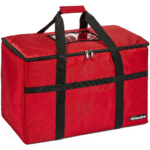
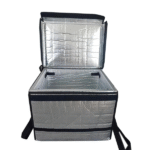
Ein Isolierter Einkaufstaschen-Reißverschluss ist die „Tür“, die darüber entscheidet, ob Ihre Tasche kalt bleibt – oder während der Heimfahrt langsam warme Luft entweicht. Bei echten Besorgungen, Der Reißverschluss ist oft wichtiger als eine besonders dicke Isolierung, da die Wärme zuerst durch Lücken eindringt. Wenn Sie weniger geschmolzene Gegenstände wünschen, weniger Lecks, und weniger Geruch, Die Wahl Ihres Reißverschlusses und Ihre Routine erledigen den größten Teil der Arbeit.
Dieser Artikel wird Ihnen helfen:
-
Wählen Sie ein Isolierter Einkaufstaschen-Reißverschluss das dichtet auch unter echter Belastung gut ab
-
Führen Sie ein einfaches aus zwei Kältequellen Pack-out, das Lebensmittel kälter hält, länger
-
Verhindern Sie Verschüttungen mit einem auslaufsichere, isolierte Tragetasche Routine
-
Reinigen und trocknen Sie den Reißverschlussbereich, damit Ihre Tasche an Ort und Stelle bleibt geruchsfrei
-
Entscheiden Sie, wann ein Isolierter Einkaufstüten-Reißverschluss vs. harter Kühler macht mehr Sinn
Warum ist ein isolierter Reißverschluss für Einkaufstaschen so wichtig??
Kernantwort: Ein starker Isolierter Einkaufstaschen-Reißverschluss reduziert den Warmluftaustausch und verhindert das Entweichen kalter Luft, vor allem an den Ecken, wo die meisten „unsichtbaren Lücken“ entstehen. Die Isolierung verlangsamt die Wärmeübertragung durch die Wände, aber der Reißverschluss kontrolliert die Öffnung – also wenn die Oberseite nicht versiegelt ist, Das kalte „Budget“ geht schnell zur Neige.
Stellen Sie es sich wie eine Winterjacke vor. Eine dicke Polsterung hilft, aber wenn die Front offen bleibt, Du verlierst immer noch Wärme. Ihre Einkaufstüte ist die gleiche Idee – nur umgekehrt.
Der 3 Aufgaben eines guten Reißverschlusses (einfach)
| Reißverschlussarbeit | Was es schützt | Was zuerst scheitert | Was es für Sie bedeutet |
|---|---|---|---|
| Siegel | Temperaturstabilität | Ecklücken | Schnellere Erwärmung |
| Stärke | Taschenstruktur | Schieberegler + Nähen | Kürzere Lebensdauer des Beutels |
| Reinigbarkeit | Hygiene + Geruchskontrolle | Knirschen in den Zähnen | Festsitzender Reißverschluss, riecht |
Praktische Tipps, die Sie heute verwenden können
-
Ziehen Sie den Reißverschluss jedes Mal vollständig zu. Ein „halber Reißverschluss“ wirkt wie eine gesprungene Kühlschranktür.
-
Vermeiden Sie eine Überfüllung. Durch Überstopfen wird die Reißverschlusslinie verbogen und die Zähne lösen sich.
-
Überprüfen Sie zuerst die Ecken. Die meisten Dichtungsfehler beginnen an Ecken.
Praktischer Fall: Ein Käufer reduzierte die Reklamationen bei Softeis, indem er auf eine Tüte mit durchgehendem Reißverschluss umstieg und diese von der Kasse bis nach Hause verschlossen hielt.
Welches Reißverschlussdesign für isolierte Einkaufstaschen passt zu Ihrer Routine??
Kernantwort: Der beste Isolierter Einkaufstaschen-Reißverschluss Das Layout hängt davon ab, wie Sie die Tasche beladen und wie oft Sie sie öffnen. Einige Layouts öffnen sich weiter (einfacheres Laden) aber fügen Sie mehr Reißverschlussschiene hinzu (mehr Reinigung und Verschleiß).
Gängige Reißverschluss-Layouts werden Sie sehen
| Layout | Am besten für | Schwachstelle | Was es für Sie bedeutet |
|---|---|---|---|
| Gerader Reißverschluss oben | Schnelle Einkäufe | Eckenlücke | Packen Sie es gut ein, Halten Sie die Oberseite flach |
| U-förmiger Reißverschluss | Massenverladung | Langstreckenverschleiß | Braucht mehr Reinigung |
| 3-seitlicher Deckel | Große Gegenstände | Eckenstress | Überlasten Sie den Deckel nicht |
| Doppelte Schieberegler (Treffen in der Mitte) | Schwere Lasten | Mehr bewegliche Teile | Hält bei guter Qualität oft länger |
Praktische Tipps, die Sie heute verwenden können
-
Wenn Sie tragen schwere Flaschen oder lose gefrorene Flaschen, wählen Doppelschieber oder verstärkte Enden.
-
Falls Sie es wollen schnelles Packen, A U-Reißverschluss kann an der Kasse Zeit sparen.
-
Wenn Sie Putzen hassen, Vermeiden Sie Designs, bei denen sich Krümel entlang eines langen Reißverschlusswegs verfangen.
Praktischer Fall: Ein Auslieferungsfahrer reduzierte die Zahl der Reißverschlussausfälle, nachdem er auf Doppelschieber umgestiegen war, die die Belastung bei schwerer Last verteilen.
Spule vs. geformte Zähne: Der Reißverschluss einer isolierten Einkaufstasche hält länger?
Kernantwort: Für ein Isolierter Einkaufstaschen-Reißverschluss, Der Zahnstil verändert die Art und Weise, wie der Reißverschluss mit Sand umgeht, Feuchtigkeit, und tägliche Belastung. Sie benötigen keine „technischen Spezifikationen“ – Sie benötigen einen Reißverschluss, der auch bei voller Tasche leichtgängig bleibt.
Zahnstilvergleich (Klartext)
| Zahnstil | Wie es sich anfühlt | Bewältigt Splitt? | Was es für Sie bedeutet |
|---|---|---|---|
| Spiralreißverschluss | Flexibel, glatt | Medium | Ideal für das tägliche Öffnen/Schließen |
| Geformte Kunststoffzähne | Klobig, hart | Hoch | Besser für starke Beanspruchung |
| Wasserabweisend beschichteter Reißverschluss | Steifer, wirft Wasser ab | Medium | Hilfreich bei Kondensation, braucht Pflege |
Praktische Tipps, die Sie heute verwenden können
-
Wenn Sie Bauernmärkte veranstalten, Strandtage, oder unordentliche Ladungen, wählen sandtolerant Zähne.
-
Wenn Sie schwere Tiefkühlkartons transportieren, priorisieren Zähigkeit über „Mode“.
-
Wenn es auf einfache Reinigung ankommt, wählen größere Zähne die schneller ausspülen.
Wie testet man, ob der Reißverschluss einer isolierten Einkaufstüte wirklich dicht ist??
Kernantwort: Testen Sie Ihre Isolierter Einkaufstaschen-Reißverschluss wenn die Tasche beladen ist. Viele Beutel sehen im leeren Zustand versiegelt aus, dann entstehen unter Belastung kleine Lücken – vor allem an Ecken.
60-Zweiter Siegeltest
-
Laden Sie ein paar schwere Gegenstände (wie Flaschen).
-
Normal zippen.
-
Pinch-Check beide Ecken für Öffnungen.
-
Heben Sie es an den Griffen an und überprüfen Sie die Reißverschlusslinie erneut.
-
Achten Sie auf „Zipper Creep“ (Schieber zieht sich langsam zurück).
| Was Sie sehen | Was es bedeutet | Wählen / Fix | Profitieren Sie davon |
|---|---|---|---|
| Ecklücke | Titel wird nicht unterstützt | Verstärkte Ecken | Bessere Kühlung |
| Slider weicht aus | Schwache Spannung des Schiebers | Hochwertigerer Schieberegler | Weniger Frust |
| Zähne trennen sich | Überlastung oder schwaches Band | Stärkeres Reißverschlussband | Längeres Leben |
Praktische Tipps, die Sie heute verwenden können
-
Suchen Sie nach einem steifere Oberkante Dadurch bleibt die Reißverschlusslinie gerade.
-
Wählen verstärkte Reißverschlussenden (häufiger Fehlerpunkt).
-
Vertrauen Sie keinem Test mit leeren Beuteln –immer unter Last testen.
Der beste Weg, eine isolierte Einkaufstasche mit Reißverschluss mit Eisbeuteln zu verpacken
Kernantwort: Die besten Ergebnisse werden mit einem einfachen System erzielt: zwei Kältequellen + enge Verpackung + vollständig geschlossen Isolierter Einkaufstaschen-Reißverschluss. Eine Kältequelle kühlt eine Seite; Zwei Kältequellen schützen das gesamte Volumen.
Die „zwei Kältequellen“-Packung (leicht zu wiederholen)
| Auspackmuster | Was du platzierst | Warum hilft es | Was es für Sie bedeutet |
|---|---|---|---|
| Unten kalte Quelle | Gelpackung oder gefrorene Flasche | Blockiert Hitze von unten | Weniger warme Ecken |
| Essen in der Mitte | Molkerei, Fleisch, Meeresfrüchte, Delikatessen | Stabilere Mittelzone | Bessere Kontrolle |
| Top-Kältequelle | Zweite Packung | Schützt beim Öffnen | Sicherer bei schnellen Stopps |
Schritt für Schritt (Howto)
-
Vor-Chill: Legen Sie Kühlakkus in die Tasche 5 Minuten vor dem Laden.
-
Fügen Sie eine Barriere hinzu: Dünnes Handtuch/Karton, um Frostflecken auf empfindlichen Gegenständen zu vermeiden.
-
Kalten Kern laden: Platzieren Sie Milchprodukte und Proteine in der Mitte.
-
Bei Bedarf seitlich einpacken: Für längere Reisen können Sie Rucksäcke an den Seiten anbringen.
-
Top-Cap-Eis: Legen Sie eine Packung darauf.
-
Vollständig verschließen: Überprüfen Sie die Ecken – hier verbergen sich Lücken.
Praktische Tipps, die Sie heute verwenden können
-
Verwenden flache Eisbeutel um Quetschungen zu reduzieren.
-
Halten Sie die Reißverschlusslinie gerade, indem Sie hohe Gegenstände über der Reißverschlussschiene vermeiden.
-
Teilen Sie eine große Ladung auf zwei Taschen mit Reißverschluss anstatt einen Reißverschluss zu erzwingen.
Praktischer Fall: Ein Pendler verbesserte die Ankunftsqualität auf einer 75-minütigen Rückfahrt, indem er dicht packte, zwei Kühlquellen hinzufügte und den Reißverschluss der isolierten Einkaufstüte zwischen den Stopps geschlossen hielt.
Wie verhindern Sie Lecks und Gerüche mit einem isolierten Einkaufstüten-Reißverschluss??
Kernantwort: Der Isolierter Einkaufstaschen-Reißverschluss Hilft, Lecks einzudämmen, aber es treten normalerweise Lecks auf innen die Tasche. Ihr Ziel ist es, Flüssigkeiten vom Reißverschlussband fernzuhalten und Feuchtigkeit nach Gebrauch zu entfernen.
Auslaufsichere Routine (einfach und wiederholbar)
-
Fleisch/Meeresfrüchte hineingeben versiegelte Sekundärbeutel
-
Verwenden Sie eine absorbierender Pad für Hochrisikoartikel
-
Bewahren Sie nasse Gegenstände auf unten + aufrecht
-
Trocknen Sie den Beutel offen nach dem Gebrauch
| Problem | Ursache | Reißverschlusssichere Befestigung | Was es für Sie bedeutet |
|---|---|---|---|
| Reißverschlüsse | Krümel + Feuchtigkeit | Spur löschen, trocken | Längere Lebensdauer des Reißverschlusses |
| Der Geruch bleibt bestehen | Nasse Nähte | Vollständig an der Luft trocknen | Frischerbeutel |
| Schimmelflecken | Im nassen Zustand verschlossen lagern | Entpackt aufbewahren | Weniger Ersatzkosten |
Praktische Tipps, die Sie heute verwenden können
-
Wischen Sie die ab Reißverschlusslinie, nicht nur die Innenwände.
-
Bewahren Sie die Tasche auf über Nacht entpackt damit Feuchtigkeit entweichen kann.
-
Halten Sie einen engagierten „Proteinbeutel” um Geruch und Kreuzkontakt zu reduzieren.
Isolierter Einkaufstaschen-Reißverschluss für die Lieferung: eine 10-minütige SOP
Kernantwort: Die Lieferung schlägt fehl, wenn die Beutel zu oft geöffnet werden. Bei jedem Öffnen des Reißverschlusses wird kalte Luft gegen warme Luft ausgetauscht. Der Fix ist eine einfache Routine, die Öffnungen reduziert und die Kategorien getrennt hält.
Lieferung SOP (lehre es schnell)
-
Alle Beutel vorkühlen vor der ersten Abholung
-
Verwenden Sie a Zwei-Beutel-Methode: Kühltasche + Trockene Vorratstasche
-
One-Open-Regel: Nur bei Abgabe geöffnet
-
Route mit Kaltzustellung
-
Wischen am Ende der Schicht + völlig trocken, entpackt aufbewahren
Selbsteinschätzung (interaktiv)
Gib dich selbst 1 Punkt für jedes „Ja“:
-
Ich verwende bei jeder Kühlbestellung Kühlakkus.
-
Ich halte den Reißverschluss der isolierten Einkaufstüte zwischen den Stopps geschlossen.
-
Ich trenne kalte Artikel von Vorratsartikeln.
-
Ich kann die Taschen nach der Schicht vollständig trocknen.
-
Ich tausche abgenutzte Kühlakkus regelmäßig aus.
Notenführer
-
0–2: Hohes Risiko – verbessern Sie die Routine, bevor Sie weitere Ausrüstung kaufen
-
3–4: Durchführbar mit strengerem Timing und strengerer Trennung
-
5: Starkes Setup für konsistente Ergebnisse
Isolierter Einkaufstaschen-Reißverschluss vs. fester Kühler für Roadtrips
Kernantwort: Ein Isolierter Einkaufstaschen-Reißverschluss überzeugt durch Tragbarkeit und Alltagskomfort. Ein harter Kühler gewinnt bei einer mehrstündigen Haltezeit, hohe Hitzeeinwirkung, und lange Stopps.
| Ihr Anwendungsfall | Bessere Wahl | Warum | Was es für Sie bedeutet |
|---|---|---|---|
| Wöchentliche Lebensmittelausflüge | Isolierter Einkaufstaschen-Reißverschluss | Leicht zu tragen | Einfacher täglicher Gewinn |
| Mehrere Besorgungen in der Hitze | Harter Kühler | Längere Haltezeit | Weniger warme Überraschungen |
| Wohnungstreppe | Isolierter Einkaufstaschen-Reißverschluss | Leichter | Weniger Belastung |
| Langer Roadtrip + stoppt | Harter Kühler | Stabil über Stunden | Größere Sicherheitsmarge |
Praktische Tipps, die Sie heute verwenden können
-
Hybrider Ansatz: Verwenden Sie einen isolierten Reißverschluss für Einkaufstaschen in einem Kühler für Organisation.
-
Bewahren Sie kalte Gegenstände darin auf Kabine, kein durchnässter Kofferraum.
-
Wenn Sie regelmäßig überschreiten 2 Std., Upgrade auf einen harten Kühler.
2025 Die neuesten Trends im Reißverschlussdesign für isolierte Einkaufstaschen
In 2025, Käufer legen weniger Wert auf das „Aussehen“ als vielmehr auf die wiederholbare Leistung. Die größte Veränderung betrifft die Benutzerfreundlichkeit: größere Zuglaschen, glattere Kurvenstrecken, mehr Dual-Slider, und weitere abwischbare Einlagen. Diese Funktionen reduzieren Benutzerfehler – Sie müssen den Beutel also jedes Mal mit einem Reißverschluss schließen und ihn oft genug reinigen, um ihn frisch zu halten.
Schnappschuss der neuesten Entwicklungen
-
Mehr Doppelschieber-Reißverschlüsse für schnellere Arbeitsabläufe und weniger Staus
-
Strukturiertere Grundlagen um ein Umkippen und Quetschen zu verhindern
-
Weitere abwischbare Einlagen um Geruchsbildung zu reduzieren
-
Intelligentere Passformen die den Totluftraum reduzieren und für eine gleichmäßigere Kühlung sorgen
Häufige Fragen (FAQ)
Q1: Ist ein Reißverschluss besser als ein Klettverschluss für eine isolierte Einkaufstüte??
Normalerweise ja. Ein Reißverschluss ist reproduzierbarer und reduziert Luftspalte entlang der Oberkante.
Q2: Wie lange hält ein isolierter Einkaufstaschen-Reißverschluss Lebensmittel kalt??
Es kommt auf die Wärme an, Reisezeit, und Kühlakkus. Dichtes Packplus zwei Kältequellen vergrößert Ihr sicheres Fenster.
Q3: Warum löst sich der Reißverschluss meiner isolierten Einkaufstasche beim Zuziehen??
Am häufigsten: Überfüllung, eine gebogene Reißverschlusslinie, oder Ablagerungen in den Zähnen. Ladehöhe reduzieren, Richten Sie die Oberkante gerade aus, und die Spur abwischen.
Q4: Wie stoppe ich Gerüche in einer isolierten Tasche mit Reißverschluss??
Rückstände entfernen und Feuchtigkeit entfernen. Wischen Sie das Futter und den Reißverschluss ab, Dann Ohne Reißverschluss an der Luft trocknen über Nacht.
Q5: Sollte ich einen wasserfesten Reißverschluss kaufen??
Kaufen Sie es, wenn Kondensation und feuchte Umgebungen häufig vorkommen. Für interne Verschüttungen, Ein abwischbarer Liner und Routine sind wichtiger.
Zusammenfassung und Empfehlungen
Eine zuverlässige Isolierter Einkaufstaschen-Reißverschluss ist ein praktisches Upgrade, da es Warmluftlecks reduziert, verbessert die Verschüttungskontrolle, und unterstützt wiederholbare Routinen. Wählen Sie ein Reißverschlusslayout, das zu Ihrem Ladungsstil passt, Testen Sie die Dichtung unter echtem Gewicht, und verpacken mit zwei Kältequellen für stabilere Ergebnisse. Für Undichtigkeiten und Geruch, Ihr bester Schutz ist eine sekundäre Eindämmung und eine vollständige Trocknung bei geöffnetem Beutel.
Ihr Aktionsplan für den nächsten Schritt (CTA)
-
Wählen Sie eine „Standardverpackung“ aus und verwenden Sie sie für Ihre nächste drei Reisen.
-
Halten zwei Kühlakkus jederzeit griffbereit in Ihrem Gefrierschrank.
-
Weisen Sie eine Tasche als zu Nur-Protein-Beutel um Geruchs- und Verschmutzungsgefahr zu reduzieren.
-
Wenn Sie regelmäßig überschreiten 2 Std. in Hitze, Pilot a harter Kühler Upgrade.
Über Tempk
Und Tempk, Wir helfen Kühlkettenteams und alltäglichen Benutzern dabei, „Best-Effort“-Kühlung in wiederholbare Leistung umzuwandeln. Wir konzentrieren uns auf die Details, die die Ergebnisse tatsächlich verändern – die Siegelintegrität, Leckageeindämmung, und einfache Routinen, die Sie an arbeitsreichen Tagen befolgen können – damit Ihr Reißverschlusssystem für isolierte Einkaufstaschen zuverlässig bleibt, sauber, und einfach zu bedienen.
Nächster Schritt: Teilen Sie Ihre typische Reisezeit mit, Klimarisiko (scharf/mild), und was du am meisten trägst (gefroren, Molkerei, Fleisch/Meeresfrüchte). Wir empfehlen Ihnen eine Routine zum Einrichten und Auspacken des Reißverschlusses, die zu Ihrem tatsächlichen Gebrauch passt.