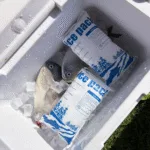
So spezifizieren Sie eine isolierte, mit Folie ausgekleidete Lunchtasche
Der beste Weg, eine auszuwählen Isolierte Lunchtasche Die innen mit Folie ausgekleidete Folie dient dazu, den Anwendungsfall zu schreiben, bevor die Funktionsliste gelesen wird. Geben Sie an, was passen muss, wohin das verpackte Essen reist, die wärmste glaubwürdige Enthüllung, welche Kältequellen genutzt werden, und wo die Kühlung wieder aufgenommen wird. Dann bewerten Sie die Tasche als komplette Baugruppe. Der reflektierende Liner kann bei Strahlungswärme hilfreich sein, aber die Isolierung, Schließung, Nähte, Nutzlast, und Benutzerroutine entscheiden darüber, ob das Produkt für den Einsatz geeignet ist. Diese Methode verwandelt einen vagen Katalogkauf in eine Spezifikation, die beprobt werden kann, getestet, und wiederholt.
Schreiben Sie eine Leistungsbeschreibung mit einem Satz
Ein Praxisbrief sollte die Inhalte benennen, Route, Handhabung, und Endpunkt. „Nehmen Sie eine versiegelte, gekühlte Mahlzeit mit, ein Getränk, und zwei klimatisierte Kältequellen von zu Hause bis zu einem Kühlschrank im Büro während eines normalen morgendlichen Pendelwegs“ ist nützlich. „Das Mittagessen den ganzen Tag frisch halten“ gilt nicht. Die erste Aussage kann gemessen und beobachtet werden; der zweite hat keine definierte Temperatur, Zeit, Umfeld, oder Lebensmitteltyp.
Erstellen Sie das Briefing mit sechs Eingaben:
- Listen Sie die genauen Behälter und ihre Packausrichtung auf.
- Identifizieren Sie verderbliche Waren und die geltenden Richtlinien zur Lebensmittelsicherheit.
- Ordnen Sie jede Umgebung zu, einschließlich Fahrzeuge, Schließfächer, Schreibtische, draußen, und Kühlschränke.
- Definieren Sie die Kältequellen und wie Benutzer sie konditionieren und platzieren.
- Beschreiben Sie die Eröffnung, Reinigung, Trocknen, und Speicherverhalten.
- Entscheiden Sie, welche Nachweise erforderlich sind, bevor eine Bestellung genehmigt wird.
Diese Übung verändert oft die Produktauswahl. Eine Tasche, die nur zur Überbrückung eines kurzen Arbeitswegs gedacht ist, legt möglicherweise Wert auf einen kompakten Kühlschrank. Eine Tasche für ein Außendienstteam muss möglicherweise einer größeren Kühlbox und einem kontrollierten Aufbewahrungsplan weichen. Ein Schulprogramm legt möglicherweise mehr Wert auf einen intuitiven Reißverschluss und eine leicht zu reinigende Innenausstattung als auf dekorative Merkmale.
Der Auftrag setzt auch eine Grenze. Ein alltäglicher Mittagessenträger ist nicht automatisch ein qualifizierter temperaturgesteuerter Versender, ein Medikamententräger, oder ein kommerzielles Lebensmitteltransportsystem. Produktspezifische und regulierte Anwendungen erfordern möglicherweise eine andere Verpackung, Überwachung, Qualifikation, und professionelle Überprüfung.
Lesen Sie die Tasche von außen nach innen
Die Außenhülle ist abriebfest, Schmutz, Branding, und Lastübertragung. Überprüfen Sie, ob es gewebt ist, Beschichtung, und Nähte passen zur Umgebung. Ein weicher Werbestoff mag für ein Werbegeschenk im Büro geeignet sein, auf dem Boden auf der Baustelle jedoch nur von kurzer Dauer. Griffe sollten in tragenden Bereichen verankert werden, und die gepackte Tasche sollte beim Anheben im Gleichgewicht bleiben.
Hinter der Schale befindet sich die Hauptisolierschicht. Es kann Schaum sein, Faserisolierung, Struktur mit eingeschlossener Luft, oder ein anderes Material. Sein Wert beruht sowohl auf dem Material als auch auf der Kontinuität. Fühlen Sie rund um die Basis, Deckel, Ecken, und Seilrutsche. Dünn, komprimiert, oder fehlende Regionen bilden leichtere Wege für die Wärme. Die Wandstärke allein kann aufgrund des Materials keine Aussage über die Dauer treffen, Konstruktion, Geometrie, und vollständige Verpackung sind ebenfalls wichtig.
Die Innenseite wird üblicherweise als Folie bezeichnet, aber das Wort ist ungenau. Die glänzende Oberfläche könnte Aluminiumfolie sein, metallisiertes Polymer, metallischer Druck, oder ein verstärktes Laminat. Fordern Sie bei direktem Lebensmittelkontakt eine schichtweise Beschreibung an, wiederholte Reinigung, Recyclabalität, oder die Haltbarkeit den Kauf beeinflusst. Ein reflektierendes Erscheinungsbild lässt keinen Rückschluss auf die Art des Klebstoffs zu, Trägerfolie, Durchstoßfestigkeit, oder die Art und Weise, wie Kanten versiegelt werden.
Endlich, Überprüfen Sie den Verschluss. Ein durchgehender Reißverschluss kann dennoch Lücken an den Ecken hinterlassen oder sich verziehen, wenn die Tasche gepackt wird. Eine Klappe braucht genügend Überlappung. Ein Rolltop braucht Platz, um richtig rollen zu können. Verschließen Sie die Probe mit den eigentlichen Behältern und Kältequellen darin, Dann schauen und fühlen Sie sich um den Umfang herum. Es zählt die geladene Inspektion.
Verstehen Sie, was der reflektierende Liner leisten kann und was nicht
Wärme erreicht eine kalte Mahlzeit im Wesentlichen auf drei Arten. Es leitet durch die Wände und Kontaktstellen, bewegt sich mit eintretender und zirkulierender Luft, und Übertragungen durch Strahlung zwischen Oberflächen. Die reflektierende Fläche spricht einen Teil der Strahlungskomponente an, wenn sie einem Luftraum zugewandt ist. Offizielle Leitlinien zu Strahlungsbarrieren weisen darauf hin, dass für diesen Mechanismus ein angrenzender Luftraum erforderlich ist. Wenn der Liner direkt gegen einen Behälter gedrückt wird, die Bedingungen sind unterschiedlich.
Der isolierende Kern verlangsamt die Leitung. Der Verschluss begrenzt den konvektiven Luftaustausch. Kältequellen absorbieren einströmende Wärme. Die Ausgangstemperatur des Lebensmittels legt die anfängliche thermische Belastung fest. Diese Rollen ergänzen sich, Aus diesem Grund kann eine Funktion keine sichere Haltezeit festlegen.
Stellen Sie sich einen kalten Behälter neben ein zimmerwarmes Getränk. Das Getränk sorgt für Wärme im Beutel. Ein teilweise aufgetaut Kühlakku verfügt über eine geringere verfügbare Kältekapazität als ein bestimmungsgemäß konditioniertes Gerät. Ein mehrfach geöffneter Reißverschluss lässt warme Luft hinein. Direkte Sonneneinstrahlung erhöht die Strahlungsbelastung im Außenbereich. Derselbe Beutel kann daher über zwei normale Tage hinweg unterschiedliche Temperaturverläufe erzeugen.
Vermeiden Sie die Formulierung „hält X Stunden lang kalt“, es sei denn, die Aussage bezieht sich auf eine definierte Konfiguration. In den entsprechenden Nachweisen sollte die genaue Tasche angegeben sein, Umgebungsprofil, Nutzlast, Kühlmittel, Ausgangstemperaturen, Sensorpositionen, Eröffnungsplan, Limit, und Regel verabschieden. Ohne diesen Kontext, Eine Dauer ist eher eine Marketingkurzform als ein übertragbares Leistungsergebnis.
Machen Sie den Packout sicher und wiederholbar
Für kalte, verderbliche Mittagessen, Beginnen Sie mit bereits gekühlten Speisen. Isolierung soll Veränderungen verlangsamen; Es ist nicht zu erwarten, dass eine warme Mahlzeit schnell abkühlt. Verwenden Sie geschlossene Lebensmittelbehälter, die den direkten Kontakt mit dem Liner reduzieren und die Reinigung erleichtern. Halten Sie den Beutel von Wärmequellen fern und stellen Sie ihn am Bestimmungsort in einen Kühlschrank, wann immer einer verfügbar ist.
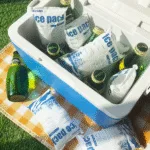
Offizielles U.S. Richtlinien zur Lebensmittelsicherheit empfehlen, kalte verderbliche Waren bei 40 °F aufzubewahren, ca. 4°C, oder darunter und mit mindestens zwei Kältequellen in einer isolierten Lunchtasche. Käufer und Anwender in anderen Märkten sollten sich an ihre zuständige örtliche Lebensmittelsicherheitsbehörde wenden. Die Anzahl der Packungen ist nicht das einzige Problem: Die Quellen müssen bestimmungsgemäß aufbereitet werden, passt, ohne den Verschluss zu erzwingen, und um die verderblichen Gegenstände gelegt werden.
Eine wiederholbare Sequenz könnte sein:
- Kühlen Sie die Speisen und Getränke vorher ab;
- Konditionieren Sie die Kältequellen gemäß ihren Anweisungen;
- Platzieren Sie eine Quelle unter oder neben dem verderblichen Behälter und eine weitere über oder auf der gegenüberliegenden Seite;
- Füllen Sie unnötige Lücken mit den geplanten Inhalten und nicht mit unzusammenhängenden warmen Gegenständen;
- Schließen Sie den Beutel vollständig und minimieren Sie die Öffnung;
- Wenn möglich, bei der Ankunft im Kühlschrank aufbewahren;
- sauber, trocken, und überprüfen Sie die Tasche nach Gebrauch.
Diese Routine ist nützlicher als ein allgemeines Versprechen, da sie den Benutzern sagt, was sie steuern sollen. Es offenbart auch sofort ein Größenproblem. Wenn sich der Beutel nicht schließen lässt, während sich die Behälter und Kältequellen an ihren vorgesehenen Positionen befinden, Es ist zu klein für diese Verpackung, unabhängig vom Katalogvolumen.
Verwenden Sie eine Käufer-Scorecard, die Beweise belohnt
| Entscheidungsbereich | Genehmigungsfrage | Starke Beweise | Grund zum Innehalten |
|---|---|---|---|
| Funktionelle Passform | Lässt sich die beladene Tasche bequem schließen und tragen?? | Versuch mit repräsentativen Behältern, trinken, Utensilien, und kalte Quellen | Passform anhand der Außenmaße oder einer leeren Probe beurteilt |
| Konstruktion | Sind Isolierung und Liner an kritischen Stellen durchgehend?? | Fertige Musterprüfung und kontrollierte Materialbeschreibung | Ungeklärte Lücken, freiliegender Schaum, oder vage Formulierung „Thermofolie“. |
| Thermischer Anspruch | Entsprechen die Beweise dem beabsichtigten Szenario?? | Definierter Testartikel, Auspacken, Umgebungsprofil, Messungen, und Akzeptanzregel | Überschriftendauer ohne Bedingungen |
| Grenze zum Lebensmittelkontakt | Befinden sich die Lebensmittel lose oder in geschlossenen Behältern?? | Verwendungszweckerklärung und relevante Dokumente für die genaue Kontaktfläche | Allgemeine Aussage zur „Lebensmittelqualität“ ohne Artikel oder Bedingungen |
| Hygiene | Kann der Beutel vom tatsächlichen Benutzer gereinigt und getrocknet werden?? | Für das zusammengebaute Produkt wurde eine schriftliche Pflegemethode bestätigt | Tiefe unzugängliche Falten, Feuchtigkeit zurückgehalten, oder nicht unterstützte Waschansprüche |
| Nachbestellung | Entspricht die Produktion dem genehmigten Muster?? | Kontrollierte Spezifikation, Losidentifikation, und Änderungsmitteilung | Der Lieferant kann den Liner ersetzen, Schaum, Klebstoff, oder zip ohne Rezension |
| Umweltanspruch | Wird der Wortlaut für das gesamte Produkt und den gesamten Markt unterstützt?? | Spezifische Begründung und realistische End-of-Life-Anweisungen | Breite „Öko“- oder „vollständig recycelbare“ Sprache basierend auf einer Komponente |
Die Scorecard gibt Beweisen mehr Gewicht als visuelle Hinweise. Außerdem werden verschiedene Fragen getrennt gehalten: Die thermische Leistung ist kein Beweis für die Eignung für den Kontakt mit Lebensmitteln, und die Dokumentation des Lebensmittelkontakts beweist nicht die Dauer. Ein Lieferant muss möglicherweise beides beantworten, Die Aufzeichnungen sollten jedoch nicht zu einer vagen Zertifikatsanforderung zusammengefasst werden.
Für kleine persönliche Einkäufe, Nicht jede Zeile benötigt ein formelles Dossier. Für die Schule, Arbeitsplatz, Gastronomie, Einzelhandel, oder Werbeprogramme, Kontrollierte Spezifikationen und schriftliche Antworten schützen den Käufer, wenn das Produkt nachbestellt oder an viele Benutzer verteilt wird.
Hilfreiche Entscheidungshilfen
Überprüfen Sie die Details, bevor Sie sich für die Verpackung entscheiden
Mit diesen schnellen Tools können Sie das Routenrisiko vergleichen, Größenanforderungen, Kühlmittelauswahl, und Verpackungsdetails, bevor Sie ein Angebot anfordern.
Compliance-Checklisten-Generator
Erstellen Sie eine praktische Checkliste für die Verpackungsüberprüfung, Versand, und Dokumentation.
Checkliste erstellenEisbeutel-Rechner
Schätzen Sie die Menge an Gel-Eisbeuteln für gekühlte Sendungen und nutzen Sie die praktische Routenplanung.
Schätzen Sie EisbeutelKühlmittel & PCM-Referenz
Vergleichen Sie Kühlmittel- und PCM-Optionen, wenn eine Route zusätzliche Temperaturunterstützung benötigt.
Vergleichen Sie OptionenLegen Sie die Lebensmittelkontaktgrenze fest, bevor Sie Dokumente überprüfen
Die einfachste Möglichkeit besteht darin, Lebensmittel in verschlossenen Behältern aufzubewahren. Der Beutel fungiert dann in erster Linie als sekundärer Behälter, Reduzierung der vorgesehenen direkten Kontaktfläche. Es kann dennoch zu Verschüttungen kommen, Daher sollte der Liner reinigbar und für den vorgesehenen Verwendungszweck geeignet bleiben, aber die Lunchtüte ist nicht das Essensgefäß.
Wenn lose Lebensmittel die Einlage berühren sollen, die Compliance-Überprüfung wird konkreter. Die genaue Oberfläche, Trägerschichten, bei denen Migration relevant sein kann, Klebstoff, Lebensmittel, Kontaktdauer, Temperatur, Zustand bei wiederholter Verwendung, und der Zielmarkt sind von Bedeutung. Der Nachweis des Lieferanten muss sich auf die fertige Konstruktion und die vorgesehenen Bedingungen beziehen, nicht nur ein Rohfilm, der unter einem ähnlichen Namen verkauft wird.
Innerhalb der Europäischen Union, Verordnung (EC) NEIN 1935/2004 legt allgemeine Sicherheits- und Inertheitsgrundsätze für Lebensmittelkontaktmaterialien fest. Verordnung (EC) NEIN 2023/2006 deckt die gute Herstellungspraxis ab, und spezifische Maßnahmen wie die Regulierung (EU) NEIN 10/2011 kann auf Kunststoffschichten zutreffen. Andere Gerichtsbarkeiten verwenden ihre eigenen Frameworks. Beschaffungsteams sollten über die entsprechende Qualitäts- oder Regulierungsfunktion entscheiden, welche Dokumente benötigt werden.
Behandeln Sie die CE-Kennzeichnung nicht als allgemeine Bescheinigung über den Lebensmittelkontakt. Die CE-Kennzeichnung ist nur für Produktkategorien erforderlich, die unter EU-Vorschriften fallen, die dies ausdrücklich vorschreiben; Eine gewöhnliche Lunch-Tasche wird nicht allein durch das Anbringen des Zeichens konform. Die korrekte Überprüfung richtet sich nach dem Verwendungszweck und den geltenden Produktregeln.
Design-Wiederverwendung rund um Pflege und Aufbewahrung
Ein isolierte Tasche darf Textilien kombinieren, Schaum, Filme, Folie oder Metallisierung, Klebstoff, Reißverschlussband, Faden, Tinte, Etiketten, und Verstärkungen. Durch den Verbund mehrerer Schichten kann die Materialtrennung erschwert werden. Aus dem glänzenden Liner sollte niemals auf die Recyclingfähigkeit geschlossen werden, ein Recycling-Symbol auf einer Komponente, oder die theoretische Gewinnung eines Rohstoffs.
Ein glaubwürdigerer Nachhaltigkeitsplan beginnt mit der Nützlichkeit. Wählen Sie eine Geometrie, die die Menschen tragen werden, Kunstwerke, die nach einer kurzen Kampagne nicht veralten, und einen Verschluss, der die vorgesehene Handhabung übersteht. Taschen entfernen, dekorative Schichten, und Einzelverpackungen, die nicht dem Leistungsauftrag dienen. Stellen Sie Pflegehinweise zur Verfügung, die Benutzern helfen, die Tasche sauber und trocken zu halten, ohne das Laminat zu beschädigen.
Für ein organisationseigenes Programm, Definieren Sie, wann Taschen überprüft und außer Betrieb genommen werden. Eine Reparatur eines externen Riemens kann sinnvoll sein, wenn sie sicher durchgeführt werden kann, während eine zerschnittene lebensmittelseitige Auskleidung oder unzugängliche Verunreinigungen möglicherweise eine Ausmusterung erforderlich machen. Anweisungen zum Ende der Lebensdauer sollten tatsächliche lokale Sammeloptionen widerspiegeln und keine allgemeingültige Aussage sein.
Wiederverwendung wird nur dann zu einem Umweltvorteil, wenn sie stattfindet. Eine bescheidenere Tasche, die regelmäßig verwendet wird, kann eine bessere Programmwahl sein als ein aufwendiger Gegenstand, den Benutzer zu Hause lassen. Die Pilotverteilung liefert Belege für die Bindung, Reinigung, und Fehlermodi, bevor bei einem Großauftrag unnötiges Material gebunden wird.
Führen Sie ein Sample-to-Production-Gate durch
Genehmigen Sie drei Dinge separat: der Bau, das Kunstwerk, und die Verpackung. Das Baumuster bestätigt die Maße, Materialien, Verarbeitung, Schließung, und Pflege. Das Druckmuster bestätigt die Farbe, Platzierung, Lesbarkeit, und etwaige Ansprüche. Der Packout-Test bestätigt, dass die echten Essens- und Kältequellen passen und dass normale Benutzer den Beutel richtig bedienen können.
Notieren Sie das akzeptierte Muster und die Spezifikation. Identifizieren Sie kritische Komponenten, die ohne Überprüfung nicht geändert werden können, inklusive Liner, Isolierung, Klebstoff, Hülse, Schließung, und tragende Nähte. Definieren Sie sichtbare Fehlerkriterien für die Delaminierung, freiliegende Kanten, Geruch, Kontamination, Naht fehlt, Zip-Betrieb, und Druckfehler. Für Leistungsansprüche, Verbinden Sie den Anspruch mit der genauen getesteten Konfiguration.
Bei Erhalt, Überprüfen Sie eine angemessene Auswahl aus dem Produktionsauftrag gemäß dem Qualitätsplan des Käufers. Vergleichen Sie Abmessungen und Konstruktion mit der Referenz, Schließungen unter repräsentativer Belastung betreiben, und überprüfen Sie die Verpackung und Pflegeetiketten. Wenn sich ein Material oder ein Prozess geändert hat, Unterbrechen Sie die Veröffentlichung, bis die Auswirkungen auf Leistung und Dokumentation klar sind.
FAQ
Was ist die erste zu bestätigende Spezifikation??
Bestätigen Sie den internen Sitz der gesamten Verpackung. Die Lebensmittelbehälter, trinken, Utensilien, und vorgesehene Kältequellen müssen in ihre Arbeitsausrichtung passen, während der Verschluss normal schließt. Sobald die Eignung nachgewiesen ist, Vergleichen Sie die Isolationskontinuität, Liner-Konstruktion, Hygiene, und Beweise hinter Behauptungen.
Ist Aluminiumfolie besser als metallisierte Folie??
Nicht als allgemeingültige Regel. Die beste Struktur hängt vom Strahlungsverhalten ab, Trägerschichten, Pannen- und Biegefestigkeit, Reinigung, Lebensmittelkontaktbedingungen, Gewicht, Haltbarkeit, und Fertigungsqualität. Besorgen Sie sich die Schichtbeschreibung und bewerten Sie den fertigen Beutel für den vorgesehenen Verwendungszweck, anstatt nur anhand des Materialnamens auszuwählen.
Kann die Tasche bis zum Mittagessen sicher im Auto bleiben??
Gehen Sie nicht davon aus. Im Fahrzeuginnenraum kann es zu starker Hitzeeinwirkung kommen, und ein Test, der in einem milden Raum durchgeführt wird, ist möglicherweise nicht anwendbar. Verwenden Sie nach Möglichkeit Kühlung oder eine andere geeignete Steuerung, Befolgen Sie die örtlichen Richtlinien zur Lebensmittelsicherheit, und verlangen Sie szenariorelevante Beweise, bevor Sie einen Daueranspruch geltend machen.
Wie überprüfe ich die Aussage „Lebensmitteltaugliche Auskleidung“.?
Fragen Sie nach, auf welche fertige Oberfläche und Konstruktion sich die Erklärung bezieht, die vorgesehenen Lebensmittel und Kontaktbedingungen, die zuständige Gerichtsbarkeit, und die unterstützende Erklärung oder Prüfprotokolle. Ein Rohstoffzertifikat darf sich nicht auf Klebstoffe beziehen, Drucken, Nähte, oder ein verändertes Laminat in der zusammengebauten Tasche.
Was macht eine Bestellung wirklich wiederverwendbar??
Das Produkt muss nützlich genug sein, um es zu behalten, langlebig genug für die vorgesehene Handhabung, und nach einer Methode reinigbar, die Benutzer befolgen werden. Das Programm benötigt außerdem eine Inspektion und eine End-of-Life-Beratung. „Wiederverwendbar“ auf einer Produktseite beweist nicht, dass eine wiederholte Verwendung erfolgt.
Genehmigen Sie den Job, Nicht der Glanz
Eine verlässliche Lunch-Bag-Entscheidung folgt einer klaren Reihenfolge: Definieren Sie die Mahlzeit und die Route, Überprüfen Sie die belastete Passform, den mehrschichtigen Aufbau verstehen, Überprüfung von Ansprüchen anhand von Testbedingungen, Legen Sie die Lebensmittelkontaktgrenze fest, und kontrollieren Sie Reinigungs- und Nachbestellungen. Die folienkaschierte Oberfläche kann ein nützlicher Bestandteil der Montage sein, aber es erzeugt weder Kälte noch garantiert es eine Dauer. Wenn Produkt und Routine gemeinsam gestaltet werden, Der Beutel unterstützt einen sicheren Umgang mit Lebensmitteln, bessere Benutzerakzeptanz, und glaubwürdigere Wiederverwendung.
Über Tempk
Tempk ist die Marke von Shanghai Tempk Industrial Co., Ltd. Wir unterstützen B2B-Käufer bei der Auswahl isolierter und Kühlkettenverpackung und verwandte temperaturkontrollierende Verpackungsprodukte. Unser Beitrag zu einem Lunch-Bag-Projekt ist bedarfsorientiert: Inhalte klären, Auspacken, Belichtung, materielle Fragen, und die betriebliche Grenze zwischen einem Convenience-Carrier und einem kontrollierten Verpackungssystem. Der Käufer bleibt für die Einhaltung der Lebensmittelsicherheit verantwortlich, Einhaltung, Testen, und Schadensprüfungsprozesse, die für ihre Märkte geeignet sind.
Senden Sie Tempk Ihre Leistungsbeschreibung mit einem Satz, Behälterabmessungen, Kaltquellenanordnung, Reinigungserwartungen, und Reihenfolgekontext, um einen praktischen Vergleich zu beginnen.