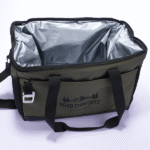
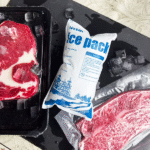
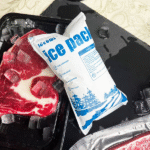
Wenn Sie vergleichen Isolierte Verpackung liner wholesale price, Die beste Antwort ist nicht das günstigste Angebot. Die beste Antwort ist der Versandkarton, der Ihnen nachweislich die niedrigsten Versandkosten für Ihr Produkt bietet, Fahrbahn, und Arbeitsablauf. In 2026, Kluge Käufer bewerten den Preis zusammen mit der thermischen Leistung, Arbeitseffizienz, Speicherdichte, Lieferantenqualität, und Nachhaltigkeitsausrichtung.
Was Ihnen dieser Leitfaden bei der Beantwortung helfen wird
- What actually drives insulated packaging liner wholesale price
- How to compare liner materials without guessing
- Which standards and qualification signals matter
- How parcel growth and sustainability rules are changing the market
- How to build a better RFQ and choose the right supplier
- Why insulated packaging liner wholesale price can mislead you
A liner quote is easy to read but hard to judge unless you know what created it. Die Zahl spiegelt den Rohstoff wider, Konvertierungsschritte, Maßhaltigkeit, Packungsdichte, und erwartete Leistung. Zwei Liner können ähnlich aussehen und sich dennoch hinsichtlich der Auspackgeschwindigkeit sehr unterschiedlich verhalten, Kühlmittelbedarf, and temperature hold.
That is why piece price alone is a weak buying metric. A lower-cost liner may require more coolant. It may fit poorly and create air gaps. It may slow your team during packing. Or it may work only in mild weather, forcing you to buy a second seasonal spec. Those hidden costs usually matter more than a small difference in unit price.
A fast buyer reality check
- Ask yourself these five questions before comparing prices:
- What box size will the liner be used in?
- What product temperature band must you protect?
- How long is the normal lane, and how long is the worst-case lane?
- Welches Kältemittel werden Sie verwenden??
- Is this shipment cost sensitive, risk sensitive, or compliance sensitive?
- If you cannot answer those five questions, the quote is only a rough guess.
- How material choice changes price and real-world value
Broadly speaking, isolierte Liner can be built around reflective bubble, Schaum, Faser, or hybrid structures. Each material family solves a slightly different problem. Reflective bubble designs are popular because they are light and flat-pack well. Foam-heavy formats add more thermal resistance and structure. Hybrid systems try to improve balance across protection, Raum, und Montage.
The right choice depends on your shipping pattern. For short parcel lanes, you may want the lightest design that assembles fast. For hotter routes or longer dwell times, a stronger thermal wall may be worth more. Für Multi-SKU-Programme, exact-fit custom liners may reduce coolant use and labor enough to justify the added conversion cost.
What reflective layers can and cannot do
Die USA. Department of Energy notes that radiant barriers are highly reflective and reduce heat gain by reflecting radiant heat, but they do not have inherent R-value on their own. That is a useful reminder for buyers. A reflective face can help, insbesondere wenn die Strahlungsbelastung hoch ist, but the total package still depends on the full liner construction, air gap behavior, und Pack-out-Design. (Energy.gov. des Energieministeriums)
So when a supplier promotes a foil-based liner, ask what part of the performance comes from reflection, what part comes from trapped air or foam, and how the package was tested. That question often separates strong suppliers from sellers with only surface-level claims.
How test standards help you compare quotes honestly
The most trustworthy insulated packaging liner wholesale price is the one tied to clear test logic. ASTM D3103 dient zur Bewertung der Wärmedämmleistung von Verteilerpaketen, especially for high-value and high-risk materials. ASTM D4169 provides a uniform laboratory basis for exposing shipping units to expected distribution hazards. ISTA 7D evaluates temperature exposure effects, while ISTA 7E uses profiles developed from real-world transport data, und ISTA-Standard 20 gives a design and qualification path for Isolierte Versandbehälter. (ASTM International | ASTM)
Für dich, that means a quote should come with context. What box was used? Welche Nutzlast? Welches Kühlmittel? What external temperature profile? What pass range? Ohne diese Details, you are comparing claims, not systems.
What you should ask every supplier
- Which test profile did you use?
- Was the liner tested in a full package system or alone?
- What product mass was assumed?
- How much coolant was used?
- Was the result designed for parcel, Palette, or controlled distribution?
- Can the same liner cover more than one season or lane?
- These questions do not make you difficult. They make you efficient.
- Why compliance and quality systems matter more than a low quote
Wenn Sie Lebensmittel versenden, Spezialzutaten, Diagnostik, or healthcare-related products, packaging quality is not just an efficiency issue. It can be a compliance and risk issue. FDA’s sanitary transportation rule establishes requirements for shippers, Lader, Träger, and receivers involved in transporting food to use sanitary practices. WHO’s TTSPP guidance sets principal requirements for safe storage and distribution of time- und temperaturempfindliche Arzneimittel. IATA also says current packaging requirements and documentation reduce losses in compliant temperaturempfindliche Versand. (UNS. Food and Drug Administration)
CDC adds a practical operational point: soft-sided containers specifically engineered for vaccine transport can be acceptable as part of a qualified container and pack-out system, while ordinary food or beverage coolers should not be used. That distinction matters because it shows the difference between generic insulation and qualified Thermoverpackung. (Zentren für Krankheitskontrolle und Prävention)
Supplier systems matter too. ISO beschreibt ISO 9001 als weltweit anerkannter Qualitätsmanagementstandard, and FDA says CGMP regulations set minimum requirements for methods, Einrichtungen, and controls used in manufacturing and packing drug products. If your supplier has stronger process discipline, your price may be more defensible because your risk is lower. (Internationale Organisation für Normung)
Wie 2026 market trends are reshaping insulated packaging liner wholesale price
The market background in 2026 explains why buyers now ask harder questions. UNS. Der E-Commerce-Umsatz erreichte einen geschätzten Wert $1.2337 Billionen in 2025 and made up 16.4% des gesamten Einzelhandelsumsatzes. More parcel volume means more demand for flat-packed thermal packaging that stores efficiently, assembles fast, and survives variable transport conditions. (Census.gov)
Hilfreiche Entscheidungshilfen
Überprüfen Sie die Details, bevor Sie sich für die Verpackung entscheiden
Mit diesen schnellen Tools können Sie das Routenrisiko vergleichen, Größenanforderungen, Kühlmittelauswahl, und Verpackungsdetails, bevor Sie ein Angebot anfordern.
Routenrisiko-Checker
Überprüfen Sie die Fahrspurbedingungen, bevor Sie die Verpackung entsprechend den tatsächlichen Betriebsanforderungen auswählen.
Streckenrisiko prüfenKühlmittel & PCM-Referenz
Vergleichen Sie Kühlmittel- und PCM-Optionen, wenn eine Route zusätzliche Temperaturunterstützung benötigt.
Vergleichen Sie OptionenBoxliner & Dimensionierung der Palettenabdeckung
Überprüfen Sie die Größenlogik für Kartoneinlagen und Palettenabdeckungen für isolierte Verpackungsprojekte.
Schätzen Sie die GrößeGleichzeitig, packaging regulation and sustainability pressure are becoming more concrete. Nach Angaben der Europäischen Kommission ist das PPWR am in Kraft getreten 11 Februar 2025 und beginnt Mitte 2026 mit der allgemeinen Anwendung, with aims to minimize packaging waste and reduce the use of primary raw materials. The Commission has also highlighted recyclability by 2030, recycled-content requirements for plastic packaging, and reuse targets. Even when you are not selling into Europe today, these signals influence what global customers and suppliers now expect from packaging design. (Umfeld)
EPA reinforces the same direction from a practical business angle. It says source reduction is the environmentally preferred strategy and that lightweighting, Wiederverwendung, and redesign are increasingly common business trends. EPA also notes that lighter or more efficient packaging can save money while reducing waste. Im Klartext, buyers want liners that use less material intelligently, not just less material blindly. (US-EPA)
How to lower total cost without damaging performance
The best cost savings usually come from better system design. That may mean standardizing box sizes, improving liner fit, simplifying the fold pattern, or reducing coolant load. It may also mean using one validated liner family across several shipment profiles instead of keeping too many similar SKUs.
A second major cost lever is operational efficiency. If a liner opens cleanly, seats consistently, and reduces training mistakes, it lowers labor cost and packing variability. A slightly higher-priced liner can be the better economic choice if it shortens pack-out time and reduces rework.
Ein praktisches Entscheidungstool
- Bewerten Sie jeden Lieferanten 1 Zu 5 on the points below:
- Choose the supplier with the strongest total score, not the lowest isolated price.
Häufig gestellte Fragen
What is the biggest mistake when comparing insulated packaging liner wholesale price?
Comparing only the piece price. The true cost includes coolant, Arbeit, Lagerung, Fracht, Risiko, and sometimes seasonal SKU complexity.
Should I ask for ASTM or ISTA data even for food shipments?
Ja. If temperature protection matters, test context helps you judge whether the liner matches your actual lane and handling pattern.
Is a custom liner always more expensive?
At the unit level, oft ja. In total use, not always. Better fit can reduce coolant use, speed assembly, and lower failure risk.
Why does supplier quality management matter for a simple liner?
Because repeatability matters. A liner that changes size, Siegelqualität, or material behavior from batch to batch can create real shipping problems.
How do I buy for 2026 instead of buying for last year?
Ask for a quote that explains performance, betriebstauglich, und Materialeffizienzrichtung. Those three points are becoming standard expectations.
Zusammenfassung und Empfehlung
The right way to evaluate insulated packaging liner wholesale price is to connect cost with thermal logic, test relevance, Prozessqualität, and market direction. In 2026, serious buyers want a liner that is efficient in the warehouse, reliable in transit, and easier to defend from a sustainability point of view.
Your best next step is to build a quote sheet that compares unit price, Kühlmittelbedarf, Auspackzeit, Palettendichte, and test basis side by side. That gives you a decision you can trust, not just a low number you hope will work.
Über Tempk
Und Tempk, we work on insulated liners and Kühlkettenverpackung systems with a practical focus on performance, Pack-out-Effizienz, und skalierbares Angebot. We believe the right packaging decision is the one that protects the shipment, supports your operations, and makes cost sense over the full shipping cycle.
If you want a stronger buying result, the next move is to compare your current liner against one lighter and one higher-performance alternative using your real box sizes and shipping assumptions.