Isolierte Palettenabdeckungen für das Supply Chain Management: Ein Stage-Gate-Playbook
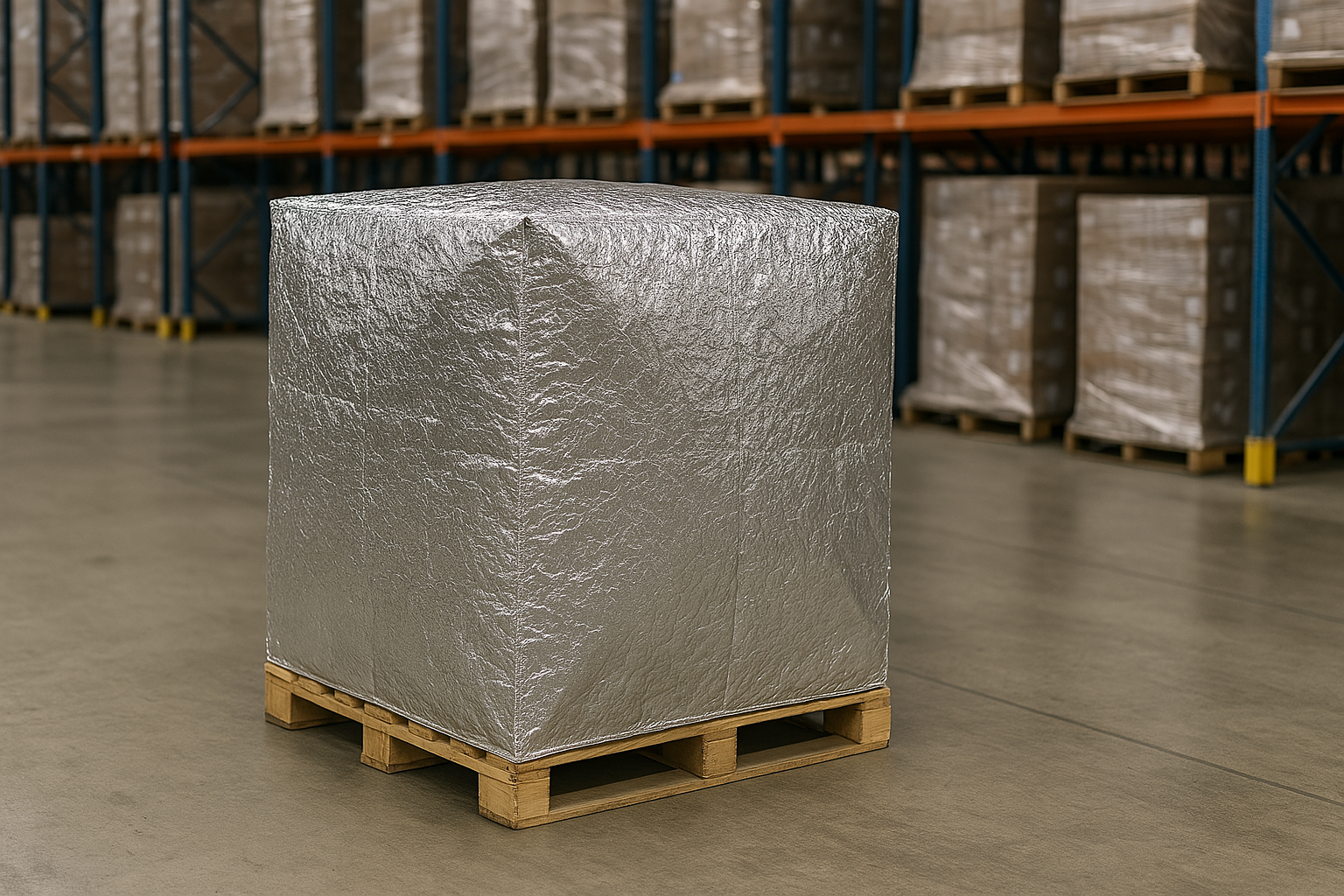
Eine isolierte Palettenabdeckung ist leicht zu kaufen und erstaunlich leicht zu handhaben. Es kann die falsche Größe haben, angewendet, nachdem die Ladung bereits warm ist, für jeden Scan geöffnet, dort belassen, wo Luftzirkulation benötigt wird, oder beim Empfänger zurückgelassen werden, obwohl es als wiederverwendbar bezeichnet wird. Isolierte Palettenabdeckungen Für das Supply Chain Management ist ein Governance-Modell ebenso erforderlich wie eine Materialspezifikation. Das effektivste Modell macht fünf Entscheidungen explizit: die Belichtung wird kontrolliert, die thermische Grenze, die erforderlichen Nachweise, der Eigentümer bei jeder Übergabe, und die Regel für Veränderung. In diesem Artikel wird eine Stage-Gate-Methode vorgestellt, die diese Entscheidungen von der anfänglichen Problemdefinition bis zur skalierten Bereitstellung verbindet.
Tor eins: Beweisen Sie, dass es sich bei dem Problem um ein Deckungsproblem handelt
Beginnen Sie mit Beweisen aus der Operation. Überprüfen Sie die Meilensteine der Lieferung, Dock wohnen, Temperaturaufzeichnungen, sofern verfügbar, Abweichungsuntersuchungen, Feedback des Trägers, und Beobachtungen von Lagerteams. Ziel ist es, zu erkennen, wann der Produktschutz nachlässt, nicht um zu beweisen, dass ein angefordertes Produkt notwendig ist.
Eine Abdeckung ist eine plausible Kontrolle, wenn eine korrekt konditionierte Einheitsladung einer vorübergehenden äußeren Einwirkung ausgesetzt ist und die Abdeckung angewendet werden kann, ohne eine andere Kontrolle zu stören. Zu den typischen Kandidaten gehört der Transfer zwischen kontrollierten Bereichen, kurze Bewegung im Freien, Inspektionszugang, Cross-Docking in gemischten Umgebungen, und Empfangswarteschlangen.
Andere Probleme erfordern andere Maßnahmen. Wenn das Produkt außerhalb seines erforderlichen Zustands beginnt, Die Isolierung bewahrt den falschen Zustand. Wenn ein aktiver Container ausfällt, Eine Decke kann ihre Kühlleistung nicht ersetzen. Wenn Paletten stundenlang an einem Dock verbringen, weil die Zeitpläne unkontrolliert sind, Eine Neugestaltung des Prozesses bietet möglicherweise mehr Schutz. Wenn die Ladung einen kontinuierlichen gekühlten Luftstrom benötigt, Es kann kontraproduktiv sein, es verpackt zu lassen.
Schreiben Sie eine Problemstellung, die angefochten werden kann:
„Eine freigegebene Palette im erforderlichen Ausgangszustand erfährt eine definierte unkontrollierte Belastung zwischen zwei genannten Temperaturkontrollen. Wir prüfen, ob eine angebrachte passive Abdeckung diese Belastung reduzieren kann, ohne die Handhabung zu beeinträchtigen, Luftstrom, Zugang, oder Qualitätsbewertung.“
Die Anweisung verhindert Bereichsdrift. Es gibt auch der Finanz- und Beschaffungsabteilung einen klaren Grund für das Projekt.
Tor Zwei: Entwerfen Sie gemeinsam die Grenzen und den Arbeitsablauf
Die thermische Begrenzung besteht aus Paneelen, Nähte, Schließungen, Spitze, Seiten, und möglicherweise die Basis. Der Arbeitsablauf umfasst die Person, die die Abdeckung installiert, die zur Verfügung stehende Zeit, das Etikett, das gescannt werden muss, die Ausrüstung, die die Palette bewegt, und das Ereignis, das die Entfernung auslöst. Das eine ohne das andere zu entwerfen führt zum Scheitern.
Grenzentscheidungen
Geben Sie die nutzbare Innenlänge an, Breite, und Höhe basierend auf den tatsächlichen Produktionslasten. Überhang einbeziehen, Riemen, Eckbretter, Ausbuchtungen, und akzeptable Variation. Geben Sie an, ob die Oberseite integriert ist, separate, oder überlappen. Entscheiden Sie, wie die Unterkante auf die Palette trifft und ob eine Basiskomponente erforderlich ist.
Beschreiben Sie Funktionsschichten, anstatt einen generischen Materialnamen zu akzeptieren. Die Außenfläche kann Abrieb- oder Feuchtigkeitsbeständigkeit bieten und Strahlungswärme verwalten. Die Isolierung verlangsamt den leitenden Wärmefluss. Der Liner schützt den Kern und beeinflusst Reibung und Reinigung. Nähte und Verschlüsse verbinden sich mit dem System, können aber zu Wärme- oder Feuchtigkeitspfaden werden.
Eine reflektierende Oberfläche ist keine aktive Kühlung. UNS. In den Leitlinien des Energieministeriums zu Strahlungsbarrieren wird erklärt, dass reflektierende Oberflächen die Strahlungsübertragung verringern, wenn sie einem Luftraum zugewandt sind. Auf einer Palette, Dieses Prinzip gilt für Sonne und heiße Umgebungen, verhindert jedoch nicht den Austritt warmer Luft oder den leitenden Kontakt.
Workflow-Auswahl
Beobachten Sie, wie sich eine Palette bewegt, bevor Sie Türen auswählen, Klappen, Fenster, oder Schließungen. Eine Dokumententasche kann ein vollständiges Öffnen verhindern. Eine Scan-Klappe kann an einer Hubstelle hilfreich sein, kann aber bei der Handhabung mit dem Gabelstapler zu einem Hindernis werden. Eine schwerere Abdeckung kann den Wärmewiderstand erhöhen, erfordert jedoch zwei Bediener und mehr Lagerraum.
Definieren Sie die Reihenfolge: freigeben, Identifizieren Sie die richtige Größe, anwenden, schließen, Scan, Belichtung starten, aushändigen, entfernen, überprüfen, und Disposition. Fügen Sie eine Ausnahmesequenz für die Verzögerung hinzu, Schaden, fehlende Abdeckung, nasse Abdeckung, und Routenänderung. Die Sequenz wird zum Design-Input und später zum Trainingstool.
Tor drei: Erstellen Sie eine Beweisleiter
Nicht jede Sendung erfordert die gleiche Tiefe der Untersuchung. Ordnen Sie Beweise dem Produktrisiko zu, Belichtung, geschäftliche Auswirkungen, und die Neuheit der Verwendung. Eine Evidenzleiter verhindert sowohl unzureichende Tests als auch unnötige Komplexität.
Schritt A: Bewertung der Lieferantendokumente. Sehen Sie sich die Beschreibung des kontrollierten Produkts an, Abmessungen, Materialien, Verwendungszweck, vorhandene Testdaten, Reinigungsanleitung, und Grenzen. Trennen Sie die Eigenschaften des Rohmaterials von der Leistung des fertigen Bezugs.
Schritt B: Beurteilung der betrieblichen Eignung. Versuchsrepräsentative und im schlimmsten Fall akzeptable Paletten. Einwirkzeit beachten, Schließung, Zugang, Ergonomie, Interaktion mit dem Gabelstapler, Identifikation, Entfernung, falten, und Speicherung.
Schritt C: Kontrollierte thermische Bewertung. Verwenden Sie eine repräsentative Nutzlast oder einen gerechtfertigten Simulator, dokumentierter Ausgangszustand, relevante Umweltexposition, geeignete Messgeräte, und vordefinierte Analyse. Vergleichen Sie mit einer aussagekräftigen Basislinie, wenn die Entscheidung dies erfordert.
Schritt D: Prozesspilot. Führen Sie die Abdeckung durch den benannten Ursprung, Träger, Nabe, und Zielveranstaltungen. Geben Sie den Rücksendeweg für wiederverwendbare Produkte an. Überprüfen Sie die normale Ausführung und zumindest die Ausnahmebehandlung, die sicher geübt werden kann.
Schritt E: Qualifizierung innerhalb des Qualitätssystems des Eigentümers. Wo Produktrisiken oder Vorschriften eine formelle Qualifizierung erfordern, Der Product Owner bestimmt das Protokoll, Akzeptanzkriterien, Genehmigungen, und Änderungskontrolle. Der Bericht des Deckungslieferanten kann diese Verantwortung unterstützen, ersetzt sie jedoch nicht.
Beweise müssen ihre Grenzen wahren. ISTA 7E ist ein standardisierter thermischer Test für isolierte Transportverpackung in Paketzustellsystemen. Es sollte nicht in jeder Hinsicht als automatische Validierung für eine Palettenabdeckung dargestellt werden, Ozean, Wagenladung, oder Lagergasse. Standardmethoden sind dann wertvoll, wenn ihr Umfang zum Einsatz passt; Fahrspurspezifische Informationen berücksichtigen unterschiedliche Unsicherheiten.
Auch die Überwachung erfolgt separat. Ein Datenlogger zeichnet die Temperatur dort auf, wo sich sein Sensor befindet. Es isoliert die Palette nicht, und eine isolierte Abdeckung erstellt keinen Temperaturrekord. Entscheiden Sie über die Überwachung basierend auf Produkt- und Qualitätsanforderungen.
Tor vier: Weisen Sie den Besitz an jeder Schnittstelle zu
Das Cover überschreitet organisatorische Grenzen, während die Verantwortung oft an der Lagertür endet. Eine Verantwortungskarte verhindert, dass die physische Kontrolle herrenlos wird.
| Prozesspunkt | Primäre Entscheidung | Beweis oder Aufzeichnung | Eskalationsauslöser |
|---|---|---|---|
| Produktfreigabe | Befindet sich die Palette im genehmigten Startstatus?? | Freigabedatensatz im Rahmen des geltenden Prozesses | Die Ladung ist nicht bereit oder der Status ist unklar |
| Cover-Problem | Ist das richtige Design und der richtige Zustand vorhanden?? | Ausgabe von Vermögenswerten oder Lagerbeständen und Sichtprüfung | Falsche Größe, nass, beschädigt, oder nicht genehmigte Deckung |
| Anwendung | Ist die Abdeckung vollständig und der Zugriff korrekt?? | Operator-Prüfungs- oder Scan-Ereignis | Verschluss lässt sich nicht einrasten oder Palette überschreitet Grenzen |
| Übergabe des Spediteurs | Akzeptiert die nächste Partei die Gebrauchsanweisung?? | Versandanweisung oder vereinbartes Übergabeprotokoll | Der Spediteur kann die geplante Abfertigung nicht aufrechterhalten |
| Verzögerung oder Inspektion | Kann die abgedeckte Exposition fortbestehen?? | Zeit- und Ausnahmeaufzeichnung | Die überprüfte Verweildauer oder Bedingung wird überschritten |
| Empfang | Reichen die Sendungsinformationen für die Disposition aus?? | Temperatur, Zustand, und Quittungsprüfung nach Bedarf | Schaden, fehlende Daten, oder andere Akzeptanzbedenken |
| Cover-Rückgabe | Wird der Vermögenswert bilanziert und nach Status getrennt?? | Scan- und Inspektionsstatus zurücksenden | Fehlen, kontaminiert, nass, oder irreparabler Gegenstand |
Die Tabelle schreibt kein einheitliches Regulierungsmodell vor. Es macht Entscheidungen sichtbar, sodass jede Organisation sie in ihre eigenen Verträge aufnehmen kann, Arbeitsanweisungen, Qualitätsvereinbarungen, oder Servicelevels. Die Verantwortung sollte vor der Einführung mit externen Logistikdienstleistern bestätigt werden, vor allem dort, wo sie öffnen werden, entfernen, speichern, oder Rückgabebezüge.
Für Lebensmittel- und Arzneimittellieferketten können zusätzliche Verpflichtungen gelten. Innerhalb seines Geltungsbereichs, Die FDA Sanitary Transportation Rule bezieht sich auf Fahrzeuge, Transportvorgänge, Ausbildung, Aufzeichnungen, und Risiken wie unzureichende Kühlung und Kontamination. Die gute europäische Vertriebspraxis befasst sich mit der Kontrolle des Arzneimittelvertriebs in ihrem Zuständigkeitsbereich. Eine Abdeckung kann einen genehmigten Prozess unterstützen, Aber „konforme Deckung“ ist zu weit gefasst, es sei denn, ein genauer Anspruch und eine anwendbare Anforderung werden definiert.
Hilfreiche Entscheidungshilfen
Überprüfen Sie die Details, bevor Sie sich für die Verpackung entscheiden
Mit diesen schnellen Tools können Sie das Routenrisiko vergleichen, Größenanforderungen, Kühlmittelauswahl, und Verpackungsdetails, bevor Sie ein Angebot anfordern.
Kühlmittel & PCM-Referenz
Vergleichen Sie Kühlmittel- und PCM-Optionen, wenn eine Route zusätzliche Temperaturunterstützung benötigt.
Vergleichen Sie OptionenBoxliner & Dimensionierung der Palettenabdeckung
Überprüfen Sie die Größenlogik für Kartoneinlagen und Palettenabdeckungen für isolierte Verpackungsprojekte.
Schätzen Sie die GrößeTrockeneisrechner
Schätzen Sie vor dem Verpacken den Bedarf an Trockeneis für gefrorene oder ultrakalte Sendungen.
Schätzen Sie TrockeneisTor fünf: Verwandeln Sie die genehmigte Probe in eine kontrollierte Lieferung
Die Musterfreigabe sollte eine Produktionsgrundlage schaffen. Bewahren Sie eine Zeichnung oder Spezifikation auf, die den Aufbau der Funktionsschichten abdeckt, Nutzmaße und Toleranzen, Nähte, Schließungen, überlappen, Zugriffsfunktionen, Beschriftung, Gewicht ggf, und Verpackung für den Versand. Bewahren Sie, wenn möglich, eine genehmigte Probe auf.
Definieren Sie Eingangsschecks nach Risiko. Visuell, dimensional, und eine Funktionsprüfung kann die Identität bestätigen, Größe, Schließung, Nahtzustand, Oberflächenfehler, Etikett, und fit. Umfangreichere Tests können durch Änderungen oder regelmäßige Überprüfungen ausgelöst werden. Die Inspektion sollte bedeutsame Unterschiede aufdecken, anstatt Papierkram ohne Entscheidung zu erzeugen.
Für die Lieferantenänderungskontrolle ist ein definierter Schwellenwert erforderlich. Ersetzen einer Außenfolie, Isolierung, Faden, Bindung, Klebstoff, Schließung, oder Herstellungsverfahren können das thermische Verhalten beeinflussen, Steifheit, Reinigung, fit, oder Haltbarkeit. Fordern Sie eine Benachrichtigung bei potenziell bedeutsamen Änderungen an und entscheiden Sie, ob es sich bei der Reaktion um eine Dokumentenprüfung handelt, Mustergenehmigung, Fit-Test, oder thermische Neubewertung.
Zur Produktionskonsistenz gehört auch die Kennzeichnung. Eine wiederverwendbare Abdeckung benötigt eine dauerhafte Kennzeichnung und eine Designüberarbeitung, die auch bei der vorgesehenen Reinigung und Handhabung lesbar bleibt. Eine Einwegabdeckung benötigt eine klare Größe und Ausrichtung, damit sie richtig angebracht werden kann. Vermeiden Sie es, nicht unterstützte Leistungs- oder Konformitätsaussagen auf das Produkt zu drucken.
Betrieb eines wiederverwendbaren Deckungspools
Bei einem wiederverwendbaren Deckungsstock handelt es sich um ein kleines Mehrwegvermögenssystem. Es braucht Inventarregeln, Statuskontrolle, Reverse-Logistik, Reinigungskapazität, Grenzen reparieren, und Verlustverantwortung.
Schaffen Sie getrennte physische Bereiche für saubere, verfügbare Bestände, ungeprüfte Lagerbestände zurückgegeben, nasse Gegenstände, Reparaturkandidaten, und Ruhestandsbezüge. Der digitale Status sollte diese Bereiche widerspiegeln. Ein Umschlag sollte nicht allein dadurch verfügbar werden, dass er im Lager gescannt wurde; es wird nach der erforderlichen Inspektion verfügbar, Reinigung, und Trocknen.
Die dauerhafte Kennzeichnung des Umschlags sollte von der Sendungsidentität der Palette getrennt sein. GS1-Standards unterstützen die Identifizierung von Logistikeinheiten wie Paletten; Die wiederverwendbare Hülle kann über einen eigenen Asset-Code verfügen, der vorübergehend einer Sendung zugeordnet wird. Dadurch kann eine Abdeckung viele Paletten bedienen, ohne die Rückverfolgbarkeit des Produkts zu beeinträchtigen.
Planen Sie den Lagerbestand anhand der beobachteten Zykluszeit, nicht nur die Reisedauer. Bei einer Deckung kann es zu Wartezeiten am Ursprungsort kommen, unterwegs, am Ziel, im Rücktransport, bei der Reinigung, und im Lager. Fügen Sie realistische Puffer für saisonales Volumen und Ungleichgewicht hinzu. Wenn die Route Vermögenswerte nicht zuverlässig wiederherstellen kann, Überdenken Sie das Format, bevor Sie eine große wiederverwendbare Flotte kaufen.
Reparatur- und Stilllegungskriterien sollten sichtbar sein. Offene Nähte, gescheiterte Schließungen, Nassisolierung, Delaminierung, Verunreinigungen, die nicht entfernt werden können, verzerrte Passform, und nicht genehmigte Patches können ein Risiko darstellen. Der Lieferant kann möglicherweise kompatible Reparaturmethoden für begrenzte Schäden empfehlen. Gehen Sie nicht von einer festen Wiederverwendungszahl aus, es sei denn, Beweise decken die tatsächlichen Reinigungs- und Handhabungsbedingungen ab.
Kosten und Nachhaltigkeit ohne Abkürzungen messen
Der Stückpreis beantwortet nur einen Teil des Business Case. Für eine Einwegdeckung, Denken Sie über die Beschaffung nach, Lagerung, Anwendungsarbeit, Zielabwicklung, und materielle Disposition. Für ein wiederverwendbares System, Identifikation hinzufügen, Rücktransport, Sortierung, Reinigung, Trocknen, reparieren, Vermögensverlust, Arbeitsinventar, und Management.
Verwenden Sie Szenarien anstelle einer einzelnen optimistischen Prognose. Eine geschlossene Route mit zuverlässigem Backhaul kann eine hohe Anlagenauslastung unterstützen. Bei einem fragmentierten internationalen Netzwerk ist dies möglicherweise nicht der Fall. Pilotdaten sollten Verlustannahmen ersetzen, Zykluszeit, und Arbeitskräfte, sobald sie verfügbar sind.
Die Umweltbewertung erfordert die gleiche Disziplin. Der nachhaltige Materialmanagementansatz der EPA berücksichtigt die produktive Materialnutzung über den gesamten Lebenszyklus. Durch die Wiederverwendung kann die wiederholte Herstellung reduziert werden, es entsteht aber auch Rücklauf- und Reinigungsaktivität. Ein glaubwürdiger Vergleich definiert die Funktionseinheit, Systemgrenze, erwartete Wendungen, Verlust, und Behandlung am Lebensende. Für öffentliche Ansprüche kann spezialisiertes Lebenszyklus-Know-how sinnvoll sein.
Die Verpackungs- und Verpackungsabfallverordnung der Europäischen Union gilt grundsätzlich ab 12 August 2026 und befasst sich mit Verpackungsdesign, Zusammensetzung, Recyclabalität, Wiederverwendung, und Abfallvermeidung durch Bestimmungen mit unterschiedlichem Umfang und Zeitrahmen. Unternehmen, die in der EU tätig sind, sollten die aktuellen offiziellen Leitlinien prüfen und rechtliche oder regulatorische Beratung für ihre spezifische Rolle und Deckungsform einholen. Beschaffungsspezifikationen sollten sich mit der Weiterentwicklung der Implementierungsdetails weiterentwickeln können.
Einsatz isolierter Palettenabdeckungen für das Supply Chain Management im großen Maßstab
Nach der Bereitstellung, Messen Sie, was das Programm verantwortungsbewusst beobachten kann. Zu den nützlichen Betriebsindikatoren kann die korrekte Anwendung gehören, fehlende Vermögenswerte, Schadensart, Reinigungsdurchlauf, falsche Größenauswahl, ungeplante Eröffnungen, verspätete Übergaben, und Ausnahmereaktion. Die Überprüfung von Temperaturereignissen kann einen Beitrag leisten, Es sollten jedoch die Mess- und Produktdispositionsverfahren respektiert werden.
Suchen Sie nach Mustern. Wiederholte Risse in den Ecken können auf ein Design- oder Palettenüberhangproblem hinweisen. Ein hoher Verlust bei einem Empfänger kann auf unklare Eigentumsverhältnisse hindeuten. Lange Reinigungswarteschlangen können auf eine unzureichende Trocknungskapazität hinweisen. Häufiger Zugriff auf Etiketten kann eine Neugestaltung einer Klappe rechtfertigen. Diese Erkenntnisse verbessern das System, ohne dass übertriebene thermische Ansprüche gestellt werden müssen.
Führen Sie eine Änderungsprüfung durch, wenn das Produkt, Palette, Route, Website, Träger, Fahrzeug, Belichtung, Verordnung, Bezugsmaterial, oder sich der Reinigungsprozess wesentlich ändert. Entscheiden Sie, ob die ursprünglichen Beweise noch gelten. Eine kleine administrative Änderung erfordert möglicherweise keinen Test; Eine neue Nutzlast oder ein neues Klima erfordern möglicherweise mehr.
Dokumentieren Sie die Außerbetriebnahme des alten Designs, wenn Änderungen vorgenommen werden. Gemischte Versionen können Arbeitnehmer verwirren und die Interpretation von Beweisen erschweren. Große sichtbare Revisionsmarkierungen und kontrollierte Einführungstermine können hilfreich sein.
Häufig gestellte Fragen
Wer sollte ein isoliertes Palettenabdeckungsprogramm besitzen??
Das Eigentum wird in der Regel geteilt, aber eine Funktion sollte koordinieren. Die Logistik kann einen eigenen Workflow besitzen, Verpackungstechnik das Design, Qualität der Produktanforderungen und Nachweise, Beschaffung des Lieferanten, und Ausführung von Lagervorgängen. Finanz- und Nachhaltigkeitsteams können Kosten- und Lebenszyklusansprüche prüfen. Definieren Sie Entscheidungsrechte, anstatt davon auszugehen, dass die Zusammenarbeit automatisch erfolgt.
Was ist der Unterschied zwischen einem Thermal Cover Pilot und einer Qualifikation??
Ein Pilot testet den praktischen Einsatz auf einer begrenzten Strecke oder einem begrenzten Volumen. Es kann Passform offenbaren, aushändigen, Verfolgung, und Rückgabeprobleme. Die Qualifizierung ist geplant, dokumentierter Nachweis anhand vorgegebener Anforderungen im Rahmen des relevanten Qualitätssystems. Ein Pilot kann einen Qualifikationsnachweis erbringen, Die Begriffe sind jedoch nicht austauschbar und der Umfang hängt vom Produkt und der Organisation ab.
Kann eine Palettenabdeckung eine Temperaturabweichung korrigieren??
NEIN. Eine passive Abdeckung verlangsamt die Wärmeübertragung; Es kühlt oder erhitzt das Produkt nicht aktiv wieder in den Zustand. Bei Verdacht auf einen Ausflug, Befolgen Sie den etablierten Produktdispositions- und Qualitätsprozess. Decken Sie die Palette nicht ab und gehen Sie davon aus, dass das Ereignis rückgängig gemacht wurde.
Wie sollte ein externer Logistikdienstleister geschult werden??
Geben Sie den Verwendungszweck an, richtige Größe und Ausrichtung, Antrags- und Abschlussschritte, Scanzugriff, Entnahmestelle, Verzögerungseskalation, Schadensabwicklung, und Rückgabeprozess. Verwenden Sie Bilder und eine praktische Demonstration. Bestätigen Sie die Verantwortung in Betriebsdokumenten oder Vereinbarungen, die für die Beziehung geeignet sind, Beobachten Sie dann die frühe Ausführung.
Wann sollte das Cover-Design neu qualifiziert oder erneut getestet werden??
Erwägen Sie eine Überprüfung nach sinnvollen Änderungen an Ebenen, Nähte, Schließungen, Abmessungen, Nutzlast, Palettenmuster, Route, Umgebungseinflüsse, Fahrzeug, Nutzungsdauer, Reinigung, oder Akzeptanzkriterien. Das Qualitätsteam sollte den Grad der Neubewertung auf der Grundlage des Risikos festlegen. Nicht jede Veränderung erfordert eine umfassende Studie, Aber keine bedeutsame Änderung sollte ignoriert werden.
Abschluss
Die Verwaltung von Palettenabdeckungen erfolgt über eine Abfolge von Toren: Bestätigen Sie das Problem, Entwerfen Sie die thermische Grenze zum Arbeitsablauf, verhältnismäßige Beweise erstellen, Schnittstelleneigentum zuweisen, und die Produktion steuern. Wiederverwendbare Programme erhöhen den Asset-Status, Reverse-Logistik, Reinigung, und Ruhestand. Kosten und Nachhaltigkeit brauchen Systemgrenzen statt Etiketten. Wenn diese Elemente verbunden sind, Eine passive Abdeckung kann zu einer zuverlässigen Kontrolle für eine bestimmte Belastung werden, ohne mit einer Kühlung verwechselt zu werden, Überwachung, oder universelle Compliance.
Über Tempk
Tempk ist ein B2B Kühlkettenverpackung Anbieter von isolierten Paletten- und Thermoabdeckungen und Ähnlichem Temperaturkontrollierte Verpackung Optionen. Durch die Überprüfung der Palettengeometrie können wir dabei helfen, ein Prozessproblem in eine gezielte Produktbeschreibung umzuwandeln, vorgesehene Abdeckung, Schließungen, Etikettenzugriff, Handhabung, und Wiederverwendungsabsicht. Tempk legt keine Produktakzeptanzkriterien oder regulatorischen Verpflichtungen des Kunden fest. Diese verbleiben im Qualitäts- und Logistiksystem des Streckeneigentümers, durch geeignete Nachweise und dokumentierte Verwendung gestützt.
Senden Sie Tempk die Problemstellung, Palettenzeichnung, Belichtung, und Übergabekarte für Ihre vorgesehene Fahrspur. Diese Eingaben unterstützen eine relevantere Muster- und Lieferantenbesprechung vor der vollständigen Bereitstellung.