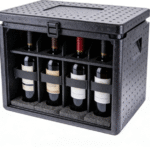
Isolierter Versandkarton Food Online Purchase: Praktischer Leitfaden zur Beschaffung
Ein praktischer Beschaffungsratgeber für den Online-Kauf von Lebensmitteln in isolierten Versandkartons, Helfen Sie Käufern dabei, das Kartondesign aufeinander abzustimmen, Lieferantenansprüche, Routenrisiko, und Kühlkettenpflichten.
insulated shipping box food online purchase: Praktischer Beschaffungsleitfaden für echte Kühlkettensendungen
The best answer to insulated shipping box food online purchase starts with the shipment profile. Welches Produkt ist drin?, Welche Temperatur benötigt es?, Wie lang ist die Strecke?, Wo sind die Übergabepunkte?, und wer entscheidet, ob die Sendung angenommen werden kann? Sobald diese Fragen klar sind, Die Box wird einfacher auszuwerten. Der passende Isolierversandkarton unterstützt die erforderliche Verpackung, schützt den nutzbaren Nutzlastraum, passt zur Spur, und gibt Ihrem Team eine praktische Möglichkeit, zu dokumentieren, was während des Transports passiert ist.
Die nützlichste Beschaffungsentscheidung verbindet drei Gruppen, die oft getrennt arbeiten. Der Einkauf braucht einen Lieferanten und ein faires Angebot. Der Betrieb benötigt ein Paket, das schnell gepackt und ohne Verwirrung gehandhabt werden kann. Qualität erfordert den Nachweis, dass die geforderten Bedingungen des Produkts berücksichtigt wurden und dass Abweichungen überprüft werden können. Der isolierte Box Hier treffen sich diese Bedürfnisse.
Beginnen Sie mit der Annahmeentscheidung am Zielort
Ein guter Beschaffungsprozess beginnt am Ende der Route. Fragen Sie, was der Empfänger tun wird, wenn das Paket ankommt. Werden sie einen Logger überprüfen?? Werden sie inspizieren? Gelpackungen? Werden sie den Zustand der Box aufzeichnen?? Werden sie das Produkt sofort in ein kontrolliertes Lager bringen?? Wird die Sendung abgelehnt, wenn der Umkarton nass ist?, zerquetscht, warm, oder ohne Papiere? Diese Fragen definieren den Standard, den das Paket unterstützen muss.
Für frische Lebensmittel, gefrorenes Essen, Molkerei, Meeresfrüchte, Zubereitete Mahlzeiten, Backzutaten, und andere Produkte, deren Sicherheit oder Qualität von der Zeit- und Temperaturkontrolle abhängt, Die Akzeptanz basiert selten allein auf der Box. Die Empfangsentscheidung kann von den Anforderungen an die Produktkennzeichnung abhängen, Qualitätsvereinbarungen, Vorschriften zur Lebensmittelsicherheit, Kundenspezifikationen, oder interne SOPs. Wenn Käufer zuerst die Akzeptanz definieren, Sie vermeiden es, ein Paket zu kaufen, das beim Versand gut aussieht, bei der Ankunft jedoch nicht die erforderlichen Informationen enthält.
Definieren Sie die Produktanforderung, bevor Sie die Box definieren
Die Versandpflicht beginnt mit dem Produkt, nicht der Verpackungskatalog. Die Temperaturziele für Lebensmittel variieren je nach Produkt und örtlichen Vorschriften. Für einige verzehrfertige Lebensmittel mit Zeit- und Temperaturkontrolle in den Vereinigten Staaten, 5°C oder 41 °F ist ein wichtiger Referenzwert für die Kalthaltung, Während gefrorene Produkte gefroren bleiben müssen und die Produkte möglicherweise vor Kälteschäden geschützt werden müssen. Eine Box, die für ein Produkt funktioniert, kann für ein anderes Produkt falsch sein, auch wenn die Streckenlänge ähnlich aussieht. Frische Produkte müssen möglicherweise gekühlt werden, ohne dass es zu Kälteschäden kommt. Eine pharmazeutische Probe erfordert möglicherweise eine dokumentierte Kontrolle und nicht nur einen kühlen Innenraum. Eine Impfstofflieferung muss möglicherweise sowohl vor Hitze als auch vor versehentlichem Einfrieren geschützt werden. Die gleiche Außengröße kann daher mehrere sehr unterschiedliche Verpackungen unterstützen, jedes mit seinem eigenen Risikoprofil.
Ein nützliches Datenblatt sollte die Produktkategorie angeben, Zieltemperaturbereich, geplante Versanddauer, erwartete Umgebungsexposition, Nutzlastgewicht, nutzbares Nutzlastvolumen, und jegliche Überwachungs- oder Dokumentationspflicht. Aufgrund dieser Fakten kann ein Lieferant eine realistische Konfiguration empfehlen. Ohne sie, Käufer erhalten oft ein allgemeines Angebot, das nicht fair beurteilt werden kann. Das Ergebnis ist in der Regel eine Schachtel, die günstig erscheint, aber durch den Verpackungsaufwand versteckte Kosten verursacht, verschwendetes Kühlmittel, fehlgeschlagene Lieferungen, und Qualitätsüberprüfungszeit.
Für Lebensmittelversand, Besonders wichtig ist die Unterscheidung zwischen einer schützenden Isolierbox und einem qualifizierten Thermoversandsystem. Eine Schutzbox kann die Exposition reduzieren. Es wurde ein qualifiziertes System mit einer definierten Nutzlast evaluiert, Kühlmittel, Auspacken, und Testprofil. Wenn Lieferanten ihre Leistung angeben, Fragen Sie, welche Bedingungen verwendet wurden. Wenn das Testprofil, Nutzlast, oder die Kühlmittelkonfiguration weicht von Ihrer Fahrspur ab, Betrachten Sie den Anspruch als Ausgangspunkt und nicht als Garantie.
Wie Isolierung, Kühlmittel, und Luftraum arbeiten zusammen
Isolierung wird oft so beschrieben, als würde sie Kälte erzeugen, aber das tut es nicht. Es verlangsamt die Wärmeübertragung zwischen der Außenumgebung und dem Nutzlastbereich. Durch Wände kann Wärme eindringen, Deckelnähte, Ecken, Luftspalte, und bei jeder Eröffnungsveranstaltung. Kühlmittel absorbiert oder gibt Wärme im Inneren des Transportbehälters ab. Die Nutzlast, Kühlmittel, und Isolierung bilden ein System. Wenn ein Teil geändert wird, Auch die Leistung kann sich ändern.
Unterschiedliche Materialien bieten unterschiedliche Kompromisse bei Handhabung und Leistung. EPS-Schaum ist üblich und wirtschaftlich, kann jedoch zerbrechlich sein und Partikel abgeben. EPP kann in vielen Anwendungen haltbarer und wiederverwendbar sein, Dies macht es attraktiv für wiederholte Handhabungs- und Lebensmittelvorgänge. Polyurethanplatten, Vakuumisolationsgremien, Reflektierende Liner, und Hybridkonstruktionen können dort eingesetzt werden, wo ein höherer Wärmewiderstand oder eine höhere Raumeffizienz erforderlich sind. Diese Materialien sollten hinsichtlich des Routenrisikos bewertet werden, Reinigungsanforderungen, kosten, Nachhaltigkeitsziele, und ob der Lieferant einen Nachweis für die konkrete Konfiguration erbringen kann.
Ebenso wichtig ist die Wahl des Kühlmittels. Eisbeutel auf Wasserbasis Bei Produkten, die den Kontakt mit gefrorenen Verpackungen nicht vertragen, kann ein Gefrierrisiko entstehen. Konditionierte Gelpackungen oder Phasenwechselmaterialien können dabei helfen, dieses Risiko zu bewältigen, Sie erfordern jedoch immer noch eine korrekte Konditionierung und Platzierung. Trockeneis kann gefrorene oder tiefgekühlte Sendungen unterstützen, Dennoch wird eine Belüftung eingeführt, Beschriftung, Träger, und Produktkompatibilitätsprobleme. Für viele Käufer, Die sicherste Frage ist nicht, welches Kühlmittel am stärksten ist?' sondern 'welches Kühlmittel wurde mit dieser Box getestet.', diese Nutzlast, und diese Routenannahme?'
Was Sie vor der Skalierung der Bestellung bestätigen müssen
| Was zu überprüfen ist | Warum ist es wichtig | So überprüfen Sie vor der Bestellung |
|---|---|---|
| Erforderliche Produkttemperatur | Für die Kühlung derselben Box ist möglicherweise ein anderes Kühlmittel oder eine andere Verpackung erforderlich, gefroren, kontrollierte Umgebung, oder Frostschutzanforderungen. | Bestätigen Sie das Produktetikett, Kundenspezifikation, oder Qualitätsanweisungen, bevor Sie ein Angebot anfordern. |
| Nutzbarer Nutzlastraum | Bei Kühlmittelpackungen kann das Bruttoinnenvolumen irreführend sein, Trenner, und Schutzschichten nehmen Platz ein. | Fragen Sie nach Innenmaßen und einer Beispielverpackungszeichnung oder einem Foto. |
| Streckendauer und Übergaben | An Verladerampen treten häufig Risiken auf, Hubs, Zoll hält, Lagerung am Wochenende, und Zustellung auf der letzten Meile. | Kartieren Sie die längste glaubwürdige Route, nicht nur die geplante Transitzeit. |
| Kühlmittelkompatibilität | Gelpackungen, Wasserpackungen, PCM, und Trockeneis sind nicht austauschbar und können Gefrier- oder Sicherheitsrisiken mit sich bringen. | Fragen Sie nach, welches Kühlmittel bei der Prüfung verwendet wurde und wie es konditioniert werden muss. |
| Überwachung und Aufzeichnungen | Für regulierte oder hochwertige Fracht, Die Annahme kann von Beweisen abhängen, nicht nur das Erscheinungsbild der Verpackung. | Bestätigen Sie die Platzierung des Datenloggers, Alarmeinstellungen, Kalibrierungsdokumentation, und Abrufmethode bei Bedarf. |
| Konsistenz zwischen Muster und Produktion | Ein gutes Muster hilft nicht, wenn es sich um Produktionsmaterial handelt, Deckel passt, oder das Zubehör ändert sich später. | Fragen Sie, wie Änderungen kontrolliert werden und ob die Produktionseinheiten mit dem genehmigten Muster übereinstimmen. |
Diese Tabelle soll den Kaufprozess nicht verlangsamen. Es verhindert den häufigen Fehler, Lieferanten anhand der Paketpreise zu vergleichen und dabei die Variablen zu ignorieren, die über die Annahme der Sendung entscheiden. Wenn zwei Zitate ähnlich aussehen, Für ein Qualitäts- oder Betriebsteam ist es in der Regel einfacher, mit dem Lieferanten zusammenzuarbeiten, der diese Punkte klar erklären kann.
Online-Kauf: Verify the Packout Before You Commit
An online buyer should not rely on product photos alone. The safer approach is to request dimensions, Materialbeschreibung, Verpackungsanweisungen, Testbasis, kompatibles Kühlmittel, return policy, Probenverfügbarkeit, and clear communication before placing a larger order.
Online sourcing is convenient, Aber Kühlkettenverpackung is difficult to judge from a photograph. Product pages may show external dimensions while leaving out usable internal space after coolant. They may describe insulation without explaining the tested packout. They may show a cooler for food while the buyer intends to ship healthcare products. Before paying for a larger order, Fordern Sie eine Probe an, ein Spezifikationsblatt, packing guidance, and a clear statement of what the product is and is not designed to do.
For online purchase decisions, pay attention to support responsiveness. A supplier that answers questions about payload, Kühlmittel, Konditionierung, and route assumptions is safer than one that only repeats generic claims. If your shipment is regulated, hoher Wert, or time-sensitive, treat online checkout as the last step after verification, not the first step in supplier evaluation.
Überwachung und Standards: Beweise ohne Übertreibung
Bei der Planung der Lebensmittelkühlkette sollten Regeln zur Lebensmittelsicherheit berücksichtigt werden, Produktqualitätsgrenzen, Streckendauer, Hygiene, und Eingangskontrolle. Eine Box, die Getränke für den persönlichen Gebrauch kühl hält, ist nicht automatisch für den gewerblichen Frischwarenvertrieb geeignet. Standards und Leitfäden sind nützlich, weil sie den Teams eine gemeinsame Sprache geben, Aber sie machen aus einem gewöhnlichen Versender keine Universallösung. Thermoprofile ISTA 7E, Zum Beispiel, kann die Prüfung von Thermotransportverpackungen für Paketumgebungen unterstützen, Dennoch ist ein Laborprofil nicht dasselbe wie jede Route, auf der Ihre Sendung unterwegs sein kann. Die Leitlinien der IATA zur Temperaturkontrolle helfen den Luftfrachtteams im Gesundheitswesen, über die Verpackung nachzudenken, Dokumentation, Etiketten, Handhabung, und Verantwortlichkeiten, Für jede Sendung sind jedoch noch korrekte Buchungs- und Spediteuranweisungen erforderlich.
Hilfreiche Entscheidungshilfen
Überprüfen Sie die Details, bevor Sie sich für die Verpackung entscheiden
Mit diesen schnellen Tools können Sie das Routenrisiko vergleichen, Größenanforderungen, Kühlmittelauswahl, und Verpackungsdetails, bevor Sie ein Angebot anfordern.
Eisbeutel-Rechner
Schätzen Sie die Menge an Gel-Eisbeuteln für gekühlte Sendungen und nutzen Sie die praktische Routenplanung.
Schätzen Sie EisbeutelReferenz zu Isoliermaterialien
Vergleichen Sie die Auswahl an Isoliermaterialien für unterschiedliche Kühlkettenverpackungsanforderungen.
Vergleichen Sie MaterialienFallfestigkeit des Isolationsmaterials
Überprüfen Sie die Fallfestigkeit und die Handhabungsfaktoren, bevor Sie Isoliermaterialien auswählen.
Widerstand prüfenEin Temperaturdatenlogger zeichnet Beweise auf; Es schützt das Produkt selbst nicht. Es sollte dort angebracht werden, wo der Messwert für die Nutzlast von Bedeutung ist, und vor direktem Kontakt mit dem Kühlmittel geschützt sein, es sei denn, dies ist der vorgesehene Messpunkt. Zur Impfstofflagerung, Die Leitlinien des CDC heben digitale Datenlogger hervor, Kalibrierungsdokumentation, und definierte Aufzeichnungsintervalle. Im Versand, Es gilt die gleiche Logik: die Lektüre muss interpretierbar sein, Die Alarmschwellen müssen zum Produkt passen, und das Empfangsteam muss wissen, was zu tun ist, wenn eine Exkursion auftritt.
Käufer sollten weit gefasste Angaben wie „GDP-konforme Box“ oder „Für alle Arzneimittellieferungen zugelassen“ vermeiden, es sei denn, der Lieferant kann genau erklären, was gemeint ist. Die Einhaltung hängt in der Regel von einem kontrollierten Prozess ab, ein passendes Paket, dokumentierte Qualifizierung oder Verifizierung, geschulte Betreuer, und Abweichungsmanagement. Die Box ist ein Bestandteil dieses Prozesses. Es kann eine sehr wichtige Komponente sein, Es handelt sich jedoch nicht um das gesamte Compliance-Programm.
Wenn die günstigste oder stärkste Box die falsche Wahl ist
Die billigste Box kann falsch sein, wenn sie das Risiko in die Wehen treibt, Abfall, Produktverlust, oder Kundenbeschwerden. Auch die stärkste Box kann falsch sein, wenn sie zu groß ist, zu schwer, zu teuer für eine Rücksendung, oder es ist für das Personal zu schwierig, regelmäßig zu packen. Die beste Wahl ist die Box, die zum Sendungsprofil passt und einen akzeptablen Beweisgrad und Betriebsaufwand aufweist.
Aus diesem Grund sollten im Gespräch mit Lieferanten Grenzwerte einbezogen werden. Fragen Sie, wo die Box nicht verwendet werden soll. Fragen Sie, welche Strecken ein anderes Kühlmittel oder eine zusätzliche Qualifikation erfordern. Fragen Sie, ob das Design zur persönlichen Kühlung gedacht ist, kommerzielle Lebensmittellieferung, Arzneimittelvertrieb, Nottransfer, oder allgemein temperaturempfindliche Versand. Klare Grenzen sind keine Schwäche. Sie helfen Käufern zu vermeiden, ein gutes Produkt in der falschen Situation zu verwenden.
Ein typisches Szenario, das den Kompromiss zeigt
Stellen Sie sich eine Lebensmittelmarke vor, die gekühlte Essenssets an städtische Kunden versendet. Das Produkt verlässt einen Kühlraum, bewegt sich durch eine Packstation, betritt ein Kuriernetzwerk, und kann vor der Tür sitzen, bevor der Kunde sie öffnet. Der Käufer verlangt einen niedrigeren Boxpreis, Das Betriebsteam stellt jedoch fest, dass bei der günstigeren Box mehr Hohlraumfüllungen erforderlich sind, Das Packen dauert länger, und lässt Kondenswasser in den Umkarton gelangen. Die scheinbaren Einsparungen können bei der Arbeit verschwinden, Leckage, Beschwerden, und Ersatzlieferungen werden gezählt.
Eine bessere Bewertung vergleicht das gesamte Liefererlebnis. Die Verpackung sollte in das Essensset passen, ohne es zu zerdrücken, Halten Sie das Kühlmittel von direktem Lebensmittelkontakt fern, es sei denn, es ist dafür vorgesehen, Feuchtigkeit verwalten, und für das Lagerpersonal einfach zu montieren sein. Wenn die Marke in heißen und milden Jahreszeiten das gleiche Paket verwendet, Saisonale Verpackungsunterschiede sollten dokumentiert und nicht an geschäftigen Versandtagen improvisiert werden.
So nehmen Sie einen Lieferanten in die engere Wahl, ohne das Projekt zu verkomplizieren
Eine einfache dreistufige Auswahlliste funktioniert für die meisten Kühlkettenverpackungsprojekte. Erste, Entfernen Sie jeden Lieferanten, der den erforderlichen Temperaturbereich nicht besprechen kann, Nutzlast, Kühlmittel, Abmessungen, und Routenannahmen. Zweite, Vergleichen Sie die verbleibenden Optionen unter Verwendung derselben Packout-Annahmen, damit die Angebote fair sind. Dritte, Testen oder überprüfen Sie Muster mit den Leuten, die tatsächlich verpacken, Schiff, erhalten, und genehmigen Sie das Produkt. Dieser Prozess ist schneller als die isolierte Diskussion von Spezifikationen.
Die stärksten Anbieter müssen nicht versprechen, dass eine Box für alle Routen passt. Sie sollten erklären können, wo ein Produkt passt, wo es nicht passt, und welche Informationen noch benötigt werden. Diese Ehrlichkeit ist wichtig, da Kühlkettenverpackungen voller bedingter Leistungsansprüche sind. Eine angegebene Haltezeit, falls angeboten, sollte an das Testprofil gebunden sein, Nutzlast, Kühlmittelmenge, Umgebungseinflüsse, und Akzeptanzkriterien. Wenn diese Angaben fehlen, Bitten Sie um Klarstellung, bevor Sie sich auf den Anspruch berufen.
Für Nachbestellungen, Führen Sie ein Verpackungsprotokoll, das genehmigte Beispielfotos enthält, Spezifikationen, Verpackungsanweisungen, Kontakt zum Lieferanten, Geschichte ändern, und Empfangsanforderungen. Dieses Dokument hilft bei der Schulung neuer Mitarbeiter, reduziert Packungsdrift, und gibt dem Einkauf bei Nachbestellungen eine Referenz. Außerdem lassen sich Lieferantenwechsel leichter bewerten, da die neue Option mit dem tatsächlichen System verglichen werden kann, nicht gegen die Erinnerung.
FAQ
Reicht für Lebensmittelsendungen ein isolierter Versandkarton??
Nicht von alleine. Ein isolierter Versandkarton verlangsamt die Wärmeübertragung, Die Temperaturregelung hängt jedoch von der Produktanforderung ab, Kühlmitteltyp, Packout-Layout, Streckendauer, Umgebungseinflüsse, und Abwicklungsprozess. Für regulierte oder hochwertige Sendungen, Käufer benötigen möglicherweise auch eine Überwachung, dokumentierte Anweisungen, und Qualitätsprüfung. Behandeln Sie die Box als eine Komponente des Kühlkettensystems.
Was sollte ich einen Lieferanten vor der Bestellung fragen??
Fragen Sie nach Innen- und Außenmaßen, nutzbarer Nutzlastraum, Materialbeschreibung, Kühlmittelkompatibilität, Verpackungsanweisungen, Testbasis, Probenverfügbarkeit, Kartonverpackungsmethode, und Change-Control-Prozess. Wenn die Sendung sensibel ist, Fragen Sie auch, wie eine Überwachung erfolgen kann und welche Dokumentation einen erklärten Leistungsanspruch untermauert.
Kann eine Box zum Kühlen verwendet werden?, gefroren, und kontrollierte Umgebungstransporte?
Manchmal kann dieselbe äußere Box mehr als eine Anwendung unterstützen, aber nur mit dem richtigen Kühlmittel und der richtigen Verpackung. Eine Konfiguration für gekühlte Waren kann für gefrorene Waren oder für Produkte, die ein Einfrieren vermeiden müssen, falsch sein. Bestätigen Sie die Anforderungen an die Produkttemperatur und gehen Sie nicht davon aus, dass ein Wechsel des Kühlmittels die Box automatisch für eine neue Spur qualifiziert.
Is online purchase safe for temperature-sensitive shipping boxes?
Online purchase can work for low-risk or well-understood applications, but it requires verification. Request specifications, Mustereinheiten, Packout-Anleitung, and a clear explanation of the product limits. Für reguliert, hochwertig, or temperature-critical shipments, use online checkout only after the supplier answers operational and quality questions.
Müssen isolierte Lebensmittelboxen eine universelle Temperatur erfüllen??
NEIN. Der Lebensmittelbedarf hängt vom Produkt ab, Sicherheitsregeln, Qualitätsgrenzen, und Route. Bei einigen gekühlten verzehrfertigen Lebensmitteln werden die Kühlhaltegrenzen eingehalten, Tiefkühlkost muss gefroren bleiben, und bestimmte Produkte können durch zu niedrige Temperaturen beschädigt werden. Beginnen Sie mit der Produktspezifikation, bevor Sie sich für eine Box entscheiden.
Abschluss
The right choice for insulated shipping box food online purchase depends on product temperature, Nutzlast passt, Streckendauer, Kühlmittelkonfiguration, Umgangsverhalten, und Dokumentationsbedarf. Eine stark isolierte Versandbox ist nicht nur ein Behälter; Es ist das physische Zentrum eines Packouts, das wiederholbar sein muss. Vor der Bestellung, Bestätigen Sie die Produktanforderung, Komplettsysteme vergleichen, Überprüfen Sie die Lieferantennachweise, und testen Sie das Beispiel so, wie Ihr Team es tatsächlich verwenden wird.
Über Tempk
Tempk unterstützt Käufer, die eine temperaturkontrollierte Verpackung für Sendungen benötigen, die nicht wie normale Pakete behandelt werden können. Wir besprechen den Produkttyp, Zielbereich, Streckenlänge, Kühlmitteloptionen, und Verpackungsablauf, bevor Sie eine Richtung empfehlen. Das hilft bei der Beschaffung, Logistik, und Qualitätsteams stellen bessere Fragen und vermeiden es, eine Box nur nach Preis oder Aussehen auszuwählen.
CTA
Before placing an online order, share your shipment profile with Tempk so the packaging recommendation can be checked against product, Route, und Handhabungsanforderungen.