Hersteller von isolierten Versandkartons für den temperaturempfindlichen Versand: So wählen Sie einen geeigneten Verpackungspartner aus
Auswahl eines Hersteller von isolierten Versandkartons Denn temperaturempfindlicher Versand ist eine Entscheidung über die Routengestaltung, bevor es sich um eine Kaufentscheidung handelt. Die Box muss zum Temperaturbereich des Produkts passen, nutzbare Nutzlast, Kühlmittelanordnung, Transportdauer, Übergabemuster, und Dokumentationsbedarf. Wenn diese Eingaben unklar sind, Selbst eine gut verarbeitete Isolierbox kann falsch verwendet werden. Wenn sie frühzeitig definiert werden, Die Beschaffung kann Lieferanten mit viel weniger Vermutungen vergleichen.
Ein praktischer Auswahlprozess sollte drei Fragen beantworten, bevor der Preisvergleich beginnt: welche Temperaturbedingungen eingehalten werden müssen, welche Streckenexposition überstanden werden muss, und welcher Nachweis oder welche Prüfung beim Empfang erforderlich ist? Der temperaturempfindliche Versand beginnt bei der Produktanforderung. Ein gekühltes Produkt, ein gefrierempfindliches Produkt, ein gefrorenes Produkt, und ein Produkt mit kontrollierter Raumtemperatur kann völlig unterschiedliche Verpackungen erfordern. Sobald diese Antworten dokumentiert sind, Das Lieferantengespräch wird konkreter und das Risiko, eine nicht passende Box zu kaufen, sinkt stark.
Definieren Sie die Temperaturmission vor dem Boxformat
Hinter dem Begriff isolierter Versandkarton können sich mehrere verschiedene Anwendungsfälle verbergen. Ein Käufer benötigt möglicherweise gekühlten Schutz für einen kurzen Paketweg. Ein anderer benötigt möglicherweise eine Tiefkühlverpackung. Ein Drittel muss möglicherweise Hitzeeinwirkung verhindern und gleichzeitig ein Einfrieren vermeiden. Ein vierter benötigt möglicherweise einen Mehrwegbehälter für einen geschlossenen Verteilungskreislauf. Es kann jeweils die gleiche äußere Form auftreten, aber die thermische Mission ist anders.
Für Medikamente, Diagnostik, Spezialitäten, Kosmetika, Chemikalien, Labormaterialien, gefrorene Proben, und hochwertige Güter, die durch Hitze beschädigt werden können, Einfrieren, oder unkontrollierte Exposition, Die Produktanforderung sollte vom Produktbesitzer bestätigt werden, Etikett, Qualitätsteam, Käuferspezifikation, oder anwendbare Programmregel. Der Lieferant kann dabei helfen, diese Anforderung in ein Paketkonzept umzusetzen, aber es sollte die Anforderung nicht erfinden. Diese Grenze ist wichtig, da eine Verpackung eine unklare Temperaturangabe nicht sicher machen kann.
Nachdem die Temperaturmission definiert ist, Entscheiden Sie, ob die Sendung gekühlt werden muss, gefroren, Umgebungsschutz, kontrollierte Raumtemperaturunterstützung, oder ultrakalte Handhabung. Entscheiden Sie dann, welcher Beweisgrad erforderlich ist. Für Sendungen mit geringem Risiko sind möglicherweise nur eine gute Verpackungsdisziplin und eine Empfangskontrolle erforderlich. Hochwertig, reguliert, oder abweichungsempfindliche Sendungen benötigen möglicherweise eine Datenprotokollierung, dokumentierte Auspackung, und Qualitätsprüfung.
Behandeln Sie die Isolierbox als Teil eines passiven Systems
Ein passiv isoliertes System kühlt die Nutzlast nicht aktiv. Es bewahrt einen geplanten thermischen Zustand durch die Kombination von Isolierungen, Kühlmittel, Nutzlastmasse, Vorkonditionierung, und Schließung. Das System arbeitet für einen begrenzten Zeitraum unter definierten Bedingungen. Aus diesem Grund sollte die Phrase „Haltezeit“ immer eine Folgefrage auslösen: unter welchem Umgebungsprofil, mit welcher Zuladung, und mit welcher Kühlmittelkonfiguration?
Auch das Verpackungssystem muss praktisch sein. Wenn die Arbeiter das Kühlmittel nicht gleichmäßig einfüllen können, wenn der Deckel schwer zu schließen ist, wenn die Nutzlast gegen Gelpacks drückt, oder wenn der Empfänger den Zustand nicht unverzüglich überprüfen kann, Auch wenn die Materialien einwandfrei sind, kann die Konstruktion im Betrieb versagen. Eine Box, die theoretisch stark, aber schwer zu wiederholen ist, kann zu einer Quelle von Variationen werden.
Isolierung verschafft Zeit; es definiert nicht die Temperaturmission. Die ausgewählte Box muss mit Kühlmittel abgestimmt sein, Nutzlast, Umgebungseinflüsse, Handhabungsmethode, und Überwachungsanforderungen. Der Käufer sollte daher sowohl die thermische Logik als auch das Verhalten am Arbeitsplatz bewerten. Eine Lieferantenempfehlung sollte beinhalten, wie das Paket verpackt ist, wo das Kühlmittel sitzt, wie das Produkt bei Bedarf vom direkten Kontakt getrennt wird, und was der Empfänger bei der Ankunft erwarten sollte.
Der Hersteller prüft vor dem Übergang vom Muster zur Produktion
Ein Beschaffungsteam sollte Lieferanten nicht nur hinsichtlich des Preises und der Mindestbestellmenge vergleichen. Zu diesem Thema, Die nützlichen Punkte sind die direkte Produktionskontrolle, wiederholbare Abmessungen, Materialkonsistenz, Muster-zu-Produktionsabgleich, und die Möglichkeit, benutzerdefinierte Strukturen zu besprechen, ohne jede Frage in einen Katalogartikel umzuwandeln. Der Lieferant muss nicht für jeden Käufer eine formelle Qualifikation vorlegen, aber es sollte in der Lage sein, den Verwendungszweck zu erklären, materielle Grenzen, und was vor der Skalierung überprüft werden muss.
| Auswahlfaktor | Was gute Käufer zuerst definieren | Was man nicht annehmen sollte |
|---|---|---|
| Temperaturmission | Erforderlicher Lager- bzw. Transportbereich, Gefrierempfindlichkeit, und akzeptable Ausflugsregeln. | Gehen Sie nicht davon aus, dass eine Kühlbox für gefrorene oder ultrakalte Sendungen geeignet ist. |
| Route und Dauer | Voraussichtliche Laufzeit, Inszenierung, Trägerübergaben, und am schlimmsten wahrscheinliche Verzögerungen. | Akzeptieren Sie keinen Anspruch auf Wartezeit, ohne dass die Testbedingungen dahinter stehen. |
| Zuladung passt | Tatsächliche Produktgröße, schützende Sekundärverpackung, und Kühlmittelverdrängung. | Bruttovolumen nicht als nutzbares Nutzlastvolumen verwenden. |
| Kühlmittelsystem | Typ, Konditionierungsmethode, Menge, Platzierung, und Arbeitsanweisungen. | Gehen Sie nicht davon aus, dass die Isolierung allein die Temperatur kontrolliert. |
| Dokumentation | Temperaturaufzeichnungen, Packunterlagen, Etiketten, und Eingangskontrolle. | Gehen Sie nicht davon aus, dass ein Datenlogger eine Abweichung verhindert. |
| Lieferantenunterstützung | Beispielbewertung, Änderungsmitteilung, Technische Kommunikation, und Wiederholbarkeit. | Skalieren Sie eine Probe nicht, wenn die Produktionsdetails unklar sind. |
Diese Tabelle hilft dabei, eine echte Verpackungsbewertung von einem Katalogvergleich zu unterscheiden. Es erleichtert auch die interne Genehmigung, Denn der Einkauf kann Qualität und Betrieb aufzeigen, was geprüft wurde und was noch verifiziert werden muss. Wenn jeder Lieferant die gleichen Inputs erhält, Es ist weniger wahrscheinlich, dass die endgültige Entscheidung auf vagen Behauptungen beruht.
Schauen Sie sich die Übergabepunkte genau an
Temperaturempfindliche Sendungen scheitern oft an den Grenzen der Kontrolle. Das Produkt kann in einem Kühlraum sicher sein, Dann setzen Sie sich auf ein Dock. Es kann sein, dass es über einen Spediteur-Hub transportiert wird, an dem niemand das Produktrisiko versteht. Es kann während einer Stoßzeit beim Empfänger eintreffen und vor der Inspektion warten. Diese kurzen Zeiträume sind wichtig, da sie den thermischen Spielraum aufbrauchen können, den das Packout bieten sollte.
Planen Sie den Weg von der Produktentnahme aus dem Lager bis zur Endabnahme. Packzeit einkalkulieren, Inszenierung, abholen, Linienverkehr, Hub-Handhabung, Lieferfahrzeug, Empfangsbereich, und der Ort, an dem die Sendung angenommen wird, unter Quarantäne gestellt, oder abgelehnt. Fragen Sie, wo die Verpackung am stärksten exponiert ist und ob die Empfehlung des Lieferanten diese Exposition berücksichtigt. Dies ist sinnvoller, als nur nach einem breiten Leistungsanspruch zu fragen.
Für internationale oder Luftfrachtsendungen, Kennzeichnung und Dokumentation können die Komplexität erhöhen. IATA-Praktiken auf Zeit- und temperaturempfindliche Gesundheitsfracht, Trockeneisregeln, sofern zutreffend, und die Erwartungen der örtlichen Zoll- oder Gesundheitsbehörden sollten vom Versender überprüft werden. Der Lieferant kann Verpackungsinformationen bereitstellen, Der Versender muss jedoch die Routenanforderungen bestätigen.
Wenn eine Isolierbox nicht ausreicht
Es gibt Fälle, in denen eine Isolierbox die falsche primäre Lösung ist. Sehr lange Strecken, hochwertige pharmazeutische Ladungen, instabile Temperaturbereiche, wiederholte Verzögerungen beim Zoll, oder Sendungen, die eine aktive Kontrolle erfordern, erfordern möglicherweise eine andere Lösung, wie zum Beispiel ein aktiver Container, ein qualifizierter thermischer Versender, Kühltransport, oder eine Neugestaltung der Route. Ein Lieferant sollte bereit sein zu sagen, wann eine einfache Passivbox nicht geeignet ist.
Auch bei schwachem Betriebsablauf kann die Box unzureichend sein. Warmes Produkt in einer kalten Versandtasche verpackt, unkonditioniertes Kühlmittel, ein ungeschultes Packteam, Anleitung zum Empfänger fehlt, oder ein Datenlogger, den niemand liest, können ein vernünftiges Verpackungsdesign zunichte machen. Bevor man dem Material die Schuld gibt, Überprüfen Sie den Prozess.
Dies ist besonders wichtig für Käufer, die von einer Versandart auf eine andere wechseln. Eine für Lebensmittelproben verwendete Verpackung ist möglicherweise nicht für Biologika geeignet. Eine Box, die für gekühlte Waren verwendet wird, ist möglicherweise nicht für gefrorene Waren geeignet. Ein wiederverwendbarer Behälter für die Lieferung vor Ort eignet sich möglicherweise nicht für den Einwegexport. Neues Produkt, neue Route, oder ein neuer Empfänger sollte eine Verpackungsüberprüfung auslösen.
Hilfreiche Entscheidungshilfen
Überprüfen Sie die Details, bevor Sie sich für die Verpackung entscheiden
Mit diesen schnellen Tools können Sie das Routenrisiko vergleichen, Größenanforderungen, Kühlmittelauswahl, und Verpackungsdetails, bevor Sie ein Angebot anfordern.
Boxliner & Dimensionierung der Palettenabdeckung
Überprüfen Sie die Größenlogik für Kartoneinlagen und Palettenabdeckungen für isolierte Verpackungsprojekte.
Schätzen Sie die GrößeKühlmittel & PCM-Referenz
Vergleichen Sie Kühlmittel- und PCM-Optionen, wenn eine Route zusätzliche Temperaturunterstützung benötigt.
Vergleichen Sie OptionenVerpackungsauswahl
Vergleichen Sie isolierte Verpackungsoptionen nach Produkt, Route, und Temperaturbedarf.
Verpackung findenEin praktischer Workflow für die Probenprüfung
Ein Käufer benötigt möglicherweise eine Verpackungsfamilie für gekühlte Abonnementlebensmittel, ein weiteres für Laborproben, und ein separater Ansatz für Sendungen, die Trockeneis oder ultrakalte Handhabung erfordern. In einer Beispielrezension, Der Käufer sollte den Karton unter realen Arbeitsbedingungen verpacken, nicht nur in einem Besprechungsraum. Das Team sollte beachten, ob das Produkt passt, ob die Platzierung des Kühlmittels klar ist, ob der Verschluss zuverlässig ist, ob Etiketten lesbar bleiben, und ob der Empfänger den Prüfschritten folgen kann. Wenn ein Datenlogger verwendet wird, Bestätigen Sie, wo es sich befindet und wie die Daten abgerufen werden.
Die Stichprobe sollte mit der geplanten Produktionseinheit verglichen werden. Fragen Sie, ob das gleiche Material, Deckeldesign, Innenmaße, Liner, und Zubehör zum Einsatz kommen. Wenn der Lieferant Ersatz oder kundenspezifische Änderungen erwartet, Dokumentieren Sie diese vor der Genehmigung. Eine gute Musterbewertung ist keine Formsache; Es ist der Punkt, an dem versteckte Betriebsprobleme sichtbar werden, obwohl ihre Behebung noch kostengünstig ist.
Nachdem die Probe angenommen wurde, Erstellen Sie eine einfache Verpackungsanweisung. Es sollte die Reihenfolge des Ladens anzeigen, die Kühlmittelposition, jede Produkttrennschicht, Schließungsschritte, Beschriftung, und Empfangen von Notizen. Selbst eine kurze Einweisung kann die Abweichungen reduzieren, wenn verschiedene Arbeiter an verschiedenen Tagen denselben Karton packen.
Die Kosten sollten das Ausfallrisiko einschließen, nicht nur Stückpreis
Ein niedriger Stückpreis kann attraktiv sein, insbesondere für den Großhandel oder den Einkauf großer Mengen, Aber Kühlkettenverpackung Die Kosten sollten im Vergleich zu den Kosten des Produktverlusts bewertet werden, nacharbeiten, Ersatzversand, verzögerte Veröffentlichung, und Unzufriedenheit der Kunden. Dies bedeutet nicht, dass Käufer immer die kostengünstigste Option wählen sollten. Dies bedeutet, dass die ausgewählte Option über eine ausreichende Marge für den Produktwert und das Routenrisiko verfügen sollte.
Auch die Frachtkosten spielen eine Rolle. Übergroße Kartons erhöhen das Raumgewicht und den Lagerraum. Zu schweres Kühlmittel kann die Transportkosten erhöhen. Mehrwegkartons können den Materialverbrauch reduzieren, erfordern aber eine Rückführungslogistik. Einwegkartons vereinfachen möglicherweise den Export, verursachen jedoch einen höheren Entsorgungsaufwand. Die beste Entscheidung ist oft eine ausgewogene: ausreichender Temperaturschutz, einfaches Auspacken, akzeptables Frachtprofil, und klare Lieferantenunterstützung.
Zusätzliche Käuferhinweise für den routinemäßigen Gebrauch
Bevor ein Verpackungsdesign zur Routine wird, Das Team sollte aufschreiben, wer das Kühlmittel vorbereitet, wer das Produkt lädt, Wer prüft den Verschluss?, und wer die Sendung beim Empfang überprüft. Dies muss nicht für jede Sendung mit geringem Risiko ein kompliziertes Dokument sein, aber die Verantwortlichkeiten sollten klar sein. Bei vielen Einsätzen, Die Leistung des Pakets während eines Versuchs ist akzeptabel, da es von einer erfahrenen Person sorgfältig verpackt wird, dann treten Probleme auf, wenn die Aufgabe zu einem vielbeschäftigten Team in einer anderen Schicht wechselt.
Das Gleiche gilt für die Lagerung vor dem Versand. Eine Isolierbox wurde am falschen Ort gelagert, Kühlmittel, das nicht vollständig konditioniert ist, Produkt, das zu lange außerhalb des kontrollierten Raums wartet, oder ein in der direkten Sonne gelagerter Karton kann die Marge verringern, bevor der Spediteur die Sendung überhaupt entgegennimmt. Für temperaturempfindlichen Versand, Ein Käufer sollte den Packtisch und die Laderampe als Teil der Kühlkette betrachten, nicht als Hintergrunddetails.
Verpackungsprüfungen sind auch bei der Beschaffung einfacher, Qualität, und Operationen verwenden dieselbe Sprache. Der Einkauf kann nach Preis und Lieferzeit fragen, Die Qualität kann Dokumentation und Abweichungsverfahren verlangen, und der Betrieb fragt sich möglicherweise, wie schnell das Personal die Kiste packen kann. Ein gutes Lieferantengespräch bringt diese Bedenken zusammen, denn das ausgewählte Paket muss alle drei Gruppen gleichzeitig erfüllen.
Eine abschließende Überprüfung sollte die erste Routinelieferung nach der Probenphase umfassen. Überprüfen Sie, ob das Lagerpersonal die Auspackung ohne spezielle Schulung befolgt hat, ob der Spediteur das Paket ohne Umetikettierung angenommen hat, ob der Empfänger die Prüfschritte verstanden hat, und ob Temperaturaufzeichnungen oder Zustandshinweise rechtzeitig überprüft wurden. Diese kleine Rückkopplungsschleife deckt häufig praktische Probleme auf, die in technischen Spezifikationen nicht sichtbar sind.
Für Nachbestellungen, Führen Sie einen einfachen Versionsverlauf für die ausgewählte Box, Kühlmittel, Liner, Etiketten, und Verpackungsanweisung. Wenn sich eines dieser Elemente ändert, Das Team kann entscheiden, ob es sich um eine geringfügige Änderung handelt oder ob eine erneute Stichprobenprüfung erforderlich ist. Dies ist besonders nützlich, wenn der Einkauf von einem Lieferantenkontakt zu einem anderen wechselt oder wenn dieselbe Verpackung in mehreren Lagern verwendet wird.
FAQ
Was ist vor der Bestellung als Erstes zu bestätigen??
Bestätigen Sie die Anforderungen an die Produkttemperatur und wie lange die Verpackung das Produkt unter realistischen Transportbedingungen schützen muss. Ohne diese beiden Eingaben, Kastengröße, Kühlmittelwahl, und Lieferantenvergleiche werden zu Spekulationen. Für regulierte oder hochwertige Güter, Legen Sie außerdem fest, welche Nachweise nach der Zustellung erforderlich sind.
Wann sollte ich nach einer maßgeschneiderten Isolierbox fragen??
Erwägen Sie eine Anpassung, wenn Standardabmessungen zu viel Platz verschwenden, Das Produkt kann leicht beschädigt werden, Das Auspacken ist für die Arbeiter nur schwer zu wiederholen, oder der Massenversand erfordert eine bessere Stapel- und Lagereffizienz. Die Individualisierung sollte anhand von Mustern überprüft werden, bevor sie zu einer Routinebestellung wird.
Wie vergleiche ich zwei Anbieter fair??
Geben Sie beiden Lieferanten die gleiche Produktgröße, Nutzlast, Temperaturbereich, Streckendauer, Umgebungsbedenken, und Dokumentationsbedarf. Vergleichen Sie dann die empfohlene Verpackung, Beweis, Produktionskonsistenz, Kommunikation, und absolute Betriebstauglichkeit. Ein niedrigerer Stückpreis stellt keine Ersparnis dar, wenn dadurch die Zahl der abgelehnten Sendungen steigt.
Was sollten Empfänger bei der Ankunft überprüfen??
Empfänger sollten den Zustand der Verpackung prüfen, Verschlussintegrität, Kühlmittelzustand, sofern sichtbar, Etiketten, Temperaturaufzeichnungen, falls verwendet, und alle Anzeichen von Undichtigkeiten oder Schäden. Die Annahmeregel sollte vor dem Versand definiert werden, insbesondere für Pharmazeutika, Impfstoff, Essen, oder andere temperaturempfindliche Waren.
Abschluss
Der richtige Hersteller von isolierten Versandkartons für den temperaturempfindlichen Versand hilft Ihnen bei der Definition der Temperaturmission, Wählen Sie ein funktionierendes passives System, Überprüfen Sie die Nutzlast und den Kühlmittelsitz, Routenübergaben überprüfen, und Skalierung von Muster- bis hin zu Routineaufträgen ohne versteckte Annahmen. Kaufen Sie nicht nur anhand eines Datenblatts. Teilen Sie die Route und Produktdetails mit, Fragen Sie nach den Beweisen für Leistungsansprüche, und beziehen Sie die Personen ein, die die Sendung verpacken und entgegennehmen.
Über Tempk
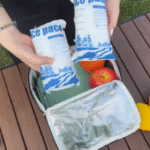
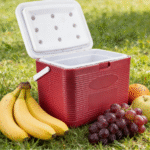
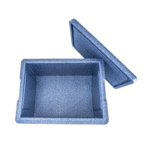
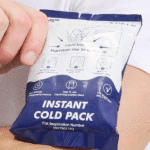
Tempk bietet Kühlkettenverpackungsprodukte wie z Gel -Eisbeutel, Eisziegel, Isoliertaschen, EPP-Isolierboxen, Kaltversandkartons, isolierte Boxauskleidungen, Palettenabdeckungen, und verwandte Materialien. Für temperaturempfindlichen Versand, Wir helfen Käufern, die richtige Route zu finden, Nutzlastraum, Kühlmittelanordnung, Beispielbewertung, und Skalierung von Probelieferungen bis hin zu Nachbestellungen. Wir vermeiden es, eine Isolierbox als Universallösung zu betrachten, da die richtige Empfehlung vom Produkt abhängt, Fahrbahn, Handhabung, und Nachweise, die nach der Lieferung erforderlich sind.
Nächster Schritt
Schicken Sie Tempk Ihre Spur, Nutzlast, Temperaturbereich, und Bestellplan, um eine Verpackungsempfehlung zu erhalten, die vor dem Großeinkauf überprüft werden kann.