Aktualisiert am: Juni 8, 2026
Hersteller von Trockeneisbeuteln für den Pharmaversand: Ein praktischer Lieferantenleitfaden für B2B-Käufer
Ein Hersteller-Trockeneisbeutel für den Arzneimittelversand kann zum Schutz temperaturempfindlicher Waren beitragen, Es sollte jedoch nicht als Abkürzung für Produktspezifikationen betrachtet werden, Verpackungstests, oder Lieferantenüberprüfung. Für den Pharmaversand, Die beste Entscheidung ist normalerweise eine kontrollierte Balance: ausreichend Kühlung, um die Nutzlast zu schützen, ausreichende Pufferung, um eine Überkühlung zu vermeiden, und genügend Dokumentation, um Nachbestellungen zuverlässig zu machen.
Was das für den Käufer bedeutet
Sie entscheiden sich nicht nur für eine kalte Quelle. Sie wählen einen Pakettyp, eine Isolationsmethode, eine Ladekarte, ein Lieferantenprozess, und eine Dokumentationsebene, die zu temperaturempfindlichen Arzneimitteln passen muss, Biologika, Klinikbedarf, Wirkstoffe, und kontrollierte pharmazeutische Nutzlasten. Der richtige Hersteller von Trockeneisbeuteln für den Pharmaversand ist derjenige, der das Routenrisiko kontrolliert, ohne die Nutzlast zu beschädigen oder eine Compliance-Lücke zu schaffen.
Klären Sie das Kältemittel, bevor Sie das Angebot genehmigen
Der Satz "Trockeneisbeutel" wird im B2B-Sourcing auf mehr als eine Weise verwendet. Manche Käufer meinen echtes Trockeneis, Das ist festes Kohlendioxid. Andere meinen eine wiederverwendbare Packung im Trockeneis-Stil, eine hydrierte Packung, oder eine PCM-Packung mit niedriger Temperatur, die vor der Verwendung eingefroren wird. Diese Produkte sind bei einem Transport nicht automatisch identisch, Sicherheit, oder Dokumentationsperspektive. Echtes Trockeneis ist extrem kalt, setzt beim Sublimieren Kohlendioxidgas frei, und erfordert Belüftungs- und Transportkontrollen. Eine wiederverwendbare Packung kann die Sublimation von Kohlendioxid verhindern, Es muss aber noch zum Produkt passen, Isolierung, und Route.
Für temperaturempfindliche Medikamente, Biologika, Klinikbedarf, Wirkstoffe, und kontrollierte pharmazeutische Nutzlasten, Die Unterscheidung ist wichtig, da der Versandfehlermodus nicht immer einfach eine Erwärmung ist. Das Risiko kann eine Temperaturabweichung sein, undokumentierter Abschluss, übermäßige Abhängigkeit vom Kältemittel, Änderungskontrolllücken, und schlechte Konsistenz zwischen Probe und Produktion. Ist die Packung kälter als nötig, kann es zu Kondenswasserbildung oder gefrierempfindlichen Schäden kommen. Eine zu schwache Packung schützt den Karton möglicherweise bei der ersten Übergabe, versagt jedoch bei der Zustellung auf der letzten Meile. Ein Lieferant sollte in der Lage sein, die Produktgrenzen klar zu erläutern, nicht nur sagen, dass das Rudel ist "kalt" oder "lang anhaltende."
Die sicherste Kaufsprache ist spezifisch. Fragen Sie, ob es sich bei dem Produkt um echtes festes Kohlendioxid handelt, eine feuchtigkeitsspendende Packung im Trockeneis-Stil, eine Gelpackung, oder ein PCM-Paket. Fragen Sie, wie es gefroren oder konditioniert wird. Fragen Sie, ob der Lieferant die Einzelverpackung oder eine Komplettverpackung mit einem Spediteur empfiehlt, Separator, Liner, Karton, Karte wird geladen, und Überwachungsplan. Dies vermeidet einen häufigen Kauffehler: Vergleichen Sie zwei Paketnamen und ignorieren Sie dabei das System um sie herum.
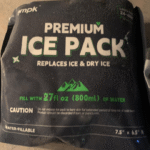
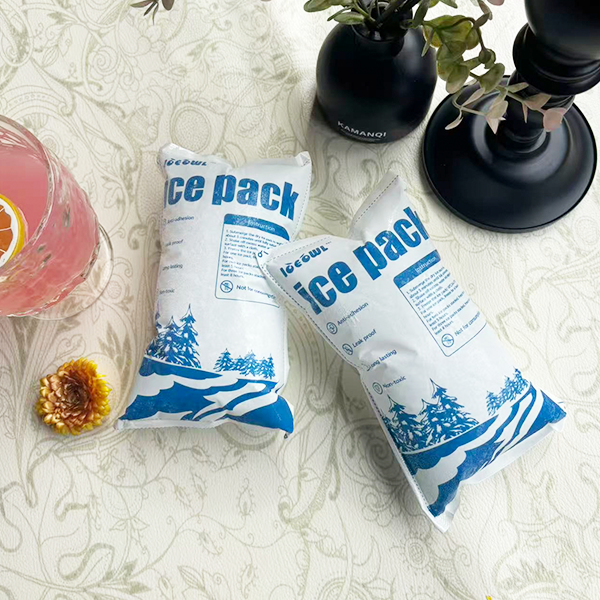
In diesem Thema, Die öffentlichen Produktinformationspositionen von Tempk Trockeneisbeutel mit Feuchtigkeit versorgen als wiederverwendbar Kühlakkus für Kühlkettensendungen und beschreibt sie als PCM-basierte Verpackungen, die Wasser absorbieren und vor der Verwendung eingefroren werden. Diese Produktgrenze ist für Käufer nützlich, die eine Kältequelle wünschen, die sauberer zu handhaben ist als loses Eis, Es entfällt jedoch nicht die Notwendigkeit, die Zieltemperatur zu überprüfen, Nutzlastanordnung, Streckenprofil, und Akzeptanzkriterien.
Beginnen Sie mit dem Produktzustand, nicht der Paketname
Die wichtigste Entscheidung für den Arzneimittelversand ist der Produktzustand, der bei der Ankunft geschützt werden muss. Wenn das Produkt gefroren ist, Die Verpackung muss das Auftauen begrenzen. Wenn es gekühlt ist, Die Verpackung muss sowohl Erwärmung als auch Gefrieren vermeiden. Wenn es lagerstabil, aber hitzeempfindlich ist, Das Ziel könnte eher der Qualitätsschutz als die strikte Einhaltung der Kühlkette sein. Diese Unterschiede verändern die Wahl des richtigen Rucksacks.
Die Leitlinien von Health Canada und GDP betonen die Lagerung und den Transport entsprechend den gekennzeichneten Bedingungen oder datengestützten Transportbedingungen.
Aus diesem Grund sollte ein Käufer die Nutzlast beschreiben, bevor er nach dem Preis fragt. Geben Sie den Produkttyp an, Packungsgröße, akzeptabler Zustand bei Lieferung, Versanddauer, Jahreszeit, Route, und Empfangsprozess. Ein guter Lieferant kann dann die Kältequelle besprechen, Isolierung, Separator, Karton, und Beweise. Ein schwacher Lieferant wird das Paket alleine anbieten und das Risiko bei Ihnen belassen.
Herstellerbewertungspunkte für wiederholbare Produktion
Eine Herstellerbewertung sollte das Material abdecken, Versiegelung, Hydratations- oder Konditionierungsmethode, Kartonverpackung, Chargenkonsistenz, Anpassungsgrenzen, und Change-Control-Kommunikation.
Beginnen Sie mit der Probe. Eine Stichprobe ist nur dann sinnvoll, wenn sie die Produktionsversorgung darstellt. Bestätigen Sie das Verpackungsmaterial, Füll- oder Hydratationsstruktur, Versiegelungsmethode, Anleitung zum Einfrieren, Verpackungskarton, und etwaige Anpassungen vor der Genehmigung des Musters. Wenn die Produktionsversion einen anderen Film verwendet, unterschiedliche Zellgeometrie, anderes absorbierendes Material, oder andere Umkartonmenge, Ihr Testergebnis entspricht möglicherweise nicht späteren Lieferungen.
Überprüfen Sie dann die Handhabung. Das Lagerteam muss wissen, wie lange die Packung eingefroren oder konditioniert werden muss, wie man eine vollständig vorbereitete Packung erkennt, wo man es in die Box legt, ob es die Nutzlast berühren kann, und wie mit Rückgabe oder Entsorgung umgegangen wird. Ein Lieferant, der nur einen Stückpreis angibt, überlässt dem Käufer die Entscheidung über diese betrieblichen Details.
Endlich, Beweise überprüfen. Für risikoarme Lebensmittel- oder Süßigkeitenrouten, Möglicherweise benötigen Sie einen einfachen Mustertest und eine Checkliste für den Empfang. Für medizinische oder pharmazeutische Routen, Möglicherweise benötigen Sie eine kontrollierte Qualifikation, Daten des Temperaturloggers, Change-Control-Disziplin, und Genehmigung durch das Qualitätsteam. Der Verpackungslieferant ersetzt nicht Ihren Qualitätsprozess, Aber ein kompetenter Lieferant erleichtert die Durchführung dieses Prozesses.
| Käuferfrage | Warum ist es wichtig | Gute Lieferantenreaktion |
|---|---|---|
| Was genau ist der Packungstyp?? | Vermeidet die Verwechslung von festem Trockeneis mit hydratisiertem Eis, Gel, oder PCM-Pakete. | Klare Produktgrenzen und Handhabungsanweisungen. |
| Wie soll die Packung konditioniert werden?? | Die thermische Leistung hängt vom Einfrieren oder Vorkonditionieren ab. | Schriftliche Anleitung zur Vorbereitung, Lagerung, und laden. |
| Darf das Paket die Nutzlast berühren?? | Direkter Kontakt kann zu einer Überkühlung oder Beschädigung empfindlicher Produkte führen. | Spezifische Trenn- oder Layoutempfehlung. |
| Was ändert sich von der Musterbestellung zur Großbestellung?? | Kleine Änderungen können einen Beispieltest ungültig machen. | Material- und Produktionskonsistenzkontrollen. |
| Welche Unterlagen können den Anspruch stützen?? | Für die Einführung von Fahrspuren mit höherem Risiko sind Beweise erforderlich. | Datenblatt, Beispieltestdaten, bzw. Qualifizierungsunterstützung. |
Trennen Sie echte Trockeneisregeln von der Auswahl von Trockeneis-Packs
Eigentliches Trockeneis ist festes Kohlendioxid. Es ist extrem kalt und geht direkt vom festen in den gasförmigen Zustand über. Deshalb darf eine Verpackung mit echtem Trockeneis nicht luftdicht sein, und warum der Lufttransport Trockeneismarkierungs- und Dokumentationsschritte erfordert. Ein hydrierter Trockeneis-Rucksack oder ein PCM-Rucksack verhält sich nicht auf die gleiche Weise, aber es bedarf noch einer thermischen Bewertung.
Diese Unterscheidung kann sowohl Compliance-Fehler als auch Leistungsfehler verhindern. Wenn Sie echtes Trockeneis verwenden, Überprüfen Sie die Akzeptanz des Spediteurs, Paketentlüftung, Nettogewichtskennzeichnung, und Klasse 9 Anforderungen an die Luft. Wenn Sie eine wiederverwendbare Trockeneispackung verwenden, Überprüfen Sie die Anweisungen zum Einfrieren, Packungsplatzierung, Gefahr des Kontakts mit der Nutzlast, und ob der Rucksack stark genug für die Route ist. Die Aufgabe des Käufers besteht darin, den Produkttyp zu klären, bevor er eine der beiden Lösungen genehmigt.
Hilfreiche Entscheidungshilfen
Überprüfen Sie die Details, bevor Sie sich für die Verpackung entscheiden
Mit diesen schnellen Tools können Sie das Routenrisiko vergleichen, Größenanforderungen, Kühlmittelauswahl, und Verpackungsdetails, bevor Sie ein Angebot anfordern.
Routenrisiko-Checker
Überprüfen Sie die Fahrspurbedingungen, bevor Sie die Verpackung entsprechend den tatsächlichen Betriebsanforderungen auswählen.
Streckenrisiko prüfenEisbeutel-Rechner
Schätzen Sie die Menge an Gel-Eisbeuteln für gekühlte Sendungen und nutzen Sie die praktische Routenplanung.
Schätzen Sie EisbeutelKühlmittel & PCM-Referenz
Vergleichen Sie Kühlmittel- und PCM-Optionen, wenn eine Route zusätzliche Temperaturunterstützung benötigt.
Vergleichen Sie OptionenLassen Sie nicht zu, dass die Benennung die Bewertung verkürzt. Ein als Trockeneisbeutel vermarktetes Produkt ist möglicherweise nicht für jede Tiefkühlsendung geeignet, und für viele gekühlte oder qualitätsempfindliche Produkte kann es zu kalt sein. Die Genehmigungsgrundlage sollte die Route sein, Nutzlast, Beweis, und Abwicklungsprozess.
Ein typisches Routenproblem, das vor der Bestellung gelöst werden muss
Ein Großhändler kann einen Staffelpreis verlangen, bevor die Route definiert wird. Der Lieferant kann Pakete anbieten, Das Qualitätsteam kann die Verpackung jedoch erst nach der Größe der Nutzlast genehmigen, Zielbereich, Umgebungseinflüsse, Transitdauer, Platzierung des Loggers, und Akzeptanzkriterien sind bekannt.
In dieser Situation, Der Käufer sollte die Verpackung um den am stärksten gefährdeten Übergabepunkt herum aufbauen. Es kann sich um einen warmen Lagerhafen handeln, ein Flughafen-Laderaum, ein Kurierwagen, oder die Empfangsverzögerung nach der Lieferung. Für eine qualifizierte Spur, Die Verpackung muss das Produkt während der schlimmsten realistischen Belastung schützen, nicht nur während der durchschnittlichen Laufzeit, die auf der Website eines Spediteurs angezeigt wird.
Ein praktischer Mustertest soll dokumentieren, wie die Packung vorbereitet wurde, wie der Karton beladen wurde, wo der Logger platziert wurde, wie die Umgebungsbedingungen waren, und wie die Sendung bei der Ankunft überprüft wurde. Wenn der Test später wiederholt wird, Dieselben Details sollten wiederholbar sein. Das ist der Unterschied zwischen einem nützlichen Käufertest und einer einmaligen Vorführung, die keine Kaufentscheidungen unterstützen kann.
Wenn das Probenergebnis gemischt ist, Fügen Sie nicht sofort mehr Kühlung hinzu. Überprüfen Sie zunächst, ob das Problem an der Isolierung lag, leerer Raum, Produktvorkühlung, Packort, Ladedisziplin, oder Empfangsverzögerung. Eine stärkere Kältequelle kann die Erwärmung lösen, aber auch zu einer Überkühlung führen. Für viele Produkte, Eine bessere Pufferung und eine klarere Ladekarte bewirken mehr als nur eine Erhöhung der Packmenge.
Genehmigungscheckliste vor Volumeneinkäufen
| Genehmigungselement | Was zu bestätigen ist | Warum ist es wichtig |
|---|---|---|
| Paketidentität | Echtes Trockeneis, hydratisierte Packung, Gelpackung, oder PCM-Paket. | Bestimmt die Handhabung, Transportregeln, und thermisches Verhalten. |
| Produkt passt | Akzeptabler Temperatur- oder Qualitätsbereich vom Produktbesitzer. | Verhindert Überkühlung und nicht unterstützte Ansprüche. |
| Packout-Karte | Genauer Packort, Separator, Liner, und Nutzlastanordnung. | Macht die Lagerbeladung wiederholbar. |
| Beweis | Beispieltest, Datenblatt, bzw. auf das Streckenrisiko abgestimmte Qualifikationsdaten. | Unterstützt den Einkauf und die Qualitätsprüfung. |
| Skalenkontrolle | Konsistenz von der Probe bis zur Produktion und Änderungskommunikation. | Schützt Nachbestellungen vor versteckten Konstruktionsänderungen. |
Häufige Fehler, die die Kosten nach der Markteinführung erhöhen
Der erste Fehler besteht darin, nach Packungsanzahl statt nach Packungsleistung zu kaufen. Zwei Lieferanten können die gleiche Anzahl an Packungen empfehlen, aber ein Design könnte eine bessere Isolierung verwenden, weniger Leerraum, und klarere Trennung. Das Eingangsergebnis kann unterschiedlich sein, auch wenn die Bestellung ähnlich aussieht.
Der zweite Fehler besteht darin, eine perfekte Probe zu testen, aber einen chaotischen Lagerprozess einzuleiten. Wenn das Personal den korrekten Packungszustand nicht erkennen oder den Karton nicht konsistent beladen kann, Die Route wird instabil. Schriftliche Anweisungen, Fotos der Ladekarte, und eine kurze Empfangscheckliste sind einfache Kontrollen, die oft Streitigkeiten verhindern.
Der dritte Fehler besteht darin, Produktunterschiede innerhalb einer Kategorie zu ignorieren. Nicht alle Süßigkeiten verhalten sich wie Schokolade. Nicht alle Impfstoffe sind gekühlt. Nicht alle Milchprodukte vertragen die gleiche Kälteeinwirkung. Nicht alle Arzneimittelsendungen erfordern oder erlauben das gleiche Kältemittel. Ein Lieferant sollte Ihnen helfen, die Empfehlung einzugrenzen, anstatt die Kategorie als ein allgemeines Kühlkettenproblem zu behandeln.
FAQ
Ist ein Hersteller-Trockeneisbeutel für den Pharmaversand dasselbe wie echtes Trockeneis??
Nicht immer. Einige Anbieter verwenden den Ausdruck für echtes festes Kohlendioxid, während andere es zur Hydratation verwenden, Gel, oder PCM-ähnliche Packungen, die vor der Verwendung eingefroren werden. Der Unterschied wirkt sich auf die Handhabung aus, Beschriftung, Spediteurakzeptanz, und Sicherheit. Bitten Sie den Lieferanten, den Verpackungstyp klar zu definieren, bevor Sie ein Muster genehmigen oder Preise vergleichen.
Darf die Verpackung das Produkt direkt berühren??
Direkter Kontakt sollte nicht als sicher angesehen werden. Für temperaturempfindliche Medikamente, Biologika, Klinikbedarf, Wirkstoffe, und kontrollierte pharmazeutische Nutzlasten, Kontakt kann zu lokaler Überkühlung führen, Kondensation, Oberflächenschäden, oder Verpackungsspuren. Verwenden Sie ein Trennzeichen, Liner, Puffer, oder Ladekarte, wenn das Produkt empfindlich ist. Der Lieferant sollte die beabsichtigte Platzierung erläutern, Geben Sie nicht nur das Packmaß an.
Wie soll ich Lieferantenansprüche bezüglich der Wartezeit vergleichen??
Vergleichen Sie die Testbedingungen hinter der Behauptung. Fragen Sie nach der Versandgröße, Nutzlast, Packungsmenge, Umgebungsprofil, Standort des Loggers, Akzeptanzkriterien, und ob das Ergebnis ein Labortest oder eine echte Sendungskontrolle war. Die Wartezeit ohne Kontext ist kein verlässlicher Kaufparameter.
Benötige ich einen Temperaturdatenlogger??
Zur Erfassung des Sendungswertes empfiehlt sich ein Datenlogger, Produktempfindlichkeit, Kundenanforderung, oder Qualitätsverfahren erfordern Nachweise. Der Logger regelt die Temperatur nicht; es zeichnet auf, was passiert ist. Für risikoärmere Lebensmittel- oder Süßigkeitenspuren, Ein Beispieltest und eine Empfangscheckliste können ausreichend sein. Für medizinische und pharmazeutische Routen, Die Erwartungen an die Dokumentation sind in der Regel höher.
Kann dieses Paket eine Sendung konform machen??
Keine Packung allein macht eine Sendung konform. Die Einhaltung hängt vom Produktetikett ab, qualifiziertes Verpackungssystem, Handhabungsverfahren, Anforderungen des Trägers, Dokumentation, und Qualitätsprüfung. Ein Verpackungslieferant kann den Prozess unterstützen, Der Käufer muss jedoch die behördlichen und internen Qualitätsanforderungen für die jeweilige Spur bestätigen.
Abschluss
Ein Hersteller-Trockeneisbeutel für den Arzneimittelversand ist nützlich, wenn er als Teil einer vollständigen Verpackung und nicht als eigenständige Lösung ausgewählt wird. Die wichtigsten Entscheidungen betreffen die Produktpalette, Streckenbelichtung, Nutzlastanordnung, Isolierung, Packungskonditionierung, Lieferantenbeweis, und Eingangskontrolle. Falls etwas davon fehlt, A Kühlakku kann ein falsches Gefühl des Schutzes hervorrufen.
Für den Pharmaversand, Beginnen Sie mit dem akzeptablen Zustand des Produkts, Arbeiten Sie dann rückwärts zur Verpackung. Bestätigen Sie, ob Sie echtes Trockeneis oder eine wiederverwendbare Packung im Trockeneis-Stil verwenden. Definieren Sie die Packkarte. Testen Sie die Probe auf eine wiederholbare Weise. Vor dem Kaufvolumen, Stellen Sie sicher, dass der Lieferant die gleiche Konstruktion unterstützen kann, Dokumentation, und Handhabungsanweisungen, die Ihr Team genehmigt hat.
Über Tempk
Tempk ist das Kühlkettenverpackung Marke von Shanghai Tempk Industrial Co., Ltd. Für den Pharmaversand, Wir helfen Käufern beim Vergleich von Kaltquellenoptionen, Isolierte Verpackung, und Verpackungslayout basierend auf dem Produkttyp, Zielzustand, Streckenbelichtung, und Kaufphase. Unser öffentliches Produktsortiment umfasst Gel -Eisbeutel, mit Wasser gefüllte Kühlakkus, Trockeneisbeutel mit Feuchtigkeit versorgen, Eisziegel, isolierte Liner, Isoliertaschen, EVP und VIP -Box Optionen, und zugehörige Kühlkettenverpackungsmaterialien. Der nützliche Ausgangspunkt ist einfach: die Nutzlast teilen, Route, Zielbereich, und Handhabungseinschränkungen, damit die Empfehlung der Sendung und nicht nur dem Schlüsselwort entsprechen kann.
Teilen Sie Ihren Produkttyp mit, Zieltemperaturbereich, Nutzlast, Route, und Transportzeit mit Tempk, um geeignete Optionen zu vergleichen, bevor Sie einen Hersteller-Trockeneisbeutel für den Pharmaversand in großen Mengen bestellen.