Hersteller von Trockeneisbeuteln für den Gemüsetransport: Vom Commodity Brief bis zur Werksfreigabe
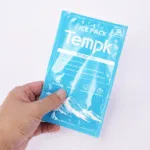
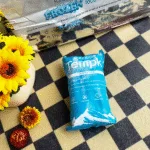
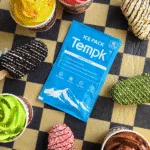
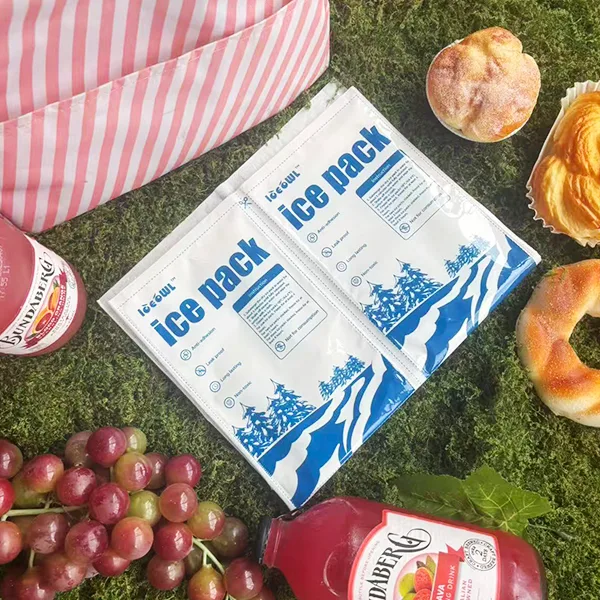
Ein Hersteller Trockeneisbeutel Für den Gemüsetransport lohnt sich die Beschaffung nur dann, wenn die Komponente in ein definiertes Nacherntesystem passt. Der Hydratations-Trockeneisbeutel von Tempk ist eine durch Wasser aktivierte gefrorene Folie, kein festes Kohlendioxid und kein UN1845-Trockeneis. Die Folie kann die Kühlung durch gefrorenes Wasser über eine isolierte Verpackung verteilen, Dennoch kann es keinen sicheren Zustand für Gurken wählen, Blattgemüse, Paprika, Süßkartoffeln, oder ein gemischter Korb. Eine veröffentlichungsfähige Spezifikation muss die Warentoleranz berücksichtigen, Ausgangstemperatur des Zellstoffs, Streckenwärme, Luftstrom, Feuchtigkeit, Lebensmittelsicherheitsstatus, Blattvorbereitung, und Fertigungskonsistenz.
Schreiben Sie vor einer Kühlmittelspezifikation eine Produktbeschreibung
Der Rohstoffbrief ist der wichtigste technische Input des Käufers. Dadurch wird verhindert, dass der Plattenhersteller mit der Lösung von Fragen zur Nacherntebiologie beauftragt wird, der Lebensmittelsicherheitsplan des Versenders, oder der Vertriebsweg.
Benennen Sie das Gemüse genau. Sorte und Reife können eine Rolle spielen, wenn sie die Kühlung oder das Marktleben beeinflussen. Geben Sie an, ob es intakt ist, gewaschen, getrimmt, schneiden, verpackt, oder anderweitig verarbeitet werden. Durch die Verarbeitung können sich sowohl die Anforderungen an die Wärmeübertragung als auch an die Lebensmittelsicherheit ändern. Ein geschnittenes Blattprodukt sollte nicht so behandelt werden, als wäre es ein intakter Kopf, nur weil es sich bei beiden um Gemüse handelt.
Beschreiben Sie die Ausgangsbedingung. Berücksichtigen Sie beim Verpacken die vorgesehene Zellstofftemperatur, die Vorkühlmethode, Zeit zwischen Ernte und Abkühlung, und die Art und Weise, wie diese Bedingung überprüft wird. Einer Hydratationsdecke sollte nicht die ungeplante Aufgabe übertragen werden, Feldwärme aus warmen Produkten zu ziehen und gleichzeitig das Paket vor äußerer Hitze zu schützen.
Definieren Sie dann das akzeptable Ergebnis. Die Temperatur ist ein Teil. Aussehen, Textur, Wasserverlust, Lochfraß, Verfärbung, Verfall, Kartonstärke, und die verbleibende Marktfähigkeit können ebenfalls relevant sein. Kälteschäden können auftreten, wenn das Produkt wieder wärmeren Bedingungen ausgesetzt wird, Daher kann eine unmittelbare Eingangskontrolle unzureichend sein.
Der Auftrag sollte den Weg vom Verpacken bis zum Empfang angeben, einschließlich:
Kommissionierung und Versand wohnen;
Fahrzeug- oder Paketmodus;
Cross-Docks und Transfers;
saisonaler Hitze- und Kälteexposition;
mögliche Verzögerung und fehlgeschlagene Lieferung;
Empfangszeiten des Kunden;
Lagerung oder Anzeige nach der Ankunft.
Diese Fakten bestimmen, ob gefrorene Laken ein sinnvoller Kandidat sind. Sie zeigen auch bei der Fahrzeugkühlung an, stärkere Isolierung, ein anderes Phasenwechselmaterial, oder eine andere Logistiksteuerung verdient einen Vergleich.
Nutzen Sie ein Kompatibilitäts-Gate, bevor Sie Muster anfordern
Die erste technische Entscheidung ist nicht die Blattgröße. Es geht darum, ob eine eisbasierte Kühlung mit der Kältetoleranz der Ware koexistieren kann.
Frisches Gemüse bleibt lebendes Gewebe. Sie atmen, Wärme abgeben, Feuchtigkeit verlieren, und auf den Temperaturverlauf reagieren. Manche vertragen Bedingungen nahe ihrem Gefrierpunkt; andere erleiden bei Hitze Kälteverletzungen, frostfreie Bedingungen. USDA, FAO, und rohstoffspezifische Nachernteleitfäden dokumentieren, dass das Abkühlen zu Lochfraß führen kann, Verfärbung, wasserdurchtränkte Bereiche, abnormale Reifung, Fehlaromen, physiologische Verschlechterung, und verstärkter Verfall. Das Risiko hängt von der Ernte ab, Sorte, Temperatur, Dauer, und vorherige Exposition.
Ein gefrorenes Blatt kann an seiner Oberfläche unter 0 °C beginnen. Während das zurückgehaltene Wasser schmilzt, Der Eisphasenwechsel sorgt für eine erhebliche Wärmekapazität, aber die Verpackung wird bei einer Temperatur nicht gleichmäßig fixiert. Direkter Kontakt, eine gefaltete Doppelschicht, eine dünne Kartonwand, oder eine zusammengedrückte Ecke kann eine lokale Kältestelle erzeugen. Ein mittlerer Luftsensor erkennt diese Grenze möglicherweise nicht.
Überschreiten Sie das Kompatibilitätstor nur, wenn das Design eine glaubwürdige Möglichkeit bietet, damit umzugehen:
Risiko durch direkten Kontakt;
Es besteht während der gesamten Einwirkzeit ein Abkühlungsrisiko;
Luftzirkulation um atmende Produkte;
Kondensation und freies Wasser;
der beabsichtigte Zustand des Ausgangsbreis;
Lebensmittelkontakt und Hygieneanforderungen.
Die Ausgabe kann sein "mit einer definierten Barriere bewerten," "Nur in einem separaten Kühlfach verwenden," oder "Verwenden Sie für diese Strecke kein Kühlwasser mit gefrorenem Wasser." Eine No-Go-Entscheidung ist wertvolle Technik, kein gescheiterter Verkaufsprozess.
Trennen Sie die Aufgaben der Vorkühlung, Isolierung, und Kühlmittel
Drei Funktionen werden oft in einem Wort zusammengefasst "Kühlkette."
Durch die Vorkühlung wird Feldwärme oder Prozesswärme vor der Verteilung abgeführt. Die richtige Methode hängt von der Ware ab und kann Druckluft verwenden, Wasser, Vakuum, Raumkühlung, oder ein anderer kontrollierter Prozess. Es schafft eine geeignete Ausgangsbedingung.
Die Isolierung verlangsamt den Wärmeaustausch mit der Umgebung. Es kann keine Kühlung entstehen, und seine Schwachstellen können Nähte sein, Deckel, Ecken, Linerüberlappungen, und komprimierte Bereiche.
Kühlmittel speichert endliche Kühlkapazität. In einer Trinkschicht, Das zurückgehaltene Wasser erwärmt sich und schmilzt, während es Wärme aufnimmt. Die gemessene Schmelzwärme von reinem Eis beträgt ca 333.5 Joule pro Gramm, Dies hilft, die Rolle der gefrorenen Masse zu erklären. Ohne die tatsächlich zubereitete Masse lässt sich die Packungsdauer nicht vorhersagen, Startbedingungen, Wärmeleck der Isolierung, Wärme erzeugen, Atmung, Umgebungseinflüsse, und Akzeptanzgrenzen.
Die korrekte Zuweisung jedes Jobs verbessert sowohl das Design als auch die Fehlerbehebung. Wenn der Kern eines Kartons zu Beginn warm ist, Durch das Hinzufügen von Wandplatten kann die Außenseite unterkühlt werden, bevor die Mitte korrigiert wird. Wenn ein Deckel die dominierende Wärmebrücke ist, Mehr Kühlmittel auf der Basis löst die verspätete Warmstelle möglicherweise nicht. Wenn die winterliche Umgebungseinwirkung zu Auskühlung führt, Gefrorenes Kühlmittel kann kontraproduktiv sein, selbst wenn das gleiche Packout im Sommer funktioniert.
Verwandeln Sie das Trinklaken in einen kontrollierten Gegenstand
Sobald die Kompatibilität plausibel ist, Die Herstellerspezifikation kann erstellt werden. Verwenden Sie das genaue Tempk-Modell oder die benutzerdefinierte Zeichnung anstelle des Familienbegriffs "Trockeneisbeutel." Identifizieren Sie das Zellmuster, Trockenmaße, Revision, Verpackungskonfiguration, Loskodierung, Aktivierungsanweisung, und Komponentendokumentation, die von den Qualitäts- und Lebensmittelsicherheitssystemen des Käufers gefordert wird.
Die Spezifikation soll mehrere Schnittstellen auflösen:
Aktivierungsschnittstelle
Welche Oberfläche oder Konstruktion ermöglicht die Wasseraufnahme?? Welche Vorgehensweise gilt für genau dieses Modell?? Wie wird die Vollaktivierung erkannt?? Wie sind teilweise hydratisierte Zellen?, Außenwasser, Kontamination, oder sichtbare Leckagen behandelt werden? Wenn das vorbereitete Gewicht als Prozesskontrolle verwendet wird, sein Sortiment bedarf einer produktspezifischen Begründung.
Gefrierschrank-Schnittstelle
Wie werden Blätter angeordnet, damit eine Produktionscharge gleichmäßig einfriert?? Was verhindert, dass sie zusammenkleben oder beim Trennen beschädigt werden?? Wie wird der Status angezeigt?? Welche Geräteleistung und Bereitstellungsregeln sind an jedem Packort erforderlich??
Packout-Schnittstelle
Wo liegt das Blatt?, falten, oder einwickeln? Welche Lüftungsöffnungen müssen offen bleiben?? Ist eine Barriere zwingend erforderlich? Reduziert die hydratisierte Dicke den Nutzlastraum oder komprimiert sie das Produkt?? Wie wird das Blech bei Vibration und Inversion gehalten??
Versorgungsschnittstelle
Welche Eigenschaften werden vom Hersteller und vom Käufer geprüft?? Wie wird mit Nichtkonformitäten umgegangen?? Wie wird ein Film, saugfähiges Material, Naht, Zeichnung, Verfahren, Etikett, oder Produktionsstandortwechsel mitgeteilt werden? Erfordert ein kundenspezifischer Artikel vor jeder relevanten Überarbeitung ein Vorproduktionsmuster??
Diese Schnittstellen sind nützlicher als ein allgemeines Versprechen einer langen Abkühlung. Sie wandeln ein flexibles Material in einen reproduzierbaren Input um.
Vergleichen Sie Fabrikangebote mit einer Anspruchsgrenzenüberprüfung
Verwenden Sie für jeden Kandidaten die gleichen Fragen, damit attraktive, aber unvollständige Bewerbungen nicht dominieren.
| Erklärung des Lieferanten | Grenze zur Klärung | Evidenz zur Entscheidungsqualität |
|---|---|---|
| "Lebensmittelqualität" | Genaues Modell, Materialien abgedeckt, beabsichtigter Kontakt und Konditionen | Gültige produktspezifische Erklärung bzw. Prüfdokumentation |
| "Wiederverwendbar" | Geplante Anzahl wird nicht angenommen; Hygiene- und Integritätsbedingungen sind wichtig | Genaue Modellanweisungen sowie Rückgabe- und Inspektionsprozess für den Käufer |
| "Dicht" | Konditionierung, Testmethode, Probe, und Fehlerkriterien | Relevanter Integritätsbericht und Produktionsinspektionskontrolle |
| "Lang anhaltende" | Isolierung, Nutzlast, Blattanzahl, Umgebungsprofil, Startbedingungen, Akzeptanzband | Vollständiger Testbericht für eine definierte Konfiguration |
| "Anpassbar" | Abmessungen, Zellmuster, Schichten, Drucken, Toleranzen, Revision | Kontrollierte Zeichnung und genehmigtes Produktionsmuster |
| "Geeignet für Gemüse" | Welche Ware, Paket, Route, und Qualitätskriterien | Vom Käufer geleiteter Packout-Test mit repräsentativen Produkten |
| "Umweltfreundlich" | Materialien, Funktionsvergleich, Lebenszyklusphasen, lokales Lebensende | Eng dokumentierter Anspruch, gestützt durch Systemdaten |
Ziel ist es nicht, für jede kommerzielle Phrase ein Zertifikat zu verlangen. Es soll verhindert werden, dass sich eine Komponententatsache zu einer Systemgarantie ausweitet. Ein Materialtest kann eine Zeile unterstützen; Die thermische Leistung der Route gehört zu einem anderen Beweissatz.
In diesem Stadium, Vergleichen Sie die Gesamtbetriebstauglichkeit sowie den Stückpreis. Trockene Laken beanspruchen vor der Aktivierung nur wenig vorbereiteten Lagerraum, aber der Standort braucht Wasser, Arbeit, trocknen oder abtropfen lassen, Gefrierregale, Energie, Tiefkühllagerung, und Statuskontrolle. Ein benutzerdefiniertes Format kann die Kartonabdeckung verbessern und gleichzeitig eine Lieferantenbindung oder ein komplexeres Änderungsmanagement schaffen. Ein wiederverwendbares Design hat bei einer Einwegroute möglicherweise keinen wirtschaftlichen Wert.
Hilfreiche Entscheidungshilfen
Überprüfen Sie die Details, bevor Sie sich für die Verpackung entscheiden
Mit diesen schnellen Tools können Sie das Routenrisiko vergleichen, Größenanforderungen, Kühlmittelauswahl, und Verpackungsdetails, bevor Sie ein Angebot anfordern.
Referenz zu Isoliermaterialien
Vergleichen Sie die Auswahl an Isoliermaterialien für unterschiedliche Kühlkettenverpackungsanforderungen.
Vergleichen Sie MaterialienTrockeneisrechner
Schätzen Sie vor dem Verpacken den Bedarf an Trockeneis für gefrorene oder ultrakalte Sendungen.
Schätzen Sie TrockeneisRoutenrisiko-Checker
Überprüfen Sie die Fahrspurbedingungen, bevor Sie die Verpackung entsprechend den tatsächlichen Betriebsanforderungen auswählen.
Streckenrisiko prüfenErstellen Sie einen Versuch rund um wahrscheinliche Fehlermodi
Ein nützlicher Versuch zeigt nicht nur, dass das Innere kalt wird. Es stellt die Art und Weise in Frage, wie das vorgeschlagene System das Gemüse schädigen oder es nicht schützen könnte.
Beginnen Sie mit repräsentativen Produkten, Verpackung, Masse, und Zustand des Ausgangsbreis. Verwenden Sie minimale und maximale Nutzlasten, wenn beides routinemäßig ist. Legen Sie die genauen Innentaschen bei, Lüftungsschlitze, Pads, Karton, Liner, Blatt, Barrieren, und Schließungen. Dokumentieren Sie die Vorbereitung des Gefrierschranks und die Zeit vom Entfernen der Folie bis zum Verschließen der Verpackung.
Wählen Sie eine Umgebungsherausforderung mit einer Routenbegründung aus. ISTA 7E kann für die Paketzustellung relevant sein Thermoverpackung, und ASTM D3103 können die Bewertung der Wärmedämmleistung unterstützen. Die Verteilung von Kühlfahrzeugen oder Paletten erfordert eine angemessene Luftzirkulation, Laden, und Spurüberlegungen. Die Codex-Richtlinien für den Transport von frischem Obst und Gemüse legen Wert auf die Vermeidung von Kälte- und Frostschäden durch geeignete Ausrüstung und Beladung.
Platzieren Sie Sensoren, um Steigungen zu lokalisieren. Berücksichtigen Sie Positionen in der Nähe gefrorener Zellen, bei wahrscheinlichen Isolationsschwächen, und im Thermalzentrum. Sensormodell, Kalibrierung, Aufzeichnungsintervall, Anhang, und Datenverarbeitung sollte für die Fragestellung geeignet sein. Eine Luftspur und eine Zellstoffspur sind nicht austauschbar.
Nach der Herausforderung, auswerten:
heiße und kalte Zeit-Temperatur-Exposition;
Kondensation und eventuelle Blechlecks;
Entlüftungsbehinderung und interne Anordnung;
Nassfestigkeit und Verformung des Kartons;
Blutergüsse oder Abschürfungen;
Gewichtsverlust, sofern relevant;
Warenspezifische Kälte- oder Gefriersymptome;
Verfall, Farbe, Textur, und Marktgängigkeit über einen angemessenen Beobachtungszeitraum.
Führen Sie genügend Replikate und saisonale oder Konfigurationsherausforderungen durch, um die Risikoentscheidung zu unterstützen; Das erforderliche Programm hängt vom Produktwert ab, Variation, Route, und Regierungssystem. Wandeln Sie einen Screening-Durchlauf nicht in einen universellen Daueranspruch um.
Praxisbeispiel: Paprika über ein Paketnetz
Stellen Sie sich vor, ein Erzeuger und Verpacker möchte in den warmen Monaten Paprika per Paket an Fachhändler liefern. Die Paprika kommen nach einem genehmigten Vorkühlprozess an der Verpackungslinie an. Der Käufer erwägt eine 12-Zellen-Trinkschicht, da deren Geometrie zur Kartonwand passt, Es wurde jedoch weder die Eignung noch die Dauer des direkten Kontakts nachgewiesen.
Der Rohstoffbrief identifiziert zwei konkurrierende Risiken: Wärmeeinwirkung kann den Wasserverlust und das Schrumpfen erhöhen, während übermäßige Kälte je nach Zeit und Temperatur zu Kälteschäden führen kann. Der erste Prototyp legt gefrorene Blätter an zwei Kartonwände. Die Kartierung zeigt kalte Grenzstandorte neben den Laken und einen wärmeren Bereich in der Nähe des Deckels. Sofortige Paprika sehen akzeptabel aus, Das Team bewahrt jedoch Proben zur späteren Qualitätsbeobachtung auf.
Ein zweiter Prototyp verwendet einen kontrollierten Abstandshalter, Fördert einen Teil des Kühlmittels in Richtung Deckelbrücke, und bewahrt die Belüftungsöffnungen des Kartons. Das Team wiederholt die gleichen Startbedingungen und das gleiche Streckenprofil. Es vergleicht Temperaturgradienten, Kondensation, Lochfraß, Verfall, Farbe, Textur, und Kartonintegrität. Anschließend kann das gepufferte Design ausgewählt werden, Passen Sie die Isolierung an, oder lehnen Sie das gefrorene Blatt für diese Spur ab.
Dieses hypothetische Projekt beweist keine universelle Pfefferverpackung. Es zeigt eine disziplinierte Entscheidung: Definieren Sie den biologischen Kompromiss, Finden Sie thermische Gradienten, und überprüfen Sie die Qualität nach der Veranstaltung. Nur innerhalb dieser Methode werden Herstellerproben zu nützlichen Beweisen.
Übertragen Sie die genehmigte Verpackung in die Produktion
Der beste Prototyp kann scheitern, wenn die Vorbereitung skaliert. Führen Sie vor der Massenfreigabe einen produktionsrepräsentativen Lauf durch. Verwenden Sie die normale Besatzung, Wasserstation, Gefrierladung, Bestellplan, und Bereitstellungsbereich. Beobachten Sie, ob die Mitarbeiter die Trinkbereitschaft konsistent interpretieren, ob die Blätter wie vereinbart einfrieren, ob Absperrungen und Entlüftungen korrekt bleiben, und ob sich der Karton ohne Gewalt schließt.
Wandeln Sie das Ergebnis in visuelle Anweisungen um. Zeigen Sie den genauen Artikel an, Aktivierung, akzeptables und abgelehntes Erscheinungsbild, Gefrieranordnung, Staging-Status, Faltung oder Ausrichtung, Barriere, Sensor- oder Anzeigeort, an dem er verwendet wird, Schließung, und Ausnahmeroute. Halten Sie die Revisionskontrolle sichtbar.
Für den Betrieb an mehreren Standorten ist eine Transferbewertung erforderlich. Ein Tiefkühlschrank in einem Depot reproduziert möglicherweise nicht den Prozess eines begehbaren Tiefkühlhauses in einem Packhaus. Wasserhandhabung und Chargengröße können unterschiedlich sein. Überprüfen Sie den vorbereiteten Zustand und die Montage an jedem Standort, anstatt identische schriftliche Anweisungen als identische Ausführung zu betrachten.
Zur Übertragung gehört auch das Empfangen:
Planen Sie die Lieferung, wenn geschultes Personal verfügbar ist;
Verschluss prüfen, zerquetschen, Feuchtigkeit, und sichtbarer Zustand;
Temperaturinformationen gemäß Plan messen oder abrufen;
Behalten Sie das verbleibende Eis als Beobachtung bei, kein Abnahmebeweis;
Ungewisses Produkt unter Quarantäne stellen;
Leiten Sie Entscheidungen an autorisiertes Personal für Lebensmittelsicherheit oder Qualität weiter;
Erfassen Sie wiederkehrende Abweichungen nach Route und Konfiguration.
Einmal veröffentlicht, Schützen Sie die Konfiguration durch Eingangskontrolle, Chargenrückverfolgbarkeit, Überprüfung der Beschwerde, und Änderungsbewertung. Das getestete System sollte aufgrund eines neuen Blattes nicht leise driften "sieht nah genug aus."
Bewerten Sie Wiederverwendung und Umweltauswirkungen ehrlich
Das Dry-Flat-Format kann das eingehende Lagervolumen im Vergleich zu vorbereitetem Kühlmittel reduzieren. Das ist eine konkrete logistische Eigenschaft. Umweltüberlegenheit, Recyclabalität, und Wiederverwendungsvorteil sind umfassendere Schlussfolgerungen, die Beweise erfordern.
Definieren Sie den Vergleich als eine akzeptierte Lieferung einer angegebenen pflanzlichen Nutzlast. Fügen Sie das Blatt und die andere Verpackung bei, eingehender Transport, Flüssigkeitszufuhr, Gefrierenergie, Abmessungen und Gewicht des ausgehenden Pakets, Retourenlogistik, Reinigung, Verlust und Beschädigung, Produktabfall, und Zielentsorgung. Eine Verpackung mit geringerem Materialaufwand, die zu mehr Ausschussprodukten führt, stellt keine Verbesserung dar.
Bestätigen Sie, dass genau das Blatt zur Wiederverwendung bestimmt ist. Dann Designidentifikation, Erholung, Inspektion, Hygiene, Lagerung, und Ruhestand. Eine Einkaufsschleife zwischen Restaurant und Rückgabe kann diese Kontrollen unterstützen; ein Verbraucherpaket möglicherweise nicht. Lokale Recycling- und Abfallmöglichkeiten sind wichtig, da mehrschichtige Konstruktionen und absorbierende Inhalte möglicherweise nicht in Standardfolienströme gelangen.
Verwenden Sie vorsichtige Behauptungen, die den gemessenen Grenzen entsprechen. "Vor der Aktivierung trocken und flach gelagert" ist vertretbarer als "grüne Verpackung." "Zurückgewonnen und in unserem kontrollierten lokalen Kreislauf wiederverwendet" ist besser als ein nicht unterstütztes lebenslanges Versprechen.
FAQ
Welche Informationen sollte ein Gemüsekäufer dem Hersteller übermitteln??
Geben Sie die genaue Ware und Präsentation an, Ausgangszustand der Pulpe, Vorkühlprozess, Karton- und Linerabmessungen, Lüftungsschlitze, Isolierung, Nutzlastreichweite, Zeitleiste der Route, saisonale Exposition, kalte und warme Grenzen, Feuchtigkeitsprobleme, Kontaktbeschränkungen, und beabsichtigte Wiederverwendung. Auf diese Weise kann der Hersteller die physische Blattpassung besprechen, ohne die Anforderungen nach der Ernte vorherzusagen.
Handelt es sich um festes Kohlendioxid-Trockeneis??
NEIN. Der Hydratations-Trockeneisbeutel von Tempk wird mit Wasser aktiviert und eingefroren. Es besteht nicht aus festem Kohlendioxid, sublimiert nicht zu Kohlendioxidgas, und es sollte nicht erwartet werden, dass sie das schaffen Ultra-kalte Bedingungen im Zusammenhang mit UN1845-Trockeneis. Verwenden Sie in Spezifikationen und Schulungen eine genaue Terminologie.
Wie viele Trinktücher sollten in einen Karton gelegt werden??
Es gibt keine universelle Zählung. Es kommt auf das zurückgehaltene Wasser an, Konditionierung, Isolierung, Nutzlastwärme, Atmung, Starttemperatur, Paketgeometrie, Streckenbelichtung, Dauer, und die Kältetoleranz der Ware. Technische Berechnungen können Optionen prüfen, Bei repräsentativen Packout-Tests müssen jedoch die genehmigte Anzahl und Position ermittelt werden.
Kann ein Lebensmittelkontaktdokument eines Herstellers einen Transportversuch ersetzen??
NEIN. Die Material- oder Lebensmittelkontaktdokumentation befasst sich mit Fragen zur definierten Zusammensetzung oder zum vorgesehenen Kontakt. Es zeigt nicht, dass Gemüse während einer Route die Qualitäts- oder Sicherheitskriterien einhält. Thermal, Feuchtigkeit, körperliche Handhabung, und Produktqualität erfordern Nachweise aus der gesamten Konfiguration.
Warum sollte die Qualität nach dem Aufwärmen der Verpackung überprüft werden??
Kälteverletzungen können dabei verborgen bleiben Kühlspeicher und werden sichtbar, wenn die Produkte wieder wärmeren Bedingungen ausgesetzt sind. Abhängig von der Ware, Zu den Symptomen kann Lochfraß gehören, Verfärbung, wassergetränktes Gewebe, abnormale Reifung, oder verstärkter Verfall. Ein geplanter Beobachtungszeitraum kann Schäden aufdecken, die bei der sofortigen Eingangskontrolle übersehen werden.
Abschluss: Geben Sie das System und die Komponente gemeinsam frei
Die Herstellerauswahl sollte einer Reihenfolge folgen: Definieren Sie das Gemüse, Bildschirmeisbasierte Kompatibilität, getrennte Vorkühlung von der Transportkühlung, Kontrollieren Sie die Trinkschicht, Herausforderung wahrscheinlicher Fehlermodi, und die Produktionsausführung nachweisen. Das genaue Tempk-Blatt kann dann als kontrollierter Teil einer Ware freigegeben werden- und routenspezifisches Packout.
Dieser Ansatz schützt vor zwei kostspieligen Fehlern: Vorausgesetzt, dass alle Gemüsesorten den gleichen Kühlzustand haben möchten und dass ein flexibles gefrorenes Blatt seine eigene Haltezeit hat. Eine gute Beschaffung bewahrt die physische Komponente, die biologische Anforderung, und die Betriebsmethode als eine evidenzbasierte Entscheidung.
Über Tempk
Tempk produziert wasseraktivierte Hydratationskühlmittelplatten in mehreren Zellformaten zur Verwendung mit Isolierte Verpackung. Wir können Ihnen Informationen zur modellgenauen Vorbereitung geben, Besprechen Sie die individuelle Passform, und unterstützen die Komponentenidentifizierung während der Herstellerbewertung. Bei diesen Produkten handelt es sich nicht um festes Kohlendioxid-Trockeneis, und ihre Eignung hängt vom Gemüse ab, Vorkühlung, Route, Barrieren, Isolierung, und fertig verpackt. Tempk empfiehlt repräsentative Tests vor einer kundenspezifischen oder Massenveröffentlichung, damit Käufer- und Werksspezifikationen denselben Artikel beschreiben.
Senden Sie Tempk Ihre Warenbeschreibung und Verpackungszeichnung, um ein Musterformat für die Bewertung zu ermitteln. Bestätigen Sie die Produktionskonsistenz und die Routenleistung, bevor Sie den Test in einen Herstellerauftrag umwandeln.